Scotland vs. Ireland: Choosing Between Celtic Gems
Ireland vs. Scotland Travel: A Guide for Cruisers
By Ashlee Sierra | Published on May 11, 2026
From kilts and kelpies to seascapes and snakes (or lack thereof), Scotland and Ireland are waiting to immerse you in living magic. If you’re deciding which to visit before or after a cruise, you can’t go wrong. Choose Scotland if you want history, heritage and dramatic scenery, or choose Ireland if you’re looking for warmth and a welcoming, fast-paced culture.
With Scottish roots myself, I grew up listening to my dad and great-grandmother telling stories about Celtic life. Turns out there’s always more to learn about the scenery, culture, history, travel style and weather you can expect in Scotland vs. Ireland. You’ll find that, while these storybook locales have plenty in common, each brings a unique personality that might be calling you home.
Scotland vs. Ireland at a Glance: Key Differences for Travelers

For travelers, the main differences between Scotland and Ireland are history, culture, landmarks and scenery. The locations have similar weather patterns and tourism seasons, but they’re by no means interchangeable.
| Cities and Scenery | Culture and Food | History and Landmarks | Budget and Travel Style | Weather and Time of Year | |
|---|---|---|---|---|---|
| Scotland | Festivals, architecture and landmarks in big cities; mountains, moorlands, lochs and coasts. | Deep history and ancient heritage; fish and chips, haggis and Scotch. | Loch Ness, Culloden Battlefield and plenty of castles. | Slightly more affordable; travel style is adventurous, cool, mysterious and historical. | Cool summers and mild, wet winters; aim for May/June and September/October. |
| Ireland | Pubs, food, music and arts in main cities; coastal cliffs, emerald fields and bogs. | Family values, hospitality, music and good company; Irish stew, colcannon and Irish apple cake. | Blarney Castle, prehistoric passage tombs and Hook Lighthouse. | Dining and rentals can be more expensive; travel style is cultural, fast-paced, friendly and warm. | Cloudy summers and damp winters; aim for May/June or November - mid-March. |
Most Royal Caribbean British Isles cruises begin and end in Southampton, England. If you plan to go exploring before or after your cruise, keep in mind that:
- ● Edinburgh, Scotland, is roughly 6 hours from Southampton by train.
- ● Dublin, Ireland, is about 9 hours away from Southampton, including a 6-hour train ride to Holyhead and a 3-hour ferry ride to the capital city.
How Far Is Scotland From Ireland?
It can take up to 10.5 hours to get from Scotland to Ireland, depending on where you leave from and what transportation you use. If you want to see both countries before or after your cruise, plan ahead to ensure you have enough time to travel between them.
Cities and Landscape: Scotland vs. Ireland
Scotland: Mountains, Moorland and Landmarks
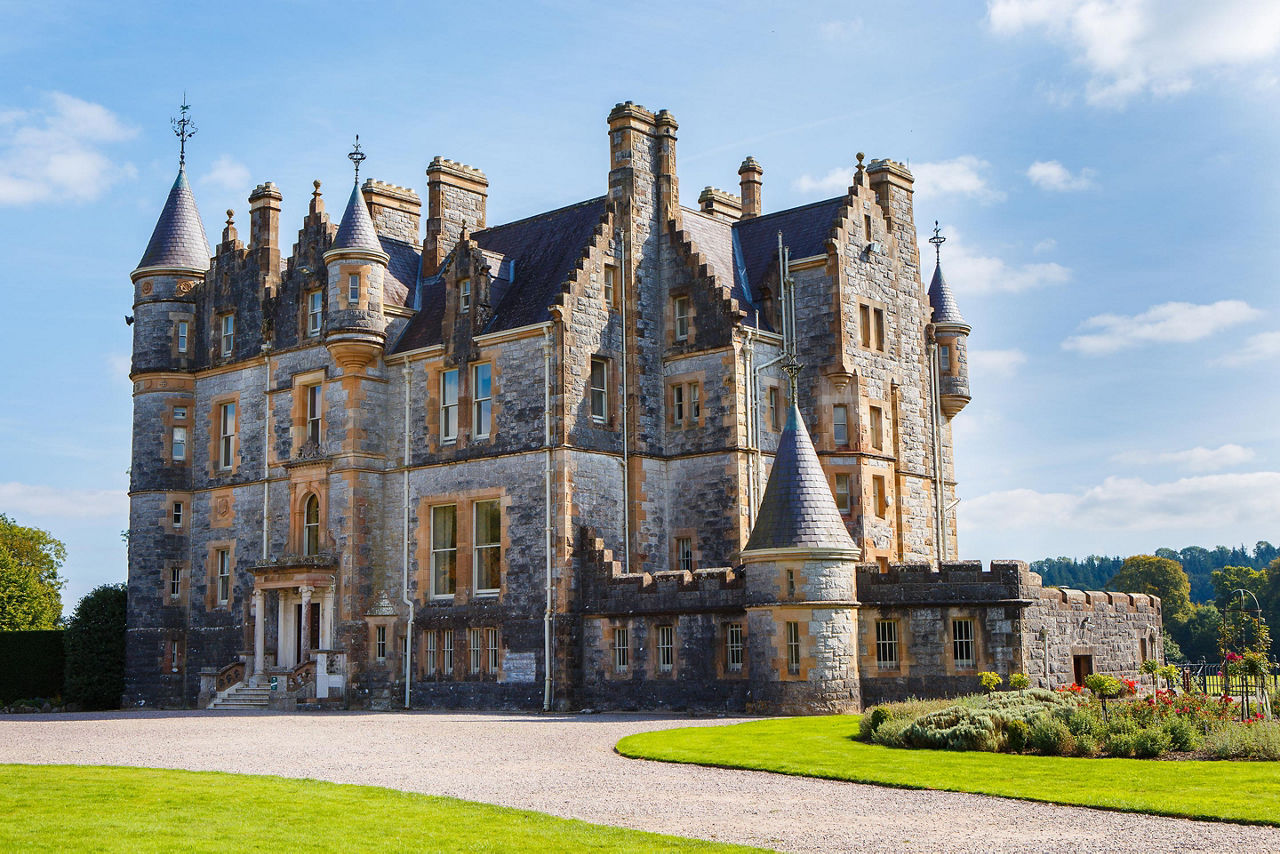
Scotland is known for its dramatic, mysterious landscapes. Explore mountains, highlands, heather moorlands, lochs and coastlines for the full experience. If you visit the east coast between April and September, look out for “haar” — a thick, chilly sea fog that adds a touch of Scottish drama to every photograph.
The cities don’t disappoint, either. Add these well-known locales to your list:
- ● Edinburgh: Best for landmarks and festivals.
- ● Glasgow: Best for architecture, music and world-class museums.
- ● Inverness: Best for Highland culture.
Ireland: Cliffs, Bogs and Bohemian Vibes
Ireland’s landscape is a storybook come to life. Emerald fields, legendary bogs and incredible coastal cliffs put you in the middle of a daydream wherever you wander.
Of course, scenery is only part of the story. To immerse yourself in local culture, be sure to visit:
- ● Dublin: Best for literary history and pubs.
- ● Cork: Best for food and arts scenes.
- ● Galway: Best for music and a Bohemian vibe.
Celtic Culture, Events and Food

Scotland: Living Traditions You Can Take Part In
The overall culture in Scotland is historical, traditional and focused on heritage. This is one place that never forgets its stories — both real (like the invention of golf) and fictional (like “Ivanhoe” and “Rob Roy” by Sir Walter Scott).
If you want a deep dive into Scottish culture, make time for:
- ● Tartan Day (April 6): A celebration of Scotland’s influence around the world.
- ● Highland Games (May - September): Traditional Scottish festivals combining sports and community.
- ● Hogmanay (December 31): Scottish New Year’s Eve celebration, including the Scottish song “Auld Lang Syne.”
To really embrace the culture, remember that you don’t have to be associated with a clan to wear its tartan (except Balmoral tartan, generally restricted to the royal family). I have a kilt and scarf, both made in Scotland — I recommend buying from a local shop for full authenticity.
Finally, if you want a taste of the kilted country, fish and chips is a classic. I grew up hearing my dad’s stories about the real-newspaper-wrapped delicacy. My favorite tip: Try fish and chips at home first so you can compare it to “the real thing” on your vacation.
For the more adventurous, there’s also haggis (savory pudding made of offal and traditionally cooked in a sheep’s stomach). And if you need a drink, try real Scotch Whisky, which only earns the name “scotch” if it was produced and distilled in Scotland.
Ireland: Family Fun for Everyone
The overall culture in Ireland is warm and welcoming, with a particular love for hospitality, good company and stories of old. A strong emphasis on family values makes the Emerald Isle a great vacation spot for your wee ones.
To experience everything this sociable country has to offer, plan your adventures around these events:
- ● Puck Fair (August): The oldest Gathering Festival in Ireland, offering concerts, storytelling, traditional music and a royal mountain goat coronation ceremony.
- ● Púca Festival (October-November): A celebration of myth and magic, known as the origin of Halloween.
- ● St. Patrick’s Festival (March): Iconic cultural and religious festival commemorating St. Patrick, who brought Christianity to Ireland and is said to have banished snakes from the island.
Don’t forget to sample traditional dishes like Irish stew (mutton, potatoes and slow-cooked carrots) and colcannon (Irish mashed potatoes). For dessert, grab Irish apple cake, which puts a Celtic spin on familiar apple pie flavors.
Living History: From Loch Ness to Blarney Castle
Scotland: Castles and Critters
Scotland is a land of history and mystery. If it’s facts you’re after, start with the country’s historic castles — particularly Edinburgh Castle, Stirling Castle and Dunans Castle (which I own a square foot of). Outlander enthusiasts should also stop by Culloden Battlefield, where a real hour-long battle changed the course of history.
For fans of folklore and legend, my favorite stop would be Loch Ness. In between Nessie-spotting, you can explore trails, watch waterfalls and even go fishing. You could also visit The Kelpies — two massive horse head sculptures celebrating the shape-shifting water spirits of Scottish folklore. While not ancient art, they’re a fun representation of how myth lives on in Scotland.
Ireland: Kiss a Stone, Tour a Tomb or Spot a Lighthouse
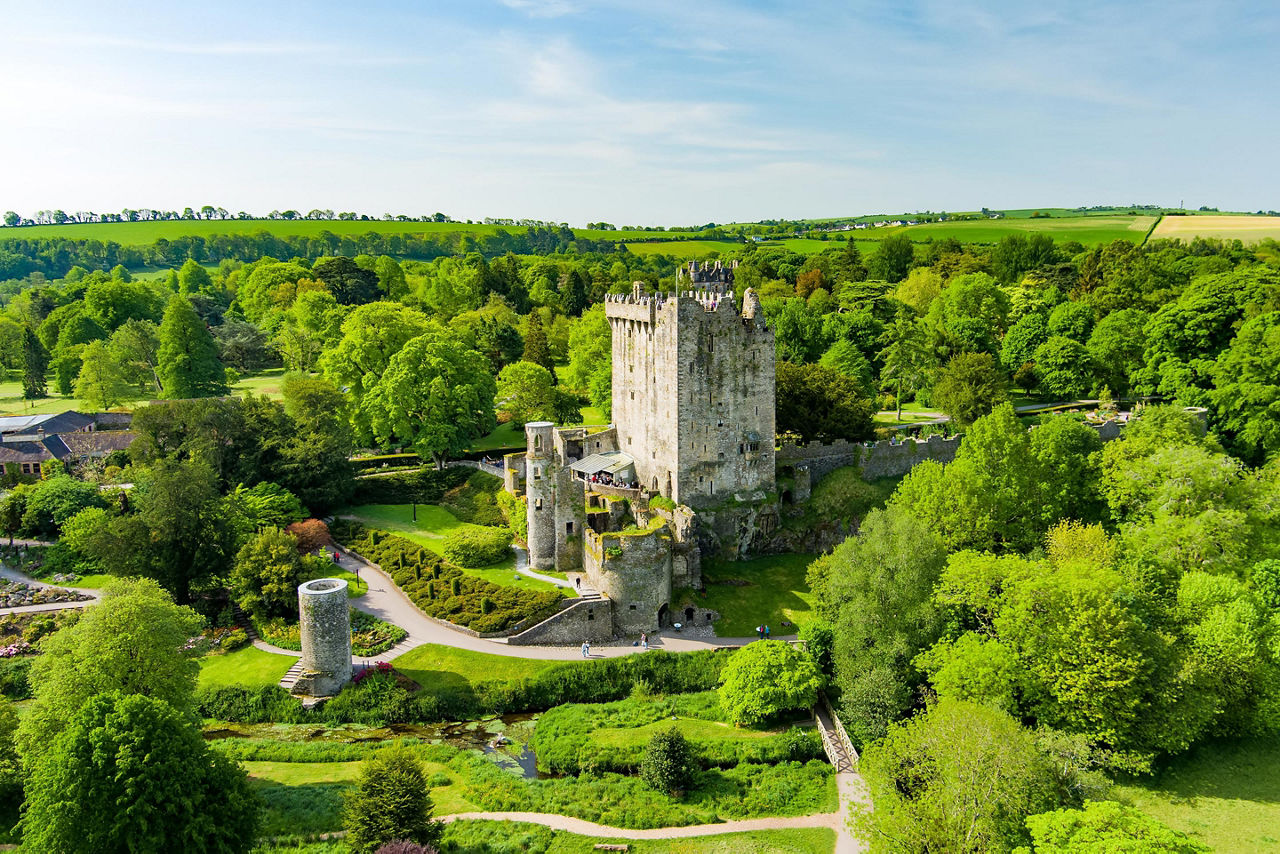
If you’re looking for storybook scenery, Ireland’s historical spots are your “once upon a time.” Start with Blarney Castle, where kissing the Blarney Stone is rumored to earn you lifelong eloquence (how’s that for a souvenir?). Even older stories await in the prehistoric passage tombs of Brú na Bóinne, which contain Western Europe’s largest collection of megalithic art dating as far back as 3200 B.C.
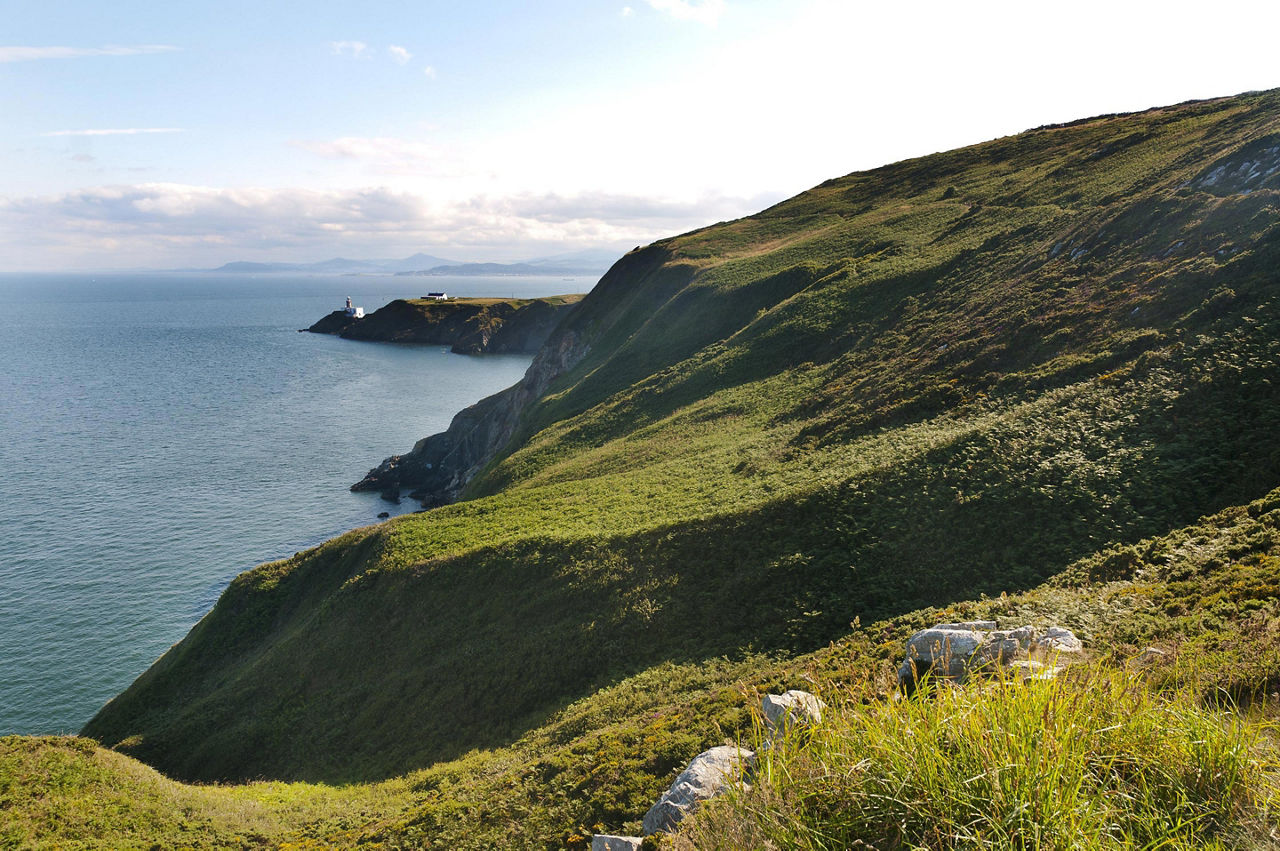
For a touch more of “today,” you can also visit Hook Lighthouse. At a spry 800 years old, it’s certainly not new — but its cafe, gift shop and live cams feel familiar to modern explorers.
Budget and Travel Style in Scotland vs. Ireland
Scotland: For the Adventurers
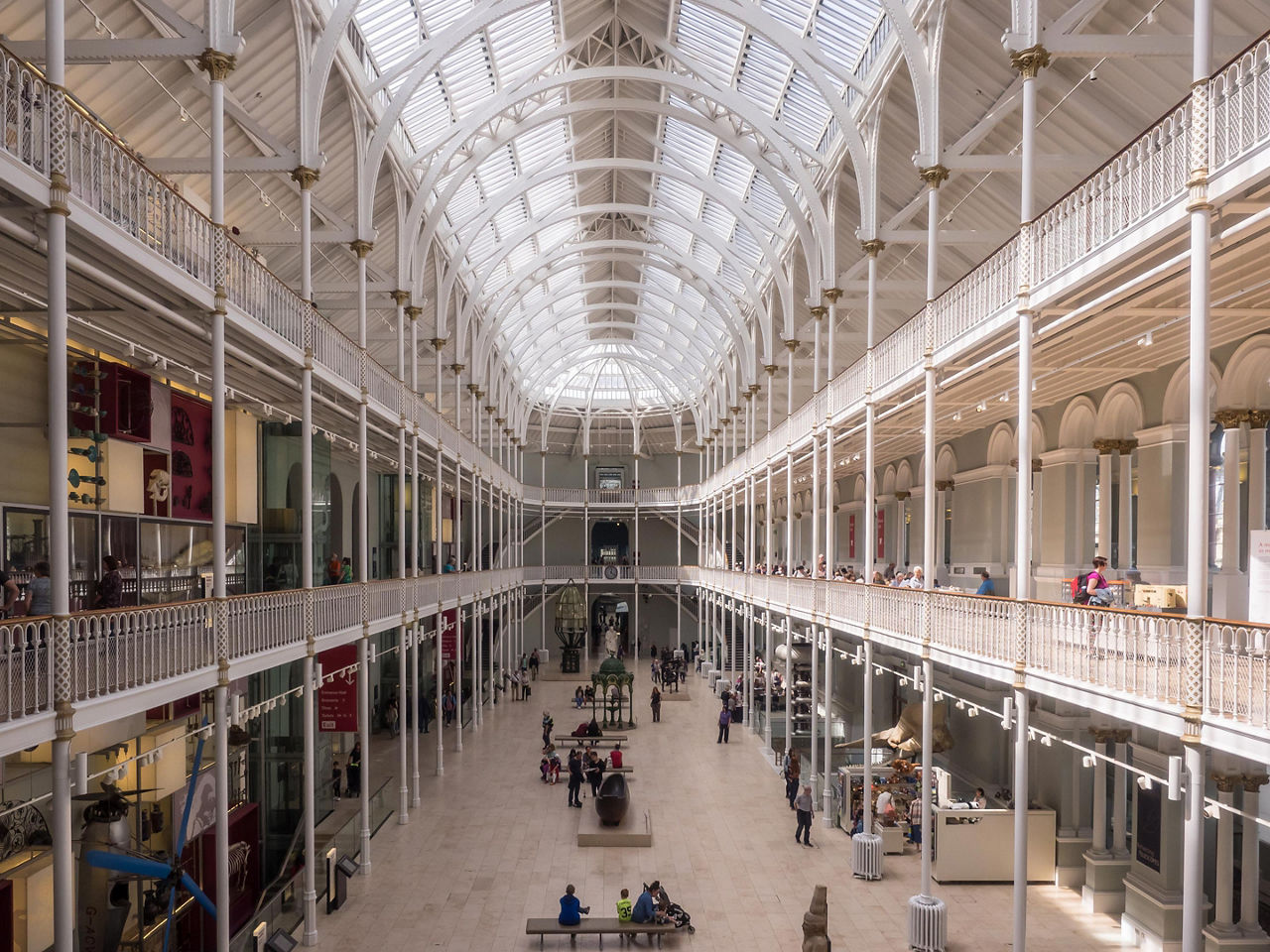
Scotland is known to be slightly more affordable. You can find free museums, hikes, historic sites and more, especially in major cities. There are also plenty of affordable public transportation options. However, accommodations may be tighter, so plan ahead to decide where you’ll stay before or after your cruise.
Overall, the travel style is cool, mysterious, adventurous and often outdoorsy.
Ireland: For the Social Butterflies
Ireland can be slightly more expensive, particularly for dining and rentals. While some museums and outdoor attractions or historical sites are free, expect to purchase tickets for certain attractions. The good news is that accommodations are generally more available.
Overall, the travel style is cultural, social, fast-paced and friendly.
Time of Year: Best Times To Go to Ireland and Scotland

Scotland: A Spring and Autumn Wonderland
Scotland has cool summers and mild, wet winters. Bring your boots — rain is about as Scottish as haggis!
Summer months are popular. If you want a quieter adventure, consider autumn (September/October) or the off-season, which is November to March. It gets dark early and some sites are closed, but there are fewer tourists, potentially lower costs and more dramatic weather for pictures.
Aim for:
- ● November - March.
- ● May - June.
- ● September - October.
Ireland: Spring in the Emerald Isle
In Ireland, summers are cloudy and winters are damp. The west is rainier, so if you want to stay dry (or drier), head east.
November through mid-March is the off-season, meaning it’s a bit more affordable. You’ll also run into cooler, wetter weather and attractions with limited hours. Plan to visit in the summer months if you want to see more sun.
Aim for:
- ● May - June.
- ● November - mid-March.
Ireland vs. Scotland Travel: How To Choose
Choose Scotland If ….
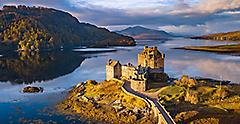
Scotland is best for adventurous travelers who want dramatic views, incredible historical sites and castles that look like fairytales. This is also a must if you’ve ever needed an excuse to wear a kilt or join in the Highland Games — or if, like me, you have family history you want to learn more about.
Choose Ireland If ….
Ireland is best for travelers who want a truly welcoming cultural experience. Visit the Emerald Isle if you have grownups who want to experience true pub culture or kiddos who’d love to see a mountain goat crowned king.
Plan Your Celtic Cruise
Royal Caribbean cruises are oceans of fun, making adventure affordable, accessible and unforgettable. If you want to add even more magic before or after your trip, plan a visit to Scotland or Ireland. From ancient history to enchanting culture, you’ll feel right at home — Celtic roots not required.

Related Articles
Scotland Castle Tours: Top Castles and Historic Highlights
READ MORE

The Best Summer Vacations in Europe
READ MORE

An Inside Look at Liberty of the Seas Renovations and Upgrades
READ MORE