By Hannah Rheaume | Published on December 5, 2025
It's no secret the Caribbean is home to picturesque beaches, turquoise waters and a number of vibrant cultures. An important part of those cultures is authentic Caribbean cuisine. Some well-known dishes are everyday staple foods to the locals, while others are only eaten on special occasions. Many of these dishes have been on dinner tables for hundreds of years, while others are newer; each is crafted with a unique blend of spices that encapsulates the essence of the islands.
Dreaming of relaxing in Puerto Rico enjoying arroz con gandules and pernil, or further south on the island of Curacao eating keshi yena while sipping blue curacao? Here are some authentic Caribbean dishes that’ll make your taste buds dance.
Key Takeaways: Taste Your Way Through the Caribbean’s Authentic Cuisine
- ● Keshi Yena in Curacao: This Caribbean dish is served in a casserole style, and it is typical to see thinly sliced pieces of cheese in the shape of a bowl, topped with more cheese.
- ● Sancocho in the Dominican Republic: Locally, you'll find several different versions of the seven-meat stew, featuring goat meat, beef, pork and chicken, and served with broth and vegetables.
- ● Oil Down in Grenada: A layered pot dish with breadfruit and meat at the bottom, vegetables in the middle and callaloo leaves and dumplings on top. The dish is perfectly spiced with turmeric.
- ● Ackee and Saltfish in Jamaica: Dried salted cod is rinsed and washed, then diced and added to boiled ackee fruit. The dish is topped with fresh peppers and tomatoes.
- ● Puerto Rican Arroz Con Gandules and Pernil: The recipe name translates as "rice with pigeon peas and pork," with roots in Spain and Africa.
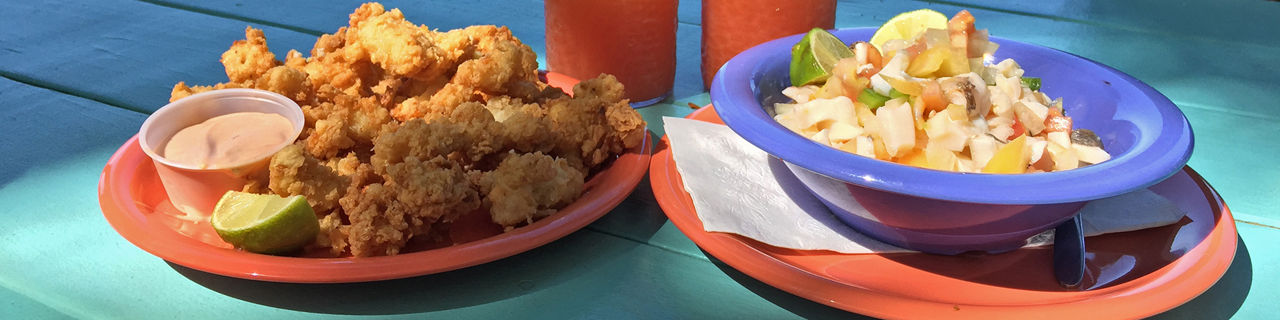
- ● Cracked Conch in Turks and Caicos: Tenderized conch gets seasoned and coated in a flour-based batter, then deep-fried. It’s served with vegetables, rice or a lime wedge.
- ● Haitian Griots with Rice and Beans: Cubes of marinated pork are boiled and then fried, and served with common Caribbean sides like rice and beans, peas or fried plantain.
- ● Belizean Rice and Beans with Fish Stew: The rice is cooked in coconut milk and various spices. Fish stew is served on the side or atop the coconut rice.
- ● Fungi and Fish in the British Virgin Islands: Fungi is okra cooked into a thick mash with cornmeal and water. The fish is seasoned Creole-style and fried until crispy, then served with a sweet onion sauce.
- ● Cou-Cou and Flying Fish of Barbados: The flying fish is steamed, fried or pickled and served with cou-cou — a creamy porridge of cornmeal, flour and okra. This Caribbean dish comes with a side of vegetables and/or rice.
- ● Callaloo Soup of St. Martin: Callaloo soup is a thick green soup made from leafy greens and pork, hot peppers, okra, black pepper, thyme and chicken stock.
- ● Green Fig and Saltfish in St. Lucia: "Green figs" are unripe boiled and stewed green bananas. They get braised in a pan with boiled saltfish and seasoning.
- ● Explore the best Caribbean Islands and take your tastebuds for a cruise.
Introduction to Caribbean Cuisine
Keshi Yena and Blue Curacao on the Island of Curacao

Visiting the colorful island of Curacao is a feast for all of the senses, not just the taste buds, but perhaps the best way to get a feeling for the culture is by diving headfirst into their authentic Caribbean cuisine. There are so many influences on the island, including Dutch, Afro-Caribbean and Venezuelan, creating a wide array of flavors in each dish.
One you simply can't miss is the national dish, keshi yena. Keshi yena accurately represents the cultural melting pot that is Curacao. With the Dutch came the islands' appreciation of cheeses. The wealthy would enjoy their premium cheese wheels and give the scraps to their workers. From the table scraps, the workers would peel off any remaining plastic from the cheese, soak the rinds in water to soften them, create a filling with other scraps like meats and vegetables and steam all the ingredients together, which created the dish of keshi yena.
Today, it's served up casserole style, and it is typical to see thinly sliced pieces of cheese in the shape of a bowl with a cheese topping, creating the "stuffed cheese" effect, which gave the dish its name. Wash it down with the citrusy Curaçao liqueur, otherwise known as blue curaçao.
Sancocho In The Dominican Republic
Like ropa vieja, a Colombian food, sancocho, made its way through Ecuador before eventually landing in the Dominican Republic and earning its place among the national foods of Dominica. You'll find several different versions of the seven-meat stew locally, depending on the cook and the region.
The meats vary, but some of the most common you'll find are goat meat, beef, pork and chicken. Bones of the chicken are often included to add flavor. Along with the salty broth and different meats, several root vegetables are also included. Sancocho is typically served for dinner with a side of rice and avocado.
Oil Down In Grenada
A staple at the dinner table and special gatherings such as the annual Carnival bacchanal, oil down always brings people together. Nearly every meat and vegetable that's included in the stew demonstrates the origins of Grenada’s culture.
The technique of "packing the pot" is used to create this delicious dish. Typically, the breadfruit and meat go in the bottom of the pot, vegetables in the middle and the callaloo leaves and dumplings on top, then the dish is perfectly spiced with turmeric. Oil down gets its name from the mixture of coconut oil and meat juices that settle at the bottom of the pot. The dish is a must-try when it comes to the Caribbean’s authentic cuisine.
Ackee And Saltfish In Jamaica
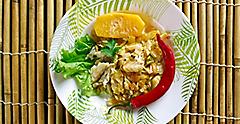
Jamaica is a well-known foodie destination in the Caribbean. Its most famous dish, Ackee and Saltfish, has been a historic breakfast staple, tracing back to the 18th century. Ackee fruit originated in West Africa but was brought to the Caribbean in the 1700s.
Traditionally, cod is used in this national Jamaican dish, as other oily fish won't work in the recipe due to the drying process. Once the drying of the salt fish is completed, the fish is rinsed and washed, then diced and added to the boiled ackee fruit. Once the flavors of the fruit and fish are sautéed together, other ingredients like scotch bonnet peppers, onions and tomato are added for a delicious combination of flavors.
Puerto Rican Arroz Con Gandules And Pernil
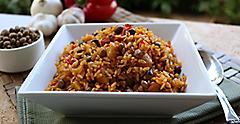
Puerto Rico’s national food dish, arroz con gandules and pernil, is mainly served on special occasions and holidays. Like many other dishes, it dates back to the 16th century. Since its roots are found in Spain and Africa — and many of its ingredients are influenced by the United States — it’s a dish the whole family can enjoy.
The recipe name translates as "rice with pigeon peas and pork." It's a beloved national dish and a must-try when visiting the island of Puerto Rico. Wash it down with a pina colada, which is one of the signature Caribbean island drinks.
Cracked Conch In Turks And Caicos
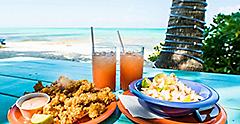
Conch has been a staple in Turks and Caicos for centuries. To create this authentic Caribbean cuisine, the conch is pounded with a meat tenderizer, seasoned and coated in a flour-based batter, then deep-fried. It can be served with a variety of sides like vegetables, rice or simply a side of lime.
Haitian Griots With Rice And Beans
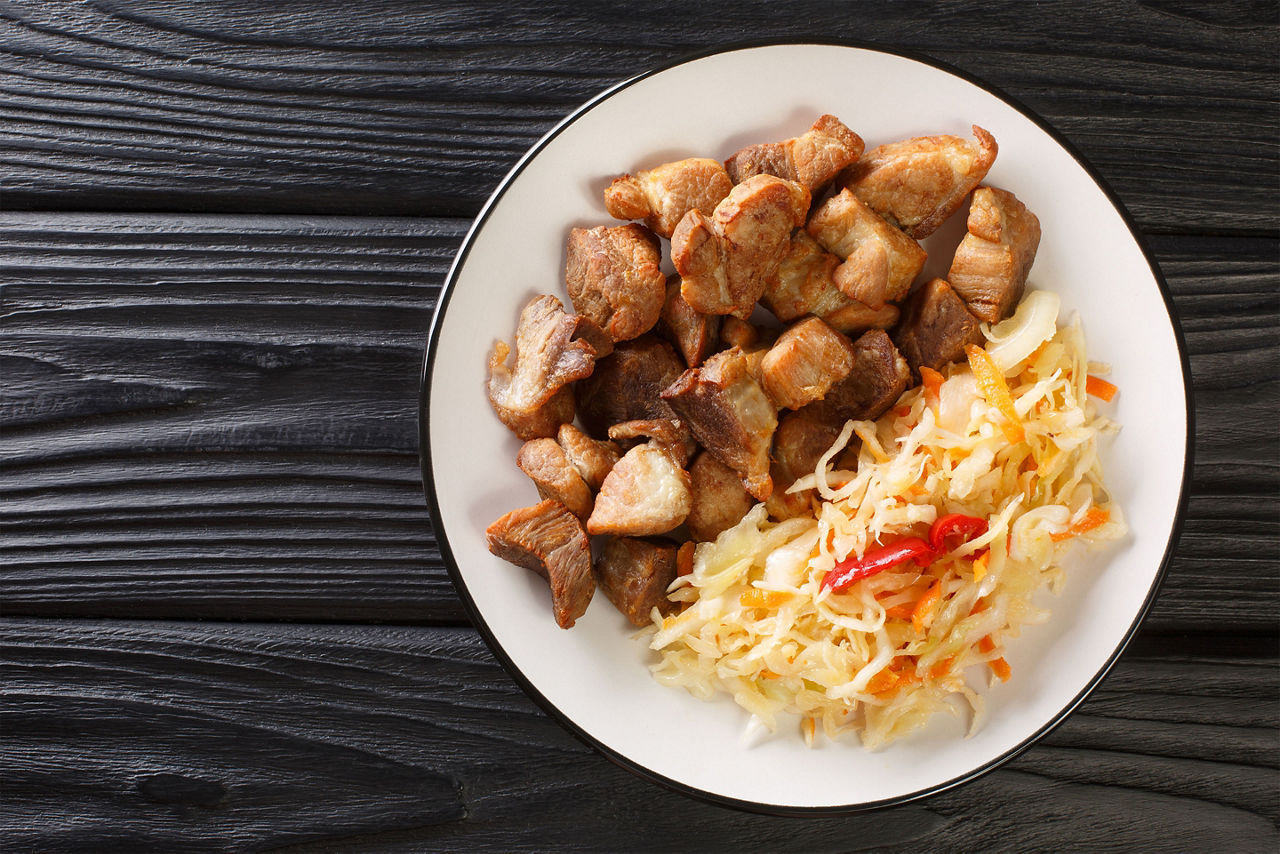
Griots with rice and beans is arguably the most popular dish of Haiti and a great example of cuisine in the Caribbean. Cubes of marinated pork are boiled and then fried, and then typically served with common Caribbean sides like rice and beans, Haitian legumes and/or fried plantain.
Haiti's cuisine differs from the rest of the Caribbean islands because of its roots in Creole-style cooking. Creole-style cooking blends West African, French, Spanish, Native American, Haitian and British flavors with influences from the cuisine of the southern states, creating unique dishes unlike anywhere else in the Caribbean.
Strong pepper flavoring, beans and starches like yams and rice are staples you’ll find in almost every Haitian dish. The cuisine is largely locally grown and historically crafted around a working-class income.
Belizean Rice And Beans With Fish Stew
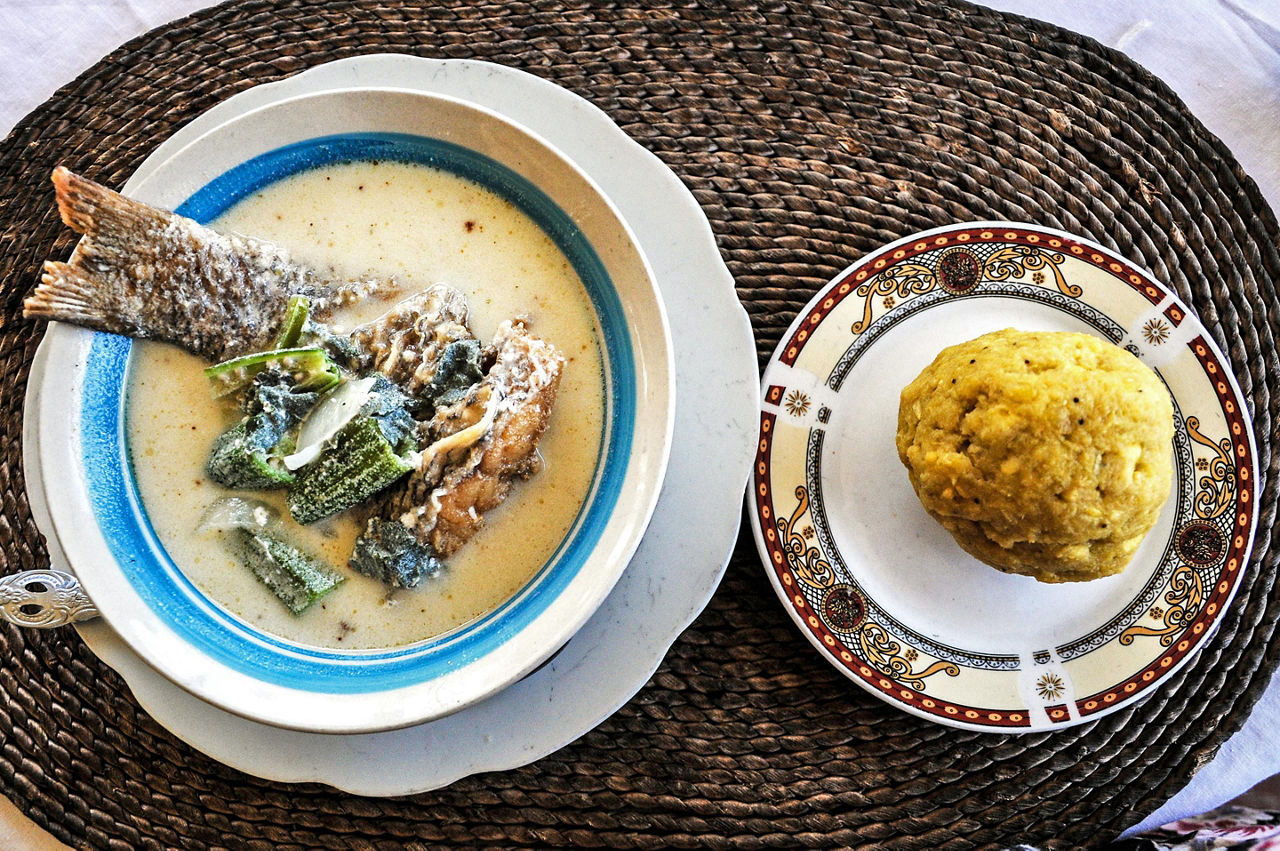
Belizean cuisine has adopted some of the same cooking techniques and flavor profiles as the Mexican, Caribbean and Mayan cultures. As in Mexico, the combination of rice and beans is a popular pairing here, making for an interesting twist on a traditional Caribbean dish.
Often, the rice in Belize is cooked in coconut milk and various spices, differentiating it from Mexican-style rice. Fish stew is served on the side or atop the coconut rice. Sip on a Belikin (Belizean beer) and finish off the meal with soursop, ice cream made from soursop fruit mixed with condensed milk.
Fungi And Fish In The British Virgin Islands
Cou-Cou And Flying Fish Of Barbados
Barbadian cuisine is known for its freshness, flavor and variety, much like the authentic Caribbean cuisine from nearby islands. There are many local delicacies to try when visiting, but the national food of Barbados, cou-cou and flying fish, has to be on your list! It's also the origin of one of Barbados's nicknames, "the land of the flying fish."
In this dish, the flying fish is steamed, fried or pickled and served with cou-cou, which is a creamy porridge of cornmeal, flour and okra. The whole thing is often served with vegetables and/or rice. Finish your meal with a slice of the sweet Bajan treat called coconut bread.
Callaloo Soup Of St. Martin
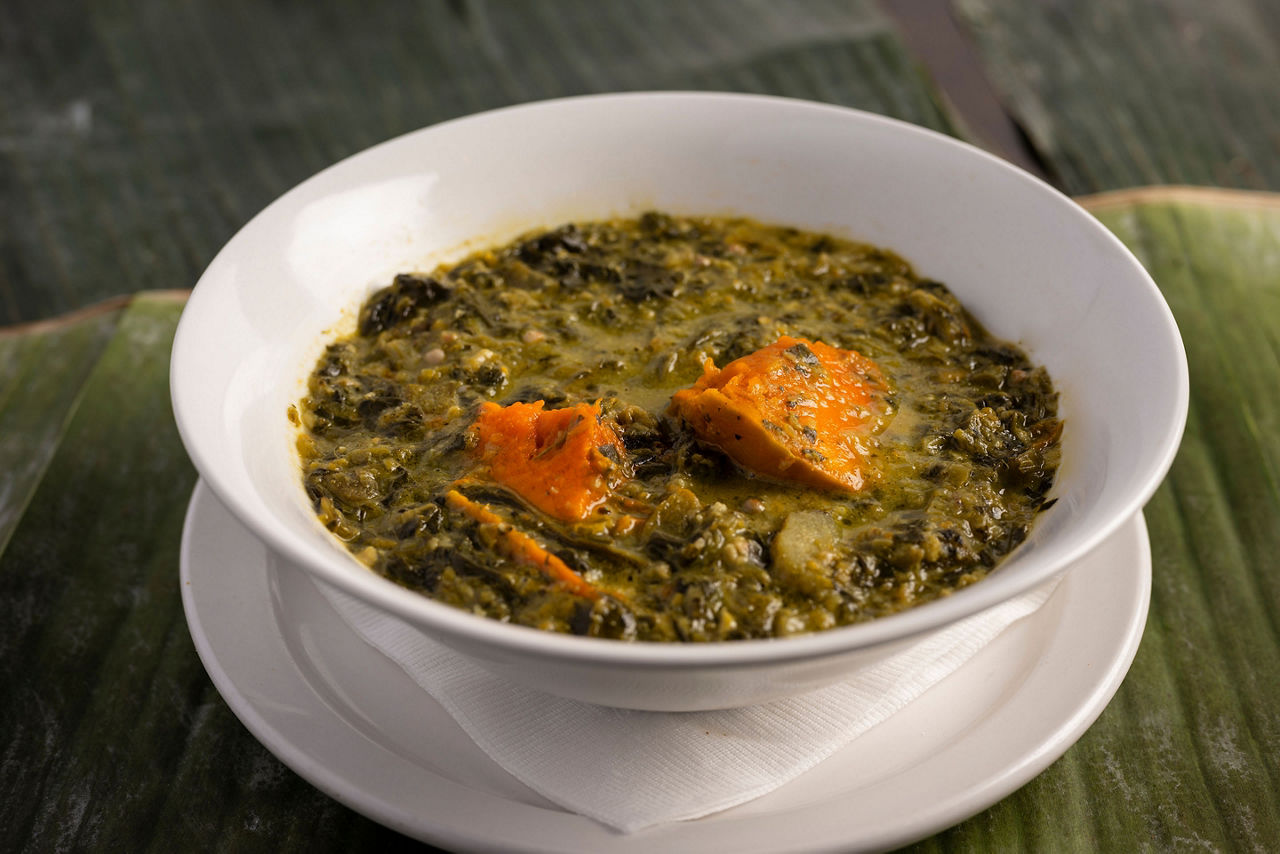
St. Martin is most known for its French-style cuisine with a Caribbean twist. Grand Case, a village located on the northwest side of the island and known as the "gastronomic capital of the Caribbean," is one of the best spots on the island to try authentic Caribbean dishes.
In addition to oxtail stew, johnny cakes and the jacks (or fried fish), you must try the callaloo soup. This is a thick green soup made from leafy greens and sometimes pork cubes. Other ingredients in the soup include hot peppers, okra, black pepper, thyme and chicken stock. After you've got your savory fix, try a delicious sweet French pastry as dessert.
Green Fig And Saltfish In St. Lucia
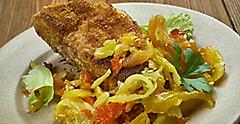
Believe it or not, green fig and saltfish actually doesn't contain any figs — instead, the "green figs" are unripe green bananas that are boiled and stewed to create a delicious example of the Caribbean’s authentic cuisine.
The saltfish, which is typically cod, is salted and then boiled and rinsed to remove the salt. The fish is added to a braising pan with seasoning, and once the bananas are boiled, they're added to the pan to create a mixture of island flavors that everyone will love! In St. Lucia, green fig and saltfish is served as a weekend breakfast and on the Creole Day Festival in October.
Explore a Culinary Cruise Through the Caribbean
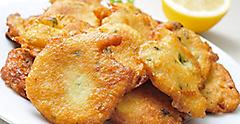
Authentic Caribbean dishes are a grassroots reflection of the region’s history, culture and creativity. Each island has unique flavors to offer that’ll transform any cruise into the ultimate foodie vacation. Between spicy meat stews and fresh seafood, there’s always something new and unexpected on the menu.
Get Royal Deals, Sign Up Today

Getting There
Explore Our Most Affordable Itineraries
Enjoy delicious Caribbean cuisine when visiting the region on your cruise.