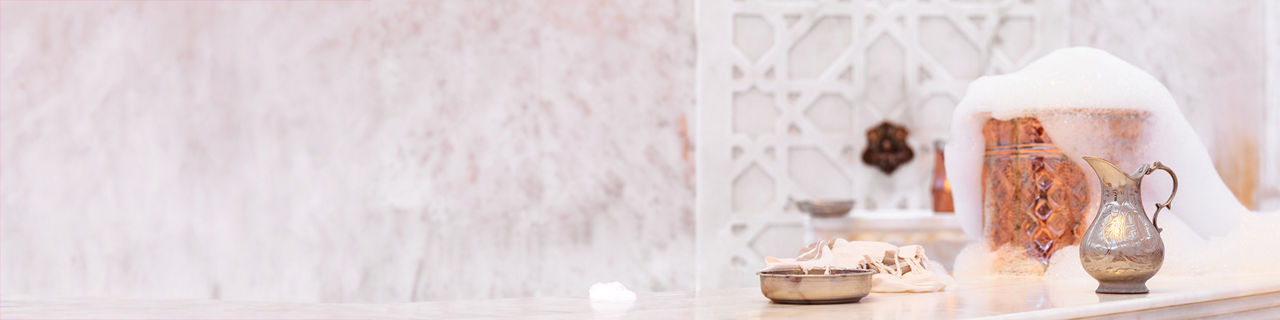
The Ultimate Guide to Turkish Baths and Hammam Spas
What Happens in a Turkish Bath?
By Robert Schrader | Published: April 12, 2022 | Updated: March 5, 2026
Although the concept of Turkish baths (or a hammam bath house) is relatively ubiquitous in travel guides, it might get overlooked when planning a cruise through Turkey. Many Western travelers may feel uncertain about communal bathing. Plus, with so many other attractions available in Turkey, it's hard to cover everything in a single trip. However, participating in the tradition of hammam unlocks an aspect of Turkish culture that's difficult to access any other way.
Key Takeaways: Turkish Baths
- ● Turkish baths, or hammams, offer a relaxing ritual of steam, scrub and massage.
- ● Rooted in Byzantine and Ottoman history, they reflect centuries of culture and tradition.
- ● Modern hammams range from luxury hotel spas to traditional neighborhood bathhouses.
- ● Top spots for Turkish baths include Istanbul, Cappadocia, Antalya, Oludeniz and Fethiye.
- ● Explore our cruises to Turkey and discover authentic hammam experiences along the way.
What Is a Turkish Bath?
A Turkish bath, or hammam, is a centuries-old cleansing ritual that combines elements of steam bathing, exfoliation and massage in a warm, marble-lined space. It’s both a physical detox and a deeply social, cultural experience designed to relax the body and calm the mind. Hammam is an age-old elixir of hospitality, community and indulgence — elements that permeate other Turkish travel experiences but rarely overlap in such a profound way.
If you're intrigued by the hammam experience and unsure about how to begin, you can take the safer route and enjoy it in your hotel or at higher-end establishments designed with tourists in mind. Alternatively, adventurous travelers might dip into a local neighborhood bathhouse and immerse themselves in the tradition as the locals do.
Explore Turkish Bath History in Sultanahmet
Even if you don’t actually enter into a Turkish bath or hammam spa, there are plenty of opportunities to learn about this cultural practice, right in the heart of Istanbul's historical Sultanahmet district. Tip: If you want to add a little culture to your cruise, this is a great activity for a port day!
Hurrem Sultan Hammam
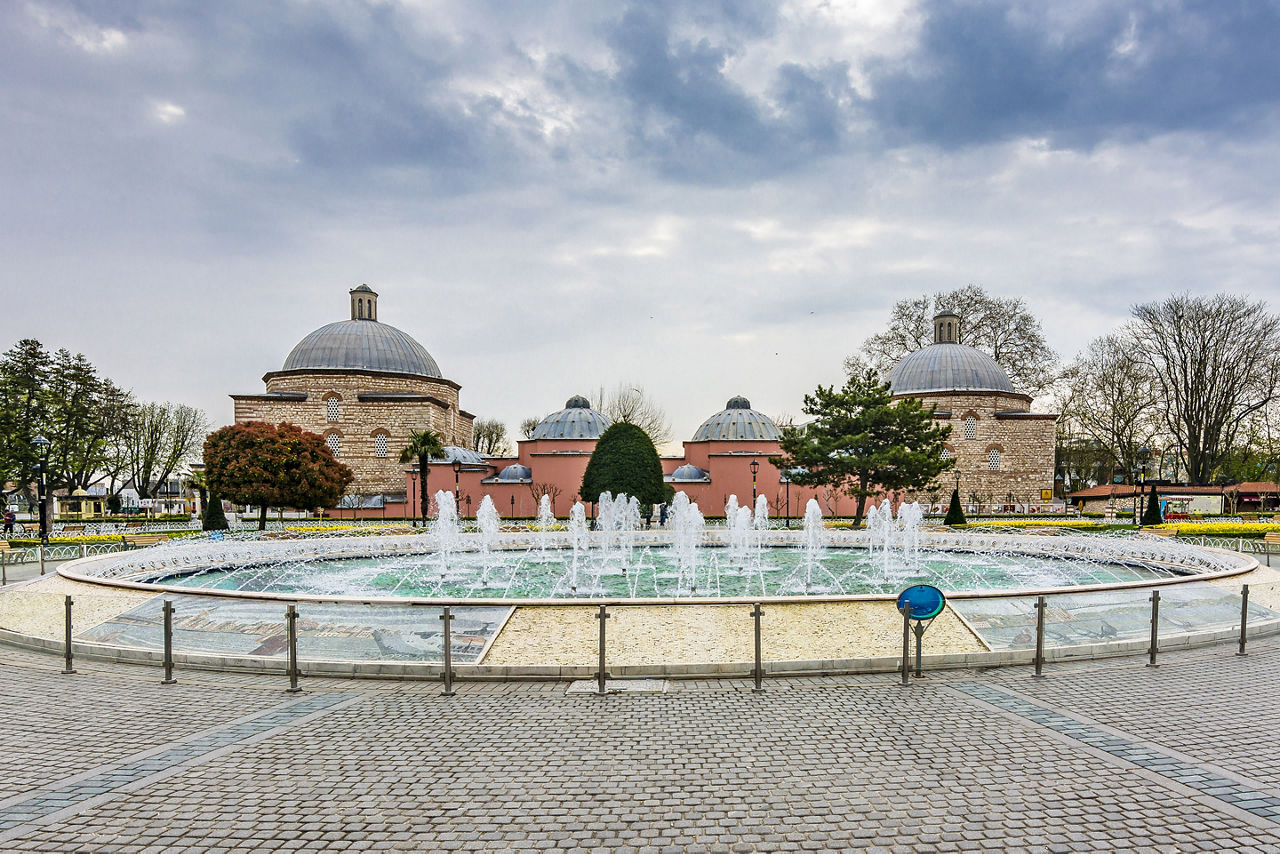
Walking around the fountain in the courtyard of iconic Hagia Sophia — a mosque that was once a church and then before that, another mosque — you'll notice Hurrem Sultan Hammam, a 500-year-old bathhouse that many incorrectly assume is part of the Hagia Sophia historical complex.
The experience here is second-to-none, as long as you're willing to foot the high bill (treatments here can cost about $150 per hour). My visit felt even more memorable thanks to the staff, who created an experience that was as cerebral as it was sensory.
A Ritual Rooted in Centuries of History
"The practice of hammam dates back to about the seventh century," my masseur explained, speaking more like a museum guide than a spa attendant. He went on, "Many cultures besides ours claim it as their own. Before it even made its way to the Middle East, public bathing was popular in ancient Greece and Rome. The theory is that hammam, as we now call it, arrived in present-day Greece and Turkey during the Byzantine era. It gained popularity in the mid-15th century, after the Ottomans had taken over Istanbul."
Unlike the public baths found in Arab countries, Turkish baths weren't necessarily built next to mosques for religious purification. The baths served as much of a social purpose as they did a sanitary one, becoming a public gathering place for people at all levels of society.
Book Now
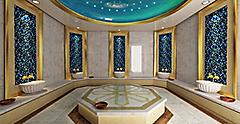
What Happens in a Turkish Bath?
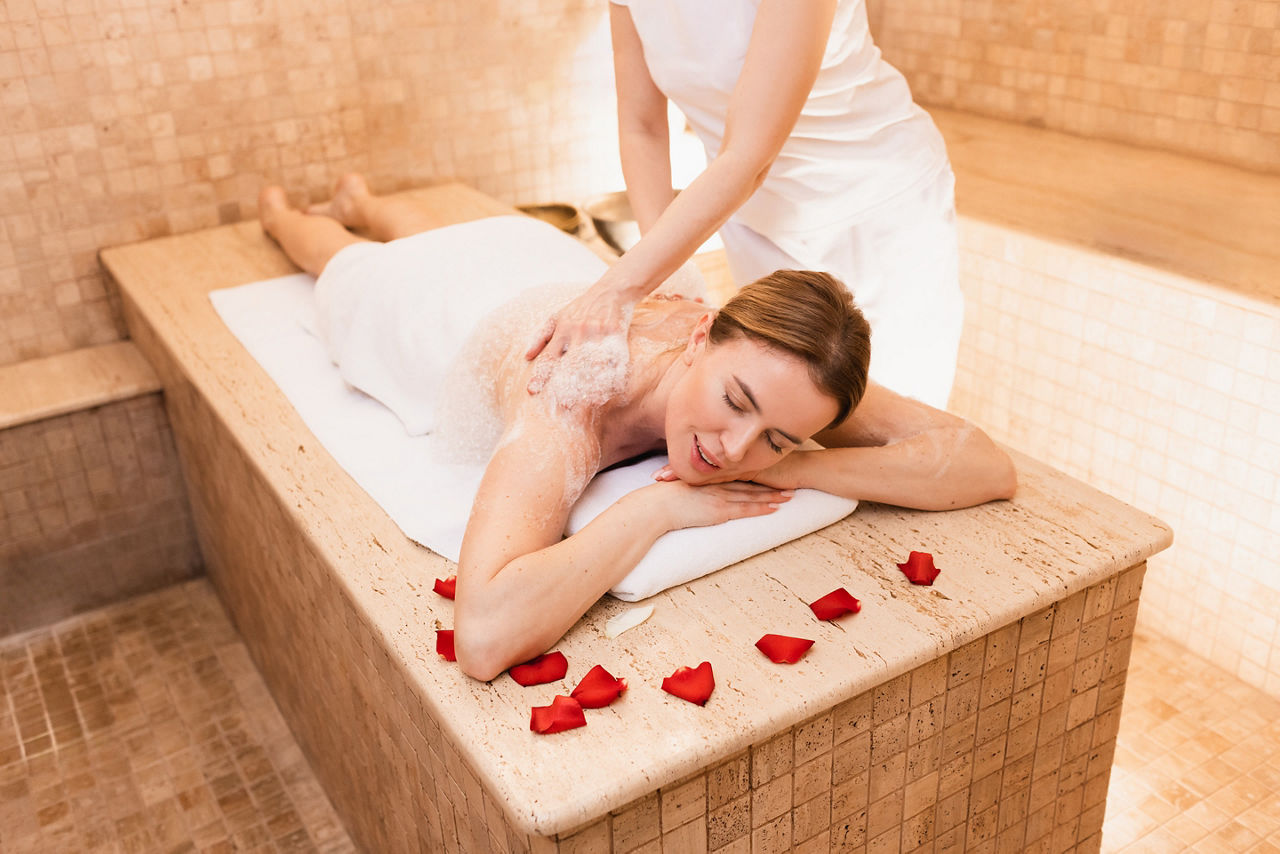
In a Turkish bath, you'll typically relax in a warm, steamy room before lying on a heated marble slab for a vigorous exfoliating scrub, followed by a foamy soap massage and rinse.
These days, at least in tourist-oriented baths such as Hurrem Sultan Hammam, the communal aspect isn’t as prioritized. In fact, when the masseur led me into the bathing chamber — whose towering marble interior seems much larger than should've been possible based on its rather humble exterior — only two other people were inside: a colleague of mine and his masseur.
"Historically," he explained, as he handed both of us pairs of bathing underwear and waved us toward the location of the changing room, "you'd have large groups of men talking business or women catching each other up about goings-on within the community inside a hammam as large as this. Women actually made much more frequent use of the hammam since in Ottoman times there were fewer places for them to socialize — on the rare occasion they weren't busy with duties at home."
Do You Wear Clothes in a Turkish Bath?
In traditional hammams, guests typically wear a small cloth wrapped around the waist; nude bathing is uncommon but may happen in some private or gender-segregated areas. In tourist-oriented or hotel spas, disposable underwear is often provided for modesty and comfort during treatments. Overall, modesty is respected, and you’ll be guided on what to wear when you arrive.
How Does a Turkish Bath Work? A Personal Experience
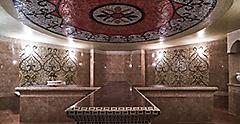
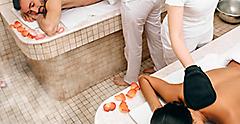
After we changed into our bathing attire , our masseurs directed us to the göbektaşı, a high marble platform in the center of the tranquil hammam spa. "This is where the magic happens," my masseur told me. He smiled and instructed me to lie face down, before dumping a tub of hot, soapy water onto my back and beginning what I can only describe as an intense massage. I don't remember much about the 60-minute treatment — just that my thoughts faded as my body relaxed into a wide range of sensations.
I do remember feeling, perhaps because of the exclusive nature of the spa, that the experience was rather regal — even though hammam traditions have long been accessible to everyday people. Once my massage was finished, my masseur advised caution in getting down from the platform, which is raised for practical reasons: to allow the sudsy, soiled water to flow off the platform so that it doesn't soak your feet (this would defeat the purpose of the cleansing ritual).
After that, there are various rooms you can spend time in, going from a warm room to a very hot room and then cooling down in a colder space. The baths boast many health benefits, too, like easing aches and pains, increasing circulation and lowering stress and anxiety.
A Traditional Turkish Bath House vs. a Modern Hammam Spa
One advantage of going to a high-end hammam spa like Hurrem Sultan Hammam or those in hotels is the added privacy — ideal if you’re looking to book a couple’s hammam. This is usually not possible in the more traditional hammams because the genders are separated.
Simpler hammams provide a more authentic and communal experience. If that sounds appealing, head to the 18th-century Cagaloglu Hammam, also located in the heart of Sultanahmet. In this Turkish bathhouse, you can enjoy more of the communal aspect of Turkish bathing. While many patrons of Cagaloglu Hammam may not speak English, observing their rituals can provide more accurate historical context than a higher-end establishment would — even without conversation.
"Even for us," a local bather who happened to speak English told me candidly, "this is still kind of a novelty, at least in relatively upscale parts of Istanbul like Sultanahmet. We all have bathrooms in our houses today, so we don't need to come here. Many of us just like to."
Where To Find a Turkish Bath in Istanbul
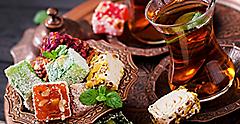
You can find local hammams across Istanbul neighborhoods — from luxurious Beyoglu to the more residential Üsküdar. An advantage of bathing in touristy Sultanahmet is that you're surrounded by so many activities. In addition to tourist attractions like the Blue Mosque and Grand Bazaar, you can duck into a cafe after your bath to enjoy Turkish coffee or tea, or sweets like baklava and Turkish delights. Depending on what experiences you choose, you can generally fit all of this into a cruise stop.

Turkish Bathhouses To Discover on a Cruise in Turkey
If you venture away from Istanbul, you can find hammams all over Turkey, including in cities like:
- ● Ankara: Turkey’s capital, with a mix of tradition and modernity.
- ● Izmir: A coastal favorite with boutique hammams.
- ● Konya: A conservative inland city with deep roots in Sufi tradition.
- ● Antalya: A Mediterranean resort town popular with Turkish and international visitors.
You can also find hammam in more traditionally touristic places, such as the hot-air balloon haven Cappadocia, Turkey. Likewise, in Oludeniz (famous for its gorgeous Blue Lagoon beach), your best bet for a spa experience is inside a luxury hotel. For a more local feel, head inland to Fethiye, a larger city with fewer tourists.
Learn the History of the Hammam Bath House
If you're more interested in learning about the hammam than experiencing it, a couple of museums exist throughout Turkey:
- ● Beypazari, near Ankara, features centuries-old hammam tools.
- ● Sahinbey, in southern Turkey, showcases regional bathhouse customs.
Although you won’t bathe at either of these places, the exhibits include centuries-old hammam equipment, shedding light on a more accurate historical impression of the experience.
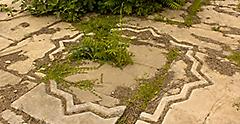
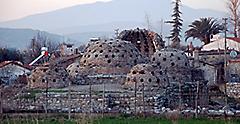
Another way to appreciate the beauty of hammam is to marvel at the building's architecture from the outside. I'm most fascinated by the domed roofs, which have vents to let the steam escape. I also love the incorporation of star shapes throughout the architecture — from the footprint of rooms within the hammam to designs on the walls and floors.
Discover a Whole World of Hammam
You don't have to strip down to experience a Turkish bath on your next cruise to Turkey, although if you do, you have plenty of options. From the higher-end hotel spas to the local ones, a Turkish bath is an opportunity to step out of your comfort zone and immerse yourself in another culture — quite literally.

Get Royal Deals, Sign Up Today
Related Articles
10 Fun Facts About Turkey to Know Before Visiting
READ MORE
10 Best Places to Visit in Turkey
READ MORE

How to Plan a Cruise for the First Time
READ MORE

What is Included on a Cruise?
READ MORE