Traditions of Mexico's Día de los Muertos (Day of the Dead)
Honoring Loved Ones With Mexico’s Vibrant Festivities
By Amanda Mesa | Published: March 22, 2022 | Updated: February 11, 2026
Mexico's rich culture is filled with folktales, unique traditions, and vibrant festivities. One of the country's most popular celebrations is Día de los Muertos, or "Day of the Dead," and you've likely seen photos of this lively and colorful occasion. While different towns and regions have unique ways of celebrating the Day of the Dead, you'll find throughout your travels that its main traditions remain largely the same.
Planning a Mexico cruise vacation around this time or just interested in learning more about the holiday itself? Here's everything you need to know about Day of the Dead celebrations and where best to experience them when you visit Mexico.
Key Takeaways: Mexico Día de los Muertos
- ● Day of the Dead is celebrated on November 1 and 2 to honor loved ones who have passed away.
- ● The holiday blends Mexican and Central American beliefs about life and death with Spanish Catholic traditions.
- ● Traditions include decorating altars, painting faces as La Catrina, hanging papel picado and preparing pan de muerto.
- ● Janitzio, Mérida and Mexico City host elaborate festivities with parades, dances and public altars.
- ● To immerse yourself in the Day of the Dead celebrations, explore Mexican cruises today.
What and When Is Day of the Dead?
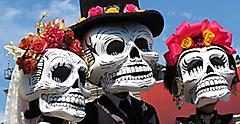
Día de los Muertos, or Day of the Dead, is a Mexican holiday that honors and remembers loved ones who have passed away. It’s a celebration of life and memory, filled with music, food and vibrant traditions. So, when is Dia De Los Muertos? The holiday takes place each year on November 1st and 2nd, when it’s believed the spirits of the dead return to reunite with the living. In its current form, the holiday has been celebrated for centuries — though its roots stretch back several thousand years.
Who Celebrates Day of the Dead?
Day of the Dead is most widely celebrated in Mexico, where it originated, but it’s also observed in many parts of Latin America and by Mexican and Latino communities around the world.
The Origin of Day of the Dead
For the ancient civilizations of Mexico and Central America, life and death went hand in hand. They believed that after death, souls had to journey through nine levels in the underworld to reach their final resting place. During August, people used to leave offerings on altars and graves to help make this journey easier for their deceased relatives.
In the 16th century, Spanish conquistadors came to Mexico and Central America. They brought Catholicism with its many holidays — including All Saints' Day and All Souls' Day, celebrated on November 1st and 2nd. One of the customs for these holidays included setting offerings on graves to welcome back deceased loved ones visiting from the other side.
The tradition so resembled the local practice of leaving offerings for the dead that the Aztec holiday and the Catholic holidays eventually merged to become the Day of the Dead. It's been practiced throughout Mexico ever since, and in 2008, the holiday was added to the UNESCO list of Intangible Cultural Heritage. It’s now considered a defining aspect of the country's culture.
How is Día de los Muertos Celebrated?
Building and Adorning Ofrendas (Altars)
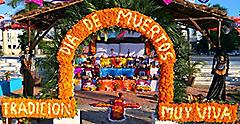
One of the oldest and most common practices during Día de los Muertos celebrations is to set up and decorate ofrendas, or altars, with the photos and keepsakes of loved ones who have passed away. Altars are erected in private homes, and many communities will also set up public altars in town squares and other open spaces. In addition to family mementos, the altars are decorated with:
- ● Sugar skulls.
- ● Marigolds.
- ● Atole (corn liquor).
- ● Candles.
- ● Incense.
- ● Personal belongings or keepsakes.
- ● Photos of loved ones.
- ● Other symbolic offerings.
Face Painting and La Catrina Traditions
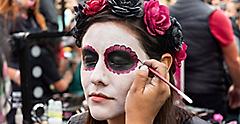
During Día de los Muertos, it's common for people to paint their faces like skulls. They'll also often dress up as skeletons or popular folk characters that have become a big part of this holiday over time. A notable figure that locals like to impersonate is La Calavera Catrina, created in the early 20th century by the Mexican cartoon illustrator and printmaker, José Guadalupe Posada.
Colorful Papel Picado Decorations
Mexican towns also string up banners of colorful, intricately cut paper — called papel picado — over the streets during Day of the Dead festivities. These pretty squares of paper are a fixture at most Mexican celebrations, including weddings and birthdays, and they've become especially symbolic of the Day of the Dead. During this time, they're usually cut with little skulls or marigolds.
Marigolds: The Flowers of the Dead
Marigolds are the most iconic flower of Día de los Muertos. Their bright orange and yellow petals are thought to guide spirits back to the world of the living with their vibrant color and strong fragrance. To help loved ones find their way home, you’ll see them:
- ● Lining altars.
- ● Covering gravesites.
- ● Scattered along pathways.
Festivities Filled With Dance, Food and Music
If you’re traveling on vacation to celebrate this holiday, you’ll notice its culture and traditions involve many symbols of death, but it isn't a time for grief. Mexico's Day of the Dead is a celebration that includes dancing, drinking and feasting. Many believe the borders between the physical and spiritual worlds are at their weakest during this time, creating a brief window for the dead to celebrate with their loved ones.
Pan de Muerto: The Bread of the Dead
One of the holiday's most crave-worthy customs is the savoring of pan de muerto — a sweetbread shaped like a bun and decorated with crossbones. Topped with sugar, it's sometimes flavored with anise seeds or orange flower water and zest. The dead are believed to absorb the bread's essence as a way of recharging after their long journey back to the land of the living for the Day of the Dead festival celebrations.
Traditional Foods Beyond Bread
Food plays a central role in the celebration, serving as both an offering and a way for families to connect. Alongside pan de muerto, families prepare favorites of their departed relatives, such as:
- ● Tamales.
- ● Mole.
- ● Pozole.
- ● Calaveras de azúcar (sugar skulls).
These dishes are placed on altars as gifts for the spirits and shared among the living as part of the joyful feast.
Where Is Día de los Muertos Celebrated?
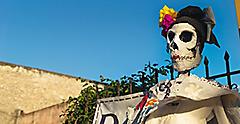
Day of the Dead celebrations take place across Mexico on November 1st and 2nd. That said, some regions and cities are particularly known for their Day of the Dead festival celebrations:
- ● On the island of Janitzio, west of Mexico City, thousands gather in the cemetery to witness indigenous Purépecha people practicing holiday-specific rituals. The island also hosts folk dances and musical processions across both days, and when the sun goes down, local fishermen take to the lake in rowboats carrying torches.
- ● In Mérida, the capital of the Yucatán Peninsula, locals refer to Day of the Dead as the "feast for the souls." Many people in this region are direct descendants of the Maya and prepare traditional dishes to welcome back their deceased ancestors. The city also sets up elaborate altars in the main square or zócalo.
- ● Mexico City's Day of the Dead celebrations can sometimes last an entire week, featuring its popular parade, the Desfile de Día de Muertos. Visitors and locals alike will come together in the city's Plaza del Zócalo, where performers dazzle the crowd dressed as mythical creatures and skeletons.
Explore Mexican cruises and celebrate Día de los Muertos up close.

Get Royal Deals, Sign Up Today
Related Articles
Memorable Mexico Weekend Getaways From LA
READ MORE
Choose the Best Baja Mexico Cruise for You to Take on Vacation
READ MORE
4 Day Cruises to Mexico: Baja, Ensenada and Catalina Itineraries
READ MORE
5 Top Kid-friendly Places in Mexico
READ MORE