Yucatán Cenotes: A Guide To Mexico’s Natural Wonders
Discover the Magic of Yucatan Cenotes
By Emily Iris Degn | Published on October 20, 2025
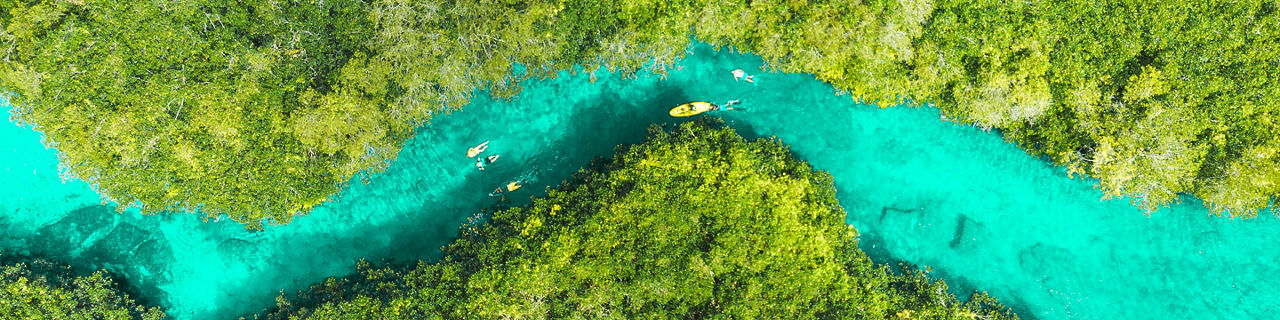
From glittering waters to lush jungle, the Yucatán is a mecca for travelers seeking adventure, nature and ancient wonders. It’s the place to go if you’re craving an Indiana Jones moment or just really need some exotic excursions — nothing beats hiking through the tropical trees, spotting rainbow-hued birds in every direction and feeling like you’ve stepped right into your favorite tales of exploration. As someone who lived in the Atlantic Rainforest for nearly a year, believe me, I get it. The city is great, but sometimes you just need to splash through a turquoise sea far away from home before diving into the nearest woodland. The call for outdoor adventure is strong, and the Yucatán answers it masterfully.
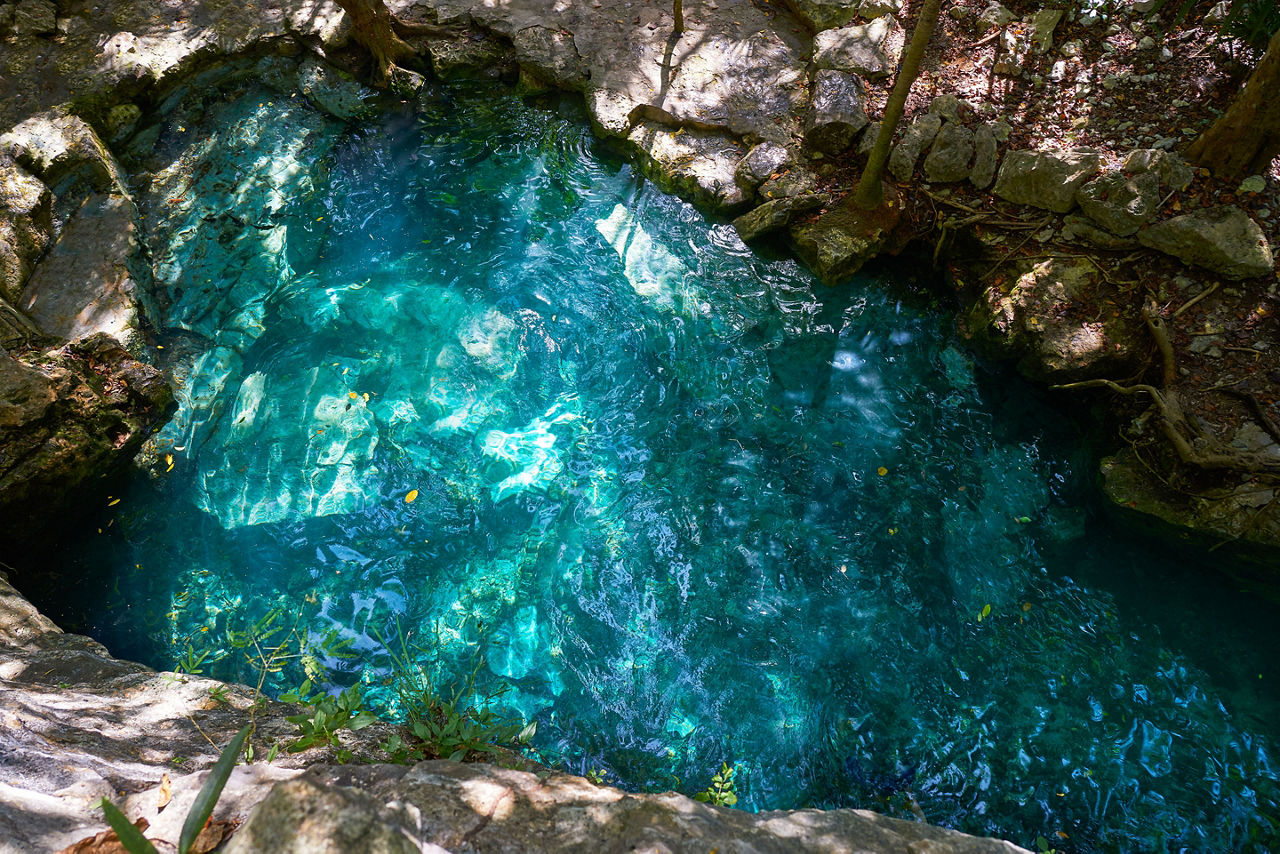
For those who especially feel the tug of wanderlust, there’s one activity that I’d recommend you try immediately: swimming in a cenote. These striking pools of neon blue and limestone are the gems of the Yucatán. Once worshipped by the Mayan people, cenotes now provide a literal and beautiful jumping-off point for the thrill-chasers and cooling oases for the tuckered-out hikers. For many, they’re why they came to this part of Mexico in the first place.
So, whether you’re hoping to enjoy the Riviera Maya cenotes of the northern peninsula or you’re just wondering how many cenotes in Yucatán territory are worth visiting, read on! I’m getting into all you need to know about Yucatán cenotes before your next cruise to Mexico.
Yucatán Cenotes Explained, From Cave To Cove
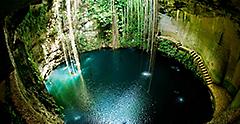
Cenotes in the Yucatán Peninsula, Mexico, are plentiful and really striking. Having earned a bachelor’s degree in environmental studies at one point and being someone who’s always got her nose stuck in a new ecology book, I can also assure you that they’re incredibly interesting. If you’ve ever asked yourself, “What are cenotes?” here are the basics:
Yucatán cenotes…
- ● are natural wells and sinkholes.
- ● are made of limestone.
- ● include intricate cave systems.
- ● are home to a plethora of living animal and plant species.
Cenotes are formed when the limestone surface collapses, which exposes the water below. There are over 7,000 cenotes in the Yucatán Peninsula, Mexico — think of the region like a swath of Swiss cheese, speckled with water-filled holes.
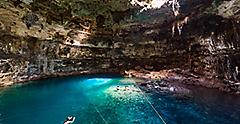
These holes took millions of years to form. In fact, the entire peninsula was underwater more than 65 million years ago, and was part of a giant coral reef. When the Chicxulub asteroid hit, causing an impact that killed off so many of the dinosaurs, it disrupted plate tectonics. As the plates dislodged, they shoved up the reef — and the Yucatán Peninsula was no longer submerged.
When the bedrock was exposed to the elements, the sea, rain and other forces eroded and carved into the porous, calcareous substance, leaving behind aquifers. Where there was enough instability, the ground would fall and a sinkhole would form, revealing the pools below.
That’s a lot of science, but these events are what birthed the cenotes in the Yucatán Peninsula, Mexico. And this ecological history is so significant and singular that the region even received a UNESCO tentative listing to honor the natural heritage of this unique area.
Today, Yucatán cenotes are critically important as the peninsula’s only natural freshwater source. And I think it’s really special that they’re such visual pieces of ancient Mexico. You can literally see what built the land. So, next time you’re swimming somewhere like the famous cenote of Costa Maya, think about this storied past and all the sweeping planetary forces that it took to build these turquoise pools. They’re worth seeing in person, even if you just want a great spot to swim, but for anyone who, like me, is fascinated by nature, it’s an absolute must-see.
Underwater Underworld: Yucatán Cenotes And Mayan Culture
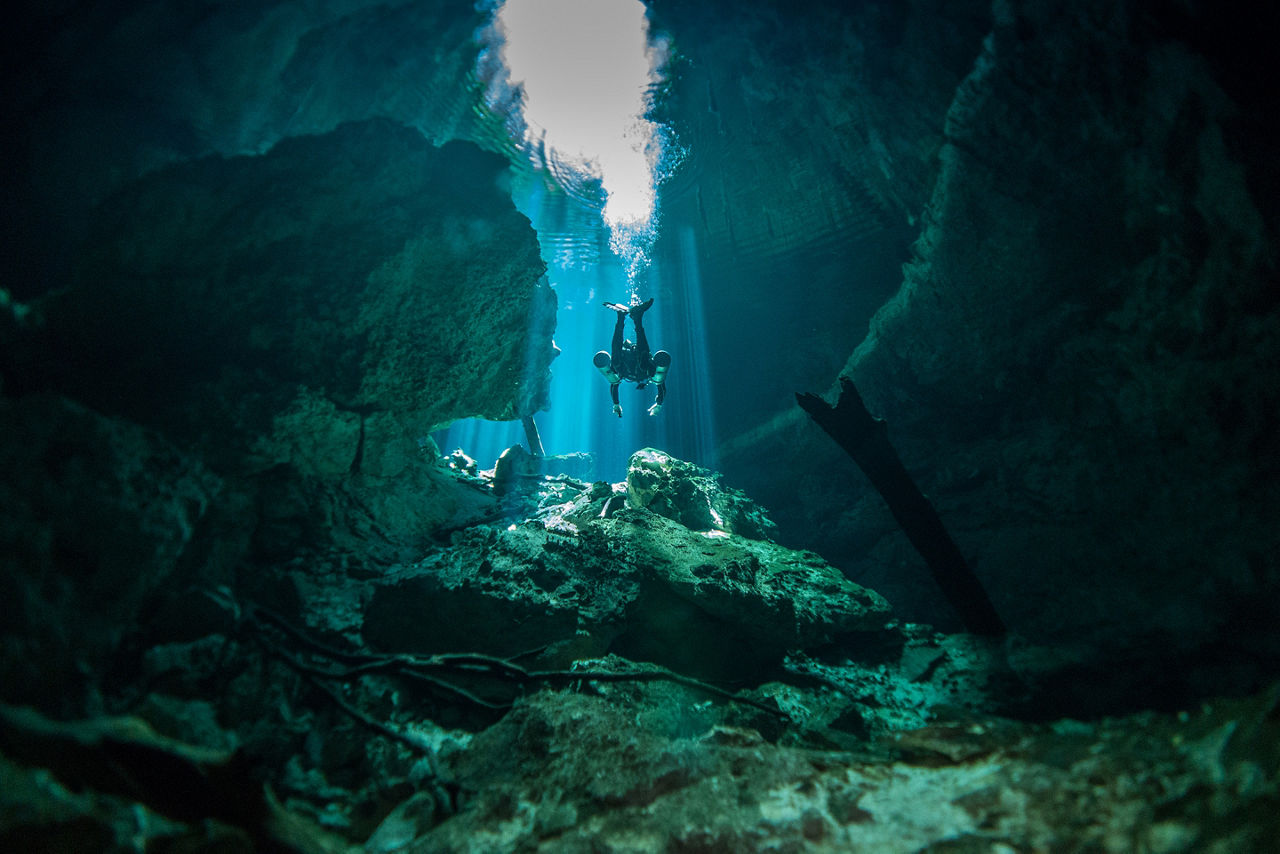
Cenotes in the Yucatán Peninsula, Mexico, are extremely culturally significant. Named after the word “ts'ono'ot,” which is Mayan for “hole filled with water,” people have been interacting with these spaces for at least thousands of years. Basically, if you’re curious about how many cenotes in Yucatán territory are special, the answer is all of them. Any Yucatán cenotes that you could visit, whether it’s the beloved Riviera Maya cenotes or a random one that you stumble upon during a jungle hike, are important and were likely acknowledged as such by their ancient locals.
The Mayans believed that cenotes were the gateway to Xibalba, their underworld and afterlife destination. Additionally, it was the supposed home of Chaac, the rain god. Because of this, anyone wishing to enter needed to receive permission via sacred rituals, especially if you were a member of the Chacs, a group that took a special religious interest in Chaac. And, as the major freshwater source for 2,500 years, everyone took a special interest in the preservation of Yucatán cenotes.
Offerings were made to the gods at these sites, particularly those at Chichén Itzá. To complete these ceremonies, valuable goods like jade, incense, copper and gold were tossed into the cenotes. Even humans (mostly children) were also offered up. Should a person survive the ritual, they were believed to have conversed with the gods and would have received word about the year’s crops.
Today, the descendants of the Mayan people still make offerings of smaller items, including seeds, cacao, corn, sugar, flower petals and copal, or tree resin. Communities still tell the mythological and sacred stories surrounding the Yucatán cenotes, preserving the cultural history of the landscape through verbal tradition and oration.
As a storyteller myself, I find this way of connecting with the land to be quite powerful, and I think all travelers should come to the cenotes in the Yucatán Peninsula, Mexico, with this background in mind. You aren’t just visiting some random natural wonder. Riviera Maya cenotes, the cenote of Costa Maya and any other site you come to is woven with stories of death, rebirth and hope. These are stories worth knowing before you take a Mexico cruise, so that you can better appreciate the significance rather than just the beauty (and in my opinion, meaning only adds to the beauty).
Here are five tips I’d recommend for travelers wanting to feel more connected to the cultural significance of the Yucatán cenotes:
- 1. Read about the Mayan beliefs surrounding the cenotes before you go.
- 2. Hire a local guide who can tell you about this side of the cenotes on-site.
- 3. Ask surrounding community members about their traditions and stories related to the cenotes.
- 4. Make your own metaphorical offering when you visit the cenote, imagining what you’d like to offer nature or how you can help it.
- 5. Meditate on hope when you’re there, keeping in mind these thoughts when and if you choose to get into the cenote.
Top Plunge-Worthy Yucatán Cenotes
Across the Yucatán, there are endless cenotes to choose from, and they’re all magical. Whether you want to enjoy the most remote, jungle-laden pools or head to the caves situated closest to the ruins for your history fix, there’s something for you. I don’t think I can pick a favorite out of the Yucatán cenotes, as I’m equally as interested in the landscape as I am in the culture of Mexico, and I have a feeling many will agree: there’s no wrong way to go.
So, with that in mind, here are some of the best cenotes in the Yucatán Peninsula, Mexico, and why you need to check them out when you cruise to Mexico:
- ● Cenote Ik Kil: Tarzan-like vines hanging around, accessible and close to Chichen Itza.
- ● Cenote Suytun: Has a platform, popular with social media users for the scenic setting.
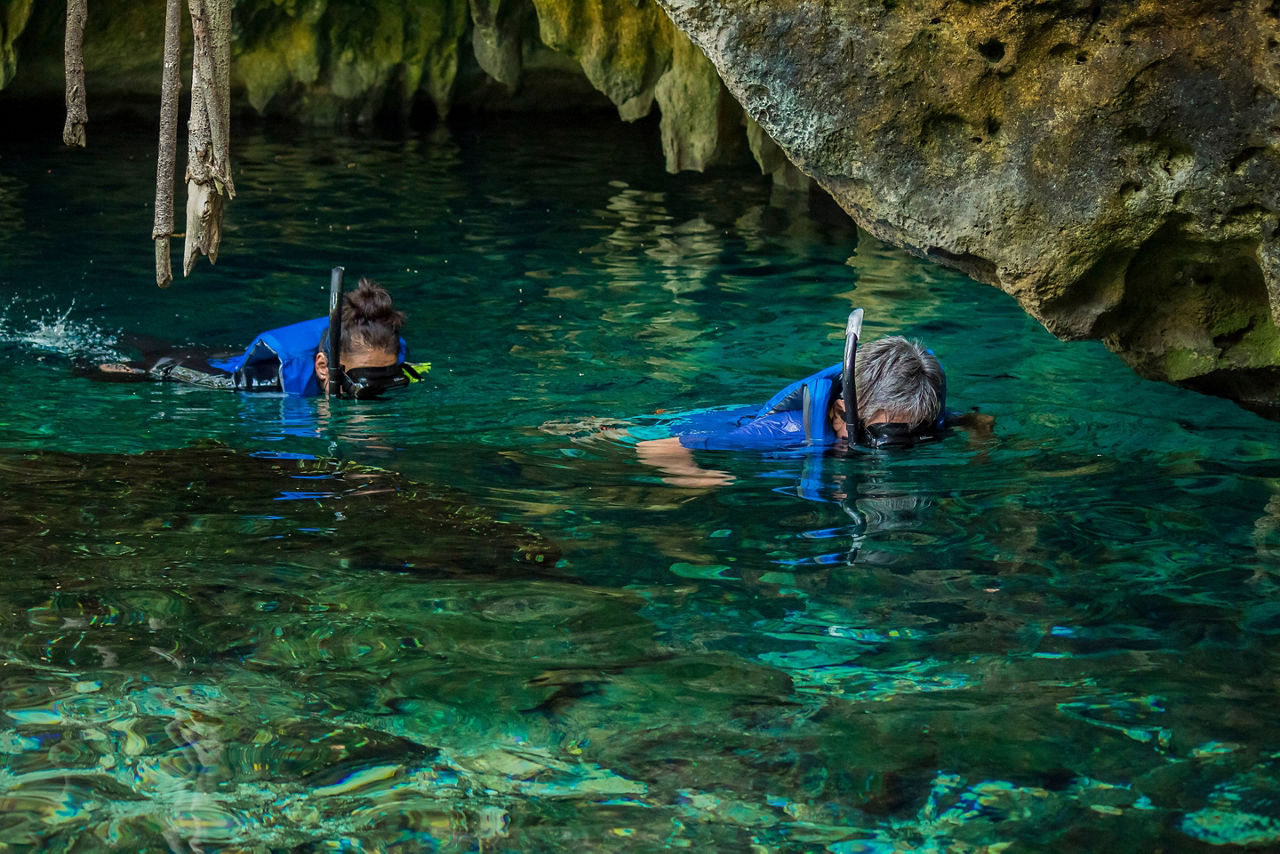
- ● Gran Cenote: Close to Tulum, very clear water, filled with caves and wildlife, ideal for snorkeling.
- ● Cenote Xkeken and Samula: Close to Valladolid, twin cenotes, underground, cave system views.
- ● Cenote Dos Ojos: Great for diving and snorkeling, named for the two sinkholes that look like eyes.
- ● Cenote Calavera: Close to Tulum, smaller, great for jumping in, ideal for thrill-seekers.
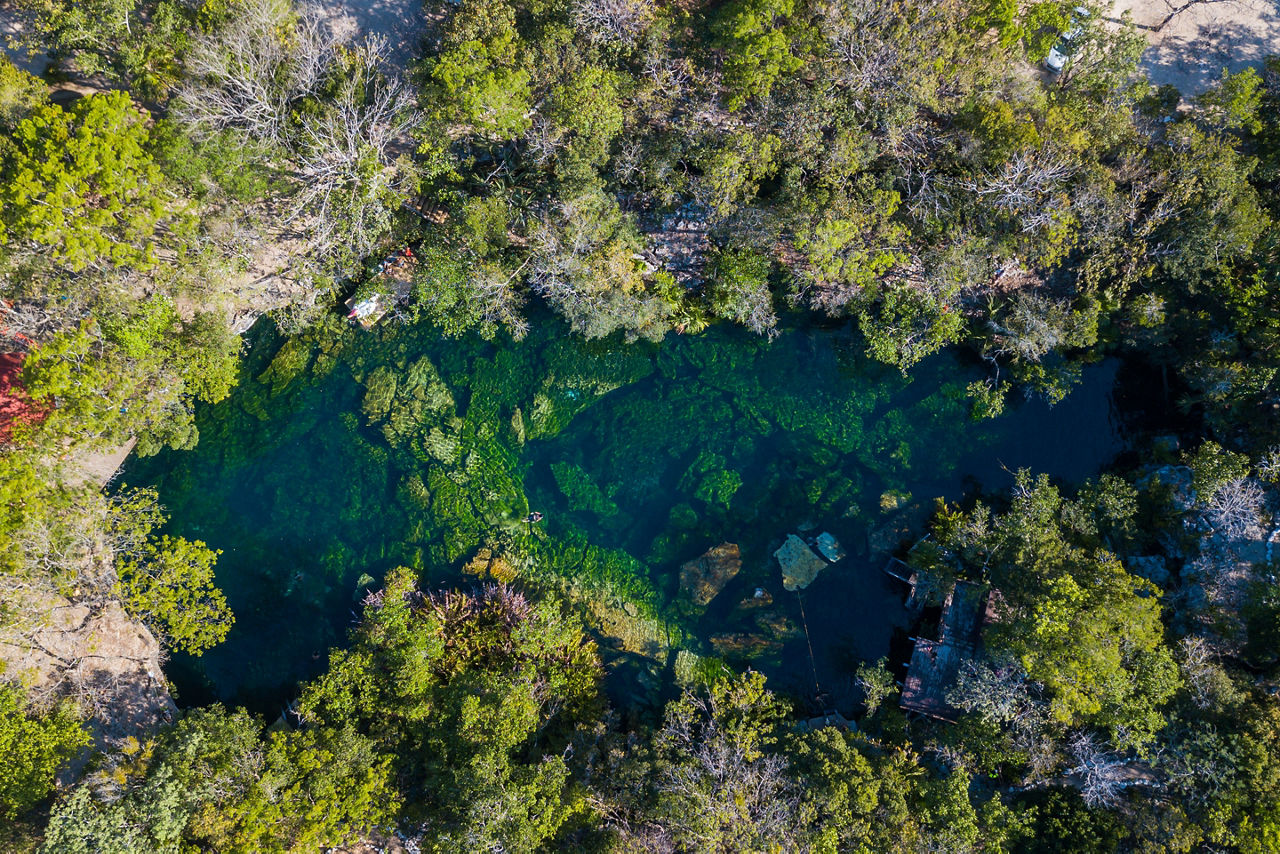
- ● Cenote Azul and Cristalino: In the jungle, open cenotes, very peaceful atmosphere, close to Playa del Carmen.
Know Before You Go: Yucatán Cenotes Essentials
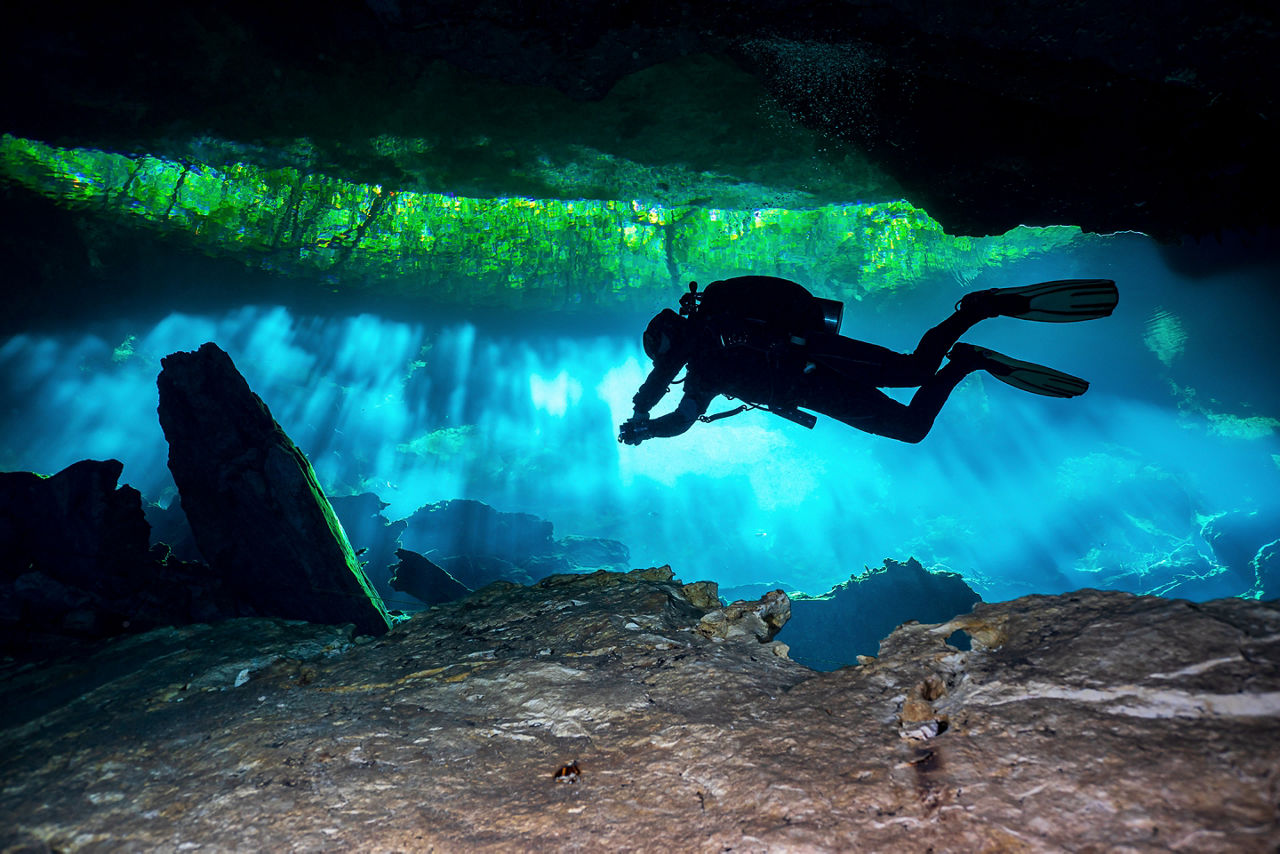
The peninsula as a whole is a great Mexico destination for families, couples, singles and pretty much any kind of group, thanks to the sheer number of things to do. But if you’re itching to dive into ancient pools filled with sparkling teal waters, you should prioritize cenote-hopping while you’re there. The bright water and limestone edges of Yucatán cenotes make them striking even just from above, but if you choose to get in, you’ll enjoy stalagmites and stalactites, wildlife, fossils, underground cave systems and subterranean rivers. It’s straight out of an adventure novel.
While these pools are beautiful and exciting, even frequently visited sites like the Riviera Maya cenotes and the cenote of Costa Maya can be tricky if you’re a first timer or don’t come prepared. So, here are tips for visiting cenotes in the Yucatán Peninsula, Mexico:
- ● Know your swimming ability: Yucatán cenotes are deep and require swimming, so consider wearing a life jacket.
- ● Dive carefully: It can be dangerous if you’re inexperienced, so consider sticking to snorkeling or swimming if you’re unsure.
- ● Hire a guide: They know the area better than you will.
- ● Don’t use sunscreen or use reef-safe: Toxic chemicals in any body or hair product can harm wildlife and the water.
- ● Follow directions: Read the signs and water safety notices in the area.
- ● Only swim in public cenotes: These will likely be marked, but you can always ask if you’re unsure.
- ● Don’t disrupt species: Leave the fauna and flora, especially the resident crocodiles, alone so that they aren’t harmed.
- ● Avoid swallowing water: Cenote water can contain bacteria.
- ● Keep in mind your mobility: Yucatán cenotes aren’t always suitable for those with limited mobility, and the cave systems never are.
- ● Don’t go into the caves alone: Going in solo can put you at risk of getting lost or injured without help to exit.
- ● Take an expert: If you want to go deeper into the caves, consider taking someone who knows them.
- ● Wear goggles: This will allow you to see better.
- ● Pick an eco-tourism operator: If you’re visiting the Yucatán cenotes with a group, consider choosing a sustainable company to ensure responsible visitation.
- ● Take a freediving class: If you plan on freediving and haven’t done it before, make sure to take a class beforehand so you can learn how to do so safely.
Explore Like An Adventurer, Unwind Like Royalty
Cenotes in the Yucatán Peninsula, Mexico, are really special, and no matter who you are, I’m convinced that everyone needs to see them at least once. Here’s how I’d recommend you see them, depending on your experience:
- ● If you’re a first-timer: Hire a guide who knows the area and can guide you through the natural and cultural significance of the Yucatán cenotes, as well as keep you safe — they’ll also know where the best cenotes near you are.
- ● If you’re a returning adventurer: Go cenote-hopping solo or with your people for the day, perhaps taking a class beforehand to fill in your knowledge gaps. For example, if you’ve never freedived and feel comfortable doing so, learn how to do it safely. Or, read up on the Mayans of the region if you think your expertise is lacking.
Once you’ve somehow had your fill of gorgeous Yucatán cenotes, there’s no better way to end the day than by relaxing on the beach and enjoying those sea breezes.
Yucatán Cenotes And Your Mexico Adventure Awaits
Cenotes offer glittering magic on the Yucatán Peninsula, and they’re just a Mexico cruise away. If you’ve ever dreamed of swimming in the jungle, stepping back in time, or engaging with Mayan culture, this needs to be at the top of your list.

Get Royal Deals, Sign Up Today
Related Articles
5 Top Kid-Friendly Places in Mexico
READ MORE
Quick Trips: Plan The Most Relaxing Four-day Vacation To Mexico
READ MORE
Choose The Best Baja Mexico Cruise For You To Take On Vacation
READ MORE
Cabo vs. Puerto Vallarta: Which Mexican Getaway Wins?
READ MORE