March is the perfect month to visit Europe if you’re craving a change of pace. Crowds are smaller, landscapes are starting to bloom, and coastal towns are waking up from their winter nap. Whether you want to chase early spring sunshine or dive into history-rich cities, March offers a sweet spot between winter quiet and spring buzz.
Here are the best places to visit in Europe in March — with exciting excursions and local highlights to make your trip even more memorable.
1. Dubrovnik, Croatia

Best for: Stone Walls & Adriatic Views Without the Crowds
Average temperature: 50°F to 60°F / 10°C to 15°C
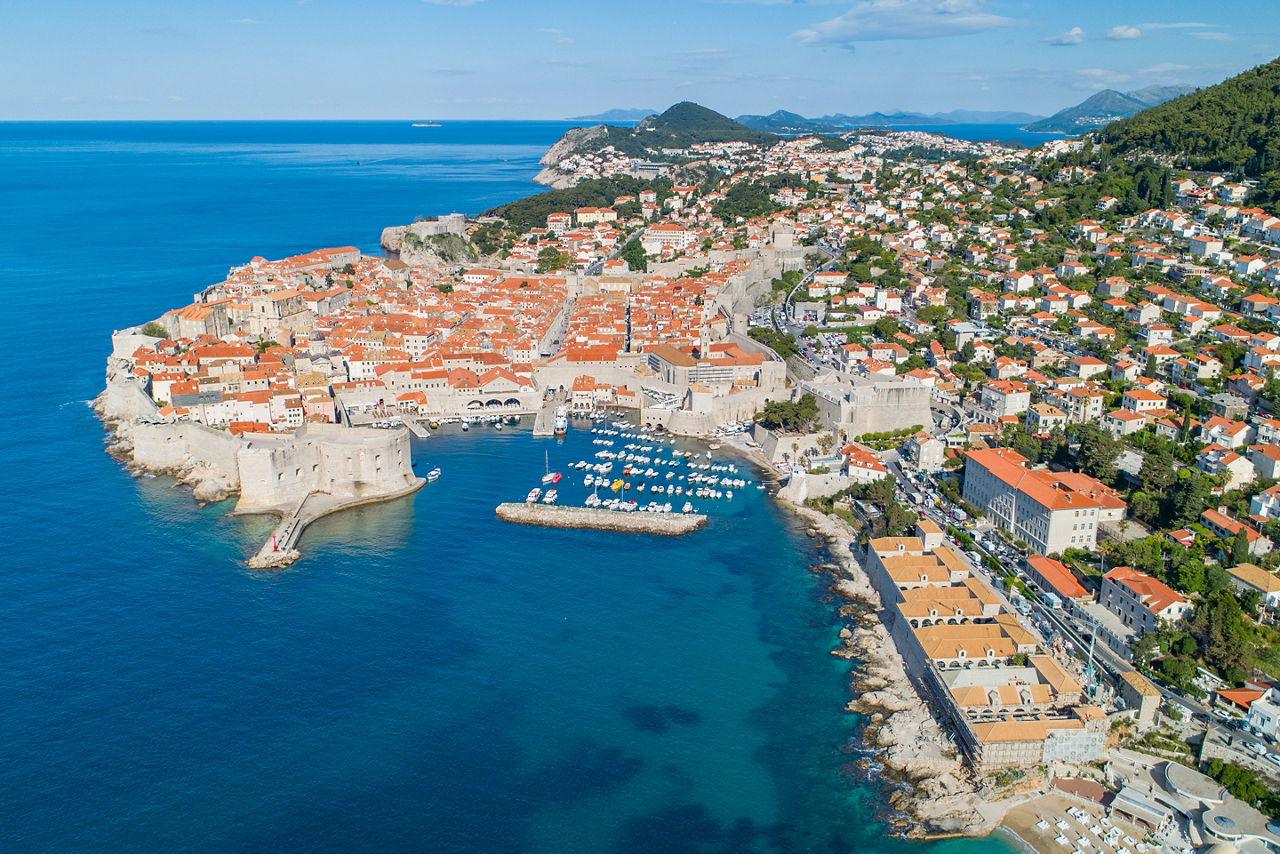
Dubrovnik’s famous city walls, marble streets, and seaside cafés are far more peaceful in March than during summer. The mild temperatures make it an ideal time to wander the Old Town, climb the Walls of Dubrovnik and admire views of the glistening Adriatic without the heat or crowds. While the city is quieter, it still exudes charm, with early spring flowers adding color to its iconic red rooftops. This is the perfect time to explore Dubrovnik’s rich history and culture without the high-season hustle.
- Excursion idea: Take a boat ride to Lokrum Island, a lush escape just off the coast with peacocks, gardens and monastery ruins.
- Insider Tip: Visit Dubrovnik’s hidden gems, such as the picturesque Buza Bar, perched on the cliffs for an incredible view of the sea and a great spot to relax with a drink in hand.
2. Paris, France

Best for: Spring Awakening in the City of Light
Average temperature: 40°F to 55°F / 4°C to 13°C
Paris in March feels fresh and hopeful as the city begins to blossom. Stroll along the Seine, explore the nearly crowd-free Louvre, and enjoy early blooms in Jardin des Tuileries or Luxembourg Gardens. Cafés start putting tables back outside, and Paris’ charm shines even on crisp, sunny days. The quieter atmosphere allows for more intimate experiences at iconic sites, such as the Eiffel Tower, Notre-Dame, and Montmartre, where you can wander the cobblestone streets without the usual crowds.
- Excursion idea: Take a day trip to Versailles, where the grand palace and gardens are just beginning to wake from winter, offering a quieter, more personal experience.
- Insider Tip: Enjoy a cozy lunch in one of Paris’s lesser-known cafés in Le Marais or along Canal Saint-Martin, where locals gather for a warm meal and a glass of wine, away from the tourist-heavy spots.
3. Madeira, Portugal
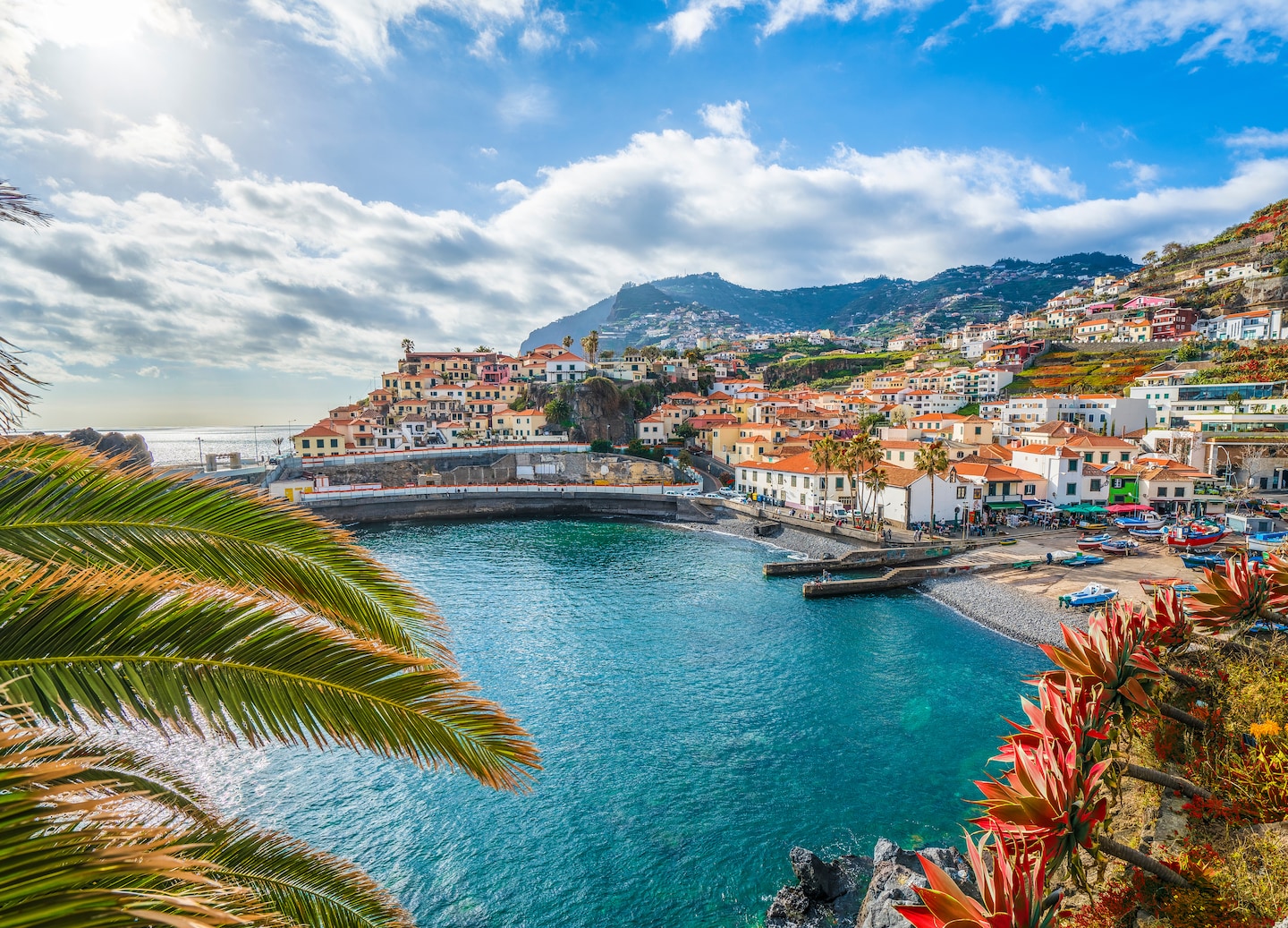
Best for: Island Flowers & Rugged Coastlines
Average temperature: 55°F to 65°F / 13°C to 18°C
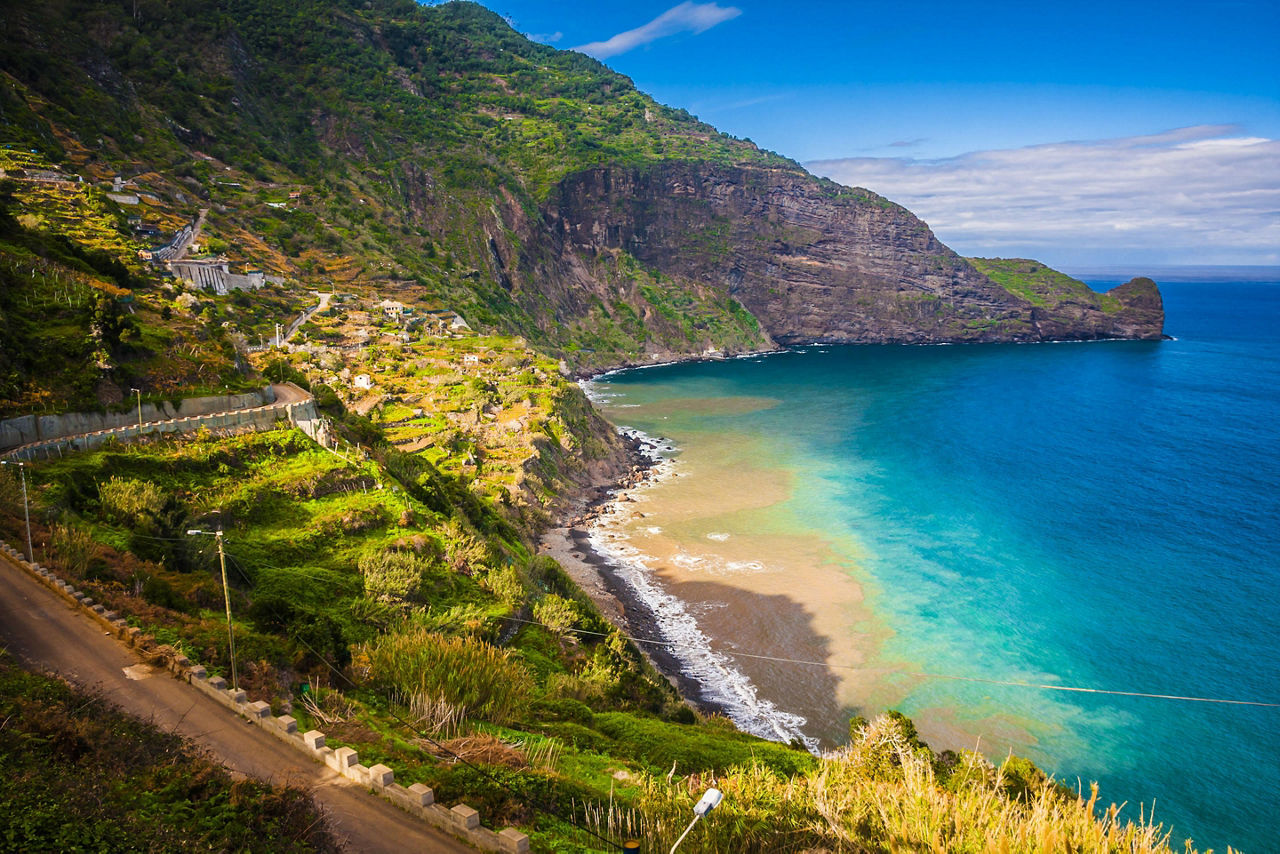
Known as the “Island of Eternal Spring,” Madeira is lush, colorful, and wonderfully mild in March. Base yourself in Funchal and explore local markets, seaside promenades and scenic cliff drives. Wildflowers start blooming early here, making it a dream for nature lovers. The island's rugged coastline and dramatic mountain peaks create a perfect backdrop for hiking and outdoor exploration. Whether you're relaxing in botanical gardens or discovering the island's charming villages, Madeira offers a peaceful escape from the crowds.
- Excursion idea: Take a cable car up to Monte Palace Gardens or hike a Levada trail through the island’s green mountains.
- Insider Tip: Visit Funchal's Mercado dos Lavradores to experience the vibrant atmosphere of the local market, where you can sample Madeira’s exotic fruits, spices and Madeira wine.
4. Cádiz, Spain

Best for: Seafood, Sunshine & Old-World Charm
Average temperature: 55°F to 65°F / 13°C to 18°C
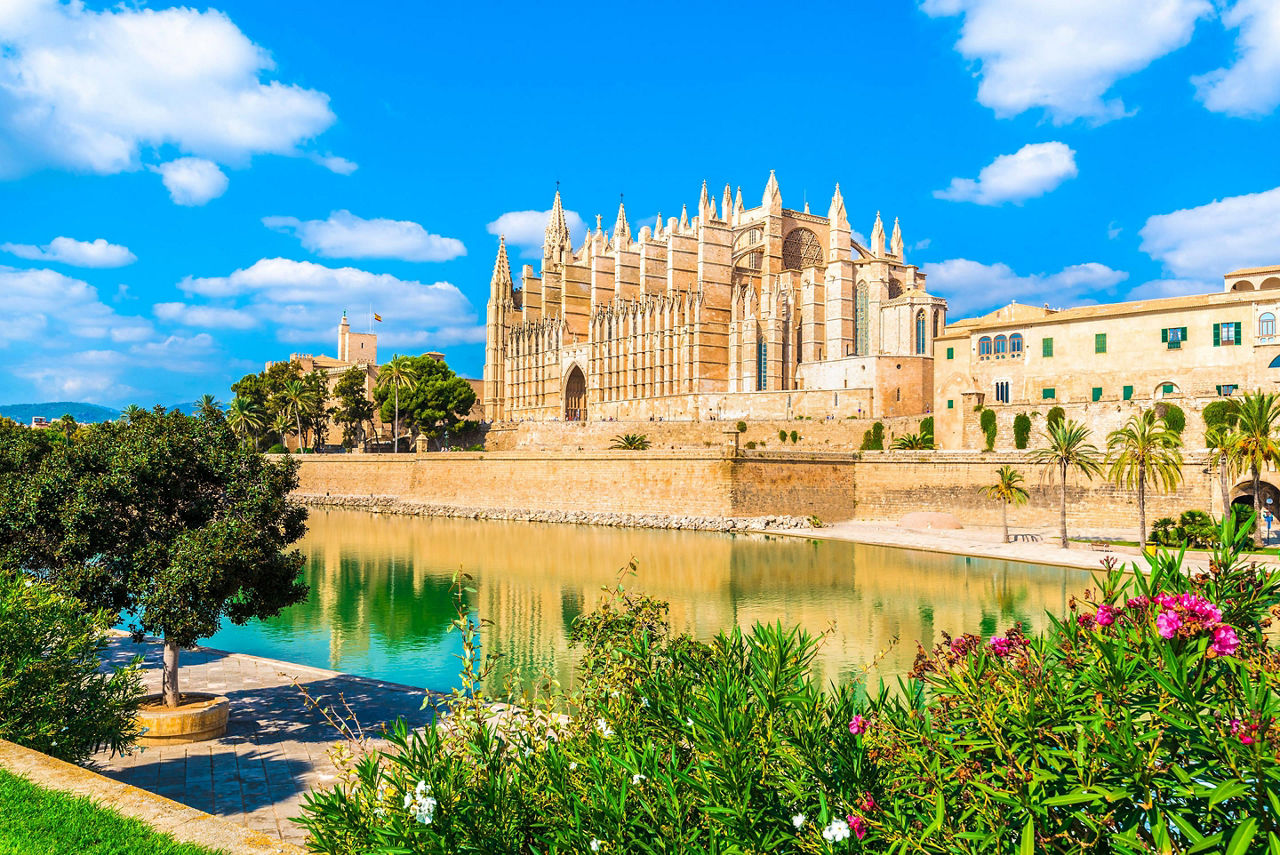
Cádiz shines in early spring, with its whitewashed plazas, golden beaches and relaxed coastal pace. Wander the maze of streets in the Old Town, savor fresh seafood at a waterfront café and visit the towering Cádiz Cathedral. The pleasant weather makes this an ideal time to explore the city’s rich history, from its Roman roots to its vibrant Andalusian culture. With fewer tourists than during the summer, you can enjoy a more intimate experience in this historic city by the sea.
- Excursion idea: Join a scenic drive to the white villages of Vejer de la Frontera or Arcos de la Frontera, perched dramatically on hilltops.
- Insider Tip: Enjoy a leisurely stroll along La Caleta Beach, where you can watch the sunset and see local fishermen at work — a peaceful and picturesque way to end the day.
5. Corfu, Greece

Best for: Island Life Before the Rush
Average temperature: 50°F to 60°F / 10°C to 16°C
Corfu is beautifully peaceful in March. The Old Town — a UNESCO World Heritage Site — is packed with Venetian architecture, hidden squares and seaside tavernas. Mild temperatures mean you can hike to viewpoints or stroll along coastal trails with ease. The island’s natural beauty is enhanced by early spring blooms, and you can explore Corfu’s picturesque beaches, charming villages and historic sites without the usual summer crowds. Corfu’s unique blend of Greek, Venetian and British influences offers a fascinating cultural experience.
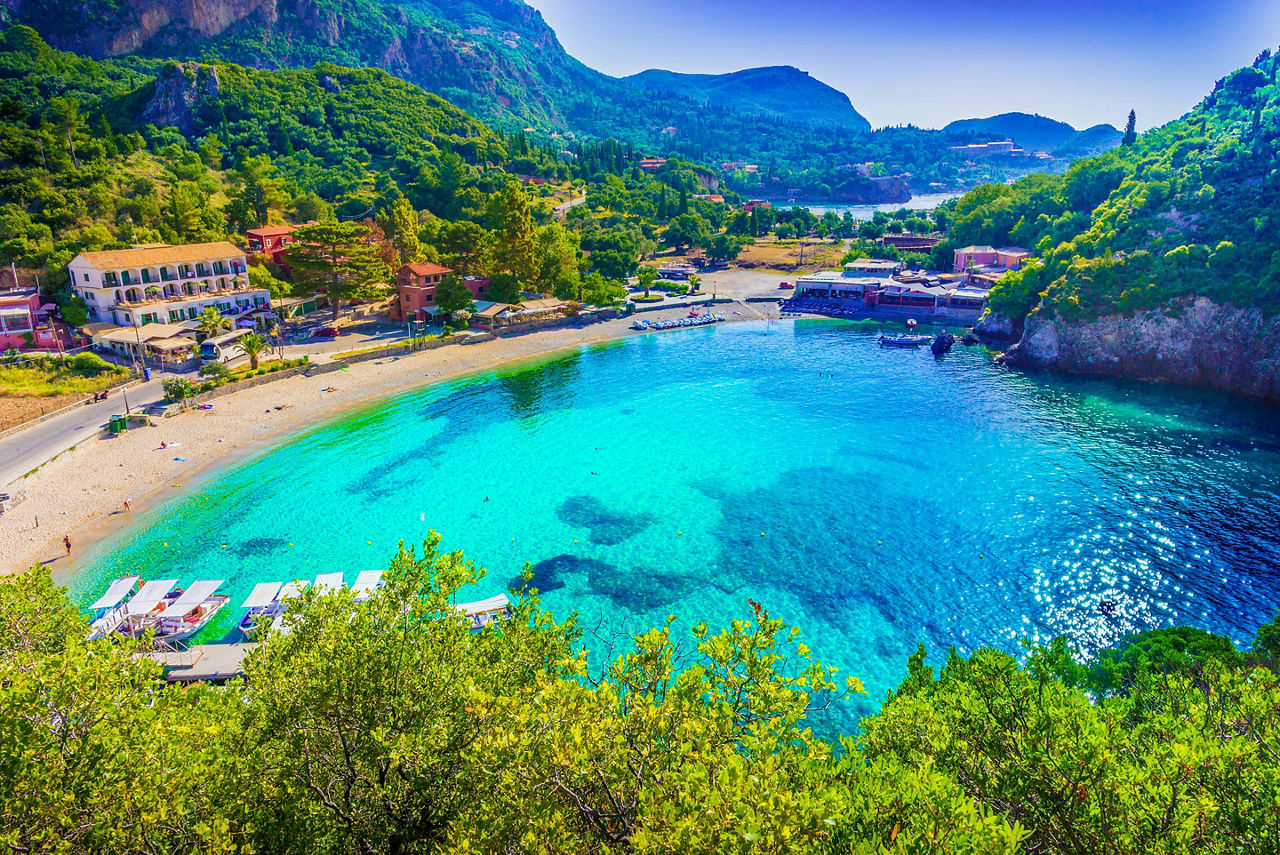
- Excursion idea: Take a boat excursion to Palaiokastritsa, known for its stunning beaches, turquoise waters and cliffside monastery.
- Insider Tip: For a more local experience, visit the traditional village of Kassiopi, where you can sample local olive oil and enjoy a meal at a family-run taverna overlooking the Ionian Sea.
6. Palermo, Sicily, Italy
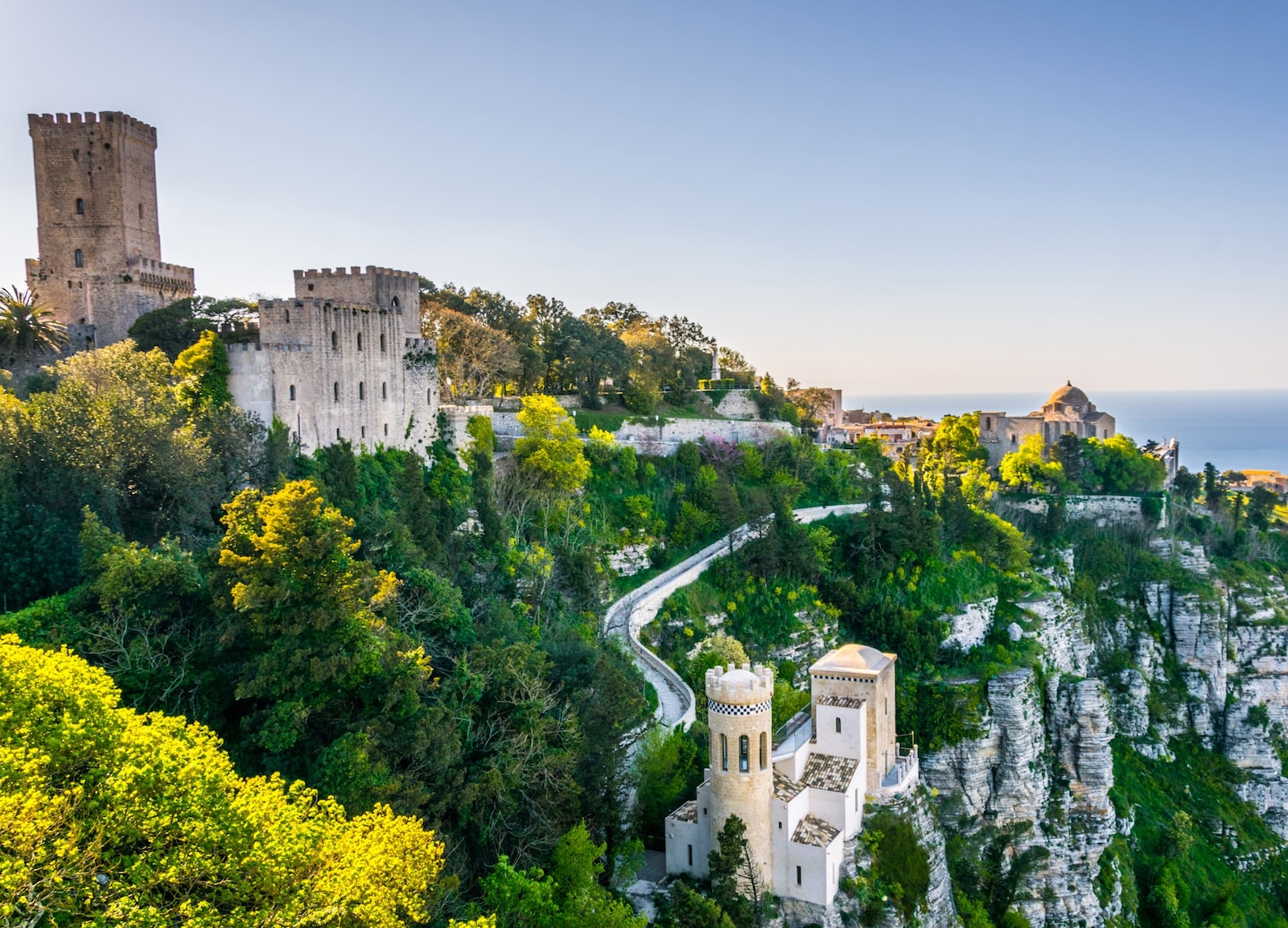
Best for: Markets, Palaces & Mediterranean Flavor
Average temperature: 55°F to 65°F / 13°C to 18°C
If you’re craving a mix of history and hearty food, head to Palermo. Visit the colorful Ballarò Market, marvel at the mosaics of the Palatine Chapel and enjoy local street food like arancini and cannoli. March means comfortable weather for sightseeing, and you can explore Palermo’s Arab-Norman architecture, medieval buildings and vibrant local life without the intense summer heat. Sicily’s unique blend of cultures and flavors makes it a fascinating destination to explore off-season.
- Excursion idea: Venture to Monreale Cathedral, one of the finest examples of Norman architecture with dazzling gold mosaics.
- Insider Tip: Palermo’s street food scene is legendary, so be sure to try a local “pane con la meusa” (spleen sandwich) for a true taste of Sicilian cuisine.
7. Rotterdam, Netherlands

Best for: Modern Architecture & Creative Energy
Average temperature: 35°F to 45°F / 2°C to 7°C
Rotterdam offers a totally different Dutch experience, with striking modern architecture, lively food markets and a buzzing creative scene. Explore landmarks like the Cube Houses, stroll along the Erasmus Bridge and discover art galleries tucked into the city’s vibrant neighborhoods. In March, it's cool but lively, with plenty of cultural events kicking off for spring. The city’s innovative spirit shines through in its museums, local art and cutting-edge design.
- Excursion idea: Take a harbor boat tour through one of Europe’s largest ports or explore nearby Delft, a charming historic town famous for its blue pottery.
- Insider Tip: Visit the Markthal for an indoor food market experience, where you can sample local delicacies, fresh produce and international cuisine. It’s a great place to warm up on a chilly March day.
Why Visit Europe in March?
From Spain’s lively festivals to the sun-drenched beaches of Tenerife, March is full of fresh beginnings and unforgettable moments. Traveling this month means you’ll catch the best of both worlds: lingering winter tranquility and the early buzz of spring celebrations. The mild weather and smaller crowds make it ideal for exploring cultural landmarks, local markets and scenic natural landscapes.
If you’re searching for the best places to visit in Europe in March, you’ll find a perfect balance of culture, warmth and outdoor adventure. Pack your light jacket and your sense of adventure — it’s time to explore Europe waking up from winter.
FAQs: Europe Travel in March
1. What are the best European cities to visit in March?
Some of the best cities to visit in Europe in March include Dubrovnik, Paris, Madeira and Athens. These destinations offer mild weather, fewer tourists and plenty of outdoor activities.
2. Is March a good time to visit Europe for a spring holiday?
Yes, March is an excellent time to visit Europe for a spring holiday. You’ll experience early blooms, festive celebrations and fewer crowds at major attractions.
3. What is the weather like in Europe in March?
The weather in Europe varies in March. Southern Europe tends to be mild, with temperatures in the 50°F to 60°F range, while northern Europe is still cool, often hovering between 30°F and 50°F, with some early spring showers.
4. Are there any festivals in Europe in March?
Yes! Europe hosts many festivals in March, including the Nice Carnival in France, the Venice Carnival in Italy and early spring celebrations in Spain, such as Las Fallas in Valencia.
5. What to wear to Europe in March?
Pack for varying weather conditions. A light jacket, layers and comfortable shoes for walking are essential. Be prepared for occasional rain, especially in northern Europe, and pack an umbrella just in case.
6. What is the cheapest European country to visit in March?
Countries in Eastern Europe, such as Hungary, Romania, and Bulgaria, are generally more affordable in March compared to Western Europe. You can enjoy lower accommodation and dining costs while exploring beautiful cities and natural landscapes.