
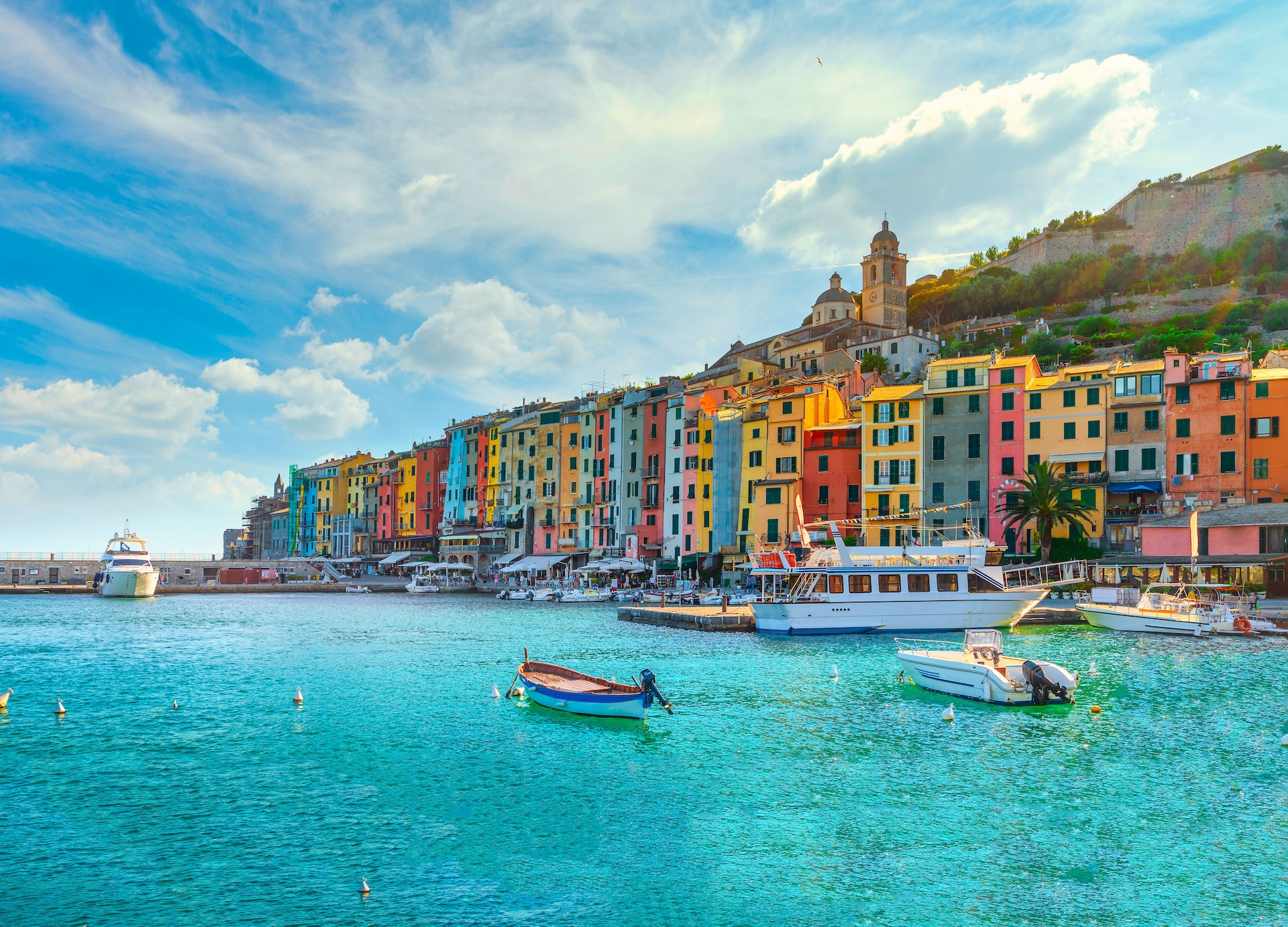
The best time to visit Italy is from April through June or September through October, when the weather is generally comfortable for sightseeing, cruises and outdoor dining. These spring and fall months also avoid some of the heat and crowds associated with July and August.
Italy’s weather varies by region. Northern Italy experiences colder winters and warm summers, while southern destinations like Sicily and the Amalfi Coast have longer periods of Mediterranean warmth. Mountain regions may remain snowy into spring and coastal areas often stay pleasant well into fall.
The right season depends on whether you want to explore historic cities, relax along the coast, attend cultural festivals or experience Italy’s food and wine harvests.
Best Time to Visit Italy by Season
Spring: March to May
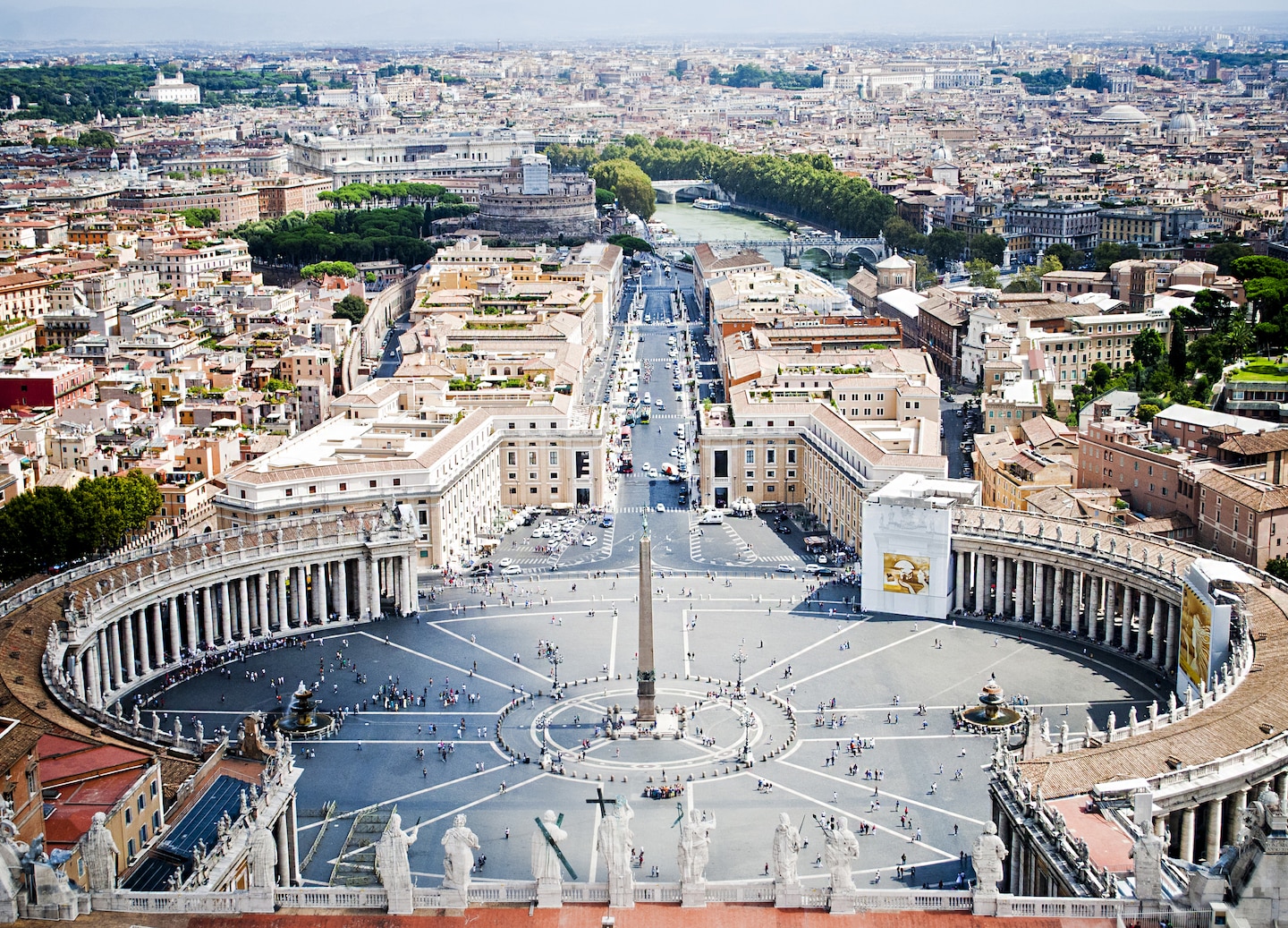
Best for: Sightseeing and Outdoor Exploration
Spring is one of the best times to visit Italy. Temperatures become milder, gardens bloom and restaurants reopen their outdoor seating areas. April and May are particularly comfortable for exploring Rome, Florence, Venice and other historic cities.
Crowds increase around Easter and public holidays. Visitors traveling during these periods should reserve accommodations and major attractions in advance.
Key Events and Activities:
- Holy Week and Easter: Experience religious processions, church services and local traditions, with dates changing each year.
- Historic City Tours: Explore archaeological sites, piazzas and museums before the strongest summer heat.
- Lakes and Countryside: Visit Lake Como, Tuscany or Umbria as gardens, vineyards and rural landscapes turn green.
Summer: June to August
Best for: Beaches, Mountains and Outdoor Festivals
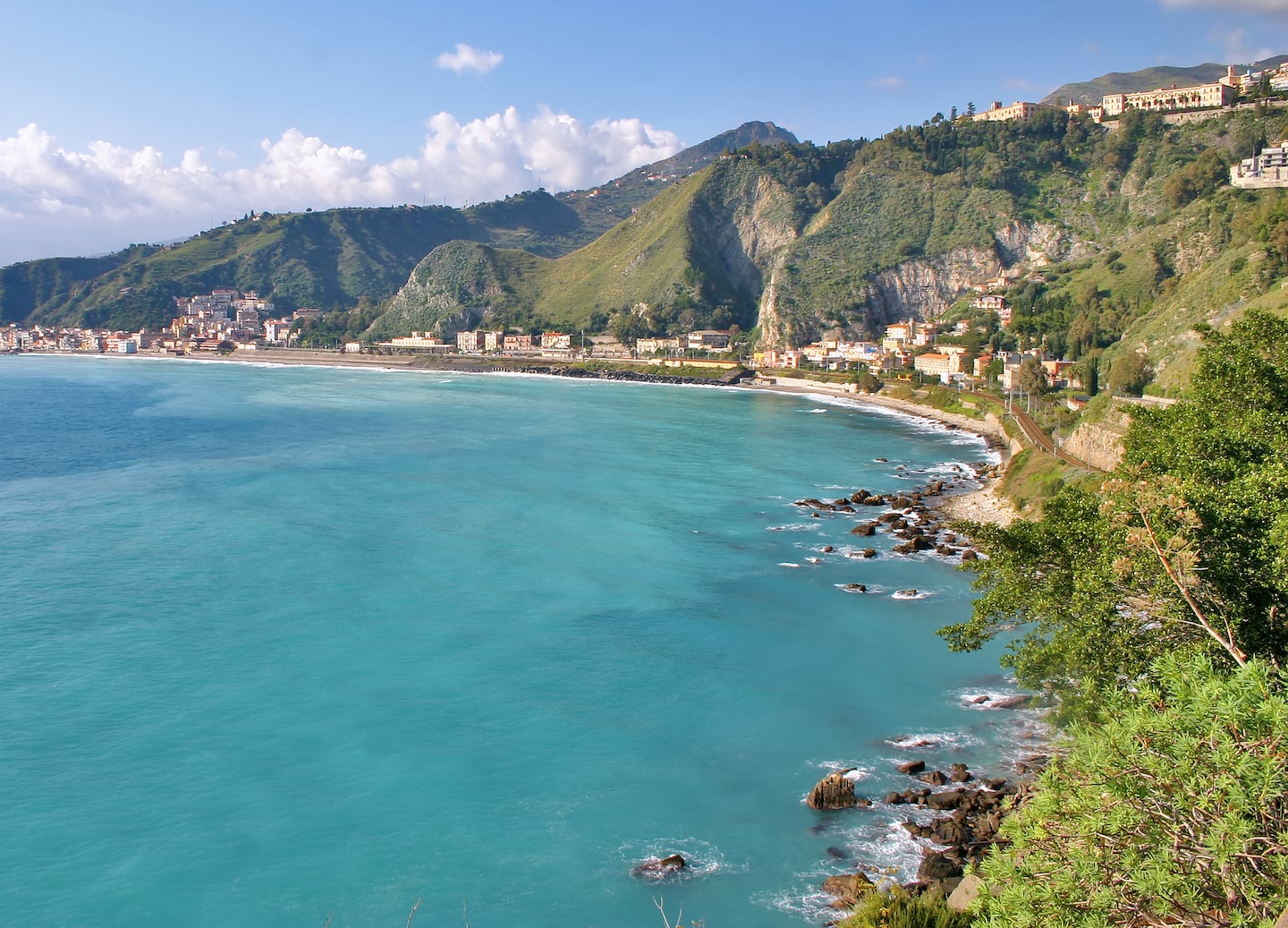
Summer brings hot weather and long days throughout Italy. July and August are the busiest months in many cities and coastal destinations, while temperatures in Rome, Florence and southern Italy can become intense.
Beach towns, islands and mountain regions are especially popular. Many Italians take vacations in August, which can lead to crowded coastal areas and reduced hours at some city businesses.
Key Events and Activities:
- Italian Beaches: Swim along the Amalfi Coast or visit coastal areas in Sardinia, Sicily, Puglia and Liguria.
- Palio di Siena: Watch Siena’s historic horse race and surrounding celebrations in July or August.
- Summer Performances: Attend concerts, open-air theater or opera performances in destinations like Verona.
Fall: September to November
Best for: Food, Wine and Comfortable Weather

Fall is another excellent time to visit Italy. September often retains summer warmth, while October brings cooler temperatures and changing foliage. Conditions are well suited to city sightseeing, coastal trips and countryside travel.
Fall also brings grape, olive and truffle harvests. Regional festivals celebrate seasonal foods and provide opportunities to experience Italian culinary traditions.
Key Events and Activities:
- Wine Harvest: Visit vineyards in Tuscany, Piedmont, Veneto and other wine-producing regions.
- Truffle Season: Sample seasonal dishes and attend truffle celebrations such as the Alba White Truffle Fair.
- City Exploration: Tour Rome, Florence, Venice and Naples with fewer visitors than during midsummer.
Winter: December to February
Best for: Museums, Skiing and Seasonal Celebrations
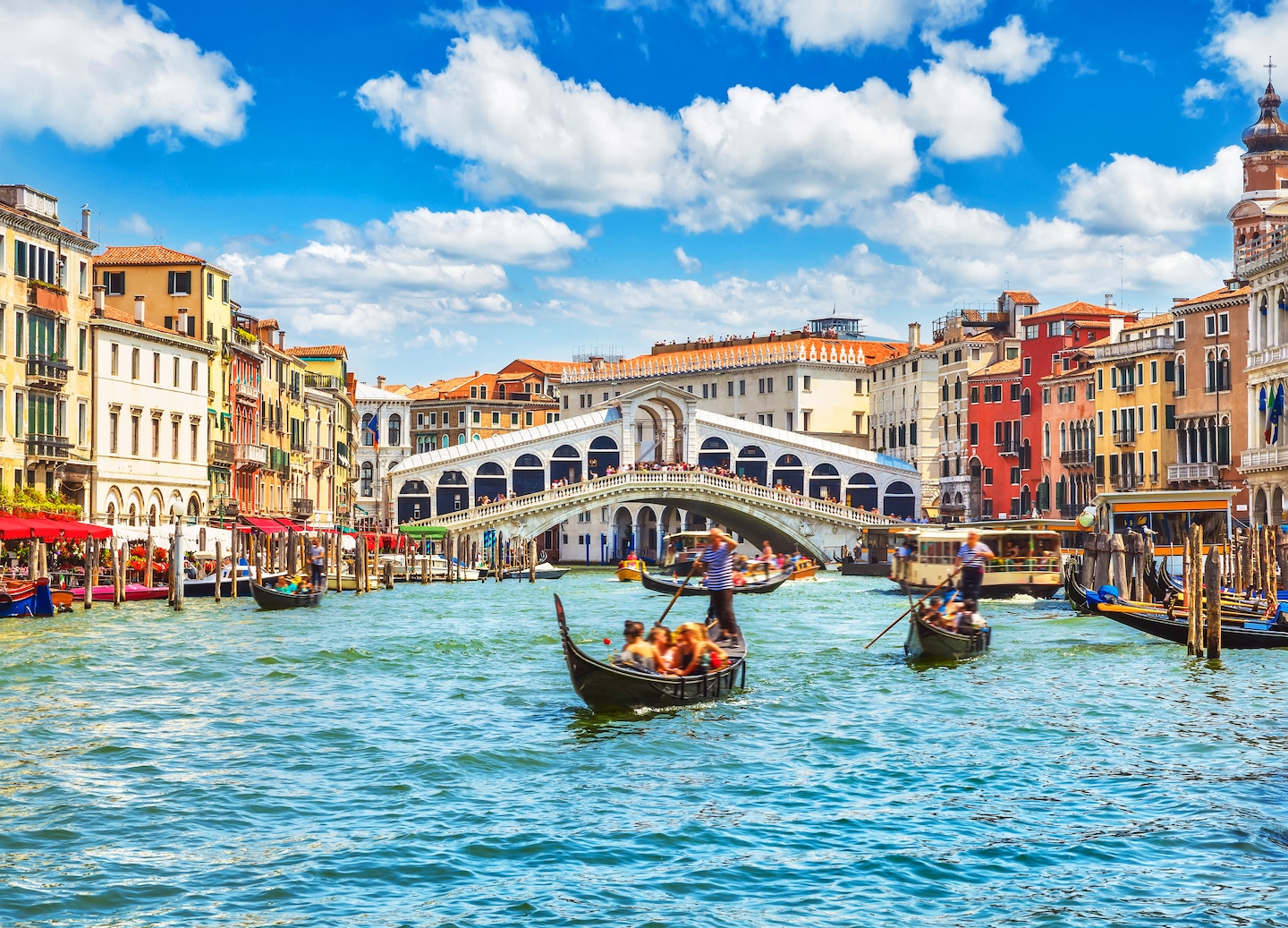
Winter is Italy’s quietest travel season outside Christmas, New Year’s and Carnival. Northern cities can be cold and foggy, while southern Italy generally remains milder. Rain is possible throughout the country.
This is a good season for museums, churches and archaeological attractions without peak-season crowds. The Alps and Dolomites also attract travelers for skiing and other snow activities.
Key Events and Activities:
- Christmas Markets: Browse seasonal markets in northern cities and mountain towns during December.
- Italian Carnival: Experience parades, masks and celebrations in Venice, Viareggio and other destinations before Lent.
- Winter Sports: Ski, snowboard or enjoy snowy mountain scenery in the Alps and Dolomites.
Best Time to Visit Italy for Beaches
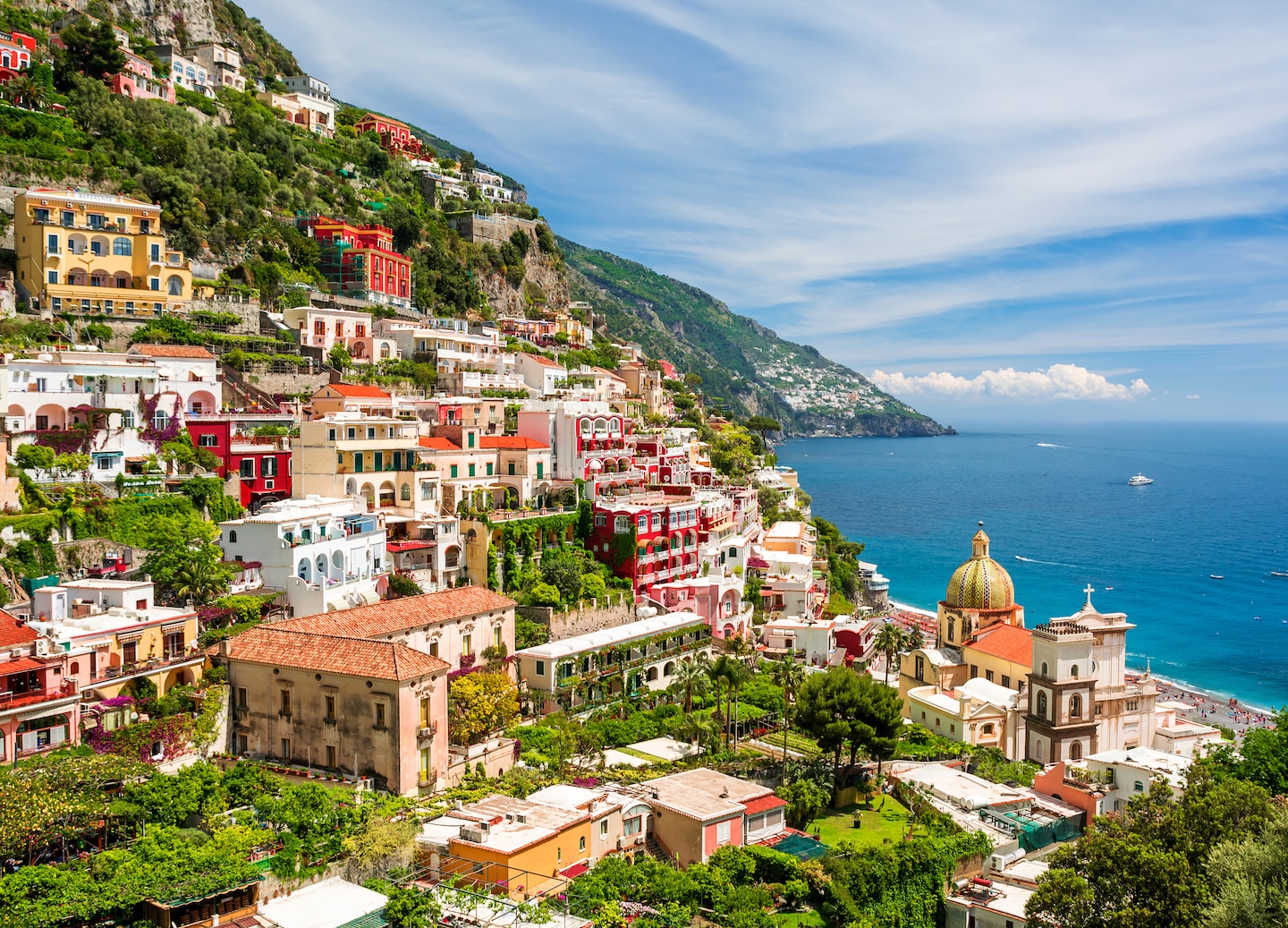
The best time to visit Italy for beaches is from late May through early October. July and August bring the hottest weather and largest crowds, while June and September offer warm conditions with a more relaxed atmosphere.
Southern destinations like Sicily, Sardinia and Puglia generally have longer beach seasons than northern coastal regions. The Amalfi Coast, Capri and Liguria are also popular during late spring and early fall.
Travelers visiting in May or October may encounter pleasant sunshine, but water temperatures and beach services can vary. Explore the best beaches in Italy to compare coastal regions.
Best Time to Visit Italy on a Cruise
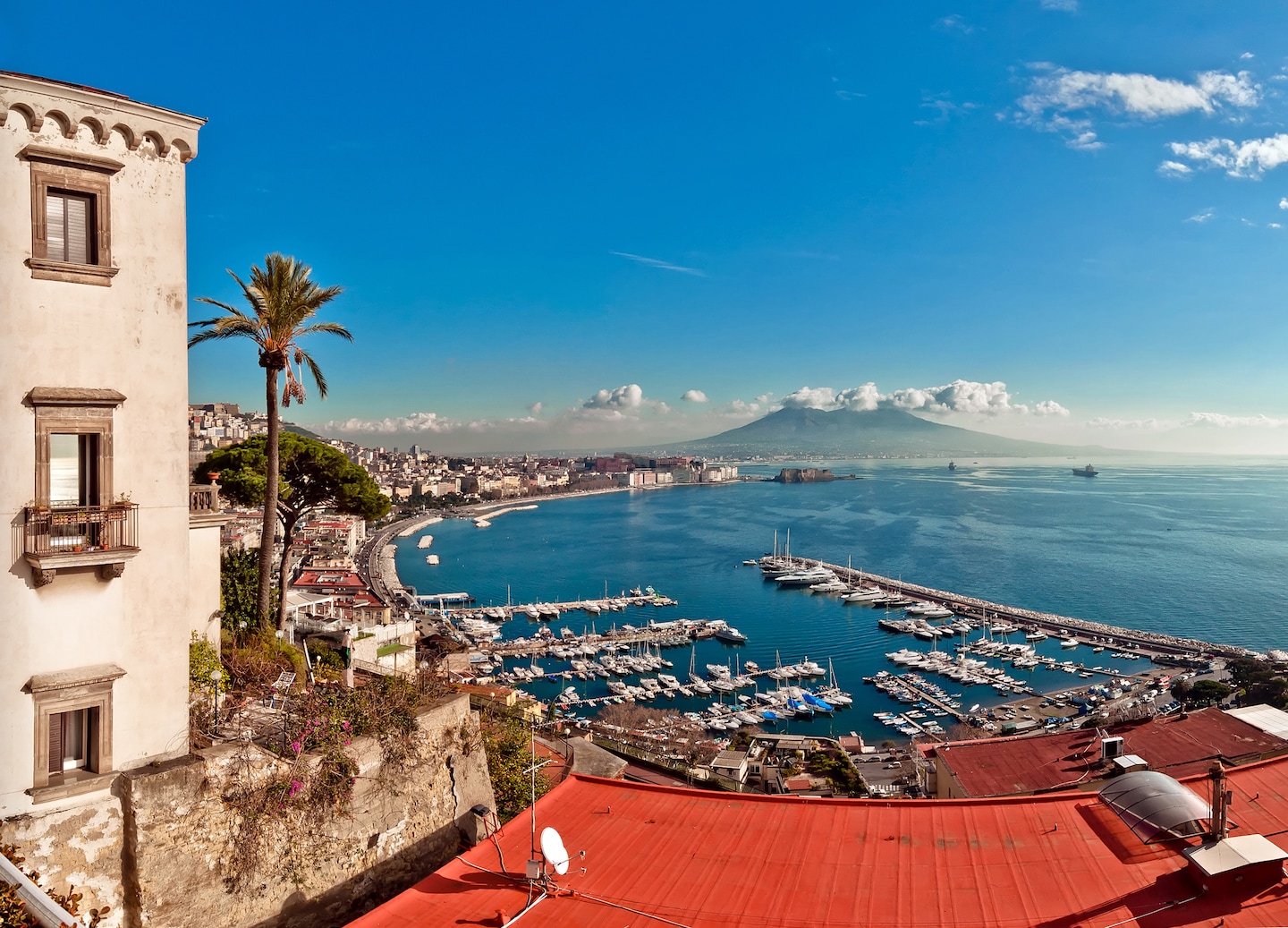
The best time to visit Italy on a cruise is from April through June or September through October. These months offer comfortable weather for exploring ports, historic landmarks and coastal towns.
Cruises may visit Rome through Civitavecchia, Florence and Pisa through La Spezia, Naples, Sicily or ports near Venice. Spring and fall make walking tours more comfortable than during the height of summer.
July and August provide dependable warmth for beach excursions, but popular ports and attractions can become crowded. September is especially appealing for combining warm Mediterranean weather with fewer visitors.
Best Time to Visit Italy for Sightseeing
The best time to visit Italy for sightseeing is during April, May, September or October. Temperatures are generally mild enough for walking through historic centers, archaeological sites and outdoor attractions.
Spring is ideal for gardens, lakes and countryside landscapes. Fall offers warm colors, seasonal cuisine and fewer crowds after the summer travel period.
Winter can also be rewarding for museum-focused trips to Rome, Florence, Venice or Milan. Shorter days and cooler weather are balanced by quieter galleries and historic attractions.
Best Time to Visit Italy for Food and Wine
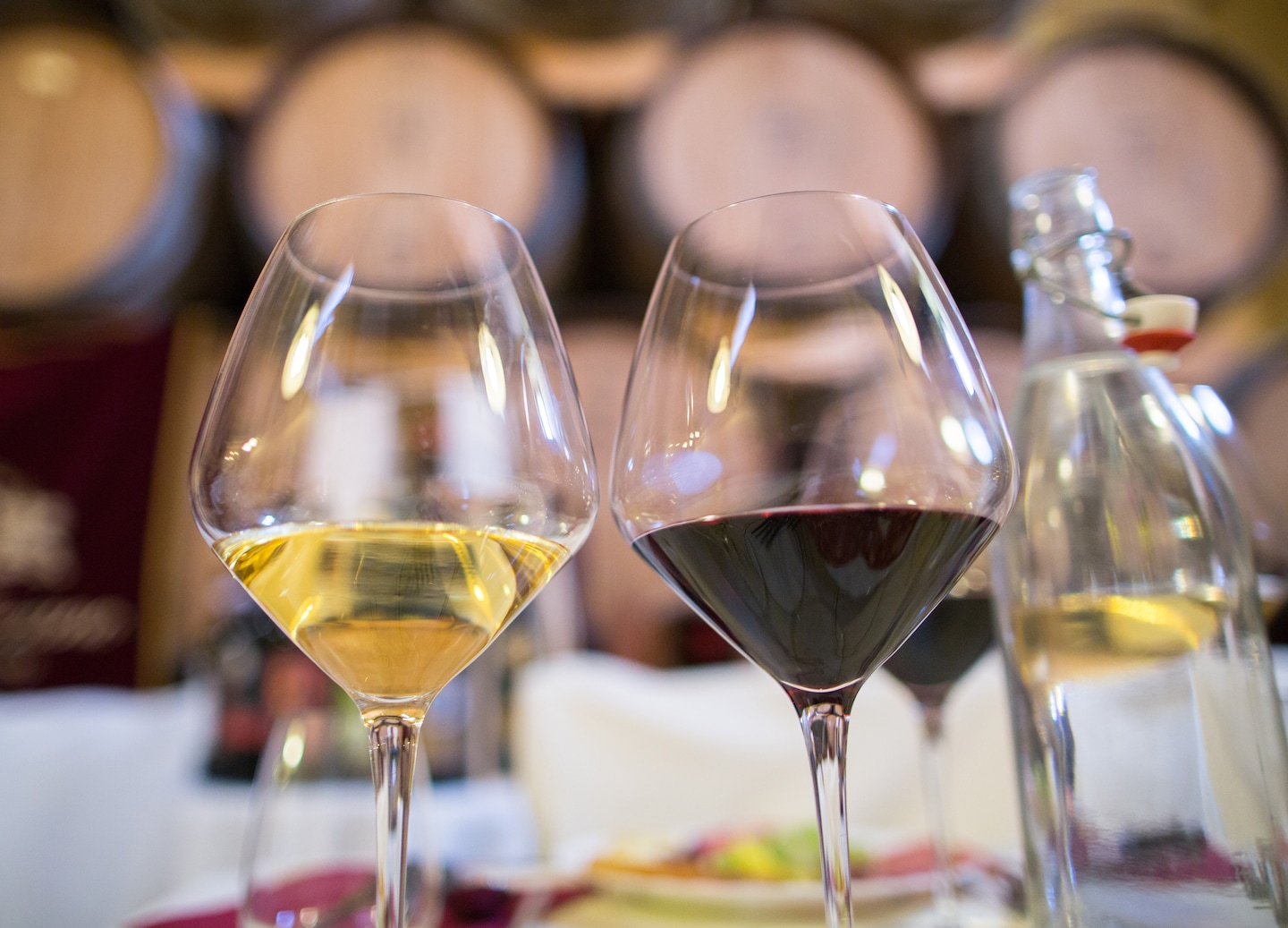
The best time to visit Italy for food and wine is from September through November. Fall marks the harvest season for grapes, olives, truffles, chestnuts and other regional ingredients.
Tuscany and Piedmont are especially popular for vineyard trips and countryside dining. Visitors can also find seasonal festivals across Emilia-Romagna, Umbria, Veneto and other culinary regions.
Spring is another good period for food-focused travel. Artichokes, asparagus and other seasonal ingredients appear on menus, while mild weather supports outdoor markets and dining.
Best Time to Visit Italy for Fewer Crowds
The best time to visit Italy for fewer crowds is from November through March, excluding Christmas, New Year’s and Carnival. January and February are particularly quiet in major cultural cities.
Some coastal hotels, restaurants and attractions may close or reduce their hours during winter. However, museums, historic landmarks and city restaurants generally remain accessible.
Late March, early November and parts of October can provide a better balance between manageable crowds and comfortable weather.
Best Time to Visit Italy on a Budget
The best time to visit Italy on a budget is generally from November through March, outside major holidays and Carnival. Flights and accommodations may cost less than they do during spring, summer and early fall.
January and February can be especially affordable for city trips. Travelers should expect cooler weather, shorter daylight hours and limited services in seasonal coastal destinations.
Late fall may provide additional value while retaining relatively mild conditions in central and southern Italy. Booking well in advance can also help reduce costs for spring or fall travel.
When Is the Best Time to Visit Italy?
The best time to visit Italy is from April through June or September through October. These periods provide comfortable weather for cities, cruises and outdoor activities without the most intense summer heat.
Choose June or September for beaches and coastal travel. Visit from September through November for food and wine experiences or plan a winter trip for skiing, museums and lower prices.
Italy offers something different in every season, from spring landscapes and summer coastlines to fall harvests and winter celebrations.
FAQs About the Best Time to Visit Italy
What is the hottest month in Italy?
July and August are generally Italy’s hottest months. Temperatures can become especially high in Rome, Florence, Naples, Sicily and other central or southern destinations.
What is the rainy season in Italy?
Italy does not have one nationwide rainy season, but late fall and winter are generally wetter. Conditions vary between northern, central and southern regions.
Is Italy too crowded in summer?
Popular Italian cities, beaches and coastal towns can become very crowded in July and August. Travelers seeking a quieter visit should consider May, September or October.
Is October a good time to visit Italy?
Yes, October is a good time to visit Italy for mild weather, fall scenery and seasonal food. Northern destinations become cooler as the month progresses, while southern Italy often remains warm.
What is the cheapest month to visit Italy?
January and February are often among the cheapest months to visit Italy, excluding Carnival periods. Coastal resorts may have limited services, but major cities remain active.
When is the best time to visit Rome?
The best time to visit Rome is during spring from March through May or fall from late September through October. These seasons provide comfortable temperatures for exploring outdoor landmarks.
Keep Exploring Italy
- Best Time to Visit Rome - Compare Rome’s weather, crowds and seasonal activities throughout the year.
- Best Time to Visit Florence - Find the best months for Renaissance art, Tuscan cuisine and comfortable sightseeing.
- Best Time to Visit Naples - Plan around warm coastal weather, local festivals and trips to Pompeii.
- Best Time to Visit the Amalfi Coast - Choose the right season for beaches, boat trips and cliffside villages.
- Best Time to Visit Sicily - Explore the best months for beaches, ancient ruins, festivals and Sicilian food.
- Best Beaches in Italy - Compare coastal destinations across Sardinia, Sicily, Puglia and the Amalfi Coast.