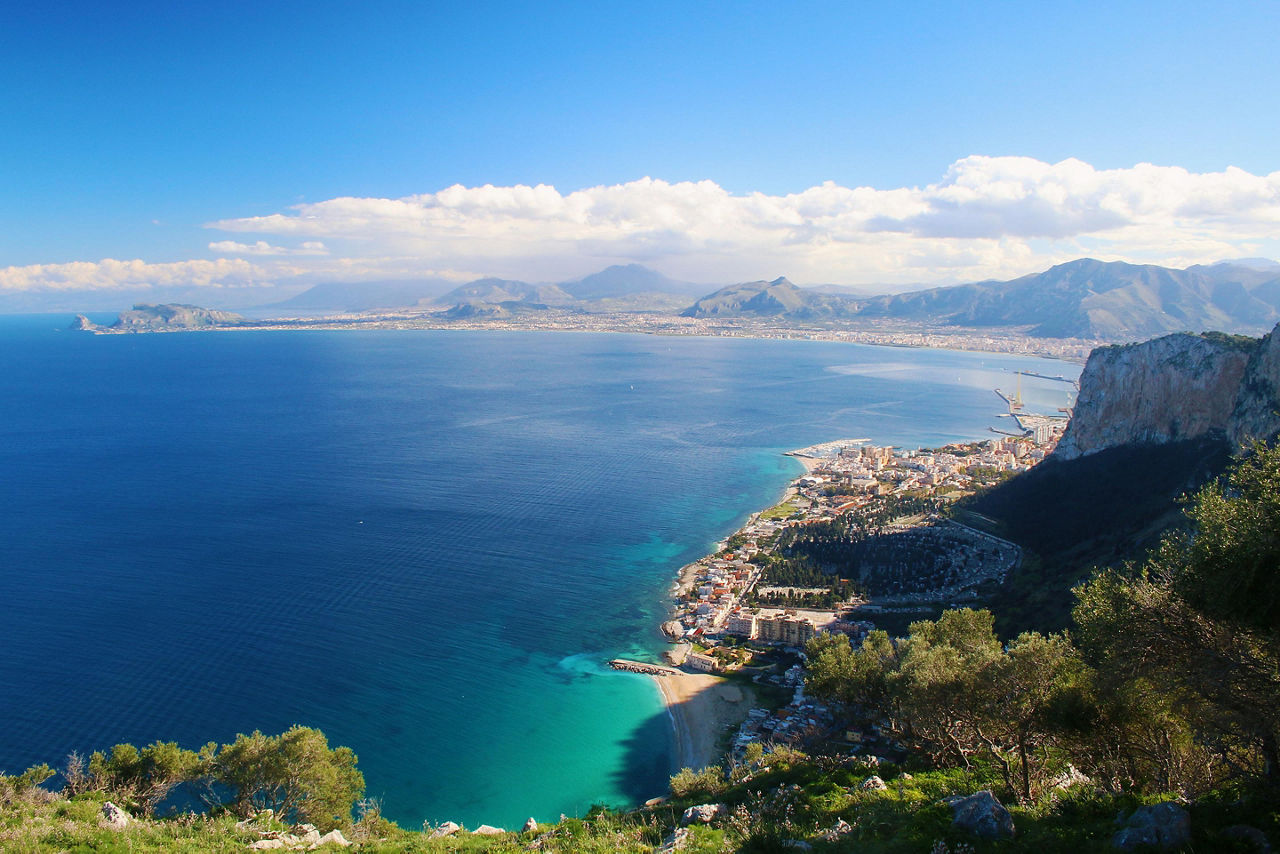
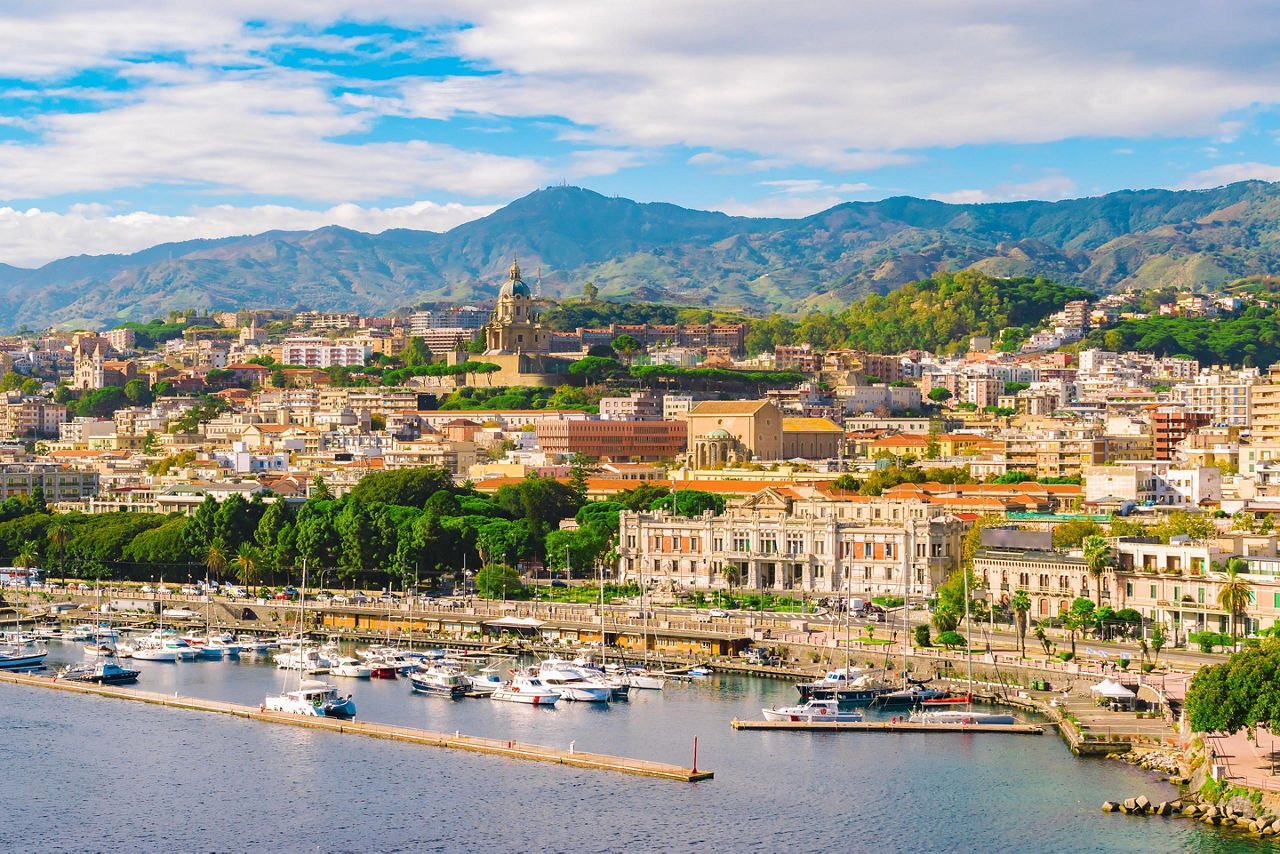
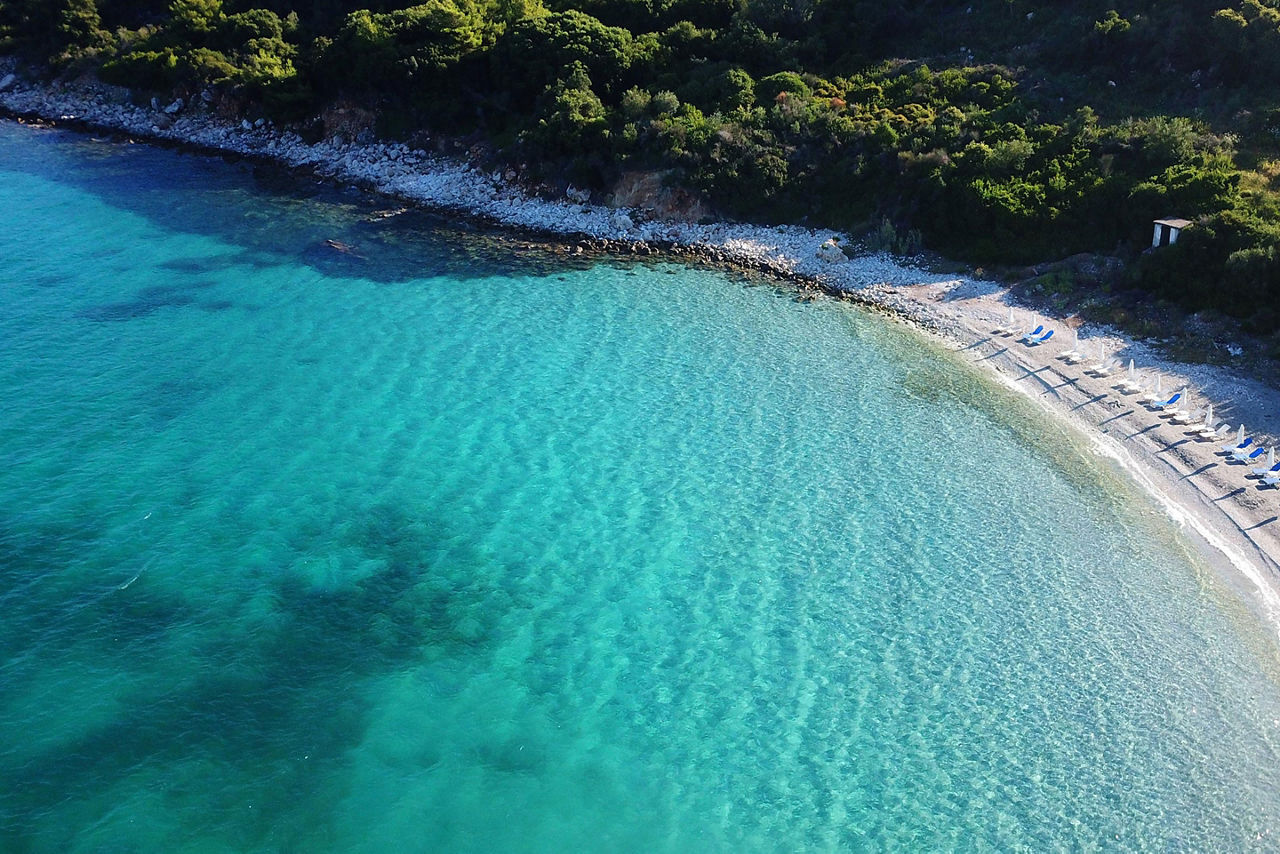
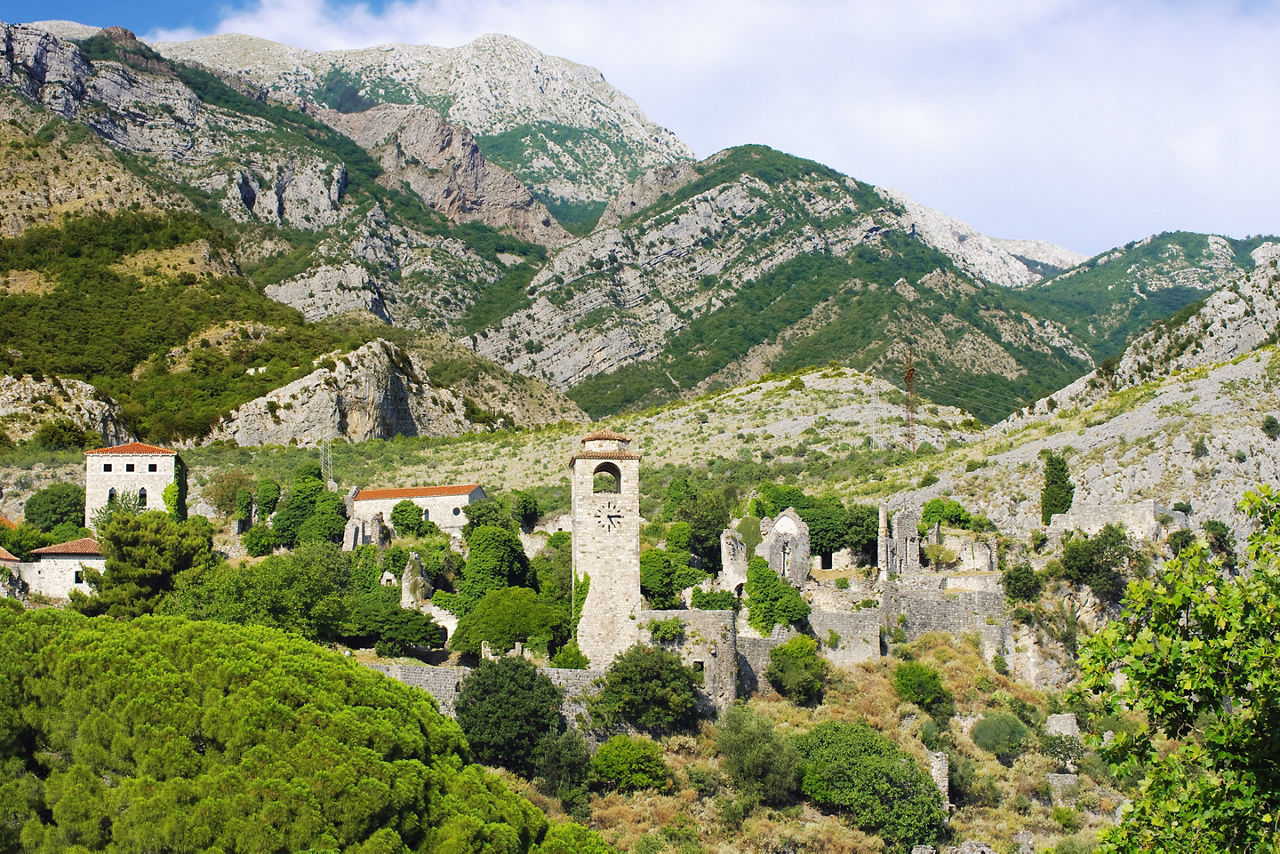
The best time to visit Sicily is from April to June and September to October, when the island’s landscapes are at their lushest, the temperatures are mild and local festivals are in full swing. These shoulder seasons are perfect for exploring Sicily’s mix of seaside charm, ancient ruins, vibrant markets and rich culinary traditions—without the high-season crowds or scorching summer heat.
Still, each season has its unique appeal. Whether you're craving a beach escape, a food and wine journey or a scenic stroll through baroque towns, here’s your complete guide to the weather in Sicily and what to expect throughout the year.
Spring in Sicily (March–May)
Best for: Wildflowers, food festivals and cultural sightseeing
Average temperatures: 59°F (15°C) in March to 75°F (24°C) in May
Spring is one of the most rewarding times to explore Sicily. The island bursts into bloom—especially along the countryside near Mount Etna and the Valley of the Temples. It’s an ideal time for hiking, archaeological tours and long outdoor lunches without the sweltering summer heat.
The weather in Sicily during spring is warm and sunny with cool evenings, making it perfect for visiting towns like Taormina, Ragusa and Palermo. Early spring is quieter and ideal for a relaxed getaway, while late spring brings more buzz as local festivals ramp up.
Key Events and Activities:
- Almond Blossom Festival in Agrigento (late February–early March)
- Easter celebrations and processions across the island
- Infiorata Flower Festival in Noto (May)
- Hiking Mount Etna or Zingaro Nature Reserve
- Outdoor café dining in Ortigia and Cefalù
Summer in Sicily (June–August)

Best for: Beaches, island hopping and nightlife
Average temperatures: 82°F (28°C) in June to 91°F (33°C) in August
If you love sun-soaked beaches, vibrant nightlife and cultural events under the stars, summer is the best time to visit Sicily. The coastlines come alive with music, beach bars and water sports. Towns like Cefalù, Mondello and San Vito Lo Capo are buzzing with visitors and locals alike.
However, the weather in Sicily during summer—especially in July and August—can be intensely hot, particularly inland. To beat the heat, plan for siestas, visit museums during the hottest hours and enjoy coastal breezes in the evenings.
Key Events and Activities:
- Taormina Film Fest (June)
- Festival of San Giovanni in Ragusa (June)
- Island hopping to the Aeolian Islands (Lipari, Stromboli, Salina)
- Beach days in Cefalù, Mondello and Scala dei Turchi
- Nightlife in Palermo, Catania and beachside clubs
Fall in Sicily (September–November)

Best for: Wine harvests, fewer crowds and warm seas
Average temperatures: 86°F (30°C) in September to 66°F (19°C) in November
Fall in Sicily is arguably its best-kept secret. The sea remains warm well into October, the summer crowds have faded and local life resumes its natural rhythm. September still feels like summer, while October and November are ideal for foodies and culture lovers.
The weather in Sicily is mild and sunny, perfect for countryside drives, vineyard visits and archaeological explorations without the pressure of peak season. It’s also a great time to dive into the island’s culinary scene during grape and olive harvests.
Key Events and Activities:
- Cous Cous Fest in San Vito Lo Capo (September)
- Grape harvest and wine tastings in Marsala and Mount Etna regions
- Olive harvest festivals in rural villages (October–November)
- Walking tours in baroque towns like Modica and Noto
- Swimming and snorkeling in early fall
Winter in Sicily (December–February)
Best for: City breaks, holiday traditions and local culture
Average temperatures: 59°F (15°C) in December to 53°F (12°C) in February
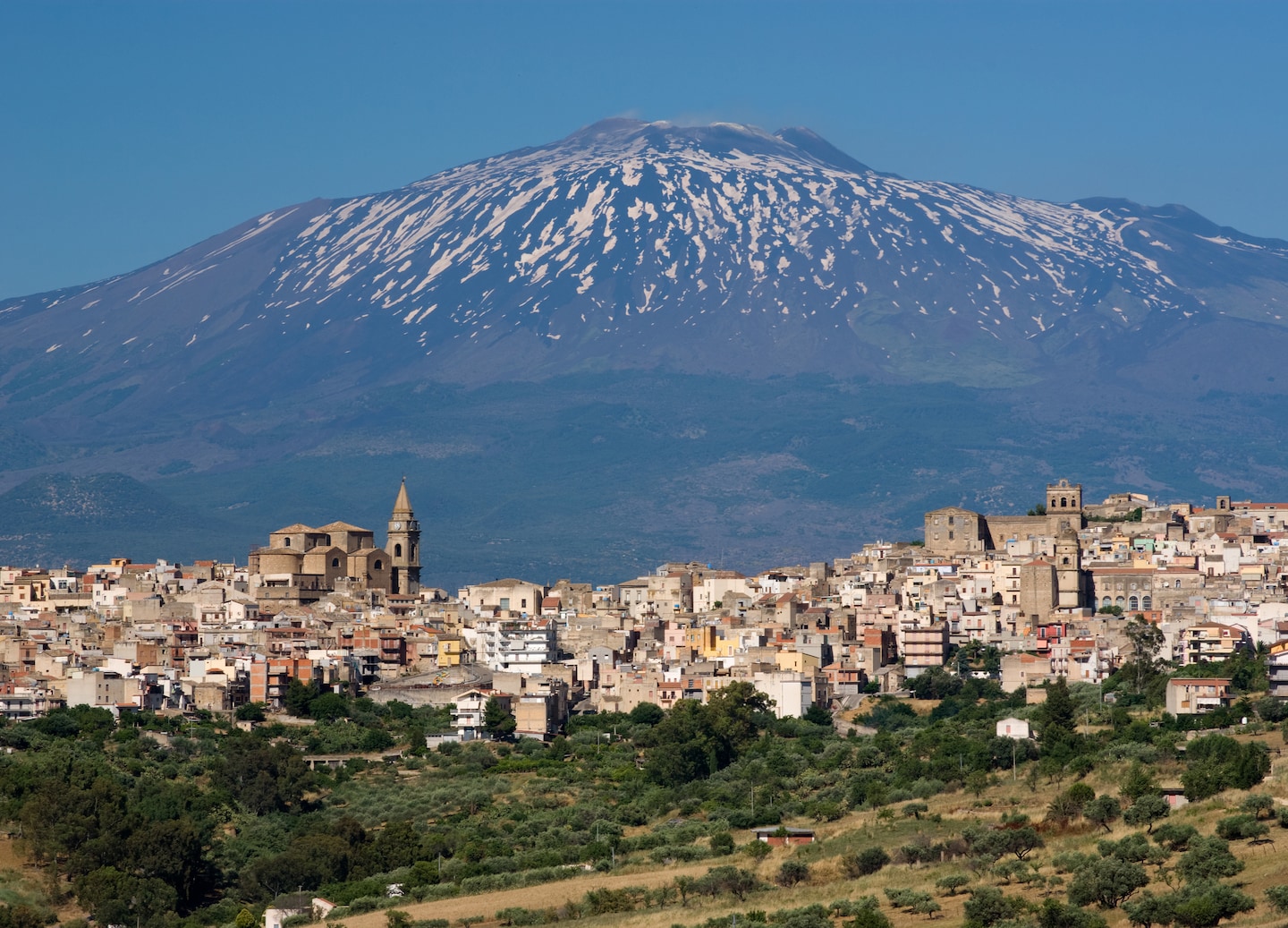
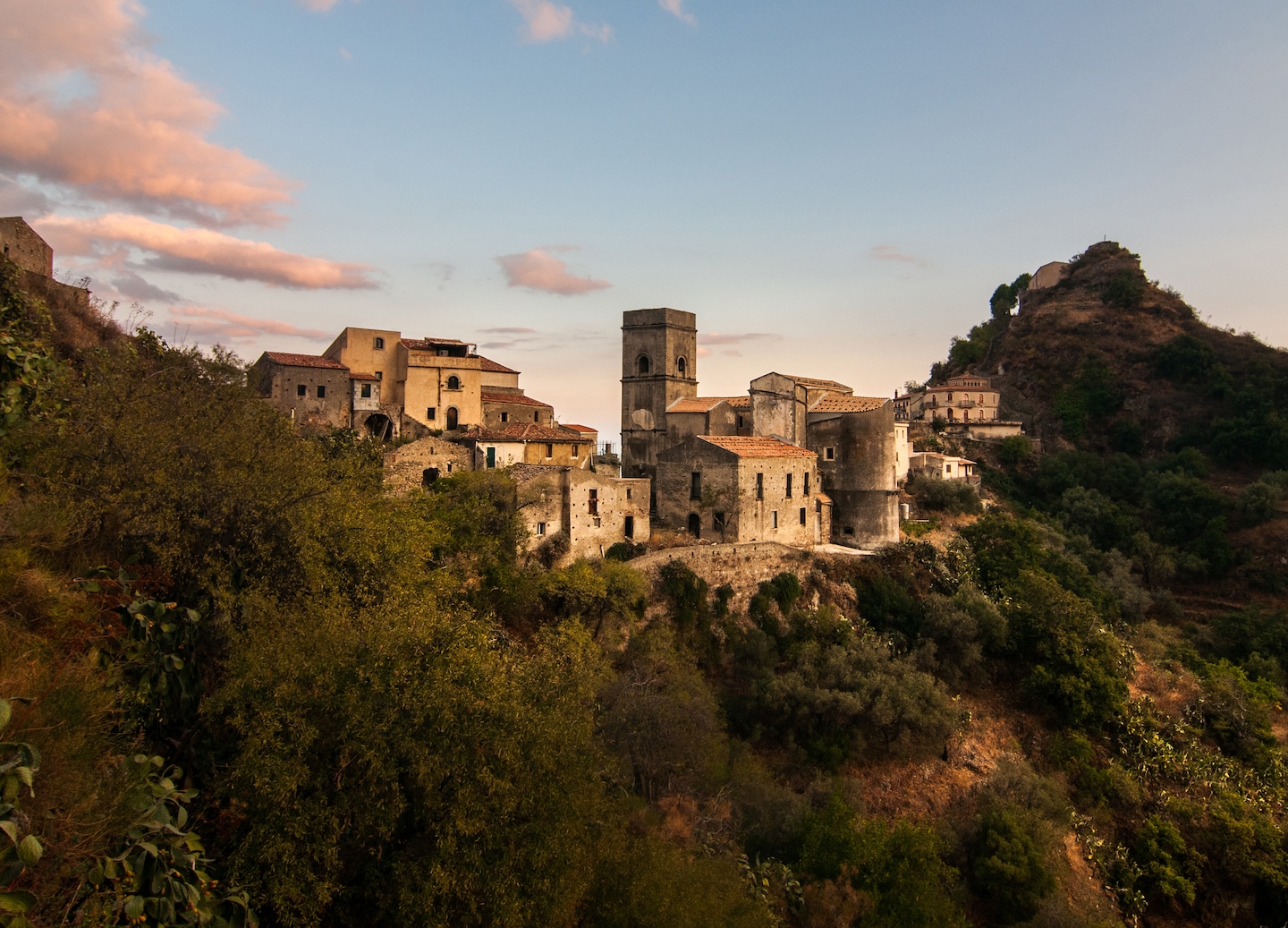
While winter in mainland Europe can feel bleak, Sicily stays relatively mild and atmospheric. Snow falls on Mount Etna and the island’s highest inland areas, but coastal towns enjoy pleasant days perfect for sightseeing, museum visits and culinary indulgence.
The weather in Sicily during winter is mild compared to northern Europe, with fewer tourists and lower prices. It’s a lovely time to experience authentic Sicilian life—especially around the holidays, when towns light up with nativity scenes, local markets and religious festivities.
Key Events and Activities:
- Christmas markets in Palermo and Syracuse
- Festa di Sant’Agata in Catania (February)
- Skiing on Mount Etna’s snow-covered slopes
- Sampling seasonal sweets like cassata and cannoli
- Exploring ancient ruins in solitude
When Is the Best Time to Visit Sicily Overall?
The best time to visit Sicily is during April to June and September to October, when the weather in Sicily is comfortable for exploring and the island is vibrant with festivals, ripe produce and cultural celebrations. These shoulder seasons offer the perfect balance of sunshine, affordability and authentic experiences.
Summer is great for those who love beach life and don’t mind the heat, while winter is ideal for travelers seeking a slower pace, fewer tourists and a deeper look into local traditions.
Want to Learn More About Sicily?From ancient ruins to artisanal sweets, Sicily is full of flavor and history. Discover what Sicily is known for or check out what to buy in Sicily for unforgettable souvenirs from Italy’s southern gem.
Frequently Asked Questions
When is the best time to visit Sicily?
The best time to visit Sicily is spring (April–June) and early fall (September–October) when the weather is warm, the sea is swimmable and crowds are thinner than in peak summer.
What is the weather in Sicily like year-round?
The weather in Sicily is Mediterranean, with hot, dry summers and mild, wetter winters. Summers reach the high 80s–90s°F (30–35°C), while winters hover around 50–60°F (10–16°C) on the coast.
Is Sicily too hot in the summer?
Sicily can be very hot in July and August, especially in inland areas. Coastal regions are cooler with sea breezes. To stay comfortable, explore early in the morning or late afternoon.
Can you swim in Sicily in October?
Yes! The sea remains warm through October, especially in the first half of the month. Many locals continue to swim and enjoy beach days well into the fall.
What is the rainy season in Sicily?
Sicily sees the most rainfall between November and February, especially in mountainous areas. Coastal cities like Palermo and Catania have fewer wet days overall.
What is the hottest month in Sicily?
August is typically the hottest month in Sicily, with temperatures often exceeding 91°F (33°C). Inland cities can feel even warmer due to less coastal breeze.