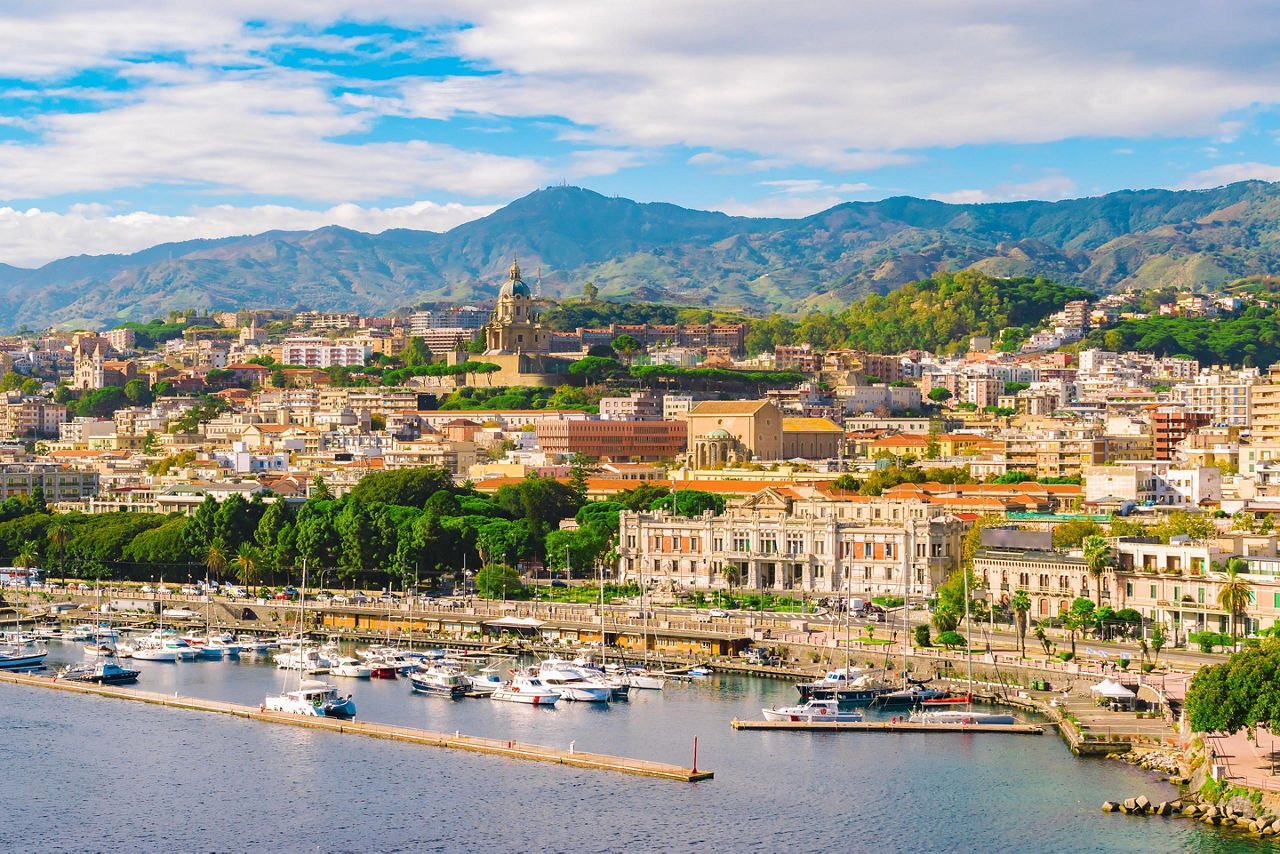
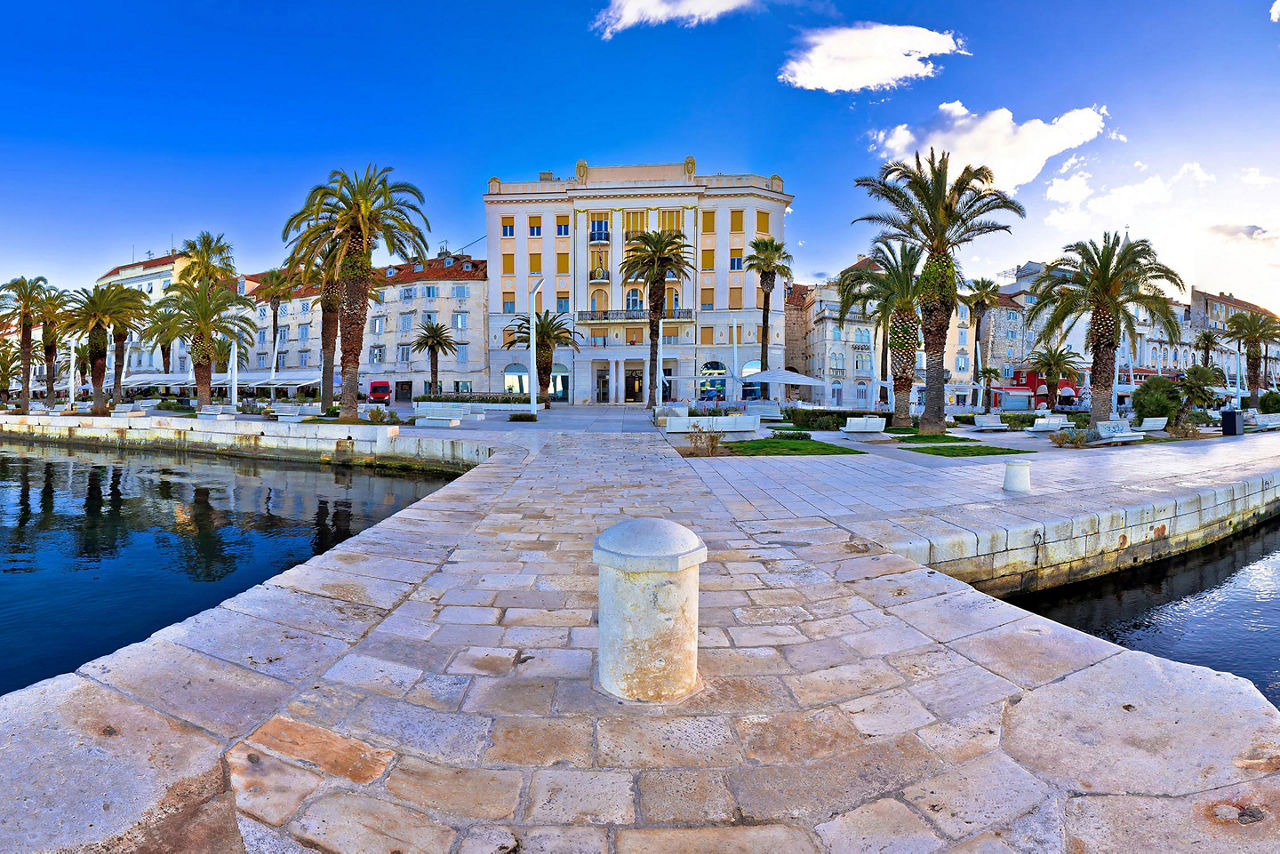
Sicily is known for Mount Etna, ancient Greek temples, distinctive cuisine and scenic towns such as Taormina and Cefalù. Italy’s largest island is also famous for cannoli, colorful ceramics, local wines and architecture shaped by centuries of Greek, Roman, Arab and Norman influence.
Set just off the toe of mainland Italy, Sicily is the largest island in the Mediterranean. Its landscapes range from volcanic slopes and inland hills to sandy beaches and rocky bays. You can explore an ancient theater, browse a food market or settle into a cafe overlooking the sea.
Here are 10 things Sicily is known for and what makes each one worth discovering.
1. Mount Etna
Mount Etna is Sicily’s most famous volcano, rising above the island’s eastern coast near Catania. Its volcanic activity has shaped the surrounding landscape, creating lava fields, craters and slopes that reveal different stages of the mountain’s history.
The UNESCO-listed Mount Etna is recognized for its geological significance and importance to scientific research. Seeing its terrain up close offers a different perspective from admiring its silhouette across the countryside.
A guided outing can help explain the formations around you. Choose an experience suited to your interests and mobility, and check current access conditions, as weather and volcanic activity can affect routes.
2. Ancient Greek & Roman Heritage
Sicily is known for ancient temples, theaters and archaeological sites that reflect its importance in the Greek and Roman worlds. The Valley of the Temples at Agrigento and the Greek Theatre in Syracuse are among its best-known examples.
These places make the island’s long history tangible. Rows of columns and sweeping theater seating help you imagine the scale of the communities that once gathered here.
Choose a site that fits the part of Sicily you are visiting. A guided tour can explain how buildings were used and altered over time, while a few quiet moments let you appreciate their setting.
3. Sicilian Cuisine & Sweet Traditions
Sicily is famous for dishes such as arancini, pasta alla Norma and caponata, along with sweets including cannoli and granita. Seafood, eggplant, citrus, almonds and ricotta appear throughout the island’s cooking.
A meal can introduce you to these traditions in a simple, enjoyable way. Try a freshly cooked rice ball, order pasta with eggplant and ricotta salata or pause at a pastry shop for a crisp cannolo filled with sweetened ricotta.
Exploring what to eat in Sicily can help you recognize local favorites on menus. Leave time for a bakery or cafe stop alongside your sightseeing.
4. Taormina & Its Sea Views
Taormina is a hillside town on Sicily’s eastern coast known for its ancient theater, historic streets and views toward the sea. Its setting makes scenery part of the experience as you explore.
Corso Umberto connects shops, cafes and squares, while the ancient theater brings together architecture and a sweeping coastal backdrop. Stop in Piazza IX Aprile to enjoy the view before continuing through town.
Browsing Sicily shore excursions from Messina can help you plan a visit to Taormina. Allow time for its slopes and walking routes, as well as a comfortable pause in a cafe.
5. Arab-Norman Architecture
Sicily is known for Arab-Norman architecture, which combines Western, Islamic and Byzantine influences in buildings created during the island’s Norman period. Palermo, Monreale and Cefalù preserve some of its most celebrated examples.
The UNESCO-listed Arab-Norman buildings and cathedral churches show how different artistic traditions contributed to a distinctive architectural style. Mosaics, decorative patterns and the arrangement of interior spaces reward a closer look.
6. The Baroque Towns of Southeastern Sicily
Sicily is famous for the Baroque architecture of towns such as Noto, Ragusa and Modica. Grand churches, sculpted façades and decorative balconies give their streets a distinctive character.
The Late Baroque Towns of the Val di Noto were rebuilt after the earthquake of 1693. Their UNESCO recognition celebrates both the architecture and the ambitious planning behind that reconstruction.
7. Beaches & Coastal Towns
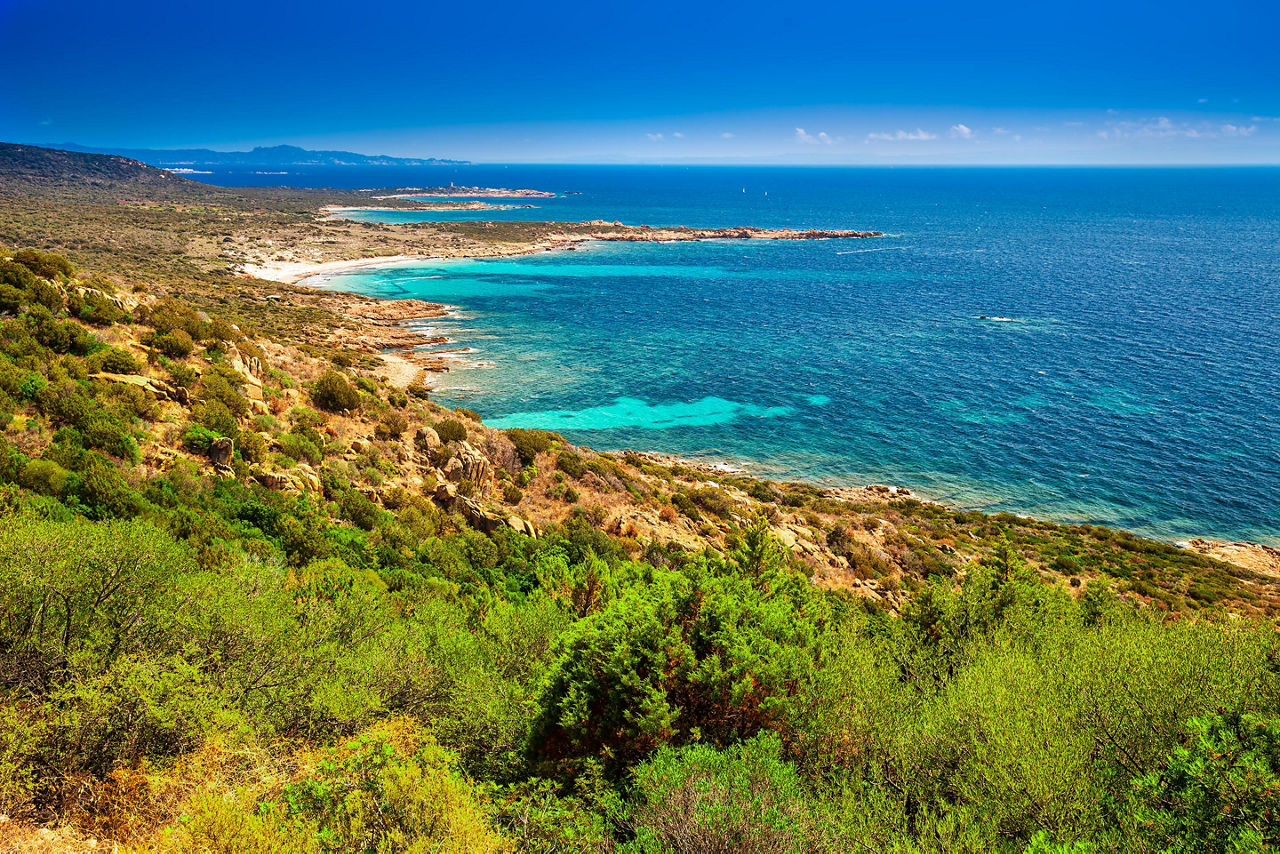
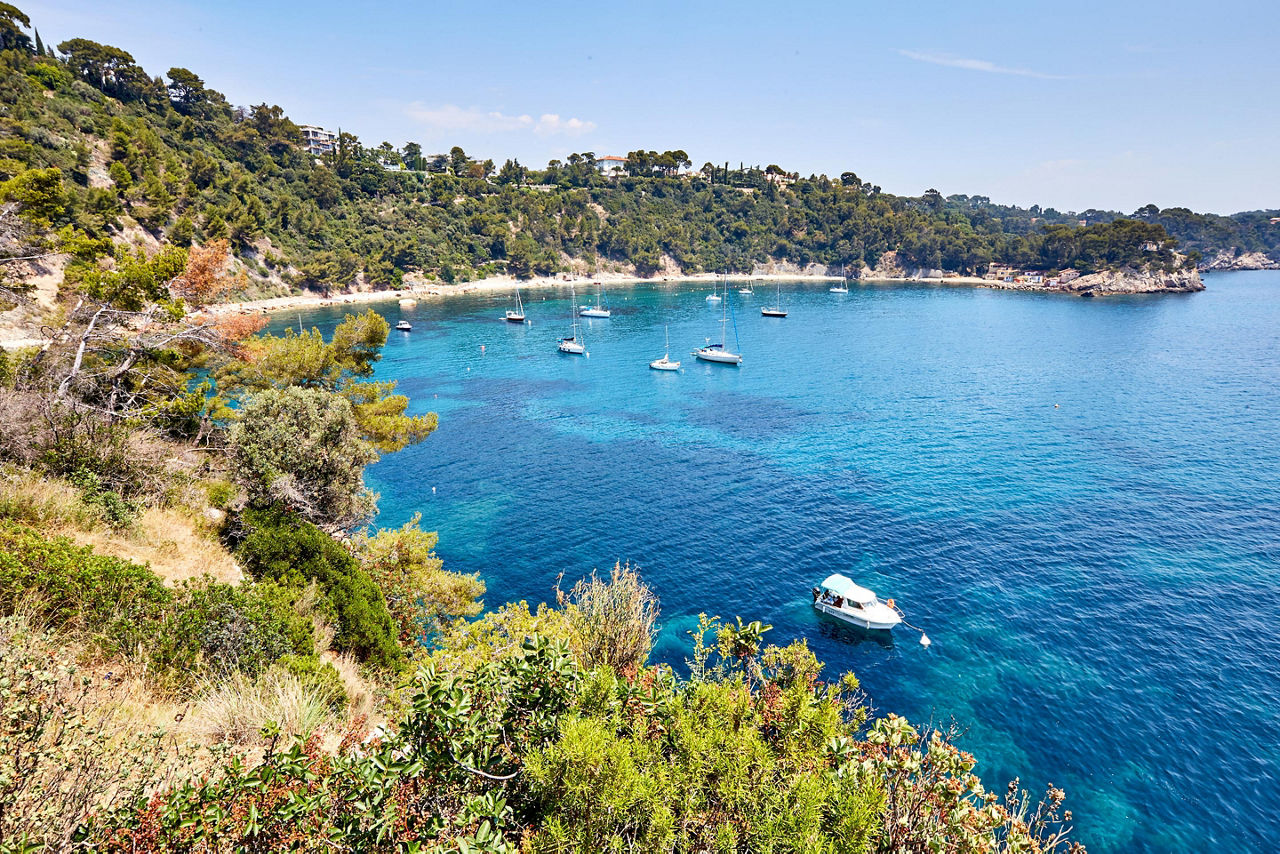
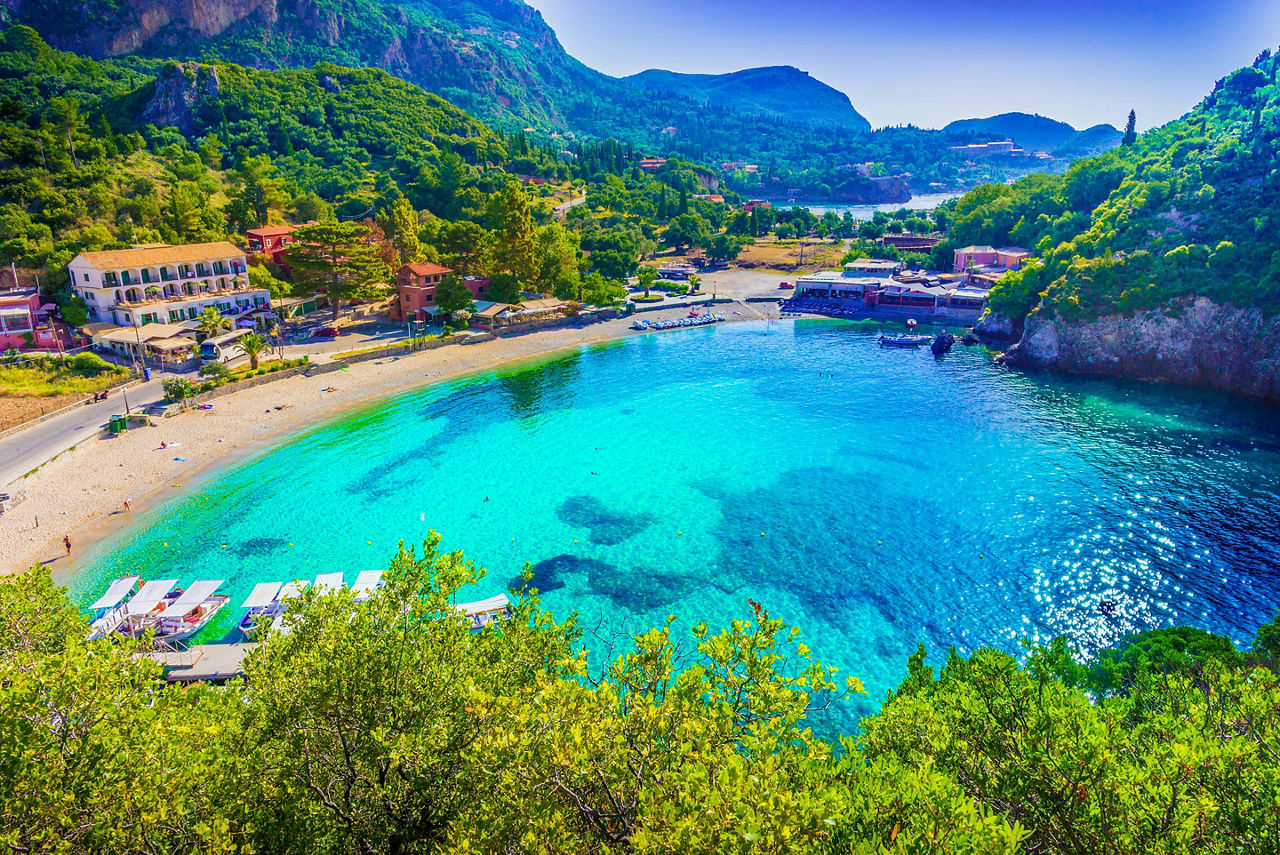
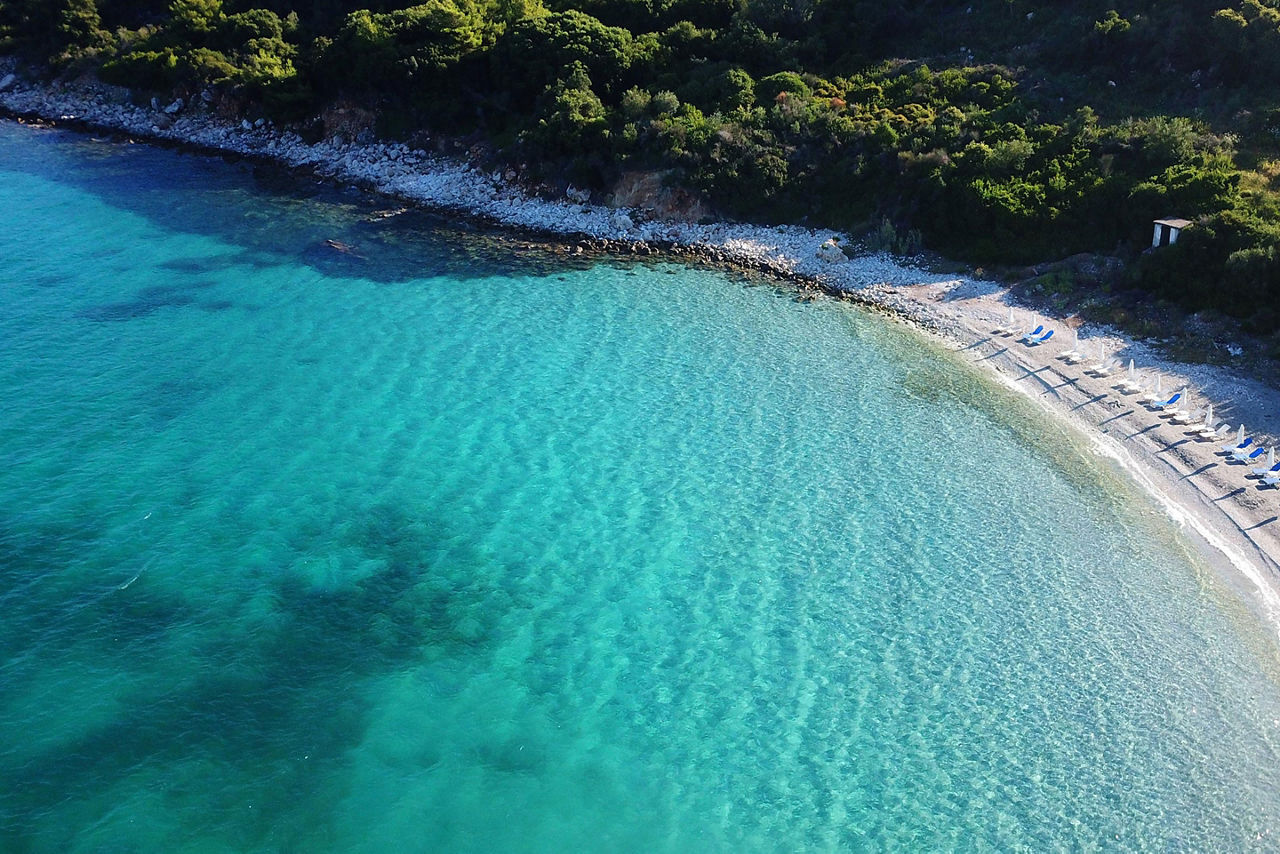
Sicily is known for a coastline that includes sandy beaches, pebbled bays and rocky shores. Cefalù, San Vito Lo Capo and the coast around Taormina are among its familiar seaside destinations.
Each setting offers a different experience. Cefalù combines a historic town with a beach, while Isola Bella near Taormina is known for its small island and surrounding bay.
8. Food Markets & Everyday Local Life
Sicily’s food markets are known for fresh produce, seafood, cheeses and street food, with Palermo’s Ballarò among the island’s best-known examples. Their activity offers a lively introduction to local ingredients and shopping traditions.
There's plenty to notice as you browse: the arrangement of fruit, the calls between vendors and customers and the scent of something cooking nearby.
9. Sicilian Wines & Vineyards
Sicily is famous for wines made from grapes such as Nero d’Avola, Grillo and Carricante. Growing areas across the island, including the slopes of Etna, contribute different styles to its wine traditions.
A vineyard visit connects the finished wine with the place it comes from. For adult visitors, a guided tasting offers an opportunity to learn about grape varieties, growing conditions and the work behind each bottle.
You can also explore Sicilian wine over a meal. Ask about a local pairing and let your host introduce a variety you may not have encountered before.
10. Ceramics & Traditional Crafts
Sicily is known for hand-painted ceramics, with Caltagirone especially associated with the craft. Decorated plates, tiles and sculptural pieces bring color and traditional patterns into homes, courtyards and shop displays.
Sicilian puppets, or pupi, are another familiar expression of local craftsmanship. Their detailed costumes and painted features connect handmade objects with the island’s storytelling traditions.
If you're considering what to buy in Sicily , a small ceramic or carefully chosen craft can bring back memories of the places you explored.
Why Visit Sicily?
Sicily is a wonderful choice if you enjoy history, local food and varied scenery. You can admire ancient architecture, explore a town overlooking the sea or discover the flavors behind some of Italy’s best-loved dishes.
A cruise to Sicily through Messina offers an introduction to the island’s northeastern corner. Depending on your time in port, you might explore Messina, visit Taormina or choose an excursion toward Etna.
Frequently Asked Questions About Sicily
-
What is Sicily most famous for?
Sicily is most famous for Mount Etna, ancient Greek ruins, distinctive food and scenic coastal towns. Cannoli, local wines, colorful ceramics and Arab-Norman and Baroque architecture also contribute to the island’s identity.
-
What makes Sicily unique?
Sicily brings together volcanic landscapes, ancient Mediterranean history and strong regional traditions. Its architecture reflects several cultures, while its food, crafts and towns give the island a character that varies from one area to another.
-
Why is Sicily associated with ancient Greek history?
Ancient Greeks established important settlements in Sicily, leaving temples, theaters and other archaeological remains. Sites around Agrigento and Syracuse reveal the scale and influence of those communities and remain a defining part of the island’s heritage.
-
What architectural styles is Sicily known for?
Sicily is especially known for ancient Greek architecture, Arab-Norman buildings and Sicilian Baroque. These styles reflect different periods of its history, from classical settlements to the Norman kingdom and the rebuilding of southeastern towns after the 1693 earthquake.
-
Why is Mount Etna important to Sicily?
Mount Etna is a defining feature of eastern Sicily’s landscape and an important site for studying volcanic activity. Its eruptions have shaped the terrain, while the mountain’s slopes and surrounding countryside are closely connected to the region’s identity.
-
What traditional crafts is Sicily known for?
Sicily is known for painted ceramics, decorative tiles and traditional puppets called pupi. Caltagirone is particularly associated with ceramic production, while puppet craftsmanship reflects the island’s long-standing storytelling traditions.
-
Is Sicily worth visiting on a cruise?
Sicily is worth visiting on a cruise if you enjoy history, regional food and Mediterranean scenery. A stop in Messina can introduce you to northeastern Sicily through a city visit or an excursion to places such as Taormina.
Keep Exploring Sicily
Ready to discover more of Sicily? These guides can help you plan your visit:
- Explore Sicily shore excursions from Messina for ideas featuring historic towns, regional flavors and coastal scenery.
- Find the best time to visit Sicily by comparing the seasons with your sightseeing and seaside plans.
- Discover what to eat in Sicily before choosing the dishes and sweet treats you would most like to try.
- Browse ideas for what to buy in Sicily , from painted ceramics to locally made keepsakes.