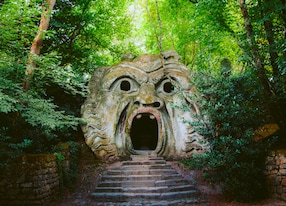
Italy in January is cold in the north, cool in central regions and mild in the south, making it one of the best months for museum visits, archaeological exploration and crowd-free sightseeing. The weather in Italy in January varies by region, but most destinations remain fully open and accessible. If you are planning to visit Italy in January, expect lower tourist volume, shorter lines at major landmarks and comfortable conditions for cultural travel. The temperature in Italy in January depends heavily on geography, so choosing the right region is key.
Here is your complete guide to visiting Italy in January, including regional weather, average temperatures, the best places to visit, seasonal events and top shore excursions.
Italy Weather in January
Italy weather in January reflects true winter conditions, with colder temperatures in northern cities and milder weather in southern coastal regions.
Average high: 54°F (12°C)Average low: 39°F (4°C)
Rome Weather in January

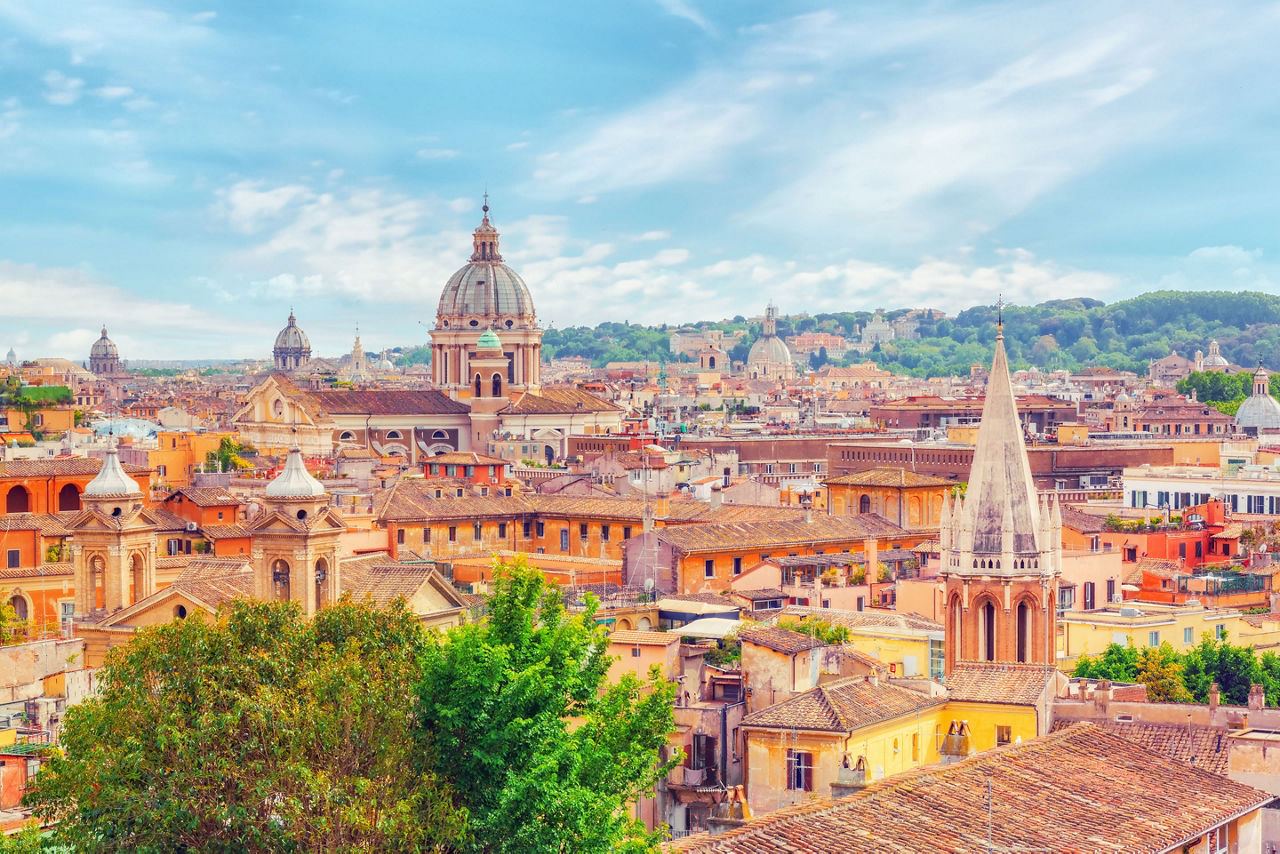
January in Rome is cool and occasionally rainy, but rarely extreme. Days are often crisp and bright, making it comfortable to explore open-air archaeological sites without the intense heat of summer. The city feels noticeably less crowded, especially around the Vatican and Colosseum. While evenings require a warm coat, daytime sightseeing remains very manageable.
Best for:
- Exploring the Colosseum and Roman Forum without peak-season congestion
- Visiting the Vatican Museums with shorter wait times
- Walking historic neighborhoods at a relaxed pace
- Enjoying seasonal Roman cuisine in a quieter setting
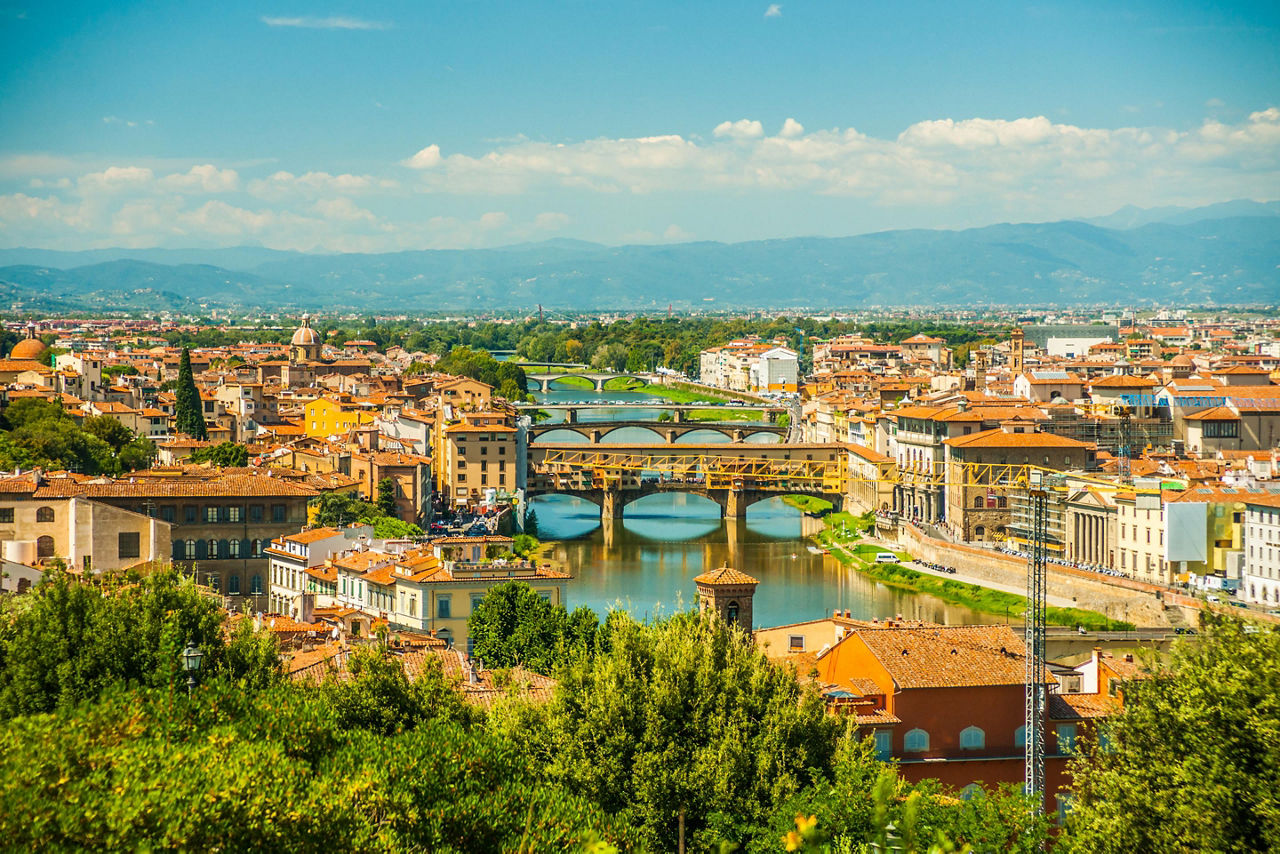
Florence Weather in January
Average high: 50°F (10°C)Average low: 36°F (2°C)

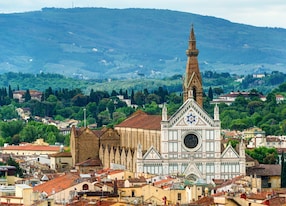
Florence in January is cool with brisk mornings and calm winter afternoons that are ideal for museum visits. Rain can occur, but it typically does not disrupt sightseeing for long periods. Renaissance landmarks and galleries are easier to access and popular attractions feel less hurried. The cooler temperatures also make walking between historic sites more comfortable.
Best for:
- Visiting the Uffizi Gallery and Accademia without heavy tour groups
- Exploring Florence Cathedral and historic piazzas
- Museum-focused travel
- Experiencing Florence’s winter food culture
Venice Weather in January
Average high: 45°F (7°C)Average low: 33°F (1°C)
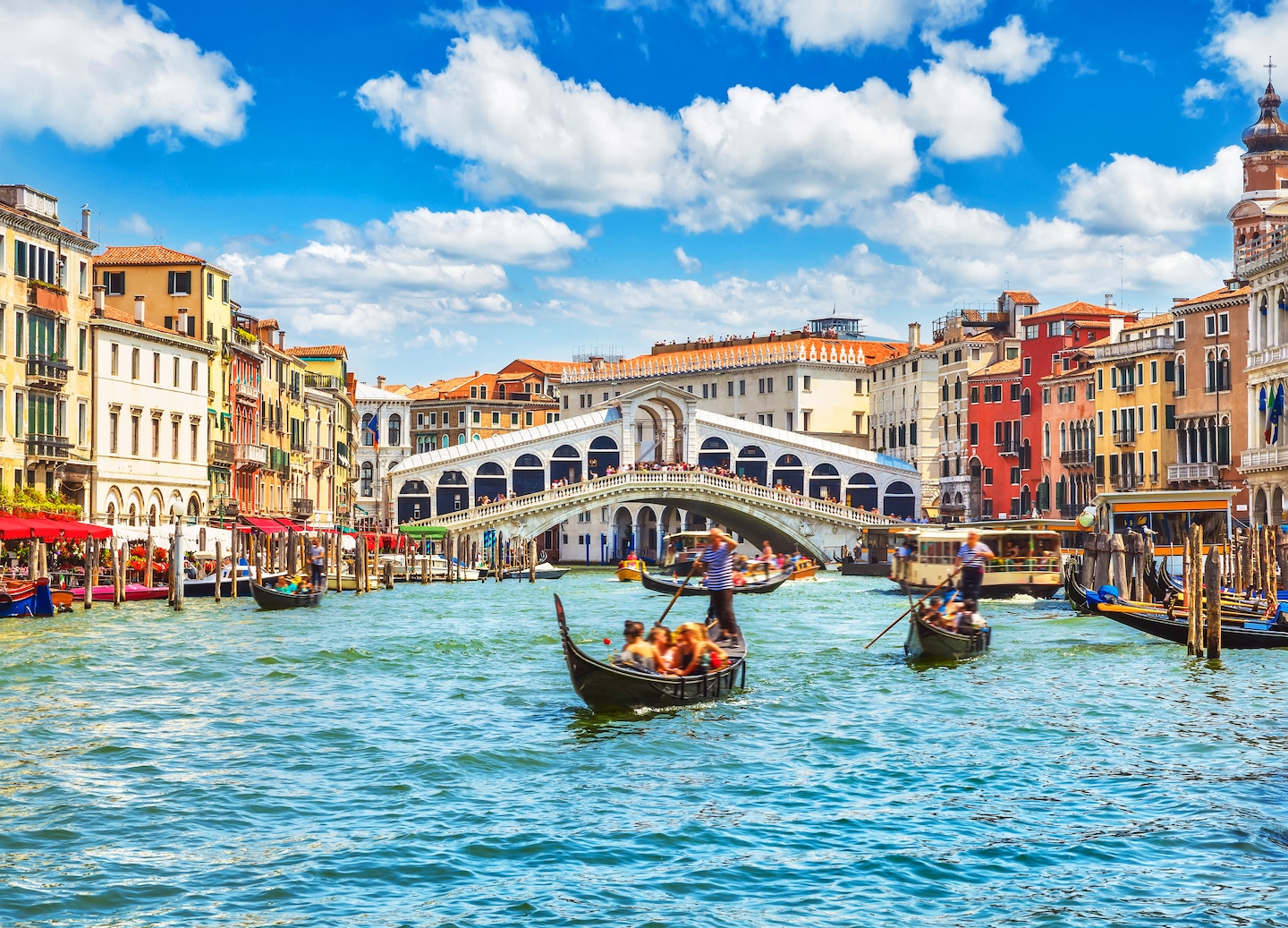
Venice in January is cold, occasionally foggy and deeply atmospheric. Winter mist often settles over canals, creating a cinematic backdrop for exploring quieter streets and historic buildings. Crowds are significantly lower compared to spring and summer, making it easier to enjoy indoor landmarks. While outdoor café culture slows, the city feels more local and immersive.
Best for:
- Visiting St. Mark’s Basilica with reduced crowds
- Exploring the Doge’s Palace indoors
- Experiencing Venice without peak tourism
- Photography in soft winter light
Naples & Southern Italy Weather in January
Average high: 57°F (14°C)Average low: 42°F (6°C)
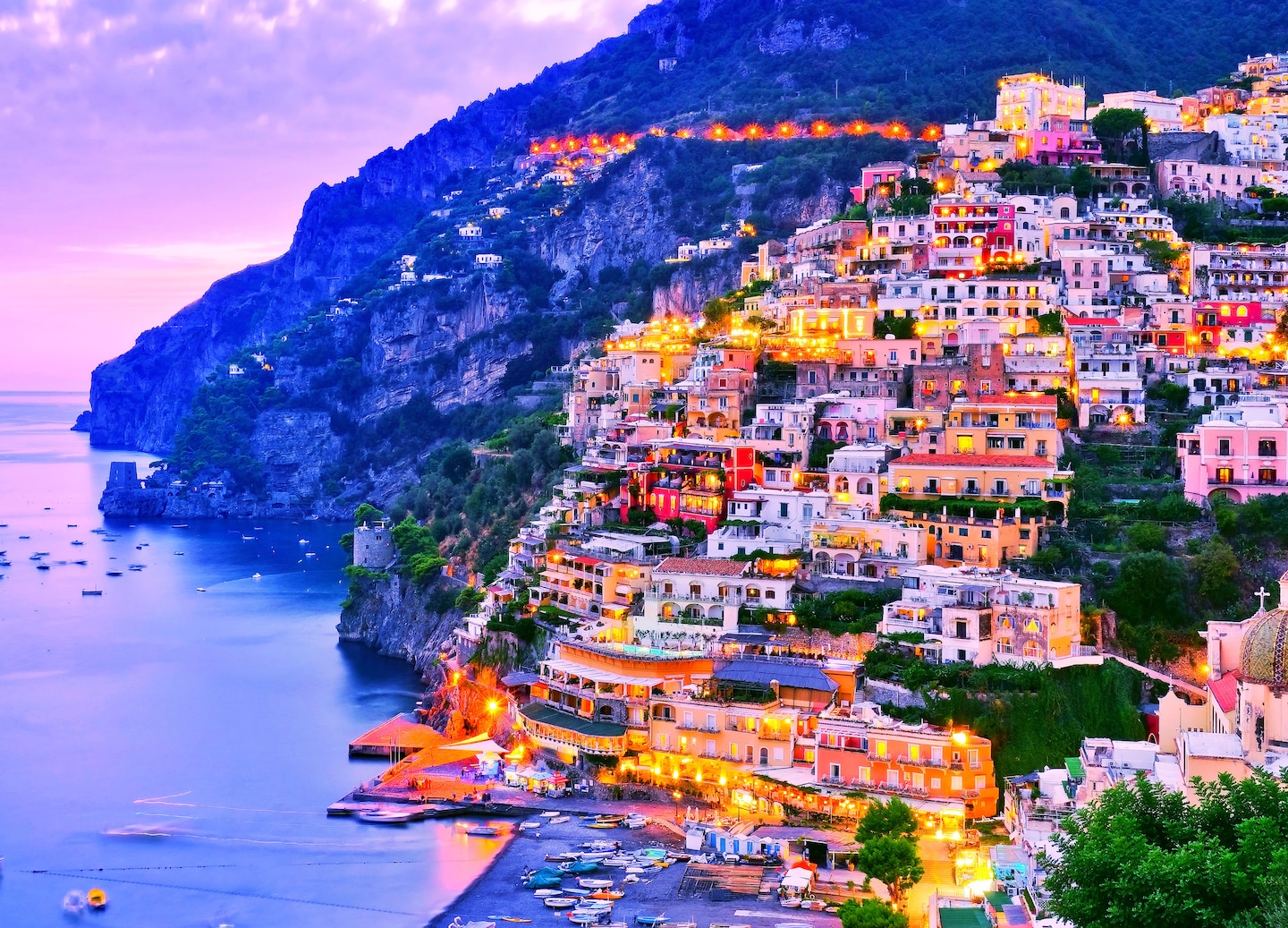
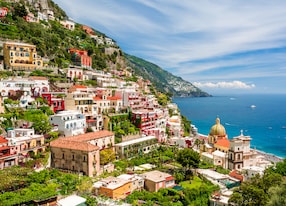
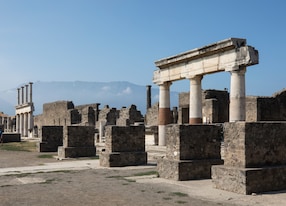
Southern Italy in January is milder than the north, with comfortable daytime temperatures for cultural exploration. While it is not beach season, it is excellent for archaeological sites and scenic drives. Pompeii is especially manageable without summer heat and coastal views remain dramatic in winter light.
Best for:
- Exploring Pompeii in cooler conditions
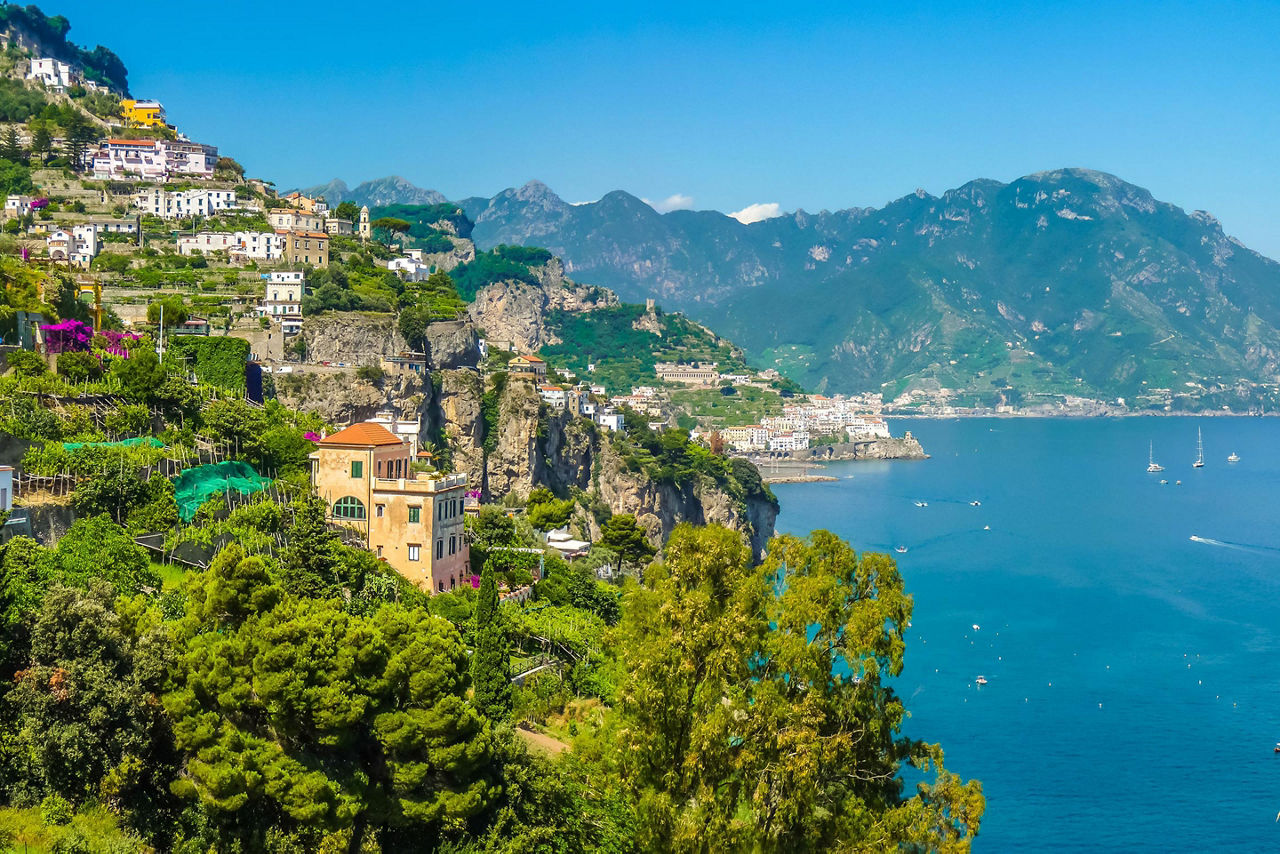
- Scenic coastal drives along the Amalfi Coast
- Visiting historic churches and museums
- Experiencing Naples with fewer tourists
Best Places to Visit in Italy in January
These are the best places to visit in Italy in January because cooler temperatures enhance sightseeing and reduced tourism improves access to major attractions.
Rome
Rome is the best place to visit in Italy in January because winter conditions make walking through open-air ruins significantly more comfortable. The Colosseum, Roman Forum and Vatican Museums operate with shorter lines and lower crowd density. This allows for deeper historical exploration and easier photo opportunities. January also offers better availability for guided tours.
Florence
Florence is one of the best places to visit in Italy in January for art-focused travel. Indoor galleries align perfectly with winter weather and reservations at major museums are easier to secure. The city feels calmer, making it ideal for travelers who prioritize culture over warm temperatures.
Naples & Pompeii
Naples and Pompeii are especially strong in January because cooler weather improves comfort at exposed archaeological sites. Walking through Pompeii’s ruins is far more manageable without intense heat. Lower visitor numbers also allow for a more immersive experience.
Sicily (Palermo & Messina)

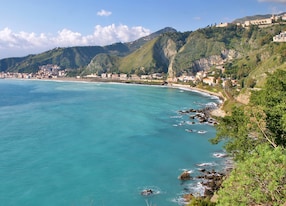
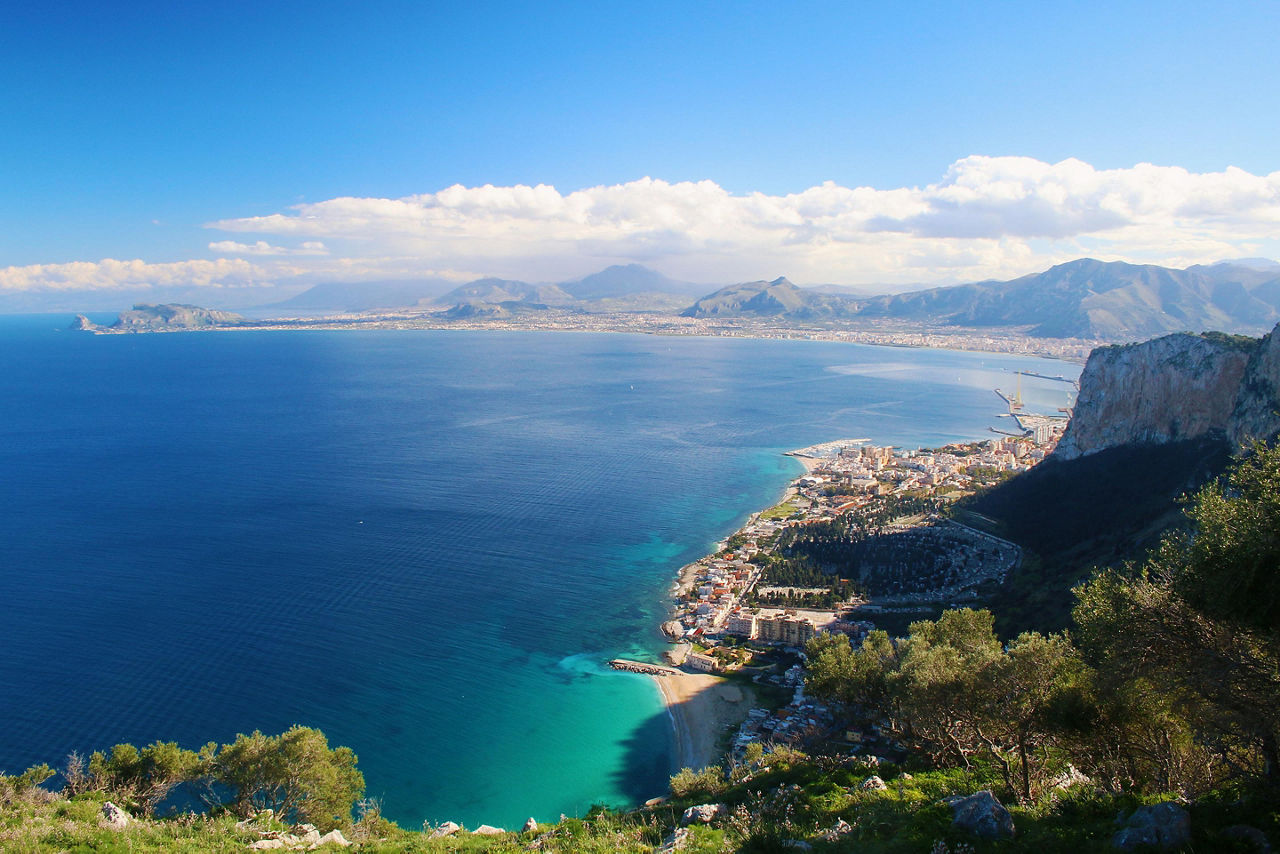
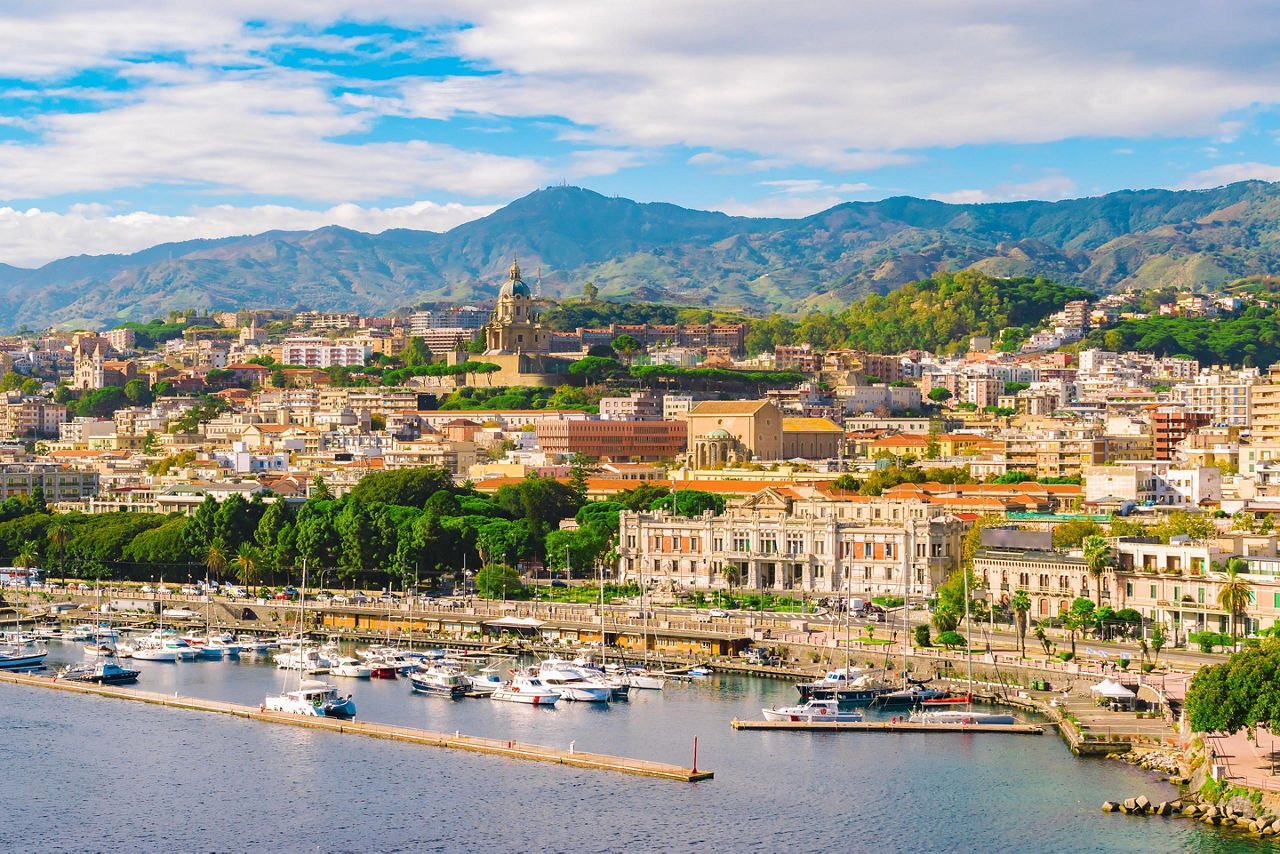
Sicily is one of the warmest regions of Italy in January and offers a blend of mild temperatures and rich cultural history. Palermo’s markets and Norman architecture are easier to explore without peak-season tourism. Mount Etna’s snow-capped peak creates dramatic winter scenery.
Seasonal Events in Italy in January
- Epiphany (La Befana) – January 6Celebrated nationwide, Epiphany marks the end of the Christmas season and is one of Italy’s most traditional winter holidays. In Rome, Piazza Navona hosts festive markets and street performances, while cities across the country hold religious processions and community celebrations.
- Pitti Uomo – Florence (Early–Mid January)Pitti Uomo is one of the world’s leading men’s fashion trade shows and brings global designers, buyers and fashion media to Florence. The event creates a vibrant, energetic atmosphere throughout the city center during its run.
- Winter Sales (Saldi Invernali)Italy’s nationwide winter sales begin in early January and last several weeks. Major shopping cities such as Milan, Rome and Florence offer significant discounts on fashion, leather goods and luxury brands.
Top Shore Excursions in Italy in January
These shore excursions align best with January weather and winter travel conditions.
1. Vatican Museums & St. Peter’s Basilica – Rome (Civitavecchia)

January is ideal for this excursion because indoor cultural attractions are comfortable in winter and wait times are shorter. Exploring Renaissance art collections during low season allows for a more focused experience.
Best for:
- Indoor cultural immersion
- Reduced crowd levels
- Winter-friendly sightseeing
- Access to iconic Renaissance art
2. Ancient Rome & Colosseum – Rome (Civitavecchia)
Cooler temperatures make walking through open-air ruins significantly more comfortable than in summer. The Colosseum and Roman Forum are easier to navigate and crowd density is lower.
Best for:
- Outdoor historical exploration without heat
- Archaeological immersion
- Winter walking tours
- Clear photo opportunities
3. Pompeii Excavations – Naples
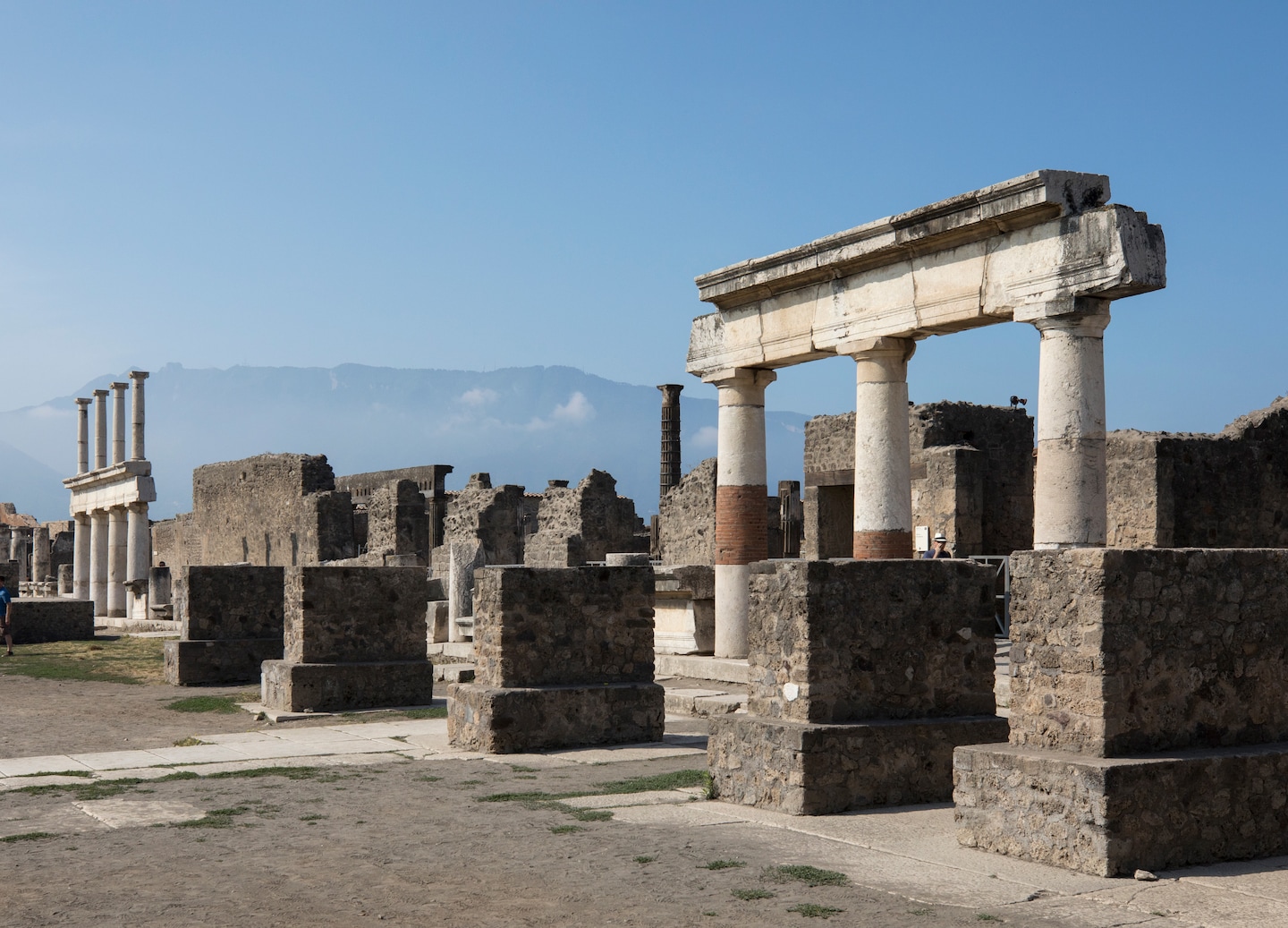
Pompeii is one of the best January excursions because the exposed ruins are far more manageable in winter conditions. Cooler air allows visitors to spend more time exploring without fatigue.
Best for:
- Comfortable archaeological tours
- Lower visitor volume
- Clear winter visibility
- Extended exploration time
4. Florence & Pisa Highlights – Livorno
Florence’s museum-focused experience aligns well with winter travel. Indoor Renaissance landmarks and cathedral visits are especially enjoyable during cooler months.
Best for:
- Art and architecture
- Cathedral visits
- Museum exploration
- Cultural travel in low season
5. Mount Etna Experience – Messina

Mount Etna in January often features snow at higher elevations, creating dramatic scenery. The contrast between volcanic landscapes and winter conditions makes this a unique seasonal experience.
Best for:
- Scenic winter landscapes
- Unique volcanic views
- Cooler hiking conditions
- Photography
Travel Tips for Italy in January
- Dress in strategic layers rather than one heavy coat.Winter temperatures in Italy fluctuate throughout the day, especially in central and southern cities. Mornings and evenings are cold, but afternoons can feel milder when walking. A thermal base layer, sweater and waterproof outer layer offer flexibility.
- Choose your region intentionally based on temperature.Northern cities like Milan and Venice are colder and may experience fog or occasional snow, while Rome, Naples and Sicily remain milder. If warmer weather is a priority, southern Italy is generally the best choice in January.
- Plan outdoor ruins for midday hours.Archaeological sites such as the Colosseum, Roman Forum and Pompeii are most comfortable between late morning and early afternoon when temperatures peak.
- Expect shorter daylight hours and plan accordingly.In January, sunset in much of Italy occurs between 4:45 and 5:15 PM. Schedule major sightseeing earlier in the day and reserve evenings for dining or indoor attractions.
- Take advantage of lower crowd levels for major landmarks.January is one of the best months to visit high-traffic sites like the Vatican Museums, Uffizi Gallery and Florence Cathedral with reduced congestion and shorter entry lines.
- Book guided tours for outdoor historical sites.Smaller winter groups often allow for a more in-depth experience at sites like Pompeii and the Colosseum.
- Prepare for occasional rain in central Italy.Rome and Florence can experience winter showers. Waterproof footwear and a compact umbrella are practical additions.
FAQs: Italy in January
1. Is January a good time to visit Italy?
Yes, January is a very good time to visit Italy if you want fewer crowds, easier access to major landmarks and lower overall travel costs. While temperatures are cooler, most attractions remain fully open and significantly less congested than in peak season. January is especially ideal for museum visits, cathedral exploration and archaeological sites where cooler weather improves comfort.
2. What is the weather like in Italy in January?
The weather in Italy in January is wintery in the north, cool in central regions and mild in the south. Northern cities such as Milan and Venice often see temperatures in the 30s and 40s Fahrenheit with occasional fog or light snow. Rome and Florence are cool but manageable for walking tours, while southern Italy and Sicily tend to experience milder daytime highs in the mid-50s to low 60s.
3. What is the average temperature in Italy in January?
The average temperature in Italy in January varies by region. Northern Italy typically ranges from 30–45°F (–1 to 7°C), central Italy averages 40–55°F (4–13°C) and southern regions such as Naples and Sicily often see daytime highs between 55–60°F (13–16°C). Even in colder areas, extreme winter conditions are uncommon in major tourist cities.
4. Is Italy crowded in January?
No, Italy is not crowded in January compared to spring and summer. January is considered low season after the New Year holiday period, which means shorter lines at attractions like the Colosseum, Vatican Museums and Uffizi Gallery. Hotels and guided tours also tend to have better availability.
5. Is January too cold to visit Italy?
No, January is not too cold to visit Italy if you pack appropriately and plan activities around winter conditions. While northern cities can feel chilly, central and southern regions remain comfortable for daytime sightseeing. January is better suited for cultural travel rather than beach-focused trips.
6. What are the best cities to visit in Italy in January?
The best cities to visit in Italy in January are Rome, Florence, Naples and Palermo. Rome and Florence are ideal for museum and historical exploration, Naples offers comfortable access to Pompeii in cooler weather and Sicily provides some of the mildest winter temperatures in the country.


/overview/scenic-panorama-view-historic-town-perast-famous-bay-kotor.jpg?$800x450$)
/things-to-do/aerial-view-island-sveti-stefan-kotor-bay-montenegro.jpg?$800x450$)