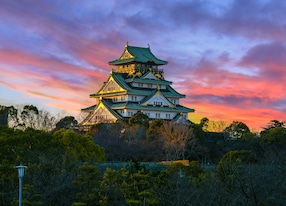
February is peak winter across much of Japan, bringing snow-covered landscapes in the north, crisp mountain visibility around Mount Fuji and cool, dry sightseeing conditions in major cities like Tokyo and Kyoto. It's one of the most visually dramatic months of the year, defined by snow festivals, seasonal seafood and clear blue skies.
For travelers, February offers a distinct contrast within the country. Northern Japan embraces deep winter with established snow coverage and festival energy, while central regions begin hinting at seasonal transition as early plum blossoms appear toward the end of the month. If you prefer fewer crowds before cherry blossom season and want to experience Japan’s winter identity at its fullest, February is a compelling time to visit.
Japan Weather in February (by Region)
Tokyo Weather

Average high: 50°F (10°C)
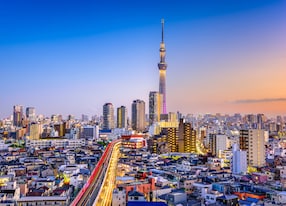
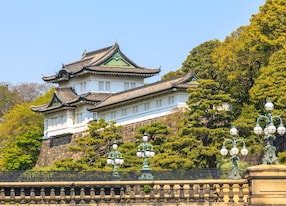
Average low: 37°F (3°C)February in Tokyo is cold, but typically dry and bright. Tokyo has frequent clear skies and lower humidity than spring or summer around this time of year. Snow is possible, but usually light and brief. The crisp air makes walking through districts like Asakusa or around the Imperial Palace comfortable, and pre-cherry blossom crowds allow smoother sightseeing at major cultural landmarks.
Best for:
- Temple visits in clear winter light
- Walking tours through historic neighborhoods
- Seasonal winter cuisine like ramen and hot pot
Kyoto Weather
Average high: 48°F (9°C)
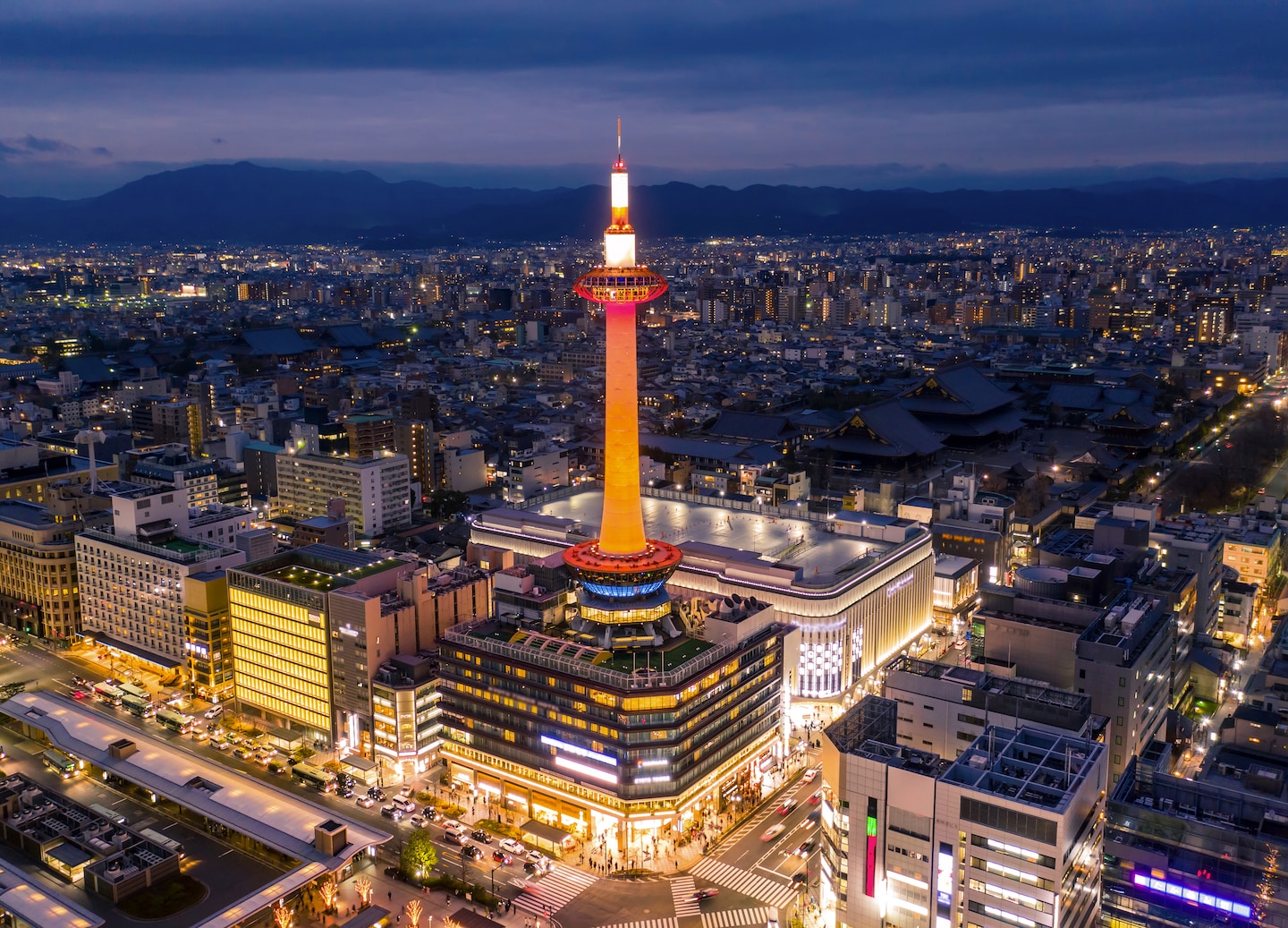
Average low: 34°F (1°C)Kyoto remains firmly in winter in February, with cold mornings and the occasional light snowfall accenting temple rooftops and shrine pathways. The city feels quieter than during spring and autumn peak seasons, creating a more contemplative atmosphere. Late February may bring early plum blossoms, signaling the first shift toward spring.
Best for:
- Shrine and temple exploration without peak crowds
- Arashiyama bamboo forest walks in cooler air
- Early plum blossom viewing
Mount Fuji (Shimizu) Weather

Average high: 50°F (10°C)
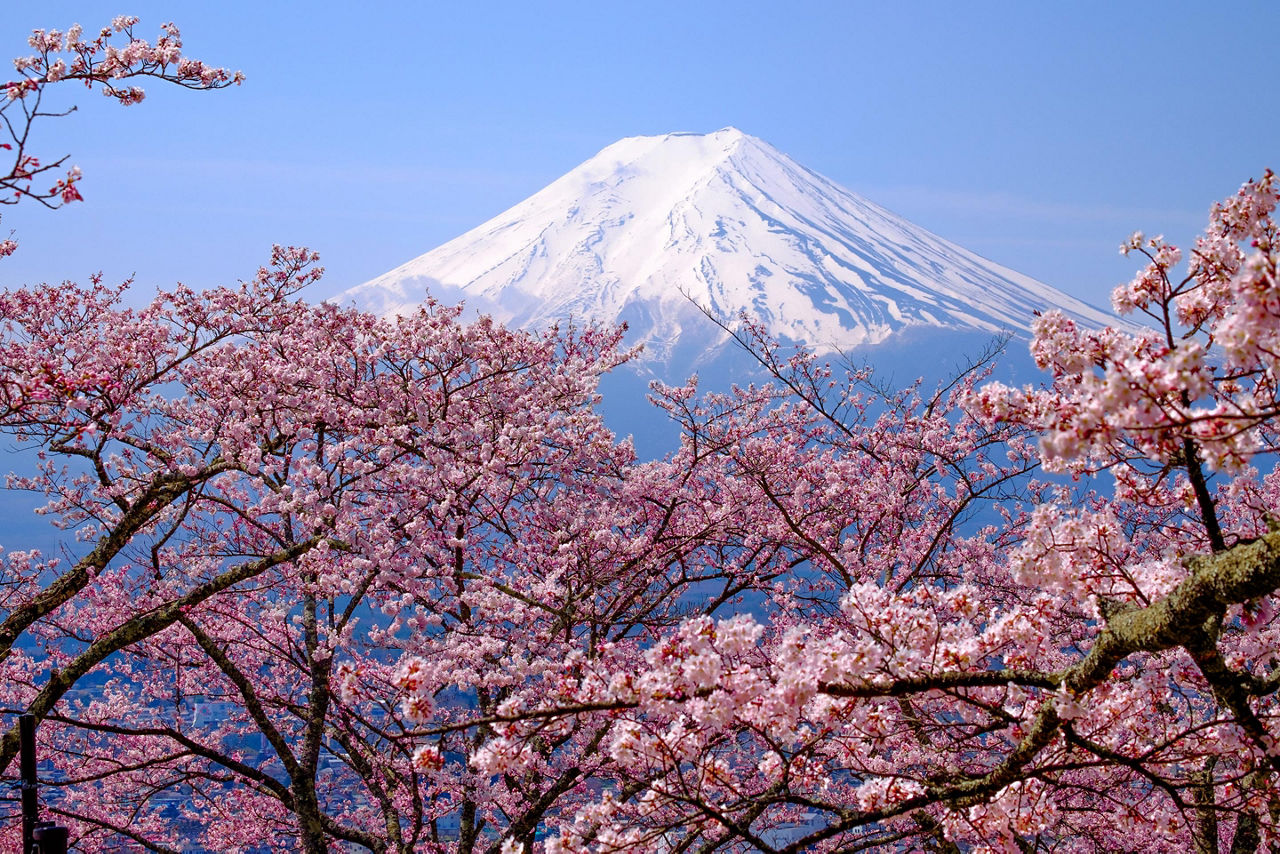
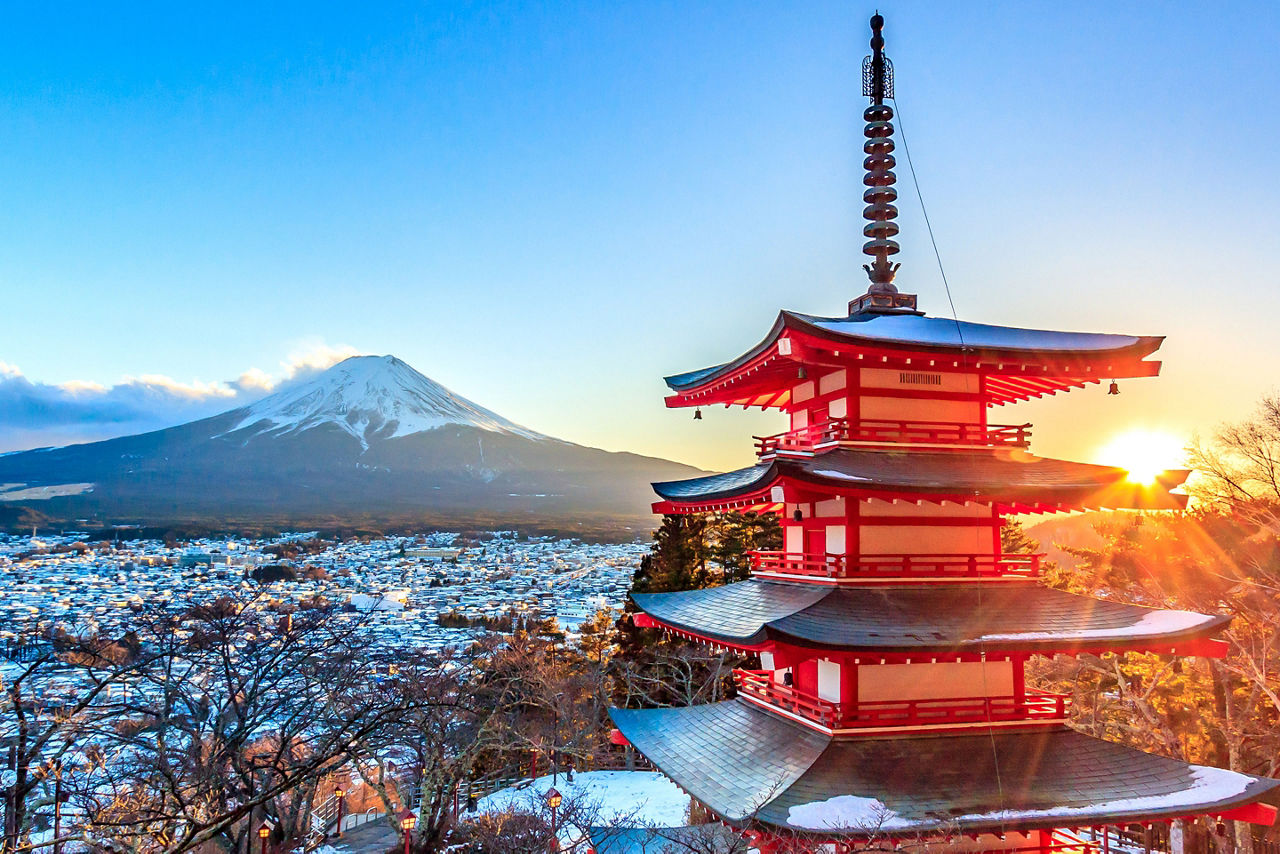
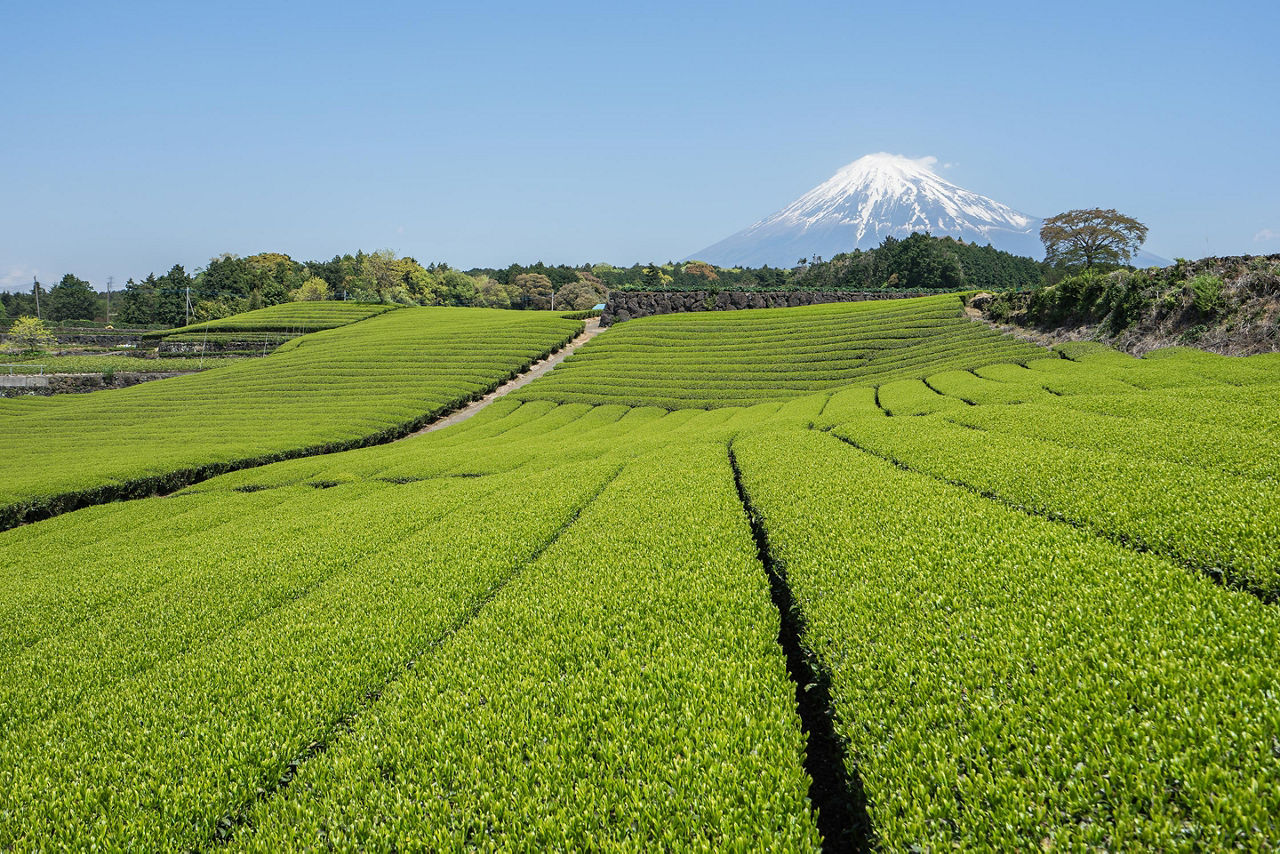
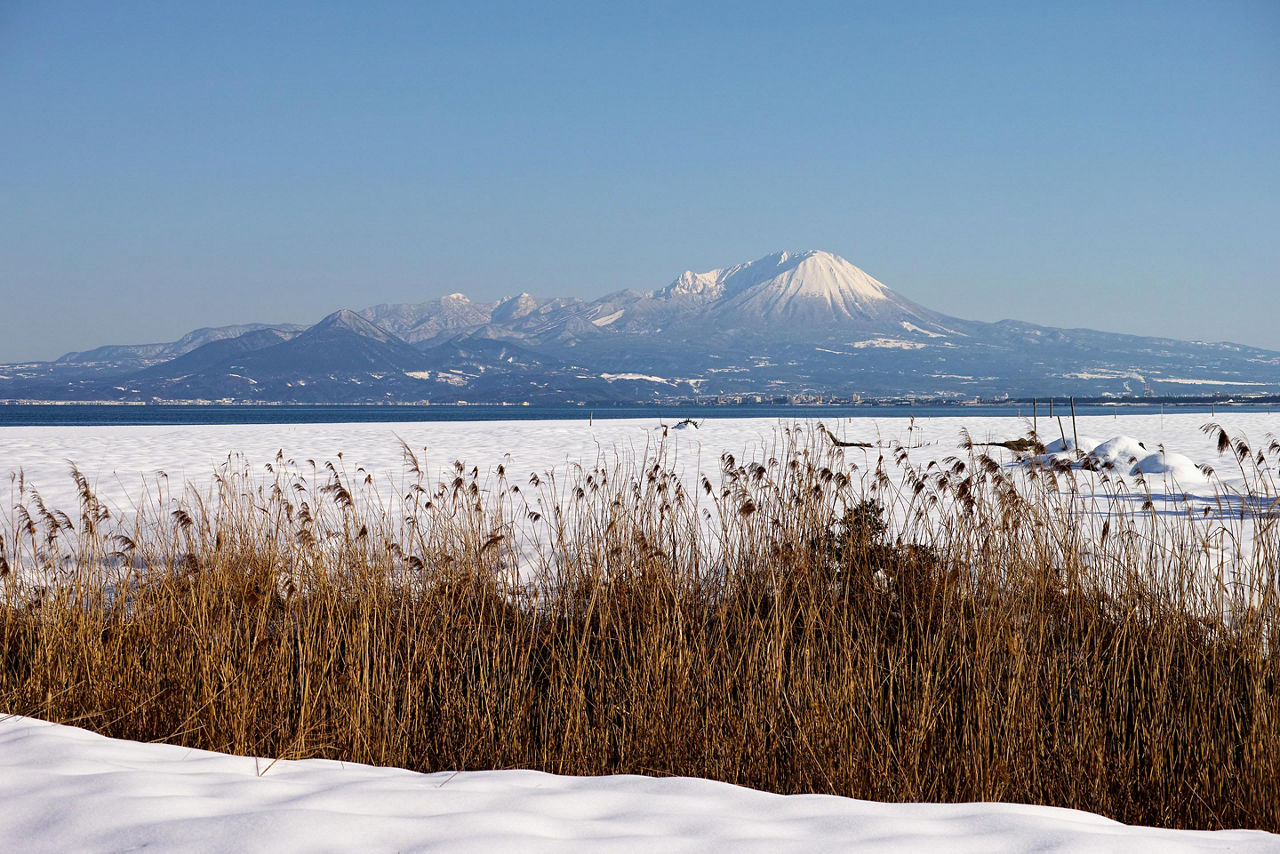
Average low: 32°F (0°C)February is one of the strongest months for Mount Fuji visibility. Dry winter air reduces haze, and the snow-capped peak creates classic panoramic views from coastal and elevated lookouts. While mornings can be near freezing, clear daytime skies often reward visitors with uninterrupted mountain scenery.
Best for:
- Scenic Fuji viewpoints
- Cultural shrine visits with mountain backdrops
- Photography under clear winter skies
Hakodate & Northern Japan Weather

Average high: 32°F (0°C)
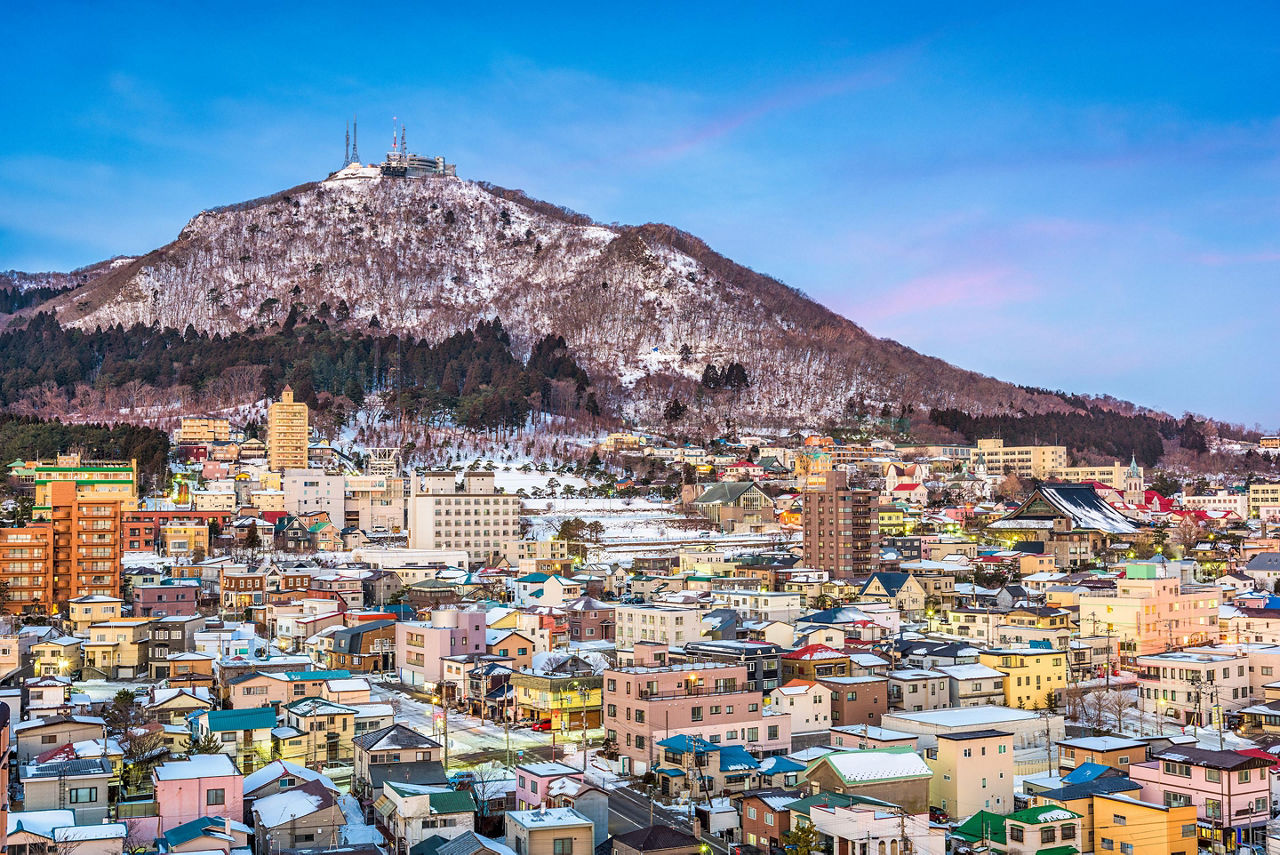
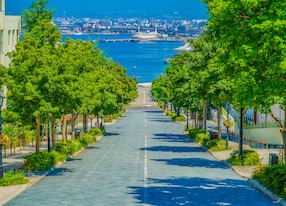
Average low: 21°F (-6°C)Northern Japan experiences deep winter in February, with consistent snow coverage and cold temperatures. Snow-dusted rooftops and icy harbor views define Hakodate’s landscape. While conditions are brisk, this is peak season for winter scenery and seasonal seafood.
Best for:
- Snow-covered city panoramas
- Winter seafood markets
- Cold-weather photography
Japan Temperatures in February (Quick Overview)
- Tokyo and central Japan: around 48–50°F (9–10°C) by day
- Kyoto: upper 40s°F (8–9°C)
- Mount Fuji region: near freezing mornings
- Northern Japan (Hakodate): near or below freezing
- Evenings are cold nationwide
February is a true winter month across Japan, with the coldest conditions in the north and clear, crisp days in central regions.
Japan Events in February
February highlights Japan’s winter culture at its peak:
- Sapporo Snow Festival (Hokkaido) – Massive snow and ice sculptures draw international attention.
- Setsubun (Nationwide) – Traditional bean-throwing ceremonies at shrines mark the symbolic end of winter.
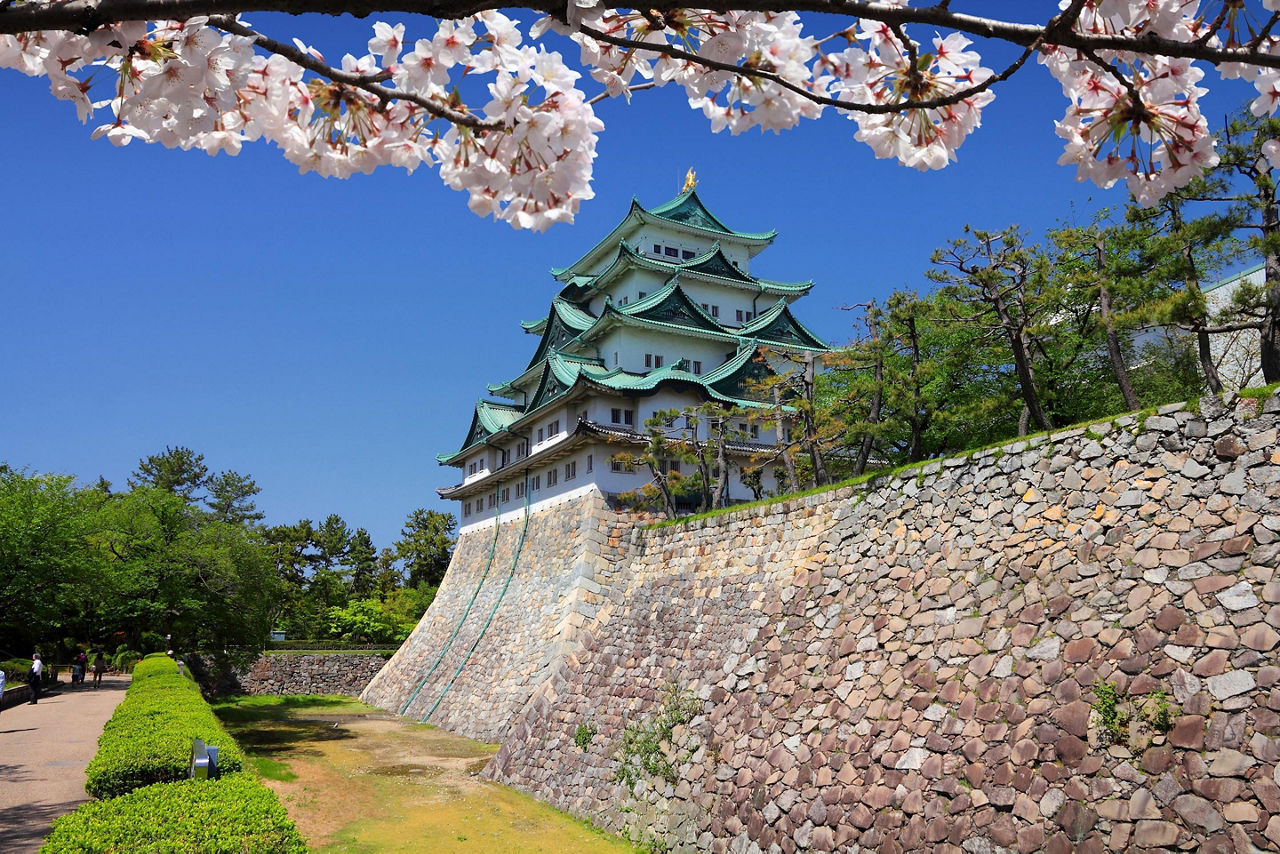
- Plum Blossom Viewing (Central & Southern Japan) – Early blooms begin appearing late in the month, particularly in Kyoto and parts of Tokyo.
- Winter Illuminations (Select Cities) – Some seasonal light displays continue into February.
February blends deep winter celebration with the first hints of seasonal transition.
Best Places To Visit in Japan in February
February rewards destinations that benefit from established snow, strong mountain visibility or late-winter cultural atmosphere.
1. Hakodate
Hakodate is the best place to visit in Japan in February because snow coverage is typically at its most established, transforming the city into a northern winter landscape. Panoramic views from Mount Hakodate overlook snow-dusted rooftops and icy harbor waters, creating dramatic seasonal scenery. Winter seafood specialties at the Morning Market further define the month’s appeal.
2. Mount Fuji (Shimizu)
Mount Fuji is a must-visit destination in February because dry winter air consistently improves the chances of clear visibility. The snow-capped peak stands in sharp contrast against blue skies, creating iconic photographic conditions. Compared to humid summer months, February offers some of the most reliable mountain views of the year.
3. Kyoto
Kyoto is a great place to visit in February because major shrines and temples remain quieter before cherry blossom season begins. Occasional light snow adds visual depth to historic architecture, and early plum blossoms toward the end of the month introduce subtle seasonal change. The city feels calm, reflective and atmospheric.
4. Tokyo
Tokyo is a nice place to visit in February because cool, dry weather makes urban exploration comfortable and efficient. Cultural landmarks are less congested than during peak spring travel, and clear skies enhance skyline views and temple visits. It's an ideal month for structured sightseeing and culinary exploration.
Shore Excursions in Japan in February
February shore excursions should emphasize peak snow scenery in the north, strong Mount Fuji visibility and late-winter cultural atmosphere.
Hakodate – Mt. Hakodate & Morning Market
February is peak winter in Hakodate, with well-established snow coverage enhancing city panoramas from Mount Hakodate. The cold air sharpens harbor views, and winter seafood such as crab and uni define the market experience. This excursion captures northern Japan at its most seasonally distinct.
Mt. Fuji (Shimizu) – Nihondaira Outlook & Kunozan Toshogu Shrine
February offers some of the clearest Mount Fuji views of the year. Snow coverage is typically at its fullest, and dry air improves visibility from elevated scenic points like Nihondaira. The combination of cultural heritage and iconic winter mountain scenery makes this particularly compelling during late winter.
Kyoto (Maizuru) – Inari Gates to Arashiyama Views
February’s smaller crowds allow for a quieter experience at Fushimi Inari’s torii gates and Arashiyama’s bamboo groves. Occasional frost or light snowfall adds visual texture to shrine pathways. Late-month plum blossoms begin appearing, offering a subtle seasonal contrast before cherry blossom season.
Tokyo (Yokohama) – Tradition, Trends & Chanko: Tokyo’s Cultural Feast
Cold February weather makes comfort cuisine especially appealing. This excursion pairs cultural exploration with hearty seasonal dishes like chanko-nabe, a traditional sumo stew. It's well suited to winter conditions when indoor culinary experiences complement outdoor sightseeing.
FAQs: Japan in February
1. Is February a good time to visit Japan?
Yes, February is a good time to visit Japan if you want established winter scenery, strong Mount Fuji visibility and fewer crowds before cherry blossom season. It's especially appealing for snow festivals in northern Japan and cultural sightseeing in Tokyo and Kyoto without peak spring congestion.
2. What is the weather like in Japan in February?
Japan weather in February is cold across most regions. Central cities such as Tokyo and Kyoto average daytime highs around 48–50°F (9–10°C). Northern destinations like Hakodate frequently remain near or below freezing with regular snowfall. Conditions are generally drier and clearer than summer months.
3. Is February good for seeing Mount Fuji?
Yes, February is one of the best months for seeing Mount Fuji. Dry winter air reduces haze, and the mountain is typically snow-capped, creating clear and dramatic views from Shimizu and surrounding outlooks. Visibility rates are often stronger than in humid seasons.
4. Does it snow in Japan in February?
Yes, snowfall is common in northern Japan and mountainous regions in February. Cities like Hakodate often experience consistent snow coverage. Tokyo and Kyoto may see occasional light snow, but these cities usually have cold, dry winter days during this time of year.
5. Is February peak season in Japan?
February is generally low to shoulder season for most major cities, which means fewer crowds at popular attractions. However, ski resorts and snow festival destinations in northern Japan can experience higher visitation during this period.
Keep Exploring Japan
Want to learn more about things to do in Japan? Check out these guides to plan your next trip:
- Tokyo, Japan Shore Excursions - Plan your Tokyo shore adventure around iconic landmarks, waterfront views and immersive local experiences.
- Kyoto Shore Excursions - Explore Kyoto highlights blending historic districts, scenic shrines, waterfront views and vibrant local life.
- Mount Fuji: Everything You Need to Know - Immerse in Mount Fuji experiences featuring peaceful trails, scenic overlooks and memorable cultural encounters.
- Hakodate, Japan Shore Excursions - Find Hakodate shore excursions offering scenic walks, heritage sites, food tours and family‑friendly exploration.