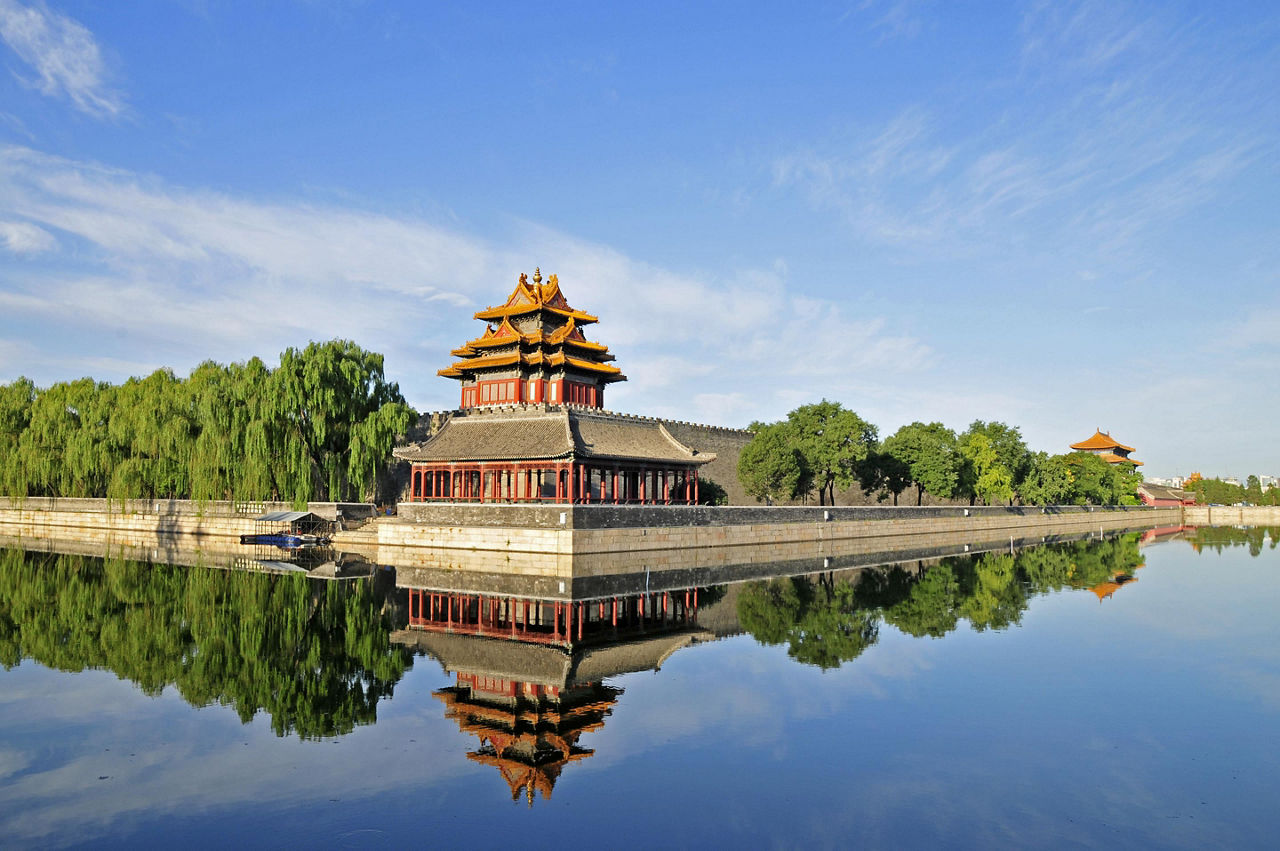
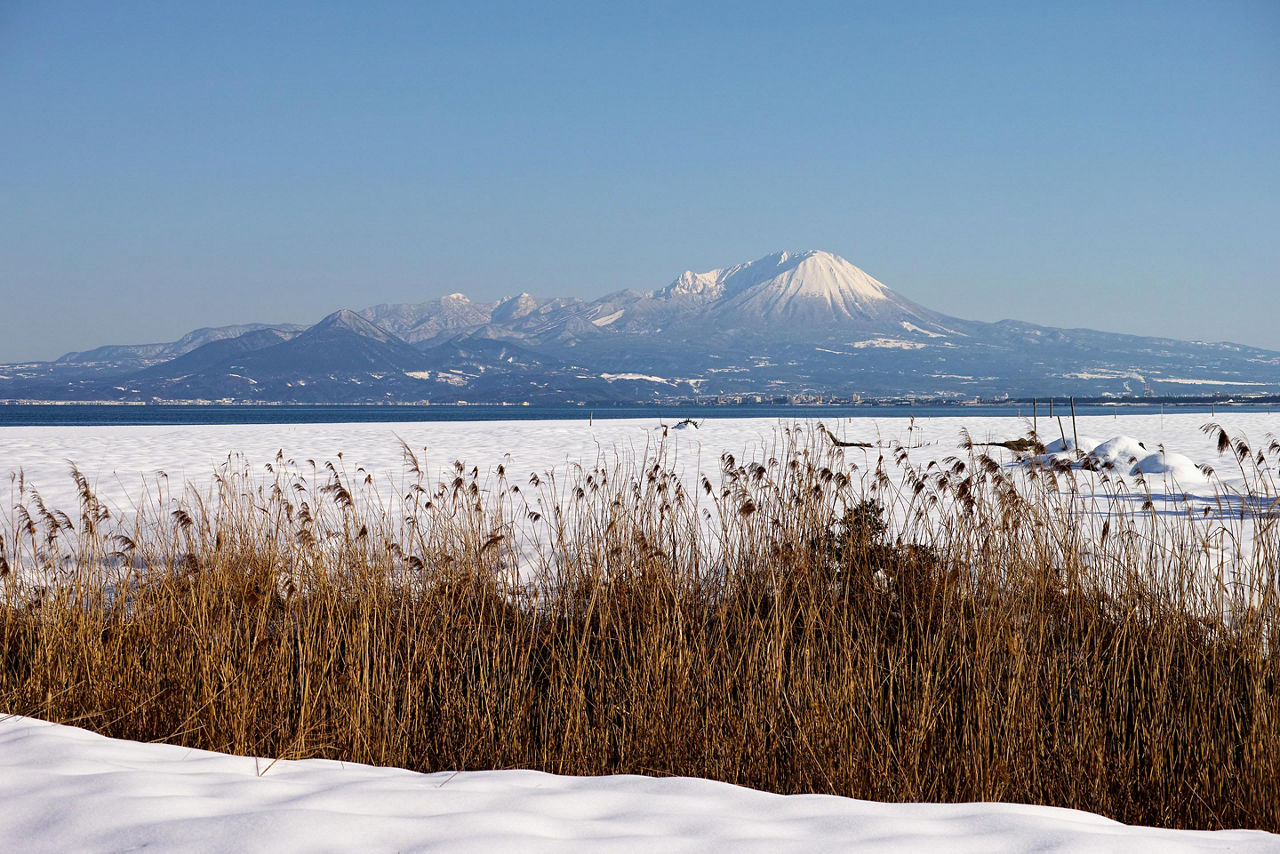
January is mid-winter across Japan. It brings crisp air, snow-covered landscapes in the north and clear, dry conditions in major cities like Tokyo and Kyoto. It's one of the coldest months of the year, but also one of the most atmospheric.
Tokyo averages 48–50°F (9–10°C) during the day, and Kyoto sees similar winter temperatures. Northern regions like Hokkaido remain below freezing with consistent snowfall. Despite the cold, January is often sunny and dry in central Japan, making sightseeing surprisingly comfortable with proper layering.
For travelers, Japan in January is about winter illumination displays, snow festivals, cultural traditions and fewer crowds at major attractions.
Japan Weather in January (by Region)
Tokyo Weather in January

Average high: 50°F (10°C)
Average low: 37°F (3°C)Tokyo weather in January is cold, but generally dry and sunny. Snowfall is rare in the city itself, and clear skies dominate many winter days. The crisp air enhances city views, and winter illumination displays brighten neighborhoods at night. With lower humidity than summer, daytime sightseeing can feel comfortable despite the chill.
Best for:
- Winter city exploration without summer humidity
- Illuminated city districts
- Visiting shrines during New Year traditions
Kyoto Weather in January
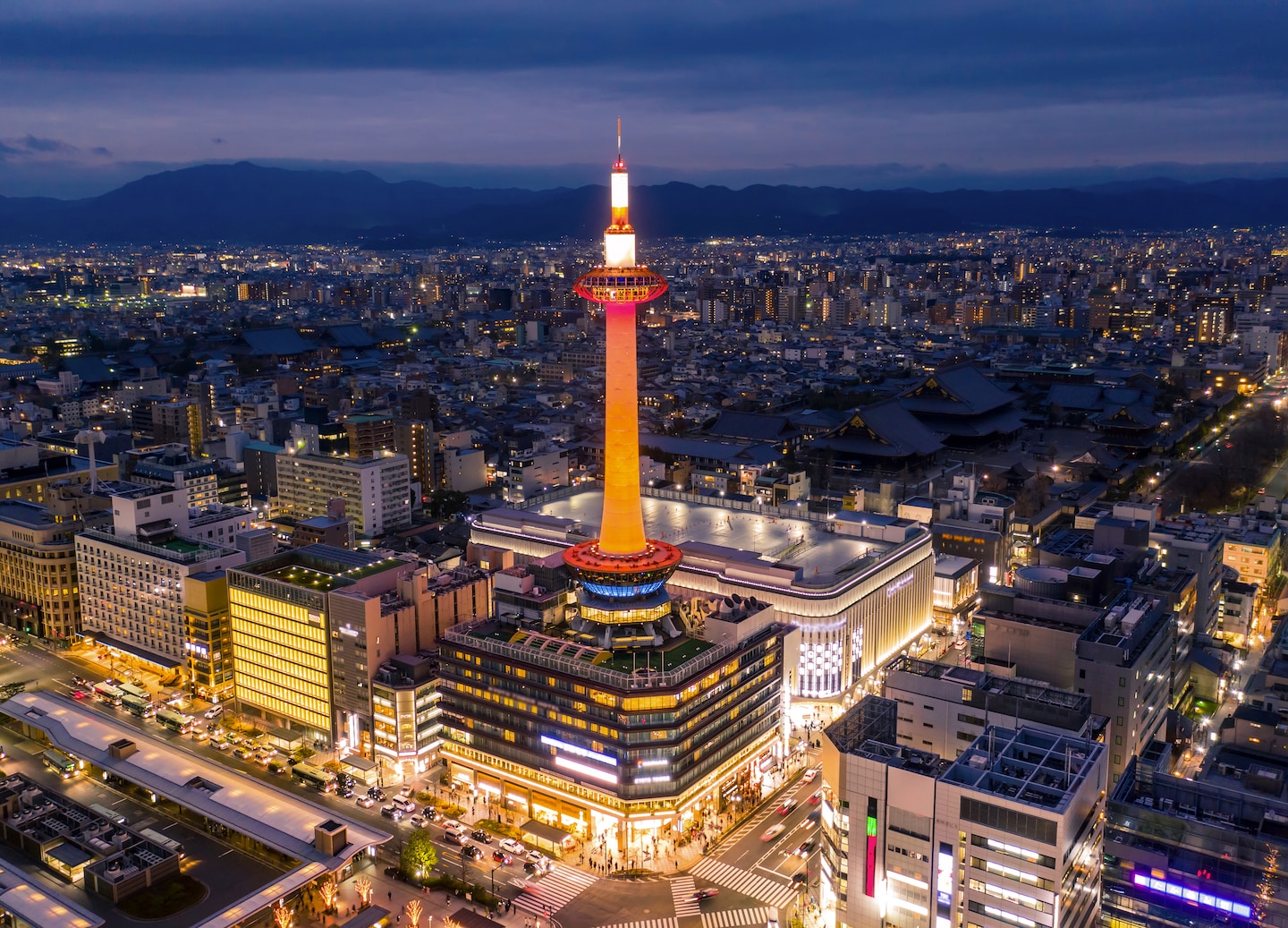
Average high: 48°F (9°C)
Average low: 34°F (1°C)Kyoto weather in January is cold, especially in the mornings and evenings. Occasional light snowfall transforms temple grounds into striking winter scenes. Tourist numbers are lower than peak cherry blossom or autumn foliage seasons, allowing more peaceful visits to historic districts.
Best for:
- Temple visits with fewer crowds
- Snow-dusted shrine photography
- Traditional tea house experiences
Osaka Weather in January

Average high: 50°F (10°C)
Average low: 36°F (2°C)Osaka weather in January is similar to Kyoto, with cool temperatures and relatively dry conditions. Snow is uncommon, but brisk air defines the season. The city’s food culture thrives year-round, and winter comfort dishes become especially appealing.
Best for:
- Street food exploration in Dotonbori
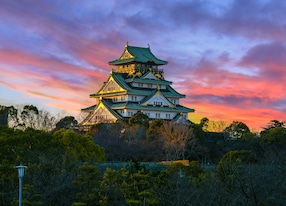
- Castle visits under clear skies
- Indoor markets and culinary tours
Sapporo & Hokkaido Weather in January

Average high: 28°F (-2°C)
Average low: 16°F (-9°C)Sapporo weather in January is fully winter-driven, with frequent snowfall and subfreezing temperatures. Snow accumulation is consistent, making this one of Japan’s peak ski and snow tourism months. Landscapes are dramatic and distinctly alpine.
Best for:
- Skiing and snowboarding
- Snow-covered landscapes
- Hot spring visits after cold outdoor activities
Hiroshima Weather in January
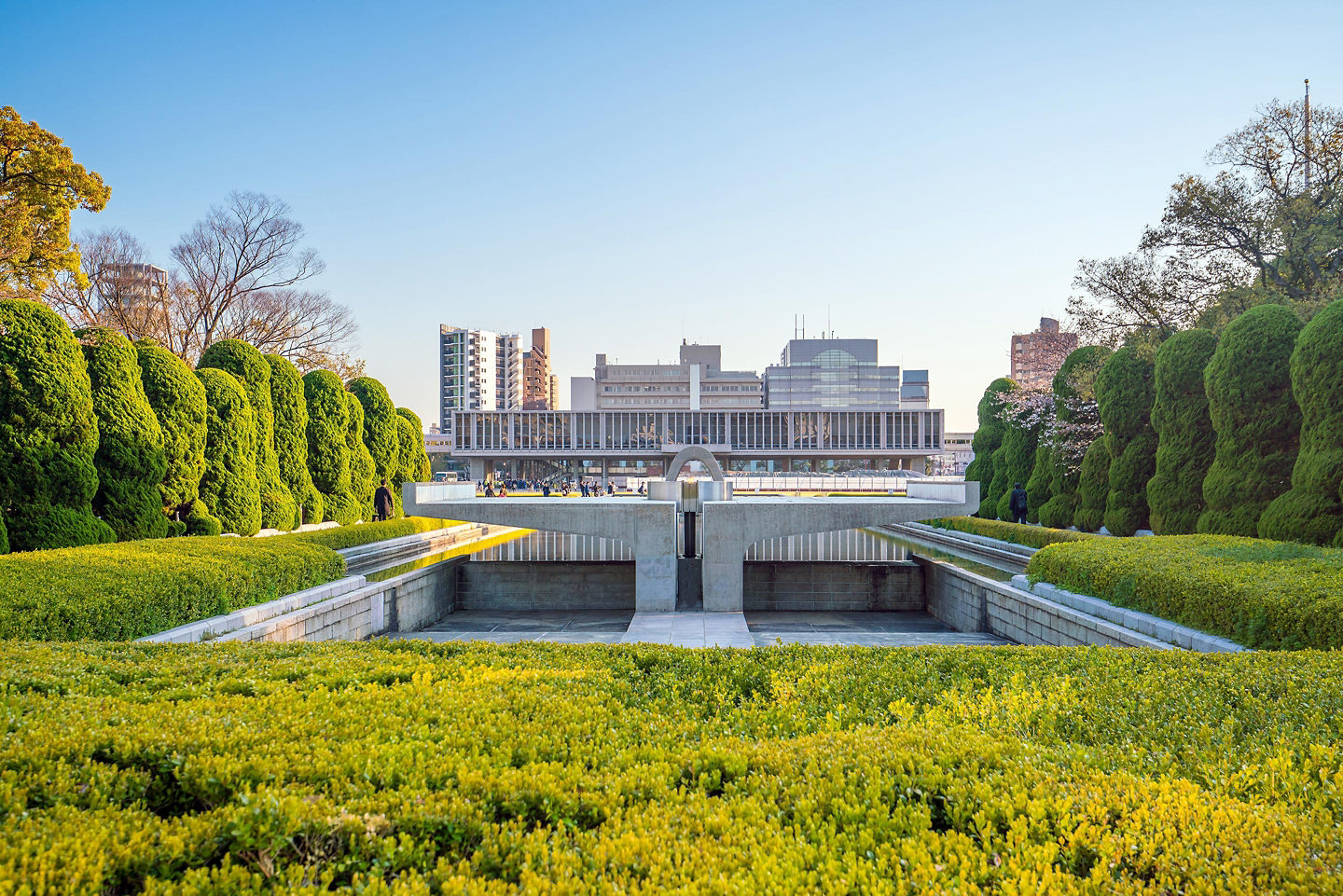
Average high: 48°F (9°C)
Average low: 36°F (2°C)Hiroshima weather in January is cool and relatively dry. While mornings can be brisk, daylight hours are often clear and comfortable for walking. Major historical sites feel less crowded than in spring.
Best for:
- Peace Memorial Park visits
- Miyajima Island exploration
- Scenic coastal views
Japan Temperatures in January (Quick Overview)
- Tokyo & Kyoto: 48–50°F (9–10°C)
- Osaka: around 50°F (10°C)
- Hiroshima: upper 40s°F (9°C)
- Hokkaido: below freezing with heavy snowfall
January is one of Japan’s coldest months, especially in northern regions.
Japan Events in January
January blends cultural traditions with winter festivals:
- Shōgatsu (New Year Celebrations) – Japan’s most important holiday, marked by shrine visits and traditional foods.
- Coming of Age Day (Second Monday of January) – Celebrations honoring young adults.
- Sapporo Snow Festival Preparations (Hokkaido) – Early snow sculptures begin taking shape ahead of February’s event.
- Winter Illuminations (Tokyo & Osaka) – Seasonal light displays across major districts.
January feels culturally reflective and visually striking.
Best Places To Visit in Japan in January
January is ideal for winter landscapes and cultural experiences. The best places to visit in Japan in January include Sapporo for snow conditions, Kyoto for atmospheric temple visits, Tokyo for winter illuminations and Hakone for hot spring retreats.
Sapporo & Hokkaido
Sapporo is the best place to visit in Japan in January because it offers peak winter conditions. Consistent snowfall creates ideal skiing and snowboarding opportunities, and landscapes feel distinctly alpine. Snow-covered city streets and illuminated parks enhance the seasonal atmosphere.
Top experiences: ski resorts, snow festivals, hot springs.
Kyoto
Kyoto is a must-visit destination in January because lower tourist numbers create a quieter temple experience. Occasional snow transforms historic shrines into striking winter scenes, and cool air makes walking manageable compared to humid summer months.
Top experiences: Fushimi Inari Shrine, Arashiyama Bamboo Grove, Kinkaku-ji.
Tokyo
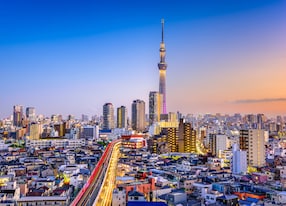
Tokyo is a great place to visit in January because clear winter skies improve skyline visibility and city exploration remains dry. Seasonal illuminations add vibrancy to neighborhoods, and New Year shrine visits provide cultural depth.
Top experiences: Meiji Shrine, Shibuya illuminations, Tokyo Skytree.
Hakone
Hakone is a nice place to visit in January because hot spring bathing contrasts beautifully with cold mountain air. Clear winter days often offer strong views of Mount Fuji.
Top experiences: onsen bathing, Lake Ashi cruises, Fuji viewpoints.
Shore Excursions in Japan in January
January shore excursions in Japan should take advantage of clear winter skies, snow-covered landscapes and cooler, comfortable sightseeing conditions. These are the strongest seasonal choices from the current Japan excursion list.
Mt. Fuji (Shimizu) – Fujisan Hongu Sengentaisha Shrine & Mt. Fuji World Heritage Center
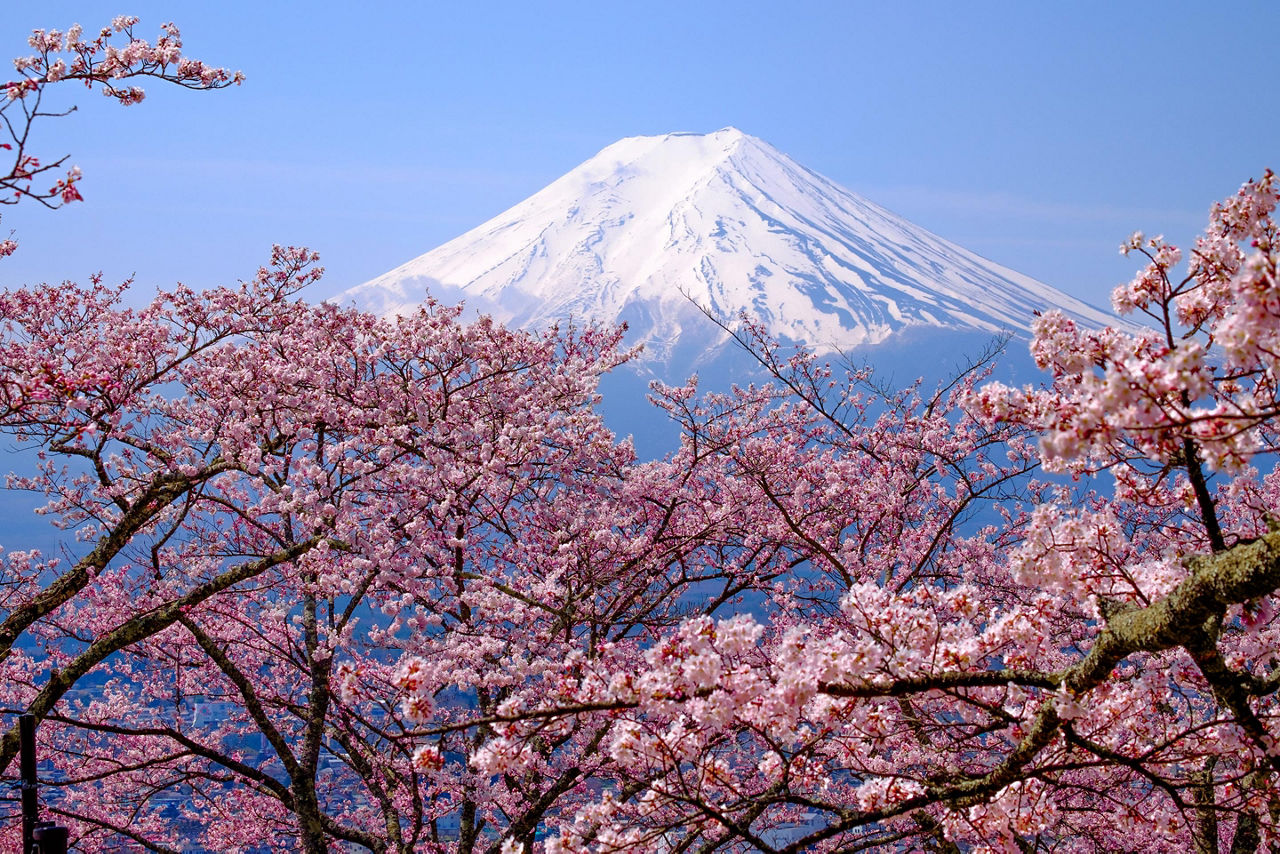
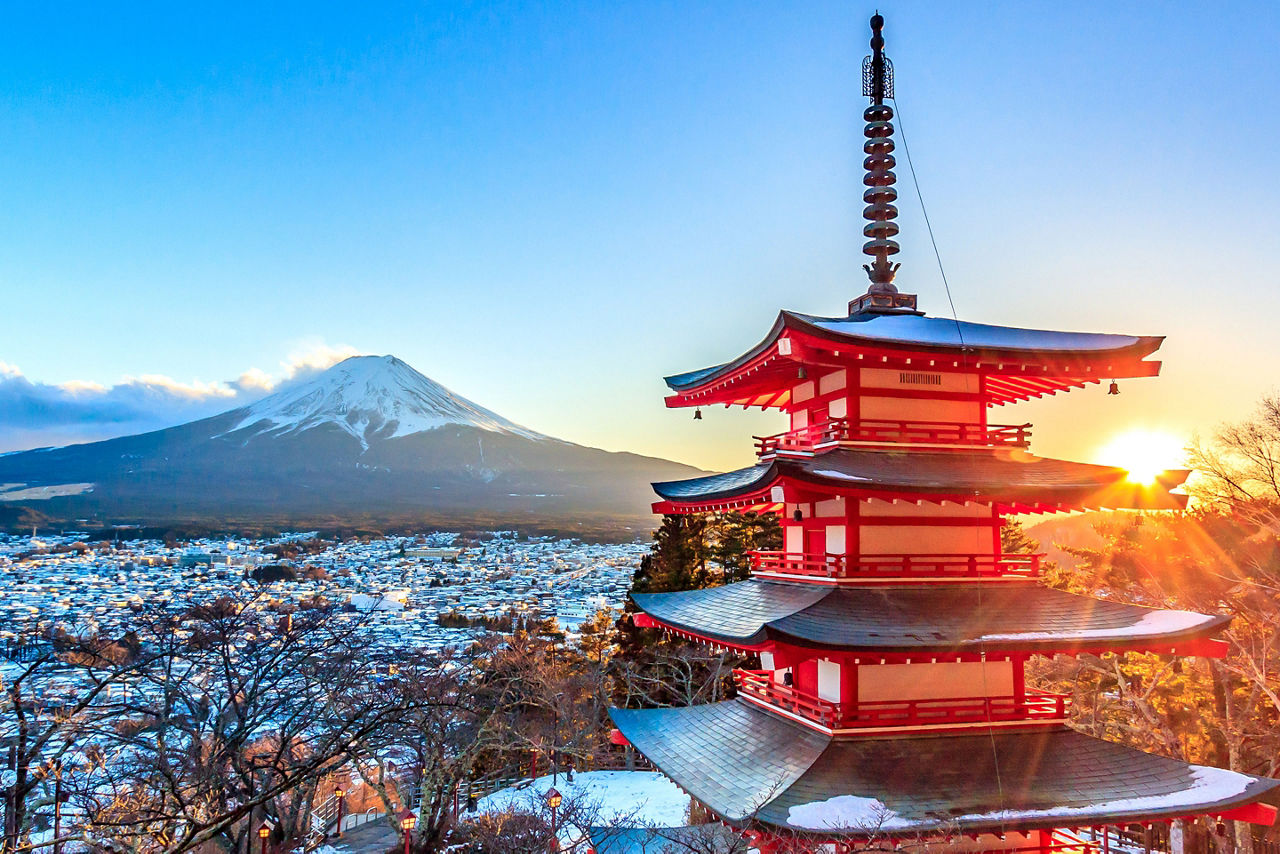
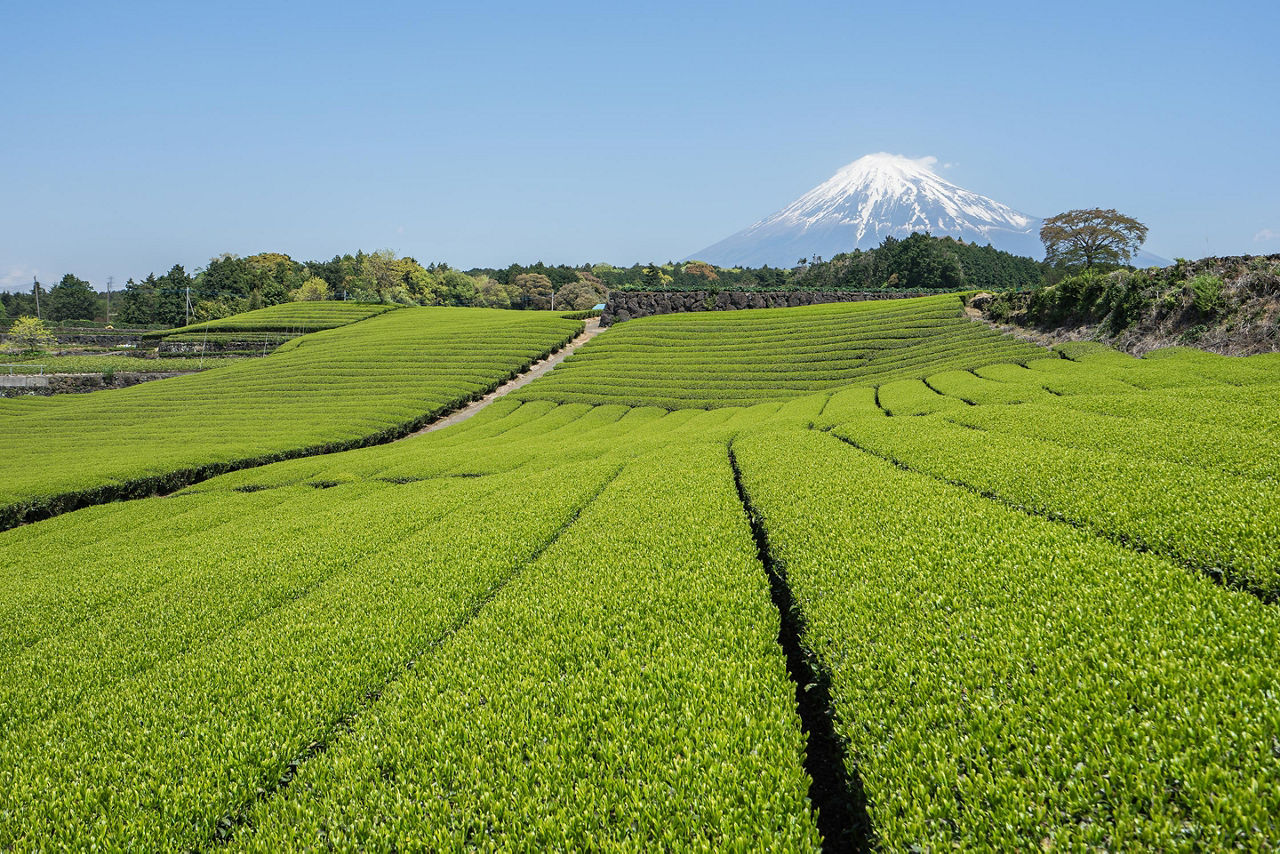
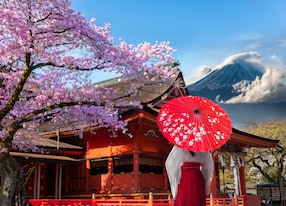
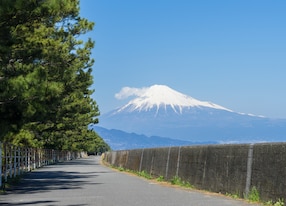
January is one of the best months of the year for Mount Fuji visibility. Dry winter air increases your chances of seeing the mountain clearly, and its snow-covered peak creates iconic scenery. This excursion pairs cultural heritage with some of the year’s most dramatic Fuji views.
Hakodate – Mt. Hakodate & Morning Market – English

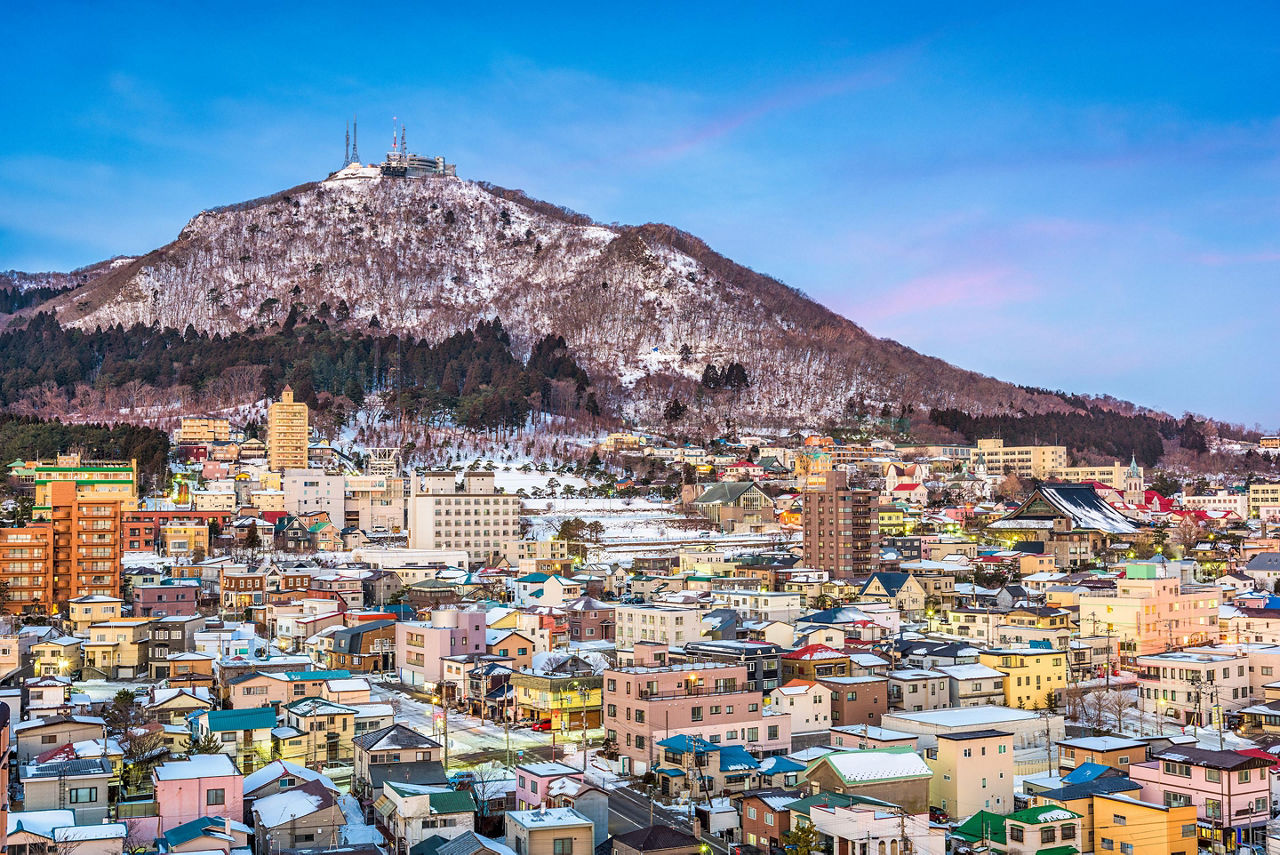
Hakodate delivers a true winter atmosphere in January. Snow blankets the city, and panoramic views from Mount Hakodate are especially striking against icy harbor waters. The morning market also highlights Hokkaido’s winter seafood, making this a strong seasonal experience.
Tokyo (Yokohama) – Tokyo Cultural Highlights Tour – English Guided
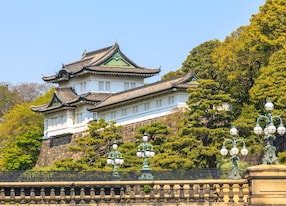
January in Tokyo is cold but typically sunny and dry, making it ideal for structured sightseeing. Clear skies enhance views around the Imperial Palace and Sensoji Temple, and lower humidity makes walking tours more comfortable than in summer.
Kyoto (Maizuru) – Inari Gates to Arashiyama Views – English Guide
Kyoto in January feels quieter and more atmospheric. Fushimi Inari’s torii gates are less crowded, and Arashiyama’s winter landscape offers a peaceful contrast to peak-season visits. Occasional light snow can add visual drama to temple rooftops and forest paths.
FAQs: Japan in January
1. Is January a good time to visit Japan?
Yes, January is a good time to visit Japan if you're prepared for winter temperatures. Apart from the New Year holiday week, crowds are generally lower than in spring and autumn. Clear skies in many regions also make sightseeing comfortable, despite the cold.
2. What is the weather like in Japan in January?
Japan weather in January is cold across the country. Tokyo and Kyoto typically see daytime temperatures around 48–50°F (9–10°C), while northern regions such as Hokkaido remain below freezing with frequent snowfall. Central cities are often dry and sunny, while northern areas are fully winter-driven.
3. Does it snow in Japan in January?
Yes, snow is common in northern Japan and mountainous areas in January. Hokkaido and the Japanese Alps receive consistent snowfall. Major cities like Tokyo and Osaka rarely experience heavy snow accumulation.
4. Is January good for skiing in Japan?
Yes, January is one of the best months for skiing in Japan because snow coverage is reliable and temperatures remain cold enough to maintain good conditions. Resorts in Hokkaido and the Alps are especially popular during this time.
5. Are crowds lower in Japan in January?
Crowds are generally lower in mid-to-late January compared to cherry blossom season and autumn foliage season. The busiest period is during the New Year holiday at the start of the month.
6. Is January expensive in Japan?
Travel costs can be higher during the New Year holiday period, but mid-to-late January often offers better availability and more moderate pricing compared to peak spring and autumn months.
Keep Exploring Japan
Want to learn more about things to do in Japan? Check out these guides to plan your next trip:
- Tokyo, Japan Shore Excursions - Plan your Tokyo shore adventure around iconic landmarks, waterfront views and immersive local experiences.
- Kyoto Shore Excursions - Explore Kyoto highlights blending historic districts, scenic shrines, waterfront views and vibrant local life.
- Osaka, Japan Shore Excursions - Discover Osaka shore excursions featuring temples, markets, food tours and unforgettable Japanese cultural energy.
- Hakodate, Japan Shore Excursions - Find Hakodate shore excursions offering scenic walks, heritage sites, food tours and family‑friendly exploration.