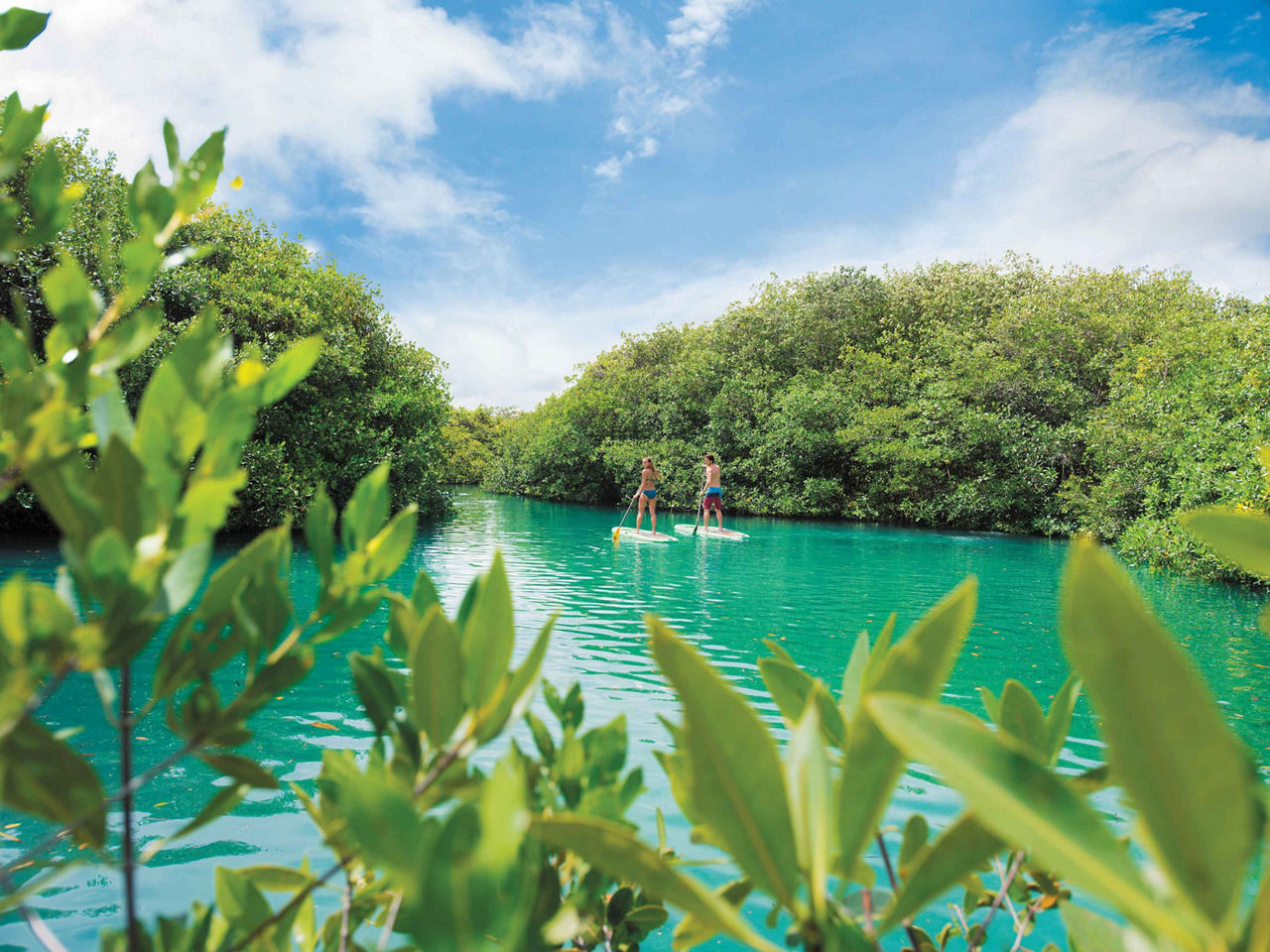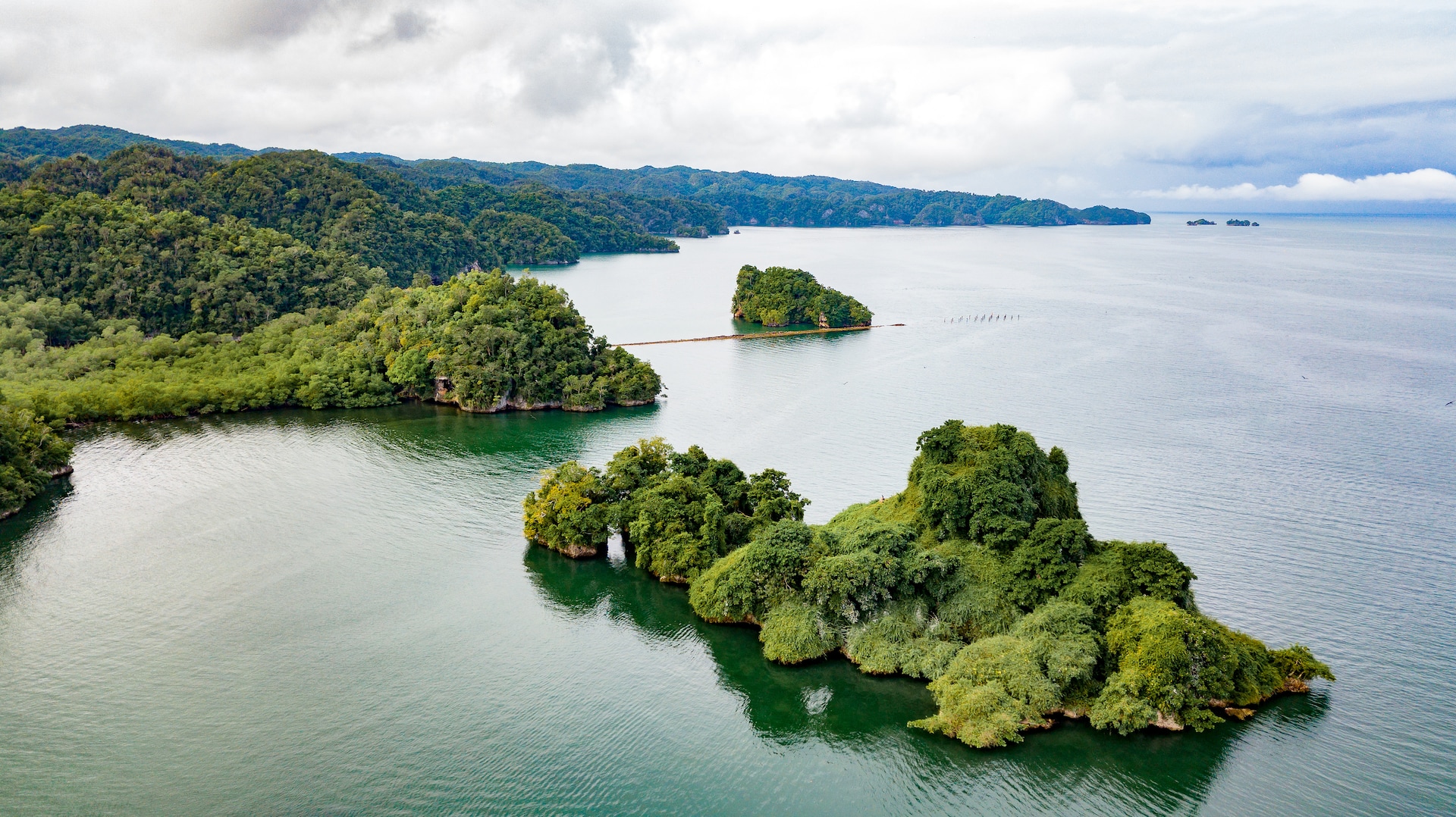
A mangrove forest is a coastal wetland filled with trees and shrubs adapted to salty or brackish water. Found in tropical and subtropical regions, these forests grow where land meets the sea. Their roots help hold shorelines together and provide shelter for fish, crabs and other wildlife.
Across the Caribbean, mangroves line sheltered bays, lagoons and winding waterways. Exploring them brings smaller details into view: a crab climbing a branch, young fish gathering beneath the roots or a bird waiting quietly at the water’s edge.
Whether you’re paddling a kayak or enjoying a guided boat ride, understanding the forest makes the experience even more rewarding.
What Makes Mangrove Trees Different?
Mangroves can grow in conditions that many other trees cannot tolerate. They cope with salt, waterlogged soil and changing water levels, using special adaptations in their roots and leaves.
Different species handle salt in different ways. Some keep much of it out as their roots absorb water. Others release excess salt through glands in their leaves.
Their roots also help them survive in muddy ground with little oxygen. Some roots rise above the soil, allowing the tree to take in air. Others spread outward like stilts, helping support the trunk.
These unusual shapes are part of what makes a mangrove forest so interesting to explore. What looks like a tangle of branches is a working system that keeps the trees anchored and alive. The Smithsonian’s guide to mangroves explains these adaptations in more detail.
What Types of Mangroves Grow in the Caribbean?
Red, black and white mangroves are familiar trees in Caribbean coastal wetlands. Their roots and leaves offer clues that help you tell them apart.
- Red mangroves: Often grow near the water’s edge. Their arching prop roots make the trees look as though they’re standing on stilts.
- Black mangroves: Have upright, pencil-like roots that project from the mud around the tree. These help supply oxygen to roots below ground.
- White mangroves: Often grow on higher ground and usually lack the obvious stilt roots of red mangroves. Their leaves tend to be rounded.
The trees don’t always grow in neat rows or fixed zones. Water levels, soil and local conditions influence where each species thrives.
What Animals Live in Caribbean Mangrove Forests?
Caribbean mangrove forests support wildlife above and below the water. The roots create sheltered spaces, while the branches provide places for birds to perch, rest and nest.
Depending on the destination, you might see:
- Young fish: Small fish use the roots as shelter while they grow.
- Crabs: Some move through the mud, while others climb trunks and branches.
- Birds: Herons, egrets and other coastal birds search for food along the shallows.
- Root-dwelling marine life: Sponges and other organisms can attach to submerged roots.
Mangroves are especially valuable as nursery habitats. Some fish spend their early lives among the roots before moving into nearby seagrass beds or coral reef habitats. Caribbean research has shown how these connections can benefit reef fish communities.
Why Are Mangrove Forests Important?
Mangrove forests help protect coastlines, support marine life and store carbon. Their value reaches beyond the trees themselves.
They Help Protect the Shore
Mangrove roots hold sediment in place and can reduce erosion. The forest also helps slow moving water and lessen wave energy, providing a natural buffer along vulnerable coastlines.
They Support Fish & Coastal Communities
By sheltering young fish and other marine animals, mangroves support the wider coastal food web. Healthy habitats can also benefit the fisheries that local communities depend on.
They Store Carbon
Mangroves store carbon in their trunks, branches, roots and the soil beneath them. Carbon held in coastal habitats is often called “blue carbon.”
These benefits make Caribbean mangrove conservation important for both wildlife and the people who live along the coast.
Where Can You Explore Mangroves in the Caribbean?
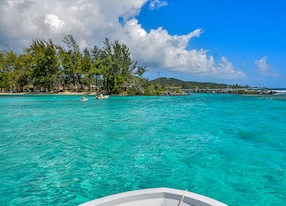
Mangroves grow across the Caribbean, but each destination offers a different setting. Some outings follow narrow channels beneath the trees, while others cross open bays bordered by forest.
Martinique
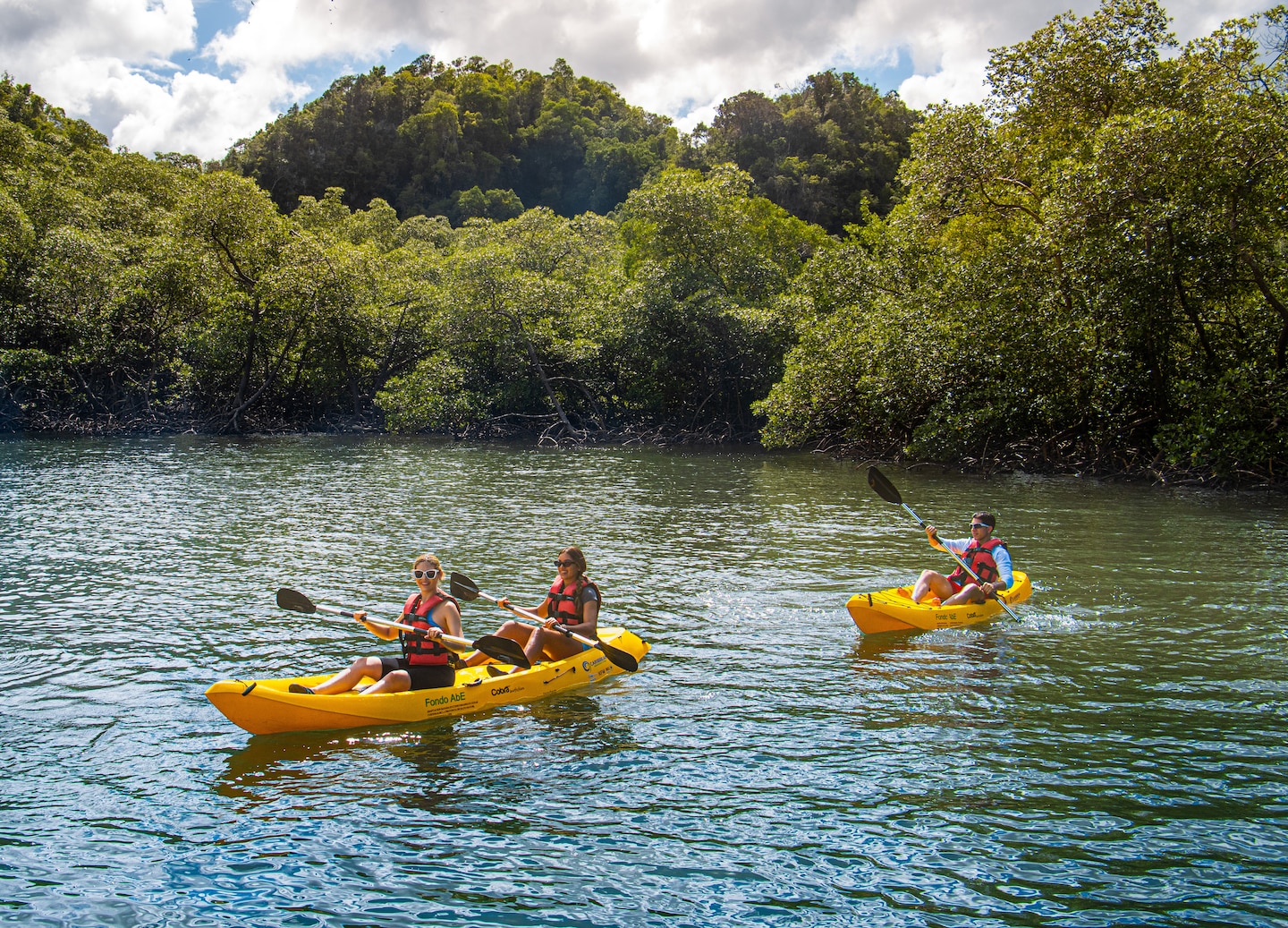
Near Fort-de-France Bay, mangrove outings offer a close look at coastal vegetation from the water. Guided kayaking can bring you around small islets and beneath leafy canopies, with time to learn about local plants and animals.
Roatán, Honduras
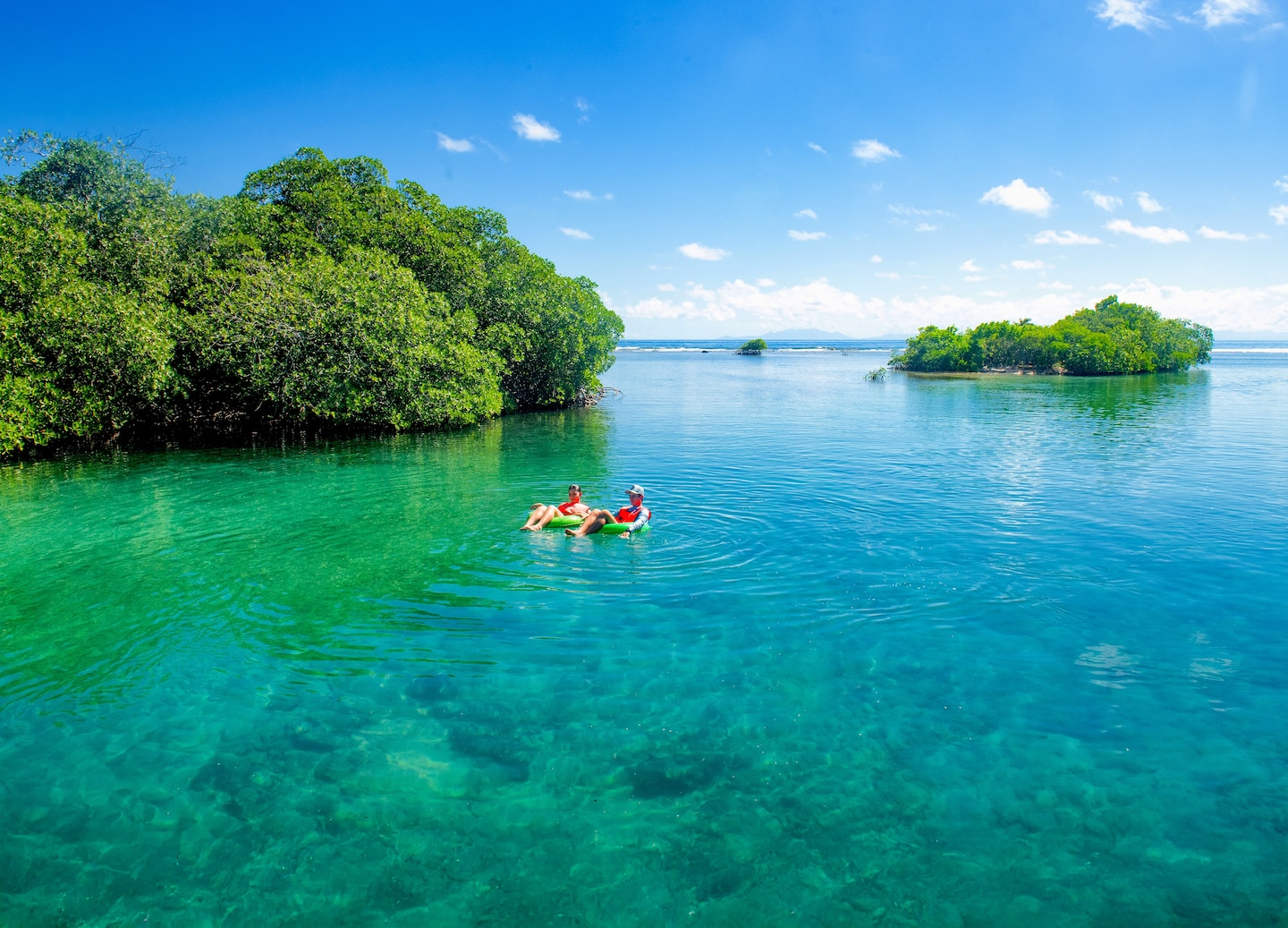
Roatán’s mangrove canals offer another way to explore the island beyond its beaches and reefs. Depending on the outing, time among the mangroves can be combined with snorkeling, a beach visit or local food.
Samaná, Dominican Republic
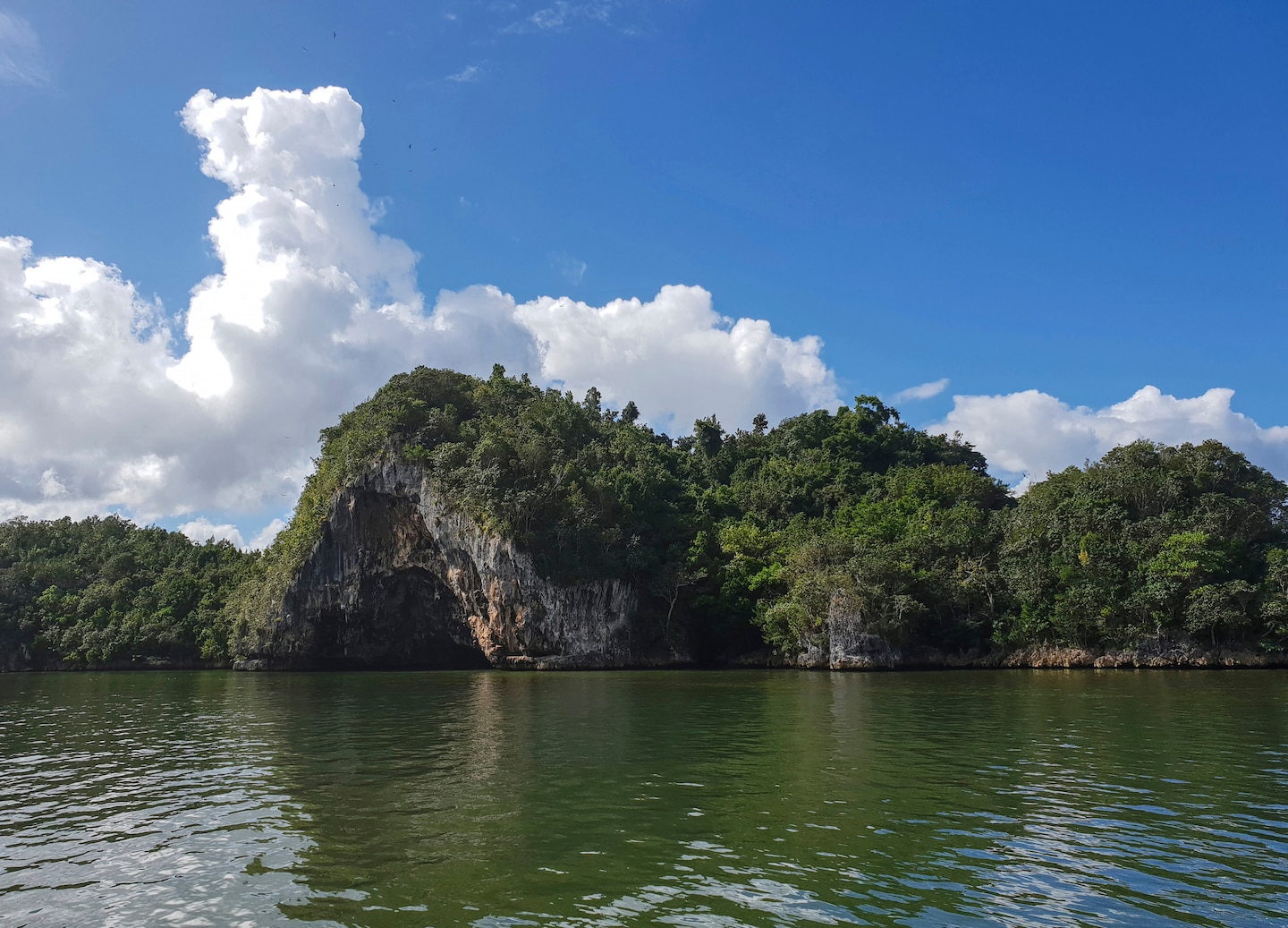
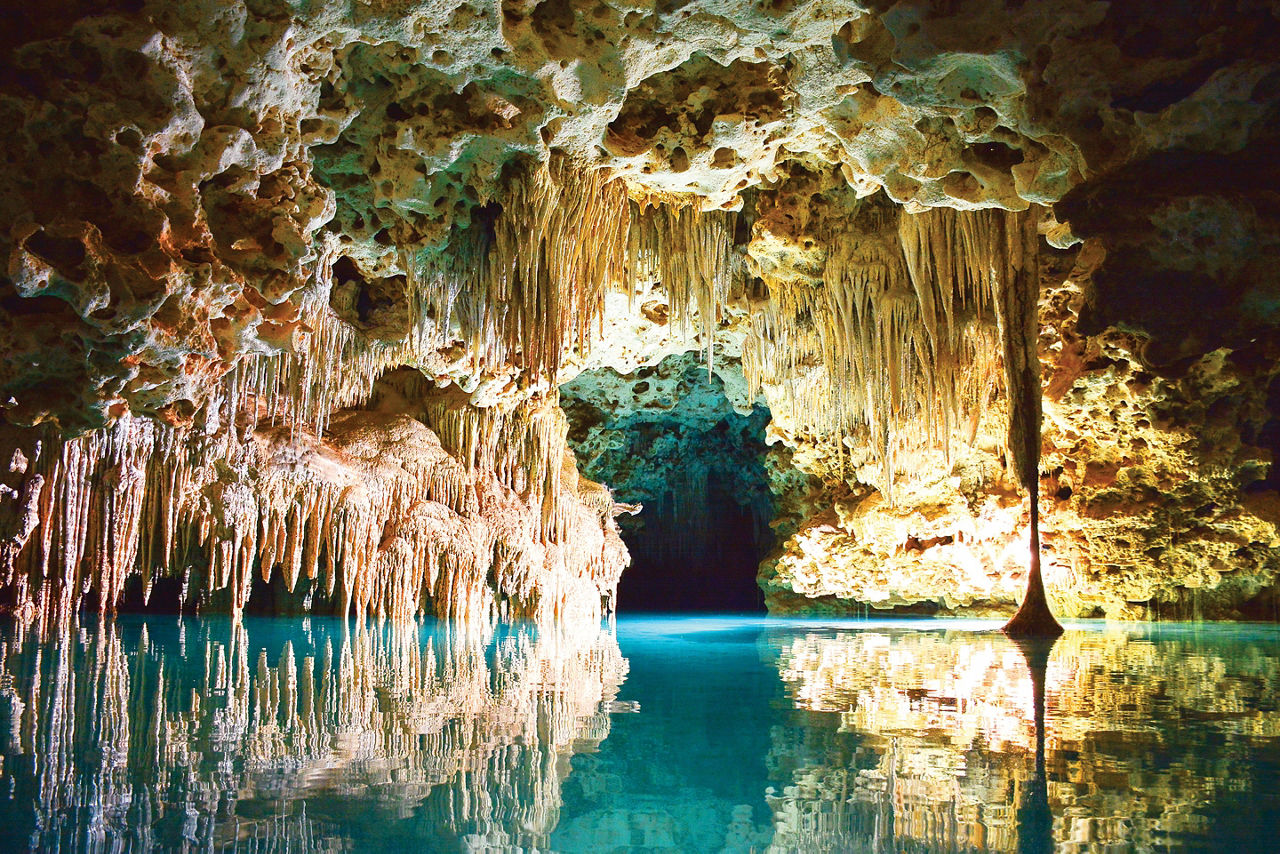
Excursions from Samaná can take travelers to Los Haitises National Park, where mangrove waterways form part of a landscape that also includes bays, limestone formations and caves. Royal Caribbean’s options include both catamaran and kayaking experiences.
Bonaire
Bonaire’s Lac Bay brings mangroves, seagrass beds and coral reef habitats together. The bay supports young reef fish and provides feeding areas for wildlife such as green sea turtles.
This connection between habitats is part of what makes the area special. The forest’s role continues beneath the water and out toward the reef.
What Is a Mangrove Tour Like?
A mangrove tour usually explores coastal waterways by kayak or boat, with a guide introducing the plants, roots and wildlife along the route. The experience depends on the destination and type of outing.
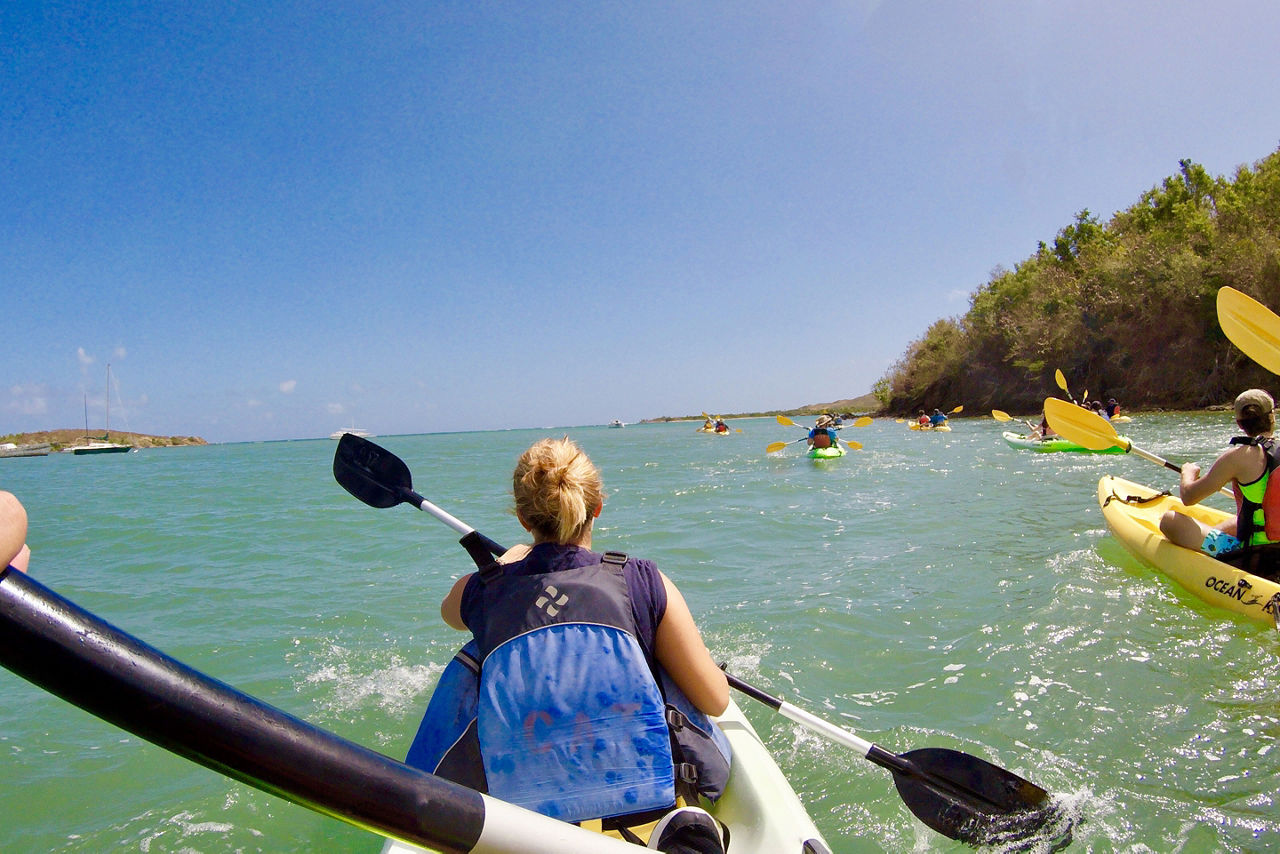
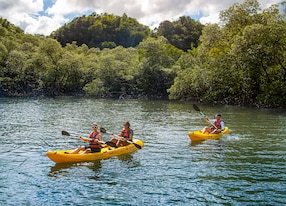
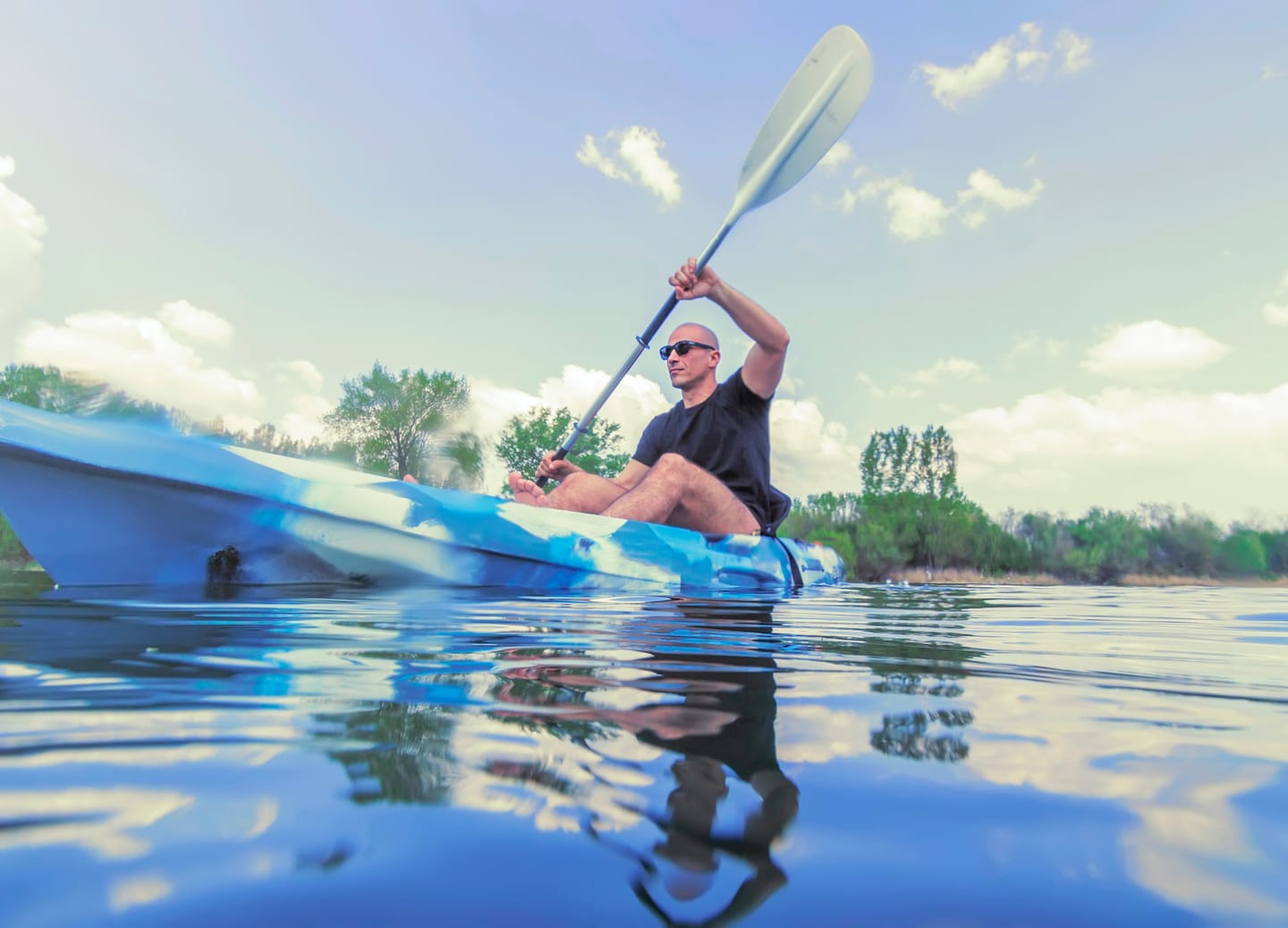
Kayaking puts you close to the water and involves active paddling. You may travel beside exposed roots or through channels with branches overhead.
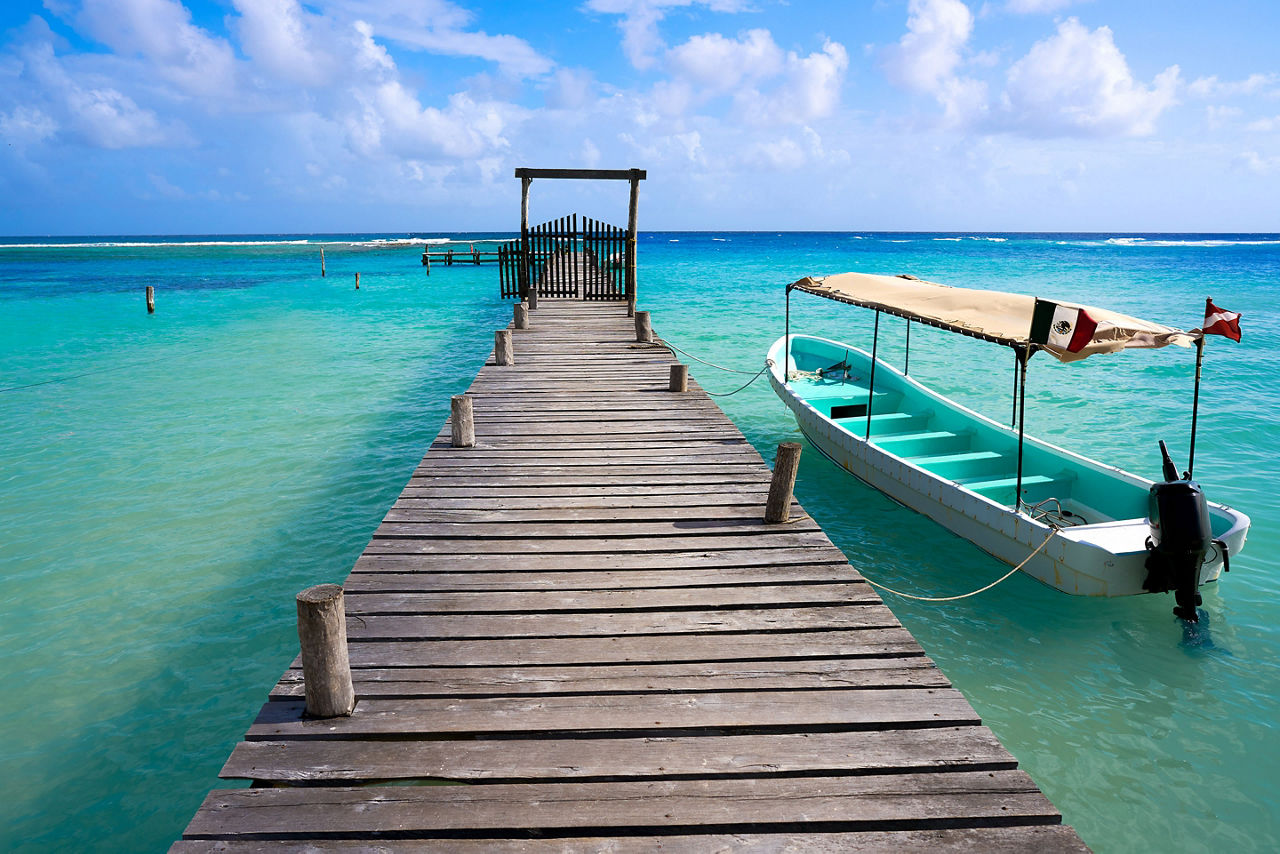
Boat trips offer a seated way to explore. Some focus on the mangroves, while others include them as part of a wider nature outing.
Combination excursions may add snorkeling, a beach stop or a cave visit. These can appeal to travelers who want several experiences during their day ashore.
Look at the activities and physical requirements when choosing. A sheltered setting can feel peaceful while still involving a substantial amount of paddling.
Exploring Mangroves on a Caribbean Shore Excursion
Royal Caribbean offers several ways to experience these forests, from guided paddling to outings that combine mangroves with other coastal adventures.
Kayaking Mangroves Adventure in Martinique
Kayaking Mangroves Adventure includes a guided paddle through mangroves near Fort-de-France Bay.
After transportation and a safety briefing, guests paddle around islets and beneath the forest canopy while learning about local plants and animals. The excursion also includes a beach break at Point du Bout.
It’s an appealing choice for travelers who enjoy being active while exploring nature.
Mangroves & Caves From Samaná
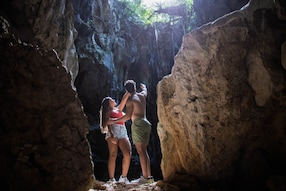
Los Haitises Highlights: San Lorenzo Bay, Mangrove Kayaking & Cave Expedition combines mangrove kayaking with the scenery and caves of Los Haitises National Park.
The outing connects time on the water with a closer look at the surrounding landscape, making it a good fit for travelers interested in both coastal forests and natural formations.
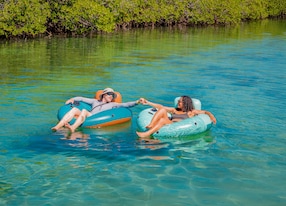
Mangrove Tubing in Roatán
Lazy Tubing on Saltwater Mangrove, Snorkel & Beach Break combines drifting through mangrove canals with reef snorkeling and beach time.
This experience introduces several sides of Roatán’s coast during one outing.
What Should You Bring on a Mangrove Excursion?
Pack for time outdoors and the activities included in your outing.
Useful items include:
- Lightweight clothing: Choose comfortable pieces suited to warm weather.
- Sun protection: Bring a hat, sunglasses and a sun-protective shirt.
- Secure footwear: Follow the excursion’s guidance for kayaking, walking or wet surfaces.
- Water: Bring a refillable bottle for the day.
- A waterproof pouch or dry bag: Keep your phone and small belongings protected.
- Swimwear and a towel: Include these when your outing features swimming or snorkeling.
Why Explore a Caribbean Mangrove Forest?
A mangrove outing gives you time to notice a different side of the Caribbean. The appeal may be a bird standing motionless in the shallows, fish moving beneath your kayak or the shade of branches reaching across a channel.
As you plan your Caribbean cruise, a mangrove excursion can add wildlife, discovery and time on the water to your vacation. You’ll leave with a closer look at the forests that help keep these coastlines full of life.
Frequently Asked Questions About Caribbean Mangroves
-
Are mangroves trees or roots?
Mangroves are trees and shrubs. The visible roots are part of the plant and help it survive in coastal conditions. Red mangroves are especially recognizable for roots that arch from the trunk toward the ground or water.
-
Do mangroves grow in salt water or fresh water?
Mangroves can grow in salty and brackish water, which is a mixture of fresh and salt water. Some also grow in freshwater settings. Their ability to tolerate salt allows them to thrive where many other trees cannot.
-
Are mangrove forests connected to coral reefs?
Yes. In many Caribbean locations, mangroves, seagrass beds and coral reefs support different stages of marine animals’ lives. Some young fish shelter among mangrove roots before moving to other coastal habitats as they grow.
-
Do you have to kayak to see mangroves?
No. Some excursions explore mangroves by boat, while others include views during a broader sightseeing outing. Kayaking is one option for getting close to the roots and waterways, but you can choose an experience that suits your preferred activity level.
-
Can children go on a mangrove excursion?
Some mangrove excursions welcome children who meet the outing’s age and activity requirements. Boat rides and paddling trips can have different demands, so choose an option that matches your family’s comfort and experience.
-
Can you swim during a mangrove excursion?
Some excursions include swimming or snorkeling at a designated stop. For example, Royal Caribbean’s Roatán mangrove tubing outing also includes snorkeling and beach time. The swimming location may be separate from the forest itself.
-
Will you see wildlife on a mangrove tour?
You may see fish, crabs, birds and other animals, but sightings vary with the location and conditions. A guide can help you notice smaller creatures hiding among roots and branches, which are easy to overlook on your own.
Planning a Trip to the Caribbean?
Want to learn more about the Caribbean? Check out these guides to plan your next trip:
- Fort-de-France, Martinique Shore Excursions - Explore mangrove kayaking, tropical gardens and local culture.
- Samaná, Dominican Republic Shore Excursions - Discover coastal scenery, Los Haitises outings and outdoor adventures.
- Nature Excursions in St. Thomas - Explore island landscapes and experiences on the water.