10 Best Alaska Glacier Tours To Take On Your Cruise
Can’t-Miss Glacier Trips in Alaska
By Robert Schrader | Published: November 19, 2025 | Updated: June 15, 2026
Alaska is home to over 100,000 glaciers that have shaped its diverse landscape for centuries. At first glance, these glaciers can seem impossibly similar — towering blue ice towers and dramatic fissures that feel frozen in time.
Spend enough time around them, though, and each one reveals its own personality. Some thunder into the sea with booming calving ice while others sit quietly among pine-covered valleys and glassy fjords teeming with whales and seabirds.
You might cruise past Hubbard Glacier’s thunderous walls in Yakutat Bay one day or hike across the ancient crevasses of Matanuska Glacier the next. From scenic ship journeys and kayak excursions to helicopter landings and glacier trekking, there are countless ways to experience Alaska’s icy wilderness up close.
You’ll find an incredible variety of Alaska glacier tours when you get here, from glacier landing escapes to wildlife spotting. There’s something incredibly intimate when walking on or getting a bird’s eye view of the slick, white ice walls of some of the most iconic glaciers in Alaska.
Below are six of the best glacier tours in Alaska that really should be on your bucket list, along with optimal ways to reach them and other important considerations related to safety and what to pack for the adventure of a lifetime.
Key Takeaways
- ● Exit Glacier: Visitors get easy access to one of Alaska’s most popular glaciers through adjacent Kenai Fjords National Park, including opportunities for hiking and whale watching.
- ● Mendenhall Glacier: Mendenhall combines glacier scenery near Juneau with rainforest landscapes and the Tlingit people’s rich cultural heritage.
- ● Endicott Arm and Dawes Glacier: Endicott Arm is famous for dramatic fjords, picturesque waterfalls, seasonal harbor seal sightings and Dawes Glacier’s floating icebergs.
- ● Portage Glacier: Travelers can enjoy a scenic day-trip to the glacier that’s often paired with wildlife and conservation experiences.
- ● Matanuska Glacier: As the largest glacier in the U.S, Matanuska gives visitors easy accessibility and adventurous experiences from ice trekking to helicopter landings and glacier-view cruising.
- ● Hubbard Glacier: Considered one of Alaska’s largest tidewater glaciers, Hubbard is celebrated for its thunderous ice calving and towering sea-facing ice walls.
- ● Best Types of Alaska Glacier Tours: Between cruises, glacier hikes, scenic drives, kayak excursions and helicopter tours, each offers dramatically different ways to experience Alaska’s towering ice landscapes up close.
- ● Important Considerations for Alaska Glacier Tours: Visitors should see Alaska’s glaciers between late May and early September, pack waterproof layers and proper gear and prepare for rapidly changing conditions while exploring safely.
10 Best Alaska Glacier Tours To Take While Cruising
After my chopper tour, I sat down with my guide for lunch before the journey back down. I spent most of our brief break asking him questions: "I'm sure you've trekked most of the best glaciers in Alaska: Is it worth visiting multiple ones?"
"You have to be prepared to slow down and put the energy into seeing the differences between the glaciers," he explained without hesitation. "This gets easier the more you visit. You're less shocked and awed by the fact that you're walking on ice and more attuned to the unique fauna, to the size and color of the ice, to the way the air feels and the way the dirt smells."
My guide was right on the money. There’s truly no better way to experience this part of the world than visiting some of the majestic glaciers that give the Alaskan landscape its timeless aura. Here’s what you can expect while visiting the best Alaska glaciers by cruising and beyond.
1. Exit Glacier And Kenai Fjords In Seward
Named by the first travellers who crossed the Harding Icefield in 1968, Exit Glacier is one of the most visited glaciers in the world for good reason. It’s a colossal spectacle at roughly 407 feet, stretching effortlessly across mounds of ice.
Plenty of Seward cruises offer epic coastal ice views of Exit Glacier. You can dock there and take a short 10-15 minute drive into the Kenai Fjords National Park, then keep driving or hike right up to the glacier.
While you’re at Kenai, you can even spend an afternoon marveling at the glacier’s towering turquoise ice walls and do some whale watching between June and August.
Other Glaciers in the Region:
- ● Bear Glacier.
- ● Holgate Glacier.
- ● Yalik Glacier.
- ● Godwin Glacier.
- ● Northwestern Glacier.
- ● Pedersen Glacier.
- ● Grewingk Glacier.
2. Aialik Glacier In Seward
Tucked deep inside Kenai Fjords National Park near Seward, Aialik Glacier feels like an untouched wilderness all its own. Rising nearly 600 feet above the water, this massive tidewater glacier sends chunks of ice crashing into the bay with a thunder-like roar during peak calving season in May and June.
Cruising through the fjord, you can hear the soft clink of floating ice against the kayak hull before spotting sea otters, harbor seals and puffins circling the cliffs at Cape Aialik. The scenery shifts constantly — from glassy water dotted with porpoises to towering blue ice walls stretching across the horizon. It’s easy to pair your glacier tour with whale watching, kayaking or hiking toward nearby Exit Glacier to gain deeper insights into Alaska’s rugged coastal landscape.
3. Mendenhall Glacier In Juneau
Another spot that appeals most to travellers is “Áak’w Ḵwáan Sit'í”, or Mendenhall Glacier, situated near the Alaskan capital of Juneau and home to the Áak’w Ḵwáan Tlingít people for thousands of years. While not on the same grand scale as Matanuska Glacier, Mendenhall is still worth seeing for its impressive size (1,500 miles!) and natural beauty from May to October when the weather is milder.
You can pair a tour of the glacier with local experiences in the temperate rainforests of southern Alaska, contrasting with the relative urbanization of Juneau and the indigenous culture around the city. After departing from the dock, you can actually ride a public bus and then hike for 1.5 miles to reach the Mendenhall Glacier.
Other Glaciers in the Region:
- ● Norris Glacier.
- ● Herbert Glacier.
- ● Eagle Glacier.
4. Endicott Arm And Dawes Glacier In Juneau
Named after former U.S. Secretary of War William Crowninshield Endicott, Endicott Arm is marked by sapphire waterfalls and picturesque mountains. Its deep, glacier-carved fjord dips into the Tongass National Forest to form Dawes Glacier, a staggering 15 miles of icebergs the size of houses.
Accessible by ship from Juneau, you can book a short cruise with front-row seats to calving ice walls between May and September. You can also witness harbor seals lounging on the shoreline during the breeding and whelping seasons from April to July.
5. Sawyer Glaciers In Juneau
Tucked inside the Tracy Arm Fjord near Juneau, the Sawyer Glaciers are famous for their towering cobalt-blue ice walls and thunderous calving displays.
While South Sawyer Glacier is the larger and more vivid of the twins, North Sawyer is more of a tourist favorite and is visited more often thanks to calmer access conditions. Visit during summer for the clearest views and wildlife spotting around the Tongass National Forest, where mountain goats, seals, whales and waterfalls line the steep cliffs surrounding the mighty fjord.
6. Taku Glacier In Juneau
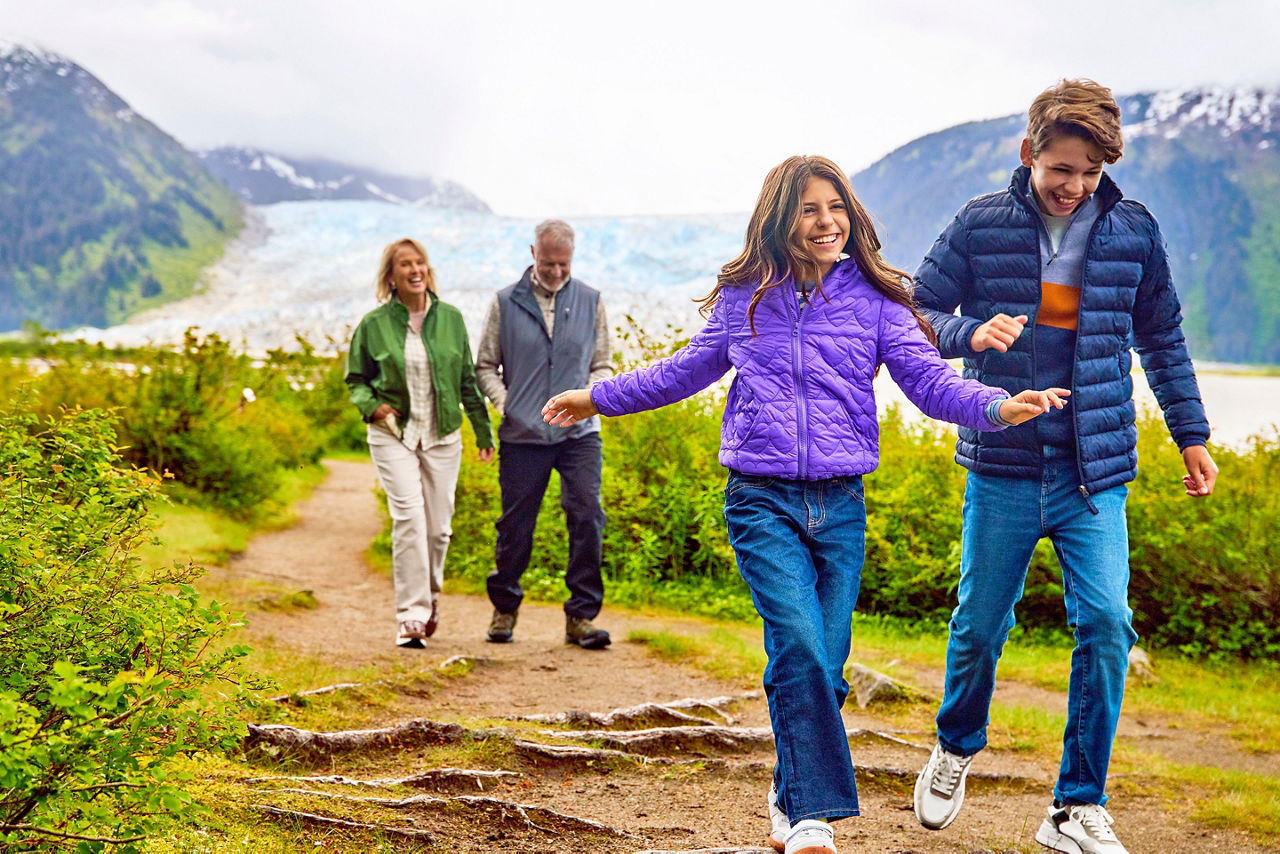
As one of Alaska’s largest tidewater glaciers, Taku Glacier stretches impressively across the Juneau Icefield in deep blue crevasses, winding moraines and endless snowfields. Known in the Tlingit language as “fierce wind,” Taku’s massive river of ice has fascinated scientists for decades because of its continued advancing while many nearby glaciers have shrunk in comparison.
Summer offers optimal temperatures and conditions to visit Taku Glacier with flights, chopper rides and cruises — where you might spot an array of wildlife like bald eagles, seals and bears along the shoreline. After arriving in Juneau, pair your glacier adventure with delicious salmon dinners, kayaking in the surrounding Taku and Norris lakes or hiking to the nearby rainforests.
7. Portage Glacier In Anchorage
Even with its gradual land termination since the early 19th century, Portage Glacier is still a remarkable sight at 6 miles. It’s situated at the edge of Portage Lake, with visitors flocking regularly to the area.
An easy day trip from Anchorage’s cruise port in Whittier, Portage Glacier floats serenely above glassy waters. Jump on an Alaskan glacier cruise to Portage during the summer for never-ending views of its pale blue ice, framed by coastal cliffs and misted peaks.
Many visitors also combine stops at the Alaska Wildlife Conservation Center when they explore Portage Glacier, giving them a deeper connection to this region’s unique ecology and rich ancestry.
Other Glaciers in the Region:
- ● Byron Glacier.
- ● Spencer Glacier.
- ● Middle Glacier.
- ● Explorer Glacier.
8. Matanuska Glacier In Anchorage
Located just two hours from Anchorage in the quaint town of Glacier View, Matanuska Glacier is the largest one in the U.S, boasting 27 miles of ancient ice.
Choose from helicopter landings to guided ice treks in the winter, where you can crunch across turquoise crevasses under a sky so clear it barely seems real. Once you get over the trepidation — which is understandable given that you’re trekking across a massive sheet of ice — being on top of Matanuska Glacier feels like something you could do every day — especially in summer when the mosquitoes can’t bug you!
Once you’ve experienced the difference between a Matanuska Glacier tour on foot and a thrilling glacier landing by chopper, also consider a scenic ship ride to the calmer waters surrounding Glacier Bay National Park. Here, the landscape yields to sprawling waterways and large tidewater glaciers calving into the sea, framing massive ice formations in an unmissable display of nature’s serene power.
9. Hubbard Glacier In Yakutat
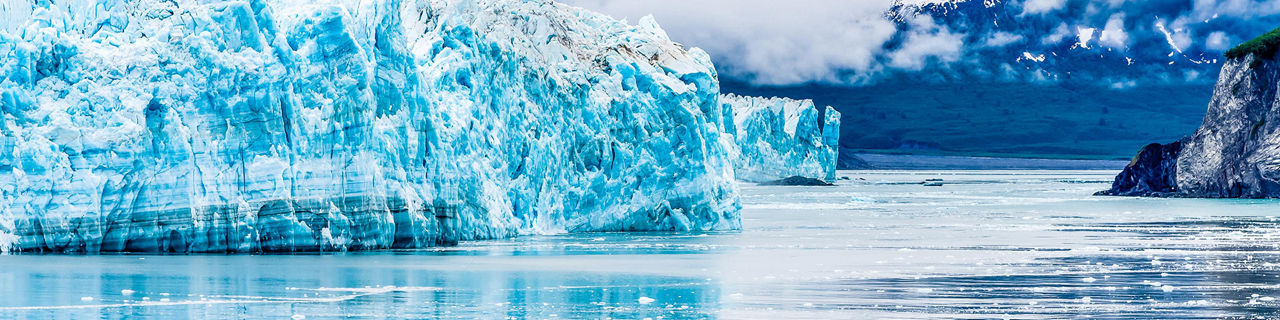
One of Alaska’s largest tidewater glaciers, Hubbard Glacier towers 350 feet above the sea, its mighty columns advancing forward and briefly blocking Russel Fjord’s outlet to create the unique dam of “Russell Lake” in the 1980s.
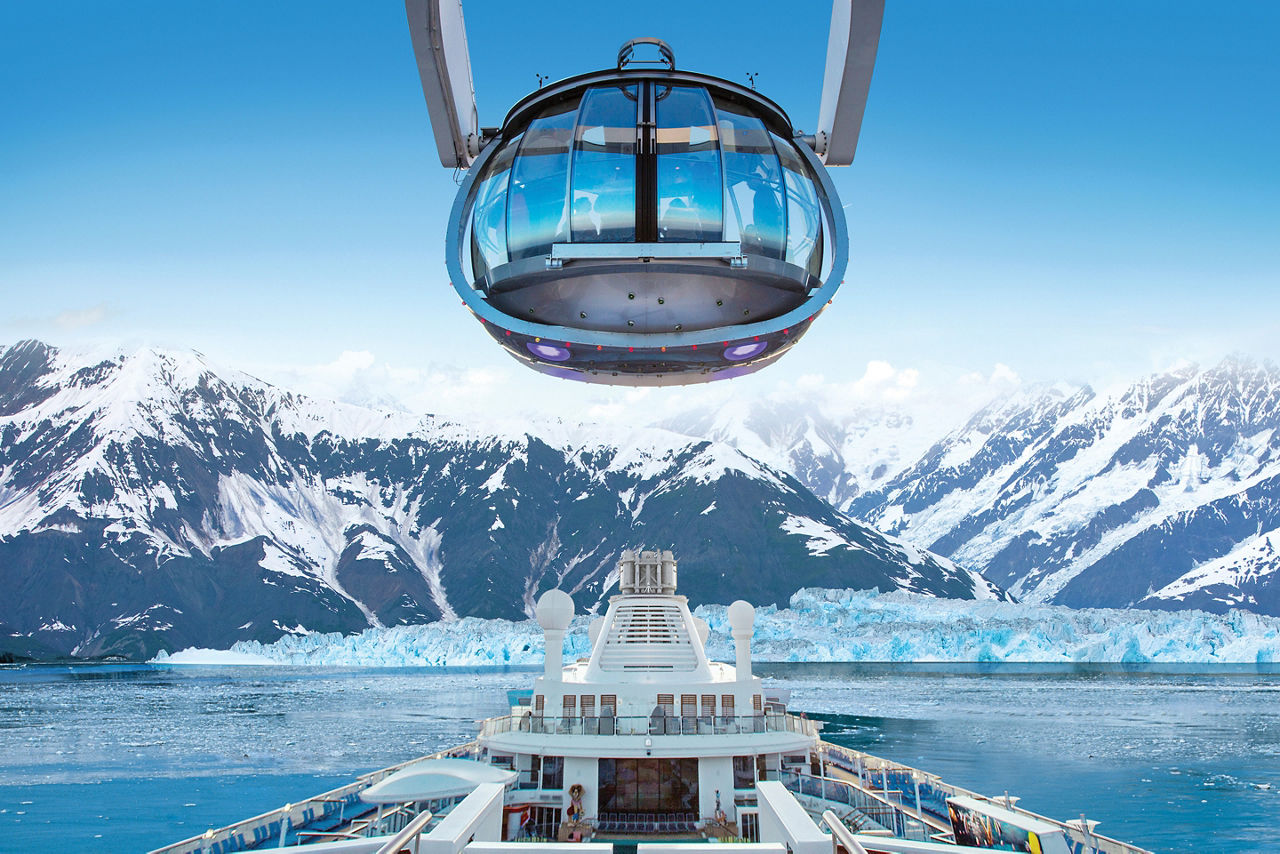
If you happen to be cruising on the water in Southeast Alaska, you might even catch a glimpse of Hubbard towering above the waves, too. Cruise ships often go through Yakutat Bay between May and October, where you can watch its ice walls calve into the water — a sound that’s felt in your chest before it reaches your ears.
10. Columbia Glacier In Prince William Sound
Flowing into the Prince William Sound through the Chugach Mountains, Columbia Glacier is one of Alaska’s most dramatic tidewater glaciers. Since the 1980s, it has retreated more than 12 miles, reshaping the fjord with floating icebergs and magnificent walls of fractured blue ice.
Summer brings the clearest conditions for sightseeing and wildlife spotting around Columbia Bay, where seals, whales and seabirds thrive. You can also enjoy other activities like kayaking or scenic coastal excursions through Prince William Sound’s glacier-carved waterways.
Best Types Of Glacier Tours In Alaska
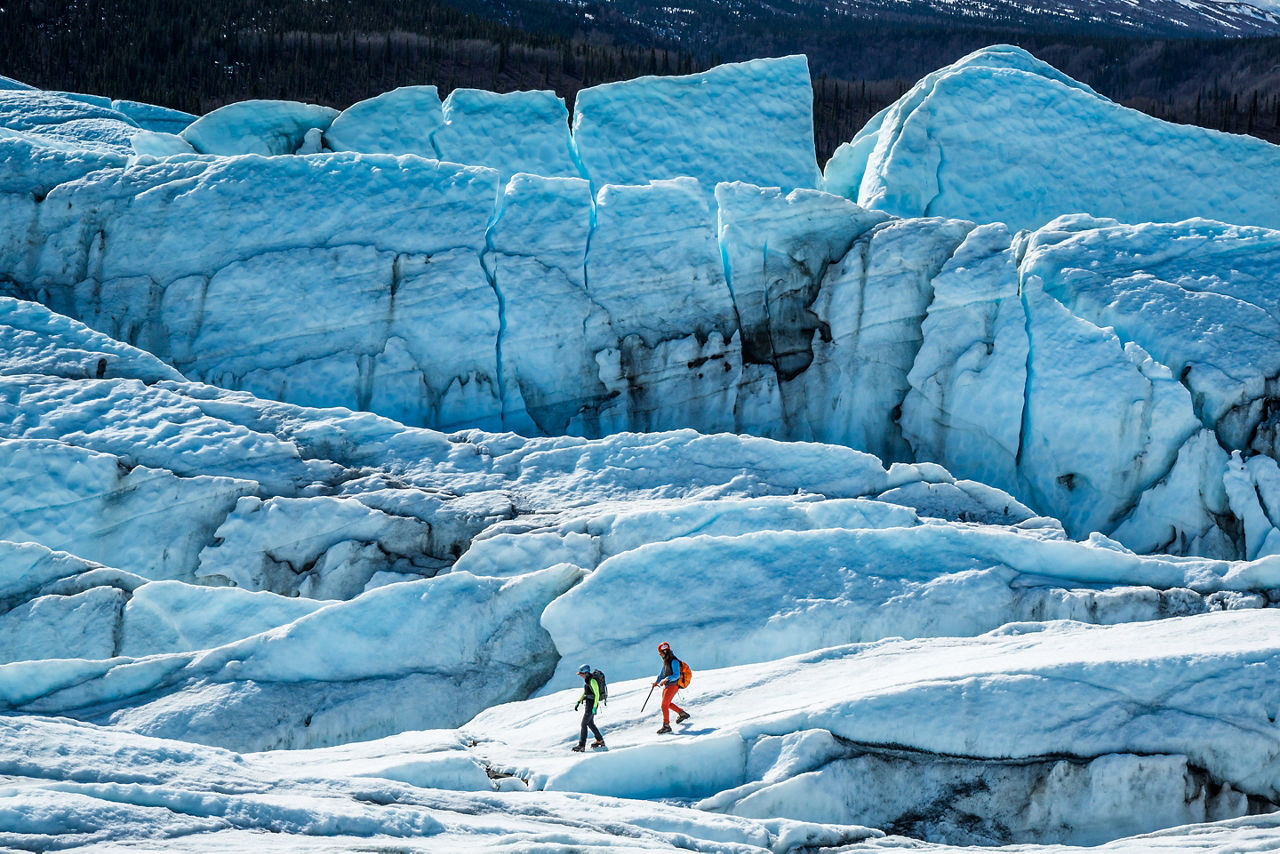
Each journey, whether trekking across the rugged landscape of Matanuska Glacier or exploring Glacier Bay National Park, reminds you of the fleeting magic that only this breathtaking place can offer.
Here are some of the best Alaska glacier tours you can savor for years to come.
Trekking On Foot
The best Alaska glacier is whichever one you happen to be trekking on. The feeling of walking on ice is surreal but thrilling and humbling. Not all of these ancient ice sheets will be around forever, maybe not even for the rest of our lives.
As you descend, you can witness the meltwater dripping off the ice as you near the rocky path that leads you to the glacier. There's no limit to the emotions and sensations you can feel, to the colors and textures of the earth you can experience while trekking to visit a glacier in Alaska up close.
Driving By Car
Booking A Kayak Or Ship Tour
Jumping on a kayak or ship makes for one of the best glacier tours in Alaska. These watery trips offer an intimate glimpse of the towering glaciers from the sea. If you’re lucky, you might even see a whale and other wildlife while you’re at it.
Booking A Helicopter Tour
Helicopter tours of Alaskan glaciers are available, which allow you to skip the rockier, less wintry portions of the icefall and get directly to the glacier itself. They also allow you to conserve some of your energy and feel more relaxed when you arrive.
"It's jarring in a good way," my guide explained when I asked him what it was like accessing a glacier via chopper rather than on your own two feet. Opting for an Alaska helicopter tour can lead to a spectacular glacier landing, making it an unforgettable way to witness the vastness of the ice from above.
Since I love photography, my guide also explained that I might enjoy a helicopter tour for the opportunity to get aerial views of different glaciers, whose sizes are only apparent when you can see the whole thing from the air.
What To Know Before You Go To Alaska
When Is The Best Month To Take An Alaskan Glacier Tour?
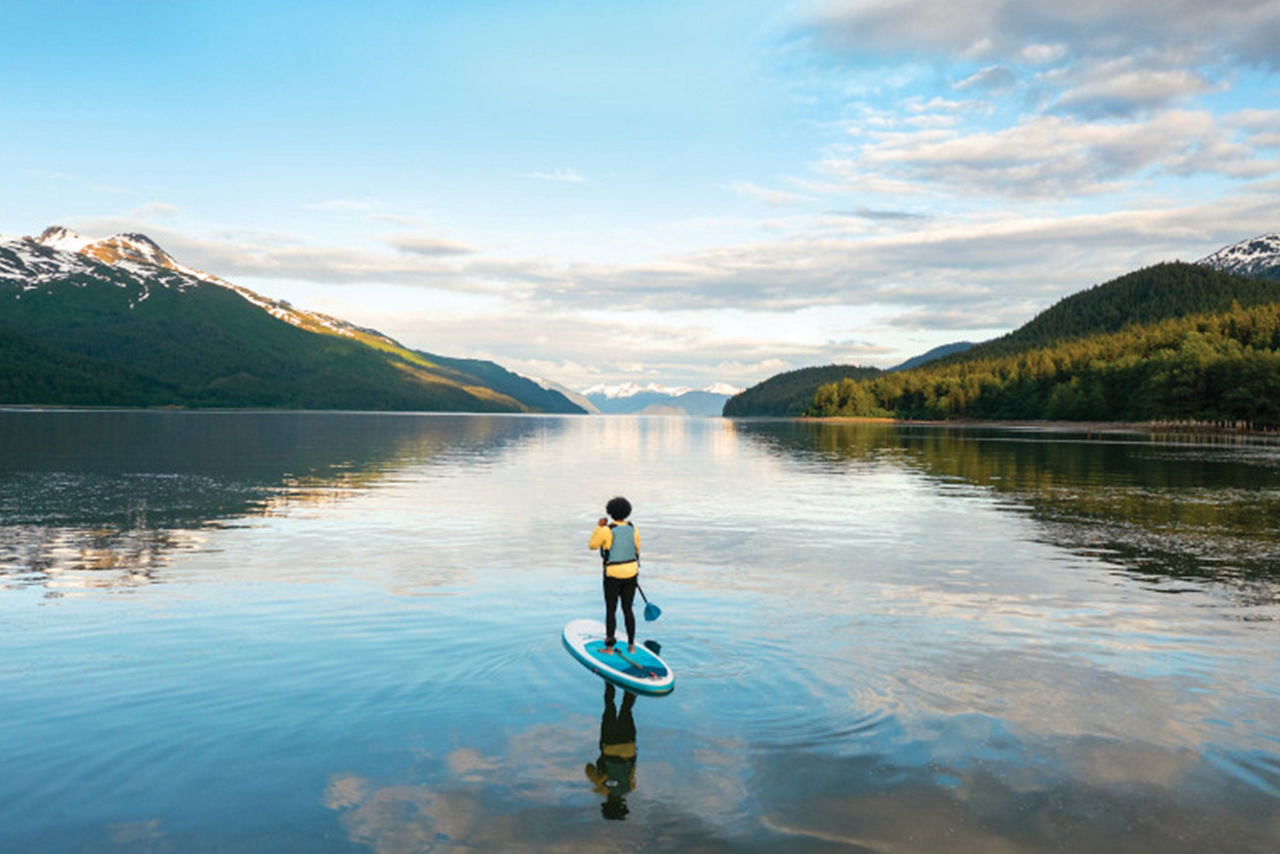
The best time to take a glacier tour in Alaska is during the warm season, between late May and early September. The beginning of the trailheads will seem lush and temperate — on some days, even a bit warm.
The summer months also make the trip ideal for spotting wildlife, as it’s more active then. Sometimes, travelers choose to visit Alaskan wildlife conservation centers on the way, adding to the unique sense of exploration before embarking on a thrilling glacier view.
Do Alaska’s Glaciers Change Between Summer And Winter?
Alaska’s glaciers can change between summer and winter due to the climate.
Before I took my trek, I feared the glacier would have shrunk past the point where it seemed less majestic. While this might be true if you look at it from a distant perspective, it wasn't the case up close.
No matter which glacier in Alaska you visit, you're bound to be amazed by its immensity. Matanuska Glacier, for example, is smaller in summer than its 27-by-4-mile footprint in the depths of winter, but it's still breathtakingly large.
What Should You Wear On A Glacier Hike In Alaska?
One surprising thing about glacier hikes in Alaska, whether you visit Matanuska from Anchorage or Kennicott Glacier farther east past Valdez, is how dramatically the weather changes moments before you reach the ice.
Glacier hikes in Alaska can get humid, so follow the tour company's advice and wear quick-drying, waterproof clothing. If the sweat I worked up getting to the glacier had stayed on my skin and in my clothes, the chill I felt when the landscape turned to tundra might've been debilitating instead of exhilarating.
Some of my fellow travelers also remembered to pack a change of clothes when visiting Alaska — a piece of advice I did not heed but wish I had!
What Are Some Safety Tips For Glacier Trekking In Alaska?
Safety is a priority on Alaska glacier tours. I don't want to think about what would've happened had I scaled Matanuska Glacier unprepared. Like members of my group remembered to do, it’s a good idea to bring:
- ● Hiking poles: They’re great for physical stabilization, even helping you get over the mental block of walking on ice.
- ● Helmets: If you fall or a piece of ice breaks off and falls on you, wearing a helmet protects your head so much more. Plus, it provides an extra layer of protection against the sun.
- ● SPF-50 sunscreen: Wisps of clouds frequently block out the full brunt of the sun, but glaciers (like most light-colored things) reflect the sun's rays, so wearing sunscreen is important for protecting your exposed skin.
- ● Sunglasses: The term "snowblind" applies to ice as well! Wearing sunglasses can protect your eyes against the sun’s rays hitting you from the sky and the ground.
Related Articles
Best Cruise Ship for Alaska: Which is Right for You?
READ MORE
Best Things to Do in Skagway, Alaska: A Cruise Port Guide
READ MORE

Alaska Cruise Packing List: Complete Guide and Essentials
READ MORE