Alaska Traditions, Native Culture and Holidays
Celebrate Alaskan Culture on Your Cruise
By Robert Schrader | Published: September 29, 2023 | Updated: June 9, 2026
America's 49th state is worth visiting simply for its jaw-dropping beauty — though, you'll quickly find that Alaska traditions help to seal the deal on why it's a place you just have to experience. This is true when you come in the summer and camp or barbecue under the midnight sun, or you visit in winter when the professional sled dog race zooms through the countryside.
Discover the Alaska traditions that make this such a special vacation destination.
Key Takeaways
- ● Alaska’s traditions are deeply shaped by its natural environment — from summer solstice celebrations under 24-hour daylight to winter sled dog races in the snow.
- ● Native culture plays a central role, with vibrant festivals, traditional clothing and art that carry generations of history and storytelling.
- ● Seasonal holidays like Alaska Day, Seward’s Day and Alaska Native Heritage Month highlight the state’s unique identity and complex history.
- ● Local customs such as the Nenana Ice Classic or the Alaska Permanent Fund Dividend reflect the resourcefulness and community spirit of Alaskans.
- ● Exploring famous landmarks like Denali or joining in backyard barbecues under the midnight sun, visitors can immerse themselves in both everyday life and extraordinary cultural moments.
- ● Explore Alaska cruises today!
Alaska Traditions During the Midnight Sun
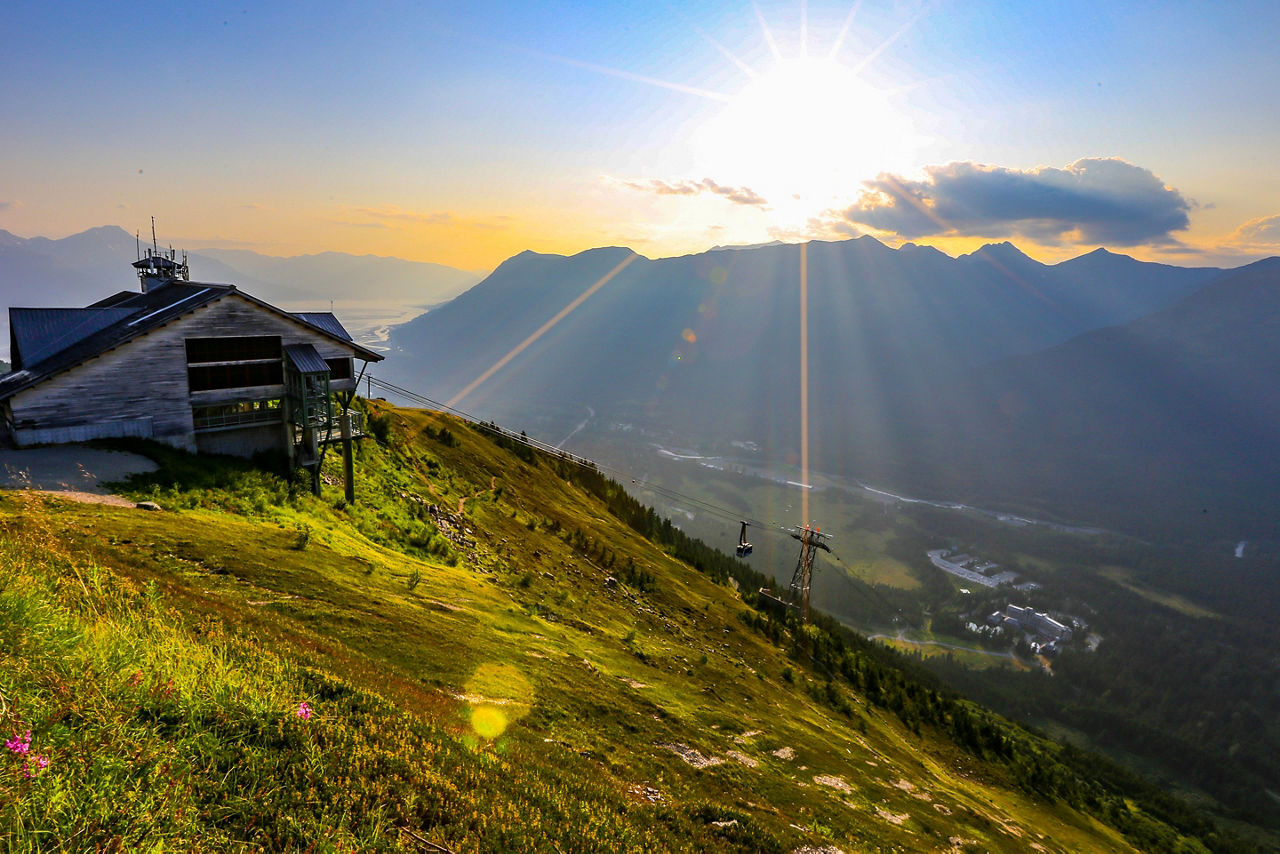
As has often been the case throughout the world, some of Alaska's cultural traditions have evolved in response to its natural circumstances. For example, during the summertime, the state's northerly latitude means it experiences very long days and very short nights, with cities and villages north of the Arctic Circle experiencing 24 hours of sunshine. Not surprisingly, Alaskan natives have long taken advantage of this midnight sun, which is now integral to many of their most important cultural celebrations.
Unofficial Family and Friends Celebrations
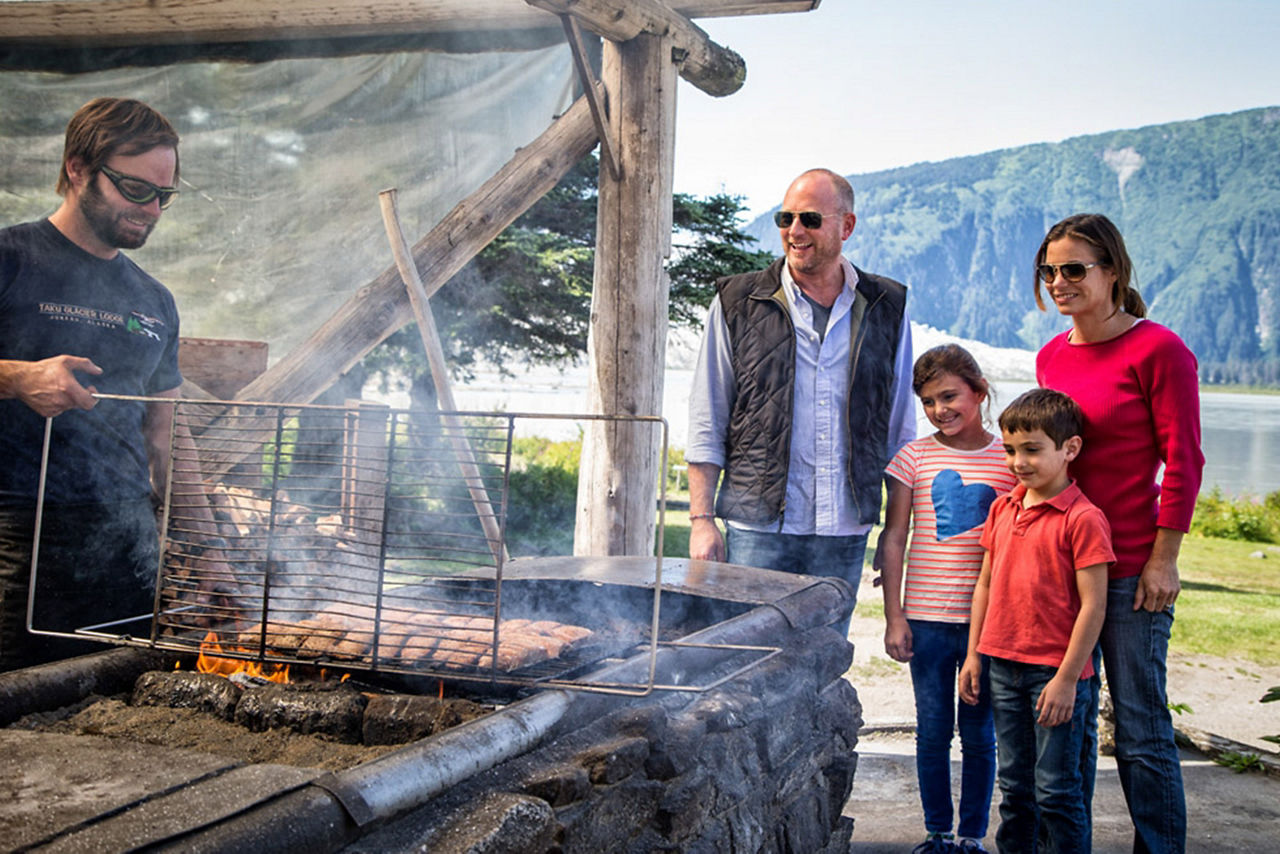
Many such celebrations, of course, are within families or groups of friends and don't have any official recognition. Think late-night hikes or a camping trip that turns into an all-night celebration because it never really gets dark enough to sleep. Another all-night tradition? Fishing trips that last until the morning. Although it's fun, this one isn't the slam-dunk you might think it is. Since fish are as sensitive to the extra light as humans are, they aren't sitting ducks! Other Alaskans stay closer to home, barbecuing in their backyards well past their typical bedtimes.
Indigenous Cultural Traditions in Juneau

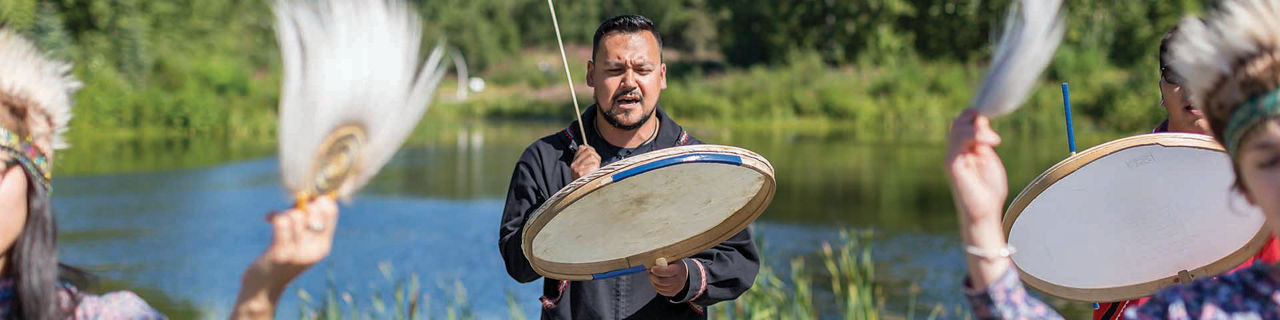
Other traditions lean more heavily on Alaskan native culture. In Juneau, Alaska's state capital, members of the Haida, Tlingit and Tsimshian communities take to the streets every other June for the aptly named "Celebration."
This festival, which is among the most interesting in Alaska, sees participants wearing typical costumes of their peoples and performing generations-old songs and dances. If you're lucky enough to attend, you'll have the opportunity not only to enjoy performances but to sample foods and purchase handicrafts that might be difficult to find on your own as a traveler.
Dreaming of experiencing the Alaska summer solstice? While the entire warm season is a time of jubilance in Alaska, there is a formal summer solstice celebration that’s great for the whole family.
The Midnight Sun Festival in Fairbanks
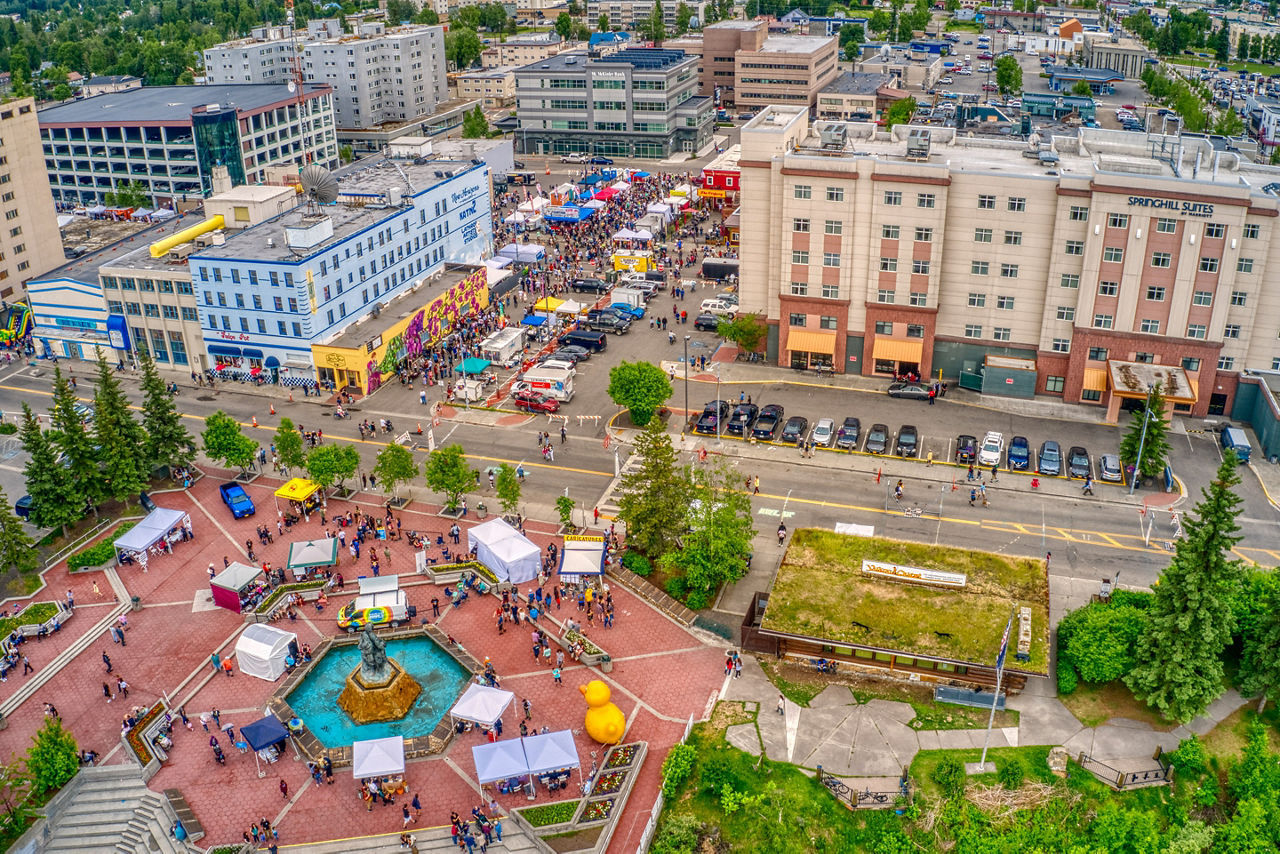
For some Alaskans, this simply entails making a point of taking part in summer traditions outdoors and in their own backyards on June 21, when even southern parts of the state enjoy around 22 hours of daylight. In larger cities, you may be able to partake in street festivals. For example, in Fairbanks — the main gateway to Denali National Park — the Midnight Sun Festival takes place every year on the Sunday closest to the solstice, when the city basks in light for 24 full hours.
Alaska's Top Winter Traditions
Sled Dog Races
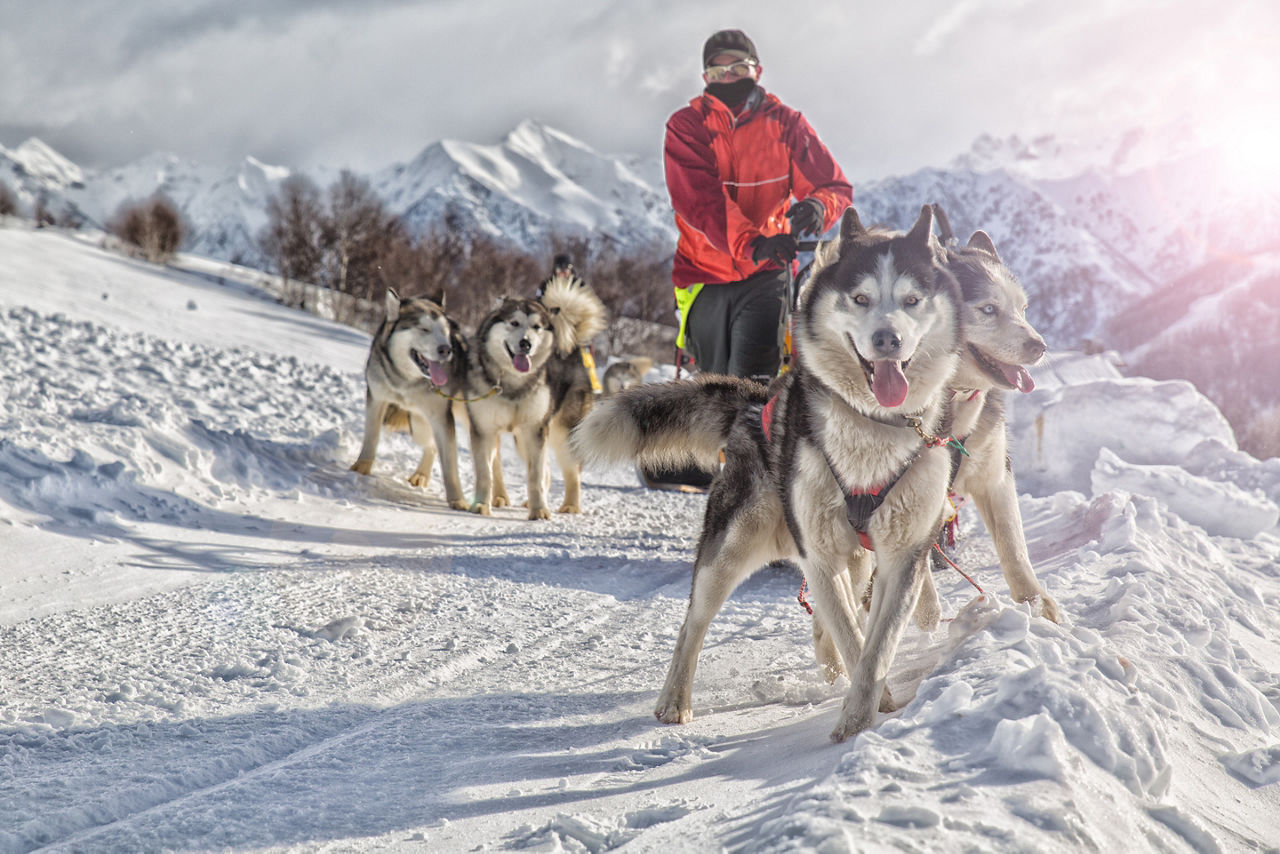
When it comes to cold-weather customs in Alaska, sled dog racing is one of the most recognized aspects of Alaskan culture. One fact that surprises many non-Alaskans is that the race actually takes place in early March during the late part of winter. However, it's still quite cold along the route — which leads from Anchorage to Nome in Alaska's far north.
The 10-day race, which originally lasted for 20 days when it began in 1973, started not only as a celebration of Alaska's sled dog tradition, but also as a way to keep the tradition alive as snowmobiles became widely used. Even the husky itself was in danger of dying off. As cute as they are, they've always served a utilitarian purpose in the history of Alaska. With that gone, it was unclear as to whether local people would still breed them.
Appropriately, organizers and participants have taken measures in recent years to make sure the dogs who participate receive the most humane treatment. In addition to the fact that only dogs in peak physical condition are allowed to race, they receive top-of-the-line training that would make most professional athletes jealous. They eat nutritious food and get plenty of sleep at night, and while they're expected to perform at a certain level, they are never subjected to abuse or mistreatment. Any instance of poor treatment results in severe punishment for the offending party. Once the race is finished, the dogs (winners and losers alike) enjoy some much-needed R&R and get plenty of love and affection all 365 days of the year!
Nenana Ice Classic
A lesser-known but equally interesting winter tradition is the Nenana Ice Classic, which — as its name suggests — takes place in Nenana, a small city in the center of the state. Every year since 1906, locals (and eventually, people throughout the state) have placed bets on which date the ice of the Tanana River will start to break.
While the methods for determining precisely when this happens have become increasingly complex and precise over the years, the basic idea has not changed: The people who guess the correct date win big! The prize can be significant, with more than $300,000 paid out in one year.
While November is not technically a winter month, it is extremely cold in much of Alaska. As a result, the fact that it's been designated as the state's annual Alaska Native Heritage Month is relevant. Some communities have festivals or other performances, while the local media often takes the opportunity to tell stories about important individuals or families that might otherwise go unnoticed at other times of the year.
Honoring Alaska's History
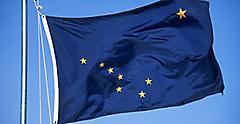
Although many non-Alaskan Americans know the U.S. purchased Alaska from Russia during the 19th century, few understand how important this remains to the modern people of Alaska. In fact, many of Alaska's state holidays commemorate this event, without which the state literally wouldn't exist as you know it. If your cruise (or other travel to Alaska) happens to take place concurrently with one of them, you'll have a unique opportunity to grasp the significance of Alaska's birth for yourself.
Alaska Day
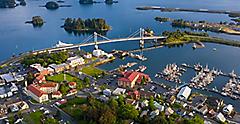
The most well-known of these holidays, not surprisingly, is called Alaska Day. It takes place every year on October 18, which was the date in 1867 when the U.S. Senate finalized the transfer of Alaska to the U.S. from what was then known as the Russian Empire. Although it's observed everywhere throughout the state, the official celebration takes place in the southern city of Sitka, where a parade marches through town and other pageantry, like flag raising, takes place. It's important to recognize that while many native Alaskans celebrate this holiday in the same ways non-natives do, many others protest it, since they view both Russia and the U.S. as having stolen the land from their ancestors.
Seward's Day
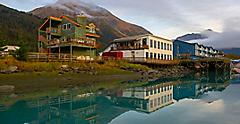
Seward's Day is one of the most important "official" Alaska traditions that takes place every year. Celebrated on March 30, this holiday simply celebrates the signing of the purchase order on the same day in 1867 by William H. Seward, the U.S. Secretary of State at the time (though this is not the date of the transfer of the land itself).
While it's not celebrated with as much fanfare as Alaska Day, it seems more important if you consider it in the context of the time. Many of Seward's contemporaries considered Alaska a frozen wasteland and accused him of wasting funds that could have been put to better use. Obviously, if you've ever been to Alaska and had a chance to participate in Alaskan traditions, you know that Seward had the last laugh!
Other Traditions of Alaskan Culture
So, what is Alaska famous for? Here are a few more interesting things in Alaska to celebrate on your next cruise:
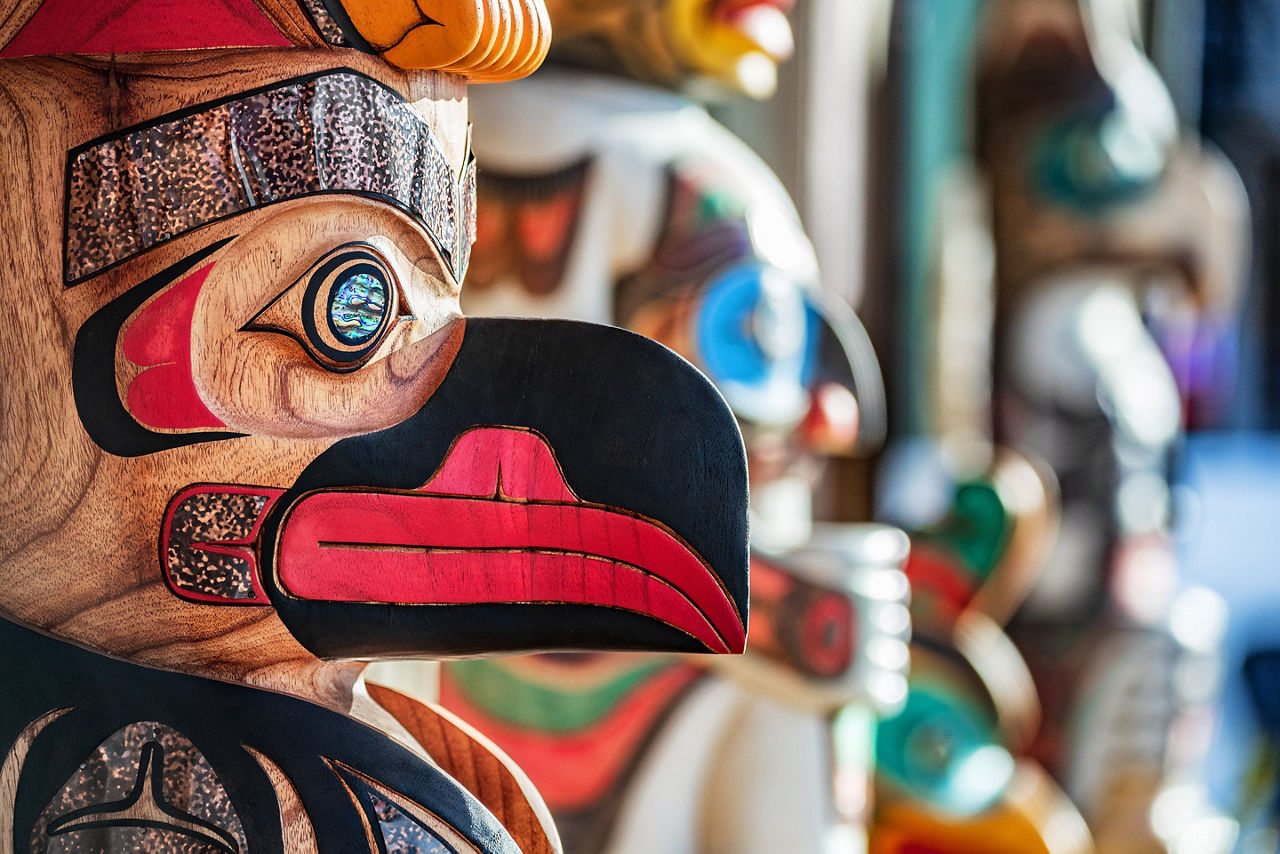
- ● Alaska Native art: A rich tradition among Alaska Natives that includes totem poles, ivory carvings, beadwork and woven baskets, each carrying cultural stories and spiritual meaning passed down through generations.
- ● Native Alaskan clothing: Parkas, mukluks and kuspuks made from animal hides, fur and natural fibers, designed for survival in harsh climates while also featuring colorful patterns and symbolic decorations.
- ● Famous landmarks in Alaska: Must-see destinations like Denali (North America’s tallest peak), Glacier Bay National Park with its massive tidewater glaciers and the Inside Passage, a scenic coastal route dotted with wildlife and Indigenous heritage sites.
- ● Storytelling, hunting and fishing: Time-honored practices that connect Alaskans to the land and their ancestors — from sharing legends around the fire to subsistence hunting and fishing that continue to sustain families and communities today.
Alaska’s Wealth
Have you ever heard the rumor that Alaska pays people to live there? Well, it's not a rumor — it's true! The Alaska Permanent Fund Dividend (PFD), as it's officially known, is what you might call a profit-sharing system. The state invests proceeds from its rich mineral and oil resources and evenly splits the proceeds among all of its citizens.
While in the past this was sometimes split into several payments per year, it's recently taken the form of a single lump sum. It isn't "free money," and the payment is taxable income, but it does greatly assist local Alaskans with their cost of living and has become an important cultural tradition as a result.
Now, while the concept of the PFD is pretty simple, some aspects of the implementation are a bit more complex. Most importantly, beneficiaries need to reside in Alaska for at least 180 days of each calendar year. So, if you really take a liking to the state after taking an Alaskan cruise, make sure you spend at least half your time there if you plan to apply for PFD payments.
For Alaskans who can legitimately draw on this benefit, the rules beyond that are pretty relaxed. They can spend it on almost anything they want — although, unsurprisingly, many use it to bring down the cost of daily necessities, particularly those that aren't locally grown or caught.
Like other distant parts of the U.S., many goods in Alaska are imported, which means their cost is significantly higher than what you're probably used to paying. This can really make a massive difference in the lives of Alaskan families.
This is especially true for many members of native Alaskan tribes, whose economic opportunities often ebb and flow according to the climate and other natural realities of the remote places they call home. Of course, it's not entirely accurate to say that the PFD has become a part of Alaska native culture. With this being said, the payments do help to level the playing field for people who, in spite of being the original owners of Alaska, have not always benefited from the wealth the land has generated, which has sometimes polluted that land in the process.
What Indigenous Tribes Are in Alaska?
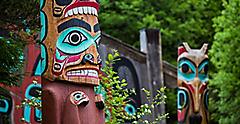
Alaska’s 229 federally recognized indigenous tribes hold deep ties to the rugged geography that shapes their ancient traditions.
- ● Southeast Alaska (Inside Passage): The Tlingit, Haida, Tsimshian and Eyak peoples dominate this rainy coastline. These tribes are known for their master woodcarvings and totem poles.
- ● Southcentral and Interior: The Athabascan and Alutiiq (Sugpiaq) navigate vast river valleys and coastlines, and they traditionally live nomadic, resource-driven lifestyles.
- ● Southwest Alaska: The Yup'ik, Cup'ik and seafaring Unangax̂ (Aleut) live along the brutal winds of the Bering Sea and Aleutian Islands.
- ● Northwest and Arctic: The coastal Iñupiaq and St. Lawrence Island Yupik communities expertly navigate the frozen north through ancient marine-mammal hunting.
Southeast itineraries are closer to the right in Tlingit and Haida territory. Or, if you’re cruising to Juneau or Ketchikan, you can find native-owned cultural centers to purchase authentic indigenous arts.
What Are the Most Popular Festivals in Alaska?
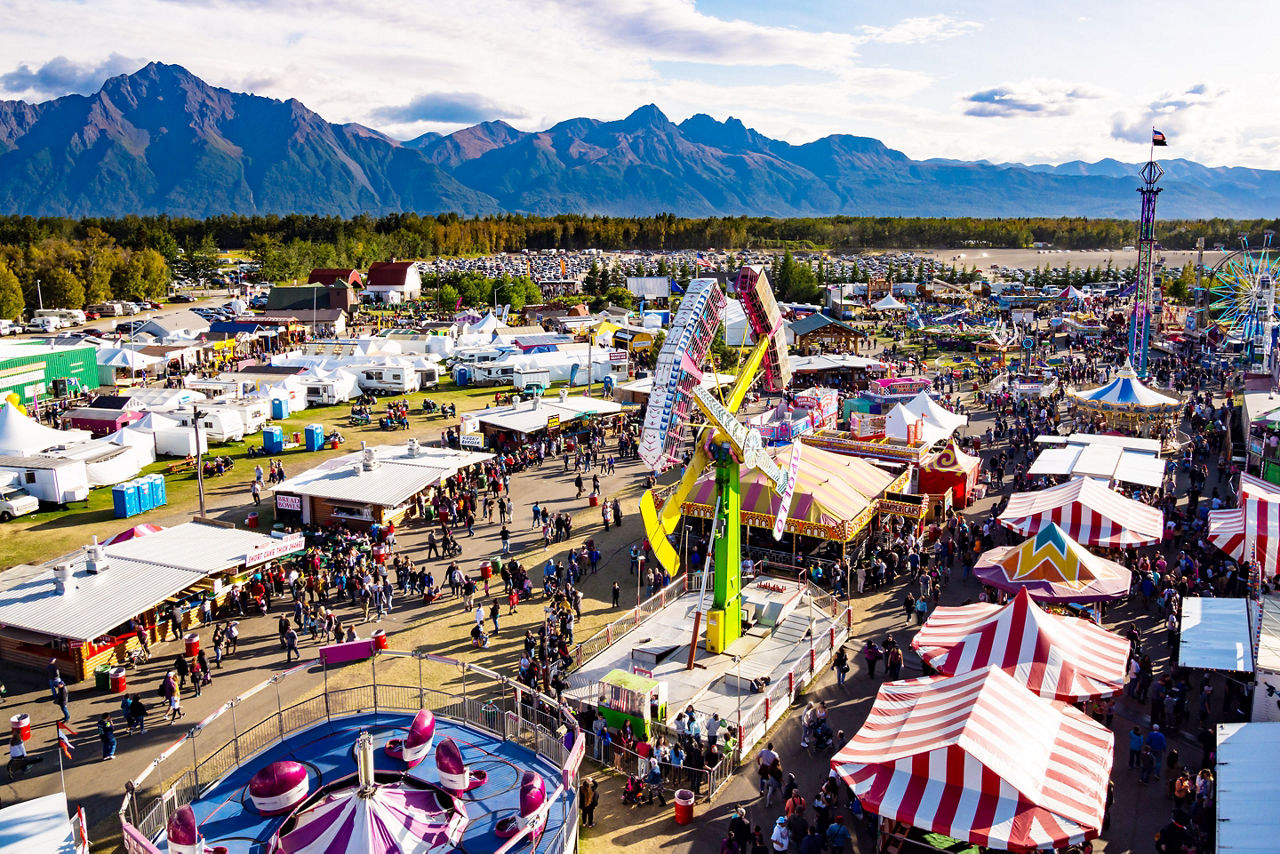
From fresh festivals that welcome in the spring to cozy autumn gatherings, Alaskans throw incredible, high-energy celebrations during seasonal shifts. Here are some of the celebrations you may be able to experience while you’re visiting:
- ● Kachemak Bay Shorebird Festival: Every May, coastal Homer welcomes thousands of migrating birds with guided beach walks and workshops.
- ● Midnight Sun Festival: Fairbanks throws a massive, 24-hour street party in June to celebrate peak solstice daylight.
- ● Girdwood Forest Fair: This is a summertime arts-and-music gathering hidden in the woods, bursting with eclectic food vendors and local mountain vibes each July.
- ● Alaska State Fair: In late summer in Palmer, the Alaska State Fair celebrates the state’s agricultural and artistic heritage, featuring record-breaking 100-pound cabbages grown under the endless summer sun.
- ● Sitka WhaleFest (Autumn): This cozy November marine science festival blends ocean conservation talks with incredible local whale watching.
You can catch plenty of these solstice festivals and forest fairs on cruises to Alaska between spring and autumn each year. Look out for land-based trips to Palmer or Fairbanks to experience the festivals firsthand.
Ready to Experience Alaska?
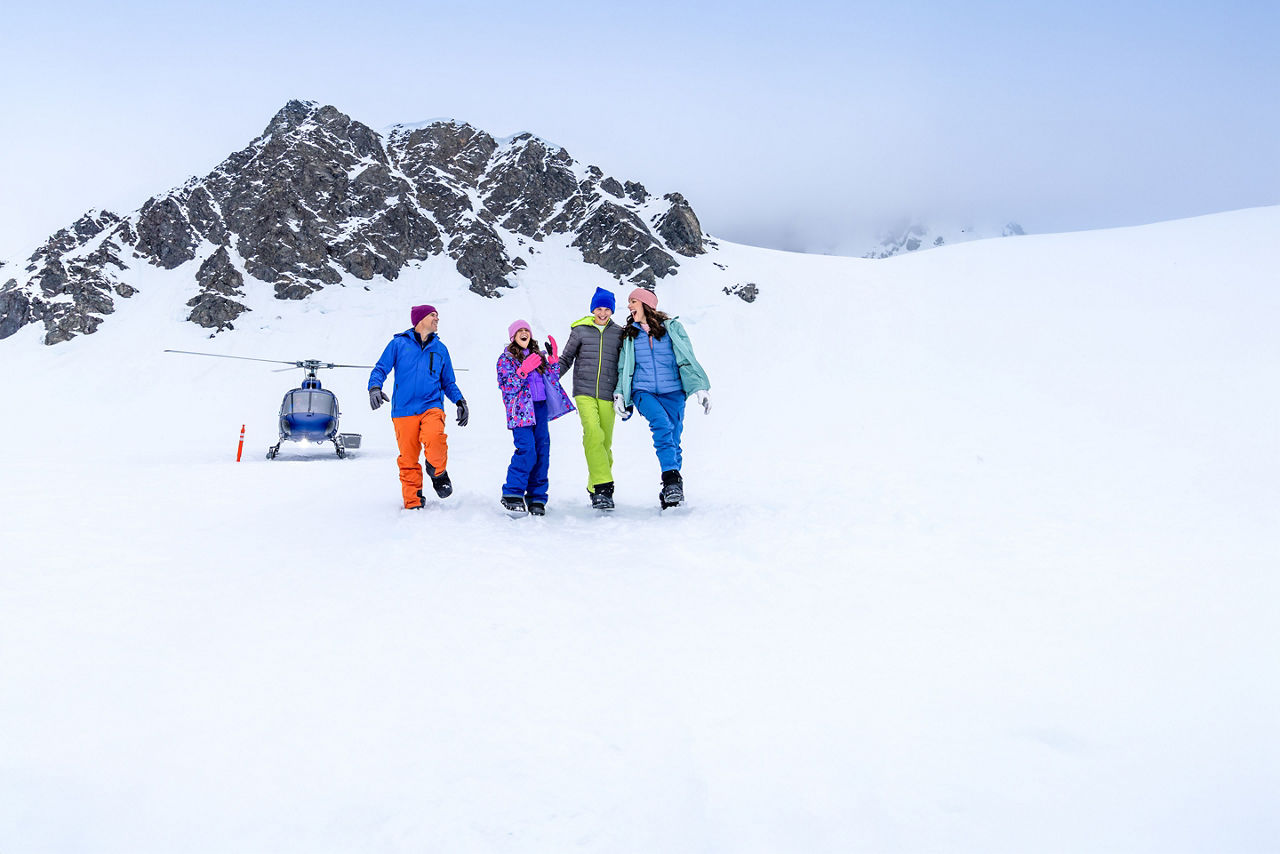
Alaska isn’t just about breathtaking landscapes — it’s a place where traditions, history and culture come alive year-round. If you’re dreaming of summer festivals, winter races or heritage celebrations, there’s no wrong season to visit Alaska.
Related Articles
Alaska Cruise Weather by Month: What to Expect Before You Sail
READ MORE
12 Best Family Vacation Ideas in Seward, Alaska
READ MORE
Alaska Cruise Comparison: Which Alaskan Cruise is Right for You?
READ MORE