7 Best Italian Food Cities
A mouthwatering tour through seven cities serving the best Italian food—from pasta and pizza to gelato and more.
By Adam H. Graham | Published on September 1, 2025
1. Genova (Genoa)
The gigantic port city in Italy's north is not as popular with tourists as other Italian cities, but anyone who has eaten their way through it — or in the surrounding Ligurian region that unfolds like a necklace along the Mediterranean — is sure to come back for seconds. For starters, Genoa is the birthplace of pesto, made with local pine nuts, locally grown and pressed DOP (Protected Designation of Origin) Taggiasca (Cailletier) olive oil, and DOP Genovese basil. It's worth a trip alone for some of the best Italian food you'll find. Genoa is also famed for its crunchy focaccia, available everywhere in the surrounding region — especially beloved in the town of Recco just 30 minutes away where a version is served with melted cheese and another with caramelized onions. Don't miss the bakeries in the Porto Antico, hawking crispy-edged farinata, a delicious local snack almost like a pancake made from chickpea flour.
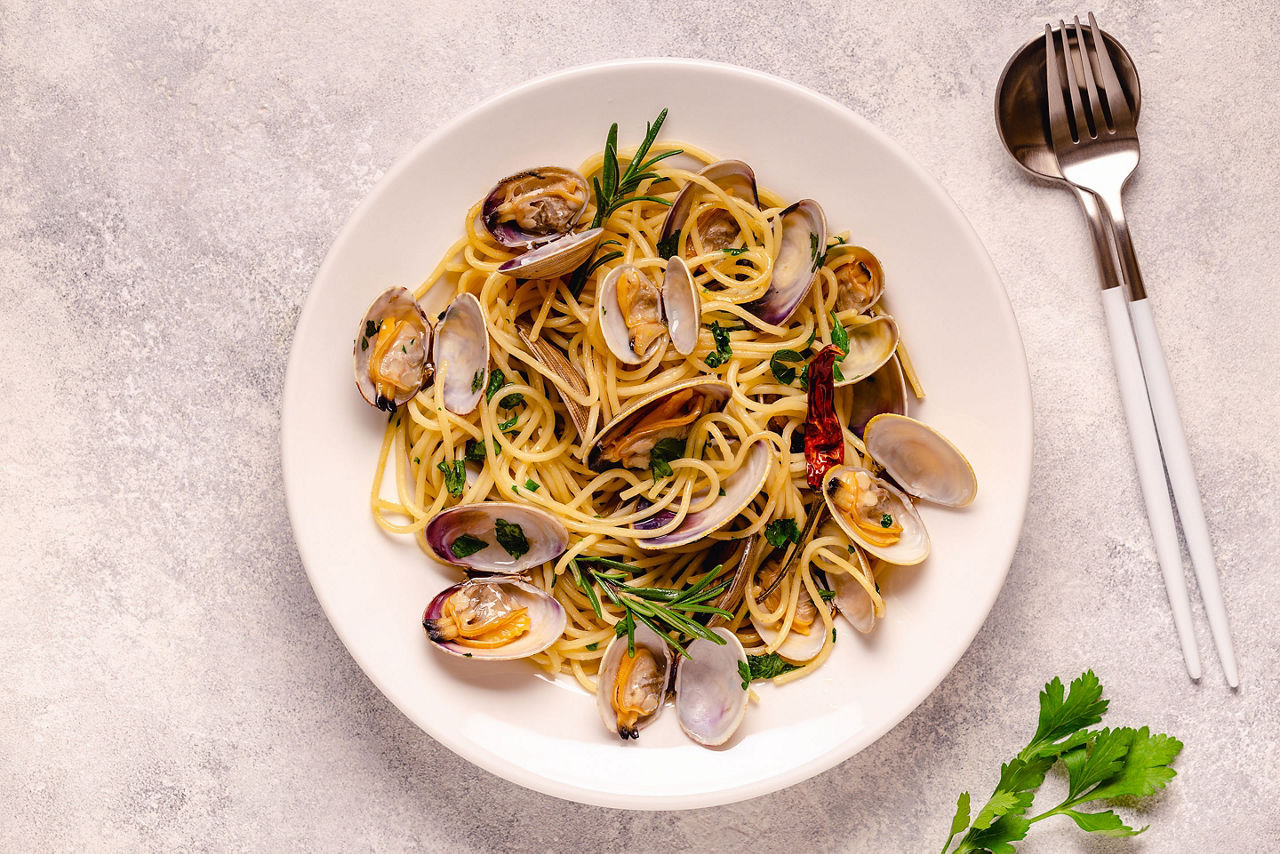
Other local Italian cuisines to watch out for include, cappon magro, Liguria's unique take on a seafood tower often topped with red shrimp and served with a green sauce, and pansotti with salsa di noci, an herb-stuffed pasta with a zesty walnut cream sauce. Genoa is also known for classics like fried anchovies, spaghetti alle vongole and fritto misto, best washed down with crisp Ligurian white wines, like pigato and vermentino.
2. Napoli (Naples)
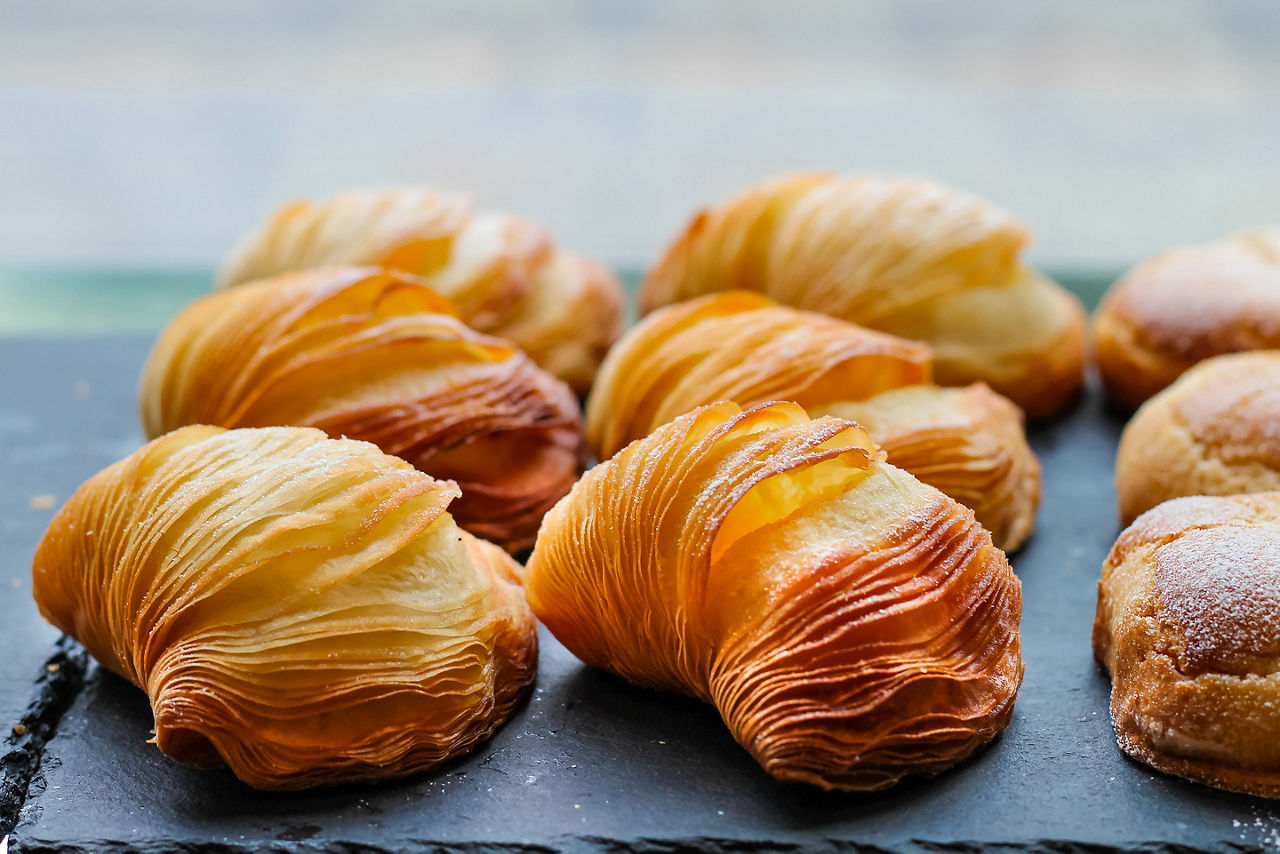
If you love pizza, you can’t miss Napoli. The city teems with pizzerias serving the iconic DOP-protected Neapolitan pizza made with San Marzano tomato sauce and mozzarella made from buffalo milk produced in the surrounding Campania region, cooked for only 90 seconds in an almost 900-degree wood-fired oven. The transformative pie is typically finished with a drizzle of extra virgin olive oil and a few fresh basil leaves. Don't come just for pizza. Those on an Italy food tour should be on the lookout for traditional Neapolitan dishes like spaghetti alla puttanesca, a savory sauce that varies from place to place; polpette, tender veal, pork and beef meatballs in a red sauce; plus vegetarian dishes like pasta e fagioli (pasta with beans), parmigiana di melanzane (eggplant parmesan) and pizza fritta, a delectable, molten-hot deep-fried pizza.
Don't skip dessert in Napoli, known for its espressi (the plural of espresso) and pastries, like booze-soaked rum baba; flaky sfogliatelle; zeppole di San Giuseppe, filled with custard and topped with a black cherry; and elegant delizia al limone, cream-filled sponge cakes made from Amalfi lemons plucked just down the coast. Bear in mind the Italian dessert rule: Espresso comes after dessert, never before or during. Limoncello, grappa and other digestivos will come at the very end of the meal — if you still have space!
3. Roma (Rome)
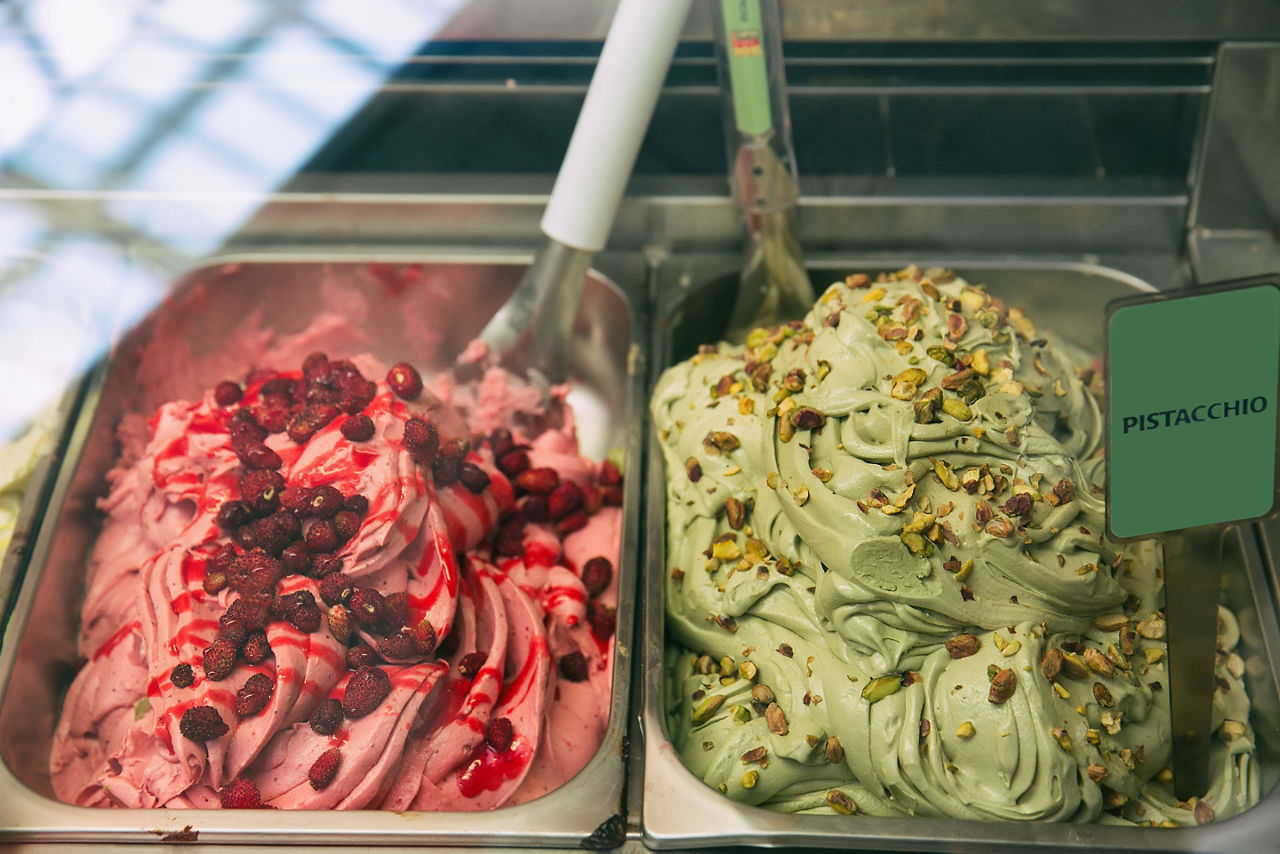
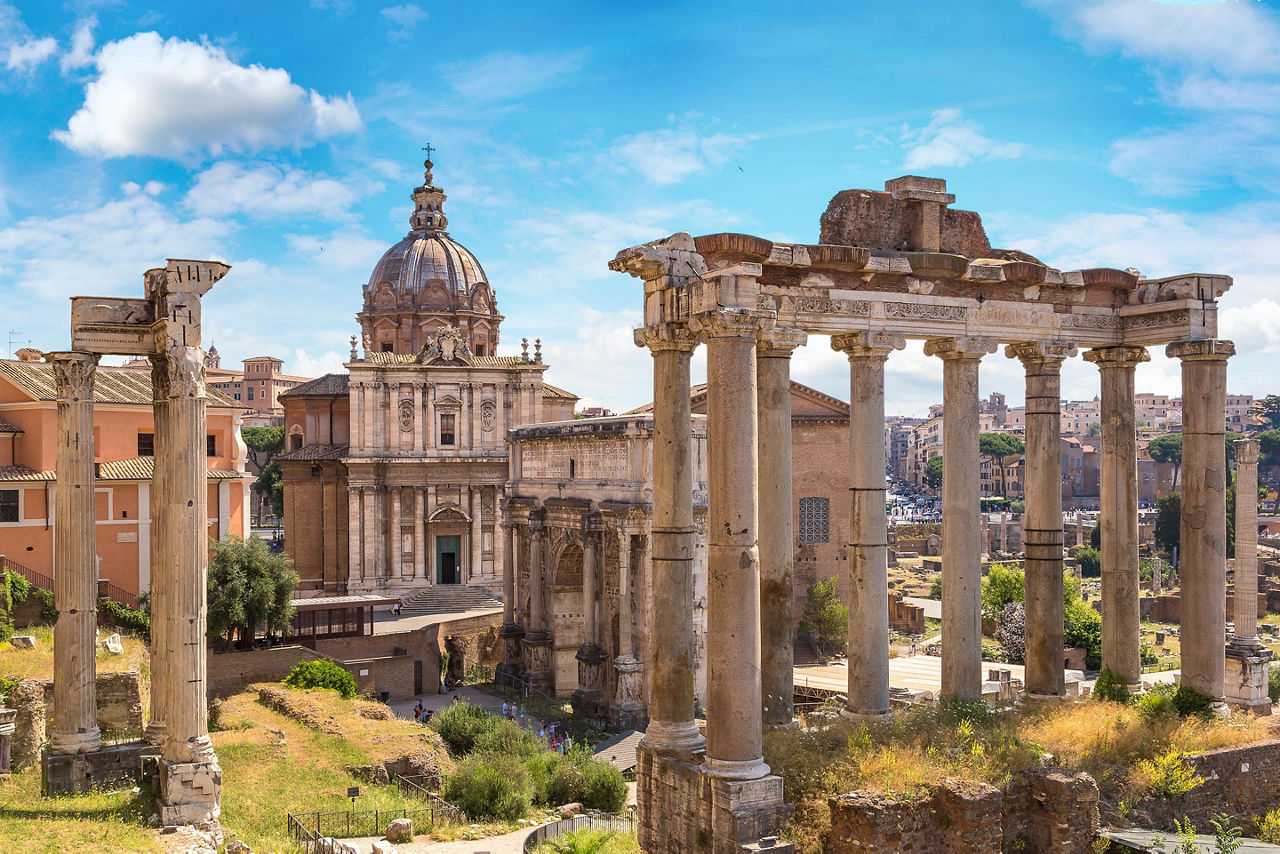
For many, Roman food is Italian food, and Rome is one of the best places to go in Italy for great meal, with pasta and gelato scoring high among visitors and locals alike. But the city and the surrounding Lazio region have their own brand of deliziosa. That said, no trip to Roma is complete without forking into one of its big four pastas. They include the creamy, cheesy, peppery cacio e pepe; smoky, porky amatriciana made with bucatini pasta, tomatoes, guanciale and pecorino romano cheese; spaghetti carbonara with egg yolk, fatty cured pork, hard cheese; and pasta alla gricia with pecorino and guanciale. When it comes to Roman cuisine, that's just the tip of the iceberg. Don't miss the city's beloved and expertly prepared produce like artichokes, fragrant and crunchy fried squash blossoms, and dishes like saltimbocca, veal wrapped in prosciutto and sage, or gnocchi alla Romana, made of semolina, served in a rich Parmesan sauce and often served on Thursdays.
When it comes to sweets, Roma delivers la dolce vita in double doses. Maritozzo donuts teem with copious amounts of whipped cream and are dusted in powdered sugar. Tiramisu, which originally comes from Venice — making it a top contender for traditional Italian food — earned its place in Rome with a uniquely rustic update, swapping out ladyfingers for sweetened bread. For gelato lovers, Rome can cause a crisis: There are so many gelaterias to choose from. Look for artisanal gelaterias serving a mix of traditional flavors like amarena (sour cherry) and zabaglione (eggnog) alongside seasonal flavors like pine nut, chestnut honey, and fig and ricotta. Tip: To find artisanal gelato, choose vendors whose pistachio gelato is avocado green and steer away from places hawking Nutella or blue gelato. Chances are they use synthetic ingredients.
4. Firenze (Florence)
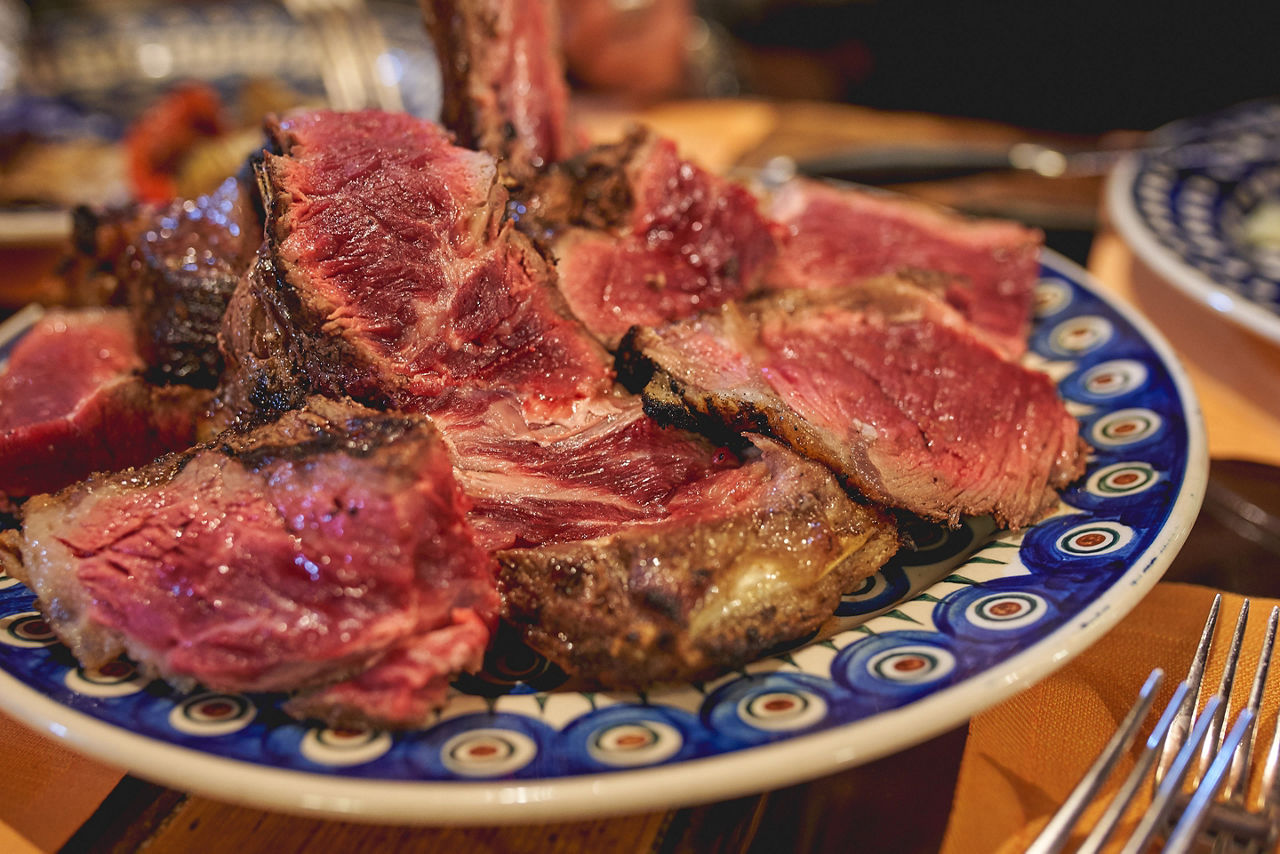
Tuscan food is not like the rest of Italy's — but that doesn't mean you won't find the Italian cuisine you're searching for. Sure it has great pasta, pizza and gelato, and many other foods we associate with Italy, but it's iconic for bistecca alla Fiorentina, the classic Italian steak sourced from Chianina cattle, cooked bone-in on a charcoal grill and served rare unless specified otherwise. It pairs especially well with Tuscany's prized Sangiovese-based red wines like Chianti and Brunello di Montalcino.
Tuscan and Florence cuisine is also surprisingly vegetable-forward, attesting to Tuscany's agricultural heritage. Vegetarian dishes include ribollita, a soup made with the region's famously unsalted Tuscan bread, cannellini beans, kale, cabbage, carrots and onions. Panzanella is a chopped salad of soaked stale bread, onions and tomatoes and is especially popular in the summer. Pasta is not considered a typical Tuscan food, but the ones they do have go big: pici is thick, hand-rolled pasta, like a fat rustic spaghetti that soaks up whatever you sauce it with, traditionally a garlicky tomato sauce but also delicious with truffles; pappardelle are large broad pasta ribbons, often served with game meat sauces like wild boar. Tuscan desserts seldom allow for overindulgence. Case in point, cantucci — dried and twice-baked biscotti, known for being hard to bite on its own. Fortunately, they're served with a fragrant sweet dessert wine called vin santo to dip into, making for a sweeter finish.
5. Palermo
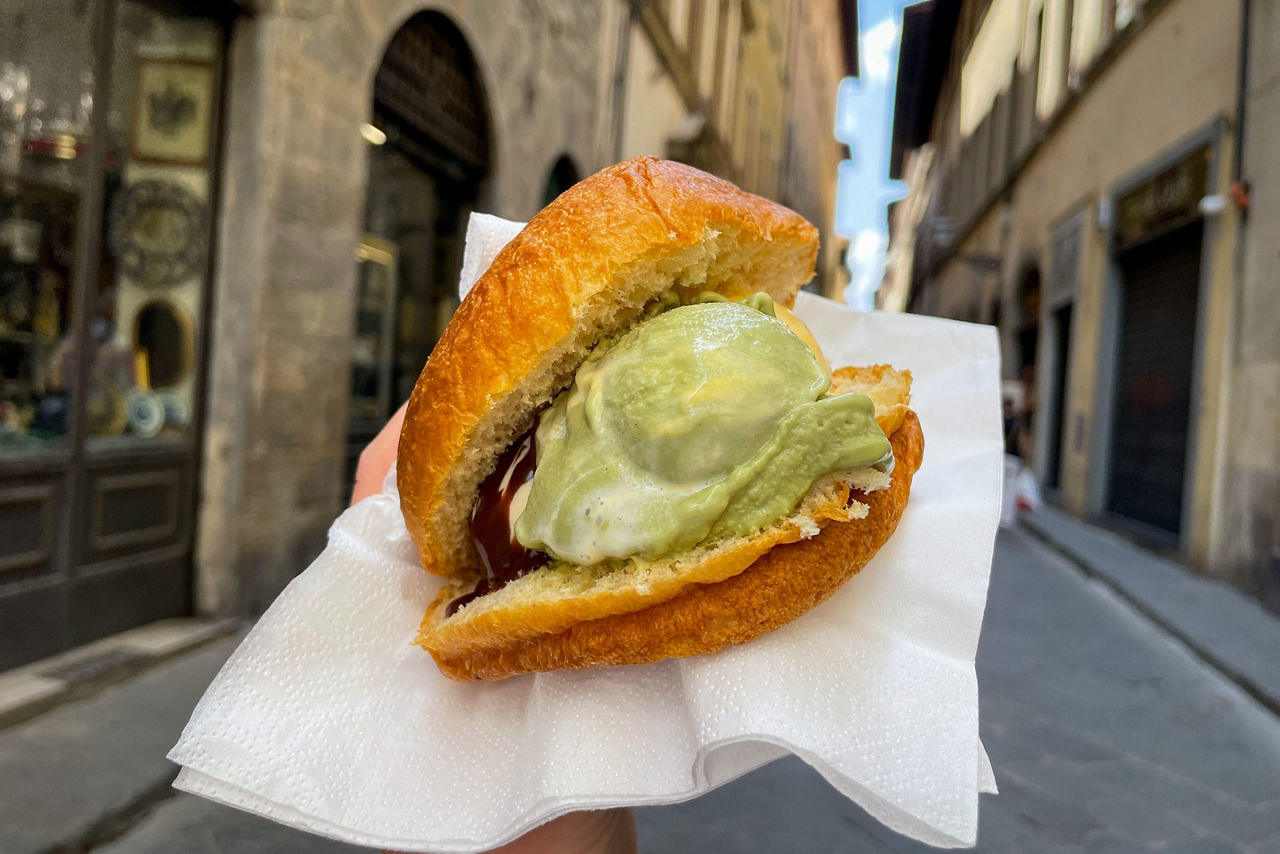
If ice cream for breakfast sounds good to you, Sicily is your kind of place. Brioche con gelato is a typical Sicilian breakfast item consisting of a fluffy brioche bun stuffed with a couple of scoops of your choice of gelato. I prefer it with caffè (espresso) gelato to get my caffeine fix into swing. A sweetness permeates the food of this Mediterranean island, best expressed in its desserts like cannoli, a fried tube-shaped pastry shell filled with a thick sweet, ricotta cheese filling. Cassata, an ice cream cake, and granita, flavored shaved ice, are better during the sweaty Sicilian summer.
But even savory foods have hints of sweetness, often from raisins and other dried fruits, a relic from the island's Arab and Byzantine past. Caponata is a stewed eggplant and vegetable dish in tomato agrodolce sauce, sometimes with pine nuts and/or raisins. Anelletti al forno (or timballo di anelletti as it's sometimes called), is a baked pasta casserole topped with a breaded eggplant ring. Sicily's traditional pasta dishes include bucatini con le sarde with tender sardines, wild fennel and anchovies, pine nuts, raisins and saffron, while pasta alla norma is slightly less complex with eggplant in tomato sauce and best paired with a robust nero d'Avola wine, grown across Sicily.
6. Venezia (Venice)
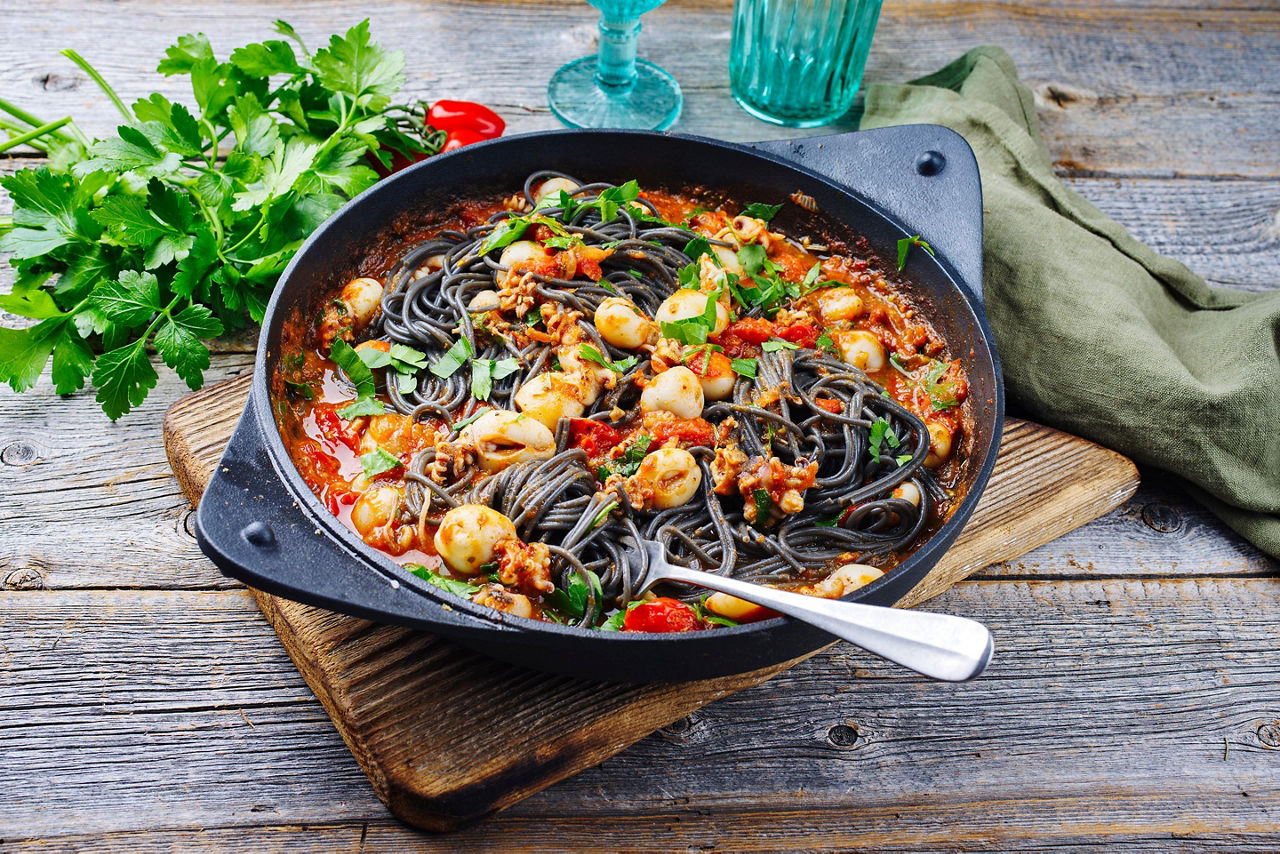
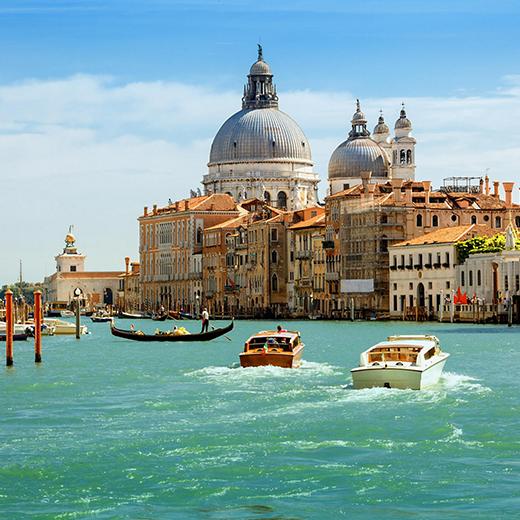
Fish and other seafood dominate the trattoria and osteria of canal-laced Venice — a can't-miss stop on your Italy food tour. The city's traditional dishes include sarde in saor, an appetizer of cooked sardines topped with sweet and sour onions, pine nuts and raisins; baccalà mantecato, a whipped and creamed salt cod spread; and, famously, dishes made with squid ink: al nero di seppia (spaghetti with squid ink) and traditionally in risotto or lasagnetta noodles, narrower and thinner than lasagna pasta.
Pickier eaters might find refuge in more familiar seafood dishes like fritto misto; spaghetti alle vongole with fresh clams; shrimp scampi in a red tomato and chili busara sauce, a traditional Venetian classic. Polenta e schie is polenta topped with shrimp, an old-world version of shrimp and grits, ideal with a glass of locally produced prosecco. Those seeking an indulgent dessert will find one in crema fritta, or fried custard. It's a flavor-packed Venetian classic that is essentially breaded and fried custard, which goes down quite nicely with a digestivo of amaretto liqueur.
7. Bologna
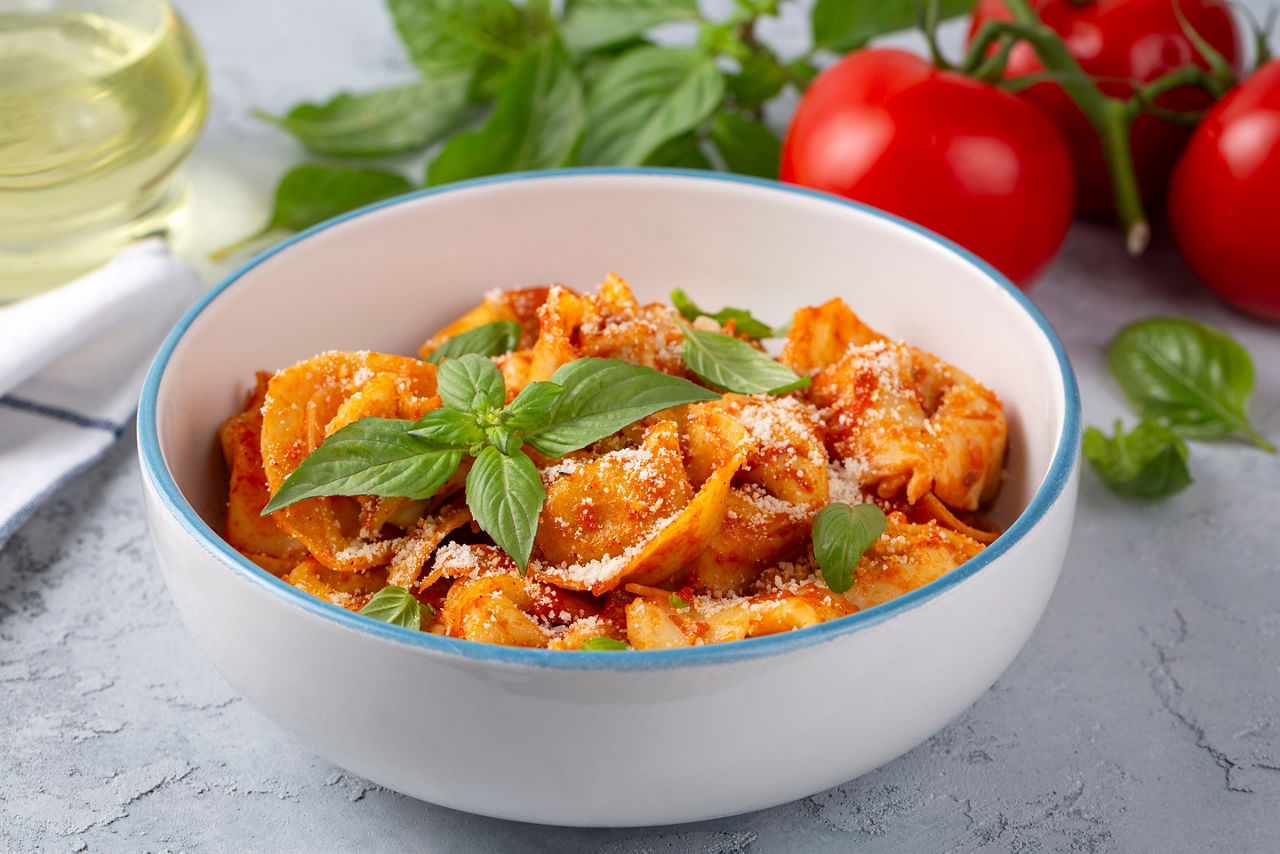
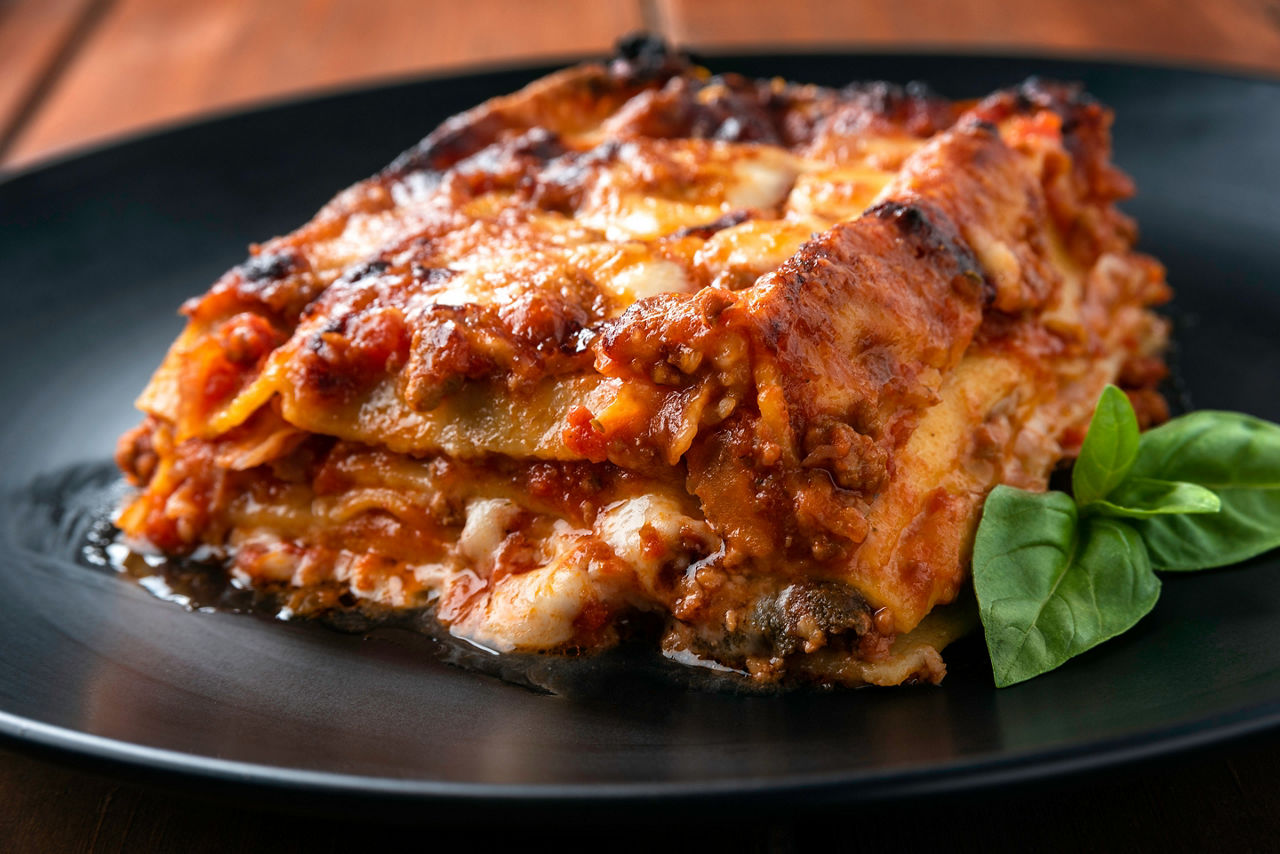
Lasagna, prosciutto, Parmesan, ravioli, tortellini, mortadella and pasta Bolognese. Need I say more? All of these foods are from Bologna and the surrounding Emilia-Romagna region, long known to Italians as a source of gut-bustlingly good food. Bologna's hearty Italian cuisine is not ideal for light eating, but what it lacks in lightness it makes up for in satisfaction and comfort.
These dishes might sound familiar, but many are less recognizable in their traditional form. Tortellini, for example, are small meat-filled pasta noodles served in a simple broth called brodo; while tortelloni are larger, stuffed with ricotta and herbs and covered in sauce. Spaghetti isn't typically topped with the iconic meaty tomato-based Bolognese sauce, but the flatter tagliatelle pasta is. It's ubiquitous on menus and called tagliatelle al ragù alla Bolognese. Be sure to look out for high-quality aceto balsamico (balsamic vinegar), developed here and sometimes aged for more than 100 years. To eat and drink like a local, order a sparkling red Lambrusco with your meal, which locals say helps digest the region's super-rich food. It's often served chilled.