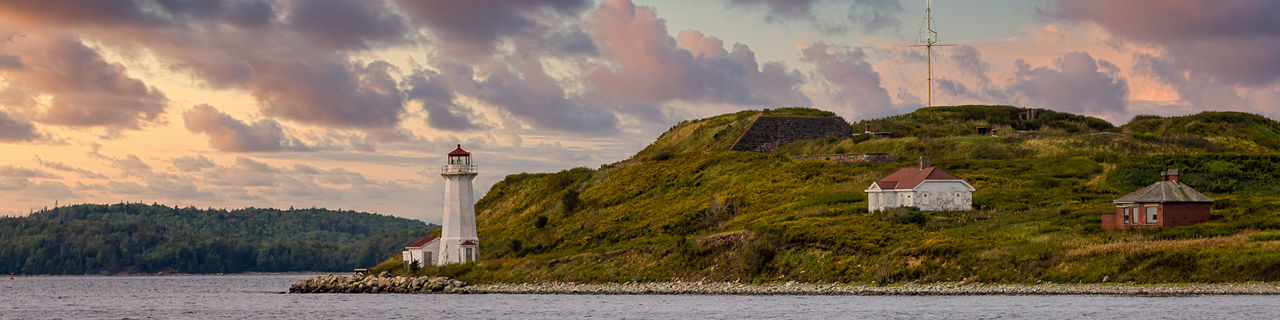
Best Time To Visit Nova Scotia: Seasonal Travel Guide
Discover Why to Go There in Winter, Spring, Summer or Fall
By Erica Moody | Published on December 4, 2025
The eastern Canadian province of Nova Scotia should be next on your bucket list. With more than 8,000 miles of coastline, charming seaside towns, walkable historic cities and abundant marine life, it’s an uncrowded, picturesque vacation destination that appeals to many traveler types. Whether you’re seeking a quiet stay or looking for adventure, the rugged yet refined province has something for every traveler type. The only tough decision may be what time of year to visit — so let’s take a look at the best time to visit Nova Scotia.
What Time Of Year Should You Visit Nova Scotia?
There’s really no bad time to visit Nova Scotia, but it helps to consider your ideal weather and activities before choosing a season. Does warming up with lobster bisque in a cozy, fireside tavern sound dreamy? Winter is calling. How about whale watching aboard a boat with the sun kissing your skin? Summer it is. Do you long for a scenic hike through autumn leaves in an uncrowded national park? Opt for fall. Or does a bike ride through fields of blooming wildflowers sound like bliss? Consider spring.
Read ahead for a breakdown of the pros and cons of visiting in all four glorious seasons.
Spring In Nova Scotia
In a part of the world known for its stunning natural landscapes, the appeal of spring is clear. As flowers start to bloom and sunlight hours extend, these months are made for gentle hikes and coastline drives. Fog blankets the views for romantic mornings before giving way to clear afternoons, making spring a particularly good time for photographers.
Before the high season of summer, hiking and biking paths are peaceful (and wildflower-covered), and the warming weather makes it pleasant to wander waterfront districts or explore historic neighborhoods. Just keep in mind that there may be some rain and that early spring can still be brisk.
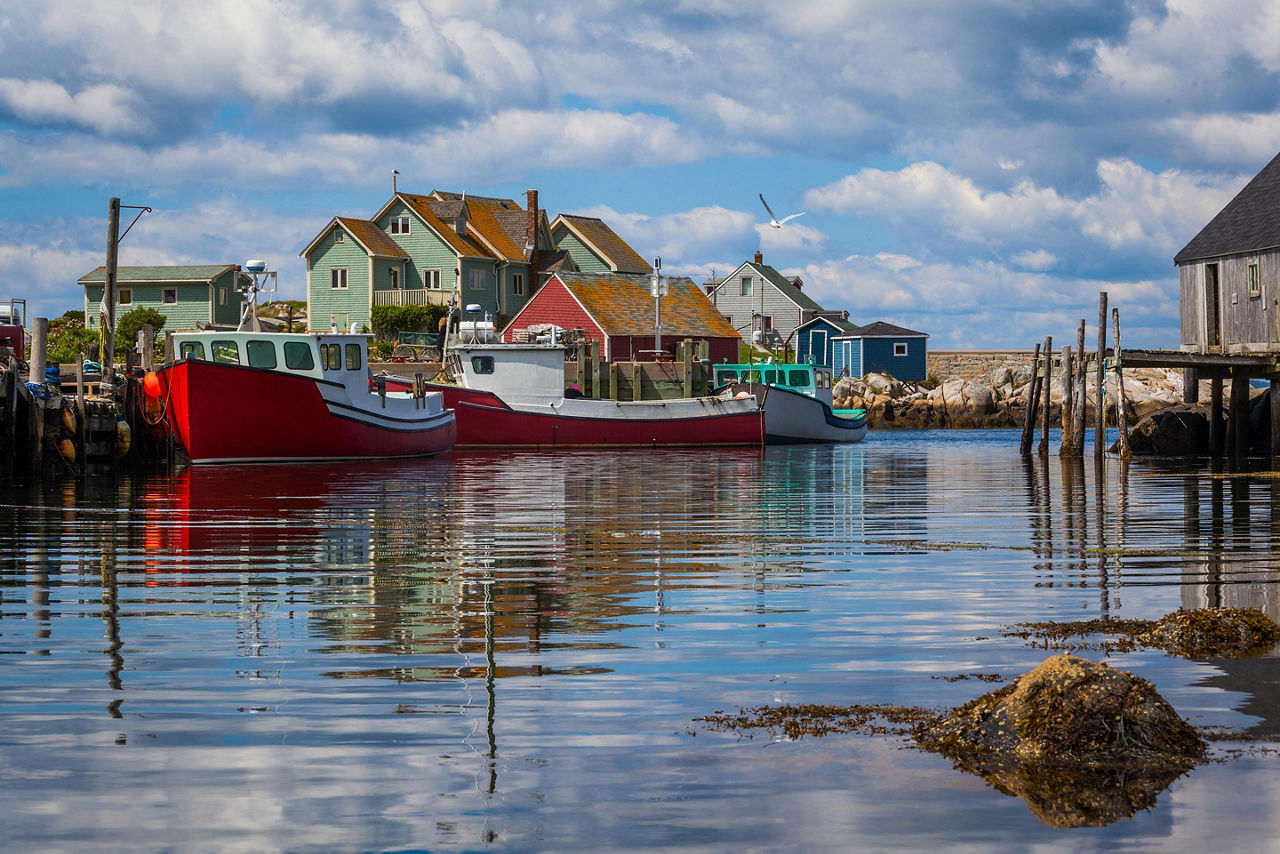
Spring also stirs awake local communities as farmers begin reopening market stalls, fishing boats return to harbor and cafe patios see patrons again. Some popular activities, such as whale watching tours, may not be available until late spring or early summer, so check in advance if you’re set on booking those experiences.
Summer In Nova Scotia
July and August are Nova Scotia’s peak travel months and the best time for sunbathing and surfing on its diverse beaches. Some are rugged and rocky with dramatic cliffs, while others boast soft white sand and gentle dunes. The beaches are so large that they never feel crowded, even at the height of summer. It’s also the best time to enjoy wildlife activities like puffin viewing, seal spotting, whale watching, birding and coastal kayaking.
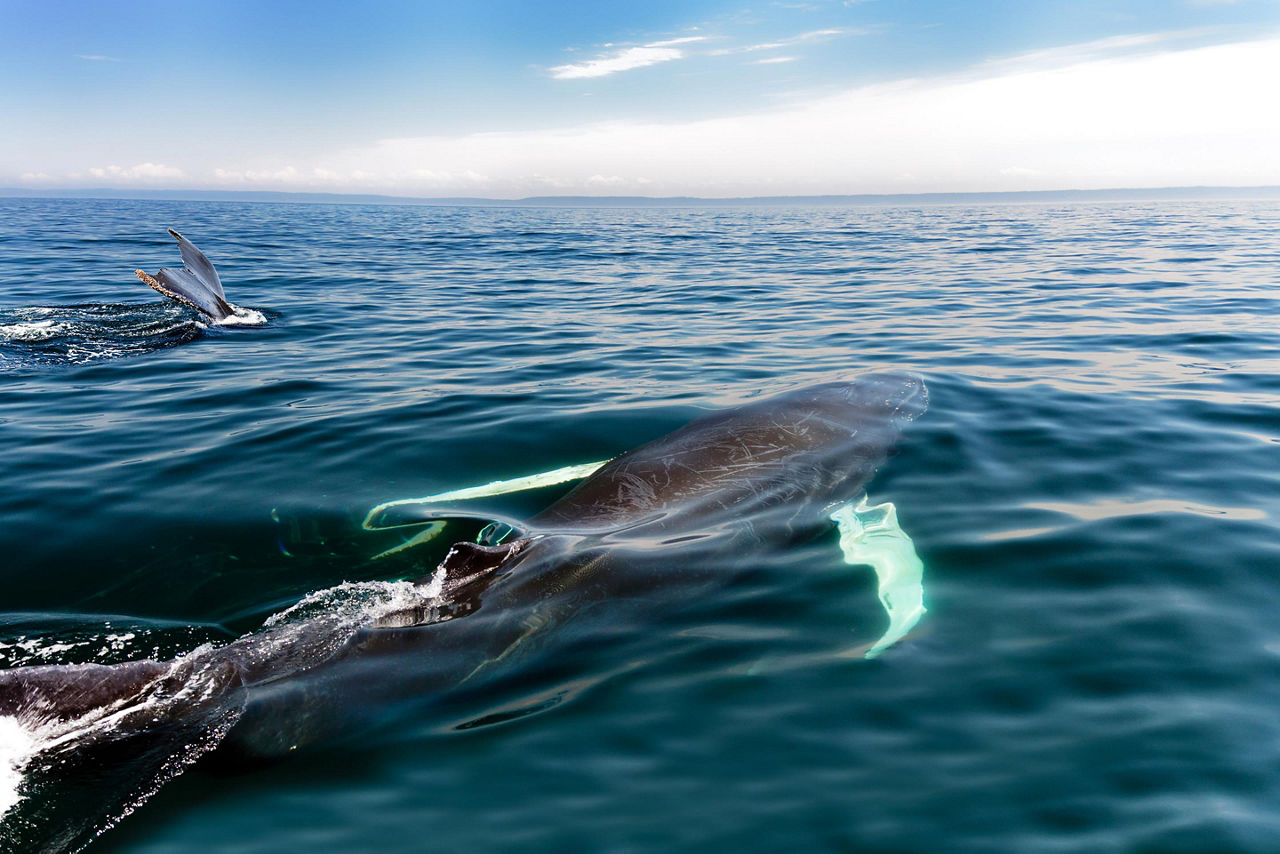
Summer is prime whale-watching season, with tours leaving from towns along the Bay of Fundy, South Shore and Cape Breton for chances to see humpbacks, minke whales, fin whales and sometimes even the rare North Atlantic right whale. Kayakers frequently see porpoises, seabirds and jellyfish blooms along the South Shore and Cape Breton.
Summer is seafood season, with open-air shacks, harborside patios and market stalls serving lobster rolls, steamed mussels, buttery scallops and fresh oysters. Fishing boats dock right alongside many of these eateries, so diners often watch the day’s catch being unloaded as they eat.
Summer also brings a lively cultural atmosphere. Open-air concerts, community celebrations, artisan markets and outdoor theater performances create excitement across towns and cities. The main trade-off this time of year is demand — rental cars, coastal cottages and waterfront inns book early, and prices often peak. Even so, Nova Scotia rarely feels overrun compared with other coastal destinations and, if it ever does, there’s always a quiet cove or hidden beach to escape to.
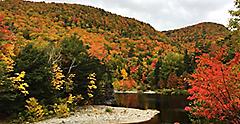
Fall In Nova Scotia
Some say fall is Nova Scotia’s most beautiful season, when forests and coastal hillsides ignite in shades of crimson, gold and amber. In the words of Canada’s famous literary character Anne Shirley, “I’m so glad I live in a world where there are Octobers.”
Leaf-peeping tourism is popular at this time, for panoramic routes that weave through valleys, highlands and cliffside roads framed by peak foliage. Hiking trails are crisp underfoot, lookouts are more peaceful than in summer and the cooler temperatures make long rambles especially enjoyable.
Autumn also brings the harvest season, giving visitors a chance to sample fresh produce, visit orchards and experience rural communities at their most vibrant. Markets overflow with apples, squash and late-season berries, and towns host fall culinary events that celebrate Nova Scotia’s maritime and agricultural traditions. Outdoor activities remain in full swing — cycling, kayaking and coastal walks are all comfortable well into October — yet the crowds have thinned significantly, offering a more relaxed pace of travel. The days do grow shorter, and nights can get cool, but the trade-off is a quieter, more atmospheric version of Nova Scotia.

Winter In Nova Scotia
Nova Scotia becomes a peaceful storybook landscape in the winter months. Think snow-dusted forests, quaint fishing villages and dramatic coastlines, all the more serene with the summer crowds nowhere to be seen. Coastal viewpoints feel private, and accommodations that typically book up months in advance for the summer often have availability (and lower prices) in winter.
Plus, the province’s cozy side is enhanced this time of year. Restaurants serve warming chowders and seafood stews beside crackling fireplaces, museums offer refuge from the cold and small towns host indoor cultural events that spotlight Nova Scotia’s Celtic and maritime heritage.
Outdoors, the province becomes a playground for cold-weather adventure. Snowshoeing through quiet woodlands, winter hiking along coastal ridges and sleigh rides across open farmland create immersive experiences that add to the romantic atmosphere. Travelers should arrive prepared for cold temperatures, though, and be aware of potential snowstorms and shorter daylight hours. Some small businesses and restaurants operate on reduced hours in winter, too, especially in rural communities.

How To Visit Nova Scotia
Once you’ve settled on the best time to visit Nova Scotia, the next step is deciding how you want to experience it. For cruise travelers, arriving by sea is part of the adventure. A Royal Caribbean cruise offers a unique vantage point on Nova Scotia, providing an effortless, scenic and immersive way to explore the region.
Royal Caribbean routes to Atlantic Canada lean into the rugged beauty and cultural richness of the North, making each stop feel distinct from warm-weather cruise experiences. So if you’ve been on a Caribbean cruise before, a Nova Scotia journey will give you an entirely new experience.
Royal Caribbean typically departs for Nova Scotia from convenient East Coast ports such as:
Cruise lengths vary from shorter five-night getaways to longer seven-to-nine-night itineraries that can include multiple ports across Canada’s Maritime provinces. Depending on the time of year, the experience shifts dramatically. Summer voyages highlight wildlife viewing, outdoor adventures and lively coastal towns, while early-fall sailings are all about crisp air, harvest flavors and spectacular foliage.
Another benefit is that cruising removes the need for car rentals, ferries or navigating rural roads; your ship becomes your home base as you explore cities like Halifax and Sydney or smaller seaside communities. It’s an ideal option for travelers who want a comfortable and curated way to discover one of Canada’s most captivating regions.
Book Your Trip To Nova Scotia
No matter when you visit, Nova Scotia offers something special. Winter brings peaceful coastal scenery, spring delivers blooming landscapes and quiet trails, summer shines with wildlife viewing and beach days and fall promises vibrant foliage and harvest flavors. A cruise is an effortless way to experience it all. For scenic sailing days, convenient access to multiple ports and seasonal itineraries that highlight the best features of the province, consider booking a Royal Caribbean cruise.


Get Royal Deals, Sign Up Today
Related Articles
How to Plan the Perfect Nova Scotia Vacation
READ MORE
7 Things to Do in Canada and New England
READ MORE

How To Plan A Cruise For The First Time
READ MORE

What Is Included On A Cruise?
READ MORE