Cliff Jumping Around The World: Best Spots, Tips & What To Know
Discover the Best Cliff Jumping Spots and Safety Tips
By Chantae Reden | Published: June 3, 2025 | Updated: May 21, 2026
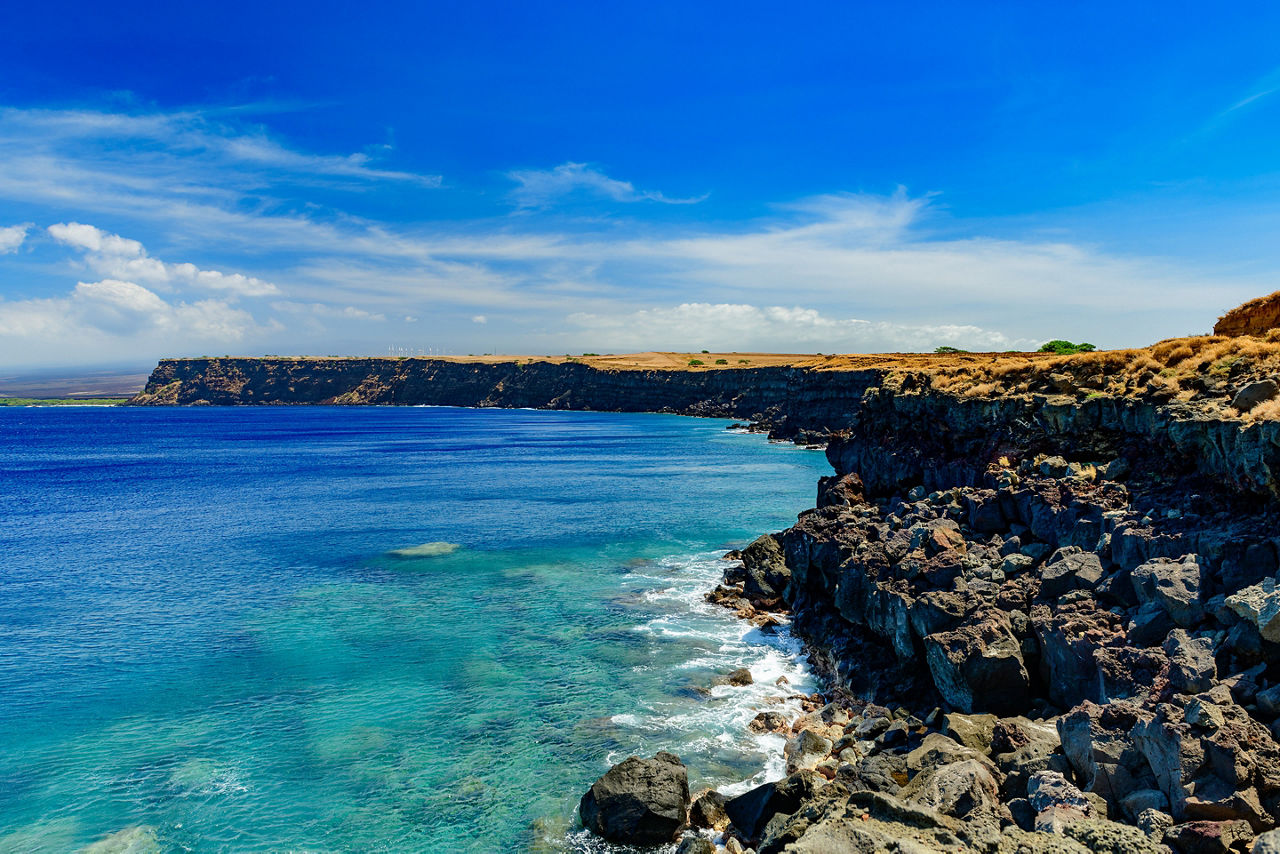
I gazed down at my feet, which were planted firmly on the edge of a cliff on Ka Lae, the southernmost point of Hawaii. I had heard tales of cliff jumping, where Hawaii travelers tried everything from jumping in Oahu’s famed spots to plunging into the waters of distant Kauai, but experiencing the thrill in person was more exhilarating than I could have anticipated.
A line of bathing-suit-clad thrill-seekers eager to go cliff jumping snaked behind me, waiting to hurl themselves off the safety of terra firma and into the depths below. Though some might wonder, “Is cliff jumping dangerous?” careful preparation and respect for local conditions make it a truly unforgettable experience.
"On the count of three, just send it." My friend commanded.
I nodded.
"One … "
"Two … "
I closed my eyes and leaped. For a moment, I was free-falling between land and sea, in a place where worries couldn't reach me. The cool sensation on my skin gave me energy as I hit the water. Hair tangled, swimsuit askew and skin covered in goosebumps, I clamored up the cliff to join the queue and jump again. Even though I'd heard of the Waimea Bay cliff jump back on Oahu, this moment was my personal introduction to the adrenaline rush of cliff jumping in Hawaii.
If the idea of jumping off a cliff stirred your sense of wonder, come along as I dive into the history of the sport, tips for jumping safely and the best places in the world to try it on an adventure vacation.
Whether you seek the highest cliff jumping spots or simply a short drop into turquoise water, you've got plenty of options around the globe. Continue reading to learn about some of the best cliff jumping spots around the globe, as well as the history behind this activity and how to stay safe while cliff diving.
Key Takeaways: Diving From A Cliff
- ● Always check the water depth, currents and underwater hazards before jumping.
- ● Start small and build confidence before attempting higher cliffs.
- ● Keep your body straight and enter feet-first for better control.
- ● Never jump alone; go with experienced locals or friends who know what they’re doing.
- ● Weather and tide conditions can change quickly, so stay alert.
- ● Take a leap of faith and book a cruise vacation where you can scale cliffs and cool off in water around the globe.
What Is Cliff Diving?
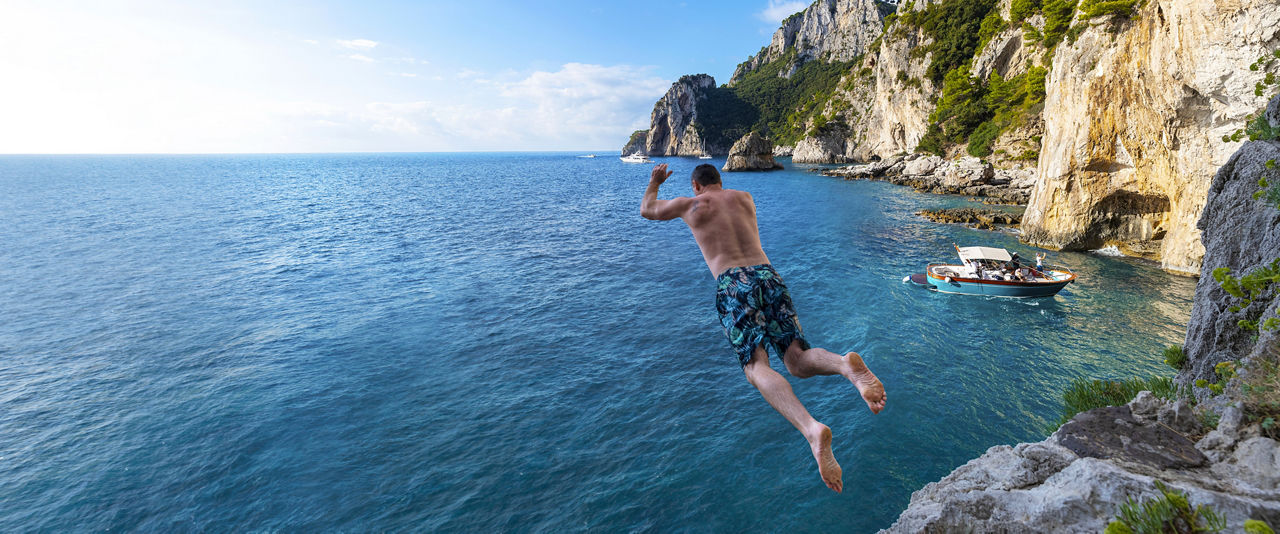
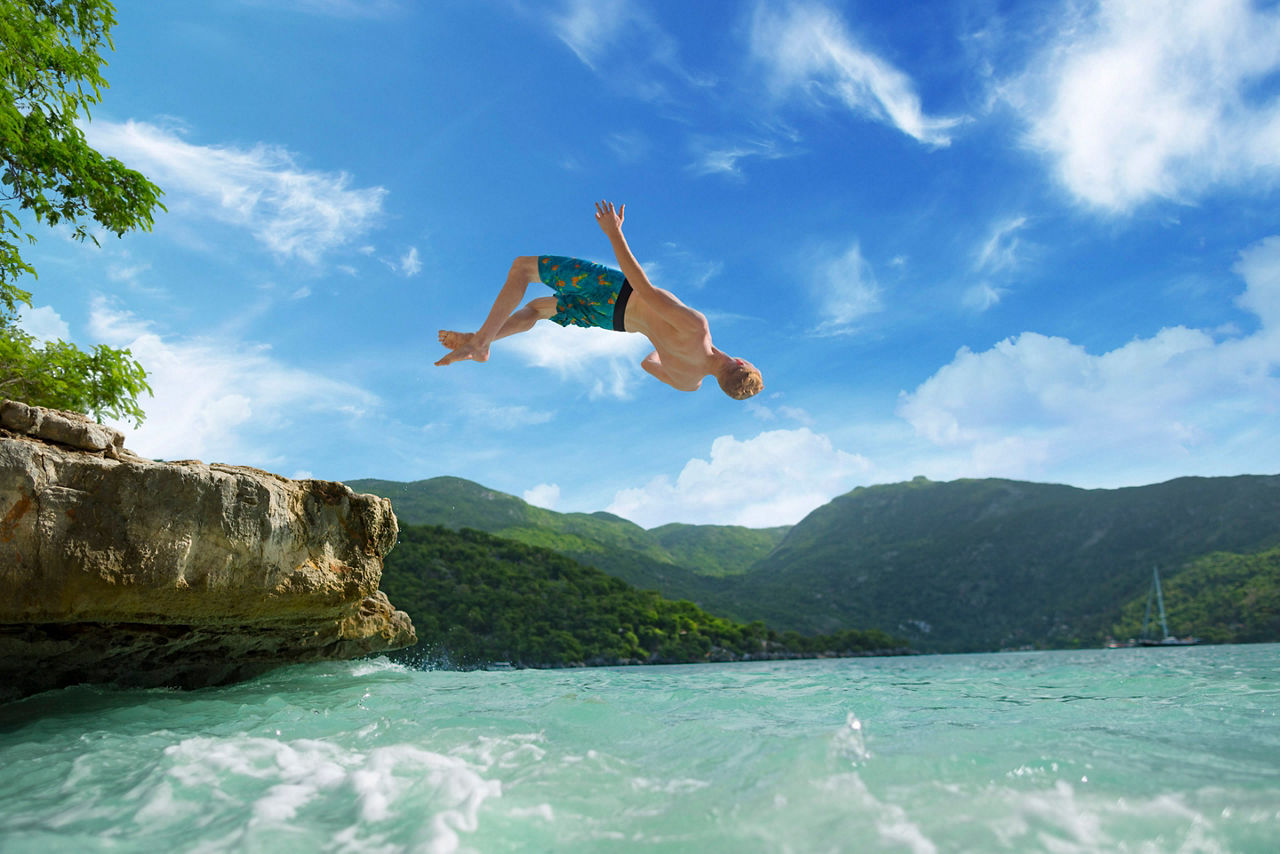
Cliff diving involves acrobatic diving or jumping from high, often natural, rocky cliffs into a body of water. This sport requires strong swimming skills and is considered extremely dangerous.
While it’s a thrill, ensure you’re prepared before diving from rocks.
The History Of The Thrill
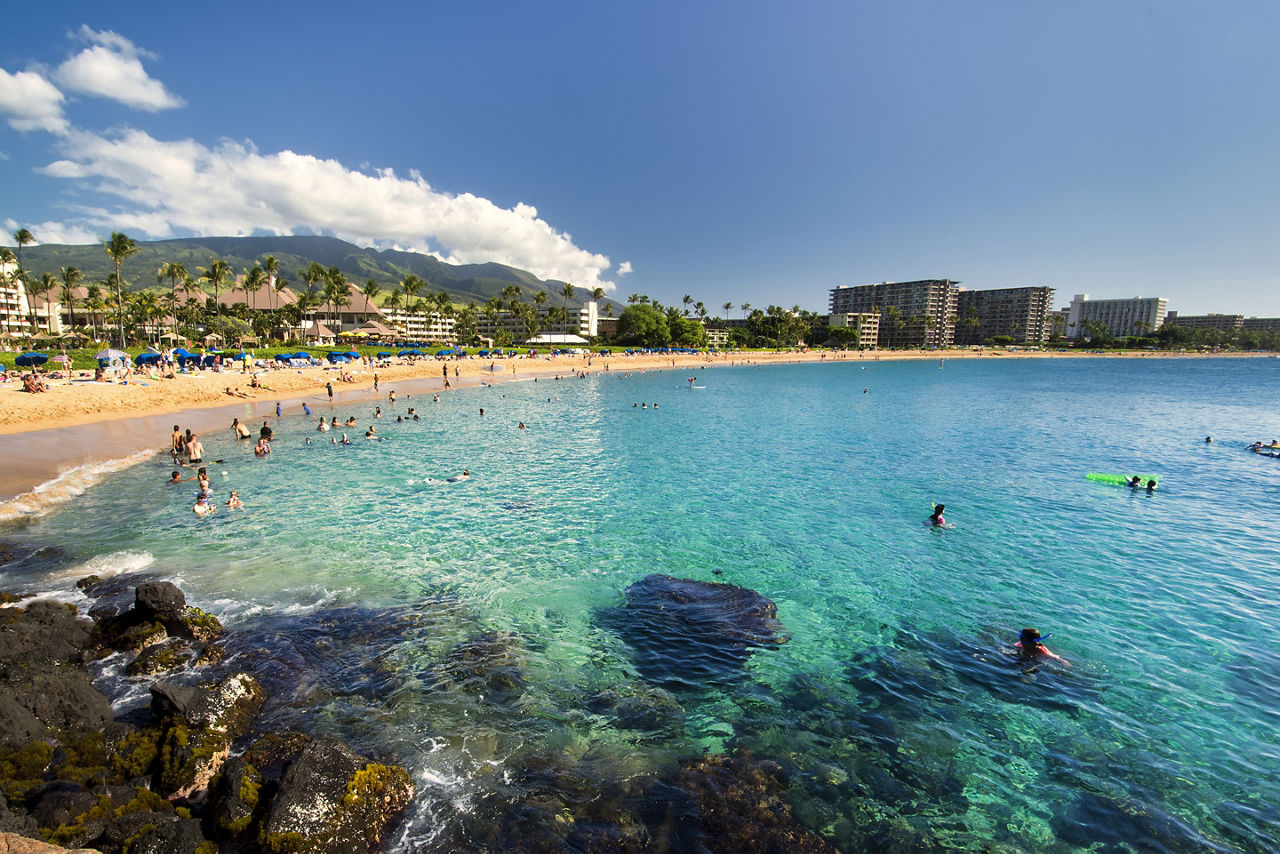
The sport was first documented in Hawaii during the late 1700s. King Kahekili II, who reigned over Maui, would test his warriors' bravery by challenging them to leap off the cliffs of Lanai's south shore. The sport evolved into competitive cliff diving, called "lele kawa" in Hawaiian, with each competitor judged for their prowess and lack of splash. It’s believed that this tradition sowed the seeds for cliff jumping in Maui, which has become quite famous today. And let's not forget the modern-day cliff diving competitions that thrill viewers near Ka’anapali Beach.
Diving from high platforms gained international popularity by the late 1800s. By the early 1900s, diving from a 10-meter platform was featured in the Olympics. In the late 1930s, travelers flocked to Acapulco, Mexico, to catch a glimpse of the famed La Quebrada Cliff Divers, an early nod to the cliff diving Mexico is recognized for.
Anyone can participate — from first-time hoppers who leap from just a few feet above the water to professionals who perform acrobatic dives from dizzying heights of over 60 feet in the Red Bull Cliff Diving World Series. All you need is a cliff. Some jumpers even aspire to find the highest cliff jumping locations around the globe, while others prefer more moderate heights that still pack plenty of thrill.
How Risky Is Cliff Diving? Tips And Best Practices For Your Experience
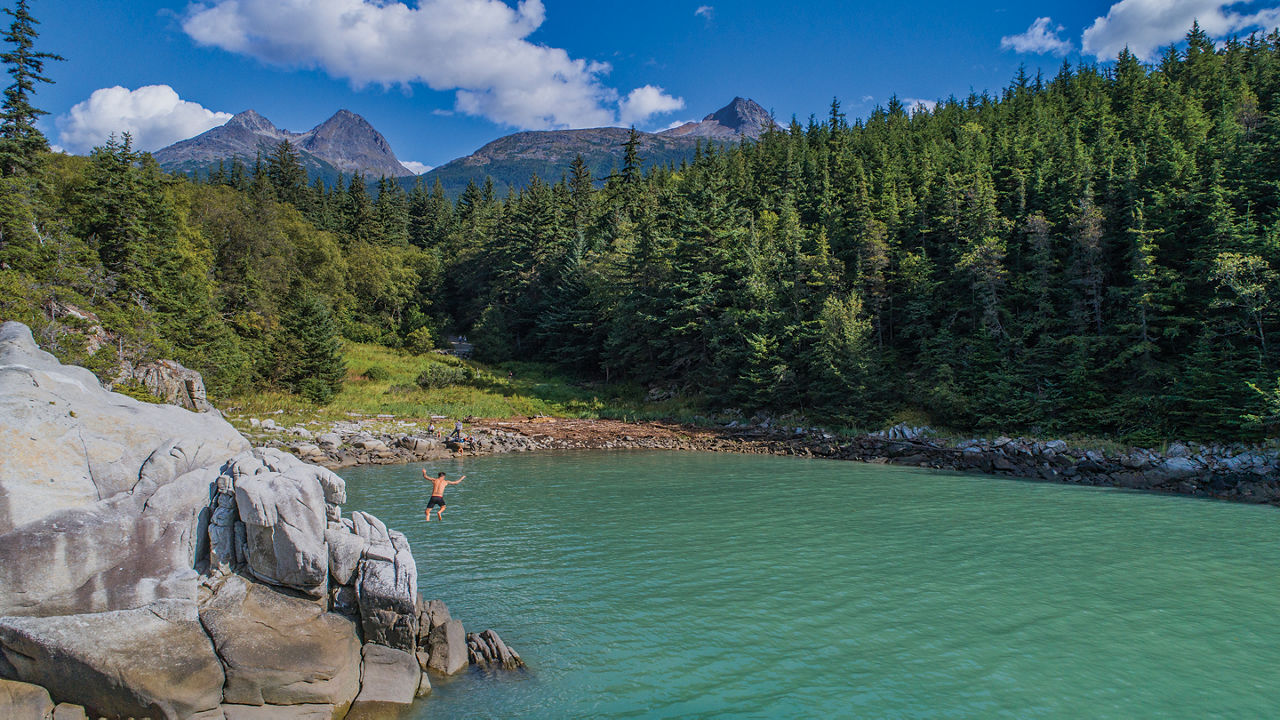
Adventure vacation activities can be thrilling, but it’s important to remember that cliff jumping is inherently risky, and injury is possible even with precautions. However, you can lower your risk by being aware of your surroundings and only jumping at spots suitable for your skill level.
Here are some best practices to keep you safe as you jump:
Stick To Well-Treaded Areas
It's safest to go with a guide or local who knows the cliff jump area well. If you don't have a guide, it's best to jump into an active scene rather than find a launch point by yourself. Local cliff jumpers will tell you where to jump from, if you need to watch for any tree branches or rocky points and how to get out of the water. Jumping with a friend means you'll have someone to help you should anything happen.
For this reason, many choose popular sites like the Waimea Bay cliff jump, Rick's Cafe cliff jump height vantage point or other well-known areas with supervision.
Know Your Own Physical Limits

Some spots require cliff jumpers to rock climb, use a rope ladder or swim a long distance to reach dry land, which can take more strength than expected.
Mastering these physical demands will help keep the experience fun and safe.
Watch For Bad Weather
Most ocean cliff jump spots are only safe to explore during calm days with no ocean swells, currents, wind, tides and rain to contend with. Wear lightweight clothes, ideally swimwear, that won't weigh you down once you get wet. Reef booties are a good idea at jump spots with sharp rocks and ledges.
Whether you’re checking out cliff jumping in Maui or heading to smaller local ledges, the same caution applies.
Use The Best Techniques For Improving Dives
Check The Water Depth Before You Jump
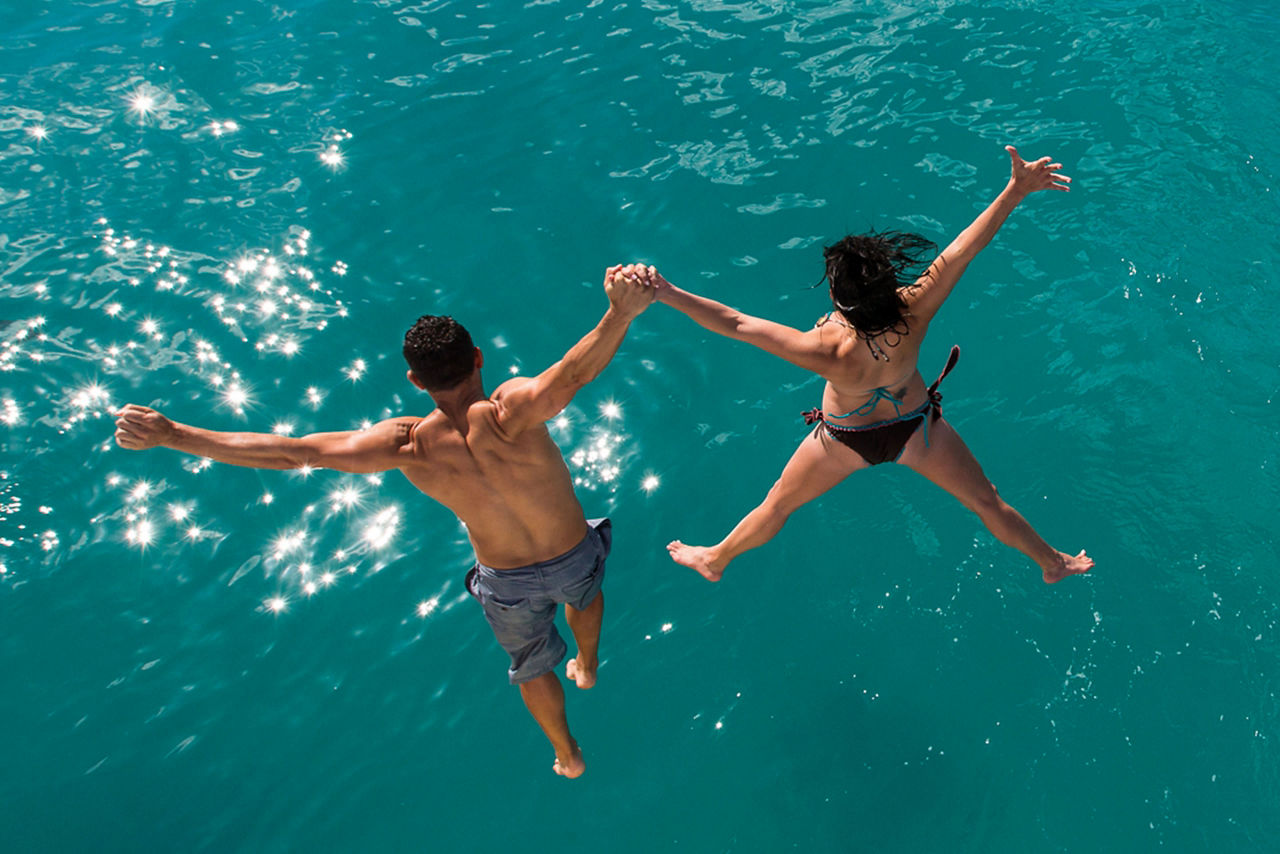
There’s always the possibility that the water could be shallower than you think. Ensure the landing area is deep enough for your jump height and look for clear water with no visible rocks or debris.
When in doubt, watch others jump safely first and follow their lead. The water’s depth can change drastically from one spot to the next, so it’s critical to find a spot ideal for a safe landing.
Plan Your Exit Strategy

While the jump is thrilling, you should never go into the water without knowing how you’ll get out. Identify a location where you can climb out of the water. This could be a ladder, gradual rocks or accessible shoreline paths.
Additionally, avoid spots where the currents could push you away from exit points. Extreme water pressure can sway even the strongest swimmers.
The Best Places To Cliff Jump Around The World
Cliff Jumping In Hawaii
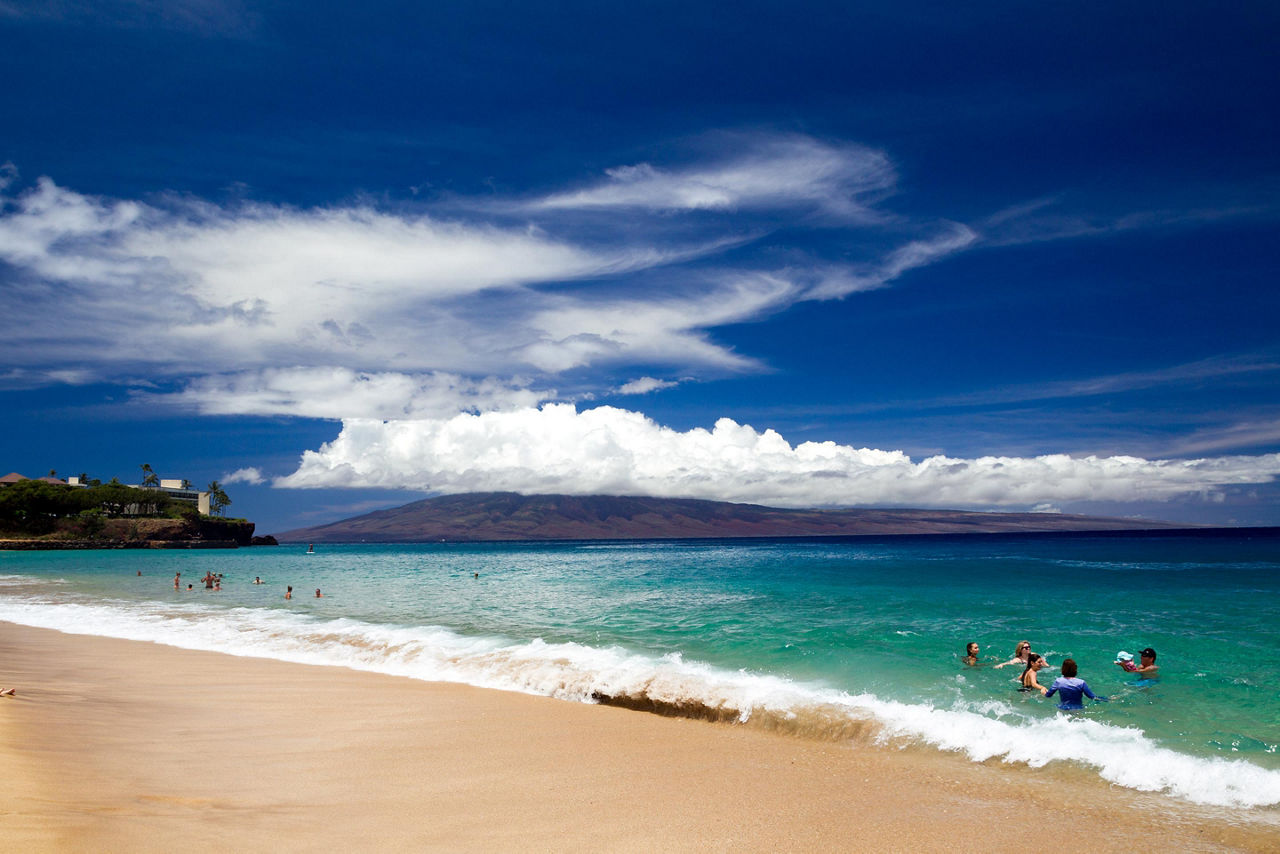
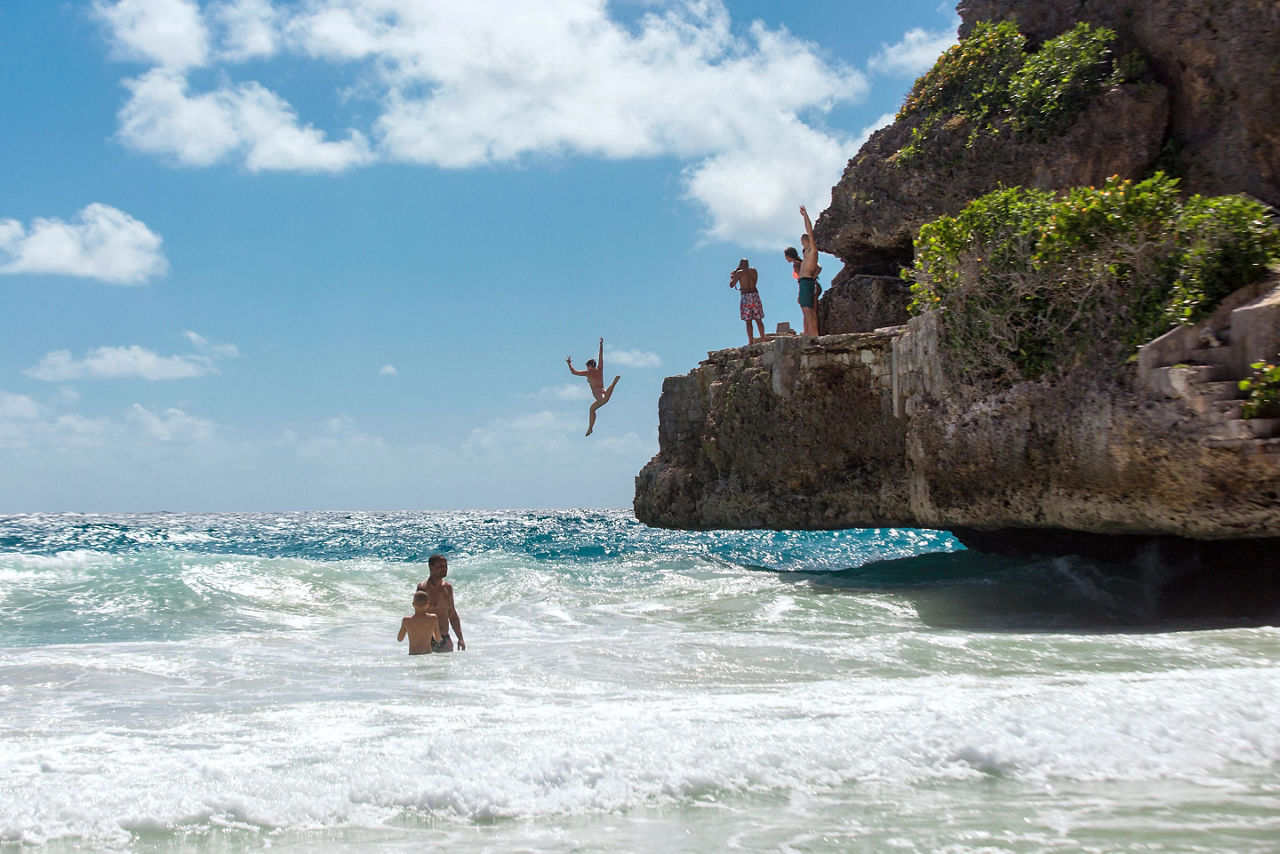
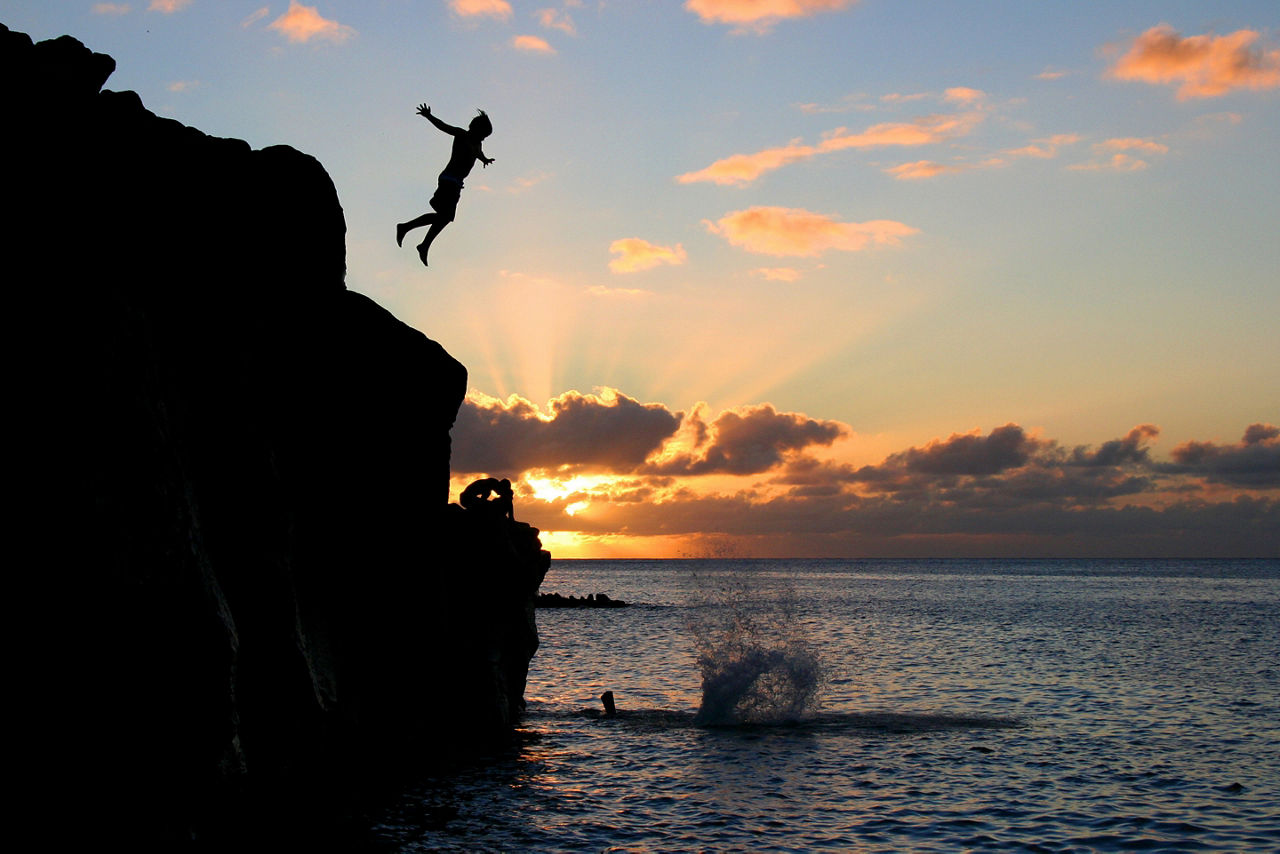
There's no shortage of excellent jumping spots around the islands of Hawaii, though some are more famous than others. When traveling in Oahu, signs warn tourists not to jump off the rock at Waimea Bay, though it's rare to see the rock without cliff jumpers on a calm day during high tide. This famous Waimea Bay cliff jump can be a mesmerizing sight for onlookers, evidence of how strong the lure of cliff jumping in Oahu truly is. Laie Point is another scenic spot — featured in the rom-com "Forgetting Sarah Marshall" — where you can leap from 20 feet into an aquarium with clear water below.
Maui's Kaanapali Beach hosts a cliff of lava where jumpers can choose their height preference, offering a taste of what cliff diving in Maui is all about. On Hawaii Island, you can jump from the southernmost point in the archipelago at Ka Lae or into the cool pool of Kapena Falls. Some travelers even venture further to explore cliff jumping in Kauai’s picturesque landscapes, discovering hidden gems along unspoiled coastlines.
Cliff Jumping In The Bahamas
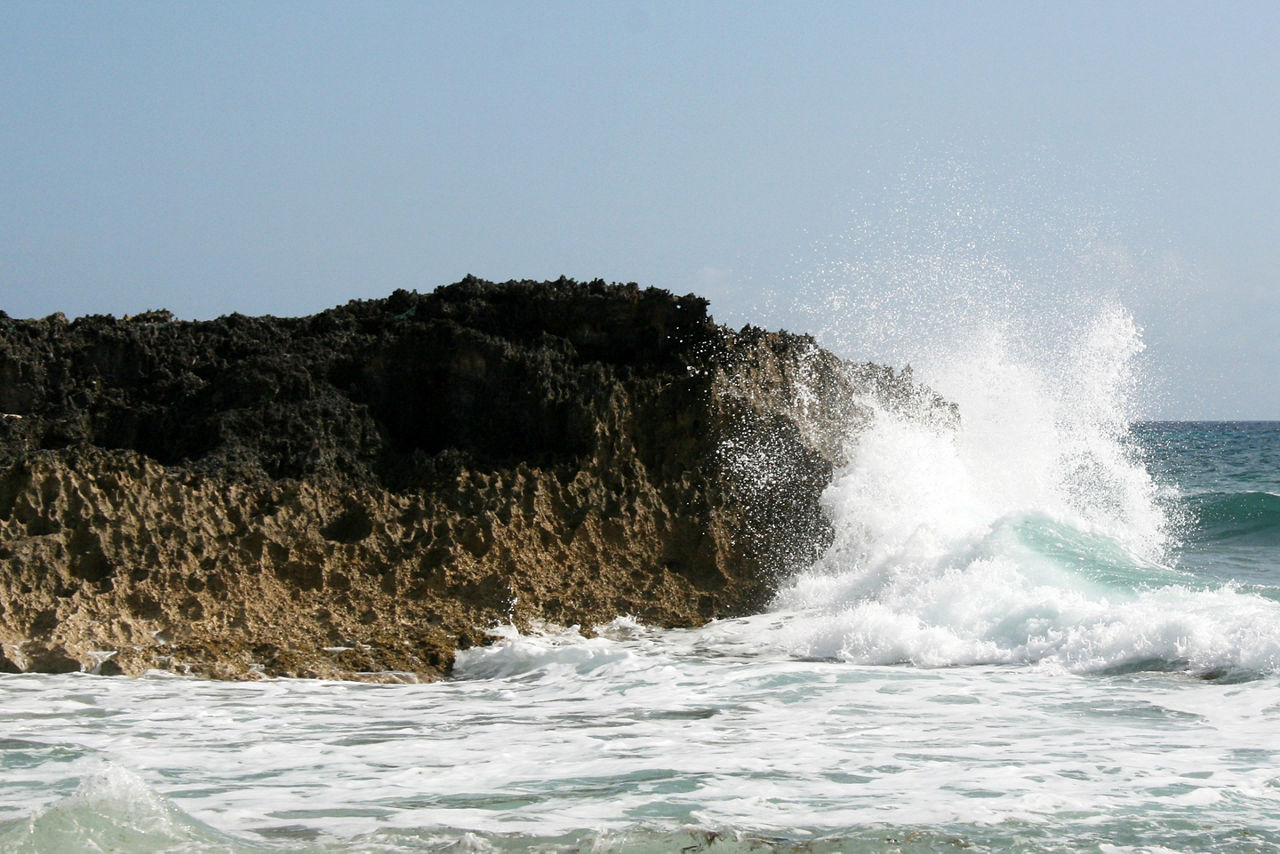
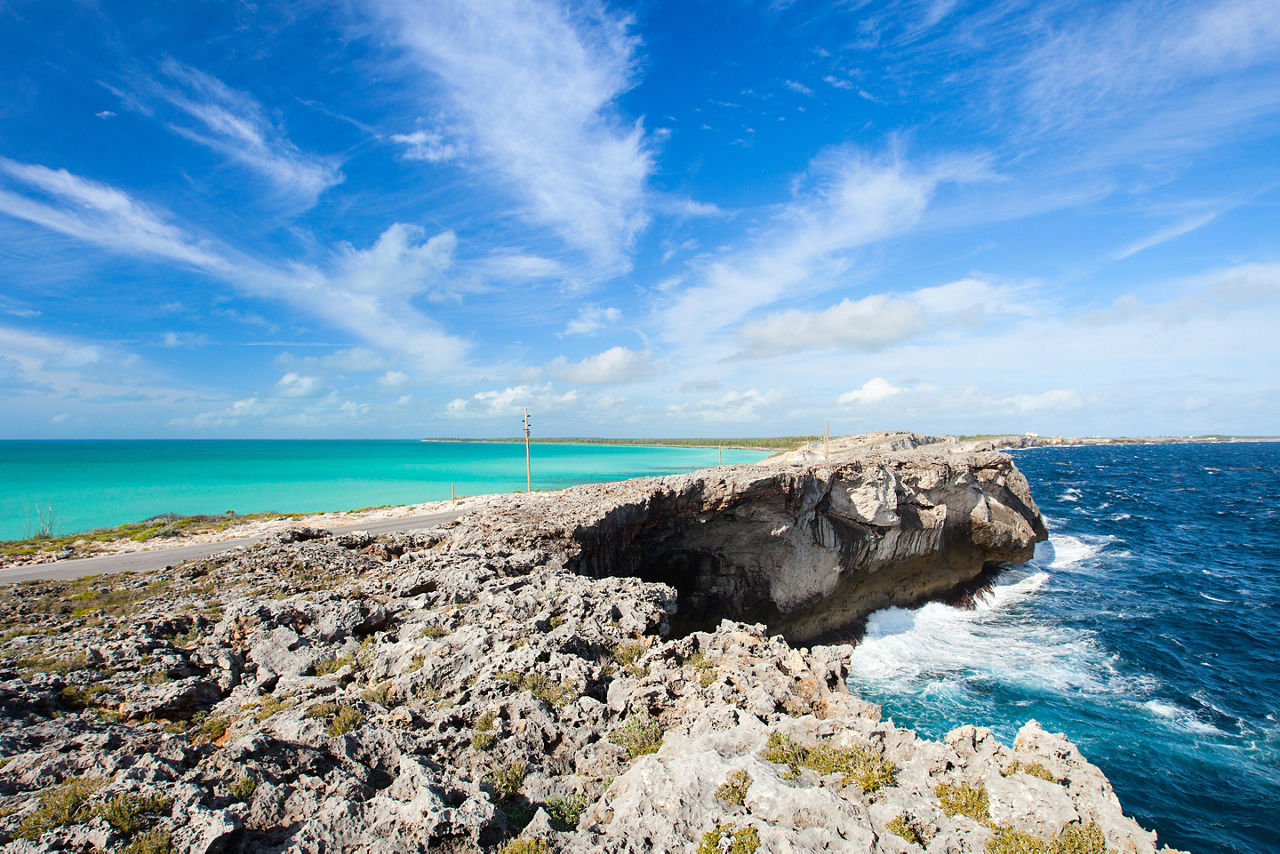
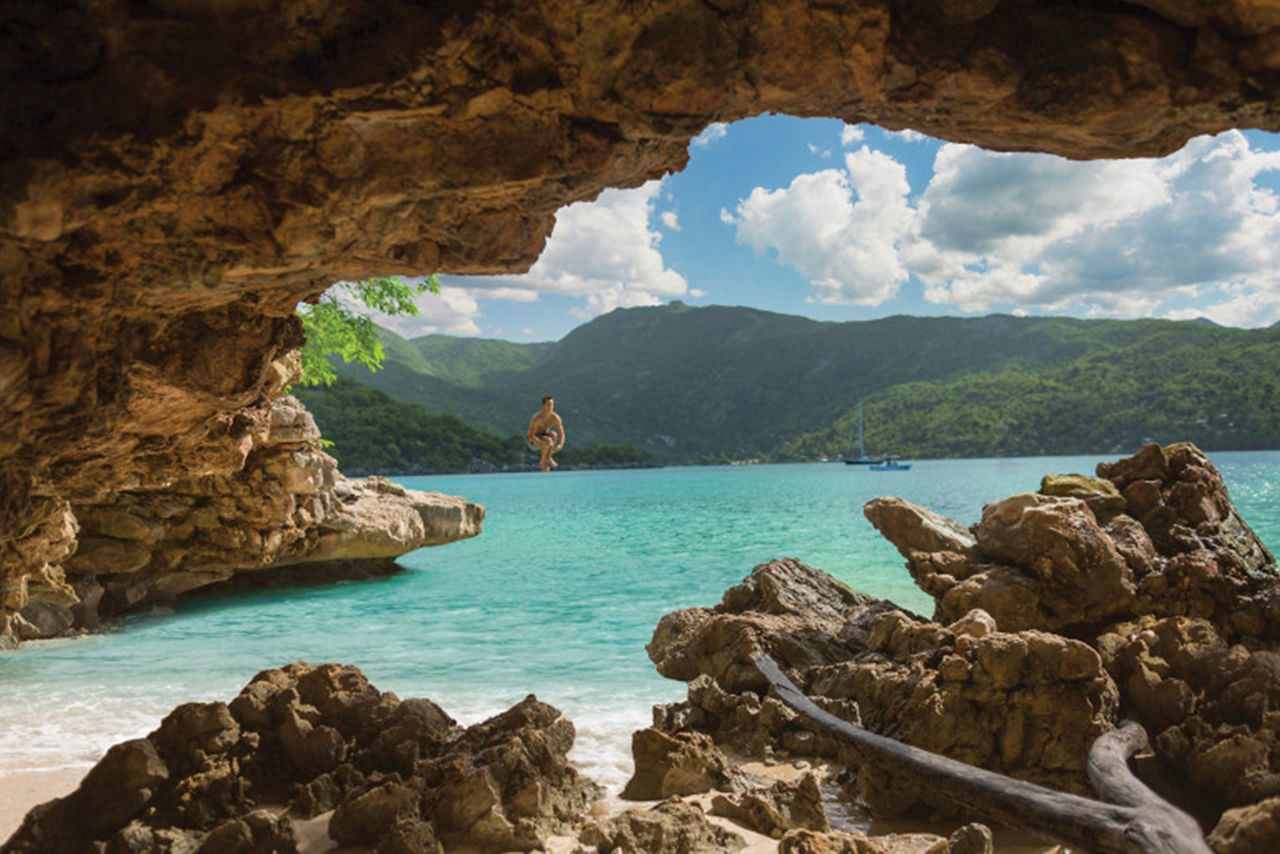
With over 700 islands and 2,400 cays within its borders, The Bahamas is an ocean adventure paradise. Eleuthera is the most popular island for cliff jumping, where limestone cliffs jutting 40 feet over the ocean offer prime potential at Glass Window Bridge. Or, for the less experienced, leap from the 20-foot jump point near Rainbow Bay.
It might not be as high as some of the highest cliff jumping areas in the world, but it’s still enough to give you a true adrenaline rush.
Cliff Jumping In Jamaica
Cliff Jumping In Mexico

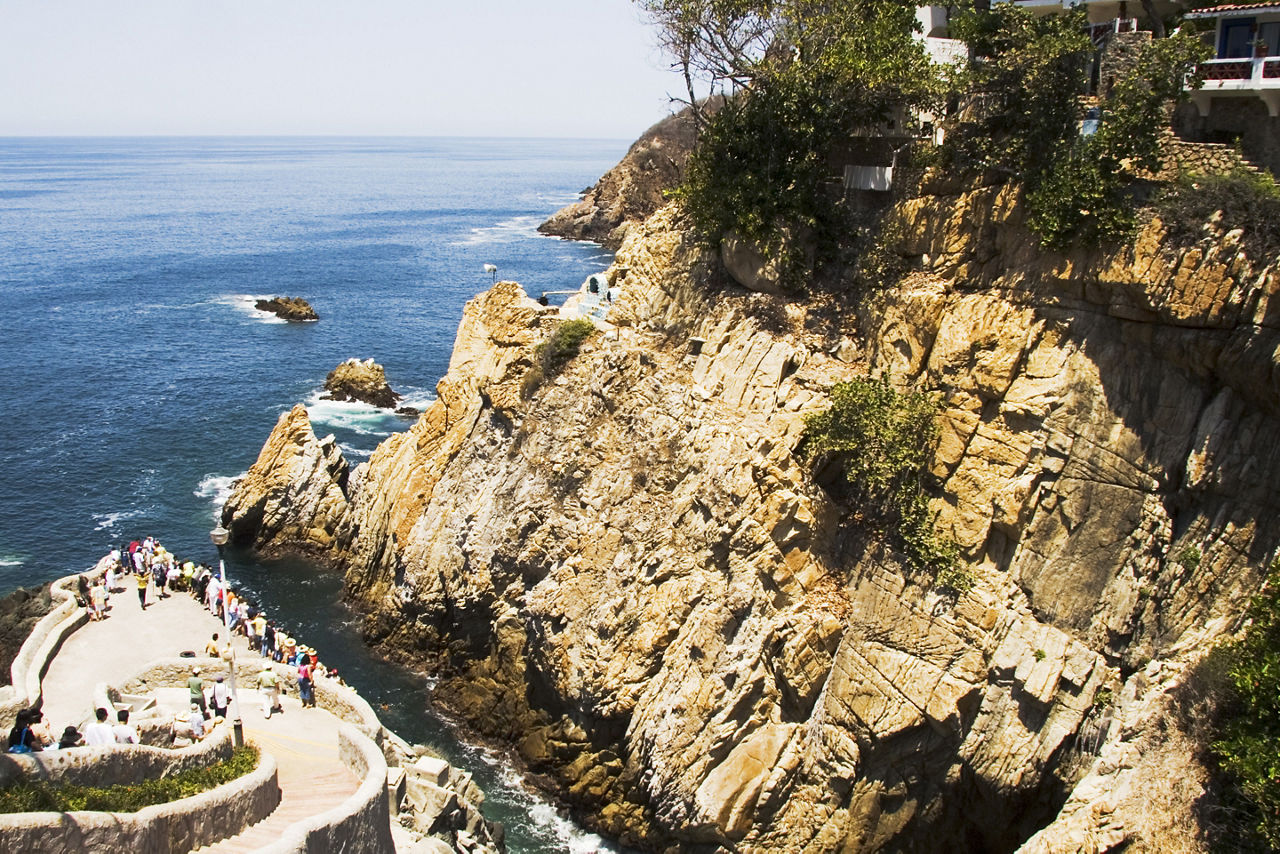
You’ll find no shortage of spots to go cliff diving in Mexico on your next cruise. If you want to witness some of the world's best cliff divers twirl and flip with precision, admire the divers of Acapulco, who dive from cliffs over 130 feet high. Mexican cliff diving has a long history, rooted in tradition and applauded by tourists from around the globe. The skyscraping cliffs of Mazatlan and the iconic arch of Cabo San Lucas are also best left to the professionals, though you may find brave souls attempting Cabo cliff jumping on calmer days.
To jump yourself, venture to the Yucatan region where over 6,000 cenotes await. Limestone ledges and platforms throughout this lush, vine-laden landscape — like the cenotes of Ik Kil, Dos Ojos, Cristalino and Jardin del Eden — are idyllic places to dive and relax.
Cliff Jumping In Portugal
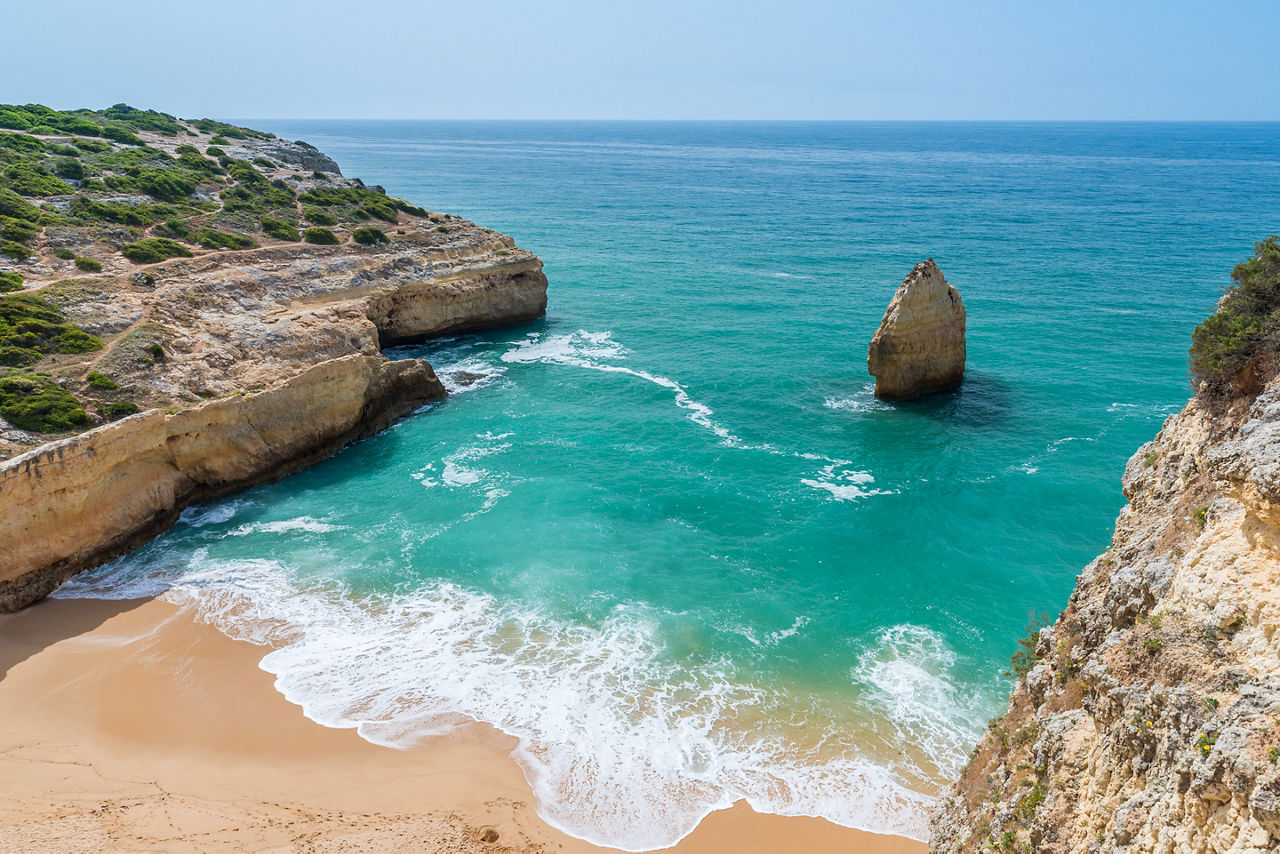
As you visit Portugal, you may want to take note of the intriguing cliffs of the Algarve, notably at Praia do Carvalho, which are rife with arches and caves, prime for jumping off. You can also find thrills near Lisbon in Arrabida National Park and in lesser-known spots throughout the remote Azores islands, where the guidance of a local is essential.
Although you won’t find as many famed jump sites as the Hawaii hotspots, the dramatic coastline of Portugal is still beloved by many, for those who wish to explore more in the Caribbean.
Start Your Cliff Jumping Adventure
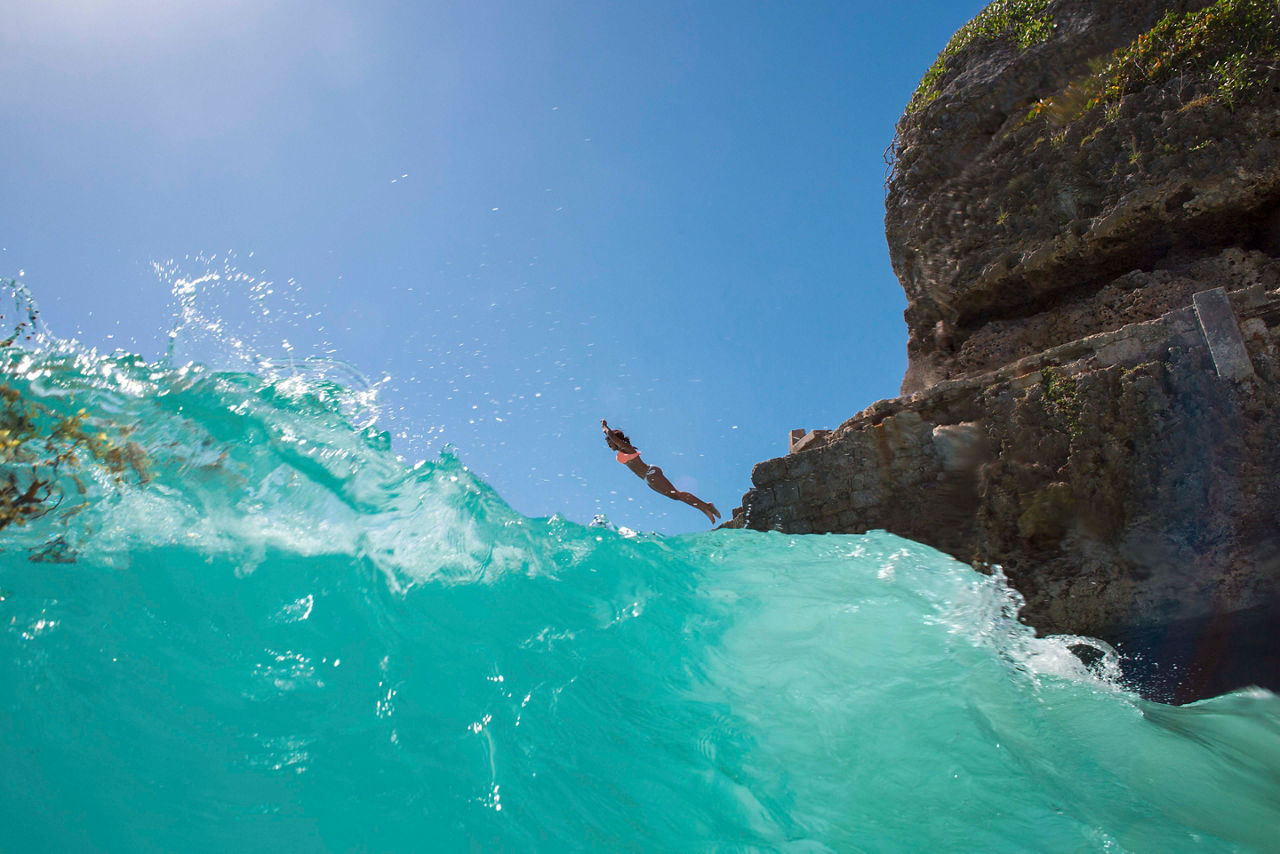
Cliff jumping is one of the best ways to feel unbound freedom as you travel. The sheer act of it forces you to be keenly aware of your surroundings, urges you to live in the moment and gives you confidence in yourself.
I've spent years trying to tame my fear of falling. I've bungee-jumped from a bridge over the Zambezi River, skydived over the wild coastline of San Diego in California, and jumped from countless cliffs around the world. I hope to never conquer the fear completely, as it's an essential ingredient for these unforgettable experiences.

Related Articles
8 of the Best Destinations for Adventure Travel
READ MORE
Hiking in Puerto Rico: Best Trails and Port Adventures
READ MORE

Cozumel Scuba Diving: A Guide to the Island's Best Dive Experiences
READ MORE