Cozumel Scuba Diving: A Guide To The Island's Best Dive Experiences
For All Experience Levels in Cozumel
By Aleisha White | Published on December 22, 2025
Like tacos and tequila or salty rims and sunsets, Cozumel cruises and scuba diving go best together. It's not hard to appreciate Cozumel's appeal, between its access to Mayan ruins, bone white beaches and tamales for days — and that's only above sea-level. Throw in year-round diving, toasty warm waters and 100-foot visibility, and suddenly it's apparent why so many adventure cruisers forfeit their beach days to blow a few bubbles.
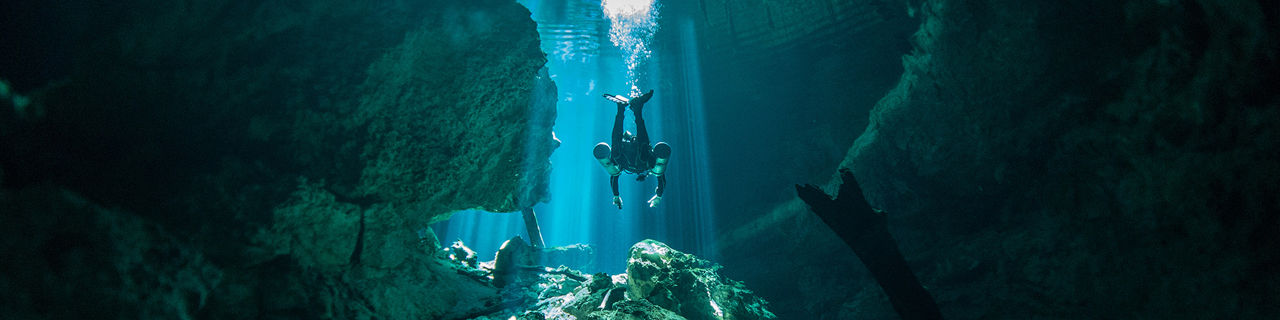
As a part of the Mesoamerican Barrier Reef, there is an abundance of sites to discover scuba diving in Cozumel or add another notch on your dive belt. Cozumel’s Marine Park promises thriving coral walls animated with marine life, gripping drift dives and spectacular geological formations.
If underwater worlds are on your radar, this Cozumel dive guide will explore where to go, what to look out for, how to plan your trip and what activities await after your dive.
Cozumel Reefs And Dive Sites: Where You Want To Go
Similar to a cruise destination, your choice of dive site will shape the type of experience you're likely to have. With over 20 dive locations dotted around the island's west coast, Cozumel caters to an assortment of qualifications and skill levels. You can pick from reef and ocean dives, and if you're a more experienced diver, wrecks are waiting for you, too.
You might not notice the strong currents on board your cruise to Mexico, but you definitely will underwater. Most local dives are drift dives, which can be challenging if you're learning, but are among the easiest once you get a handle on it. A professional instructor will always accompany you, so for newbies and veterans alike, you can expect full guidance around the site.
Here are some of Cozumel's prized reefs to put on the map:
Santa Rosa Wall
Max depth: 30 feet.
Skill level: Intermediate.
Santa Rosa is a Cozumel classic and one of the most popular first tank dives on the island. As you drift past, you'll witness its iconic tunnels that burrow deep into the reef wall, surrounded by lobsters, barracuda, horse-eyed jacks, eagle rays and turtles. It's generally recommended for intermediate divers due to unpredictable currents.
Yucab Reef
Max depth: 55 feet.
Skill level: Entry and beginner up.
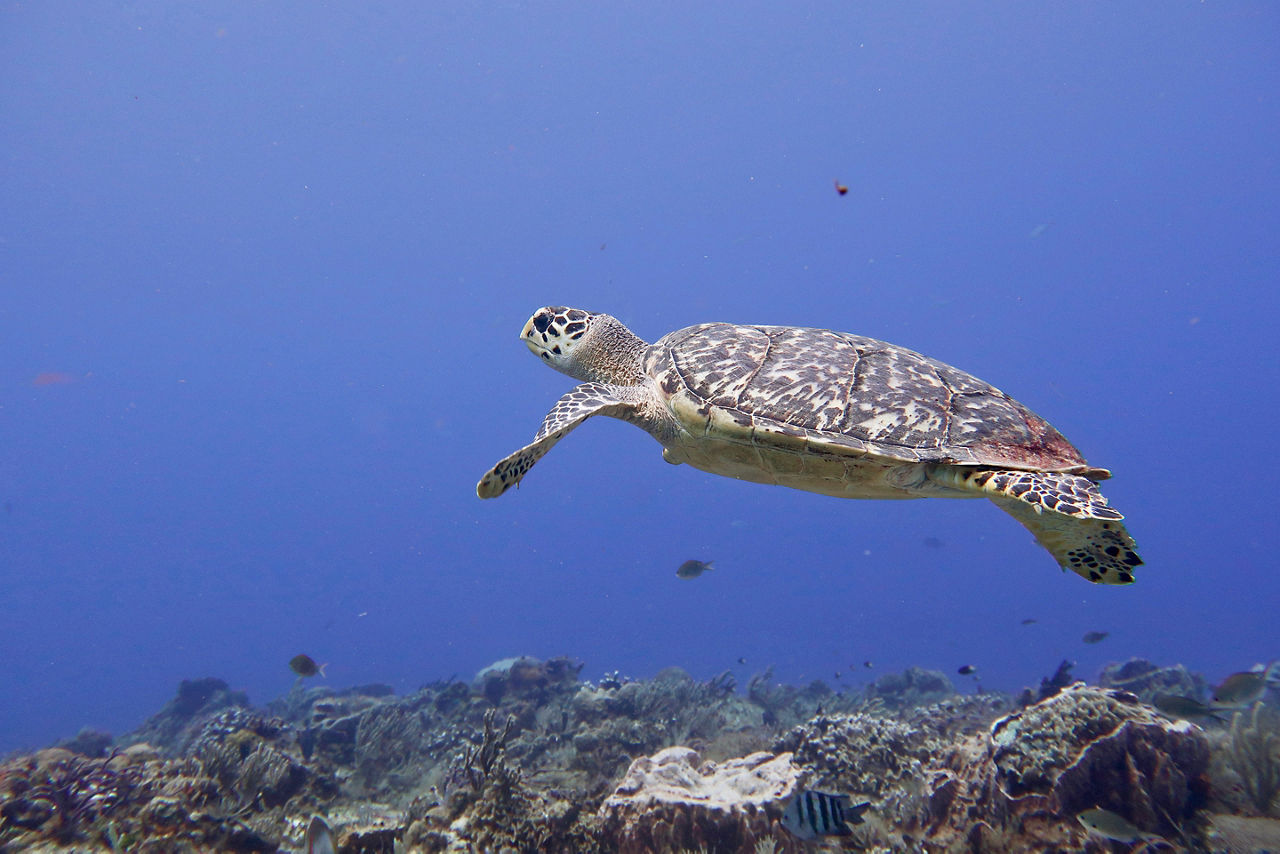
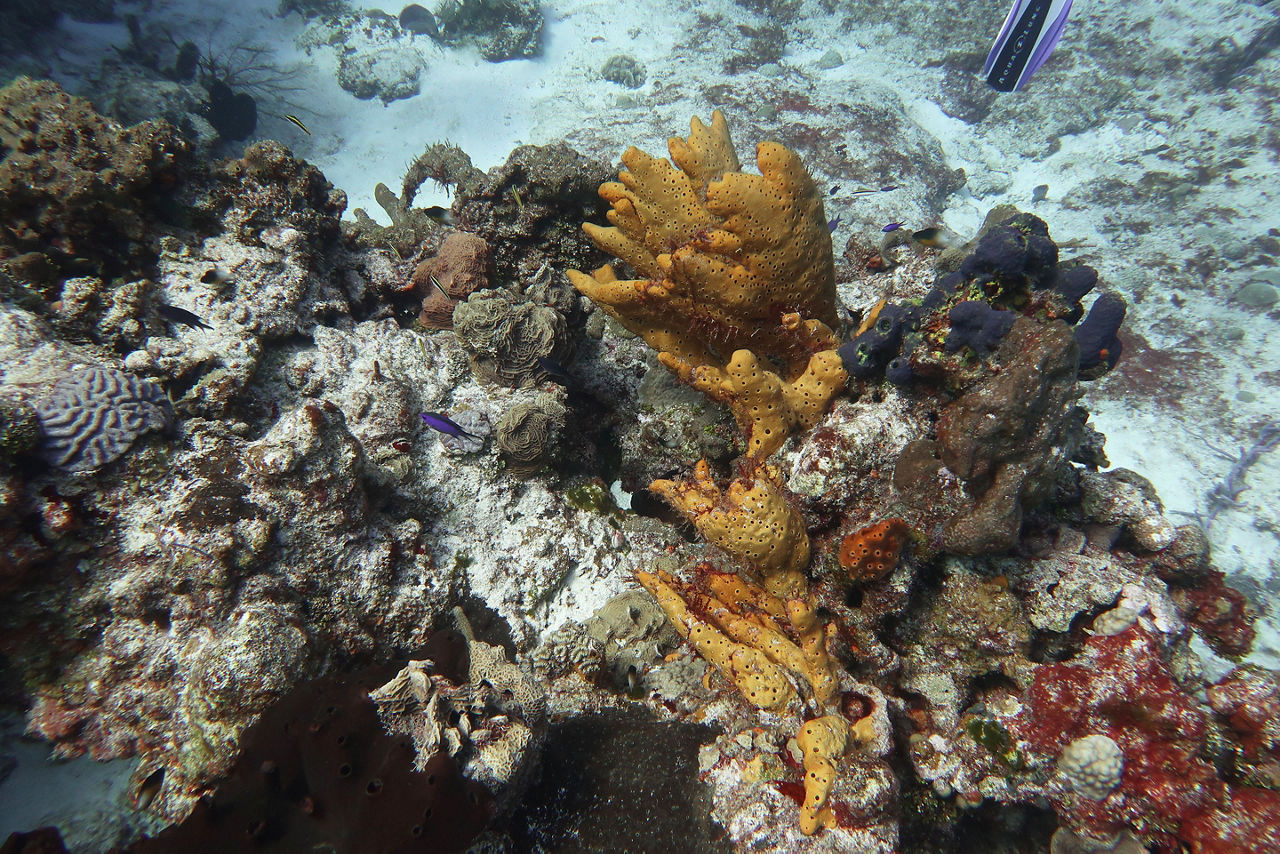
Yucab is a shallow reef with high visibility and kaleidoscopic, lively corals. It's another drift dive and a common entry point for those who want to discover scuba. Modest currents travel north to south, and you can see a combination of healthy hard corals and massive barrel sponges. Nurse sharks, turtles (hawksbill and green), lobsters and bright reef fish are common here — as well as Cozumel's endemic splendid toadfish.
Punta Sur (Devil's Throat)
Max depth: 140 feet.
Skill level: Advanced.
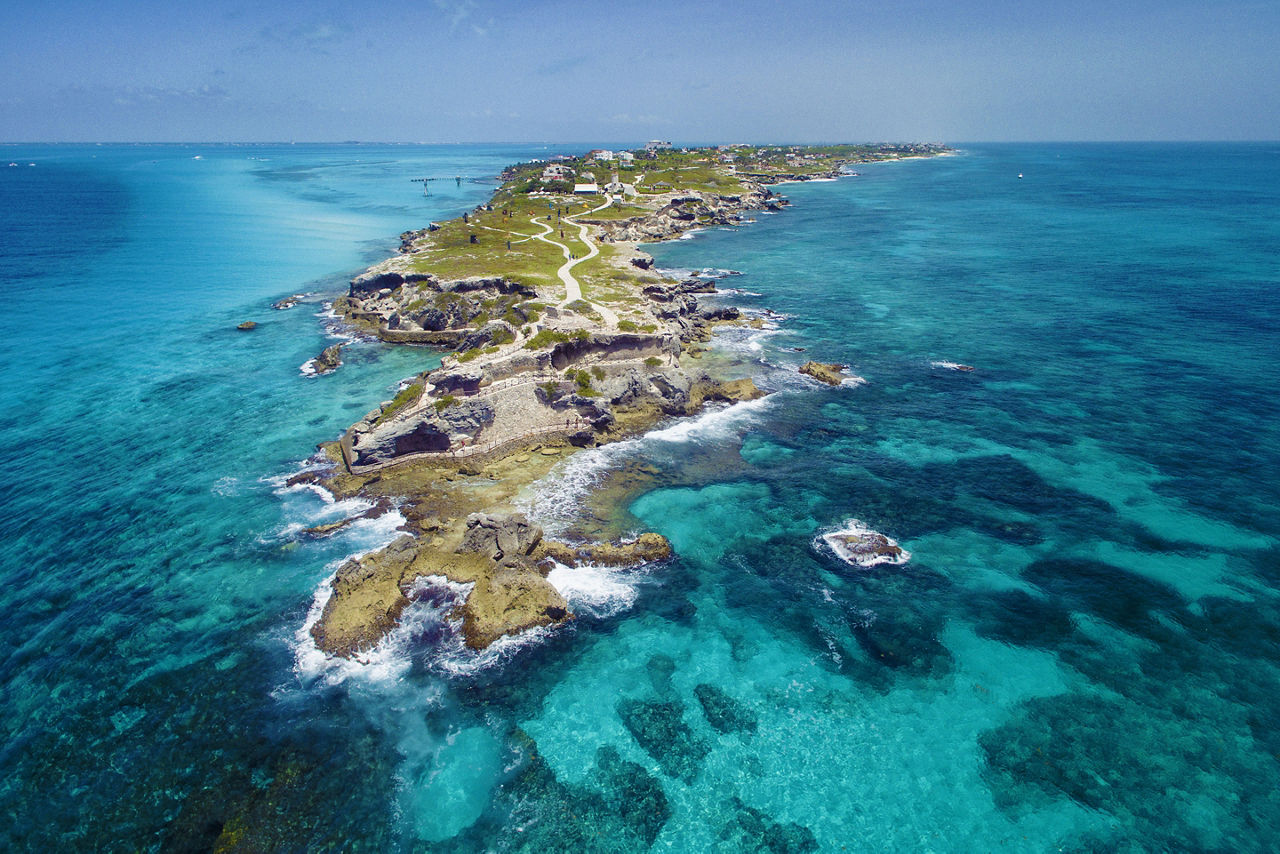
At Punta Sur, you'll drift through large, deep passages at 100 feet, which lead to a fantastic chamber called the cathedral. You'll then head to the Devil's Throat, a passage that starts at 90 feet and narrows as it winds down to 140 feet. This one is usually reserved for advanced divers due to its depth and strong currents.
Chankanaab Shallows
Max depth: 50 feet.
Skill level: Beginner up.
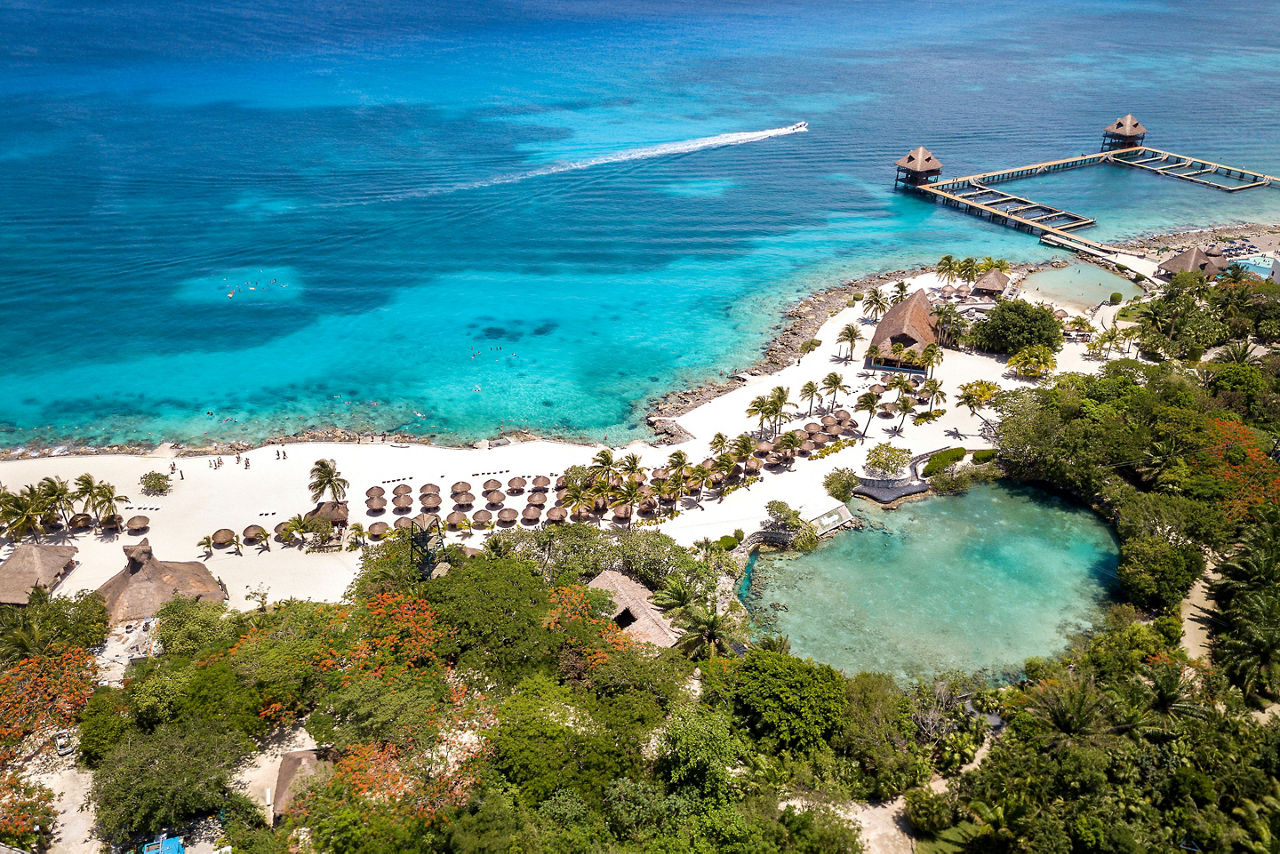
A mild current will carry you across an awesome mosaic of hard and soft corals, teeming with colorful reef fish, snapper schools, crustaceans (including shrimp, crabs and lobsters), giant parrotfish and splendid toadfish. This is another vibrant location for drift diving — or a night dive.
Bull Shark Site
Max depth: 78 feet.
Skill level: Intermediate.
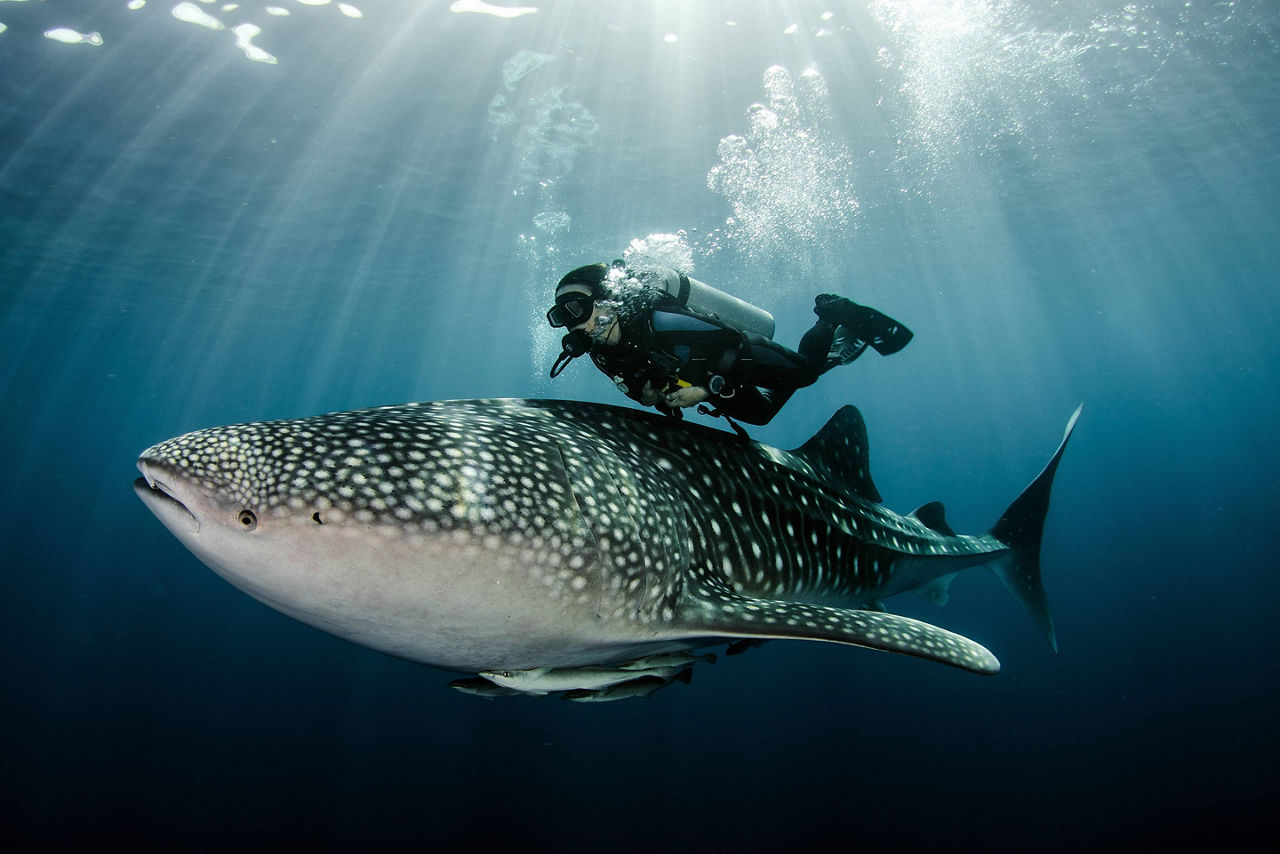
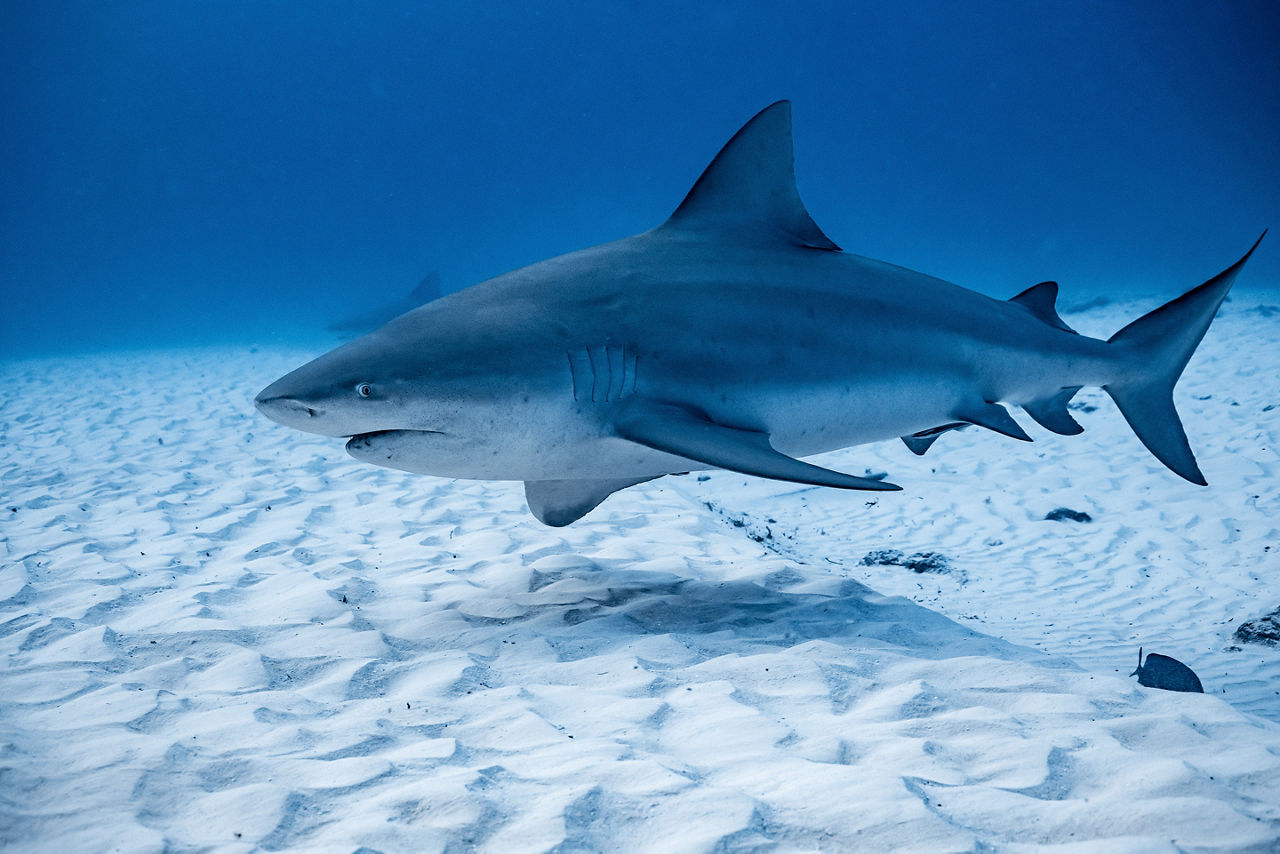
Plunge into this ocean dive as you float over a sandy bar and watch bull sharks (almost eight feet long) peacefully sail through the ocean. The best time to see bull sharks is typically between November and March. In my experience, these sites are great places to search for shark teeth on the ocean floor.
C-53 Wreck Felipe Xicotencatl
Max depth: 24 - 80 feet.
Skill level: Varying.
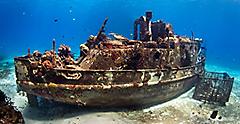
This 184-foot-long Mexican Navy Minesweeper, sunk in 2000, sits at 80 feet deep on a sandy bottom and is now repurposed as an artificial reef. If you're an open water diver, you can admire it from above, spotting schools of sardines and grouper. If you're an advanced diver, you can explore the ship, entering through huge holes cut in its sides. Inside, you'll find schools of glassy sweepers and sardines, as well as eels and crabs.
Palancar Reef and Caves
Max depth: 98 feet.
Skill level: Intermediate.
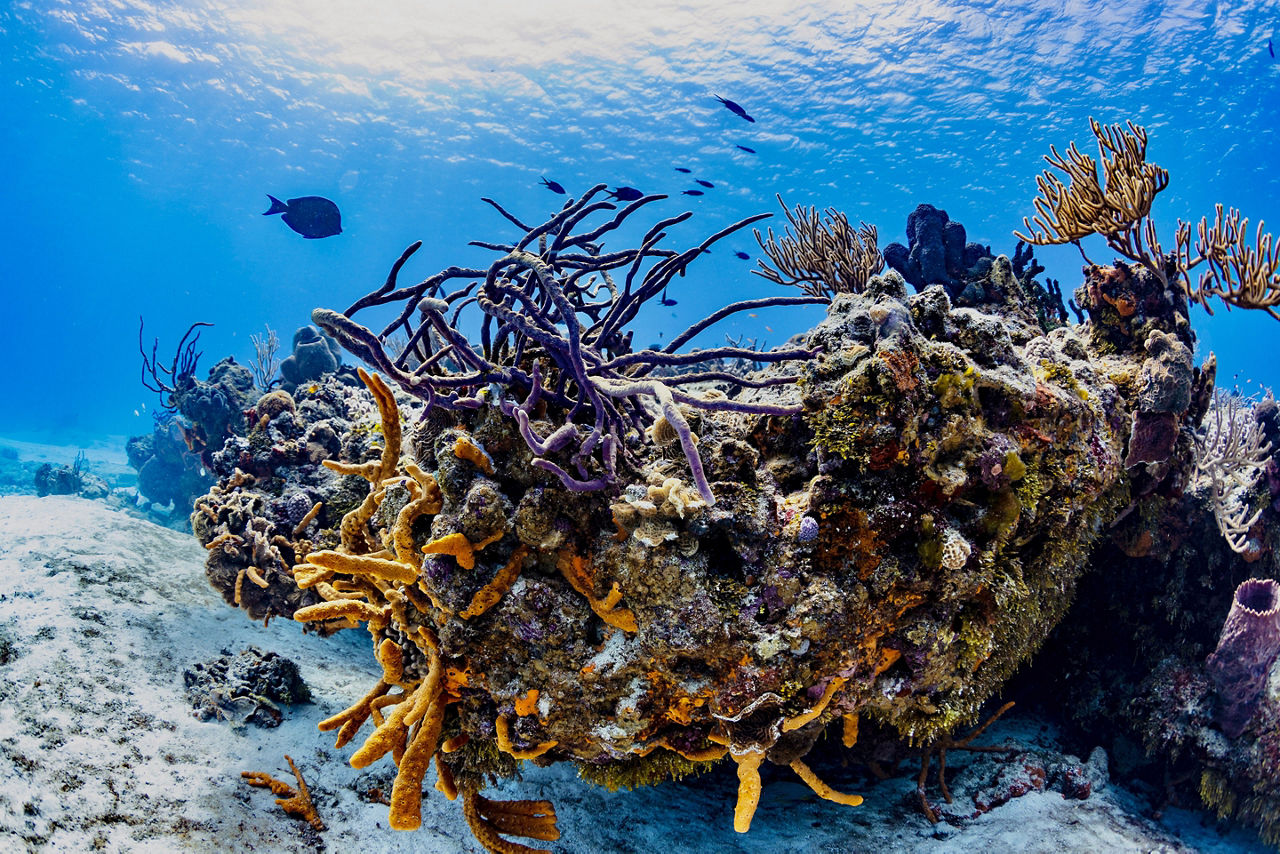
The Palancar Caves are often the first in a series of multi-level drift dives, starting relatively deep and working down to explore the lower coral reef. You can see turtles and eagle rays during winter, as well as nurse sharks, triggerfish and angel fish most of the year. This site flaunts caverns and coral tunnels that let light through and offer plenty of opportunities to swim through different routes along the reef.
What Marine Species Can You Find in Cozumel?
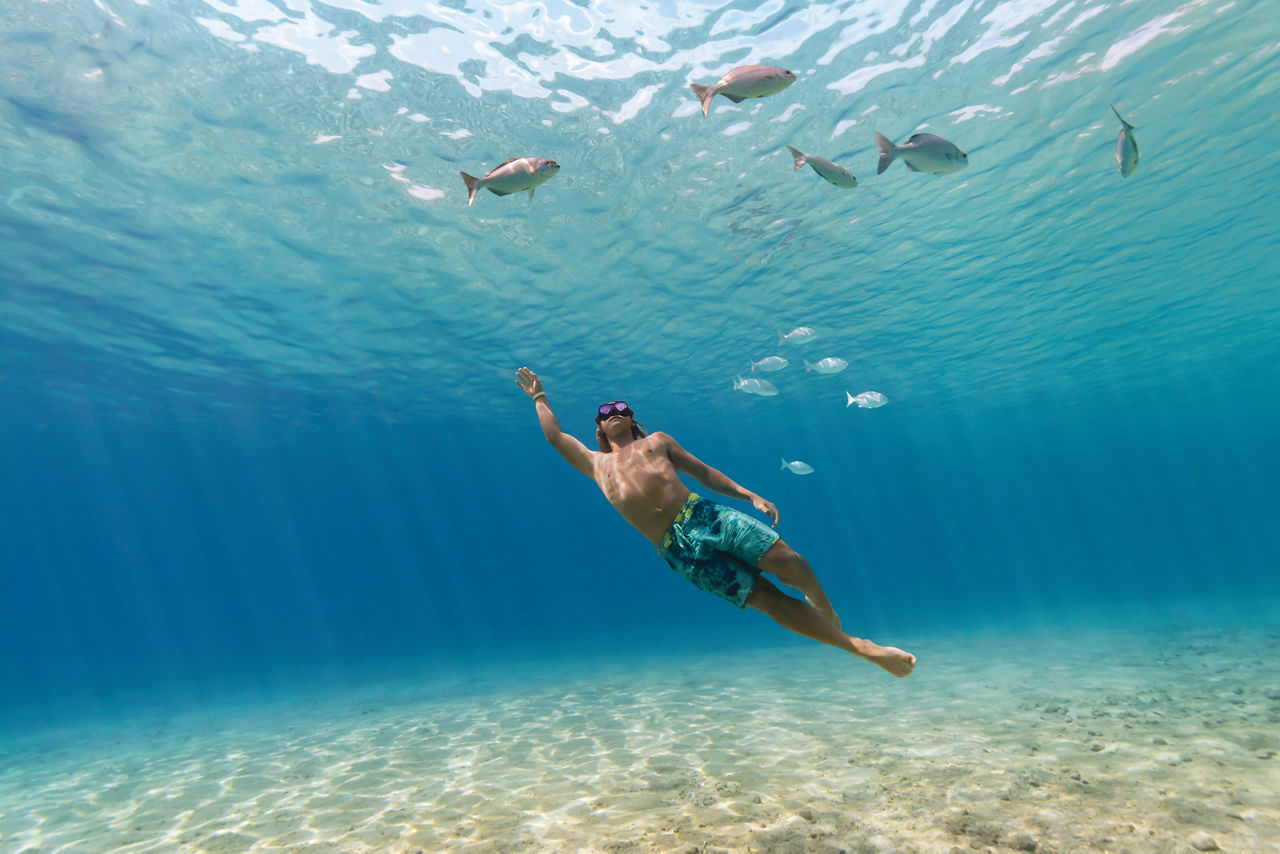
When diving Cozumel, you'll find active and diverse marine life, ranging from the massive to the minuscule. A colorful assortment of fish live among the coral reefs, including angelfish, parrotfish and the endemic splendid toadfish. You'll also see larger schools, such as grouper, triggerfish and the legendary barracuda.
A variety of shrimp species and crabs also inhabit the reefs — if these are a central point of focus for you, I'd suggest heading out on a night dive in Chankanaab, as they're the most active when it’s dark. Nudibranchs are the more flamboyant members of Cozumel's marine family, and you can spot them during the day or with a good eye at night.
Turtles are so common that your dive master will likely stop pointing them out soon after you get beneath the waves. Sharks, including nurse, bulls and hammerheads, also make an appearance from time to time. Less common sightings include manta rays, and you might even run into a manatee as you explore the Yucatan coast.
Book Now
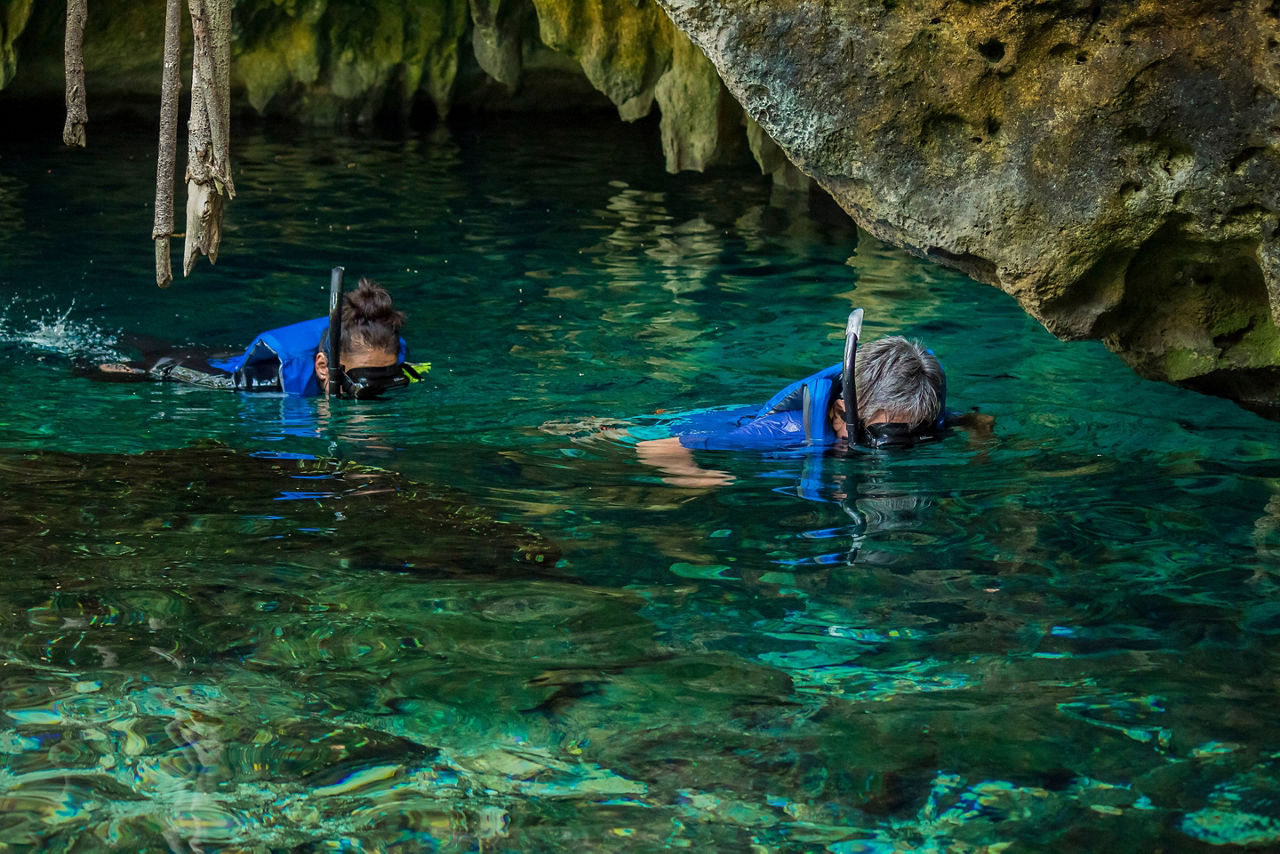
How To Plan Your Cozumel Dive Trip
It's well-known that planning a cruise is a walk in the park from booking to boarding — and setting up a dive trip during your day at port is just as easy. It's best to lock your excursion as early as possible via the Cruise Planner, as spaces are limited. Failing that, you can book once you're on board. Note that if you're planning to get certified during your cruise, you'll need to book well in advance of your sailing to ensure you've completed the theory part of the course before boarding.
Fortunately, Cozumel serves up crystal-clear waters that sit between 78- 82°F year-round, providing about 300 diveable days per year. May through September offer calmer conditions and fewer crowds, whereas experienced divers seeking a thrilling encounter with bull sharks might cruise to Mexico between November and March.
Here are a few extra notes to keep in mind:
- ● Departure times: Many dives start early in the morning, so make sure you get plenty of rest before your dive and have a good breakfast.
- ● Gear hire: You can hire gear for your dive from the operator — but if you have any special equipment (a dive computer, underwater camera or personal mask and snorkel), feel free to bring it.
- ● Snacks and drinks: The dive shop usually provides snacks and beverages throughout the day, but you can bring extras (especially water) if you feel you may need additional supplies. If you’re planning to consume alcoholic drinks, save them for after the experience.
- ● What to bring: Bring sunscreen and sunglasses for the boat ride — and remember to pack a few layers for after your dive. I also usually take a small waterproof bag for my phone and jewelry.
- ● Onward travel: Ensure you have a 48-hour gap between surfacing from your dive and flying back home. This gives the extra nitrogen in your tissues sufficient time to dissipate, and is especially important if you're only planning a short vacation in Mexico.
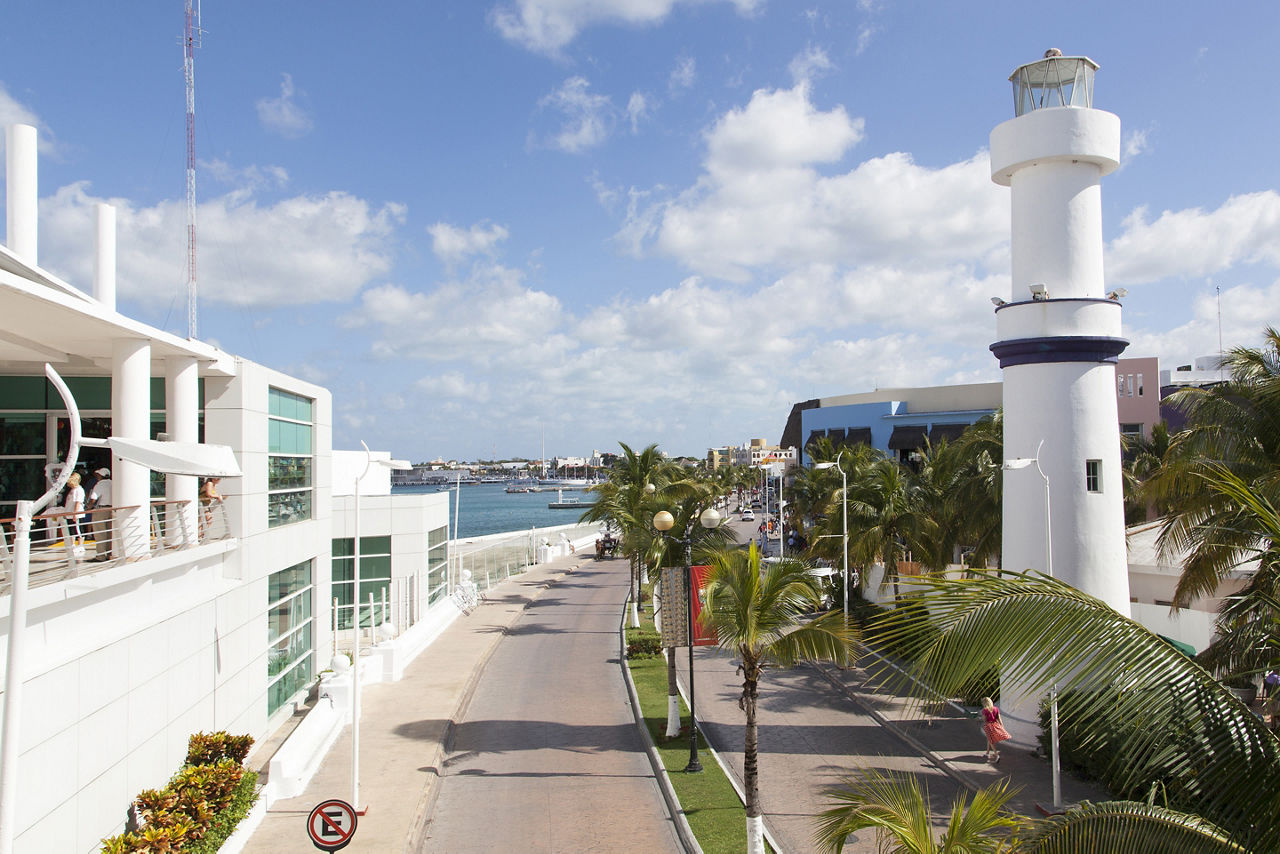
Beyond The Waves: What To Do After Your Dive
Once you're back on dry land and happily waterlogged, Cozumel offers plenty to keep the momentum going. If you've still got energy in the reserves, you can hire a jeep and explore some of the best places to see in Cozumel's inland. Beyond its mangroves and hiking trails, downtown San Miguel is bursting with handcrafted goods, champurrado and a decent nightlife.
On the other hand, if you've been saving the high-energy vibes for your stop at Cancun — or just need to bring your body back to Earth — stretch out beneath the Caribbean sun on a secluded beach and sink into a well-earned rest. When you get hungry, there are always Mexican cooking classes, where you can learn how to whip up the flavors you've been devouring all week. However you play it, there's no way to miss the quintessential Cozumel experience.
Reef-Fresh Your Senses In Cozumel
It's no secret that Cozumel Island serves up more than its rightful cut of phenomenal scuba diving experiences. With spirited marine species, stunning underwater formations and your choice of calm or adrenaline-fuelled adventure, first-time and experienced divers alike can find their ideal depths to explore. Combine that with a cruise vacation and you'll be drifting through the best of both worlds, both above and below the sea.
Get Royal Deals, Sign Up Today
Related Articles
What To Do In Cozumel
READ MORE
Yucatán Cenotes: A Guide To Mexico’s Natural Wonders
READ MORE
Memorable Mexico Weekend Getaways From LA
READ MORE
5 Top Kid-friendly Places in Mexico
READ MORE