The Ultimate Guide To Cruise Etiquette
How To Be on Your Best Behavior on Board and at Your Destination
By Sheryl Nance-Nash | Published on January 8, 2025
Cruising makes travel easy, but that's not to say there's no work for you to do. Just like you prepare for a trip by reviewing the top cruise do's and don'ts and all that a destination offers, you should also be aware of the cultural customs of where you're traveling. Cruise etiquette matters — especially international travel etiquette.
If you're globe-trotting through Europe, South America, Asia, the South Pacific or anywhere else, try to avoid making any cultural blunders. Read on to learn how to be the perfect guest wherever you go.
Key Takeaways: Get Clued Up on Cruise Ship Etiquette
- ● On the cruise ship: Since you’re sharing a space with thousands of people, keep noise respectful and follow the cruise rules for tipping.
- ● The Bahamas: When visiting, remember to wear cover-ups away from the beach and avoid touching the precious coral reefs.
- ● Bermuda: This island is formal, so use titles (like Mr. and Mrs.) when greeting locals and help maintain the island's pristine cleanliness.
- ● The Caribbean: Leave camouflage clothing at home because it is reserved for the military. Also, research tipping customs for your specific island.
- ● Mexico: Have a go at speaking Spanish, always accept hospitality and wait for the host's “buen provecho” before eating.
- ● Europe: Dress stylishly — especially in fashion hubs — and remember you must ask for the bill at the conclusion of your meal.
- ● Asia: Always dress conservatively and know that in some parts of Asia, tipping might be considered an insult.
- ● South Pacific: Respect natural resources by leaving all sand and shells behind, and always ask permission before taking photos.
- ● Use these tips as you start planning your next cruise and have your best vacation ever at sea.
Cruise Ship Etiquette While On Board The Ship
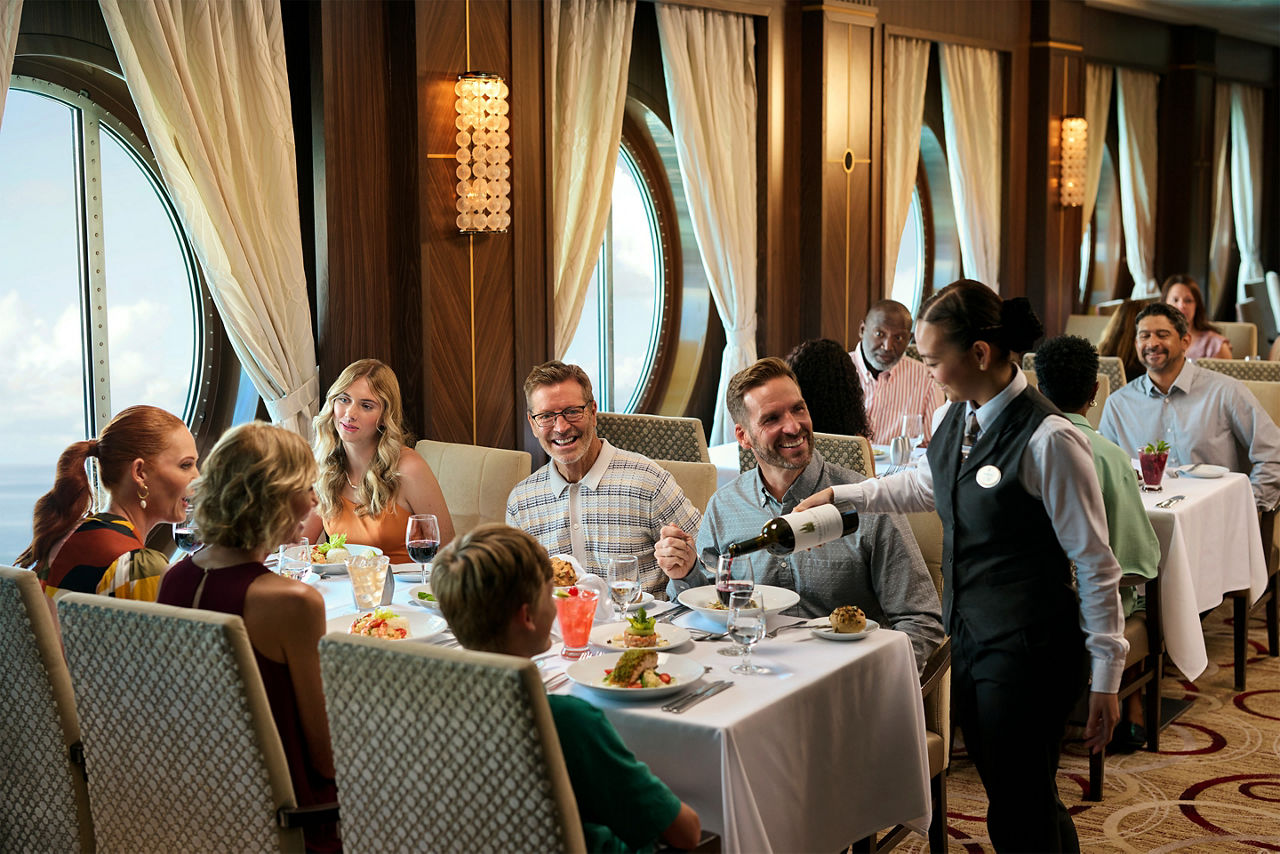
Cruise etiquette is important for the same reasons neighborhood etiquette is — you’re sharing a space with thousands of people, all trying to relax and explore. A little awareness goes a long way. Most cruise rules are common sense, but a few — like not saying “Titanic” on board — are not as obvious when you’re cruising for the first time. Even after all these years, it’s still too soon. Here are a few more unspoken cruise ship rules to make the journey smoother for everyone:
Keep Noise Respectful
Noise carries differently on a ship, so keep hallway conversations and balcony theatrics to a minimum. There’s no official curfew, but keeping volumes respectful after hours is a no-brainer that keeps everyone happy.
Onboard Tipping and Staff Etiquette
Crew members work hard — often behind the scenes — so follow the cruise rules for tipping and gratuities provided. Bring a little patience, show genuine gratitude and give staff the space to do their job. Then, you’ll blend in as a thoughtful guest.
Dress Codes
There are no fashion police on board the ship, and no one expects you to dress like you’re attending a royal gala (unless, of course, it’s formal night). However, you’ll find that some dining venues do have a dress code. For example, you can wear jeans to many complimentary restaurants, but certain specialty restaurants require smart casual or semi-formal attire. Do a quick check of your ship's guidelines to keep your outfits flexible.
General Cruise Ship Rules
Different locations will have different protocols around activities like consuming alcoholic beverages, gambling and the type of items you can bring on board. Before you set sail, it’s a good idea to check the Royal Caribbean rules to make sure you’re drawing within the lines on board.
Now you know how to stay respectful, let’s explore good cruise etiquette in some of the locations you might be visiting.
How To Be Your Best Self In The Bahamas
While you're playing in the sparkling blue waters in Nassau, Bimini, Freeport or Grand Bahama, or enjoying a cold sky juice (a must-have when you’re in the area), here’s how to make sure you're on your best behavior.
Snorkeling and Diving Etiquette
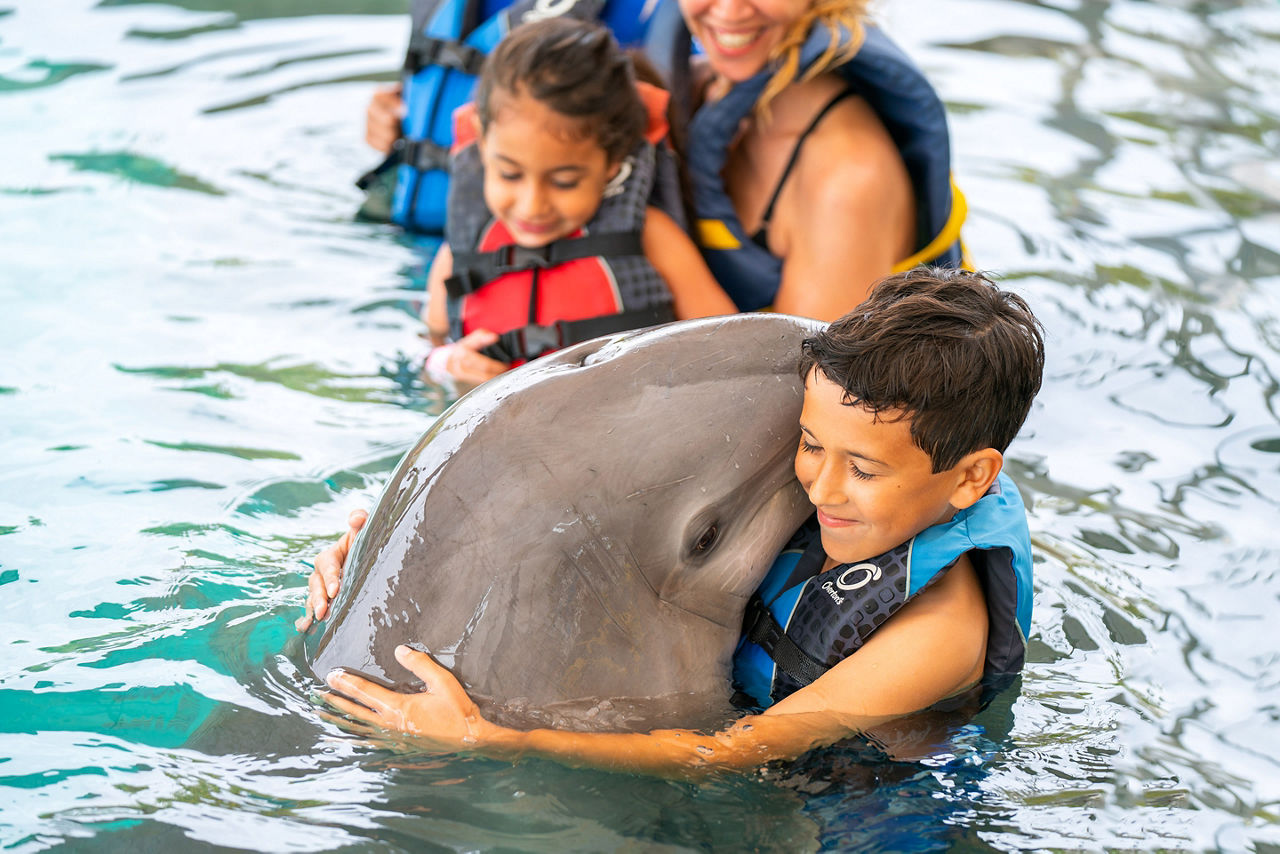
The local marine ecosystem is precious and deserves respect. In fact, The Bahamas is home to one-third of the Caribbean's coral reefs. Be careful not to step or touch the coral or other sea creatures (like stingrays) while you're snorkeling or boating. Rather than touching the wildlife, bring a waterproof camera to help you remember your experience.
Keep Swimwear for the Beach
The Bahamas is beloved for its energetic festivals and street parties, but keep in mind that it also isn't the kind of place where you want to parade around town in swimwear. Though you won't necessarily be denied service without one, locals expect you to wear cover-ups. The Bahamas are lively, but there's still a conservative spirit. For example, many Bahamians are religious, predominantly Christian.
Dining and Bargaining Etiquette
The Bahamas primarily follows typical British etiquette due to its history. When dining, keep your hands above the table and elbows off the table as a sign of respect. Tipping here is customary, and while 10% is standard, 15% is also appreciated. Save bargaining for other destinations that welcome it — in The Bahamas, when it comes to prices, what you see is what you get.
Book Now
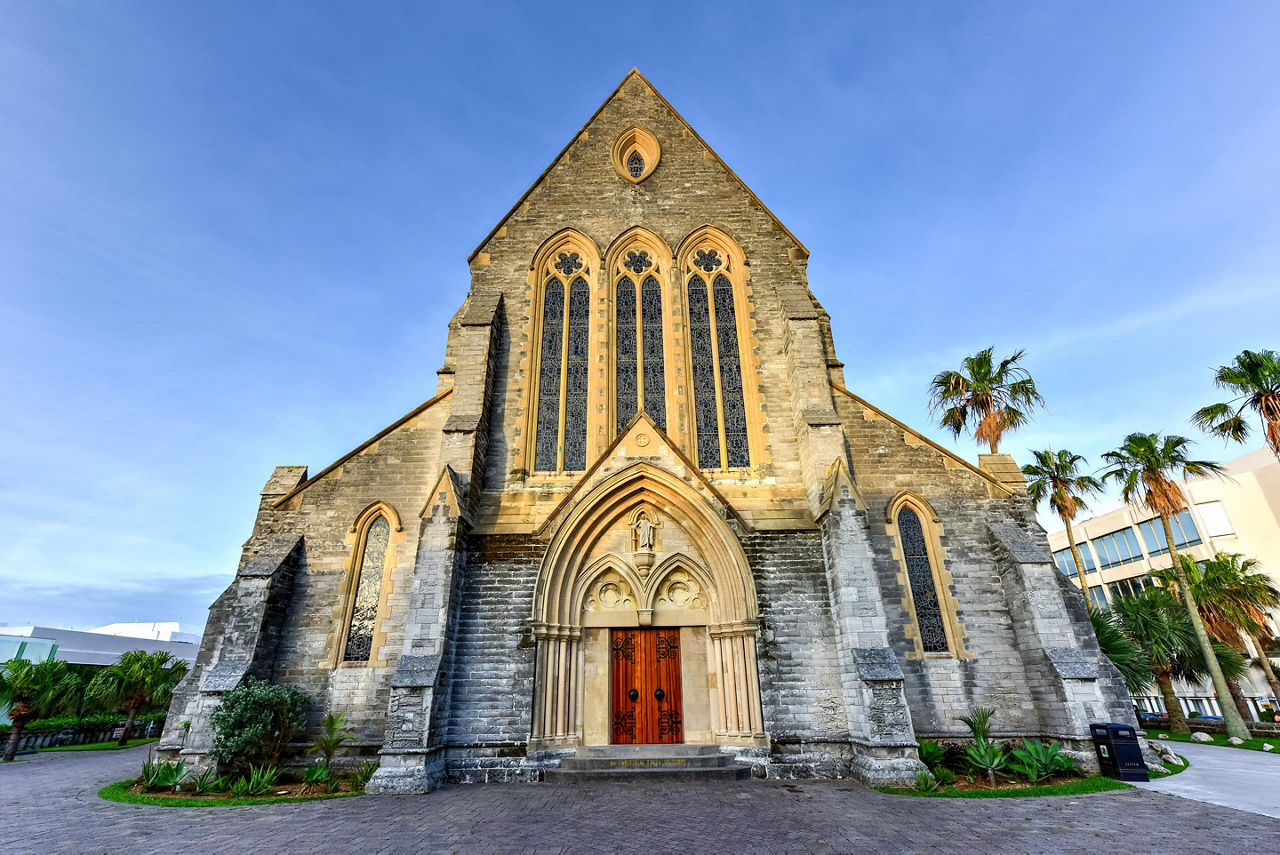
Staying Formal Yet Fun In Bermuda
Maybe you decide to spend your time in port in Bermuda, checking out the Royal Navy Dockyard, botanical gardens, the Cathedral of the Most Holy Trinity or the boutiques on Front Street in Hamilton. Wherever you go, expect friendly folks who revere politeness.
Greeting Etiquette
Instead of giving a quick "hi" or "hello" as a greeting, try to engage a bit more. If you're meeting someone in a formal setting, a handshake is best. As old-fashioned as it might seem, in Bermuda, addressing others by their title (such as Mrs., Mr. or Ms.) and last name is the ideal way to address someone. Wait for them to give you permission to call them by their first name.
Dining With Locals
As much as I love Bermuda, this beautiful isle may seem quite formal in its cultural energy compared to more carefree Caribbean islands like Jamaica. This comes through during dining etiquette. When sharing a meal in someone's home, you should wait until your host begins eating before starting your meal. Then, graciously thank the host for their efforts and heap on praise — flattery is appreciated.
Keeping the Island Clean
Bermudans take pride in the island's beauty. The squeaky-clean image of everything isn't that way by accident. Not only are beaches pristine, but so are the streets that always look like someone just swept them five minutes ago (because they likely did). Take any litter with you and help the locals uphold the stunning and clean environment they live in.
The Do's And Don'ts Of The Caribbean
While each Caribbean island has its own customs, there are some cultural commonalities.
Wearing Camouflage Clothing
It might be cool to wear camouflage clothing in your hometown, but if you're visiting places like Jamaica, Antigua and Barbuda, Grenada, Trinidad and Tobago, Dominica and St. Lucia, among others, it's reserved for military and police use only. It’s best to leave this style at home when cruising in the area.
Local Culinary Norms
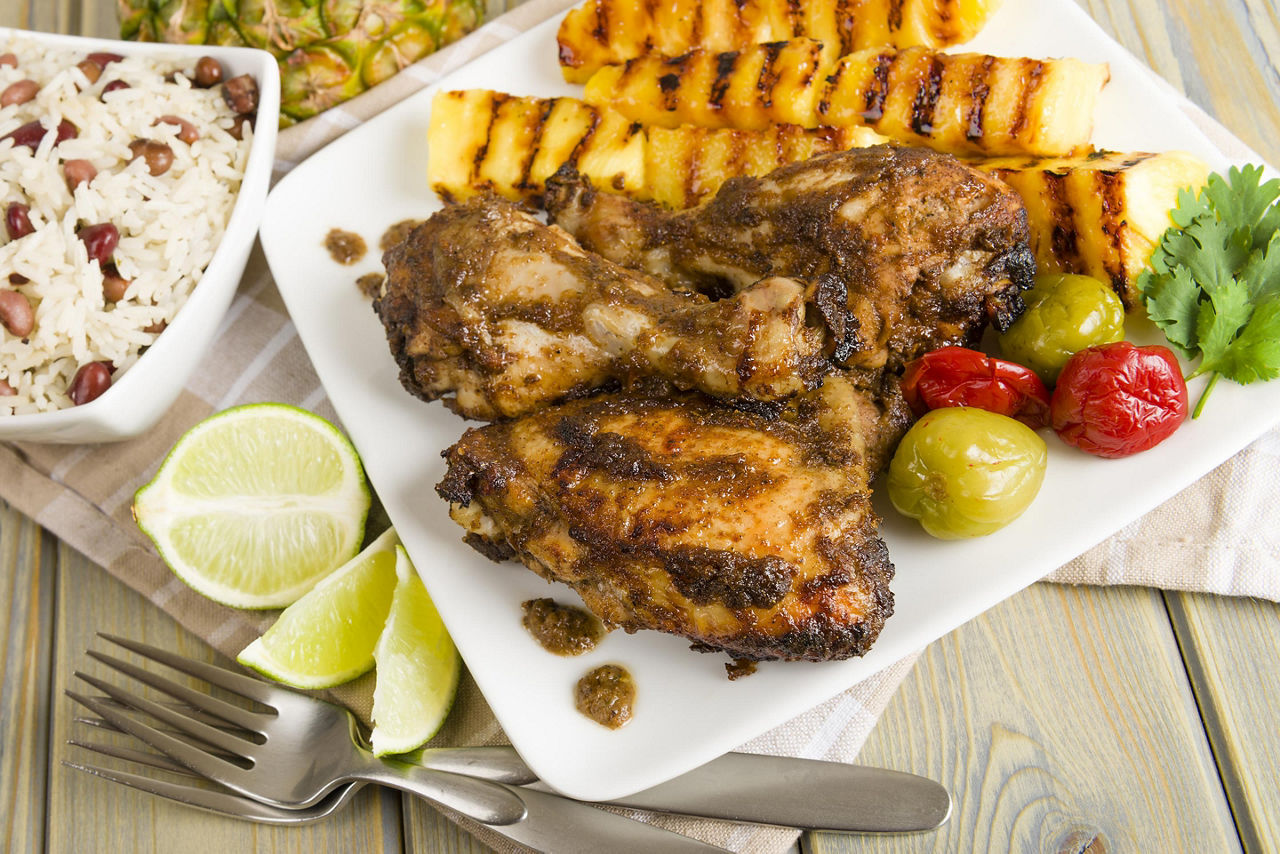
The Caribbean is blessed with some of the best cuisine anywhere. I will eat jerk chicken, rice and peas, escovitch fish (typically red snapper sauteed with peppers, onions and carrots), callaloo (leafy greens steamed with onions, garlic, scotch bonnet, scallion and thyme) and festival (a fried pastry) any day of the week when I'm in Jamaica. Don't, however, ask a Rastafarian for salt if you don't want them to suck their teeth in disdain. Some Rastas believe salt dehydrates the body and causes spiritual imbalance.
Finding Your Seat in Restaurants
No matter the island in the Caribbean, don't sit down at the table until you're asked and given instructions on where to sit. Watch your host — when they start eating, that's your cue that it's OK to dig in.
Tipping Etiquette
Be aware that tipping customs are all over the place in the Caribbean. Not only is each island unique, but even in the same country, different areas may have different customs. Do a little homework while you’re planning your cruise. The country's official tourism site often has information on things like tipping. Understand that some Caribbean islands may include a service charge in the bill, while others encourage direct gratuities to staff, so come prepared with a few dollars on hand just in case.

Mind Your Manners In Mexico
In Mexico, it's all about the handshake. If you're meeting a group of people, it's best to shake hands with each person rather than only addressing the group as a whole.
Respect Social Norms
Though English is commonly spoken throughout Mexico, you'll gain the respect of locals if you try to speak Spanish. Study up on a few useful conversational phrases so you know how to greet others, ask for directions, ask for recommendations, get medical attention and say "thank you." Additionally, it's important to always accept the hospitality offered to you. For example, if someone gives you their seat on public transportation, a beverage when in someone's home or assistance if you look lost, say "gracias" and let them help you.
Dining Etiquette
If you end up dining with locals on your cruise to Mexico, wait for the host to seat you. Don't start eating before everyone at your table has their food and until the host says, "buen provecho," which is like bon appétit. You might get side-eyes if you switch knives and forks between your hands and if you rest your elbows on the table. When you've had enough, lay the knife and fork side by side across the right side of your plate.
Tipping in Mexico
You also want to do the right thing when it comes to tipping. The rules are likely different than what you're used to. While in bars and restaurants, 10-15% gratuity is typical, you might be surprised that at Mexico's gas stations, a tip of five to 10 pesos is standard for attendants who wash your windows and provide other services. In some clubs, fancy restaurants and hotels, you might find a washroom attendant. It's up to you and what you feel comfortable tipping, but 10 or 20 pesos in the tip jar will make their day.
Visiting Markets and Religious Spaces
You can try bargaining at artisan and craft markets, but be polite and don't expect a huge discount. As for what to wear, casual clothes are fine, but when you're in one of Mexico's beautiful cathedrals, churches or chapels, remove your hat and cover your shoulders and knees.

Etiquette Moves To Make On A European Cruise
One of the great things about international cruises is the ability to visit a few places during your trip. For instance, in many European countries, it’s customary to kiss people on the cheek when you meet them. If you feel comfortable with it, follow their lead — and don’t be surprised if it comes up when meeting the locals! Though each country has different rules, when on a European cruise, some things are fairly universal.
Dress To Impress
It's OK to dress casually, but remember that Europe is one of the world’s most significant fashion hubs. Pack some outfits that will "wow," especially in places like Paris and Italy. If in doubt, black is a safe option.
Ordering Meals
Europe is home to some of the best eating in the world, so enjoy it. In Europe, mealtime is revered and not rushed. Because of this, you'll need to ask for the bill, as the server doesn't want to seem like they're rushing you. In cities like Paris, asking for something that's not on the menu or asking for substitutions may be frowned upon.
In Europe, when you finish eating, place your utensils in the 5:25 position. It doesn't matter if the fork's tines are facing up or down, though. Doing this lets the server know they can take away your plate without interrupting you. Note that in most European countries, tipping isn't expected.
Showing Respect in Museums and Religious Spaces
Use your inside voice when you're in a restaurant or museum — especially if you’re cruising with young ones. If you're too noisy, you might get looks of disapproval. Tourists flock to Europe's epic places of worship, some of which date back to the Middle Ages. Keep in mind that women should cover their shoulders and wear long skirts or pants so their knees are not exposed when visiting sites of worship. Some places may ask that women cover their heads with a scarf as well.

Know What's Ok In Asia
An Asia cruise offers a chance to experience diverse, unique cultures. But there are some similarities with other parts of the world.
Dressing Conservatively
You won't go wrong if you dress conservatively, as in Asia, that's considered respectful. If you're in temples in Thailand and elsewhere in Asia, cover your shoulders and knees. In most places, you should remove your shoes before entering certain businesses and temples.
Local Greetings
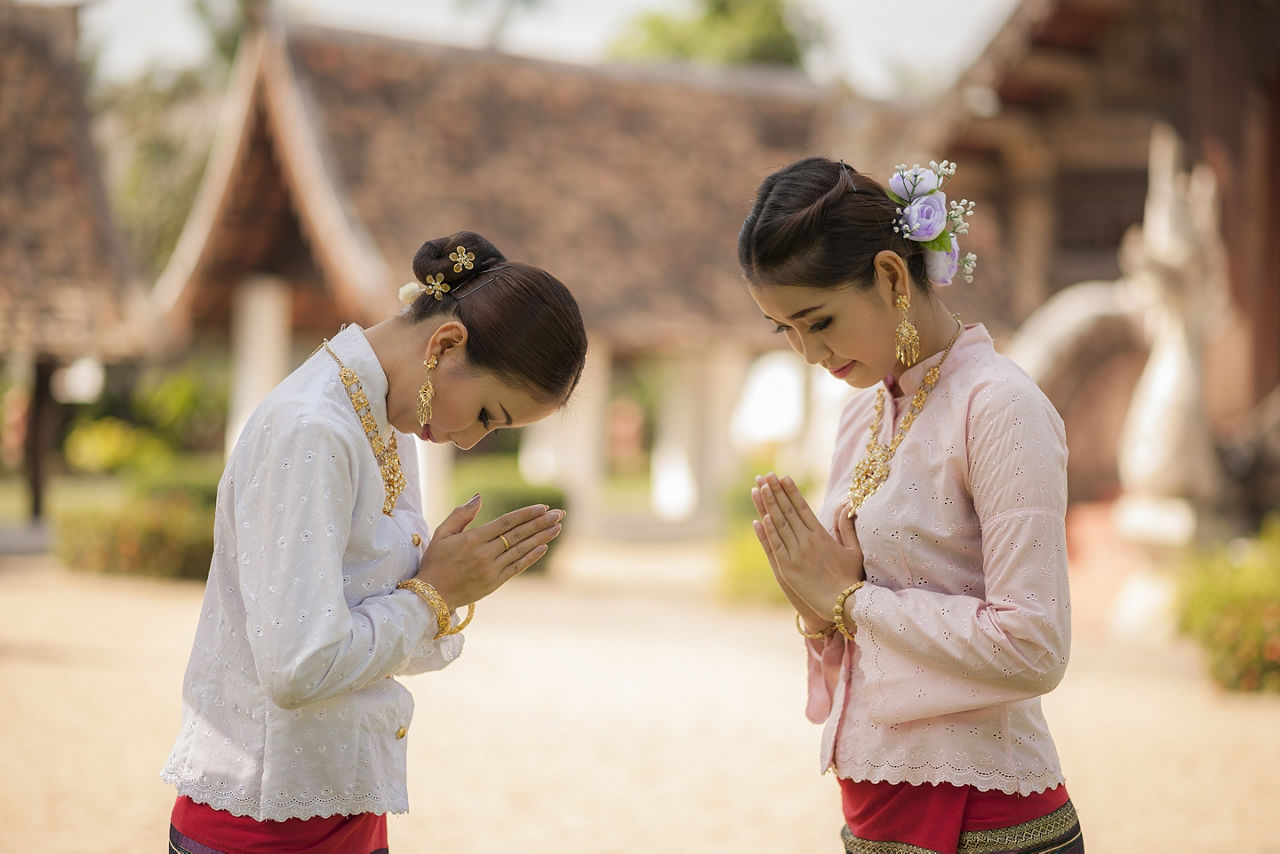
In some Asian cultures, like Japan, people bow when greeting one another to show respect, especially to elders. In Thailand, the “wai” is a traditional greeting where you place your palms together in a prayer-like position and bow slightly. Foreigners are not expected to initiate a “wai,” but it is considered an insult not to return one.
Everyday Customs
Avoid major flubs, like tipping in Japan, which is considered an insult. Crossing your fingers in Vietnam can also feel insulting to locals. Study up on the laws, as there are some you'll find surprising — chewing gum, for example, is illegal in Singapore.
Chopstick Etiquette
And who knew chopsticks could be in the middle of controversy? What you don't want to do with your chopsticks is to stick them upright in food (it's associated with death, because upright chopsticks resemble funeral incense sticks). Instead, lay them together on the edge of, or beside, your plate or bowl.
Smooth Sailing In The South Pacific
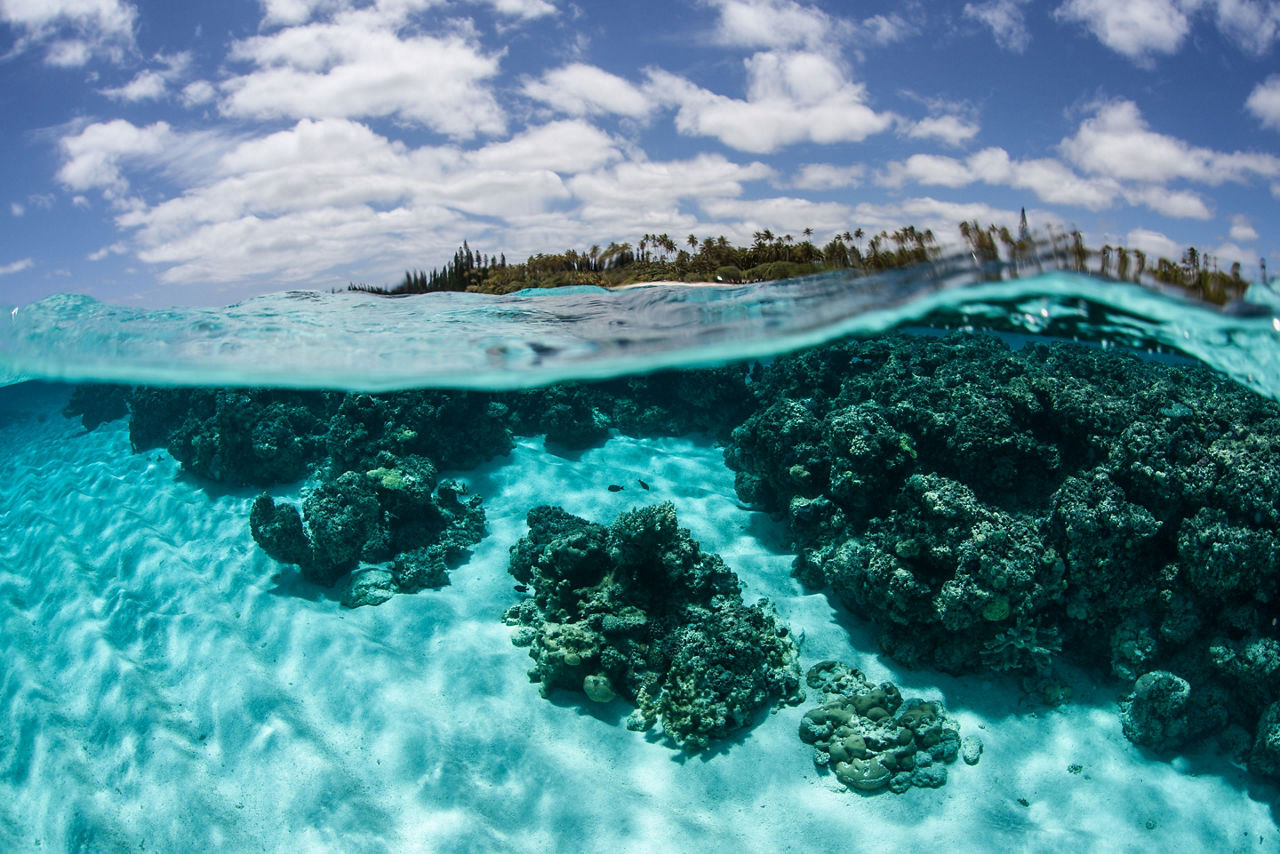
Take a South Pacific cruise, and you'll be surrounded by beauty. From Australia to New Caledonia and Vanuatu, there's a paradise you can't find elsewhere on the planet.
Leave the Natural “Souvenirs”
The world's second-largest barrier reef is in New Caledonia. To be a responsible traveler, start by respecting the natural resources. Don't take home "souvenirs" like seashells, sand and plants.
Picking Fruit and Photographing Locals
Make no assumptions. Say you are in a lush village of Vanuatu and you're meandering along a trail and spot delicious mangoes; understand that you shouldn't just pick them — they might belong to someone. Ask your guide if you can take it. Similarly, ask your guide if it is OK to photograph the village and people, especially children.
Clothing Etiquette
As for what to wear and leave the skimpy attire at home. If you're visiting a Fijian village, women generally wear long skirts and dresses or a wrap around their waist, and men typically wear longer shorts. Like many other parts of the world, the Pacific Islands have a religious influence, and covering up when you’re not at the beach is expected.
Greeting Locals
In the land down under and in New Zealand, shake hands with people when you meet them and before leaving. Allow women to offer their hands first. For more formal settings, use titles like Mr. and Mrs. when first meeting someone — but in social settings, it’s normal to call people by their first names.
Small Manners Make A Huge Difference
Cruise etiquette isn’t so much about being perfect as it is about reading the room, both when you’re on the cruise ship and exploring your destination. If you’re thoughtful on board and on shore, everything runs more smoothly and you can experience greater depth of the cultures you’re visiting.
Ready to discover the world? Explore cruises and find the perfect place to show off your perfect travel manners
Get Royal Deals, Sign Up Today
Related Articles
How To Plan A Cruise For The First Time
READ MORE
What Is Included On A Cruise?
READ MORE
7 Ways To Use Cruise Credit
READ MORE

Where Should I Go On Vacation? 6 Things To Consider On A Royal Caribbean Cruise
READ MORE