A Rome Vacation in One Day: Top Attractions and Itinerary
Travel To Rome via Civitavecchia
By Mary Luz Mejia | Published on January 28, 2026
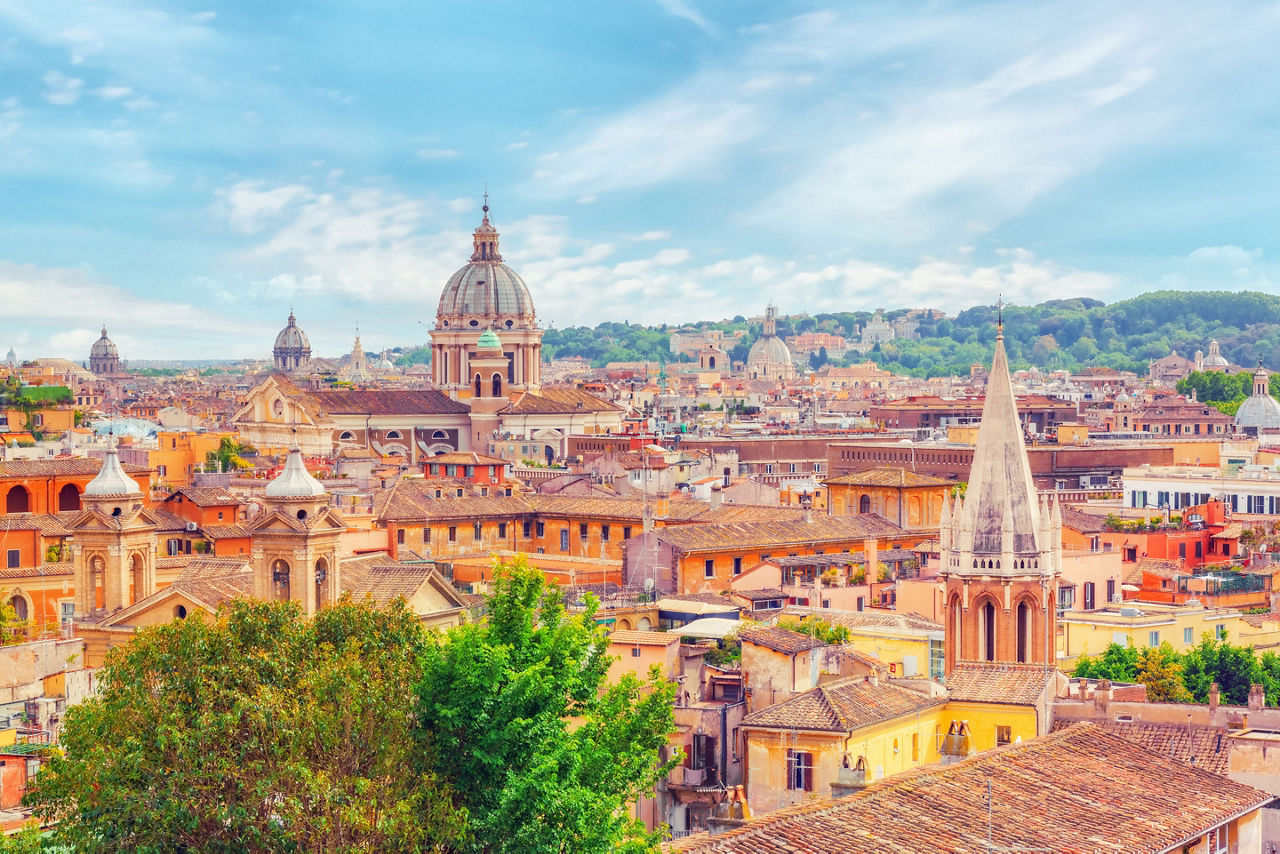
For the traveler with wanderlust, planning a Rome vacation is a bucket list item thanks to its incredible array of history, arts and culture, delectable food and romance, all of which make it so alluring. Getting there is step one, and luckily, there are many ways to arrive in the Eternal City. Planes, trains and automobiles are decent options. The most memorable might be cruising into the coast of Italy via Civitavecchia, an ancient port dating back to 2 A.D. during the rule of Emperor Trajan. Whichever way you arrive, and however long you plan on staying, Rome has enough variety and historically significant sites to keep you coming back again and again. Here’s what not to miss during your Rome vacation.
Key Takeaways
- ● Civitavecchia is the port in Rome for cruises, located about 50 miles from the city center.
- ● Shuttle buses, trains and private transfers make getting to Rome straightforward.
- ● Top attractions and the best things to do in Rome include St. Peter’s Basilica, the Vatican Museums, the Colosseum and the Trevi Fountain.
- ● Spring and fall offer the best balance of weather, fewer crowds and easier sightseeing.
- ● Even one day in Rome is enough to enjoy the city’s highlights when planned well, and it all starts with this sharp informational blog post to get you excited.
- ● Explore cruises to and from Rome right here.
Your Rome Vacation By Cruise Starts In Civitavecchia: Understanding the Port
If you're planning a Rome vacation and arriving in Civitavecchia on a cruise, keep in mind that the port is about 50 miles southeast of Rome itself. This is a busy working port, and shuttle buses are available to take travelers through to the port gates. After this, you’ll navigate yourself past numerous tour operators and taxi drivers offering to take you into Rome.
You can pay a nominal fee for a local shuttle bus to take you to the main train station, from which you can choose to take a train into Rome — more on that later.
Fort Michelangelo and the Waterfront
Arriving in Civitavecchia, you'll almost immediately notice the imposing Fort Michelangelo boldly facing the sea. Built in a Renaissance style during the 16th century, its initial role was focused on offering its citizens some protection by deterring the many pirates from attempting a landing.
Today, the Port Authority is housed within, and you can still take a stroll around the impressive walls as you consider your next stop (psst, I suggest the local market). Wander through the palm-lined promenade or even venture further afield to take in the beauty of this prime Italian destination.
Transportation Options to Rome
If you're planning a Rome vacation and arriving by cruise ship in Civitavecchia, you'll need to consider transportation options for getting to the city. With Rome being a good 90 minutes away, you'll need to consider your options for getting there easily, safely and with room to spare for a return to the ship if necessary.
For those wishing to arrive in Rome via road while avoiding the option of large charter buses, some companies are offering private transfers between Civitavecchia and Rome. You can even pre-book these online and just meet up with your driver once you arrive at the port. “Molto facile”!
Should You Rent a Car?
While there are many car rental agencies dotted along the streets surrounding the port, renting a car for the trip into Rome may not be your best bet. This is unless you're planning to travel outside the city to visit some small towns in Italy by the sea. If you're staying in Rome, the city streets are notoriously busy, and drivers do very often display some version of the Roman driving "flair."
In addition, there is enough scooter and foot traffic to frazzle even the most confident of continental drivers. Rome is also a very fine walking city, and if you have the time, it's a great place to "get lost" and experience new and jaw-dropping historical sites.
Let the Experts Guide You: The Benefits of Organized Tours
When traveling to Rome and trying to work around having a limited amount of time to take in the highlights, you can always lean on the locals to get you around as efficiently as possible. One option would be to take an organized tour, many of which are planned to take no more than a day. This ensures that day trippers can comfortably make their evening embarkation time.
If your cruise is departing from Rome, the same tour companies also offer comfortable transfers and can save you from scrambling on how to get to Civitavecchia from Rome and on to your cruise ship on time.
Taking the Train to Rome
Knowing how to get from Civitavecchia to Rome in the most affordable way is key to being a savvy traveler. There are generally multiple trains running every hour, and the trip takes just over an hour for the local trains. This is around 40 minutes if you choose to take the high-speed Frecciabianca, which will cost slightly more. It’s a superbly comfortable way to see the countryside whiz by.
You’ll still need to take a shuttle to connect between the terminal and the train station; this is very affordable and takes very little time. The walk itself is only about five blocks, which can be challenging depending on how much luggage you’re carrying with you at any particular time. That’s why it’s always important to note the docking position of your ship.
If it has docked along the long, narrow pier, then the five-block walk applies to you. In the event that it has docked on the mainland at Nuova Banchina Commerciale 24/25, your walk to the train station will be a fair bit longer. Check with your cruise team for more information on the actual docking point.
Come Fly With Me: Arriving by Plane

If your cruise is departing from Civitavecchia and you’re arriving in Rome via plane, the next step really depends on whether you're planning on visiting the sites before your departure date or not. As with many airports around the world, Fiumicino Airport is on the outskirts of the city, located about 19 miles from the center of Rome.
It's important to note that the airport is officially called Leonardo da Vinci Airport. Since it’s in the suburb of Fiumicino, the signage for the airport varies, and the two names are sometimes used interchangeably. I learned this the hard way while I searched in vain for Leonardo da Vinci Airport as my flight's departure time edged closer.
Getting From the Airport to the Port
The most affordable way to connect between the airport and the port is to take a shuttle train into Rome, followed by a second commuter or high-speed train to the coast of Italy. This way will save you money, taking up to two hours to complete. Depending on the amount of luggage you’re carrying, it may not be the most elegant start to your cruise.
The other option would be to book a private transfer. Booking it online and in advance can save you a considerable amount of money compared with hiring a transfer at the airport itself.
Must-Sees On Your Rome Vacation: Start at St. Peter’s Basilica
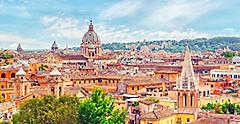
Even if you ignore the food, the markets, the coffee shops, gelato purveyors and plethora of shopping options, you'll still have an impossibly long list of historical must-sees to consider. This is a city that demands your time and rewards you with breathtaking vistas and architecture at almost every turn.
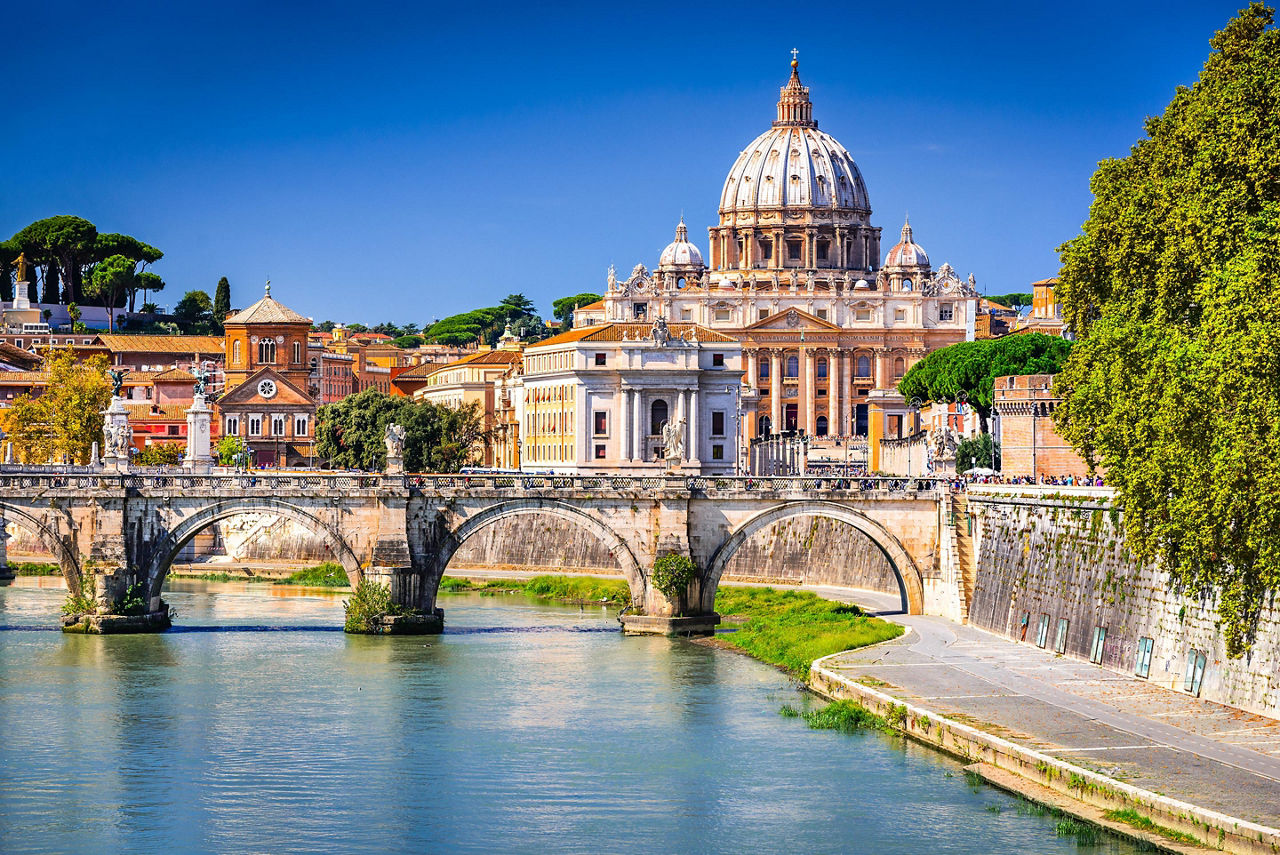
If you're planning a Rome vacation, then aim to start as early as possible and expect to do a lot of walking in this pedestrian-friendly city. Start at St. Peter's Basilica. Not only is it historically important and the seat of the Pope, it also houses vast works of art, including chief architect Michelangelo's Pieta sculpture. It opens nice and early at 7 a.m. daily.
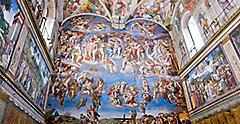
Take in the awe-inspiring art and the papal crypt before you head up to the roof for one of the most spectacular views of the city. Once you're done, head down to the Vatican Museums to gain entry to the Sistine Chapel. Get ready for a neck stretch as you take in the absolute marvel that is Michelangelo's most famous ceiling painting.
Why Guided Tours Make a Difference
When visiting St. Peter's and the surrounding areas, I would highly suggest booking an organized tour or signing up with a local tour operator for your Rome vacation. They give you context for what you’re seeing, plus a luxury you cannot buy: saved time. By signing up with a tour group, you go directly to the front of just about every lineup at St Peter's, avoiding the stress of hours spent in line.
While it may cost you more, I would recommend that you choose a tour operator that places a cap on the size of the group, allowing you to maneuver more easily without the need to wait for constant stragglers.
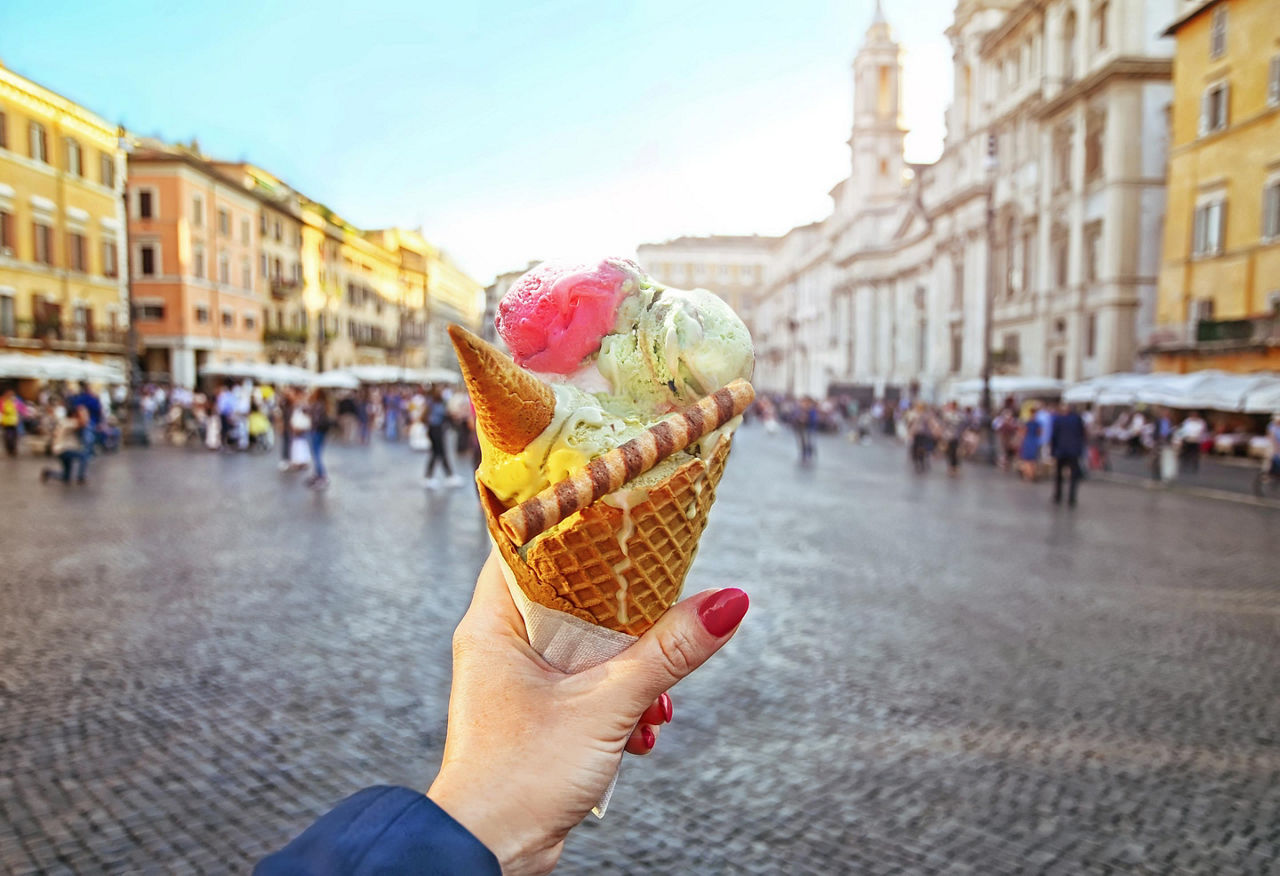
On your way out, if you have the time for gelato (and who doesn't?), head to nearby Gelateria dei Gracchi for a treat from one of Rome's best-kept secrets. This is truly artisanal gelato, made without artificial flavorings and without all of the tourist-trapping fruit bowl art of many a Roman gelateria in other locations.
Head Toward The Lion's Den: Piazza Navona and the Pantheon
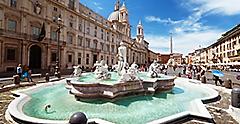
Next, head across the river and toward Rome's next-most iconic structure, the Colosseum. Before you get there, you'll come across Piazza Navona, an ancient stadium now famous for its fountains and accompanying magnificent Baroque statues, including Bernini's Fountain of Four Rivers.
Moving through the other side of the piazza, and mere minutes away, you’ll encounter the iconic round Pantheon, an Ancient Roman temple that was built in 125 A.D. It was subsequently converted into a church by 609 A.D. This remarkably well-preserved building is an engineering feat and was the largest dome ever built in pre-modern times. Be sure to enter the building and see firsthand the amazing quality of the light that enters through the 27-feet-wide oculus (eye) opening at the very top of the domed roof.
You know what that means: Get your cameras ready!
Trevi Fountain and Spanish Steps
Heading ever closer to the Colosseum, and depending on how much time you have, you may have to choose carefully what to make your next site. If you have a little bit of time available to you and wish to see one of Rome's most iconic sites, then head due east from the Pantheon and seek out the famous Trevi fountain (and nearby Spanish Steps).
Another Baroque masterpiece, this stunning fountain and its sculptures were initially sketched by Bernini. The project was put on hold for 100 years due to the death of the Pope at the time, and wasn't completed until the 18th century. The sculpture is made of Travertine, the same rock used in the construction of the Colosseum. It symbolizes important aspects of Roman history. The fountain gained further popularity due to the bathing scenes in Fellini's La Dolce Vita, and to this day, many a tourist still tosses the odd coin in while making a wish.
Roman Forum and the Colosseum
Slightly closer to the Pantheon, and almost directly en route to the Colosseum, you’ll encounter the Roman Forum, originally the very heart of Ancient Rome, founded around 500 B.C. as a marketplace. This rectangular space eventually became a meeting place for Roman citizens and would have been the scene for many political events and criminal proceedings. Today, this popular tourist site is lined with the ruins of ancient government buildings, columns and temples and still provides a very clear vision of what used to be.
Head down the Via dei Fori Imperiali and be prepared to take in the stunning views as the Colosseum rises to greet you with its impressive rows of arches filtering the sunlight dramatically. Completed in 80 A.D., it’s rumored that the inaugural contests lasted for 100 days and laid to waste thousands of animals and countless competitors. While the interior of the arena has been ravaged by time, the structure as a whole is no less spectacular, and the smallest bit of imagination breathes life into this historical site.
Best Time To Visit Rome
The best time to travel to Rome is in the warmer months, anywhere from May onward. Be warned that late June and all of July are very crowded. Ideally, late August should also be avoided due to Ferragosto, a holiday taken by just about every local on August 15. This day symbolizes the beginning of the holidays, and you may find many restaurants and businesses shuttered for the remainder of August, leading into the new school year in September.
For cruise travelers docking in Civitavecchia, spring (April–June) and early fall (September–October) are especially appealing. These months offer pleasant weather for sightseeing, fewer crowds at major attractions and easier navigation through the city’s historic streets. Visiting during these shoulder seasons also allows you to make the most of day trips from the port without feeling rushed or overwhelmed by peak summer tourism.
Tips for Planning a Trip to Rome
If you’re looking for Italy travel tips that make the most of your time, Rome offers a wealth of experiences just waiting to be explored.
Attractions: Rome is a city where history and culture collide in every piazza and cobblestone street. Must-see attractions include the Colosseum, Roman Forum and Pantheon, as well as a visit to Vatican City to admire St. Peter’s Basilica and the Sistine Chapel. A stroll through Piazza Navona and the Trevi Fountain also rounds out a classic Rome itinerary.
What and where to eat: When it comes to food, Rome is equally unforgettable. Traditional trattorias serve dishes like carbonara, cacio e pepe and amatriciana, while gelato shops and espresso bars give travelers the perfect pick-me-up between sightseeing. Local favorites such as Trastevere and Campo de’ Fiori are ideal neighborhoods for enjoying authentic dining experiences away from the busiest tourist spots.
How much time to dedicate to Rome: If you’re wondering if one day in Rome is enough, the answer is yes — especially for cruise travelers docking at Civitavecchia. With some planning, a single day provides plenty of time to see the highlights and enjoy a memorable introduction to the Eternal City. While longer stays allow for deeper exploration, a well-structured itinerary ensures that even your short visit still captures Rome’s magic.
Make the Most of Your Rome Cruise Vacation
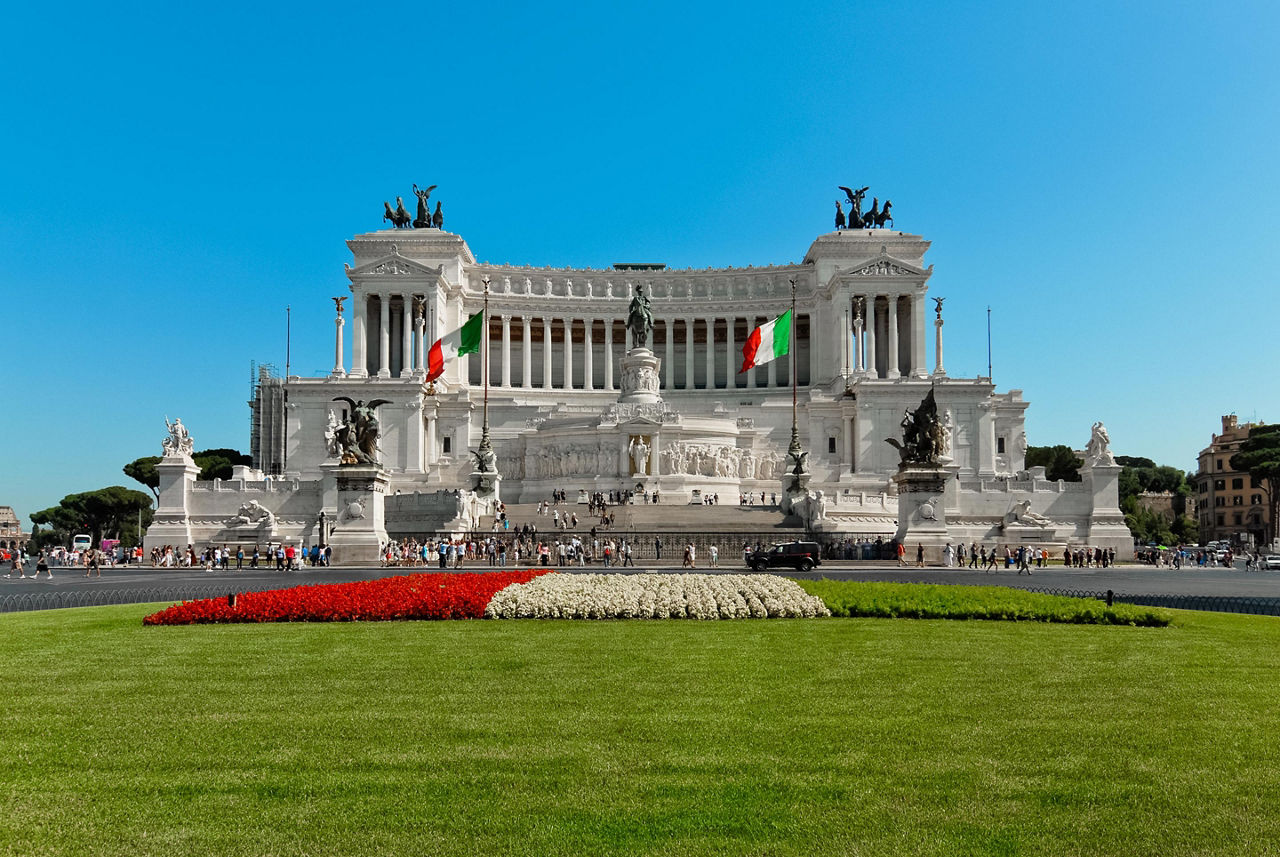
You could be arriving in Civitavecchia by cruise ship, transfer from the airport or exploring on a guided tour. Either way, Rome rewards every traveler with unforgettable experiences. From Vatican treasures to the Colosseum’s grandeur, the Eternal City is packed with history, culture and culinary delights waiting to be savored.
With smart planning, even one day in Rome offers a meaningful glimpse into its beauty, while longer stays unlock deeper discoveries. No matter how much time you have, a Rome vacation adds a memorable highlight to your cruise — a journey that blends adventure, history and Italian charm seamlessly.