How To Have The Best Family Trip To Greece
Ancient Wonders, Island Adventures and More
By Melanie Hamilton | Published on February 4, 2026
Picture this: sun-warmed marble under curious fingertips, ancient myths animated in the imaginations of both young and old as they wander the ruins, the sound of waves lapping against fishing boats and enormous plates of tzatziki with grilled octopus shared among the table. A family trip to Greece immerses everyone — from wide-eyed youngsters to history-loving grandparents — in its coastal villages, island beaches and bustling cities that offer magical discoveries at every turn. The secret to turning a good Greek vacation into an unforgettable one is experiencing a little bit of everything. Best way to do that? Cruising. Scrap the ferry schedules, hauling luggage hither and yon, and mapping out complicated transfers for waking up in a new iconic destination each day while your floating stay handles all logistics. One ship, countless destinations, and most importantly, zero stress.
Whether you’re after Athens’ mythology-steeped Acropolis, Santorini’s whitewashed cliffs (perfect for family photos!) or want to tackle Rhodes’ Medieval castle towns, Greece rewards families who embrace both its ancient wonders and sun-drenched shores, of which there are plenty. Let’s dive into why a Greece cruise makes for the perfect family vacation, which ports deliver the most memorable experiences, and how to plan the perfect voyage.
Why Greece Is Perfect For A Family Trip
Dramatic mountain monasteries teetering off cliffs! Traditional “bousouki” music drifting through cozy tavernas! Epic mythology! Juicy char-grilled skewers of lamb! Fiery sunsets over majestic marble ruins! Golden olive oil and burgundy red wine! Volcanic landscapes and black-sand beaches! These are just a handful of the many wonders to expect on a family trip to Greece.
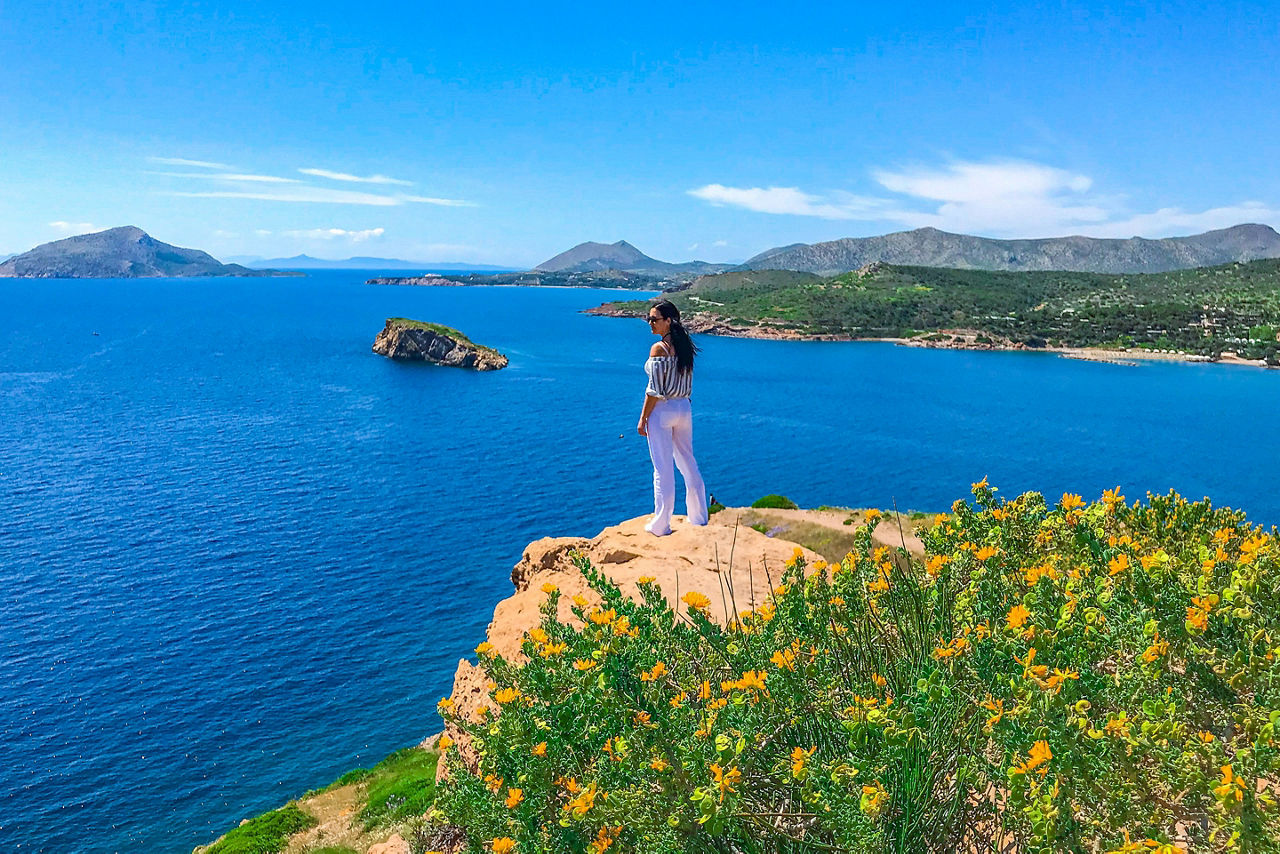
Where else can your little one stand in the shadows of ancient Olympians while your teenager snaps a pic of impossible blue Aegean waters, as you unwind with wine pressed from grapes grown in volcanic soil? Greece’s geography alone makes it a natural playground for curious minds and family vacations. Scattered across the sparkling Mediterranean, each Greek island and coastal city touts its own personality — Santorini’s dramatic caldera cliffs, Rhodes’ fortified medieval quarters, Corfu’s Venetian-influenced architecture. Not to mention, the myths woven into every archaeological site transforms dusty history lessons into tangible adventures where Zeus really did rule from Mount Olympus and the Minotaur actually lurked in Knossos’ labyrinth.
Then there’s the food. Greek cuisine welcomes picky eaters and adventurous palates alike with its fresh and flavor-forward dishes. Think crispy “spanakopita” triangles, sweet “lokma” drizzled in honey, and grilled meats with a good dousing of lemon and oregano. Plus, it’s the Mediterranean — meals unfold here at a leisurely pace where kids and grandparents can rest their legs from exploring and parents can actually finish a conversation, all while digging into communal “meze” platters.
Family-favorite Greek Ports
Athens
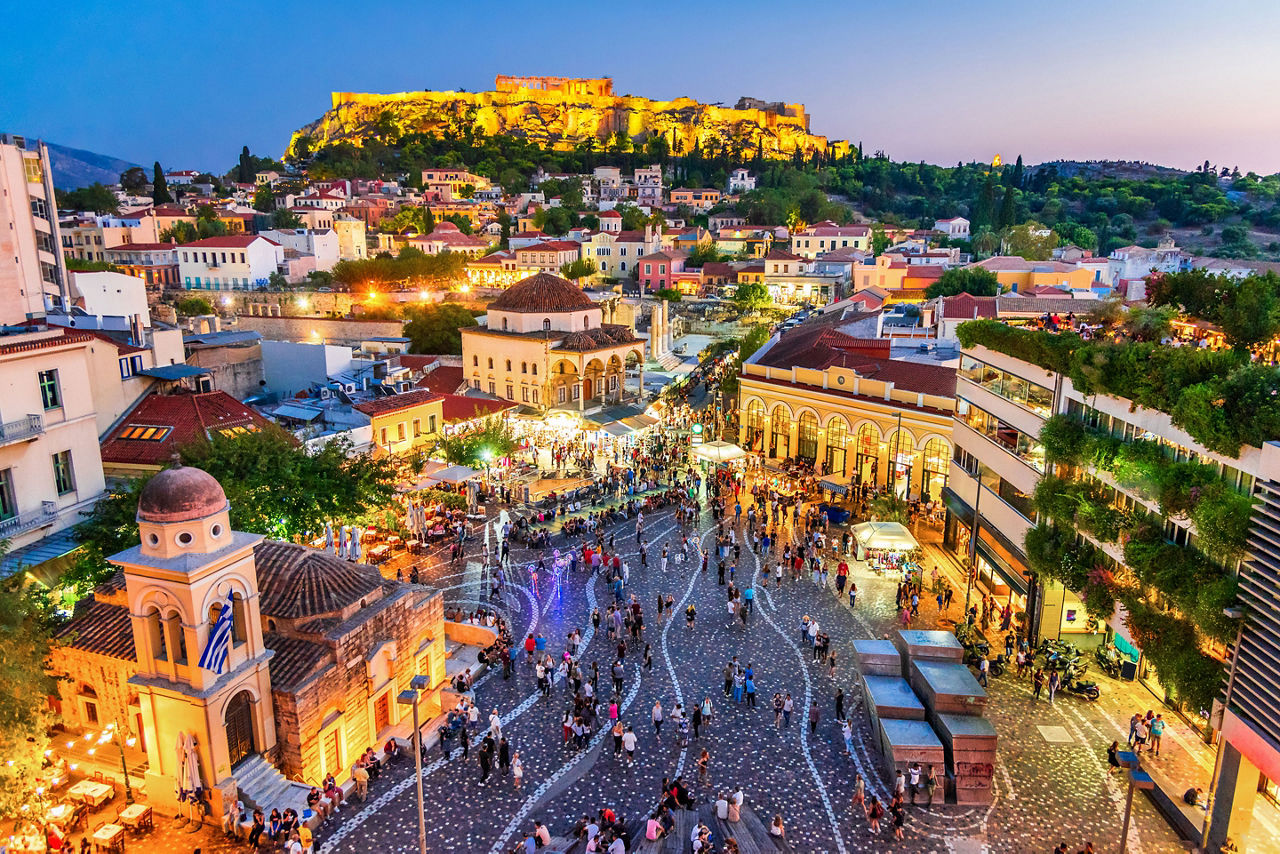
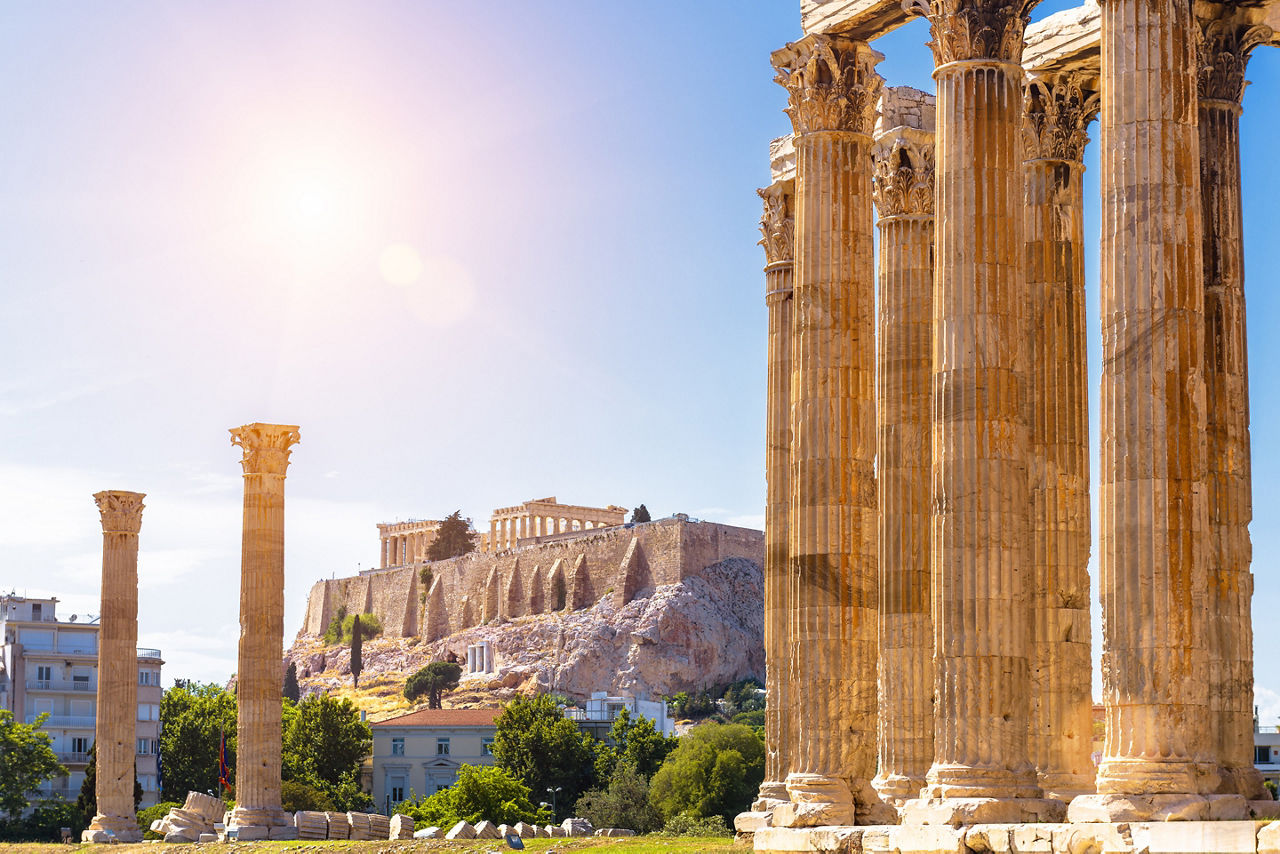
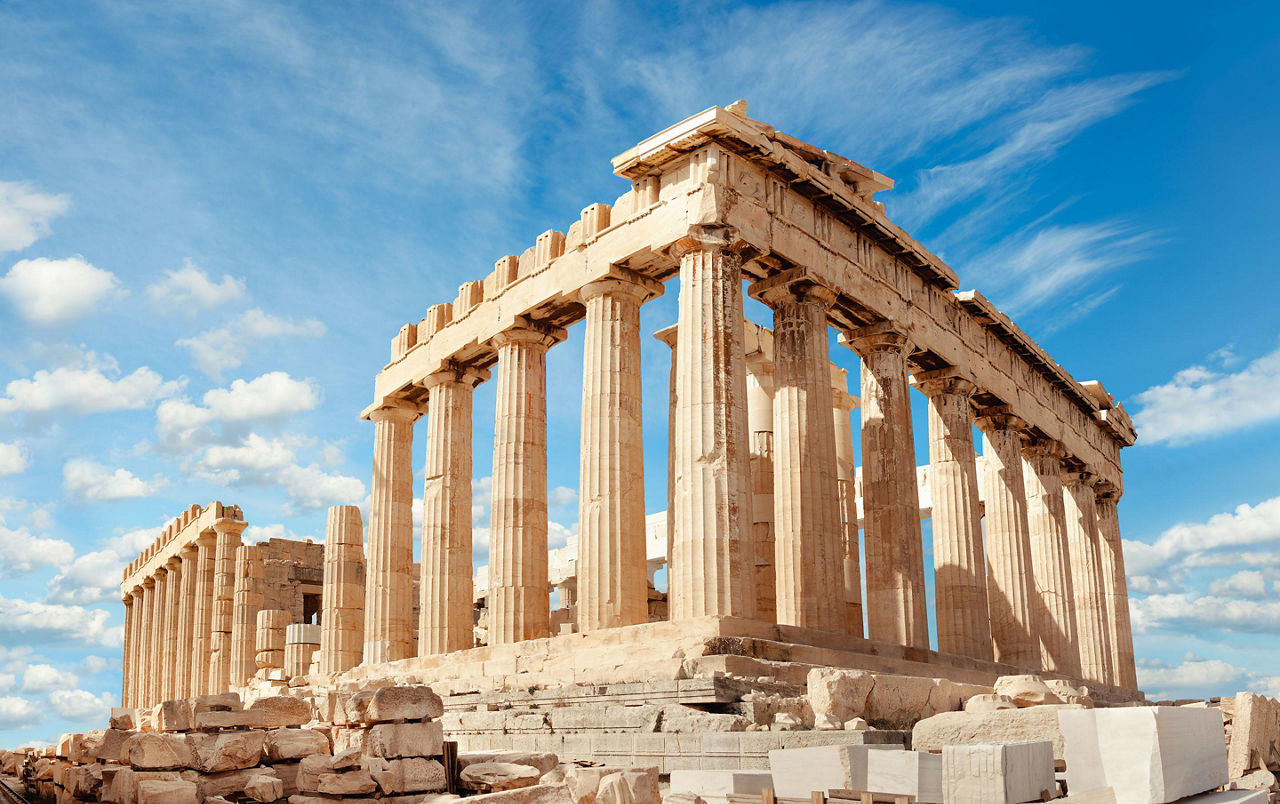
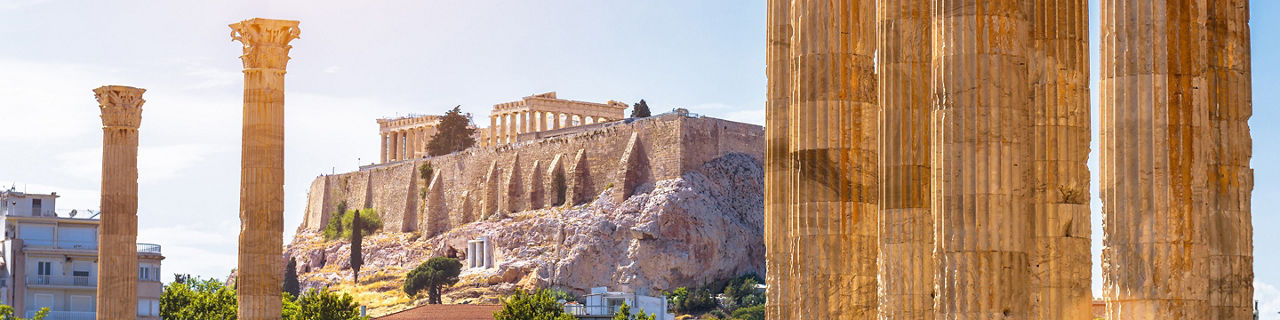
Sitting beneath the massive columns of the Parthenon, Athens is the heart of Greek mythology. Climb to the top of Acropolis Hill to ponder the temples where ancient Greeks worshipped gods and goddesses. Afterward, head to its respective archaeological museum, where marble sculptures like The Caryatids still stand larger than life — don’t miss the equally impressive sculpture of Nike adjusting her sandal that once graced the Parthenon. To streamline everything, book a guided family tour of the Acropolis and its surrounding Plaka neighborhood, and tack on some stops at the Temple of Olympian Zeus and Hadrian’s Arch to add some layers to the narrative without overwhelming younger attention spans.
Santorini
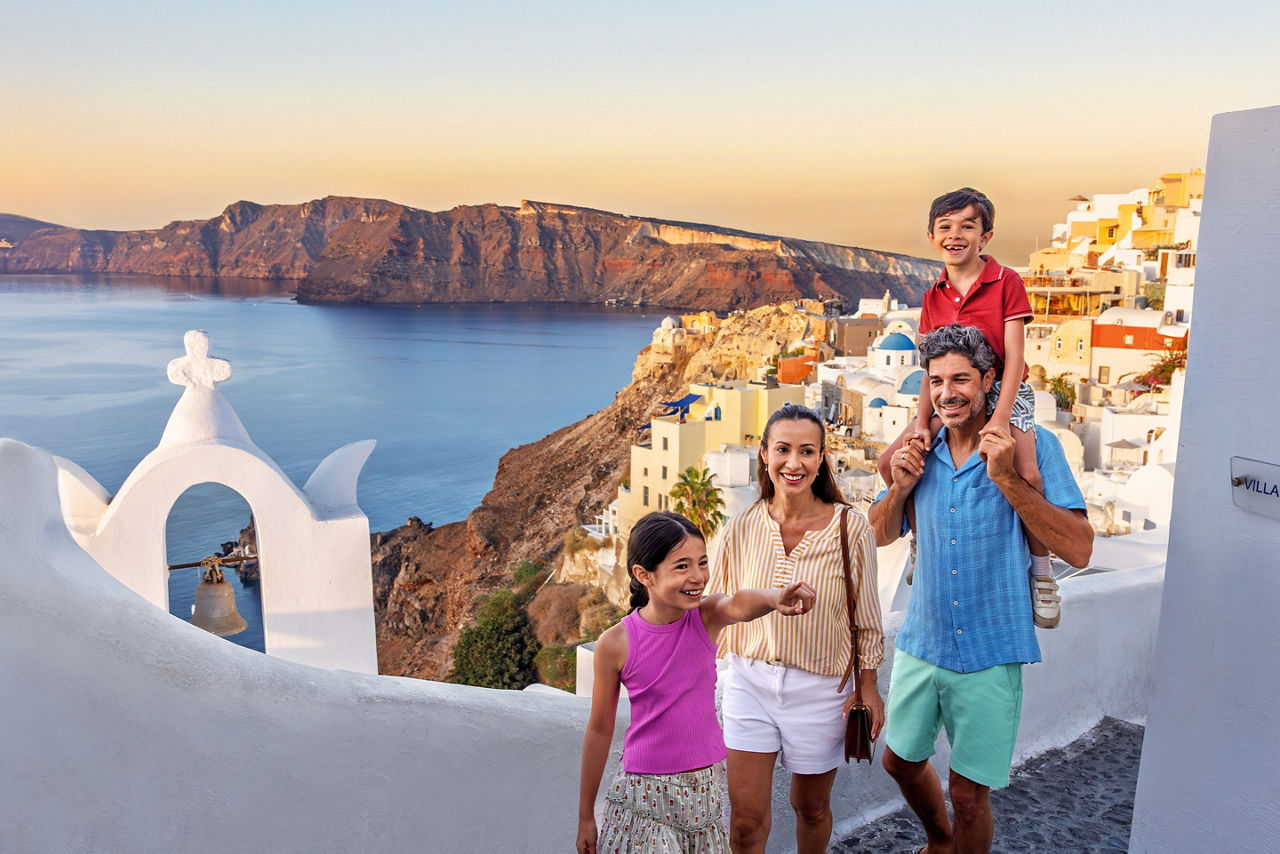
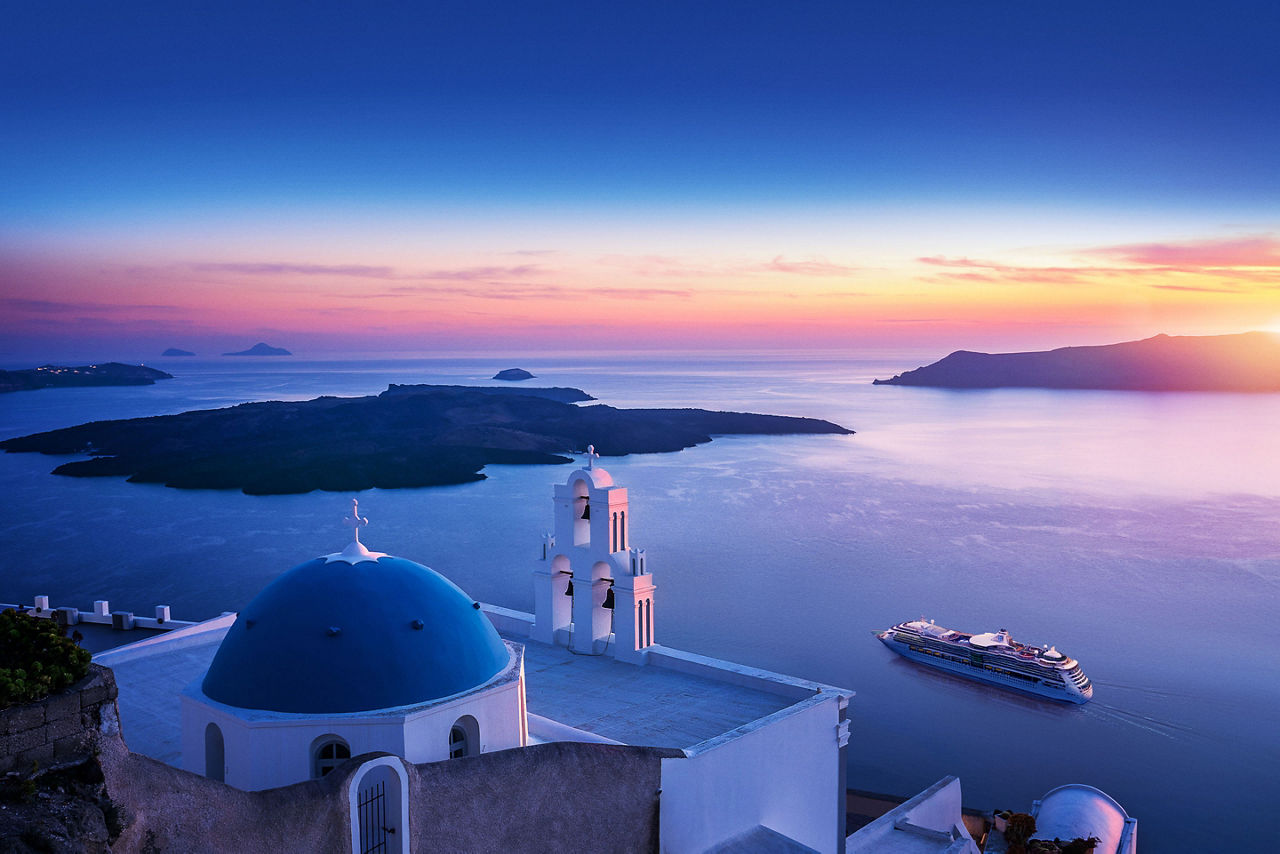
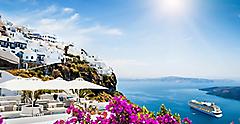
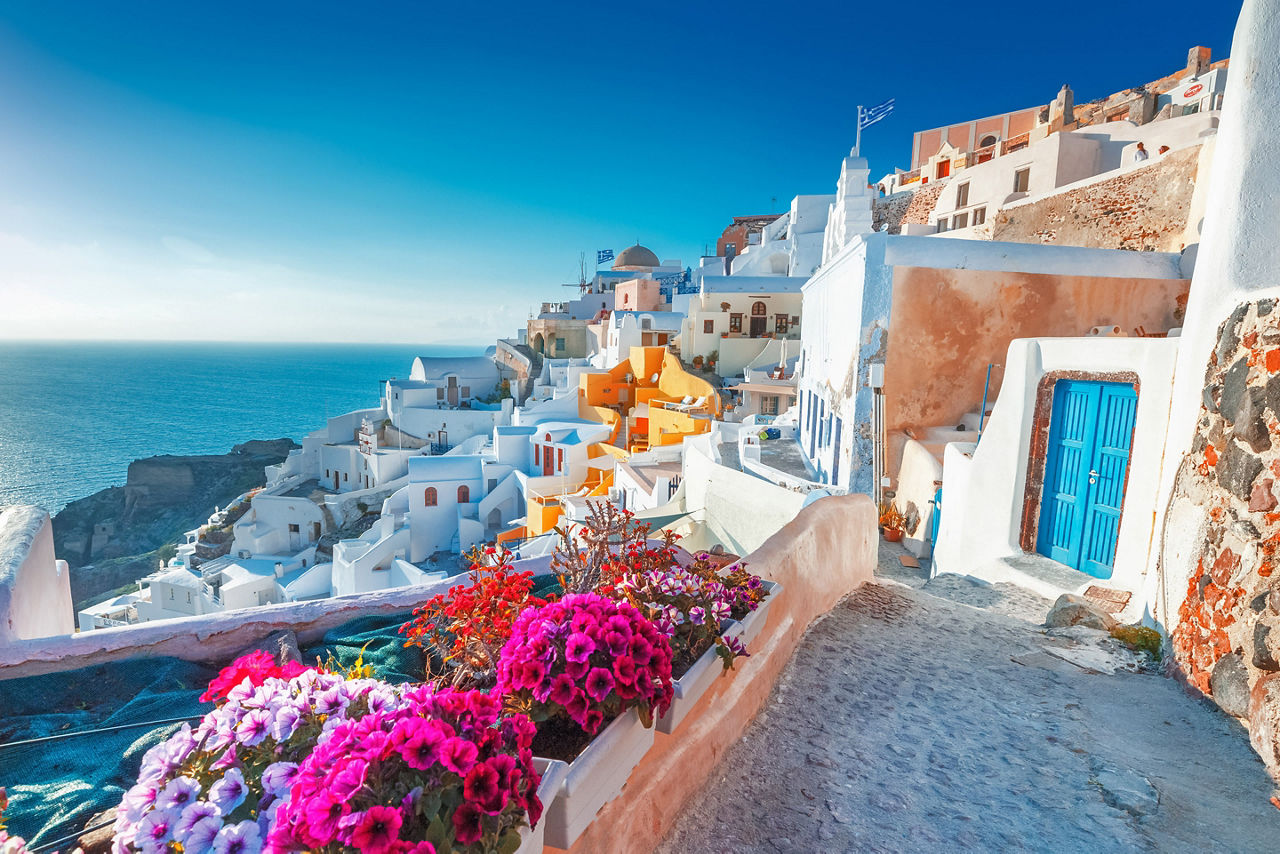
Built into volcanic cliffs plunging 1,000 feet into sapphire water, Santorini's white-and-blue villages cling to the caldera rim like a pretty sandcastle. Sail out into the caldera itself on a sunset cruise to find hidden coves and volcanic hot springs, or take a thrilling cable car ride from the old port up to Fira and spot the famous donkey path zigzagging below; either way, the terrain is simply captivating.
Rhodes
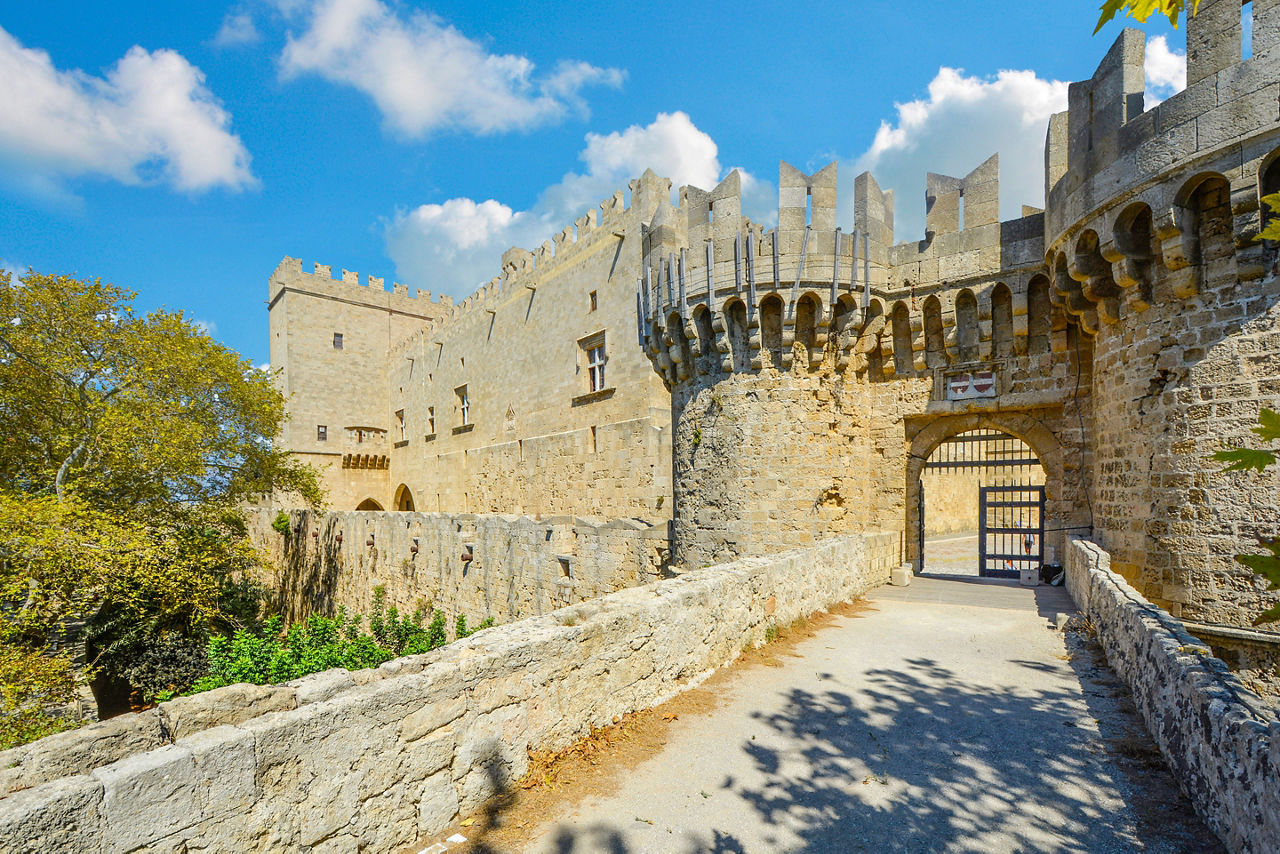
In Rhodes, tales of medieval knights, Byzantine mosaics and Bronze Age citadels await. To step right into a fantasy novel, stroll through Rhodes’ UNESCO-listed Old Town where cobblestone lanes and fortress walls will have the whole family wondering how they withstood everything from Ottoman sieges to earthquakes. Kids love exploring the Palace of the Grand Master’s chambers and underground passages, while parents appreciate nearby Lindos Beach for some post-history R&R. Rhodes is also the legendary location of one of the Seven Wonders of the Ancient World, the Colossus of Rhodes, a massive bronze statue of the Greek sun god Helios.
Corfu
Many Greek islands run golden and dry, with cute little whitewashed villages, but Corfu is green, lush and the epitome of old-world elegance with its forested hillsides and four-century-long stint as a Venetian vassal. A far cry from the Cycladic islands, Corfu’s Old Town, with its French-style arcades and cricket pitch legacy leftover from British rule, offers a distinctly different flavor. The real star of the show, though, is Paleokastritsa, a charming coastal village with dramatic rock formations, hidden sea caves and a magnificent monastery to top it all off. No, really — the 13th-century Byzantine monastery dedicated to the Virgin Mary sits proudly on a hill overlooking the bay, surrounded by trees of olives and cypress. Grab a kayak for paddling in the still waters of the caves below.
Katakolon
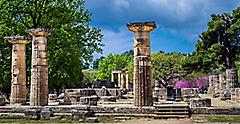
Katakolon is a small port village with a spectacular purpose: delivering visitors to Ancient Olympia, birthplace of the Olympic Games. Regardless of how sporty your family is or isn’t, walking through the original stadium where athletes competed 2,800-some-odd years ago, where your family can stand on the actual starting line, will change all of the future Olympics to come. You’ll also find ruins of the Temple of Zeus, once home to another one of the Seven Wonders of the Ancient World, a mighty statue of Zeus, and the Palaestra and Gymnasia, ancient training sites where athletes would warm up before competition.
Book Now

How To Plan The Best Family Vacation To Greece
Alright, you’ve got your destination in mind to create the perfect family vacation that will be reminisced on for generations to come, now what? Start with the itinerary itself — not all Greece cruises visit the same ports, so it’s best to figure out what flavor you want the trip to be and go from there. For instance, if your family gravitates more toward ancient history and myths, prioritize routes that stop in Athens, Olympia and/or Delos.
If you’re a band of beach lovers, check out sailings with longer port stays in Mykonos, Corfu or Crete, where afternoons won’t feel too rushed. Cruising Greece with kids is easier when you choose round-trip voyages with a single embarkation port to minimize flight logistics, while older kids and teens can usually handle one-way itineraries with ease.
Time Your Trip Right
Greece’s cruise season goes from about May to October. Late May and early June deliver milder temps with blooming landscapes and thinner crowds before European school holidays begin. July and August are guaranteed to be full of sunshine and more daylight hours, perfect for maximizing port time, but also bring a hot 90F and some pretty dense traffic at major sites like the Acropolis. September hits the sweet spot for many families: seas are still warm enough for swimming, crowds are fewer, and the shoulder-season pricing can stretch the budget a bit farther.
Book Excursions Early
You’ll also want to consider shore excursions that may deserve earlier attention or have capacity limits. For example, popular family activities like sunset sails in Santorini, guided mythology tours in Athens and beachy adventures in Corfu often sell out 30-60 days before departure in the summer months. Good news? You can filter options to match your family’s energy levels and mobility needs.
Pack the Essentials
The Mediterranean is known for its balmy weather, but you’ll still want to pack strategically for Greece’s microclimates. Santorini’s exposed clifftops catch a strong wind even in August, while Athens’ marble surfaces put off some major heat. Comfortable walking shoes are a must; families routinely log 15,000+ steps exploring archaeological sites and island villages. Don’t forget sun protection either; be sure to bring hats, reef-safe sunscreen, shades and refillable water bottles to keep everyone hydrated.

Ready, Set, Sail!
In Greece, you don’t have to choose between culture and relaxation, adventure and ease, ancient or modern … a cruise delivers it all simultaneously. No coordinating ferries between islands, no hotel check-ins with exhausted children (and parents), no debates about whether you rented the right car or booked the right place. Instead, the whole family wakes up one day in Santorini’s caldera, explores Rhodes’ fortress by the next, and sails toward Olympia at dinner. Royal Caribbean Greece itineraries handle all the logistics while you handle the memories — whether that’s your youngest finally understanding why Percy Jackson loves Camp Half-Blood, your teenager admitting those cliffs are “actually pretty cool,” or you realizing you’ve taken more family photos the past week than the past year.

Get Royal Deals, Sign Up Today
Related Articles
The Best Greek Mythology Tours and Destinations in Greece
READ MORE
Things to Do in Athens: Your One-day Cruise Excursion Guide
READ MORE
Ancient Greek Architecture Guide: History, Types and Top Sites
READ MORE
Planning the Ultimate Greek Island Hopping Getaway
READ MORE