The Best Hiking in Anchorage
Grab Your Boots, We’re Hitting Anchorage’s (Nearby) Trails
By Melanie Hamilton | Published: March 18, 2026
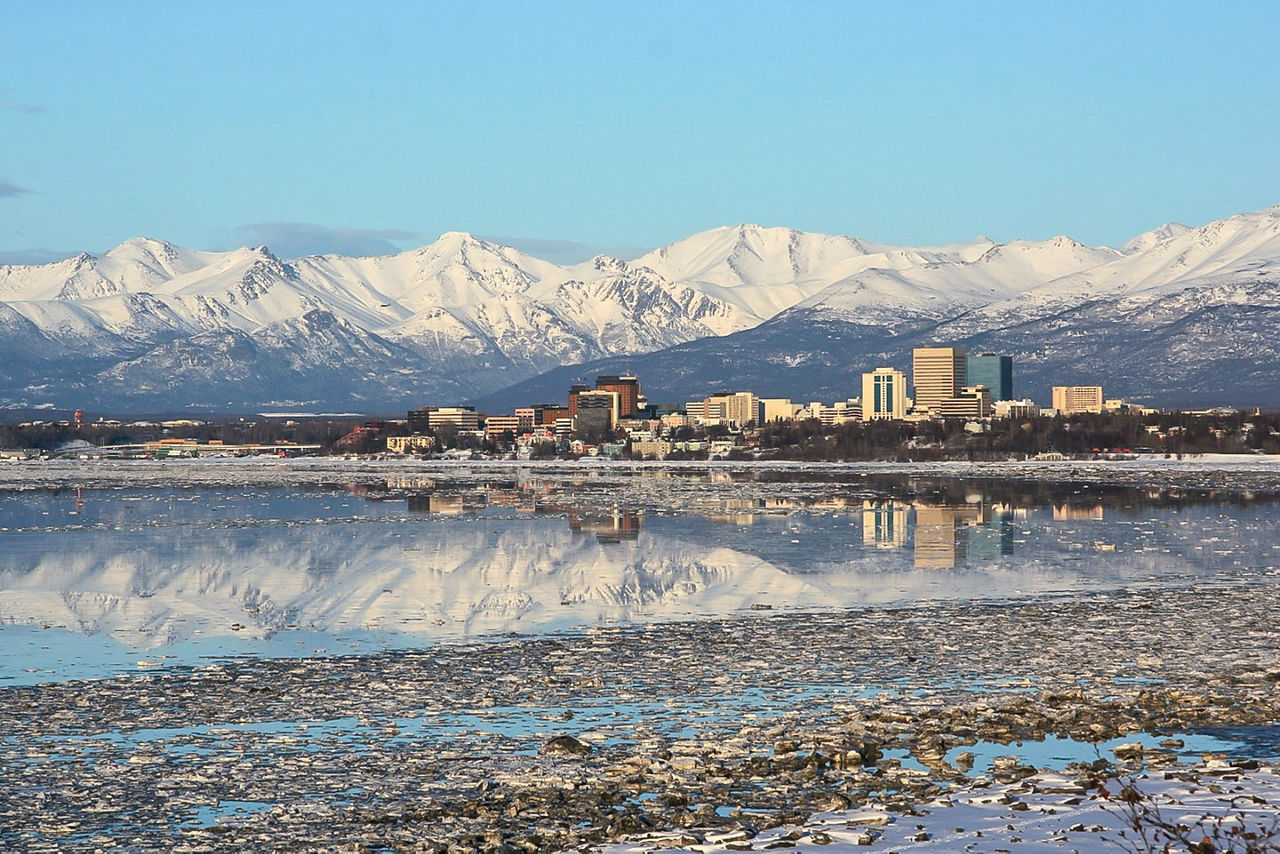
John Muir put it best: “To the lover of pure wildness Alaska is one of the most wonderful countries in the world…” Anchorage, despite being Alaska’s largest city, serves as the perfect gateway to this wilderness. To the east, the Chugach Mountains rise up from the city’s edge. To the west, the tidal flats of Cook Inlet stretch toward volcanic peaks on the horizon. And threaded all throughout are dense forests, glacial rivers and marshlands teeming with wildlife most cities could only dream of having as a backyard.
For travelers flying in or out of the 49th state, that backdrop translates into some of the continent’s most accessible and rewarding hiking. Whether you’ve got a single afternoon before your flight home or a whole day to spare before embarking on an epic cruise, hiking near Anchorage, Alaska delivers stunning scenery and fresh mountain air at every turn.
1. Chugach State Park
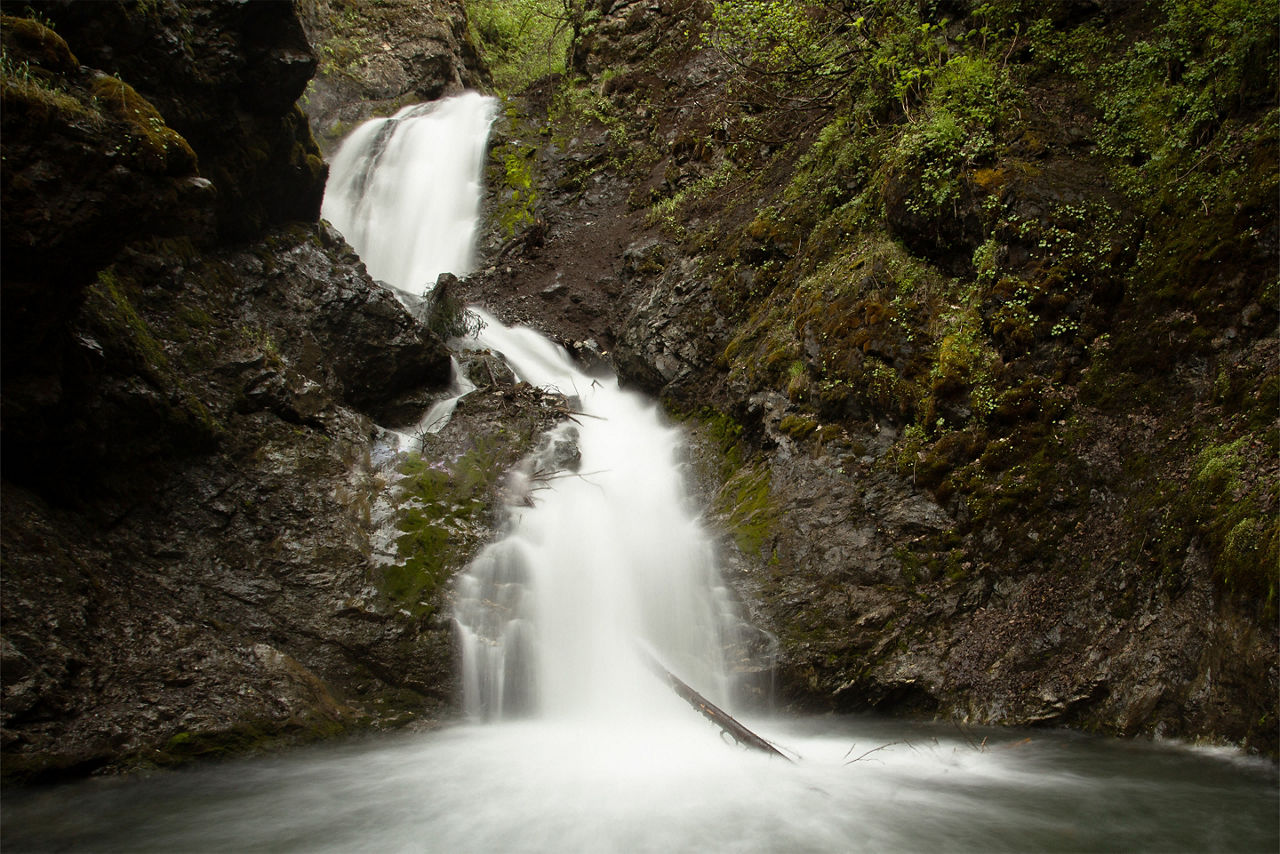
One minute you’re passing coffee shops and bookstores, the next you’re gawking at serrated peaks and valleys carved by ancient ice in Chugach State Park. Situated just east of downtown Anchorage and one of the largest state parks in the country, it feels like the city’s unofficial backyard playground.
Flattop Mountain
If you’ve only got time for one hike here, make it Flattop Mountain. The trail climbs about 3.5 miles round-trip, trading spruce forest for rocky tundra bit by bit. It’s steep in stretches and can be a bit slick early and late in the season, but those who persevere are rewarded at the summit with sweeping views over Anchorage, Cook Inlet and the distant Alaska Range.
Powerline Pass
For something a tad less vertical, Powerline Pass threads deeper into the valley floor, following an old utility corridor lined with wildflowers in the summer and berry bushes later in the season. It’s a choose-your-own-distance kind of trail, so you can wander for an hour or commit to a longer out-and-back, always with those Chugach ridgelines just ahead.
2. Girdwood
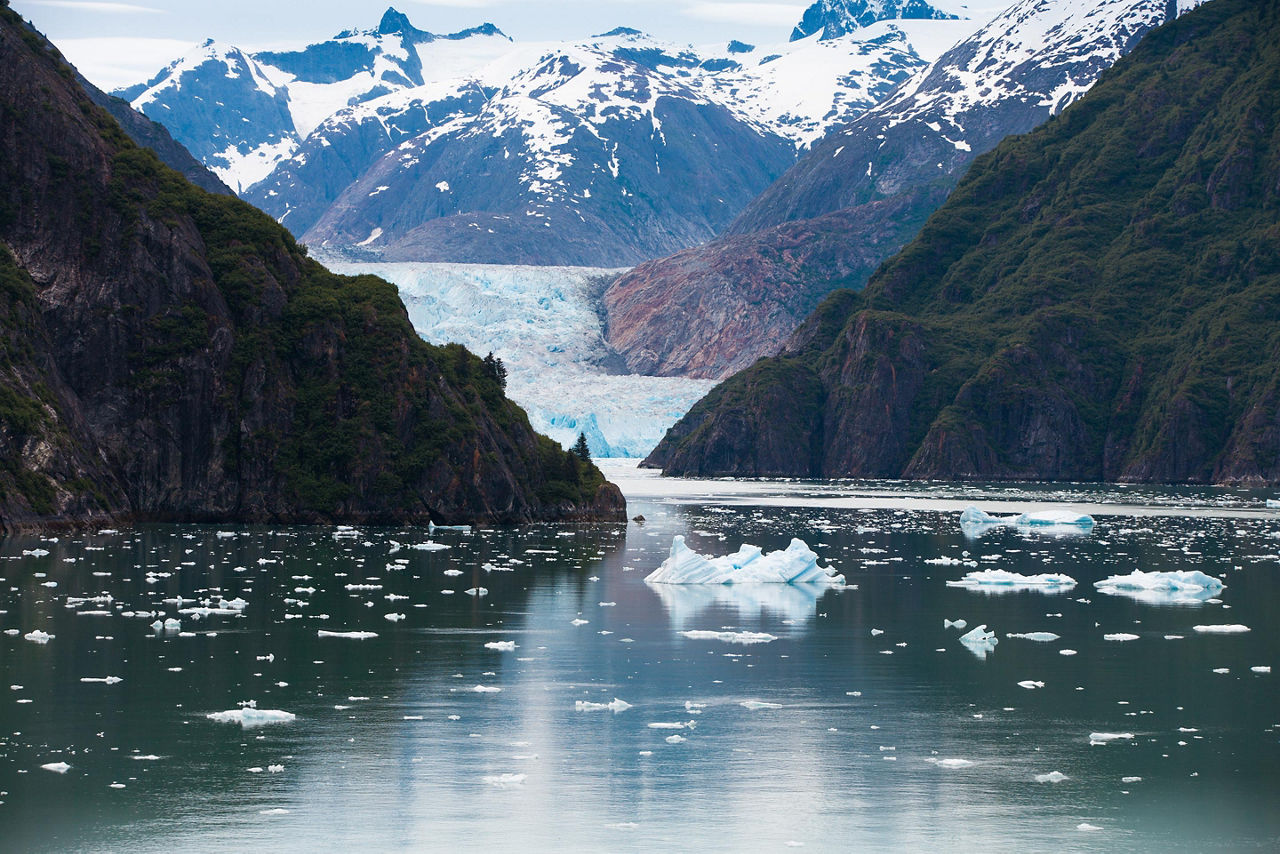
About 45 minutes south of Anchorage along the Turnagain Arm, you’ll find the cozy little mountain town of Girdwood with its spruce forest and misty peaks. Once a gold rush hub, it’s now best known for skiing in winter and hiking in the green season.
Winner Creek Trail
Winner Creek Trail is the local classic. This mostly gentle, roughly 3-mile path (longer if you continue) winds beneath towering trees, over boardwalks and past moss-draped roots in the kind of deep, cool shade that makes even a rainy day feel inviting. The highlight is the hand tram that ferried hikers across a jade-green gorge back in the old days — even without it in operation, the viewpoints over the creek are well worth the walk.
Byron Glacier
For a taste of a glacier hike without too big of a gear and technical skill commitment, head toward Byron Glacier. The trail meanders up a valley framed by dark rock and cascading streams, ending near the foot of a blue-white glacier where you can feel the temps plunge. On a still day, you’ll hear water flowing under the ice and ravens chatting overhead, a reminder that even “easy” trails here put you smack-dab in the middle of wild country. If big scenery is really your thing, Girdwood is just one of many stops that could anchor a longer Alaska adventure.
3. Eklutna Lake and Thunderbird Falls
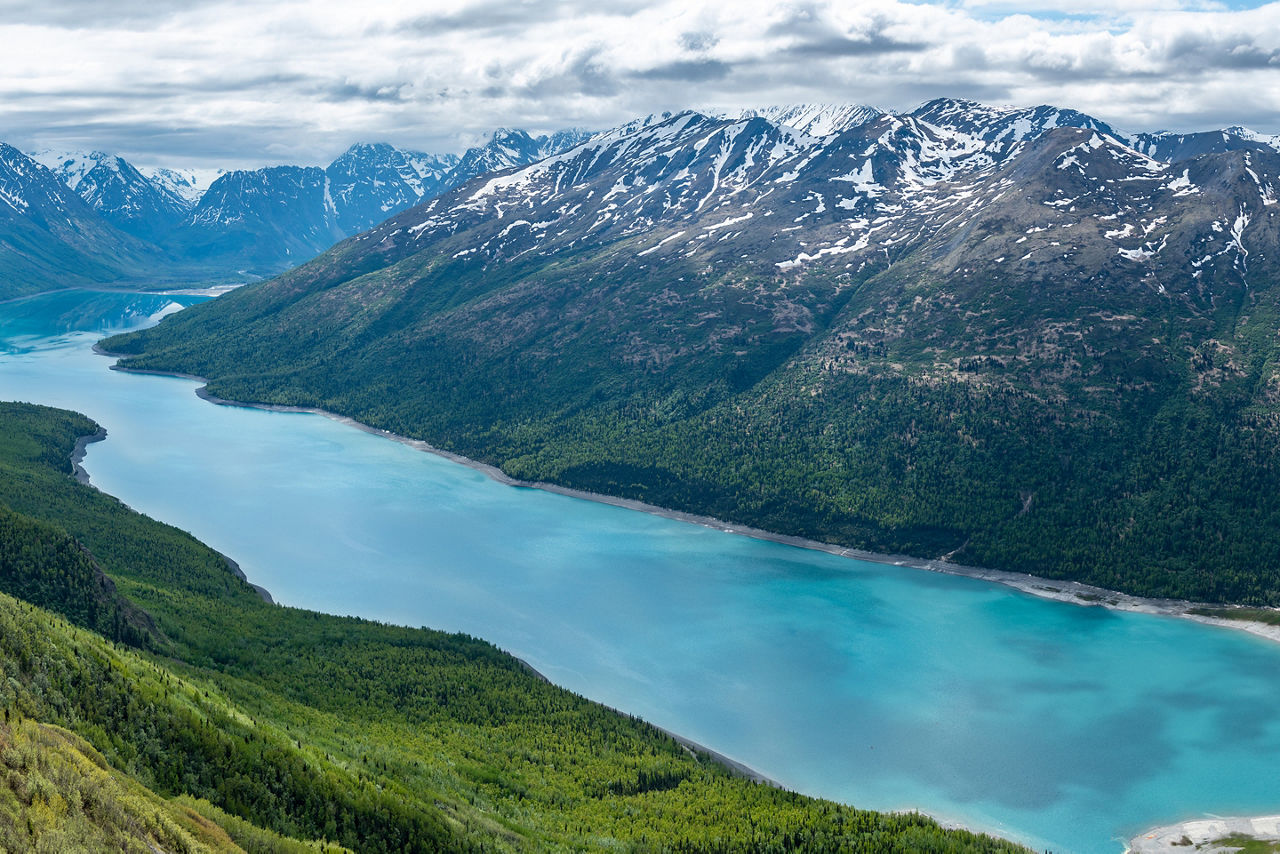
North of Anchorage, Eklutna Lake stretches out like a pretty piece of polished turquoise. No, really, the color comes from silt — think of it like a glacial flour spread throughout the water that scatters sunlight and creates a milky, yet vibrant blue-green color.
Eklutna Lakeside Trail
The Eklutna Lakeside Trail is an easy entry point: a mellow, wide path that hugs the shoreline for miles. You can stroll for twenty minutes or spend the day walking along the water, watching the light shift on the surrounding peaks and the occasional rainbow trout leaping up for show. Those craving more elevation can tackle Twin Peaks, a steeper climb that zigzags through the forest and breaks out into sweeping viewpoints over the lake far below. It’s a leg burner, but every switchback buys you a better angle on the valley.
Thunderbird Falls
Need a waterfall fix? Pair your lake outing with Thunderbird Falls on the way back to Anchorage. The trail here is just about a mile round-trip, following a well-maintained path through birch forest to a viewpoint over a 200-foot cascade pouring into a mossy gorge. It’s family-friendly, quick and surprisingly dramatic, especially in spring when snowmelt swells the flow. In just one day, you can catch the morning light doing its thing on Eklutna’s glacial blues, then listen to the steady roar of Thunderbird Falls.
4. Turnagain Arm
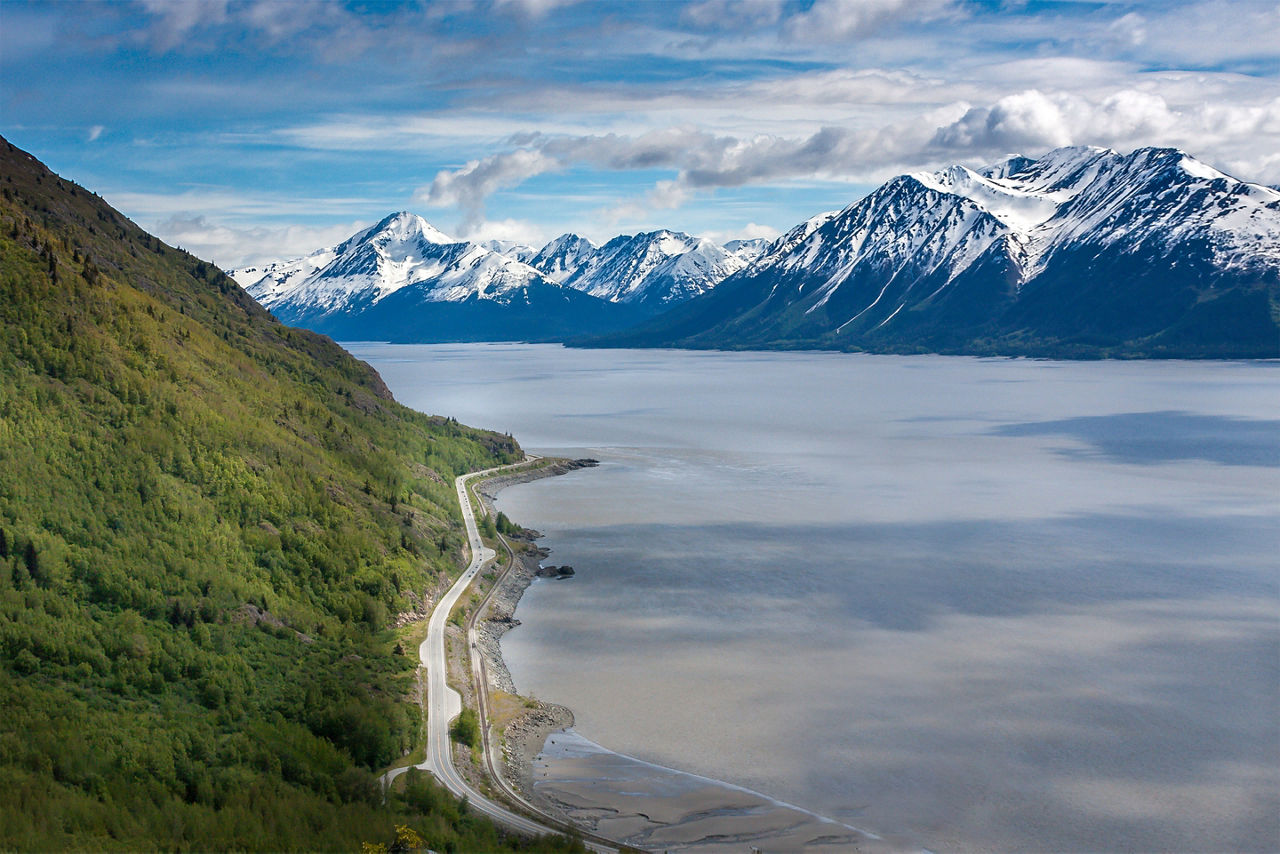
Follow the Seward Highway south out of Anchorage and you’re treated to one of Alaska’s most scenic drives, the road curving along the sparkling Turnagain Arm with mountains pressing in close on both sides. Warning: You’ll be tempted to stop at every lookout.
Bird Ride
Bird Ride is the showstopper for those who like their hikes steep and rewards immediate. The trail wastes no time gaining elevation, climbing quickly through brush and into alpine slopes. As you climb, Turnagain Arm spreads out below like a silver ribbon, its famously dramatic tides leaving shifting patterns of mudflats and channels. On a clear day, you can see mountains marching off in every direction, a reminder of just how much wilderness surrounds this skinny strip of road. For a gentler option, explore the trails around McHugh Creek, where shorter paths lead to coastal viewpoints, forested ravines and picnic spots overlooking waterfalls and the inlet. It’s an easy place to while away a few hours, watching for beluga whales and bald eagles.
Tips for Hiking in Anchorage
Before you lace up, it helps to know what you’re walking into. Anchorage might feel like a city, but the moment you step onto the trail, you’re in true Alaska — wild weather, wilder landscapes.
Summer is prime time for hiking near Anchorage, Alaska. Late May through September brings long daylight and generally more stable conditions, with June and July draped in wildflowers and August into early fall trading blooms for blazing tundra color. Whatever month you visit, remember layers: a moisture-wicking base, a warm midlayer and a waterproof shell you can shrug on when the clouds roll in. Waterproof hiking shoes are definitely worth their suitcase space here, since roots, rocks and the occasional patch of snow all share the same path.
This is also bear (and moose and caribou) country. Make noise as you hike, keep snacks sealed, give wildlife plenty of space and know how to use bear spray if you choose to carry it. Trails can be muddy after rain and snow can linger at higher elevations well into early summer, so it’s smart to check recent reports and download offline maps before you go. Once the city’s skyline drops out of view, cell service can become pretty sparse.
How to Plan Your Anchorage Hiking Adventure
Looking to plan an Anchorage hiking day around an Alaska cruise? Many itineraries use Seward or Whittier as turnaround ports rather than Anchorage itself, so it’s smart to fly in a day early or stay a day after your sailing so you’re not rushing from trail to ship. Renting a car gives you the most flexibility to reach trailheads, as rideshares and shuttles thin out quickly once you leave the city.
Base yourself in downtown Anchorage or Midtown for quick highway access and easy evenings out, then layer in other experiences around your hikes — a glacier cruise, a wildlife center visit, a leisurely dinner in town. Summer is peak season for both cruises and hiking near Anchorage, Alaska, so reserve cars and hotels well in advance and always keep an eye on the weather and daylight when you’re planning your trail time.
And as you map out your dates, packing list and overall route, it helps to skim a broader Alaska cruise planning guide so your hiking days slot neatly into the rest of your adventure.