
How to Plan an Alaskan Cruise
Your Guide to Planning a Once-in-a-Lifetime Alaskan Cruise
By Melanie Hamilton | Published on July 30, 2026
Alaska has quite a lot to offer the adventurer. Top experiences include 34,000 miles of untouched coastline longer than the coasts of all the Lower 48 combined, 17 of the 20 highest peaks in the country and idyllic communities from rural fishing villages to historic harbor towns and secluded Russian outposts.
With so much to see, where should you begin planning? The general steps look like this:
- ● Choose your timing and itinerary.
- ● Choose your departure port and ship.
- ● Set your budget.
- ● Choose excursions, pack and prepare to board.
This guide will get into the whens the whys the hows and the how-much for planning the perfect Alaskan cruise so that you can embark on the adventure of a lifetime.
Step-by-Step Alaska Cruise Planning
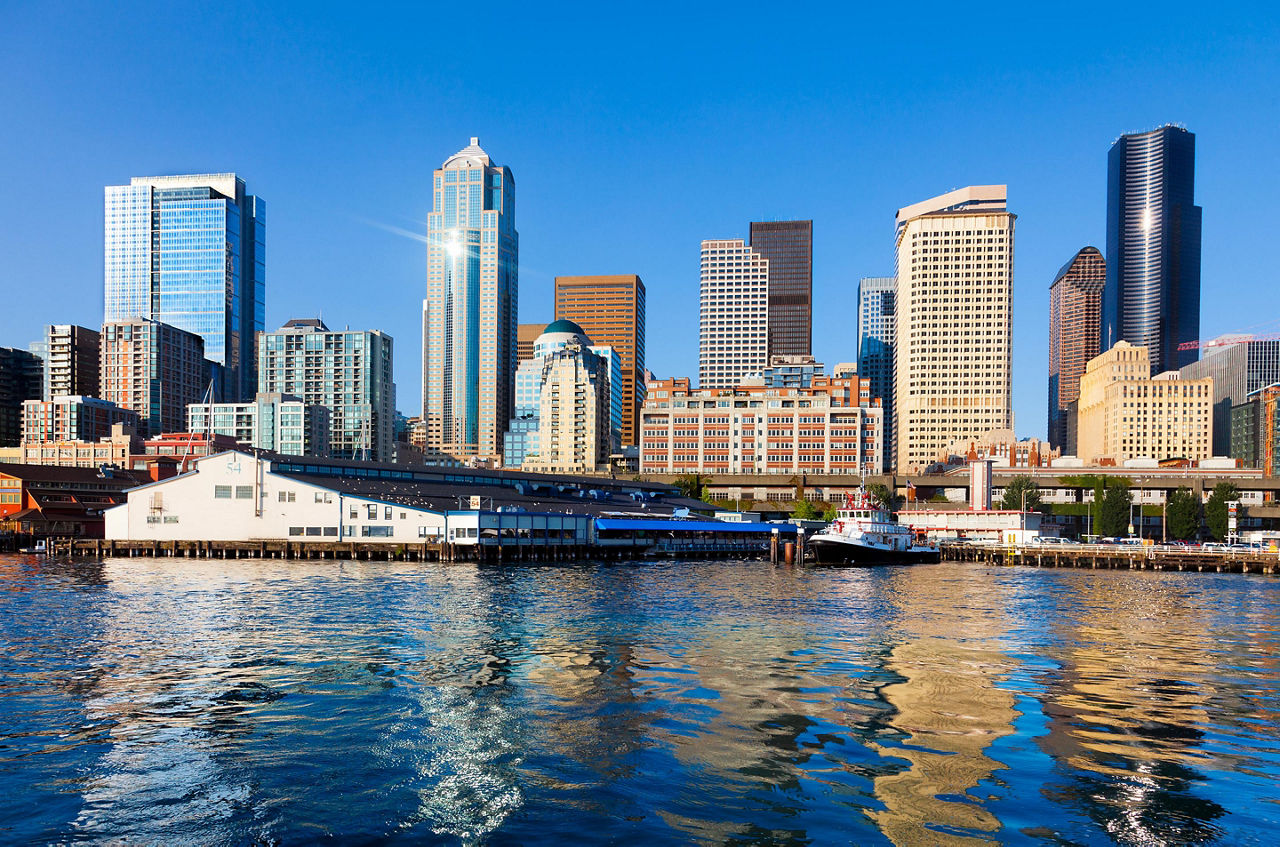
The first step to bringing an Alaskan cruise to fruition is planning, which really just comes down to a handful of key decisions:
- ● Choose your season from May through September, balancing weather, daylight, wildlife and value.
- ● Decide on your itinerary length and overall style — most sailings run around seven nights, with room to go shorter or extend the trip.
- ● Pick your departure city, whether that’s Seattle, Vancouver or an Alaskan port on a one‑way route.
- ● Choose your ship from feature‑packed, family‑forward options to slightly smaller vessels that keep the focus on scenery.
- ● Round out your budget, factoring in cruise fare, travel to and from the ship, and what you want to spend once you’re on board.
- ● Select and pre‑book your key excursions, since popular glacier and wildlife days tend to sell out early.
- ● Handle packing and pre‑cruise prep so embarkation day feels smooth and you’re ready for the weather, not surprised by it.
Choosing the Best Time To Go
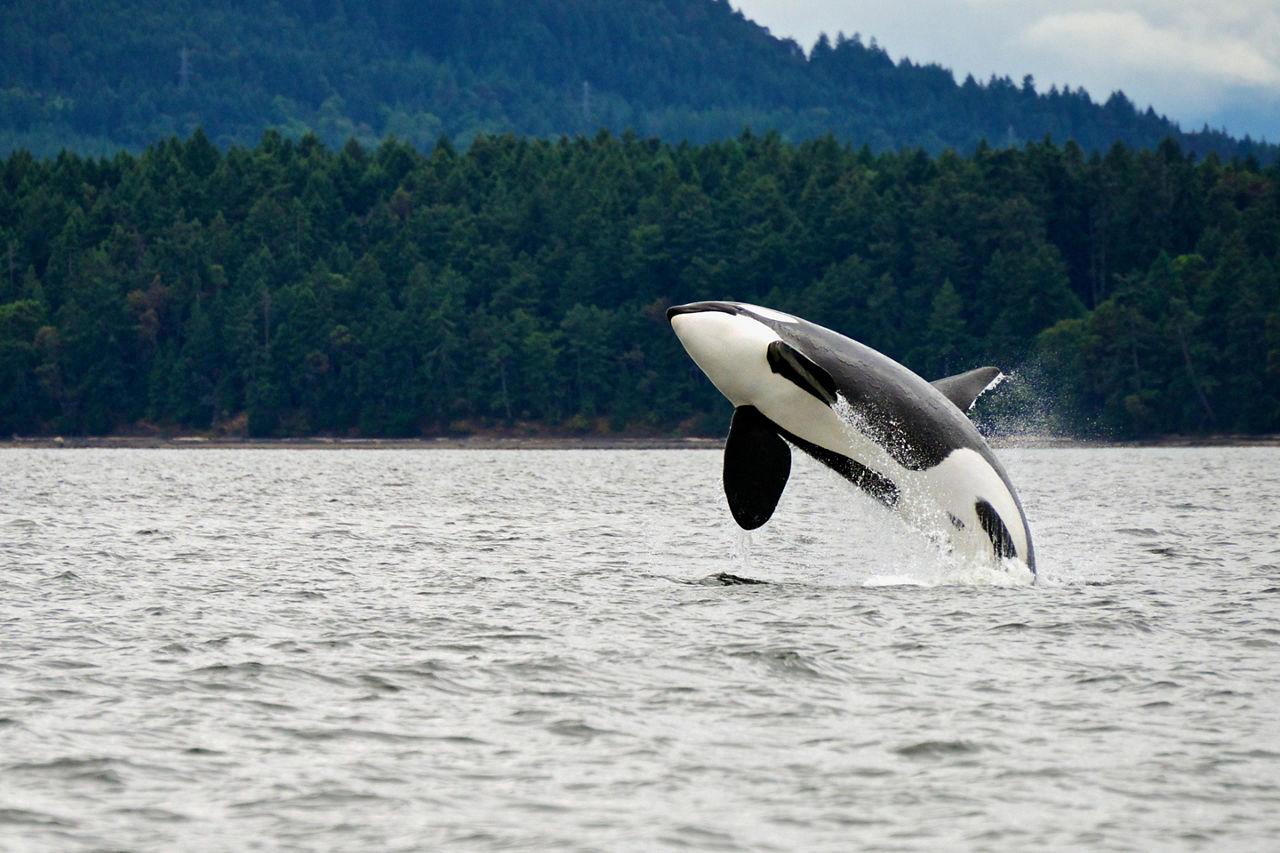
Perhaps the most important choice to make regarding how to plan an Alaskan cruise is when to go. Cruise season runs May - September, when the weather and wildlife are in their sweet spots. While there’s really no wrong time to sail in those months, there are completely different atmospheres: the verdant, long days of June with orca sightings and grizzlies grazing vs. the cooler, colorful September days with salmon runs and auroras in full swing.
Broadly speaking, May and September feel more like shoulder season, with cooler, wetter days, thinner crowds and better bang for your buck. June, July and August are warmer and brighter, with longer daylight hours and a more classic summer feel of bustling ports, fuller excursion schedules and more practical timing for families traveling on school schedules. Home to the “Big 5” (bears, moose, caribou, Dall sheep and wolves) plus whales and birds galore, Alaska puts on a spectacular wildlife show across the season.
Itineraries, Ports and Glacier Days
Practically speaking, Alaska cruise itineraries fall into two choices: roundtrips that sweep up from Seattle or Vancouver and back again, or one-way routes that cruise deeper into Alaska and make it easy to add extra time on land before or after your sailing. Roundtrip cruises keep logistics simple — fly in, sail, fly home — while one-ways suit travelers looking to tack on rail trips, lodge stays or other visits around the state.
The Alaskan ports are their own distinct little worlds:
- ● In Juneau, docks buzz with whale boats and floatplanes heading out toward icefields and inlets.
- ● In Skagway, narrow-gauge trains weave and wind into cloud covered passes rich with gold-rush history (pun intended!).
- ● Ketchikan leans into stilted boardwalks and towering totem poles carved by local Tlingit, Haida and Tsimshian artists.
- ● Former capital of Russian America, Sitka wows as it fans across islands webbed with forested trails and layers of Russian, American and Indigenous history throughout.
One itinerary might visit Juneau, Skagway and Ketchikan; another might swap in Sitka or Icy Strait Point. Roundtrips tend to focus on Inside Passage ports like Juneau, Ketchikan, Skagway, Sitka and Icy Strait Point, plus scenic days in places like Glacier Bay or Endicott Arm. Meanwhile, one‑way routes that start or end in Seward or another Alaska port open up different combinations plus extra land‑tour options.
The ports are only the tip of the iceberg. On dedicated glacier days, ships sail slow-as-molasses into glacier fjords like Endicott Arm with its sky-high granite walls and cascades that frame the Dawes Glacier, or Glacier Bay’s amphitheater of calving cliffs and jagged teal towers, with plenty of unhurried time to take in wildlife scattered across the skies, sea and shore.
Choosing Your Ship and Style of Trip
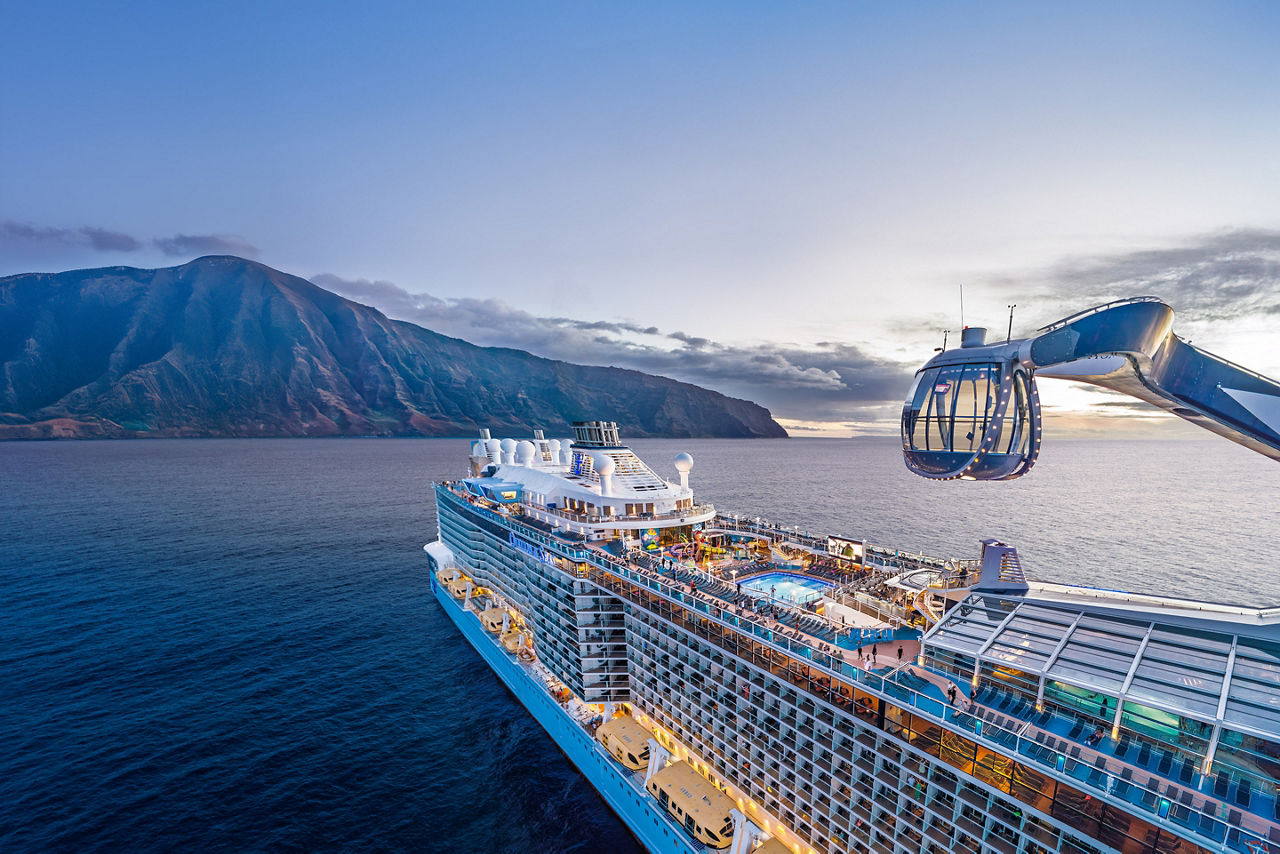
As you browse different ships, it helps to consider whether you want your time between ports to be all buzz and vibrance or more peace and quiet.
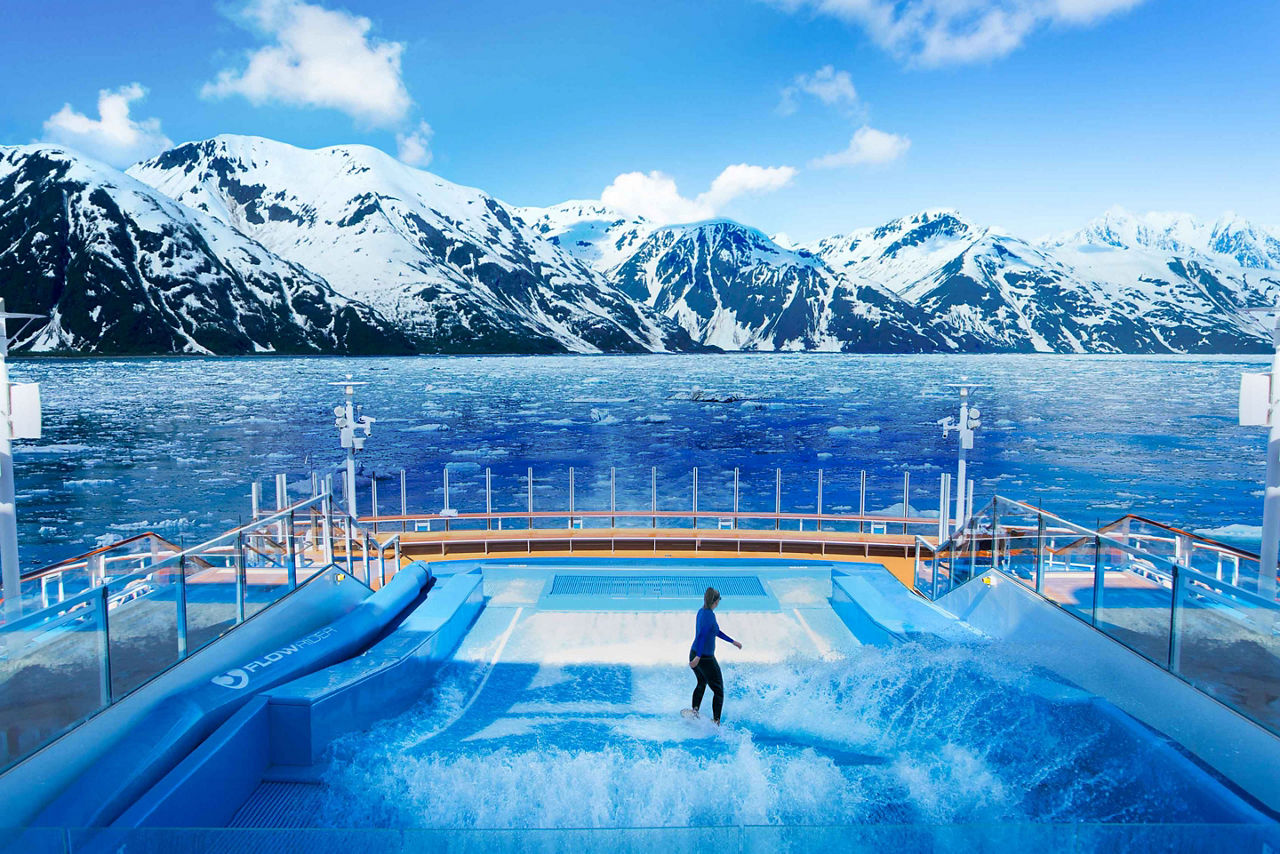
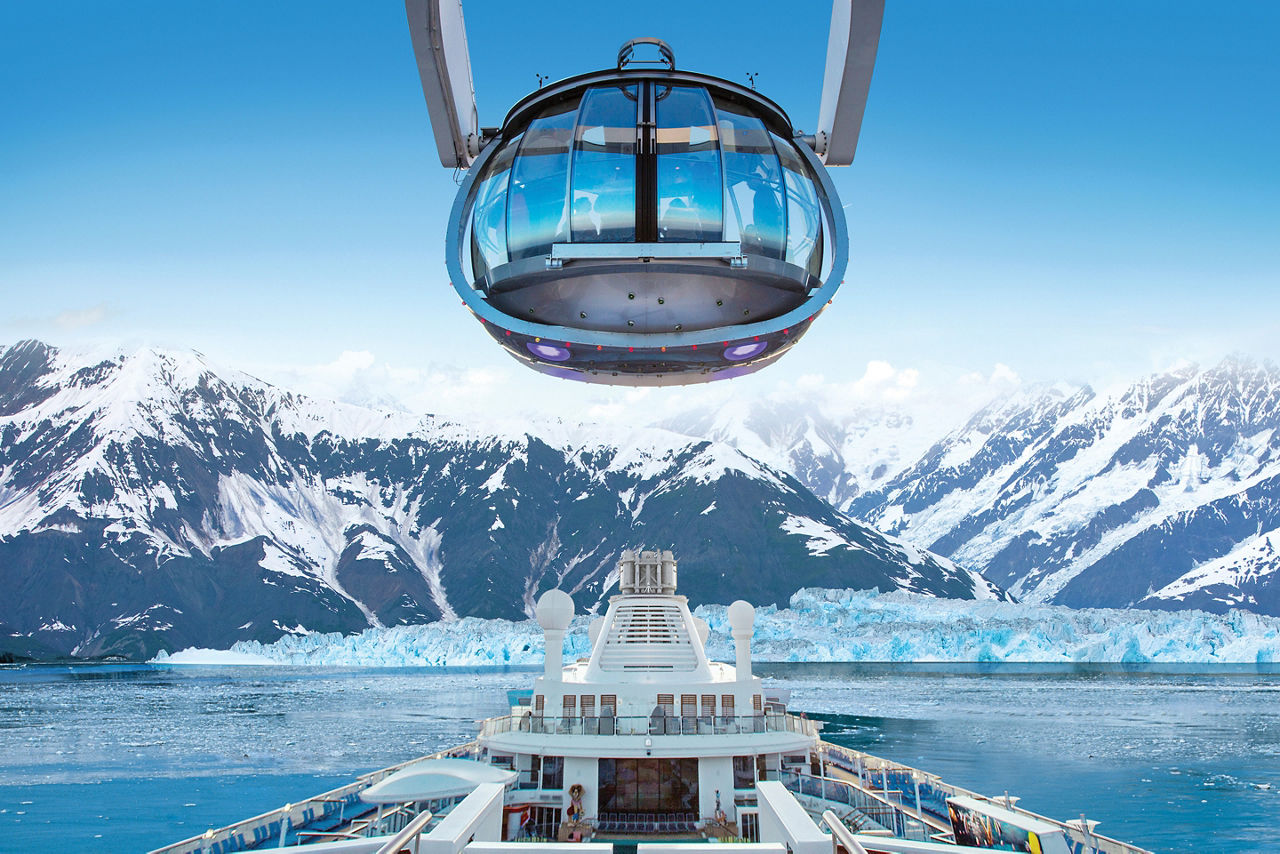
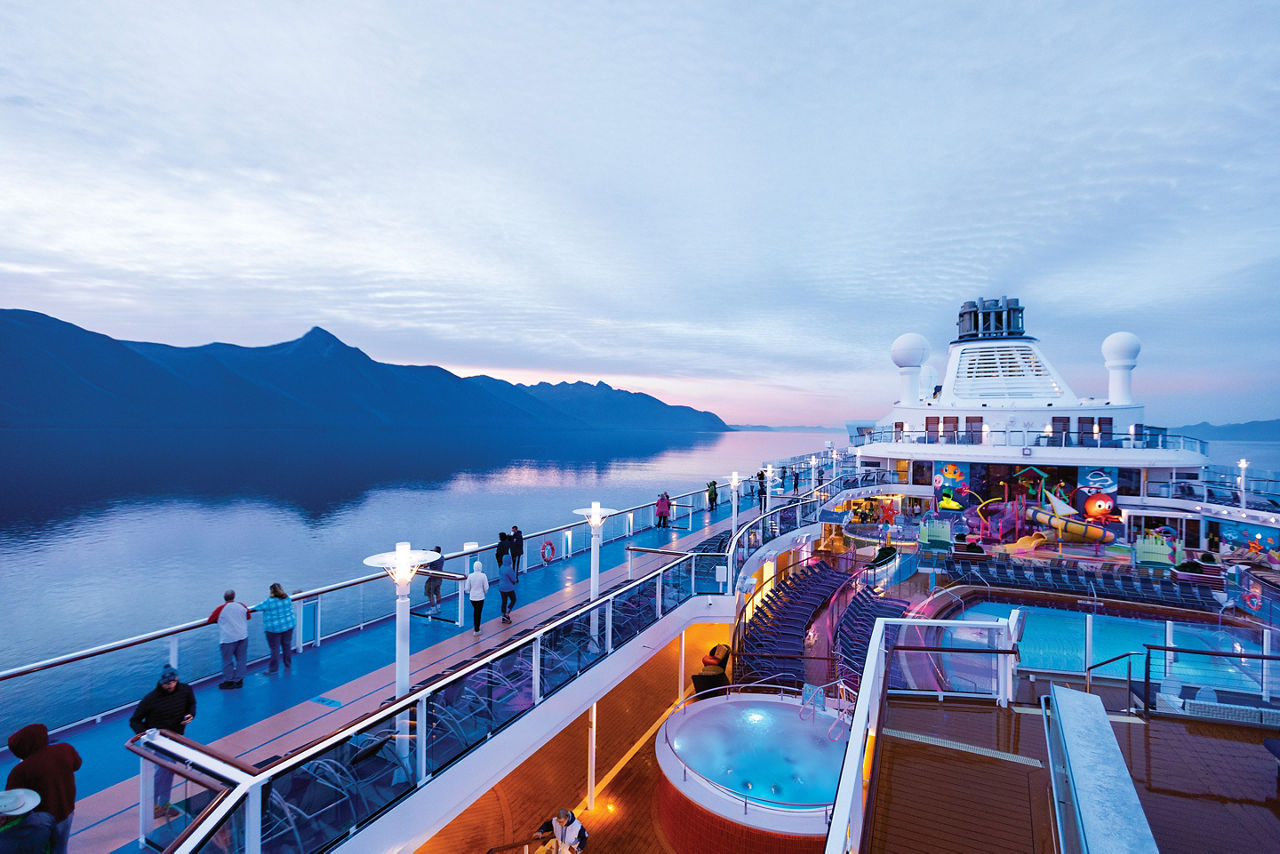
Families and groups looking to fill their days with plenty of activities and entertainment between ports tend to gravitate toward the larger vessels. High-tech amenities like the North Star viewing capsule, bionic bartending robots, a bumper car arena and indoor skydiving plus cushy lounges, covered pools and big-window indoor spaces make some ships feel like high-energy floating resorts. These are a particularly good choice for family vacations.
Couples and quieter travelers might prefer a smaller ship, where wraparound promenades add a layer of intimacy and calm geared more toward the scenery.
Budgeting for Your Alaskan Cruise

Alaska is a long-haul trip for most visitors, so budgeting outside the fare itself is essential. Beyond the base price and cabin considerations (like whether you’d like a balcony), you’ll want to factor in flights to and from your departure and home city, plus at least one pre-cruise hotel night and any post-cruise stays. Tally up transfers, shore excursions and onboard extras like gratuities, drink packages, specialty dining and extra funds for souvenirs and other unexpected costs that may come up.
For most travelers, it makes sense to go modest on the cabin and generous on the experience, so weigh cabin upgrades against flight-seeing, wildlife days and extra time in port, if you have to choose. This is especially true for first-time cruisers, giving you a chance to enjoy a little bit of everything so you know what you’d like to splurge on next time.
Packing and Pre-Trip Prep
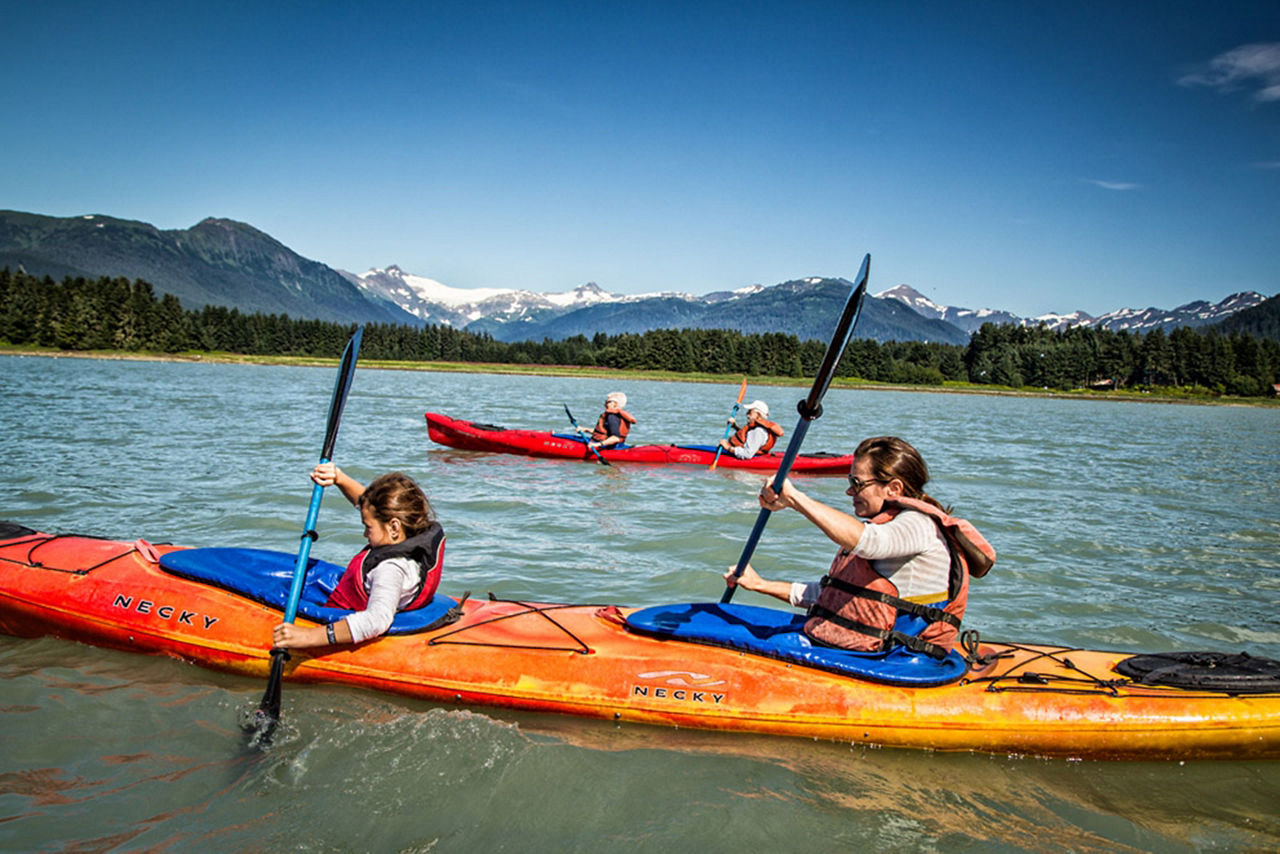
Days can start in a soft drizzle, flip to bright sun by lunch and usher in harsh winds by supper. The right layers keep things feeling magical instead of miserable, so plan your Alaska packing list wisely.
A breathable base, warm mid-layer and windbreaker shell are usually the way to go, and don’t forget waterproof shoes, preferably with decent grip for slick docks and trails. Small accessories like a hat, gloves and scarf also go a long way, as does a compact daypack for an extra fleece and a camera. Booking in advance and having a pre-departure checklist also helps your trip feel more smooth instead of scrambled.
Cruise or Cruisetour?
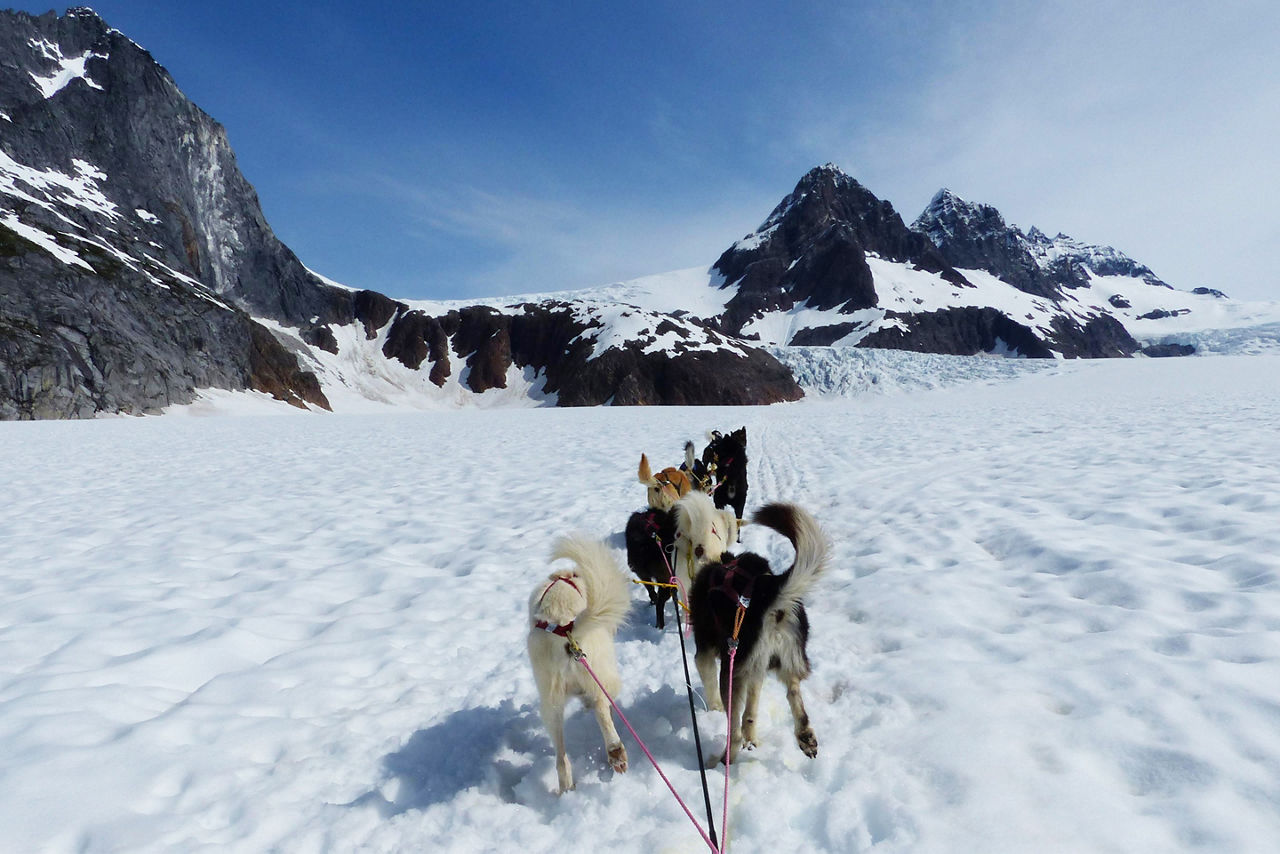
Cruise‑only trips keep the focus on coastal towns, fjords and glacier days, and work well if you want maximum scenery with minimal unpacking and about a week to spare. Cruisetours stretch the story inland to big mountain ranges, rivers and lodge stays, better suited to travelers with more time and an appetite for moving around between hotels.
Choose cruise‑only if you’re happiest sailing from port to port; choose a cruisetour if you’ve always wanted to see more of Alaska beyond the shoreline and don’t mind a few extra travel days.
Alaska Cruise FAQs

When Is the Best Time To Take an Alaska Cruise?
Visit in late spring and early fall for value and fewer crowds; visit in mid‑summer for the longest days and warmest deck time.
How Many Days Do You Need, and How Do You Choose an Itinerary?
Seven nights suits most travelers. Pick roundtrip for simpler flights; choose one‑way if you want deeper Alaska plus easier pairing with land tours.
Cruise or Cruisetour for Alaska?
Cruise‑only focuses on coastal towns and glacier days in about a week. Cruisetours add inland rail rides and lodge stays for those with more time and budget.
What Should First-Time Cruisers Know Before Booking an Alaska Cruise?
- ● Book 6-12 months ahead.
- ● Expect cool, changeable weather even in summer.
- ● Pack layers.
- ● Follow check‑in/app guidance so embarkation day stays straightforward.
Turn Your Plans Into a Booked Alaska Cruise
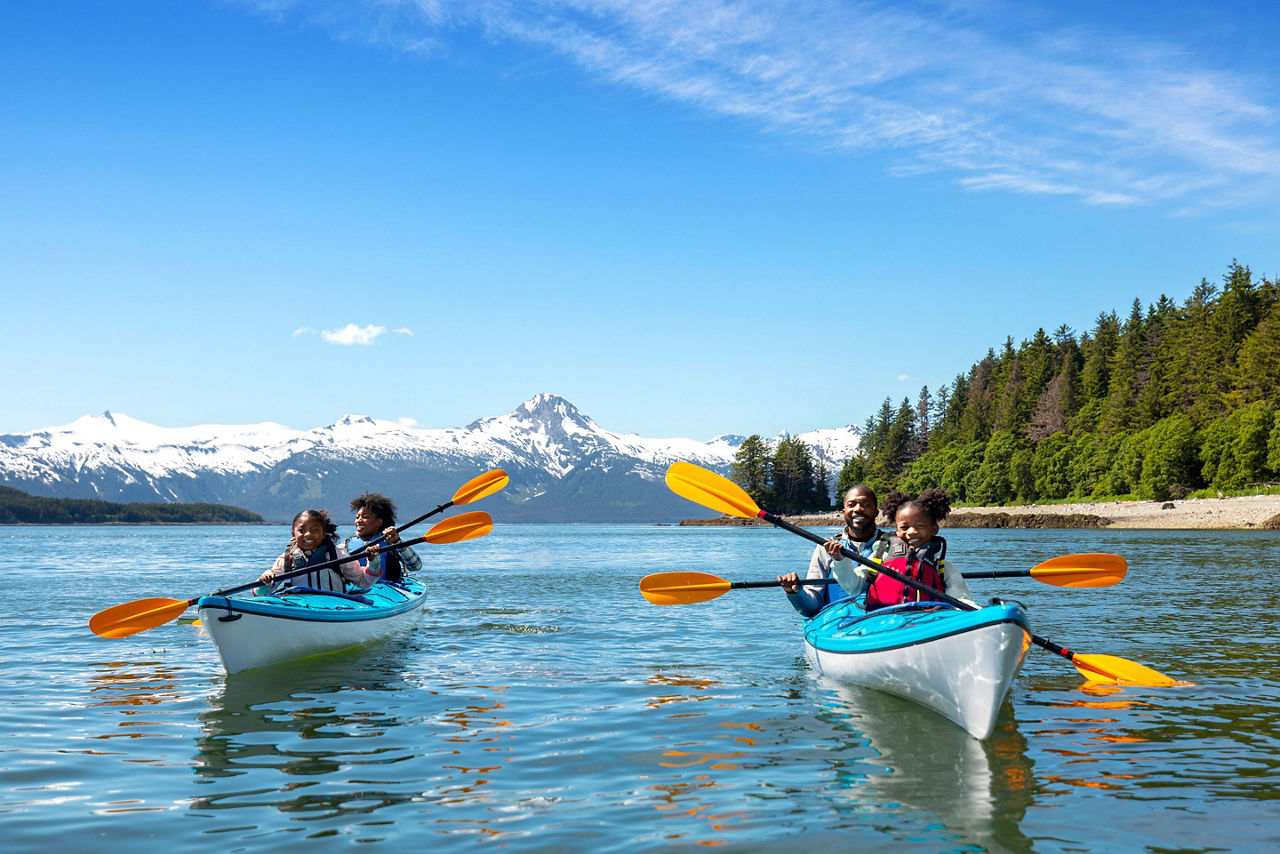
Planning an Alaskan cruise begins with a few big decisions, including ports, ships and experiences. From there, you can choose everything from special experiences to fun splurges.
Now that you’ve started to imagine the perfect Alaska cruise and laid the blueprint for planning, it’s time to pencil in some dates on the calendar.

Related Articles
Which Ship is Right for You? Choose From These Alaska Cruises
READ MORE
The Ultimate Alaska Cruise: How to Pick the Best Itinerary
READ MORE
Why You Should Cruise to Alaska During the Summer
READ MORE