By: Cynthia Drake | Published: November 17, 2025 | Updated: 6 March 2026
When on vacation in Trinidad and Tobago, you can either sit on the sidelines or jump right into the action. One way to do this is to learn the soca dance — a style of dance known for its fast-paced movements. When paired with the steel drum and locals who can guide you through the steps, there’s no way you’ll be able to stand still when the music plays.
Learn about the history of this Trinidad dance and where to discover it on your next cruise in this guide.
Key Takeaways
- ● The soca dance style is a style of movement that originates from the Caribbean. When tied with Trinidad soca music, the dance is fast-paced and full of hip and waist movements.
- ● Soca is short for soul of calypso, the term coined by Trini musician Lord Shorty.
- ● Wining is soca’s companion dance, which beginners can learn through dance classes — or by watching the locals.
- ● Soca is an integral part of Carnival, which takes place before Ash Wednesday.
- ● Visit Trinidad and Tobago to dance the night away to traditional Caribbean soca music. Explore our Caribbean and Bahamas cruises to get your next vacation scheduled.
What Is the Soca Dance Style?
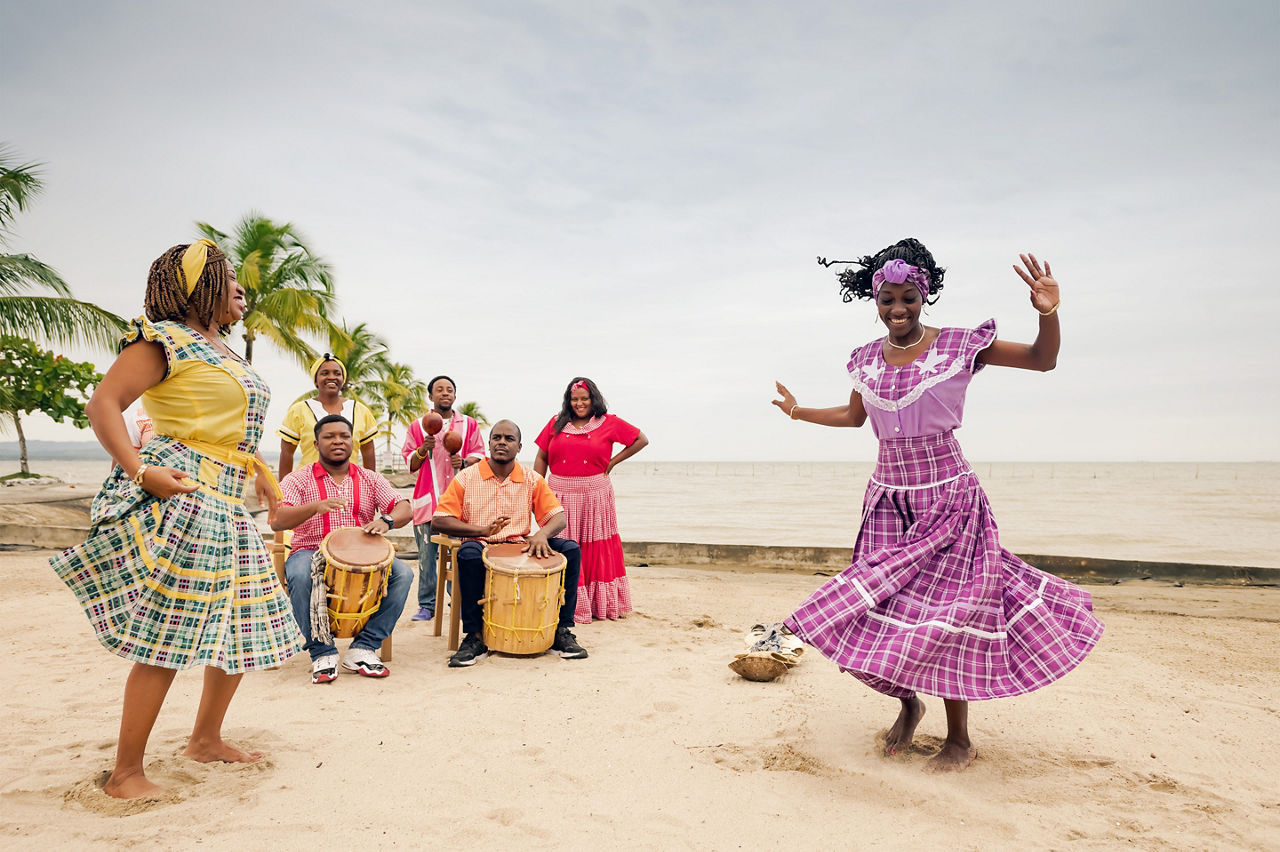
Soca dance style is a lively and energetic form of dance that originates from the Caribbean, specifically Trinidad and Tobago, and is closely tied to soca music — a fast-paced, rhythm-heavy genre that evolved from calypso.
This Caribbean dance is characterized by the following qualities:
- ● Upbeat and rhythmic: Movements match the quick tempo of Soca music from Trinidad and Tobago (typically 115–160 BPM).
- ● Hips and waist movement: A lot of emphasis is placed on isolating and rotating the hips and waist circularly or rhythmically.
- ● Jumping and whining: “Whining” (also spelled “wining”) is a signature Soca move involving rhythmic circular movements of the hips. Jumping, waving arms and expressive footwork are common.
The History of Soca in Trinidad Culture
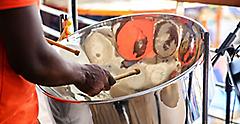
Trinidadian musicians birthed not only the instrument most frequently associated with the Caribbean — the steel pan — but also calypso music itself. Innovation, evolution and creativity, so pervasive in this area, have only continued to reinvent the culture, sharing new sounds, flavors and ideas with the rest of the world.
While calypso first landed in Trinidad sometime in the 1700s, imported by enslaved Africans, in the 1970s, a new style of music began to emerge called soca, or "soul of calypso." The term was originally coined by Trini musician Garfield Blackman, who took the stage name Lord Shorty. Though eventually, Blackman would move away from soca to explore other styles of music, his granddaughter, Nailah Blackman, continues the soca legacy today.
Whereas calypso is an Afro-Caribbean style of music characterized by bright and tinny melodies produced by Trinidad's national instrument, the steel pan, soca punches up the rhythm to the next level with hard-racing beats and instrumentals imported from India.
Lord Shorty and the soca musicians that would come after him infused calypso with the East Indian influences that are so emblematic of Trinidad and Tobago, alongside so many other cultures, creating a fusion musical export as uniquely delicious as the food you'll find here.
If you don't think you've heard soca before, chances are you've probably heard crossover hits like the perennial Caribbean vacation single "Hot Hot Hot" (first recorded in 1983 by Montserratian singer Arrow). Other popular renditions include Trinidadian Anselm Douglas's "Doggie" (later covered by the Baha Men as "Who Let the Dogs Out") and "Turn Me On" by Kevin Lyttle (who grew up in Saint Vincent, a neighboring island of Trinidad and Tobago). You've also likely heard references to Trinidad and soca elements across Nicki Minaj's music, who was born in Saint James, Trinidad and Tobago.
Wining, Liming and Dining in Trinidad

Of course, what is song without dance, especially when it comes to soca, and especially when traveling in the Caribbean — a music and a place that practically demands audience participation? Soca takes dancing to the next level. Think of the most energetic fitness dance class you've seen, where the participants have supreme command of each body part, moving in sync with the frenetic beat. In Trinidad, this could be known as the perfect "wine." "Wining" refers to soca's companion dance, which makes liberal use of the hips and backside, to say the least.
Meanwhile, "liming" refers to the art of relaxing with friends, perhaps with a bottle of locally produced Carib or Stag beer. "Wining and liming" is not just a clever phrase you're likely to hear in Trinidad and Tobago; it's a way of life.
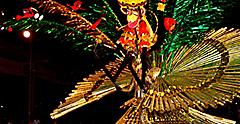
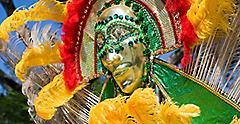
So, where do you wine (or dance) in Trinidad? If you happen to visit Trinidad during Carnival, it's inescapable. Soca dance is an integral part of Carnival's spectacle of color, ornate costumes, music and nonstop fetes, which takes place before Ash Wednesday in February. Do some research before you go, and join a band in advance so you can "play mas" (mas is short for masquerade) if you want to get the full experience of Carnival. Your cost to participate with many of the top bands includes your costume, meals, drinks and use of portable toilets.
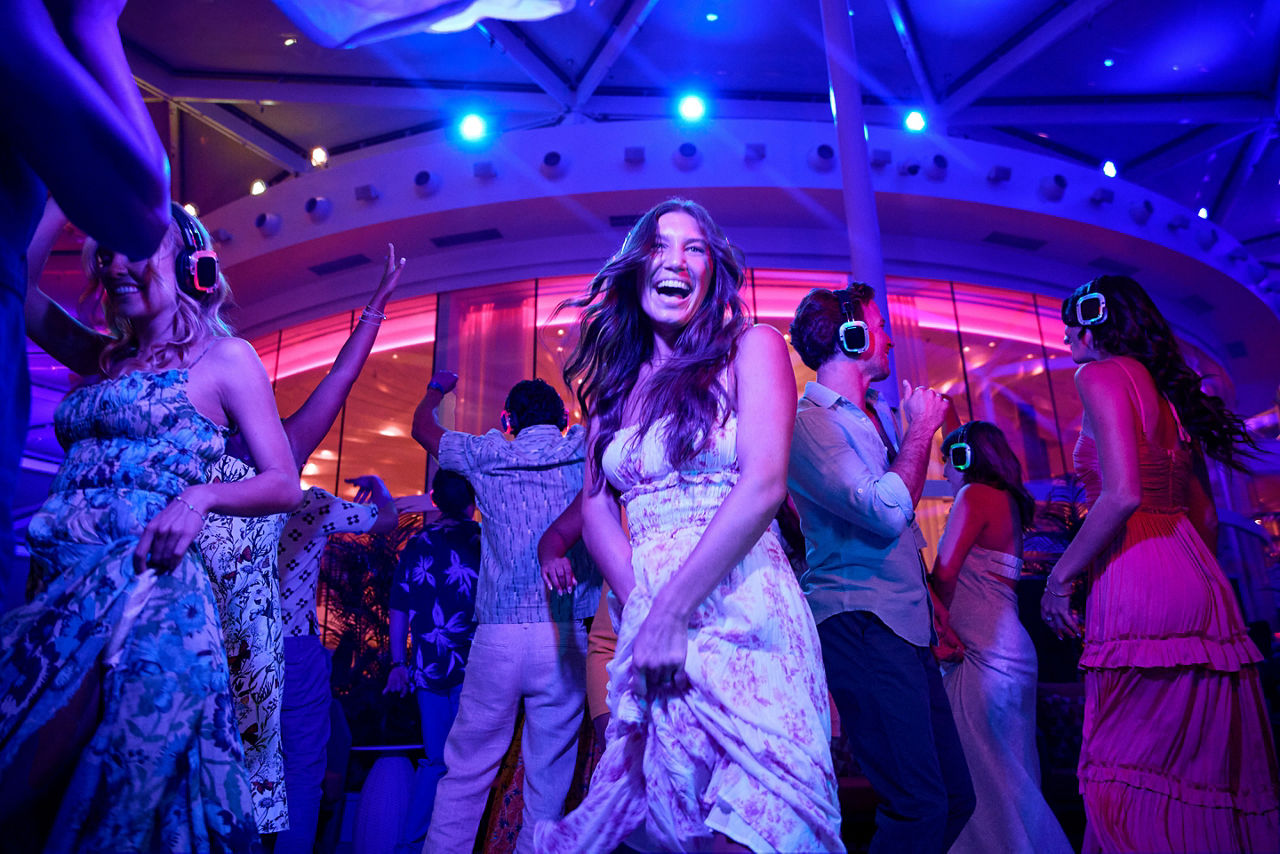
Outside of Carnival season, head to Ariapita Avenue in the Port of Spain (the very birthplace of soca) and step into the club for an unforgettable evening of dance almost any night of the week. The dance clubs here are places not just to "lime" and listen to soca but to be surrounded by its vibrations and by locals who have been raised on the music. As for the steps, don't worry too much and just let the music guide you (or find a few class options to learn the moves).
More Soca Holidays In Trinidad And Tobago
While on vacation in Tobago, you'll find that festivals are celebrated monthly in various villages around the island. There, you may find soca, as well as other traditional music and dances that pertain to culturally and historically significant events, such as the cocoa harvest.
In April, you'll find soca dance performed along with jazz, reggae, calypso and other music at the Tobago Jazz Experience. The We Beat Festival celebrates local culture in Trinidad with Pan Night, in addition to soca and other musical stylings.
In Trinidad during the Christmas holiday season, you'll find the traditional parang. Similar to the Latin American parranda, the parang is a tradition that involves traveling from house to house, eating and drinking merrily with friends and neighbors, accompanied by rich Trinidadian soca or chutney melodies (chutney and chutney soca are still more East Indian fusion music styles developed in Trinidad).
Take Soca Dance Lessons For Beginners
Keep Your Vacation Upbeat
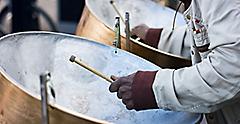
If you're visiting Trinidad and Tobago, don't miss the enduring spirit of Trinidad's musical innovation. On top of stepping out with your new dance moves, take time to witness a full steel orchestra practice or performance — and you might even luck out and get an impromptu lesson.

Get Royal Deals, Sign Up Today

Getting There
Explore Our Most Affordable Itineraries
Discover Carnival and learn Soca Dancing on a cruise to Trinidad