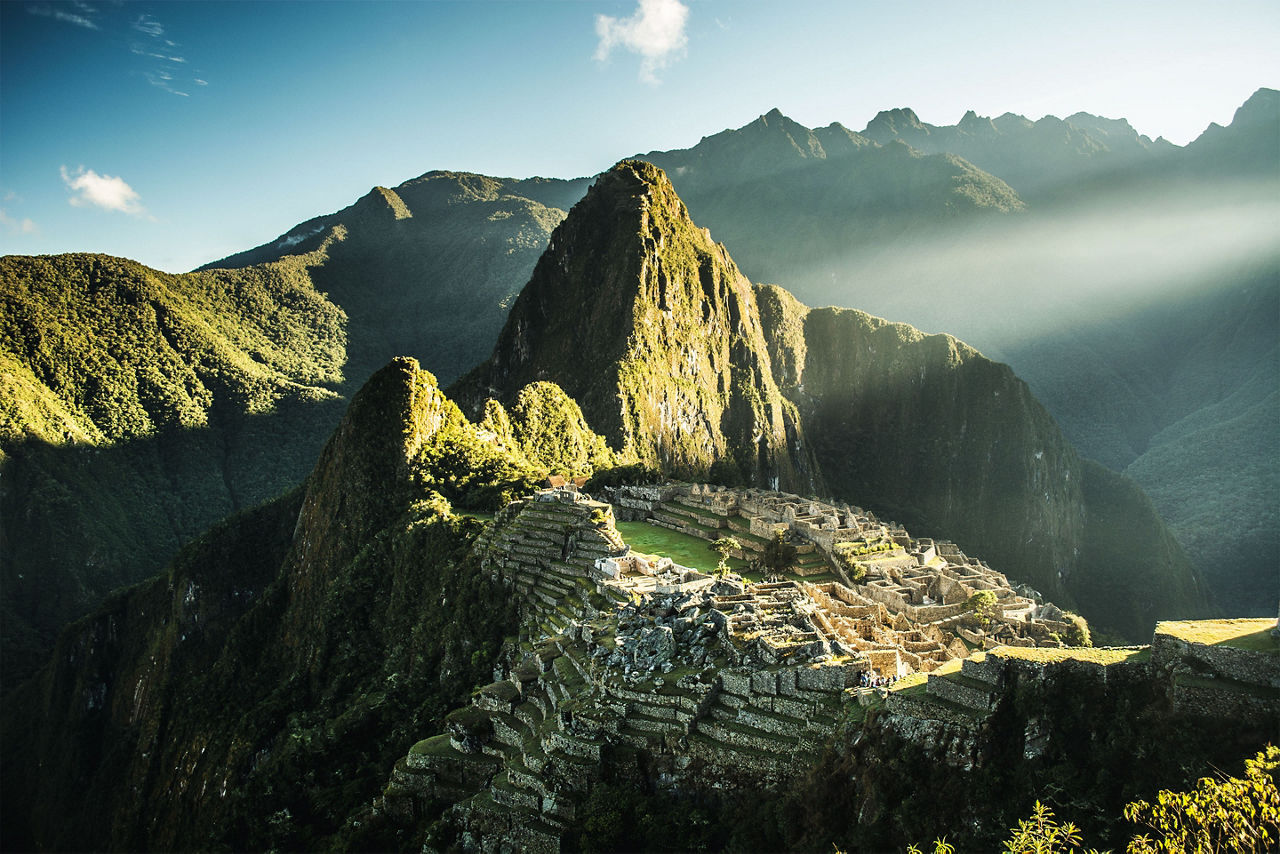
Visiting Sugarloaf Mountain in Rio de Janeiro: Tips & Highlights
Climb To The Top Of Rio De Janeiro's Mountain Landscape
By Robert Schrader | Published on November 11, 2025
If you’ve always dreamed of a Sugarloaf Mountain Rio rock climbing adventure, you're not alone. It's difficult to deny how iconic Rio de Janeiro's celebrated crag is. The Pão de Açucar, as it's known in Portuguese, is a sweet sight no matter where in Rio you happen to be. It's visible while you swim at Copacabana Beach and still imposing even as you stand beneath Christ the Redeemer atop Corcovado Mountain.
Everyone can recognize and appreciate Sugarloaf, but not everyone understands why it's so important or all the many ways you can incorporate it into your Rio de Janeiro itinerary. If you haven't booked your cruise vacation to Brazil, this guide may make that decision easy for you. This blog will tell you important information about visiting Sugarloaf Mountain in Rio, including how to hike it, how much it costs and why it’s famous in the first place.
Key Takeaways
- ● Sugarloaf Mountain is 391 meters high, just over half as tall as the peak where the Christ the Redeemer statue stands.
- ● You can climb Sugarloaf Mountain with a Sugarloaf rock climbing tour.
- ● Hiking Sugarloaf Mountain in Rio takes about two to three hours, depending on your fitness level.
- ● Urca, the neighborhood that sits at the base of the mountain, offers countless family-fun activities.
Explore cruises to Rio de Janeiro with Royal Caribbean.
What You Need To Know About Sugarloaf Mountain
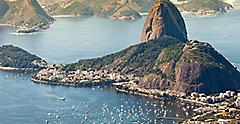
Ever wondered, “How high is Sugarloaf Mountain in Rio de Janeiro?” At 391 meters or 1,282 feet, Sugarloaf Mountain is just over half as tall as Corcovado, the mountain where the Christ the Redeemer statue stands. This is obvious when looking down on Sugarloaf from up there, but might not be apparent from Copacabana Beach, where the two peaks can seem of similar height. The mountain isn’t the highest point in Brazil, but that doesn’t make it any less breathtaking.

The name of the mountain, as sweet a sight as it is, also puzzles many bound for Brazil. This makes sense, since those without a background in agriculture probably won't be able to see the resemblance. It got its name in the 16th century, when Portuguese colonial businessmen named it after the country's most profitable industry: sugar cane cultivation. The mountain closely resembled the loaf-like shape of refined sugar, which was a hot trade commodity at the time.

Rio's Original Icon

The Christ the Redeemer statue is so iconic that it's hard to believe it was built only a century ago, nearly 400 years after the naming of Sugarloaf. While this fact doesn't erase the magnificence of the statue — or counteract the enduring coolness of its Art Deco design — it does offer context: Corcovado was largely anonymous until Christ the Redeemer's construction, while the Sugarloaf has always stood on its own.
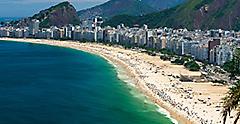
When your Brazil vacation takes you to Rio de Janeiro, you'll notice that Sugarloaf is prominent in most restaurants and souvenir shops, adorning the walls in photographs, and representing Rio on postcards. It's much more ubiquitous than its man-made competitor. You might even perceive this as you explore the historic Santa Teresa neighborhood or sunbathe on Copacabana Beach. While you can see Christ the Redeemer if you're looking for it, Sugarloaf Mountain practically commands your attention.
Once you ride the funicular to the top of Corcovado for a closer look at the statue — and finish taking your obligatory arms-outstretched selfie — the focal point of the "money shot" you'll snap of Rio's cityscape will undoubtedly be Sugarloaf Mountain. It manages both to dominate and dwarf everything else around it while tying the entire scene together. Its ever-present status is intriguing, and one of the best ways to see it in all its glory is with a Sugarloaf Mountain hike.
Can You Climb Sugarloaf Mountain?

Yes, Sugarloaf Mountain Rio de Janeiro rock climbing tours offer opportunities for climbers of all skill levels to scale the cliff. The climb to the top of Sugarloaf is moderate and takes a few hours. If you're feeling nervous, don't worry. Sugarloaf looks steeper than it is, and with an expert guide, the experience will be safe, fun and a memory you'll never forget as long as you’re within the Sugarloaf climbing area. Pro tip: Don't have a cachaça rum drink before climbing Sugarloaf Mountain, thinking it'll calm your nerves. The terrain is a little rocky, and you may need to scramble a bit, so you'll need all the coordination you can get. Instead, plan a celebratory dinner and drinks after your momentous feat.
The specifics of your adventure will vary depending on the tour experience you book, but they tend to follow the same trajectory. First, you'll hike a relatively easy and flat trail most of the way up the mountain, then once the landscape becomes a bit more rugged and vertical, you'll gear up. Using ropes and pulleys, you'll climb the last 65 feet to the very top, resulting in an immediate reward: sweeping views of the gorgeous city of Rio de Janeiro.
Traditional adult Sugarloaf Mountain tickets for the cable car start at R$195 (about $35 USD), but there may be reduced prices for seniors and children.
Is Sugarloaf Mountain Worth it?
The vantage point from the top of Sugarloaf Mountain can't be beat. On one side, you can see straight across the water to Niterói. From this view, try and spot the iconic, surrealistic art museum designed by famous Brazilian architect Oscar Niemeyer. On the other side, you'll see Copacabana Beach, and in the far distance, Corcovado and Christ the Redeemer stand tall.
After getting your fill of photos and videos, remember to take a few breaths and have a moment of stillness just for yourself. Then, it's time to head back down. The great news is that while you can technically go down the same way you came up (and many thrill-seeking adrenaline junkies do), most tours have a one-way cable car Sugarloaf ticket priced in, so you can sit back, relax and relish in what you just achieved.
Beyond Sugarloaf Mountain, Rio
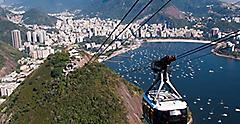
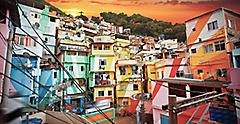
When you come down Sugarloaf Mountain, make sure to explore Urca, the neighborhood that sits at its base. Constructed on a landfill urban planners laid out shortly after World War I, what started as one of Rio de Janeiro's most utilitarian neighborhoods has blossomed into one of its most character-laden ones.
Beyond the bright, pastel colors of many of its buildings, what's immediately striking about Urca is that it's primarily composed of single-family homes — as opposed to the multi-story hotels and residential buildings that predominate in Copacabana, Ipanema and Leblon. At the time of its construction, it housed ordinary families who relocated from elsewhere in Rio to the then-new neighborhood. These days, with land and space at a premium, Urca is one of the wealthiest areas of Rio de Janeiro.
That being said, it's not expensive to enjoy Urca. For every high-end, luxury boutique, there's a shop selling something affordable and accessible, like Brazil's best-selling Havaianas flip-flops. Likewise, while Cantina do Jorge is so exclusive that only residents of the blocks around it can enjoy a meal there, nearby Urca Grill is as easy to access as the sea breeze effortlessly flowing through its open-air dining room. There's no better way to celebrate a successful Sugarloaf Mountain rock climbing excursion than with a cold beer and a big meal of Brazil's best comfort food.
If the view of the beaches from the top of Sugarloaf made you crave a sun-soaked beach day, walk around the base of the mountain to secluded Praia do Forte, which is smaller than the more popular Rio beaches and also much quieter. And if the rampart of the Fortaleza de São João piqued your interest, keep in mind that you typically need an advance booking to tour it.
Enjoy Brazil With Royal Caribbean

If your visit to Sugarloaf Mountain, Brazil, has you looking for an adrenaline kick, rock climbing is sure to be an exhilarating and rewarding experience. If a climb just isn't your thing, grab a sunny spot on Copacabana Beach and watch as others scale the mountainside. I, for one, can't think of a better way to spend an afternoon in Rio de Janeiro.