The Amazing History of Amusement Parks: Inspiration for Your Next Cruise Trip
Amusement Parks Over the Decades: Theme Park History
By Chantae Reden | Published on January 27, 2026
Our love of thrills and entertainment is seen in the success of businesses that range from small fairs to ginormous amusement parks. The combination of sugary treats, lively performances and looping rides turns exciting adventures into memories that last a lifetime. Where did the affinity for these attractions come from, you wonder? Buckle up and keep your arms inside as we dive into the fascinating history of amusement parks and how they've changed over the decades.
Key Takeaways
- ● Amusement parks trace their roots back to Europe’s Renaissance festivals and 18th-century pleasure gardens, which blended games, art and social life.
- ● By the late 1800s, parks like Coney Island and Chicago’s Columbian Exposition transformed leisure with roller coasters, Ferris wheels and permanent attractions.
- ● The Great Depression and World War II slowed the industry, but postwar baby boomers and Disneyland in the 1950s reignited the golden age of themed entertainment.
- ● From waterslides in the 1980s to today’s record-breaking roller coasters, parks continue to evolve while preserving nostalgic favorites like hot dogs, cotton candy and wooden coasters.
- ● Modern cruisers can combine shipboard thrills with visits to historic parks worldwide — from Sydney’s Luna Park to Perfect Day CocoCay.
- ● Find your next amusement park cruise today.
Fun Through the Centuries and Where It All Began
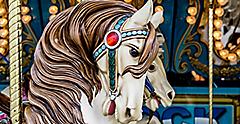
The ancestors of theme parks emerged in Europe just before the Renaissance era, which took place from 1300 to 1600. Themed festivals were typically centered on religious holidays and harvests, and people gathered to enjoy food and admire exotic wares brought from faraway lands. If you wanted to take a ride, you'd sit in a basket and be spun around a pole in what was the first iteration of the modern carousel. Hand-eye coordination was tested through games that included hurling javelins through rings as well as archery and darts. Crowds gathered to watch knights show off their horsemanship through jousting.
In the 18th century, pleasure gardens sprang up in major cities in Europe to entertain the rising middle class. With excess cash to spend and newfound leisure time, citizens were ready to be entertained. At these pleasure gardens, visitors could stroll among manicured grounds and enjoy live music, acrobats, plays, jesters and firework shows. They became places for people to socialize and play games with others that one might not encounter in everyday life, all while showing off their best clothes.
Local architects would reveal their latest creations, and artists exhibited their finest works, creating a way for the general public to view art pieces that would once have been kept behind closed doors. By the mid-1700s, news of the fun of pleasure gardens traveled across the ocean. The concept took hold in America, with pleasure gardens opening in New York City. Rides were added to the mix, including the first carousel on the continent, and a demand for more sophisticated rides grew.
The Boom of Amusement Parks: From Trolley Parks To Seaside Escapes
In the late 1800s, pleasure gardens gave way to entertainment areas that more closely resemble the thrill-seeking theme parks we know and love today. The trolley companies paid a flat fee for electricity each month, and they needed to entice people to use trolleys outside of peak hours. They built small parks with minor rides, picnic areas and games so people would use the trolleys in the evenings and on the weekends.
One of the most famous amusement areas that sprang up as a result of a well-thought-out rail line was Coney Island. After a long week of work and school, families viewed Coney Island as an affordable way to escape to the seaside during the summer. Rides, games, fortune-tellers and street performances gathered to delight those who came to visit.
The Birth of the Roller Coaster
In 1884, the Switchback Gravity Pleasure was invented by LaMarcus A. Thompson, becoming the first roller coaster in the United States. The roller coaster had a maximum speed of a little under six miles per hour and topped out at 50 feet high. The ride was thrilling, especially for those who had never experienced anything like it.
The roller coaster inspired entrepreneurs to build multiple parks on Coney Island, which is still famous for its rides and games today. Coney Island became a hub for amusement park rides — innovative roller coasters were often invented and built elsewhere, then sent to Coney Island. People would round up their friends and family on the weekend, ride in from the outer suburbs on the subway and snack on a hot dog in between rides.
Chicago’s Ferris Wheel Spectacle
As Coney Island experienced success, Chicago was also becoming famous for its amusements. In 1893, architects and those in charge of the Columbian Exposition, a fair attended by guests from all around the globe, were looking to create something spectacular enough to rival the Eiffel Tower (an icon that had been showcased just a few years before).
Soon after, the world's first Ferris Wheel debuted at the Columbian Exposition. It was a 264-foot behemoth of a ride that welcomed over 1.4 million guests in its carriages over the next five months. The exposition also debuted the idea of signature colors, fonts and whimsical designs being specific to a particular amusement park.
Book Now
Paul Boyton and the First Permanent Park
Meanwhile, an eclectic showman with a penchant for water stunts named Paul Boyton made a reputation for himself after completing a series of water challenges and performing in P.T. Barnum's circus. After settling down in Chicago, Boyton established the country's first permanent amusement park, called Paul Boyton's Water Chutes, in 1894. The success of the park inspired him to open a second amusement park on Coney Island.
A Golden Age of Thrills
The amusement park industry boomed throughout the early 1900s. By 1920, there were hundreds of parks across the country. The rise in industrialization and more efficient transportation allowed workers to work for less time, giving them more time to escape into worlds of fun and fantasy. Ride engineers raced to build roller coasters, and the competition among the engineers was fierce. Advertisements full of superlatives like "tallest," "fastest" and "longest" attempted to lure people to each park's grounds.
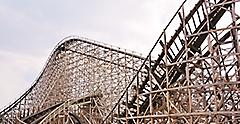
Parkgoers today tend to dress with comfort in mind; those venturing to these parks in the early 1900s were often dressed to the nines. It was quite a formal affair. In addition, nearly all roller coasters of the time were built from wood rather than steel, so there would be wobbling and creaking sounds as passengers levitated out of their seats whenever the car sped down a slope.
Prepare for an Abrupt Stop: The Great Depression and World War II
The Great Depression caused an economic downturn in the global economy, leading to the closure of hundreds of theme parks worldwide. World War II followed in 1939, which meant time and resources needed to be spent on wartime efforts rather than building the next best ride.
Some people visited theme parks as a respite from the harsh reality of everyday life, but the industry struggled to attain the same success it had experienced during the previous decades. These challenging years set the stage for a powerful revival, as postwar prosperity and innovation would soon breathe new life into the world of amusement parks.
Theme Parks Take Center Stage Once Again: The Revival
The baby boom began in 1944, and the rise of kid-friendly theme parks followed. Until the 1950s, amusement parks had targeted families of all ages, with few that catered solely to young children.
Arthur Fritz started a chain of parks for budding boomers called "Kiddieland". Many other copycat parks came into existence. Below are some fascinating details of how the amusement and theme park revival took place:
Disneyland and the Power of Themes
In the mid-1950s, Disneyland emerged as the nation's first large park based on a specific theme. Theme park developers struck gold when they aligned their parks with themes like the Wild West and dinosaurs. Introducing more rides didn’t turn visitors off; instead, it made guests wonder if the corn dog they had eaten just moments before was going to reappear in a different form.
Waterparks Make a Splash
Waterslides had been around for decades. The country's favorite summertime pastimes — amusement parks and going for a dip in the pool — combined at theme parks in the 1980s. When "Baywatch" debuted in 1989, flashes of bright red swimwear accented the parks as visitors copied the lifeguards' signature red bathing suits.
The Thrill Ride Revolution
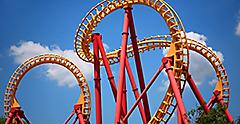
The 1990s and early 2000s were all about pushing the limits of what's possible when it came to thrilling rides. Theme parks debuted rides that seemed to defy logic, with inverted roller coasters wowing the crowds. Roller coaster cars were now located underneath the supporting structure and could twist and loop at the same time.
Airtime, or the time when riders are lifted out of the seat, was emphasized in newer rides, eliciting screams and sweaty palms like never before. Adrenaline junkies and those looking to test their fear of speed and heights lined up to take a ride.
Nostalgia Meets Innovation
Over just a few years, ride after ride broke the record for being the tallest, the fastest or both. Most of them no longer even resemble the rickety and slow first roller coaster revealed on Coney Island. That said, not every element of the early days of theme parks has been lost. Treats like hot dogs, popcorn and cotton candy continue to be some of the go-to snacks of choice for tiding over appetites while standing in line for a ride.
Some theme parks pay tribute to the parks of yesteryear, bringing back wooden roller coasters and classic amusement park games. For those who have been visiting parks for their whole lives, a visit to a historical theme park today can still feel like stepping back into the whimsy and wonder of childhood.
Theme Parks Take Center Stage Once Again: The Revival

Amusement parks have pushed the boundaries of what's possible in entertainment. At Perfect Day CocoCay, travelers exploring the seas on a cruise can have a day of seaside relaxation and nonstop thrills at a private island in the Bahamas.
Reach new heights when you zoom down the tallest waterslide in the Caribbean before going for a ride on Up, Up and Away, a helium balloon ride taking you to the highest vantage point on the island as you tower above the Thrill Waterpark® for unforgettable views. When it's time to relax, the beach is there for those looking to lounge in the cool sand and take a dip in the aquamarine sea.
Famous Historical Amusement Parks: Options for Your Cruise Wishlist
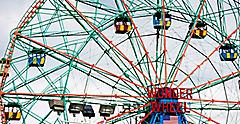
When you think about adding amusement parks to your cruise itinerary, it’s not just about thrill rides — it’s about stepping into places that shaped leisure travel as we know it. For history-loving cruisers, these parks combine nostalgia with easy access from cruise ports:
Coney Island, New York
Often called the birthplace of American amusement culture, Coney Island remains a classic stop for travelers sailing into New York with Royal Caribbean. Just a subway ride from the Manhattan cruise terminal, you can enjoy Nathan’s Famous hot dogs, ride the historic Cyclone wooden roller coaster and stroll the iconic boardwalk where generations of families have gathered for seaside fun.
Luna Park, Sydney
If your cruise takes you to Australia, Sydney’s Luna Park offers an unforgettable dose of vintage charm. Opened in 1935, it sits right by the harbor, making it easy for cruisers to hop off the ship and into a wonderland of old-fashioned rides framed by the Sydney Opera House and Harbor Bridge views.
Efteling, The Netherlands
Royal Caribbean itineraries to Amsterdam often allow enough time for a side trip to Efteling, one of Europe’s oldest theme parks, known for its fairytale forests and imaginative rides. It’s a magical option for travelers who want to experience storybook history in a lush park setting.
Tibidabo, Barcelona
Mediterranean sailings into Barcelona give you access to Tibidabo, a mountaintop amusement park that opened in 1901. It offers vintage rides, sweeping views of the city and a nostalgic mix of charm and history that makes it one of Europe’s most picturesque parks.
Mystic Mountain, Jamaica
For cruisers heading to Ocho Rios, Jamaica, history blends with tropical adventure. Mystic Mountain features a bobsled coaster inspired by the island’s Olympic team, while nearby Dunn’s River Falls has long been a favorite natural “park” for generations of visitors. Both can be reached easily on shore excursions with Royal Caribbean.
These historical parks are more than attractions — they’re destinations where past and present collide, perfect for enriching your cruise journey with a dash of amusement park heritage.
Interesting Amusement Park Facts: Enrich Your Knowledge Before You Cruise
- ● The first amusement park in the world: Bakken in Klampenborg, Denmark, opened in 1583. It operates today with a mix of vintage rides and modern attractions (although temporarily closed). Other historic contenders include Tivoli Gardens (Copenhagen, 1843) and Lake Compounce (Connecticut, 1846), the oldest continuously operating park in the U.S.
- ● America's first theme park: Knott’s Berry Farm in Buena Park, California, began in the 1940s when Walter Knott added Western-themed attractions to his family’s berry farm and chicken restaurant.
- ● The Ferris wheel’s global debut: The first Ferris wheel was introduced at Chicago’s World’s Columbian Exposition in 1893, standing 264 feet tall and carrying over 1.4 million riders during the fair.
- ● The Cyclone’s lasting legacy: Coney Island’s Cyclone wooden roller coaster, built in 1927, is still in operation and remains one of the most iconic coasters in the world.
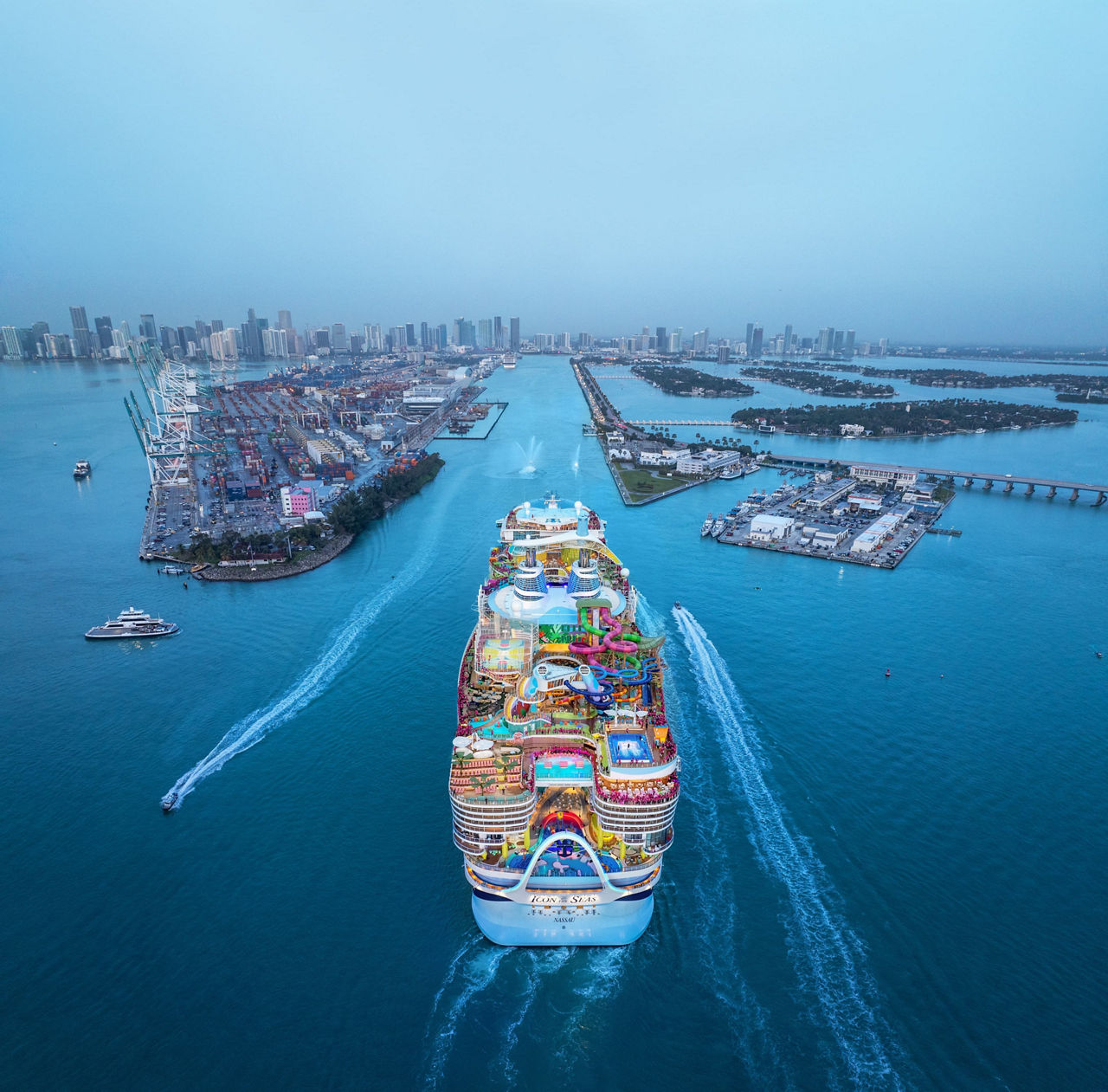
- ● Why cruises add a special touch to amusement park thrills: Cruising blends the tradition of adventure thrills with all the attractions, amenities and premium comforts of modern sailing. For example, Royal Caribbean now offers amusement-park-style rides at sea like the Ultimate Abyss℠ slide on Symphony of the Seas®.
Which Amusement Park Will You Visit Next?
Amusement parks are places where the only thing to do is spend time having fun. Even theme parks continue to offer a retreat from everyday life, allowing us to escape into a world of fantasy. There are no other places where we can feel the excitement that builds in our stomachs as a roller coaster car crawls to the top of its first peak, metal gears clanking underneath. These parks allow us to leave our worries behind and let us imagine what it feels like to fly and to travel at the speed of light.
Today, that same spirit of wonder is no longer limited to land-based parks. From classic destinations like Coney Island and Luna Park to the latest record-breaking rides, amusement parks have become global icons of joy. With modern cruise itineraries, you don’t just choose between a ship or a park — you can experience both in one unforgettable vacation.
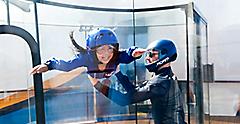
Royal Caribbean brings the thrills on board with waterslides, surf simulators and skydiving experiences at sea, while also docking in cities that put you within reach of historic amusement parks around the world. It’s the perfect blend of nostalgia, adventure and effortless travel.

Get Royal Deals, Sign Up Today
RELATED ARTICLES