Top Famous British Landmarks To Explore on Your Cruise
By Thessa Lageman | Published on January 21, 2026
From ancient stone circles shrouded in mystery to royal palaces still in use today, each stop along the British Isles reveals a different chapter of Britain’s story. If you’re seeking history, culture and unforgettable photo moments, we’ve got landmarks that make perfect highlights for your shore excursions. Find out which famous British landmarks, both outside and within London, are worth a visit when you cruise the British Isles.
Key Takeaways
- ● In the British Isles, you’re in the perfect region to see United Kingdom landmarks that ignite and inspire the most wondrous itineraries.
- ● Stonehenge’s mystery endures, with theories ranging from ancient sun worship to folklore about giants, Merlin and even aliens.
- ● Avebury Stone Circle rivals Stonehenge, offering a vast and mystical Neolithic site surrounded by legends of healing and dark powers.
- ● The Roman Baths in Bath reveal how Romans harnessed Britain’s hot springs for health, worship and community life.
- ● Hadrian’s Wall showcases Roman Britain, stretching across the north with ancient forts and fascinating archaeological finds.
- ● Britain’s castles and cathedrals, from Warwick Castle to St. Paul’s Cathedral, connect visitors to royal heritage, medieval intrigue and enduring national icons.
- ● Explore England cruisesa to begin your adventure.
Famous Landmarks Outside London
Exploring the most popular British landmarks outside London offers breathtaking sights and a deeper connection to the traditions, events and people that have shaped some of the world’s greatest historical and cultural feats. Here’s what to see beyond London:
Stonehenge: Aliens, Gods or Giants?
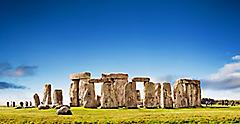
Standing in the middle of the vast fields of the British countryside, far off in the distance, I could see the massive stones of this prehistoric cultural icon. I started my trip to visit the United Kingdom at Stonehenge, one of the most famous landmarks in the British Isles.
On my way, I read that Stonehenge — which means "hanging stones" — was built in stages here in the south of England between 3000 and 1500 B.C. Some people contest that fact. I was intrigued and couldn't wait to learn more as I explored this mythical landmark and others in the area.
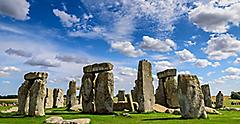
Walking around the massive stones, I naturally started to wonder — as visitors and researchers have done for centuries — why was Stonehenge built and how did people manage to put these huge stones here, over 5,000 years ago?
When you're confronted with the sheer size of these stones, it seems impossible humans could have pulled this off, especially without any modern equipment. It's perhaps no surprise that for a long time, people thought the builders may have been giants or gods with extraordinary powers.
The Story of Stonehenge
Theories about Stonehenge are as old as the stones themselves, and many theories are drawn from classic folklore. One of the earliest legends surrounding Stonehenge involves Merlin the wizard. The legend goes that when British nobles and soldiers died in battle against the Saxons, they were buried on Salisbury Plain, which is now the site of Stonehenge.
King Arthur wanted to erect a memorial to the soldiers, and specifically wanted these ancient stones that stood in Ireland and were said to be built by giants. He believed the stones to hold magical powers and was desperate to use them in his memorial. So, he enlisted the magical Merlin to go to Ireland and transport the stones to Salisbury Plain.
This compelling legend was later debunked. Aside from it being a fantastical story, historians realized the timeline doesn't match up — Stonehenge has stood in the British Isles for centuries before. Whimsical stories about Stonehenge still live on through to the modern-day. In the book "Chariots of the Gods?" Swiss author Erich von Däniken claimed the monument was constructed by the same aliens who built the pyramids — an idea that became rather popular during the conspiracy boom of the 1960s and is still believed by some today in the 21st century.
Celebrate the Solstice as You Travel to Stonehenge
Even if it didn’t come from outer space, Stonehenge is an otherworldly place. These legends are fun to read about, and scientists have demonstrated that the original builders actually had the necessary technologies to build the structure, despite the wheel not being used in Britain. Little is known about who built Stonehenge to this day.
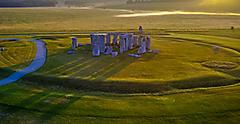
Many researchers presume this world-famous Neolithic monument served as a sun temple. The center stones are carefully aligned with the movements of the sun. Ancient astronomers may have used Stonehenge as a solar calendar to keep track of the movement of the sun and moon, to mark the changing seasons. Others believe the site was used to worship ancestors, and burial mounds have been uncovered nearby.
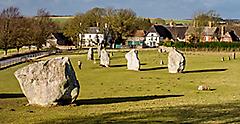
Avebury Stone Circle: A Lesser-Known and Equally Astounding Marvel
Before my trip, I had read about the many other extraordinary mythical marvels in the United Kingdom, and after my visit to Stonehenge, I decided to drive 30 minutes to the close and lesser-known Avebury Stone Circle. Here, I was awed to find the largest Neolithic stone circle in Britain and the world — making Stonehenge look small. Originally made of about 100 stones, today, only around 30 stones remain.
Over the centuries, folklore sang the praises of the stones' alleged powers. The stones at Avebury are believed to have healing properties, so people come here to hug the stones. Our guide told us stories of bad luck and devils. The townsfolk used to believe the stones could summon the devil. According to legend, running around the massive Devil's Chair stone counterclockwise 100 times will bring him out. While I didn't meet the devil on my trip to Avebury, the area did evoke the energy of something bigger than us.
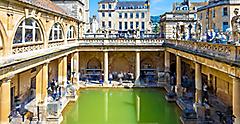
The Roman Baths: Witness How the Ancient Romans Bathed
Next, I continued to the picturesque city of Bath, just 34 miles (55 kilometers) away from Stonehenge. Here, I visited The Roman Baths, one of Northern Europe's most impressive Roman sites.
The spa complex was built in 70 A.D. and was destroyed at the fall of the Roman Empire, then redeveloped in the Middle Ages. The buildings include a bathhouse complex and a temple dedicated to the healing goddess Sulis Minerva. The legend of the bathhouses, my guide told me, revolves around King Blaudud's son, who claimed that the hot mineral springs cured his leprosy, leading many to flock there in search of its mystical powers.
The Ancient Romans used the 115°F (46°C) hot springs as public baths to cure ailments from achy muscles to skin issues. Unfortunately, you can't relax in the ancient spa as the Romans did. There is now a museum that displays fascinating artifacts, such as the gilded bronze head of Minerva and thousands of Roman coins.
The nearby Thermae Spa complex is a great modern alternative. While the hot springs may not cure what ails you, you'll be sure to enjoy the naturally heated, mineral-rich waters and open-air rooftop pool.
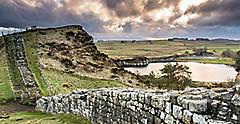
Hadrian’s Wall: Embark on Historic Tourism and Walk in the Romans’ Footsteps
Completely revived after my spa break, I traveled north to follow the Romans' footsteps to another iconic monument from the same time: Hadrian's Wall. Roman emperor Hadrian ordered the construction, which took place between 117 and 138 A.D., and the wall served as a defense line at the northern border of the Roman Empire.
Contrary to popular belief, the wall is not the definitive border between England and Scotland. Many have theorized that the construction of the wall was to divide the two. This has been proven false, as the two regions didn't exist when Hadrian's Wall was built.
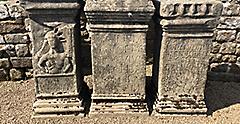
The intrigue behind Hadrian's Wall is just how it managed to survive for so long. Many stones that were once part of the wall were later used by the local population to build their houses. A large part of the wall is still intact, mostly the middle of it.
The wall once included 16 forts, and a few remains can still be visited, like Chesters Roman Fort. The fort is a well-preserved cavalry fort, and the intact bathtubs and steam rooms are a sight to behold. Today, artifacts are still frequently found along Hadrian's Wall that give us a glimpse into ancient Roman life.
Book Now
More Medieval Marvels To Visit on Vacation
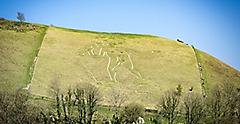
Cerne Abbas
There are so many ancient landmarks across Britain, and I was able to fit in some time to visit a few on my list. If you're interested in exploring the unknown, I recommend traveling to the village of Cerne Abbas in Dorset, England. I wasn't sure what to expect; the 180-foot-tall chalk drawing of a mysterious naked giant carved into the side of a lush hill took my breath away. It was recently discovered that the drawing stems from the 10th century, and that's about all anyone knows.
Why it was carved into the hill remains a mystery; legends have claimed that the giant came from Denmark leading an invasion. He stopped to sleep on the hill and was beheaded by the people of Cerne Abbas. Other folklore associates the figure with fertility. In the past, local childless couples would visit the giant and dance around a maypole to promote fertility.
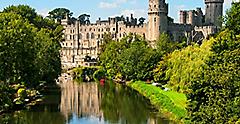
Warwick Castle
My last stop on vacation was Warwick Castle, on the banks of the River Avon in Warwickshire, England. Originally an Anglo-Saxon fortification, it's one of Britain's finest medieval fortresses. I was fascinated by the idea of staying the night in the castle and was so excited to book a room inside the 14th-century Caesar's Tower.
I stayed in a lavishly decorated medieval-style suite with the original high-vaulted ceiling, and the experience was something truly special. "Keep an eye out for the ghostly figure of a black dog with red eyes," I was warned. The dog is allegedly spotted by visitors on the property and is said to have been cursed by Moll Bloxham, a woman publicly punished for stealing in the town.
Another famous ghost is that of Sir Fulke Greville, who was stabbed by his servant, and according to some, his moans can still be heard in the South Tower. Despite the warnings of the castle being haunted, I had one of the best nights of sleep of my life.
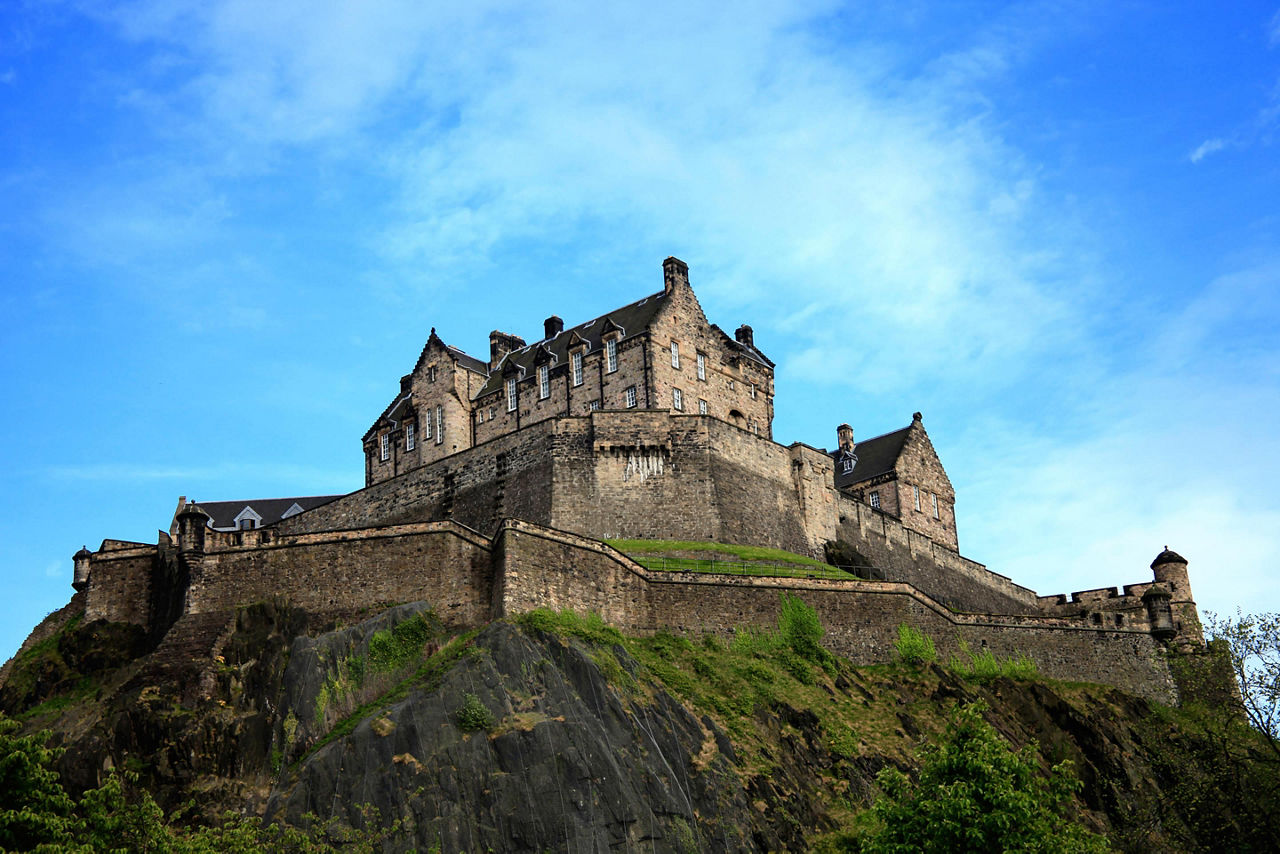
Edinburgh Castle: Scotland’s Iconic Fortress
Perched dramatically atop Castle Rock, Edinburgh Castle has dominated the city’s skyline for centuries. Once a royal residence and military stronghold, it now houses Scotland’s Crown Jewels and the Stone of Destiny, used in coronations of Scottish kings.
Walking through its ancient halls reveals stories of battles, monarchs and national pride. From the panoramic views over the capital to the daily firing of the One O’Clock Gun, this landmark offers an unforgettable immersion into Scotland’s history.
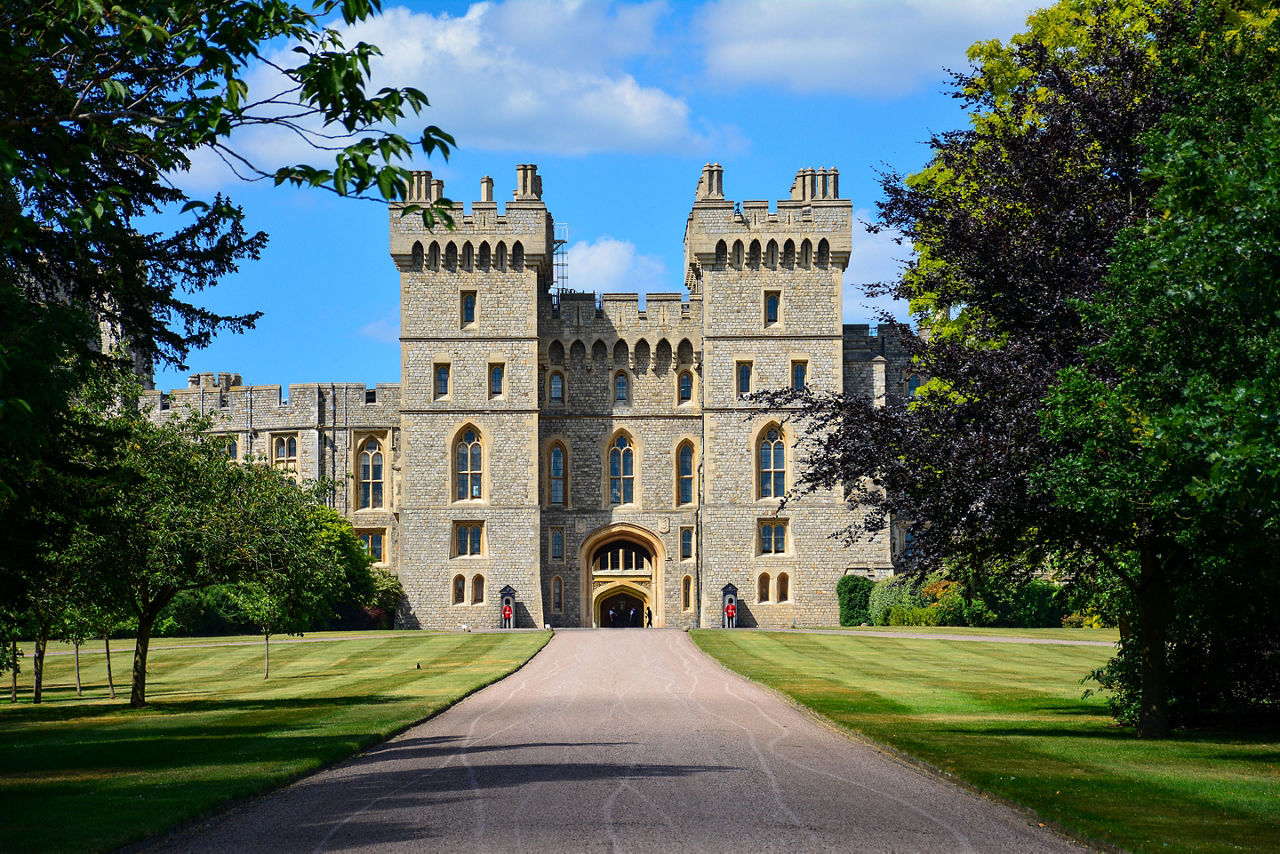
Windsor Castle: The Royal Residence Through the Ages
Windsor Castle, the world’s oldest and largest inhabited castle, has been home to British monarchs for over 1,000 years. Originally built by William the Conqueror in the 11th century, it remains a working royal palace today.
Visitors can explore the opulent State Apartments, admire St George’s Chapel where royal weddings take place and stroll the manicured grounds. Steeped in history and tradition, Windsor offers a captivating glimpse into Britain’s royal heritage.
Famous Landmarks in London, England
London’s skyline is dotted with world-famous landmarks that showcase the city’s rich blend of history, culture and modern life. From royal palaces and medieval fortresses to architectural icons along the Thames, these iconic British landmarks and attractions give cruise visitors a chance to step into the heart of Britain’s story:
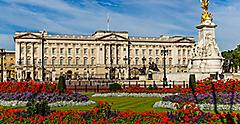
Buckingham Palace: The Heart of Royal London
Buckingham Palace has served as the official London residence of the British monarch since 1837 and remains a symbol of the nation’s enduring royal tradition. Visitors can witness the colorful Changing of the Guard ceremony, admire the palace’s grand façade, and, during summer openings, step inside the lavishly decorated State Rooms.
Surrounded by lush royal gardens, this is one of the most adored historical sites in England, offering an unrivaled glimpse into Britain’s pageantry and the daily workings of its monarchy.
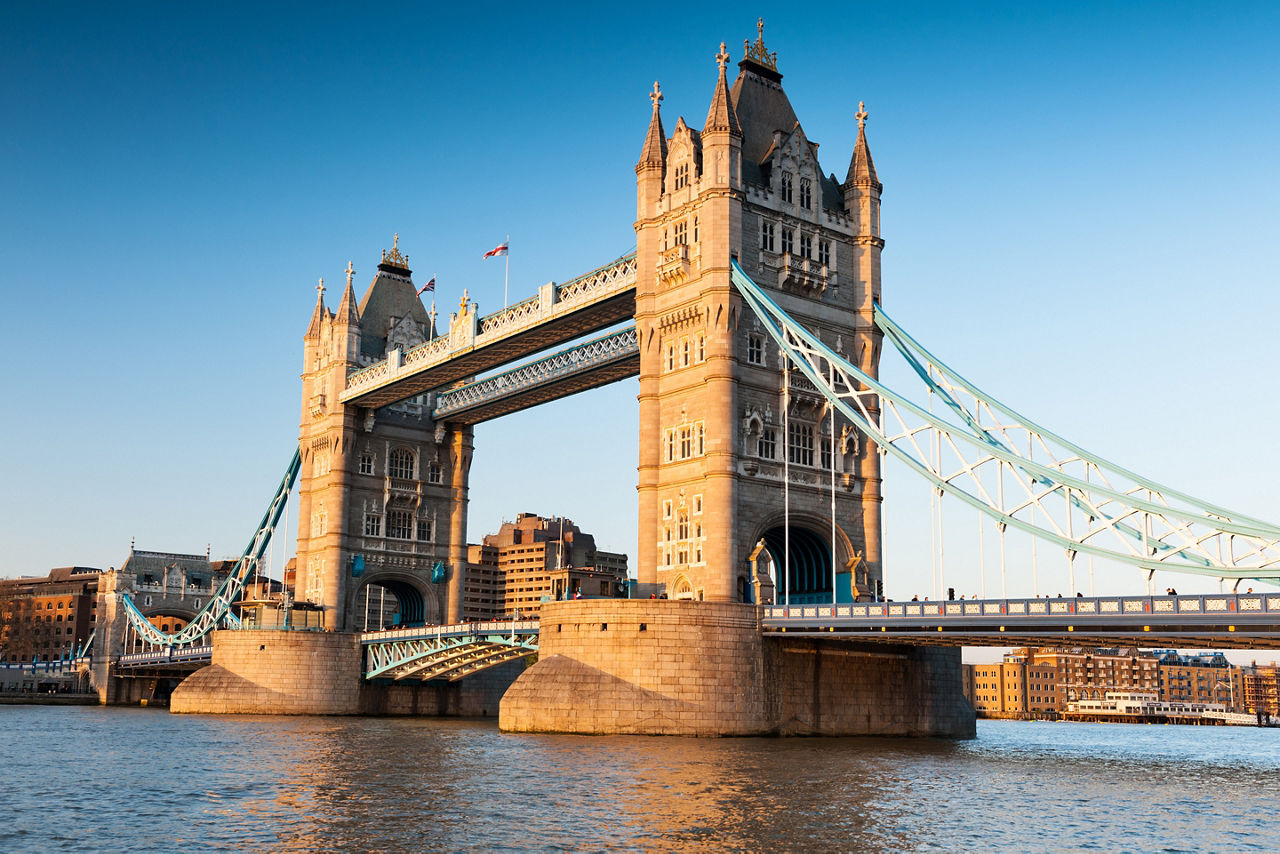
Tower of London: The Guardian of Britain’s Treasures
Founded by William the Conqueror in 1066, the Tower of London has stood as a fortress, royal palace and infamous prison. Its stone walls whisper tales of intrigue, from the fate of Anne Boleyn to daring escapes.
Today, visitors can marvel at the dazzling Crown Jewels, explore medieval battlements and meet the Yeoman Warders who bring its history to life. Overlooking the Thames, this UNESCO World Heritage Site embodies London’s turbulent and fascinating past.
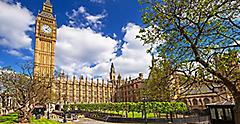
Big Ben (Elizabeth Tower): London’s Timeless Icon
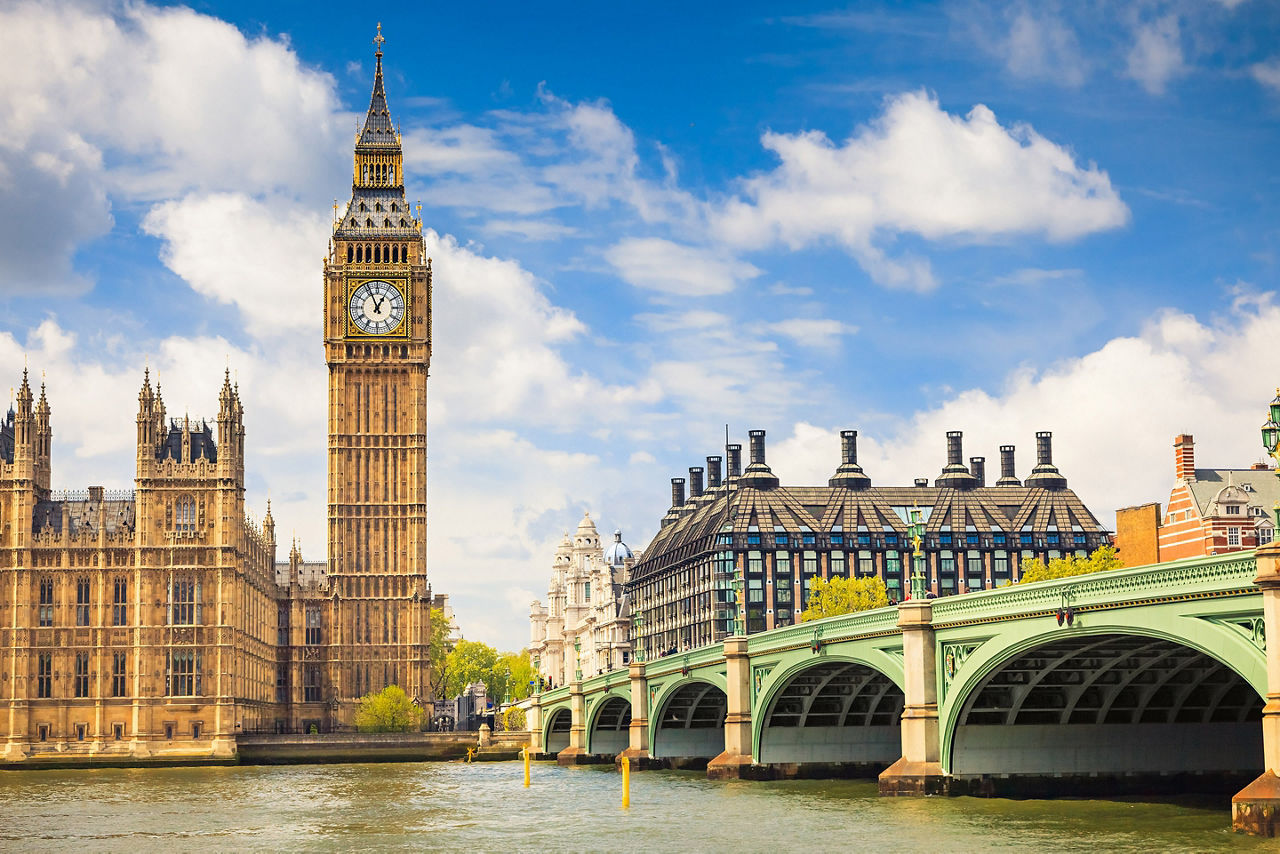
Rising above the Houses of Parliament, the Elizabeth Tower — better known as Big Ben — has been one of London’s most enduring symbols since 1859. Its great clock and resonant chimes have marked national celebrations and historic moments, from coronations to New Year’s Eve.
Visitors can admire the tower’s intricate Gothic Revival design from Westminster Bridge and soak in views of the River Thames, making it an unmissable stop on any London itinerary.
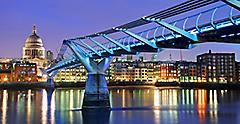
St. Paul's Cathedral: A Masterpiece of Faith and Resilience
Crowning Ludgate Hill, St. Paul’s Cathedral is one of London’s most magnificent landmarks. Designed by Sir Christopher Wren after the Great Fire of 1666, its soaring dome has witnessed centuries of national ceremonies, from royal jubilees to Winston Churchill’s funeral.
Inside, visitors can marvel at its ornate mosaics, climb to the Whispering Gallery for acoustic wonders or ascend higher for sweeping city views. St. Paul’s stands as a timeless symbol of London’s spirit and renewal.
As I reflected on my vacation trip through the famous landmarks in the British Isles, I know one thing for sure: This corner of the world is steeped in rich history and wonder. Maybe aliens didn't build Stonehenge, and perhaps spirits don't skulk around the halls of Warwick Castle. Either way, Britain is a mysterious land worth seeing.
Quick Facts About British Landmarks
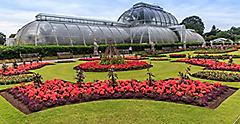
Beyond their grandeur and beauty, many British and famous landmarks in England carry fascinating stories, records and natural wonders that make them unforgettable. Here are some quick facts to enrich your journey:
- ● Britain's most famous landmark: Big Ben (Elizabeth Tower) in London, is recognized worldwide as a pioneering symbol of the United Kingdom.
- ● Most ancient British landmark: Stonehenge, dating back over 4,500 years, is the oldest British landmark.
- ● Natural landmarks: The Lake District, Giant’s Causeway and Snowdonia National Park showcase Britain’s breathtaking natural beauty.
Go Landmark Spotting When You Cruise to the British Isles
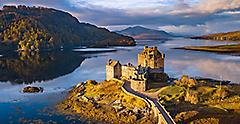
Exploring the British Isles on European cruises offers the perfect mix of history, culture and iconic scenery. From marveling at the ancient mystery of Stonehenge to stepping inside Warwick Castle’s medieval walls, every shore excursion unveils a new chapter of Britain’s story.
In London, the grandeur of St. Paul’s Cathedral and the timeless chimes of Big Ben are must-sees. With smart planning tips for first-time cruisers, you’ll discover that landmark spotting is one of the most rewarding ways to experience Britain’s royal heritage and timeless charm.