By Melanie Hamilton | Published on December 4, 2025
What is Nova Scotia known for? Situated on the far eastern reaches of Canada’s rugged Atlantic coast is its maritime soul, this gorgeous area boasts vibrant harbors, sea-salty air and a steady melody of fiddle music that beckon curious adventurers, foodies and hobby historians alike.
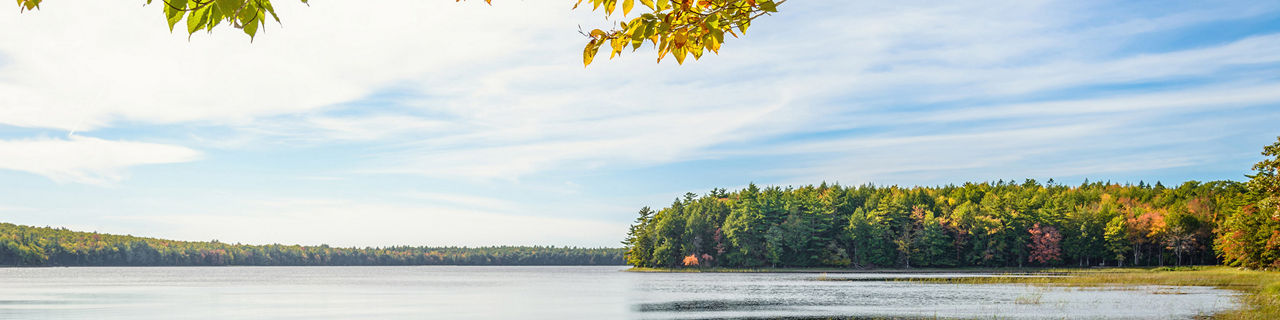
One of Canada’s three Maritime provinces, Nova Scotia is surrounded almost entirely by water that for centuries, yielded explorers, settlers and sailors, and of course, its very first stewards, the Mi’kmaq. From its windswept cliffs and world-famous lighthouses to its Gaelic festivals and seafood feasts, Nova Scotia’s history, culture and landmarks reveal a story centuries in the making. Plus, it boasts more lighthouses than any other Canadian province, a shoreline longer than California’s and the world’s highest tides in the Bay of Fundy. Whether you’re lured (pun intended!) by lobster rolls, Celtic music, or dramatic ocean views, this cozy, coastal province is full of discovery.
A Pretty Province Shaped By The Sea — A Brief History Of Nova Scotia
Long before it became a favorite port of call, Nova Scotia was home to the Mi’kmaq people, whose deep connection to the land and sea shaped its earliest identity and customs of star navigation, fishing the bays and rich storytelling traditions. Generations later, the Mi’kmaq intertwined with new arrivals from across the Atlantic — displaced Highlanders from Scotland who’d been forced from their ancestral lands following the Jacobite rebellions (a tale for another time).
The very name “Nova Scotia,” or New Scotland, reflects the waves of these Gaelic settlers who arrived in the 18th century, bringing their own unique stories, folk songs and shipbuilding skills that still define local culture to this day. And we mustn’t forget the Acadians who arrived between these two eras. It was the early 1600s when French settlers arrived to build farming villages along Nova Scotia’s marshy coast, developing a strong local culture of Catholicism, community, and tending the land. About 150 years later, though, most were forcibly expelled for refusing allegiance to the British once they took control of the territory.
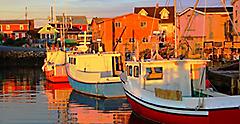
Through all these changing tides, the sea has been the province’s constant companion. Over time, shipbuilding, fishing and trade turned Nova Scotia’s coves into lifelines — Lunenburg launching graceful schooners, Digby thriving on its scallop fleet and Yarmouth sending wooden ships across the Atlantic — while Halifax grew into a mighty harbor that connected the province to ports and people all around the world.
Celtic Culture And Coastal Charm — What Is Nova Scotia Known For?
Like its history, Nova Scotia’s culture and heritage are stitched together and maintained by its people. The Mi’kmaq continue to share their traditions through art, language and community gatherings that honor their ancestral home, Mi’kma’ki. Guests can experience their living culture at places like Membertou Heritage Park near Sydney to experience drumming circles and traditional craft workshops. In Cape Breton, the pulse of Celtic culture is unmistakable — fiddle and pipe tunes spilling from pub doorways, step dancers bringing local festivals like Celtic Colours International to life and the gentle lilt of Gaelic still taught in community halls.
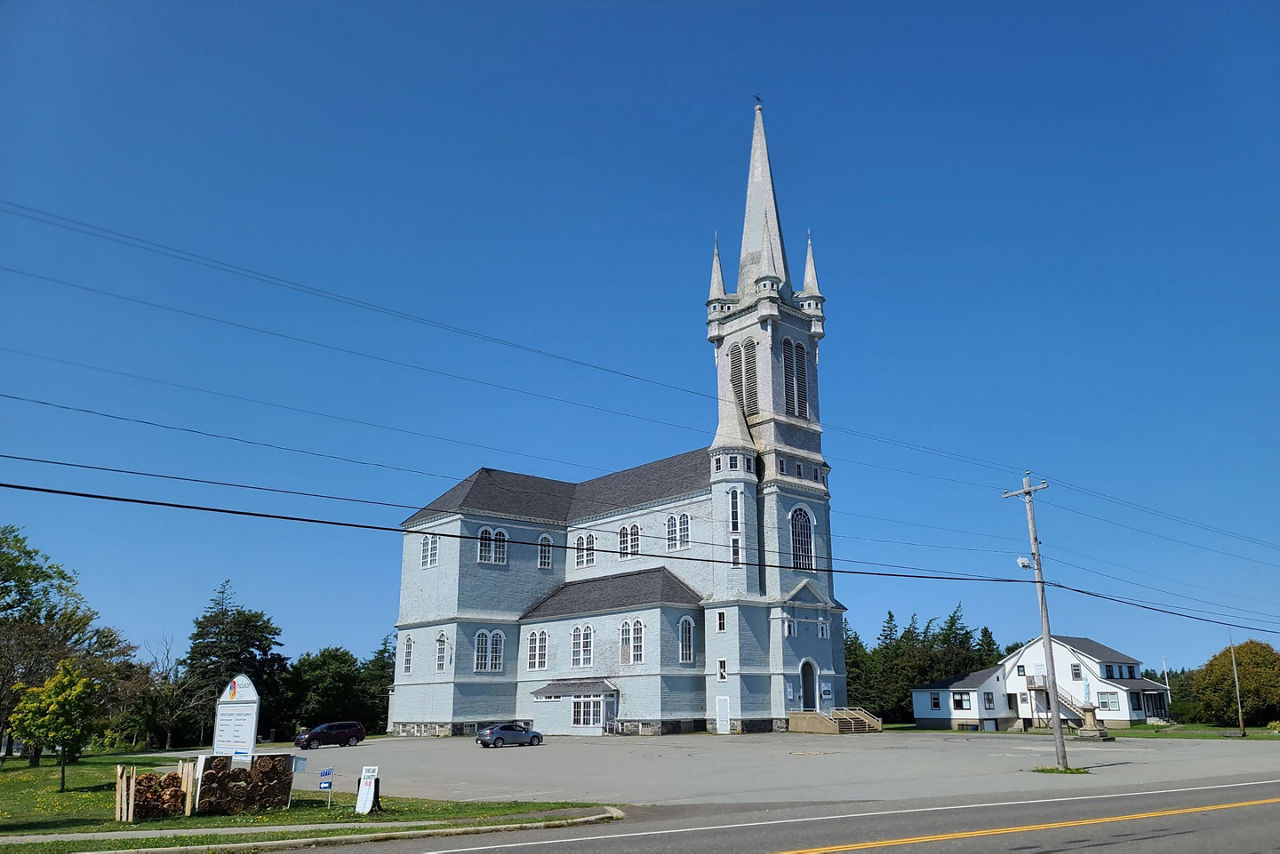
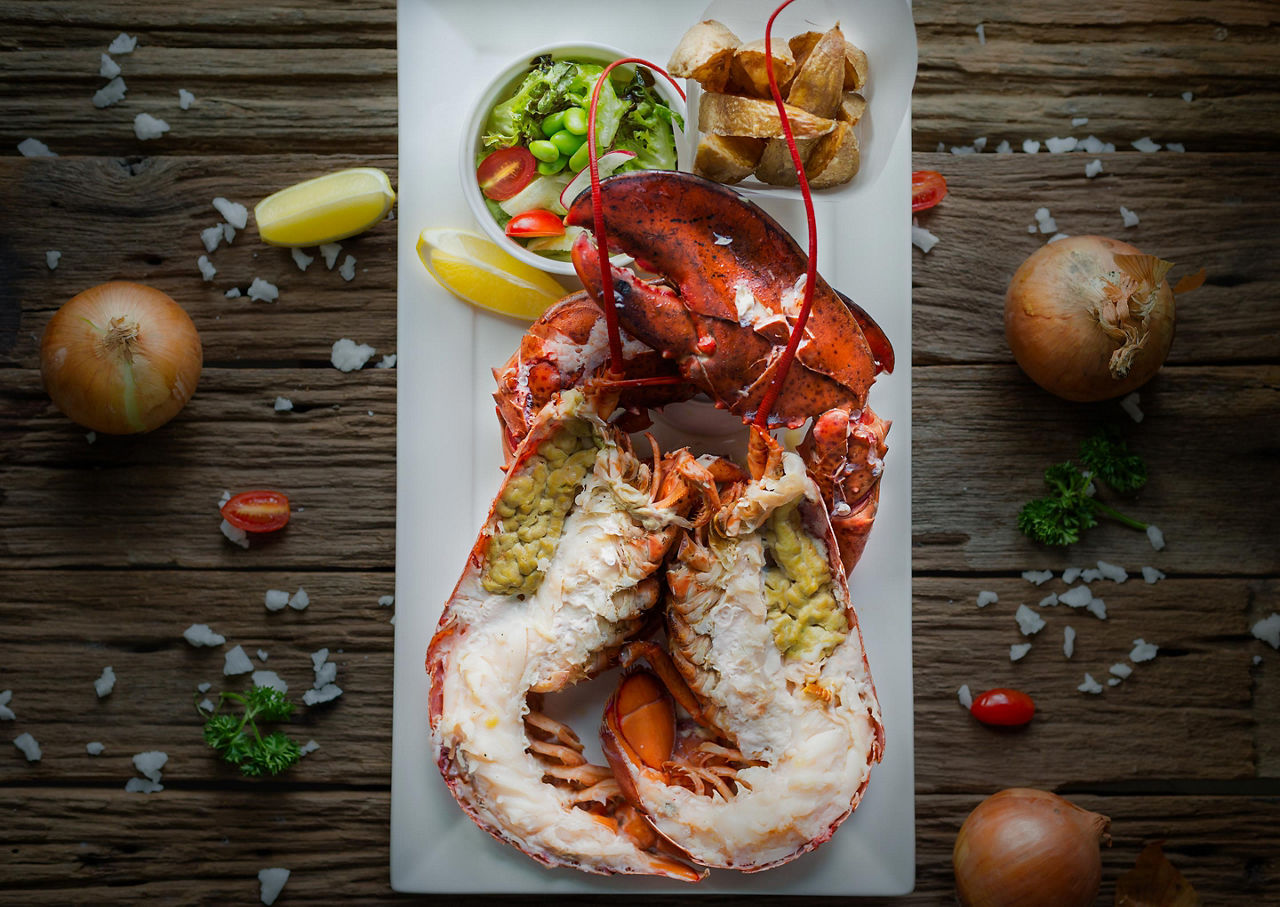
Down south, Acadian villages embrace their own kind of melody. Along the Clare and Argyle shores, Acadian flags (a French tricolor brandished with a gold star, signifying Mother Mary) flutter above cafés doling out creamed lobster, sugary galettes and rappie pie, plates born from centuries of French country influence. The latter dish is a hearty, savory casserole filled with potatoes and meat — often chicken, but sometimes beef or even clams — and baked in a crispy crust made from grated potatoes. But the creativity doesn’t stop in the kitchen; built entirely from wood, St. Mary’s Church stands as a testament to Acadian craftsmanship and dedication to their Catholic faith.
Maritime life braids all these threads together. It’s no wonder the province’s fishing industry remains one of the largest in Canada. Many Nova Scotian fisherman can trace their lineage through generations of boatbuilders and deckhands and help uphold beloved local traditions such as “ceilidhs,” community parties with lively song, dance and food born of Scottish and Irish tradition.
Better yet, New England cruises are perfect for experiencing all this and more.
Landmarks, Lighthouses And Legendary Towns
The list of places to see in Nova Scotia is lengthy and exciting. From postcard-perfect harbors to UNESCO historical sites, Nova Scotia’s landmarks are as varied as its coastline. Each tells part of the province’s story — and each is well worth the detour.
Peggy’s Cove
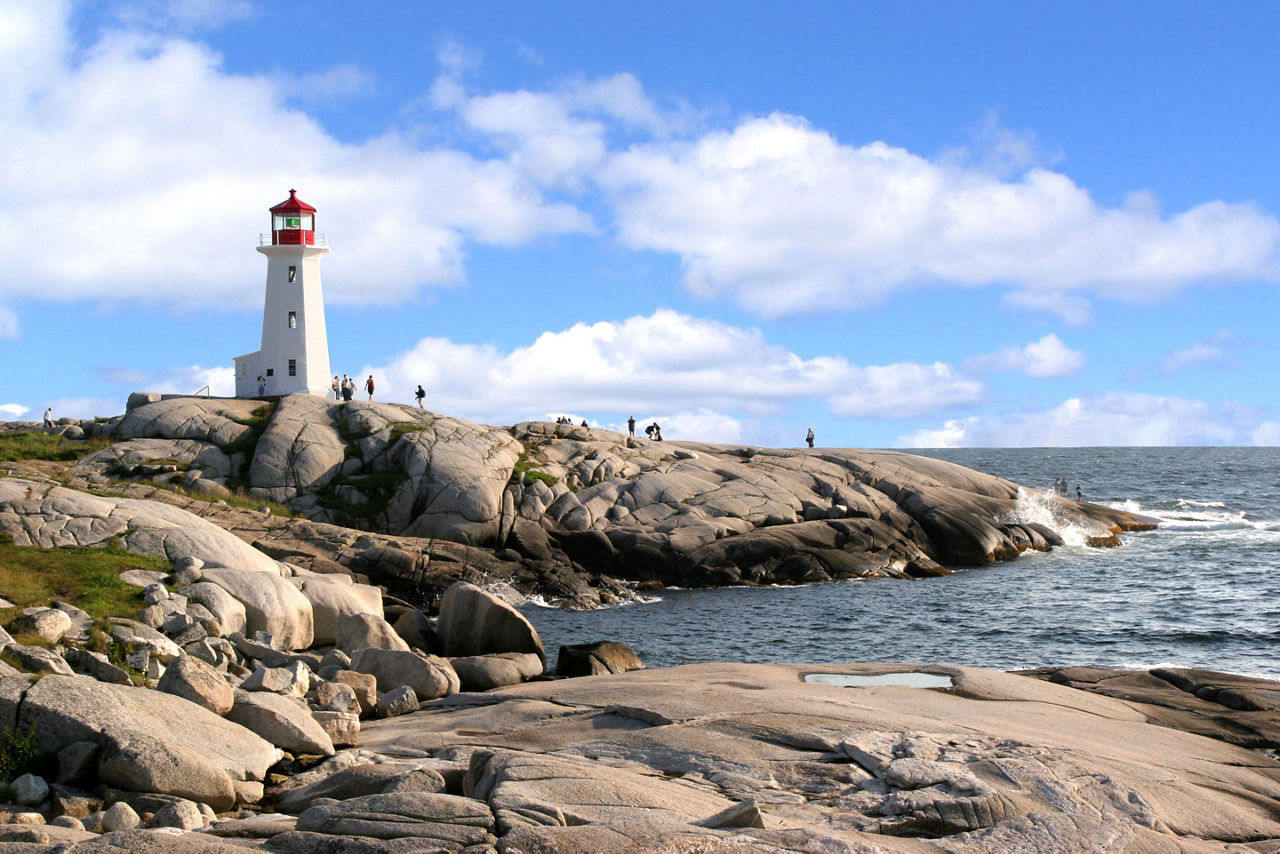
Venture out to Peggy’s Cove, a tiny fishing village perched right on the South Shore, where you’ll find one of the most photographed lighthouses in the world. Keeping watch over granite rocks and pounding surf, Peggy’s Cove Lighthouse has withstood the harsh Atlantic for over a century, where it has helped fishermen safely navigate the rocky, fog-prone coast. After marveling at the lighthouse and drifting off into an imaginary seafaring epic, guests can stroll the quaint fishing village that surrounds it or scale the giant, rugged rocks that line its shores.
Cape Breton Highlands National Park And The Cabot Trail
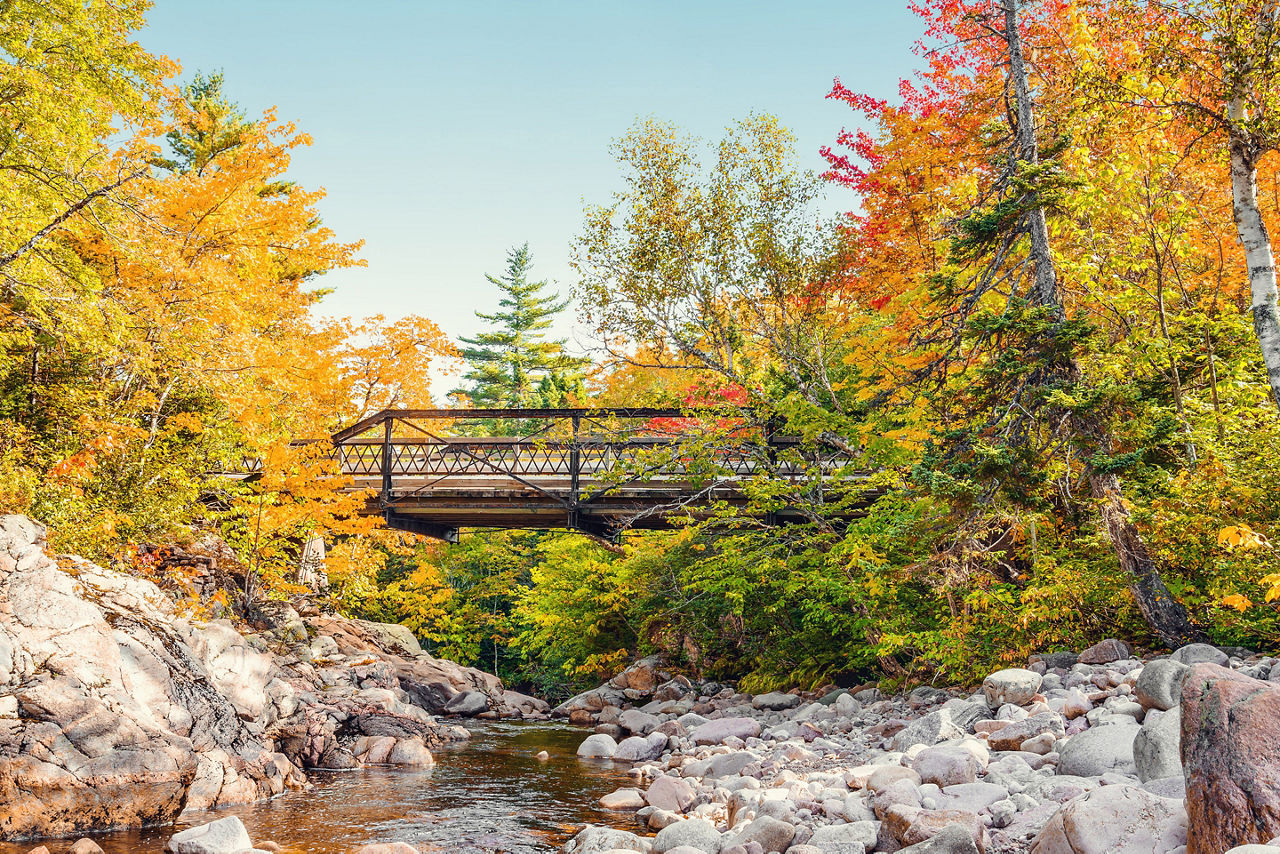
When it comes to experiencing breathtaking Nova Scotian scenery, few drives rival the Cabot Trail. Twisting along cliffs and forested headlands in Cape Breton Highlands National Park, the route reveals one breathtaking vista after another, with dense emerald forests here, sparkling sapphire seas there and many a clifftop lookout to take it all in. Pull over for short hikes, whale-watching lookouts or picnic spots. Have your camera ready for moose sightings and breathtaking views like the Gulf of St. Lawrence that connects Nova Scotia with its Newfoundland neighbors.
Bay Of Fundy
Speaking of important waterways, sandwiched between Nova Scotia and New Brunswick lies the Bay of Fundy, an almost 200-mile stretch of coastline that boasts the highest tides on Earth due to the bay’s unique funnel shape and the natural resonance of its tidal cycle. Twice a day, the water rises and falls by up to 50 feet, transforming the landscape completely. Kayakers, hikers and photographers flock here to witness this natural wonder and maybe spot a humpback or fin whale breaching offshore.

Halifax And Beyond
In the province’s heart of Halifax, you’ll find that the city’s harbor — one of the world’s deepest — still anchors daily life. Explore the Halifax Citadel, a star-shaped fort to learn about the city’s military past while also taking in sweeping views of the present with its bird's-eye views of downtown. Then swoop down into the action of it all to stroll the waterfront boardwalk for local crafts — think handspun wool goods, local pottery, nautical trinkets and art — or enjoy live music at the city’s historic pubs. Be sure to pencil in time for a pint at The Split Crow Pub, established in 1749.
Not far away, the towns of Lunenburg and Mahone Bay offer picture-perfect scenery — colorful homes, tall ships and streets that tell stories of sailors and merchants. Lunenburg, a UNESCO World Heritage Site, is especially famous for its vibrant waterfront and the Bluenose II, a replica of the legendary racing schooner that once graced Canada’s dime. Speaking of notable ships, Halifax holds an interesting connection to the Titanic story, serving as the final resting place for many of the ill-fated ship’s passengers.
Visit Nova Scotia On A Royal Caribbean Cruise
Seeing Nova Scotia by cruise brings its maritime character full circle. After all, this is a destination best approached from the water just as explorers, traders and fishermen have done since time immemorial.
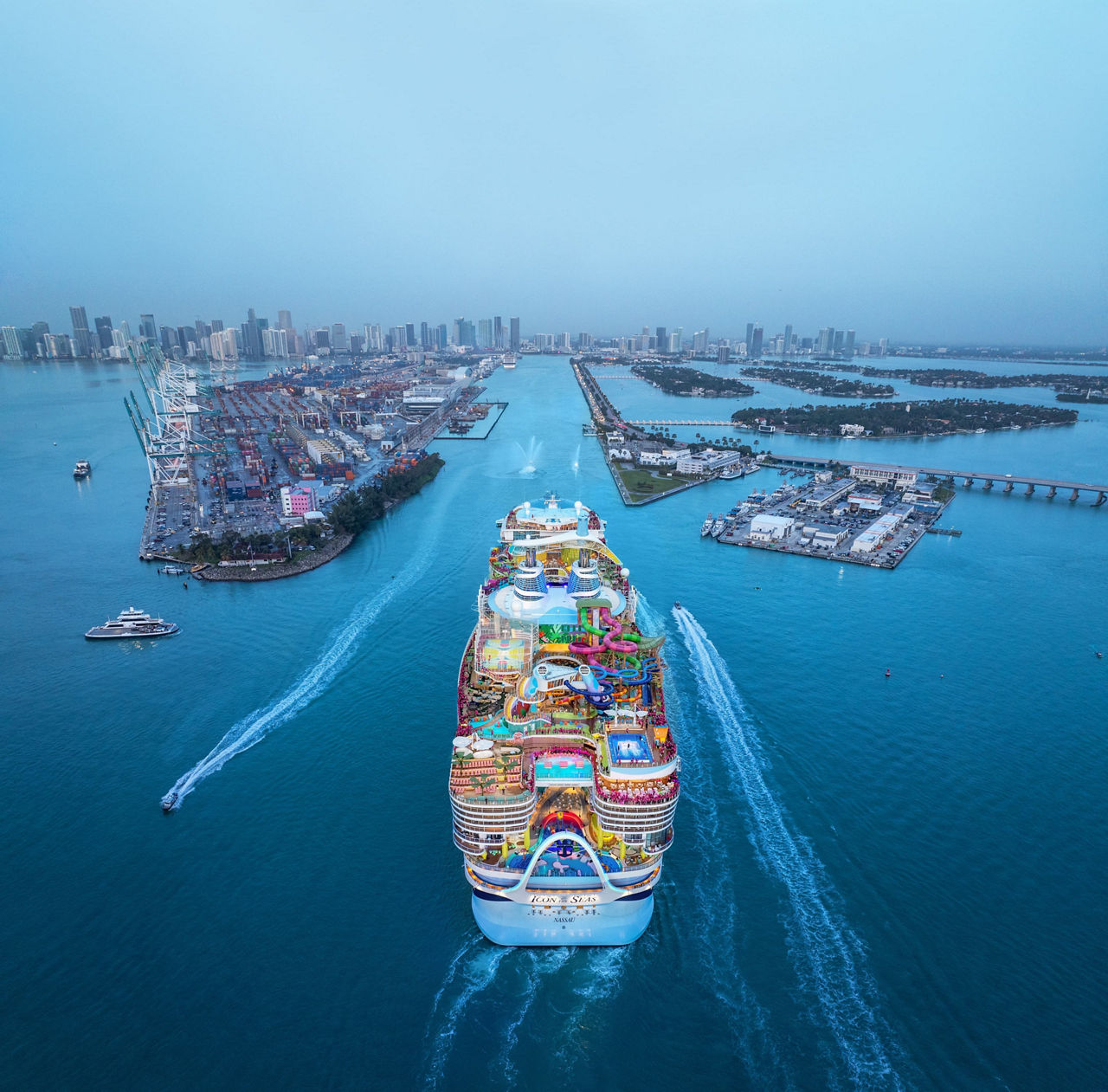
Royal Caribbean itineraries make it easy to explore the highlights without rushing and fussing, providing a rare opportunity for guests to experience both the sea and the shore that have defined regional culture and history for centuries. Imagine sailing past the Bay of Fundy and watching the dramatic swells from the helm after enjoying a day of lobster lunches and leisurely hikes with no worries about parking, planning or the simple annoyance of hauling luggage from town to town.
Onboard, the experience continues with plenty to enjoy between ports. Catch a colorful sunset up on the deck or enjoy your heart’s content of local seafood and regional wines — buttery lobster tails and Annapolis Valley’s crisp whites all around! Discover even more ports and experiences with these things to do in Canada and New England.
Plan Your Nova Scotia Adventure
No matter if you lean toward history, cuisine, scenery or just getting out and immersing in nature, Nova Scotia rewards those who slow down. Its small size means each region is just within reach, yet offers something distinct — Celtic music in Cape Breton, Acadian cooking in Clare, the bustling harbor of Halifax and more.

Get Royal Deals, Sign Up Today

Getting There
Explore Our Most Affordable Itineraries
Ready to explore Nova Scotia’s wonders for yourself? Explore Nova Scotia cruises to plan an unforgettable adventure through Canada’s maritime heartland.
Related Articles
How to Plan the Perfect Nova Scotia Vacation
READ MORE
7 Things to Do in Canada and New England
READ MORE

How To Plan A Cruise For The First Time
READ MORE

What Is Included On A Cruise?
READ MORE