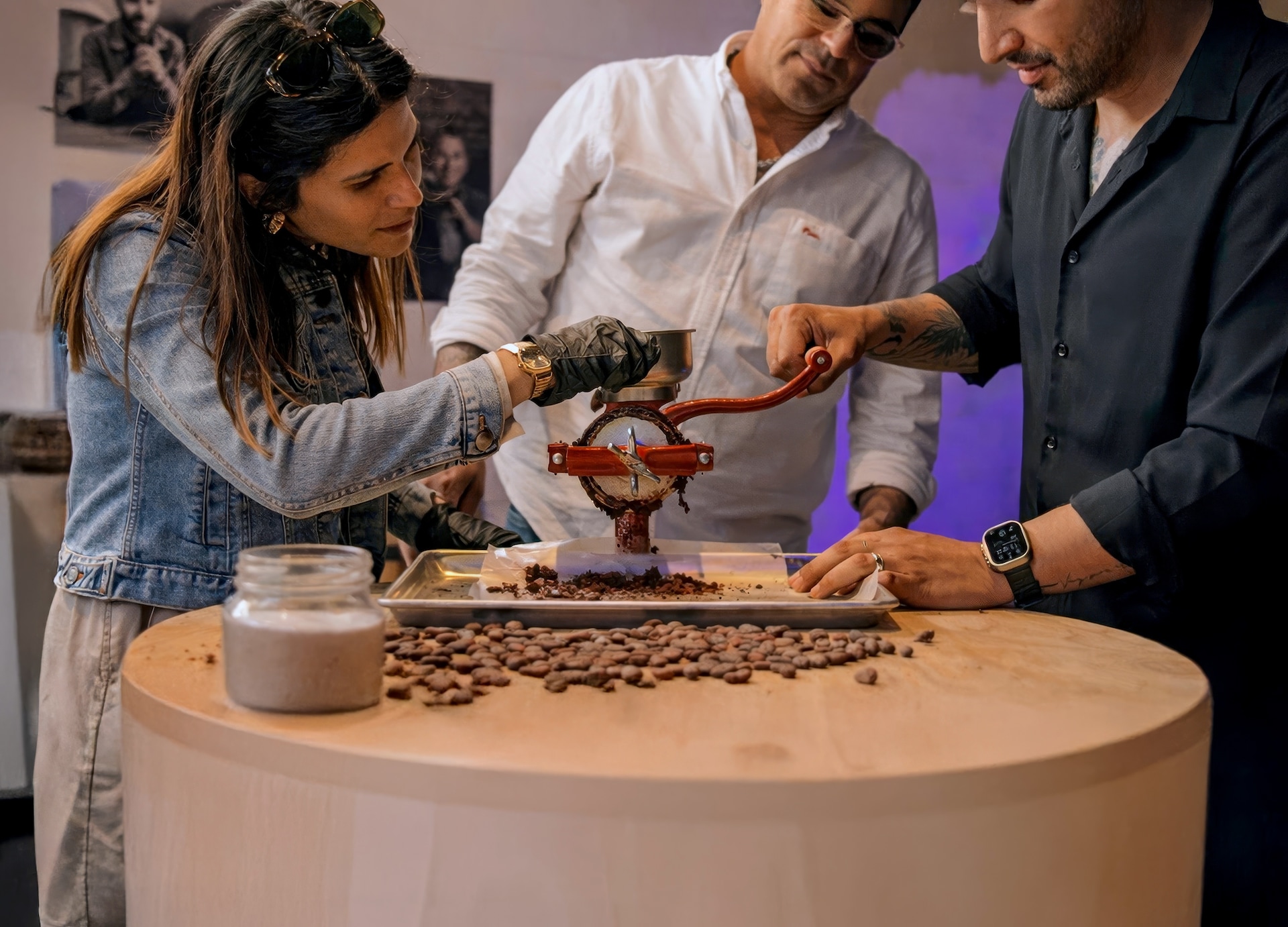
Cacao is the tropical plant whose seeds are used to make chocolate. Those seeds, commonly called cacao beans, grow inside large pods on the cacao tree. After harvesting, the beans go through fermentation, drying, roasting and grinding to develop the flavor and texture used in chocolate-making.
You probably know cacao best as a chocolate bar or a warm drink. On a visit to Mexico, you can learn how it becomes those familiar favorites through demonstrations and tastings. It’s also a chance to explore cacao’s place in Maya culture and try some locally made chocolate along the way.
What Does Cacao Look Like?
Cacao grows on a tree called Theobroma cacao. Its pods develop directly on the trunk and larger branches, rather than hanging from small stems like apples or cherries.
Inside each pod are seeds surrounded by soft, pale pulp. These are the cacao beans used in chocolate-making, although they look quite different from the dry, brown beans you might see displayed beside finished chocolate.
If you’ve only seen chocolate in a wrapper, an opened cacao pod can be a surprise. The familiar ingredient starts as part of a tropical fruit, and several steps separate those fresh seeds from a finished bar.
What Does Cacao Taste Like?
Unsweetened cacao has a strong, bitter flavor. Depending on the beans and how they are processed, it can also have fruity, nutty, earthy or roasted notes. The sweetness associated with most chocolate comes from added sugar.
During a tasting, notice the aroma before trying a small piece. One sample might taste toasted and nutty, while another has a brighter, fruitier character. The growing conditions, fermentation and roasting all help shape those differences.
If you usually choose milk chocolate, try a less-sweet sample alongside it. You may notice flavors that are harder to pick out when there’s more sugar or milk in the mix.
How Does Cacao Become Chocolate?
Chocolate-making involves several steps that change the beans’ flavor, moisture and texture. Methods differ between producers, but the main stages include:
- Harvest and open the pods: Ripe pods are collected and split to remove the beans and surrounding pulp.
- Ferment the beans: Fermentation helps develop the compounds that contribute to chocolate’s flavor.
- Dry the beans: Drying reduces moisture and prepares the beans for storage and further processing.
- Roast and remove the shells: Roasting develops flavor, while removing the shells leaves the inner pieces, called nibs.
- Grind and blend: The nibs are ground into a paste, then combined with ingredients suited to the chocolate being made.
A chocolate-making demonstration lets you see some of these steps for yourself. You can watch the ingredients being worked, ask questions and taste the finished chocolate.
What Is the Connection Between Cacao & Maya Culture?
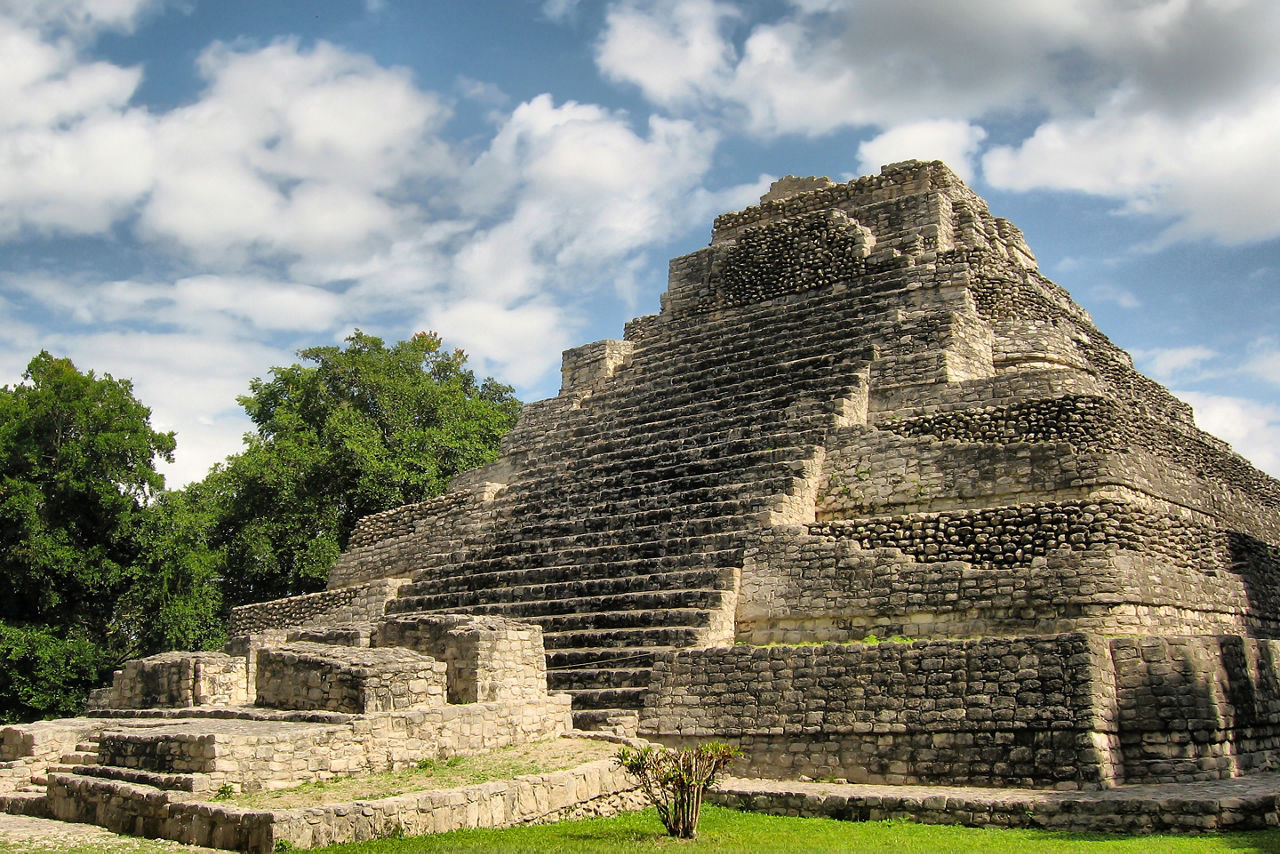
Cacao held an important place in Maya social and ceremonial life. It was prepared as a drink, and cacao beans also served as a form of payment in parts of Mesoamerica.
Long before the modern chocolate bar, cacao was valued as an ingredient and a trade good. Learning about those uses helps explain why it appears in discussions of Maya food, ceremonies and daily life.
In Cozumel, chocolate experiences introduce this history alongside demonstrations and tastings. If you’re interested in the island’s Maya heritage, it’s another way to explore it during your visit.
What Is the Difference Between Cacao & Chocolate?
Cacao is the source ingredient. Chocolate is made by processing cacao and, in many cases, combining it with sugar, milk or additional cocoa butter.
You might encounter several forms during a chocolate experience:
- Cacao nibs: Small pieces of the bean’s interior, with a crunchy texture and an unsweetened flavor.
- Ground cacao: A paste containing cocoa solids and the bean’s naturally occurring fat, called cocoa butter.
- Finished chocolate: Cacao processed to create a particular flavor and texture, often with other ingredients added.
A nib won’t melt in your mouth like a chocolate bar. Trying both gives you an easy way to compare the ingredient with the finished product.
What Can You Expect at a Chocolate Experience?
A chocolate experience usually focuses on how chocolate is made, its history or the differences between products. Depending on the excursion, you might watch a demonstration, take part in an activity or sample several chocolates.
Some visits include other local foods and drinks, while others spend more time on chocolate-making itself. Check the description to see which activities are included.
You don’t need to know much about chocolate before you go. Questions like “Where are the beans grown?” or “What gives this one its flavor?” are a good place to start. If you find a favorite during the tasting, ask what makes it different from the others.
Discover Cacao on a Mexico Shore Excursion
Royal Caribbean offers experiences in Cozumel and Ensenada that introduce chocolate alongside other local flavors. Choose a visit focused on island traditions or an outing that pairs chocolate-making with Baja California’s wine culture.
Cacao, Honey & Island Traditions in Cozumel
Island Roots, Honey and Chocolate Traditions includes a visit to the Mayan Cacao Company, where travelers learn about chocolate’s role in Maya social and religious life.
The excursion introduces the manufacturing process, includes participation in a demonstration and offers samples of artisanal chocolate. It also features tequila tasting and a visit to a Melipona bee sanctuary, where you can learn about stingless bees and sample their honey.
If you’d like to try several local products during your day ashore, this excursion brings them together in one outing.
Chocolate-Making & Wine in Ensenada
Chocolate Making and Wine Experience explores traditional chocolate-making alongside Baja California’s wine culture.
The excursion introduces Mexican cacao traditions and the region’s wine scene, making it an appealing option if food and drink are high on your vacation list.
Review the excursion available for your sailing for current inclusions, age requirements and participation details.
Discover Mexico Through Its Chocolate Traditions
On your next visit to Cozumel, make time to try some locally made chocolate. You can watch a demonstration, sample different flavors and learn about cacao’s place in Maya culture along the way.
Explore cruises to Cozumel, Mexico and find a chocolate experience to include in your day ashore.
Frequently Asked Questions About Cacao
-
How do you pronounce cacao?
Cacao is commonly pronounced “kuh-KOW” in English, with the emphasis on the second syllable.
-
Are cacao beans actually beans?
Cacao beans are seeds, rather than beans from the legume family. They grow inside the fruit pods of the cacao tree.
-
Where does cacao grow?
Cacao grows in warm, humid tropical regions. The tree is native to tropical South America and is cultivated in countries across the Americas, Africa and Asia.
-
Does chocolate liquor contain alcohol?
Chocolate liquor does not contain alcohol. The name refers to the paste made by grinding cacao nibs, which contains cocoa solids and cocoa butter. It is different from chocolate liqueur, an alcoholic drink.
-
Does a chocolate-making excursion take place on a cacao farm?
A chocolate-making excursion does not necessarily visit a cacao farm. Some experiences take place at workshops or visitor attractions that offer demonstrations and tastings. Check the itinerary if seeing cacao trees is a priority.
Planning a Trip to Cozumel?
Want to learn more about Cozumel? Check out these guides to plan your next trip:
- Cozumel Shore Excursions - Explore local flavors, island sightseeing and activities for your day ashore.
- What Is Cozumel Known For? - Discover the island’s reefs, beaches and cultural attractions.
- Snorkeling Excursions in Cozumel - Get to know another side of the island through its underwater scenery.