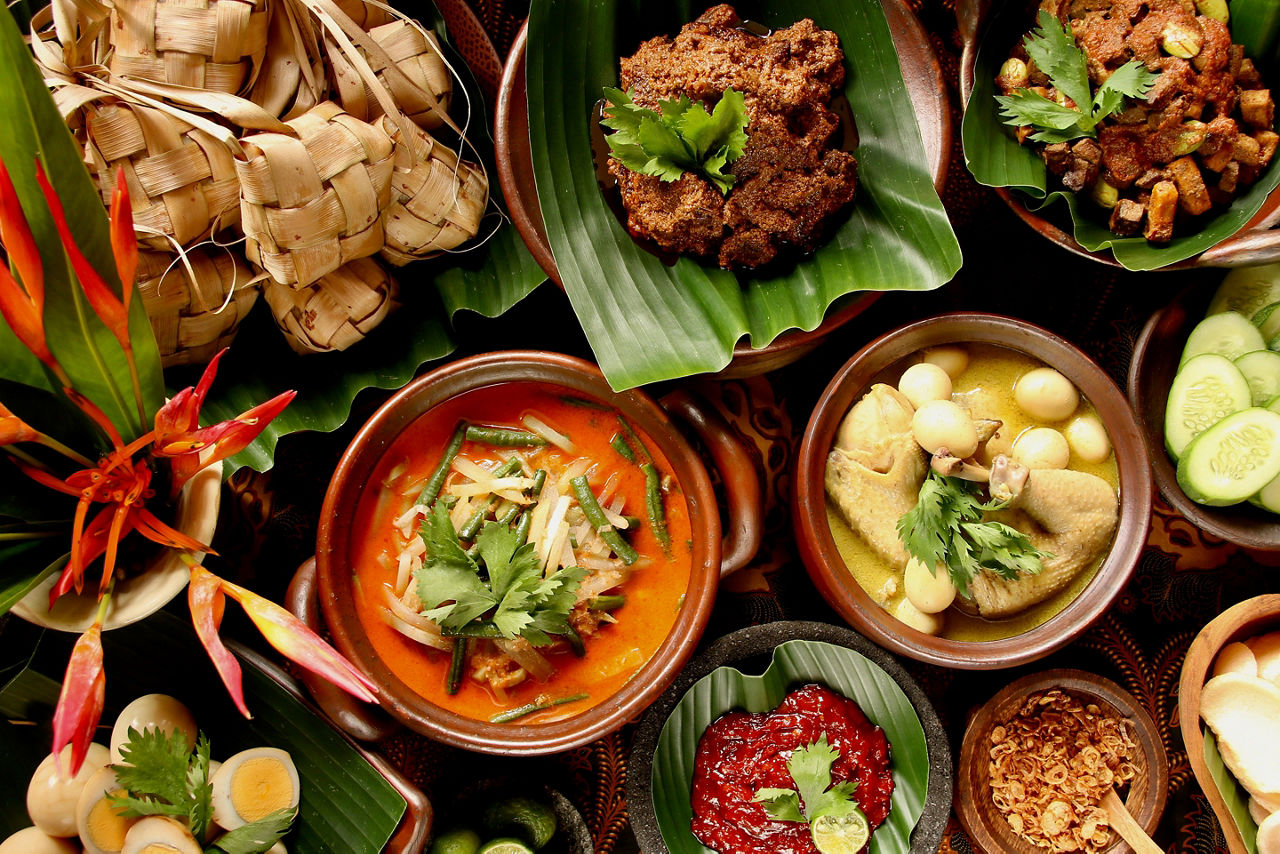
Indonesian Food: From The Spice Islands To The Dutch Caribbean
Discover Popular Dishes Shaped by Culture and History
By Chantae Reden | Published: August 7, 2025 | Updated: May 20, 2026
Famous Indonesian dishes are known for their mouthwatering flavor combinations, but their history is just as rich. Dive into the fascinating history of Indonesian cuisine and its surprising influence on well-known and loved dishes in the Caribbean.
Explore a world of “sate,” “soto,” “gado-gado,” “nasi goreng” and more as we look at popular Indonesian dishes, and how you can experience them all on a Royal Caribbean cruise.
Key Takeaways: Indonesian Food
- ● Indonesian cuisine brings together global influences to create bold, fragrant flavors enjoyed across thousands of islands.
- ● Popular dishes include “nasi goreng,” “satay,” “rendang” and “gado-gado,” known for their rich spices and balanced flavors.
- ● Everyday cooking ranges from street food to home-style meals such as “soto ayam,” skewers and seasoned rice dishes.
- ● Indo-Caribbean cuisine blends Indonesian flavors with Caribbean ingredients, creating vibrant fusion dishes with shared roots.
- ● Explore cruises to the Caribbean and taste these popular Indo-Caribbean specialties firsthand.
The History Of Indonesian Food

The Indonesian food culture history stretches back more than 3,500 years, rooted in rice cultivation and a wide variety of spices. Its flavors took on a global dimension during the Dutch colonial era, where Indonesian food influences began spreading to the Caribbean and beyond.
Along the way, merchants, missionaries and colonizers passed through Indonesia's waters, exchanging spices and seeds in busy marketplaces and introducing new cooking techniques. Some iconic Indonesian sauces even feature ingredients from afar, such as chiles from Mexico and peanuts from the Americas.
In the late 1500s, Dutch traders traveled to Indonesia’s Maluku Islands and returned with spices including cloves, mace and nutmeg. These journeys proved so profitable that the region earned the nickname "The Spice Islands." By the early 1600s, the Dutch East India Company (VOC) had established a major trading post on Java.
Dutch colonizers embraced Indonesian cuisine and showcased its diversity of dishes to impress visiting nobles and merchants. Lavish spreads of steaming rice were served alongside dishes from across the archipelago, creating an indulgent dining experience known as “rijsttafel,” or "rice table."
How Indonesian Cuisine Traveled To The Caribbean
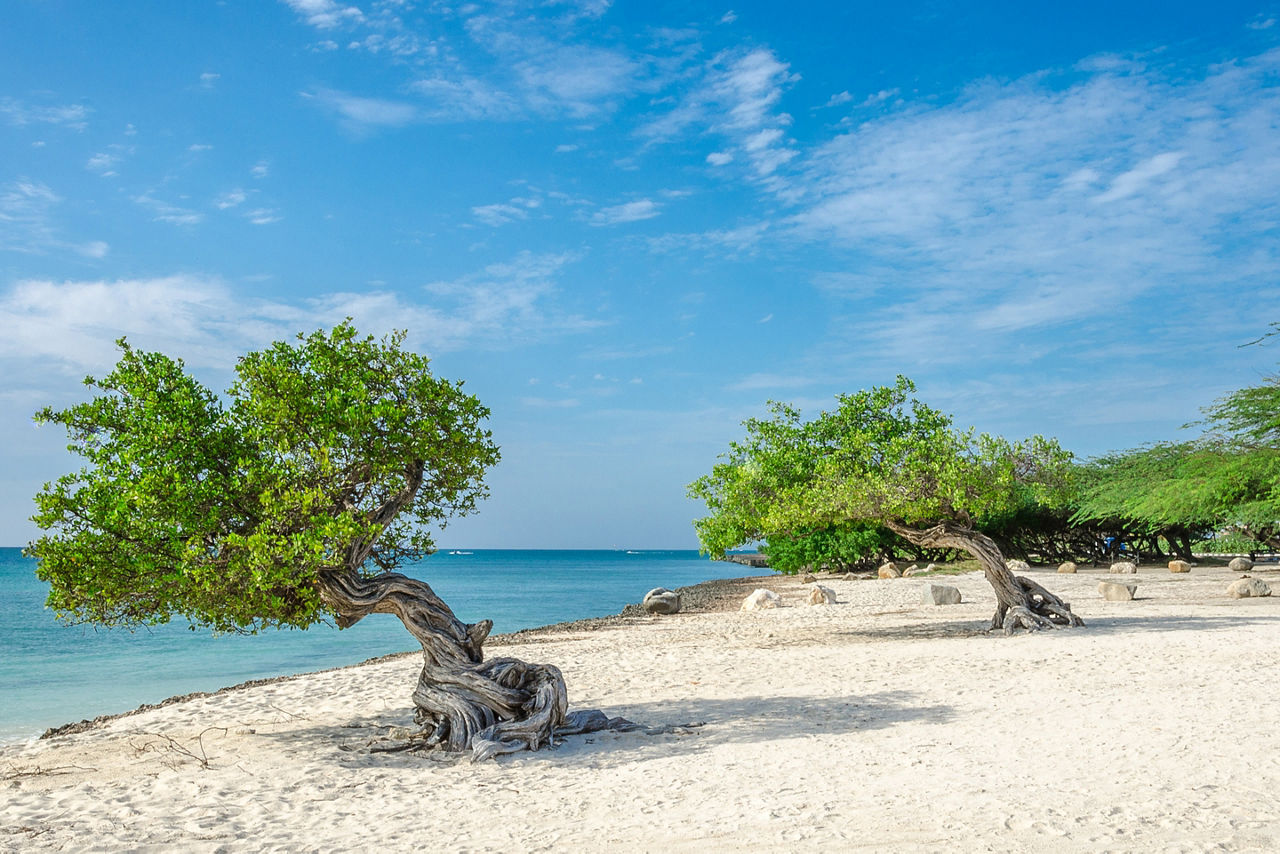
After embracing Indonesian cuisine, Dutch colonizers carried these flavors with them to the Caribbean in the 1600s. They introduced them across what’s now known as the Dutch Caribbean, including islands such as:
- ● Sint Maarten.
- ● Bonaire.
- ● Sint Eustatius.
- ● Curaçao.
- ● Saba.
- ● Aruba.
Although the Caribbean and Indonesian archipelagos are miles apart, they're connected by a shared history of Dutch colonization. The Dutch adoption of Indonesian cuisine, along with the movement of Indonesian communities, is why you can still find authentic Indonesian flavors in the heart of the Caribbean.
Today, these dishes are often blended with local ingredients and cooking styles from other European territories.
What Is The Most Popular Food In Indonesia?
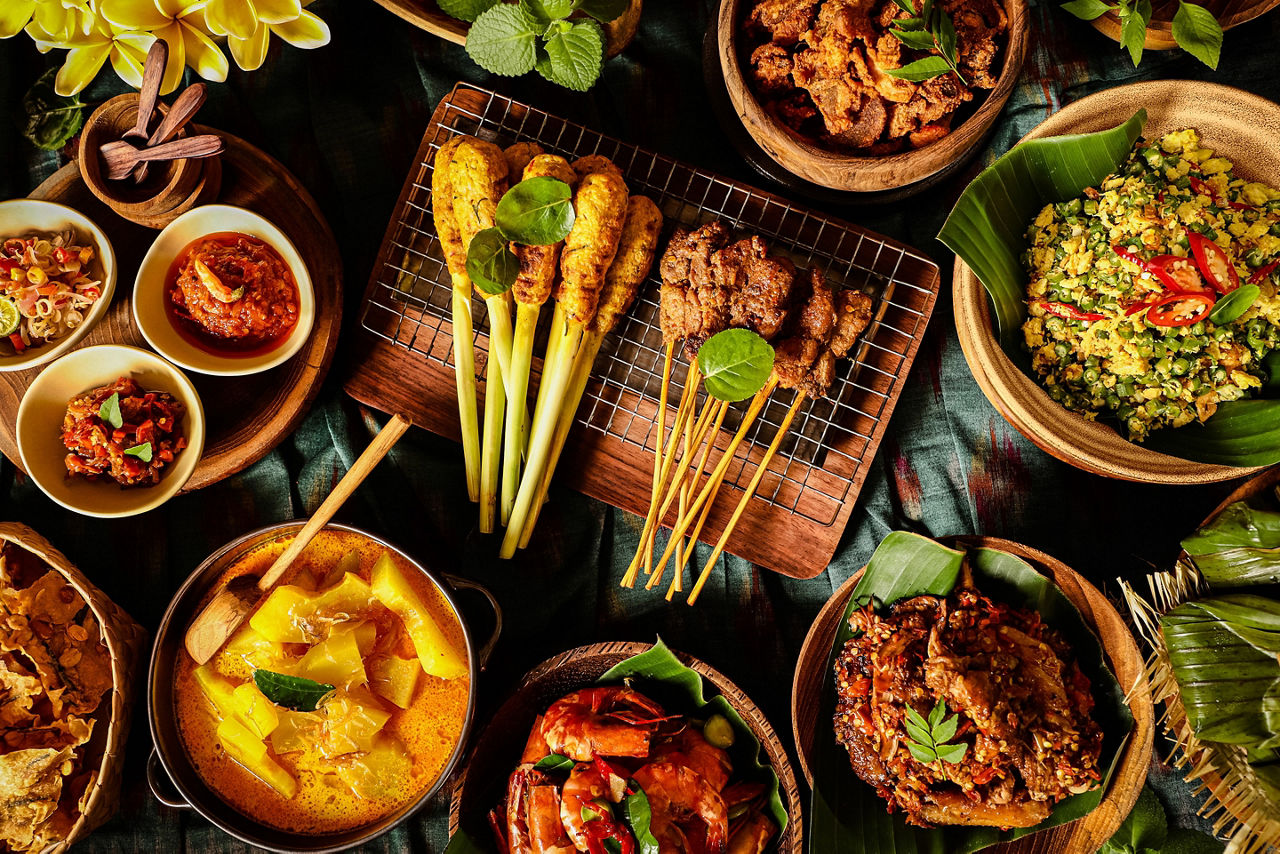
Indonesian food is a cuisine bursting with bold flavors, shaped by a rich cultural history and centuries of trade, colonization and migration across more than 6,000 inhabited islands. Influenced by India, China, the Middle East and the Dutch, dishes such as “nasi goreng” and “satay” have become globally recognized favorites.
Some popular Indonesian dishes include:
- ● “Nasi Goreng:” Indonesia’s signature fried rice, cooked with sweet soy sauce, chili and often topped with a fried egg.
- ● “Satay:” Skewered, grilled and marinated meats served with a rich, spicy peanut sauce.
- ● “Rendang”: A slow-cooked beef curry simmered in coconut milk and spices until tender and deeply flavorful.
- ● “Gado-Gado:” A hearty vegetable salad with tofu, egg and a creamy, spicy peanut dressing.
- ● “Soto Ayam:” A fragrant chicken soup with turmeric broth, shredded chicken, egg and crispy shallots.
- ● “Martabak Manis:” A thick, sweet pancake filled with butter, chocolate, peanuts and condensed milk.
How much does food cost in Indonesia? It's generally very affordable — especially when enjoyed at local “warungs” or street food stalls. A typical meal in Indonesia can cost just a few dollars, while even more elaborate restaurant dining tends to remain budget-friendly compared to many global destinations.
“Nasi Campur” Vs. “Nasi Goreng”
”Nasi goreng” is one of Indonesia’s most well-known dishes, built around fragrant fried rice cooked with sweet soy sauce, chilli and aromatics, often finished with egg, chicken or prawns. It’s a satisfying, all-in-one meal that’s widely available across Indonesia and easy to recognize on any menu.
“Nasi campur,” meaning “mixed rice,” takes a more flexible approach. It typically starts with a base of rice, then adds a variety of small dishes such as meats, vegetables, tofu, tempeh and sambals. Instead of being a single prepared dish, “nasi campur” is more of a curated plate, with combinations that vary by region, stall and personal preference.
Is Indonesian Food Spicy?
Indonesian cuisine is known for its layered, aromatic spices rather than intense heat in every dish. Many recipes use chilli, ginger and a wide range of spices to build depth and complexity, so Indonesian food can range from gently spiced to quite bold depending on the region and preparation.
Dishes such as “nasi goreng” and “gado-gado” tend to be milder, while sambals and certain curries bring more heat that is often adjusted to suit individual taste.
The Most Popular Indo-Caribbean Dishes To Try
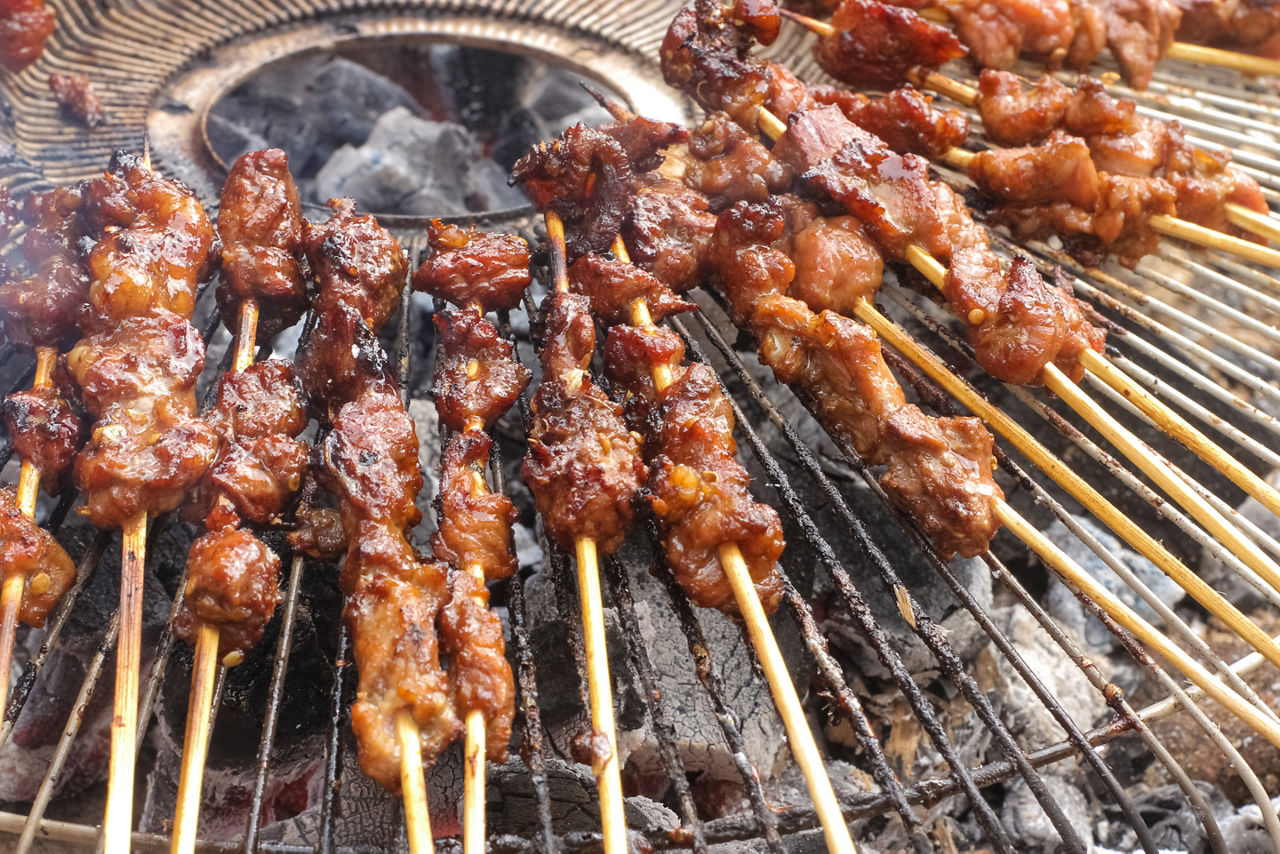
When exploring Indo-Caribbean cuisine, don’t miss staples such as sambal, skewers or “soto.” You can enjoy these dishes on their own or as part of a shared meal. For something more filling on your foodie vacation, favorites including “rendang” curry or “nasi goreng” are celebrated across both regions. If you’re looking to sample a wide range of flavors in one sitting, try “rijsttafel” — a vibrant spread that showcases the best of both culinary worlds.
Here’s a closer look at the most popular Dutch-Indonesian fusion dishes to try.
Sambal
Sambal is Indonesia’s go-to condiment. It’s a bold relish made from a fragrant blend of:
- ● Chiles.
- ● Shrimp paste.
- ● Garlic.
- ● Shallots.
- ● Sugar.
- ● Lime juice.
Its versatility is part of its appeal, pairing well with nearly every Indonesian dish and even adding a kick to plain rice. If you’re trying it for the first time, start with a small taste; spice levels can range from mild to seriously fiery.
Skewers
Skewers, or grilled pieces of meat served on sticks, were introduced to Indonesia by traders from the Middle East. Over time, locals adapted the dish by marinating meat or tempeh in a sweet soy sauce or peanut sauce, then grilling it over charcoal and serving it with rice.
Known as “satay,” these portable, flavorful skewers have become a staple of Indonesian cuisine, and you'll find them on menus at many Indonesian restaurants throughout the Caribbean.
“Soto”
Dive into a comforting bowl of “soto,” a hearty soup made with meat, vegetables, spices and broth. Recipes vary widely across regions, and many chefs often keep their signature spice blends a closely guarded secret.
Here are two popular versions to try:
- ● “Soto ayam:” Made with shredded chicken, boiled egg, fresh cabbage, scallions, a squeeze of lime, ginger and fried onions.
- ● “Soto betawi:” Made with beef and potatoes stewed with coconut milk, kaffir lime leaves, garlic, ginger, chiles, scallions and a dash of sweet soy sauce.
“Rendang”
”Gado-Gado”
“Nasi Goreng”
“Rijsttafel”
Where To Try The Best Indonesian Food In The Caribbean

While many Caribbean islands offer exciting Indonesian flavors, follow your taste buds to destinations with a strong Dutch-Indonesian influence, such as Aruba, Bonaire and Curaçao.
Discover Dutch-Indonesian fusion dishes in:
- ● Aruba: A top spot for spice lovers, Aruba offers plenty of opportunities to try dishes including “gado-gado” and “soto.” Head to Indo for generous portions and vegan-friendly options, or Café Restaurant Yanti for “satay” sandwiches and steamed vegetables.
- ● Bonaire: For fresh, flavorful meals, visit Roos Surinam Food, known for its delicious rice and ”roti” dishes made with vibrant ingredients.
- ● Curaçao: In Curaçao, Landhuis Daniel delivers an authentic Indonesian dining experience in a charming setting. Its “rijsttafel,” designed for sharing, features a curated selection of Indonesian dishes and is best enjoyed with company.
Try Indonesian Food On A Caribbean Cruise
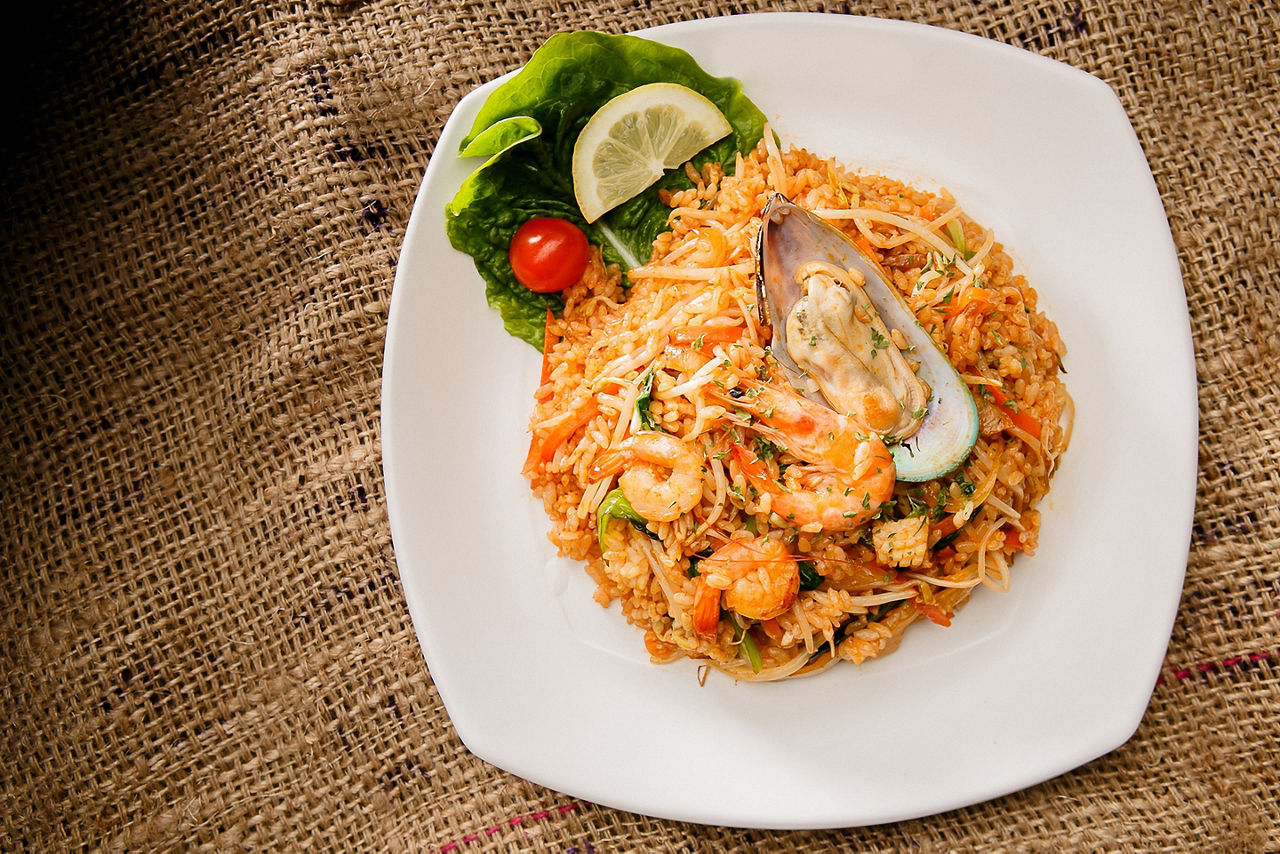
While there are countless ways to prepare the same dish across Indonesia — and every region has its own take — some meals are simply too good to miss, no matter where you find them.
Indo-Caribbean cuisine tells a story of movement, migration and the lasting way cultures shape one another. From the kitchens of Java to seaside markets in Curaçao, these dishes carry history in every bite, blending local ingredients with new ideas along the way.
If you’re cruising through the Caribbean, you’ll likely spot those same spice-forward, coconut-rich flavors appearing across islands.



Related Articles

Spectrum of the Seas Activities: Top Things to Do on Board
READ MORE

Your First-time Travel Guide to the Best Asian Countries
READ MORE

Anthem of the Seas Dining Options: Complimentary, Specialty and Tips
READ MORE