
Passport Book vs. Passport Card for Cruises
Passport Card vs. Book: How They Differ
7 min read | By Simone Harvin | Published: November 6, 2026
If you’re choosing between a passport card and a passport book for a cruise, the short answer is simple: The book gives you far more flexibility. A passport book works for international travel by air, land and sea, while a passport card is accepted on certain land and sea routes and cannot be used for international flights.
For cruise travelers, a passport card may work for some round-trip U.S. cruises. A passport book is still the primary choice if plans change or you need to fly home unexpectedly. Here’s what makes each different, when you need a passport book and when you can consider bringing your passport card instead.
KEY TAKEAWAYS
A passport book works for international travel by air, land and sea, while a passport card works for certain land and sea routes.
A passport card may be accepted for some round-trip U.S. cruises.
Royal Caribbean still recommends traveling with a valid passport because itinerary rules, unexpected scenarios and reentry situations can change your needs.
Some itineraries, including certain sailings involving Panama, Colombia or Martinique, require a passport book.
Checking the requirements of your exact sailing before departure keeps boarding day simple.
Passport Card vs. Passport Book: The Key Differences
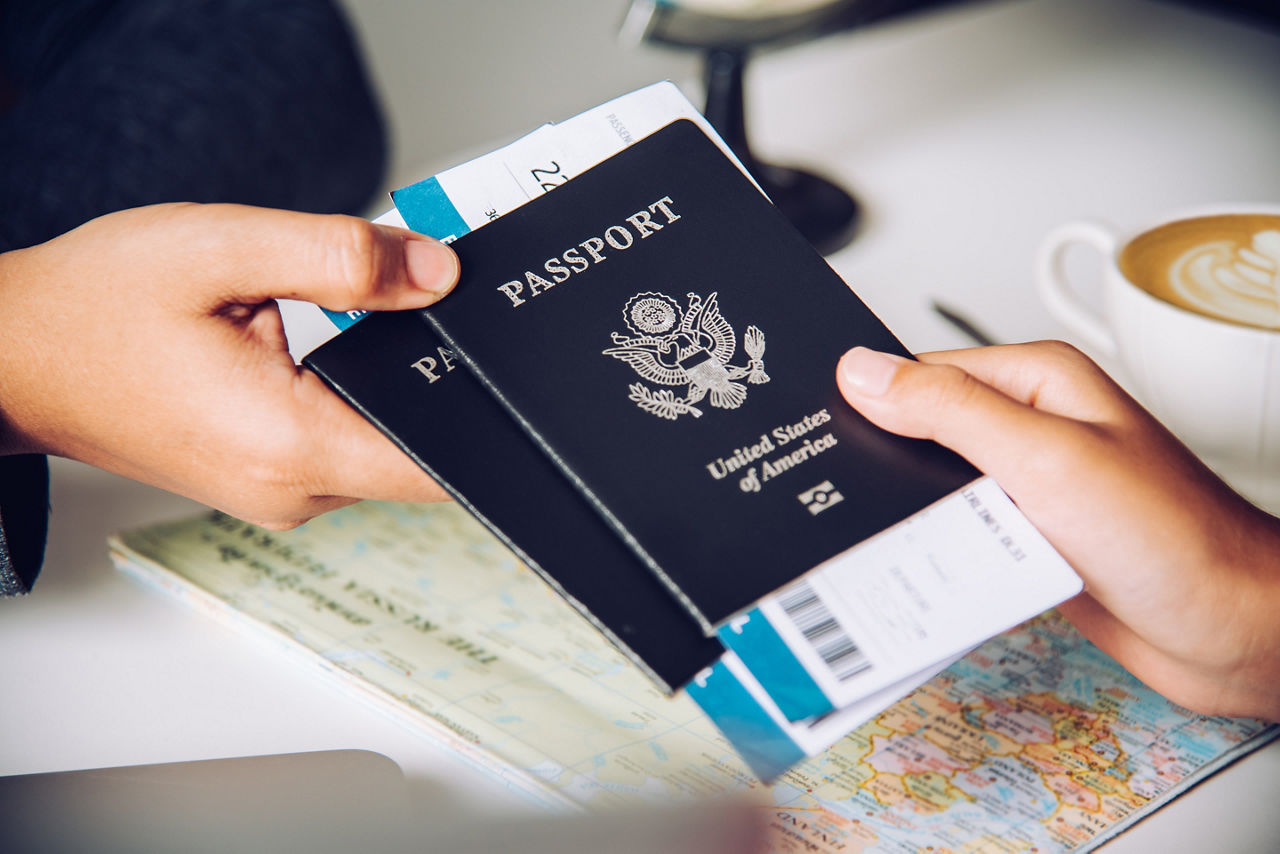
A quick side-by-side comparison makes it easy to see the differences between a passport book and a passport card:
The U.S. Department of State sets fees and processing times, which may change. Note that processing time doesn’t include mailing, which can add up to two weeks after your passport is sent. Expedited service costs an extra $60 per application. First-time applicants and applicants under 16 also pay a separate $35 acceptance fee. Check travel.state.gov for current details before applying.
The biggest functional difference to know when planning a cruise is international air travel. If you expect any international air travel, or want a plan for unexpected situations, the passport book is the best option. If you need to fly home from an international island mid-sail, the book is the only document that can quickly get you on your way.
When a Passport Card Can Work for Cruises

Passport cards work in certain important cases, particularly on select U.S. round-trip cruises and in nearby regions reached by land and sea. A U.S. passport card permits land and sea travel between the United States and Canada, Mexico, Bermuda or the Caribbean. The biggest exception worth noting is round-trip sailings from the U.S. that include Panama, Colombia or Martinique, in which case Royal Caribbean lists a passport book as the only acceptable travel document for U.S. travelers.
Royal Caribbean runs multiple passport-card-eligible itineraries, including Western Caribbean sailings that stop in Cozumel and Grand Cayman, Eastern Caribbean itineraries that call on Puerto Rico and short getaways in The Bahamas. Itineraries that visit ports in Martinique, Colombia or Panama still require a passport book.
There are a few additional scenarios where a passport book is a big benefit. For example, if you need to leave your cruise early, your itinerary changes or you stay at a foreign port, you’ll need the passport book to get on an international flight. If you only have a passport card, you’ll likely need to secure emergency documentation at the nearest U.S. Embassy in these situations.
Why a Passport Book Is the More Flexible Choice
A passport book is almost always the stronger choice for those who want more flexibility before, during and after the cruise. It’s required for any itinerary that involves international air travel, including an early flight home, which a passport card wouldn’t cover. Royal Caribbean also has itinerary-specific exceptions, such as stops in Panama, Colombia or Martinique.
Royal Caribbean recommends passports as the best ID for travel because they cover you in nearly every scenario. For most cruisers, traveling with a passport book is worth it if you want peace of mind.
Document Tips for a Smooth Boarding Day

Preparing the right documents matters. Bringing them in the right format and double-checking the details before you leave home is just as important.
First, make sure that you’re packing original documents, not copies or digital images. Keep your travel documents in your carry-on for easy access, and remember: The name on your reservation must match the name on your travel documents. Those documents should also be valid for at least six months after the cruise ends. Some U.S. travelers on select cruises departing from the U.S. may use an original, state-certified birth certificate and a government-issued photo ID.
Once your passport card or book is squared away, all that’s left between you and the open water is choosing a destination. Remember to review the itinerary, sailing and cruise line requirements ahead of time so you’re ready on departure day!
Browse Royal Caribbean itineraries and find the sailing that gets you daydreaming.