By Eben Diskin | Published on July 8, 2026
When you hear "whale watching," it might evoke the memory of an elementary school field trip on board an unsteady charter boat in the chilly North Atlantic wind. However, Cabo whale watching redefines the experience in the best way. Known for its beaches, nightlife and watersports — paddle boarding, kayaking or diving, anyone? — Cabo San Lucas is also one of Mexico's premier whale-watching destinations.
This guide explores the species and migration patterns of whales in Cabo, as well as how to plan a whale-watching tour when you cruise to Cabo San Lucas.
Key Takeaways: Whale Watching in Baja California
- ● Best time to go: Whale season in Cabo extends from November through April, though most activity in Cabo San Lucas usually takes place mid-January through mid-March when the females start calving.
- ● Whale species in Cabo: You can see a range of whale species, including blue whales, gray whales, humpback whales, whale sharks, sperm whales, fin whales and orcas in Cabo.
- ● Tours and activities: There is a range of excursions available, including sunset dinner cruises, catamaran and Zodiac experiences and breakfast tours.
- ● What to bring: Make sure to pack layers to stay warm, waterproof clothing, a few extra snacks and water, sunscreen, motion sickness medication (if you need) and a smartphone or camera for the occasional photograph.
- ● Explore our Cabo San Lucas cruises for a once-in-a-lifetime encounter with majestic whales.
Cruising to the Baja Peninsula for Whale Watching
The capital of the Baja Peninsula, Cabo San Lucas, sits at the junction of the Sea of Cortez and the Pacific Ocean, waters that serve as migratory stops and breeding areas for humpback and gray whales. With Mexico cruises from Los Angeles, you can spend the perfect day in Cabo on a whale-watching excursion in the tropical breeze, on the Mexican coast's sun-drenched waters.
When To Go Whale Watching In Cabo San Lucas
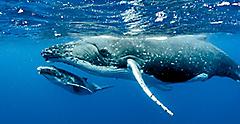
The key to successful whale watching? Visiting at the right time. Whales don't plan their migration patterns around our vacations, so prospective whale watchers need to be aware of when whale activity is highest.
Whales travel around 12,000 miles from their feeding grounds in Alaska and Siberia to their home on the Mexican coast each year to mate, reproduce, nurse their calves and socialize. The whale-watching season in Cabo extends from November through April, though most activity in Cabo San Lucas usually takes place mid-January through mid-March when the females start calving (which means it's also the best time to see baby whales). December to January also registers high activity, when males travel from pod to pod looking for females.
The time of day you hit the water also plays a role in what whales you might see. Whales are most active either early morning or in the afternoon and early evening due to high tides and increased winds. Whales in Cabo have also been observed to be active in two-to-three-day cycles before taking a few days to rest. It's important to be aware of these cycles when planning your trip.
Whale Species and Migration Patterns in Cabo
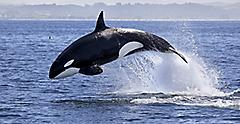
So, what whales can you actually expect to see? Whale watching means getting up close and personal with some of the ocean's most awe-inspiring wonders of the natural world. Humpback whales in Cabo are the most populous, and you can identify them by their dark hue and playful nature. They migrate to Cabo San Lucas from November through April, spending the entire season there.
Gray whale watching in Cabo San Lucas is also common, especially near Magdalena Bay from early January through mid-April. They travel in small groups and are often spotted close to shore — you might even be able to catch a glimpse of them from land.
You can also expect to see many whale sharks between November and late April. Considered the world's largest fish, growing up to 60 feet long, whale sharks can be recognized by their gray-brown skin with white spots and horizontal stripes. But don't worry, they only eat plankton and pose no harm to humans.
These aren't the only marine mammals you'll see around, either. It's not unheard-of to catch a glimpse of orcas, sperm whales, fin whales and blue whales in Cabo, though they often pass through the area quickly without lingering.
The best location for whale watching often depends on the species itself. Gray whale calves, for example, tend to remain in protected lagoons and coves to develop their hunting and survival skills, while humpback whale calves are more likely to venture into open waters and hunt for food close to shore. Luckily, you won't have to worry too much about chasing whales up and down the coast, as your whale-watching tour operators will be experts on the subject.
What To Expect on Your Cabo Whale-Watching Tour
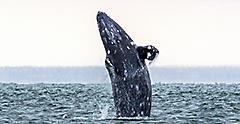
In Cabo San Lucas, whale watching typically starts at the local Marina, which is a 10-minute drive from the cruise port and about 40 minutes from San José del Cabo. Most tours last between two to three hours and cost between $80 and $130 per person, depending on the company and inclusions. The best times to visit are mid-December to mid-April, with the Los Cabos whale season peaking in January through March.
You can choose from a number of whale-watching experiences in Cabo, including a smaller Zodiac boat, which allows you to get closer to the creatures, or a catamaran for a more luxurious experience. Departures range from the morning (typically breakfast tours) to the afternoon and even sunset (often dinner tours). Many will offer food and/or beverages — though you may need to pay for the photographs. Tours usually don’t allow swimming for ocean conservation and dive safety reasons. Rest assured, there are plenty of other snorkeling opportunities in the area.
Essential Tips for Cabo Whale Watching

Your level of preparation can either make or break your whale-watching experience. Here are some tips to keep in mind before you go.
Pack Smart
Just because you're under the Mexican sun doesn't mean you're immune to the chilly ocean wind. Even during the warm Cabo San Lucas whale-watching season, it can get colder on the water than it is on land, so make sure to pack layers to stay warm. That includes sweatshirts, gloves, hats that cover your ears and even a blanket. Waterproof clothing like jackets and shoes are also smart, as you might not stay as dry as you'd think.
If needed, you may want to bring motion sickness medication or pack a few extra snacks and water to keep you going throughout the trip.
Wear Sunscreen
You may spend the day out on the water, cooled by the sea breeze and occasional ocean spray, but the sun's just as strong on the boat as it is on the beach. In Cabo, the sun shines year-round — don't let it be your downfall. Nothing ruins a vacation more than a nasty sunburn, so remember to apply sunscreen before your whale-watching excursion.
Put The Camera Down
There'll be plenty of time to take photos, so don't forget to unplug and soak in the moment. In the age of smartphones, "bring a camera" is advice no one needs to hear. Of course you'll have a camera on hand to capture every majestic whale-watching moment; the real trick is knowing when to put the phone down. You're in Cabo. You're with friends or family. You're surrounded by some of the most beautiful creatures on the planet.
After all, the only thing better than watching a humpback whale leap out of the water through your iPhone lens is watching it with your own eyes.
Manage Your Expectations
Watching whales doesn't come with any guarantees. You shouldn't expect to board the ship, take out your camera and immediately see dozens of whales leap out of the water on cue. Whales aren't enlisted actors performing on a stage for our amusement — they're simply living their lives down there. Whale watching in Cabo San Lucas means observing whales in their natural habitat, so patience is key.
Luckily, Cabo's whale population during breeding season is quite high, and it's extremely likely you'll see plenty of whale activity. Just remember that it might take a while to see your first whale during a whale watch, and that whale might not be doing somersaults and backflips.
Chart a Course With the Whales

Get Royal Deals, Sign Up Today

Getting There
Best Cruises From LA
Whale-watch your way through Cabo on a cruise to Mexico from Los Angeles.