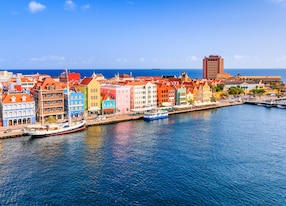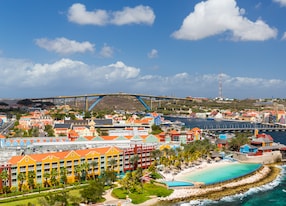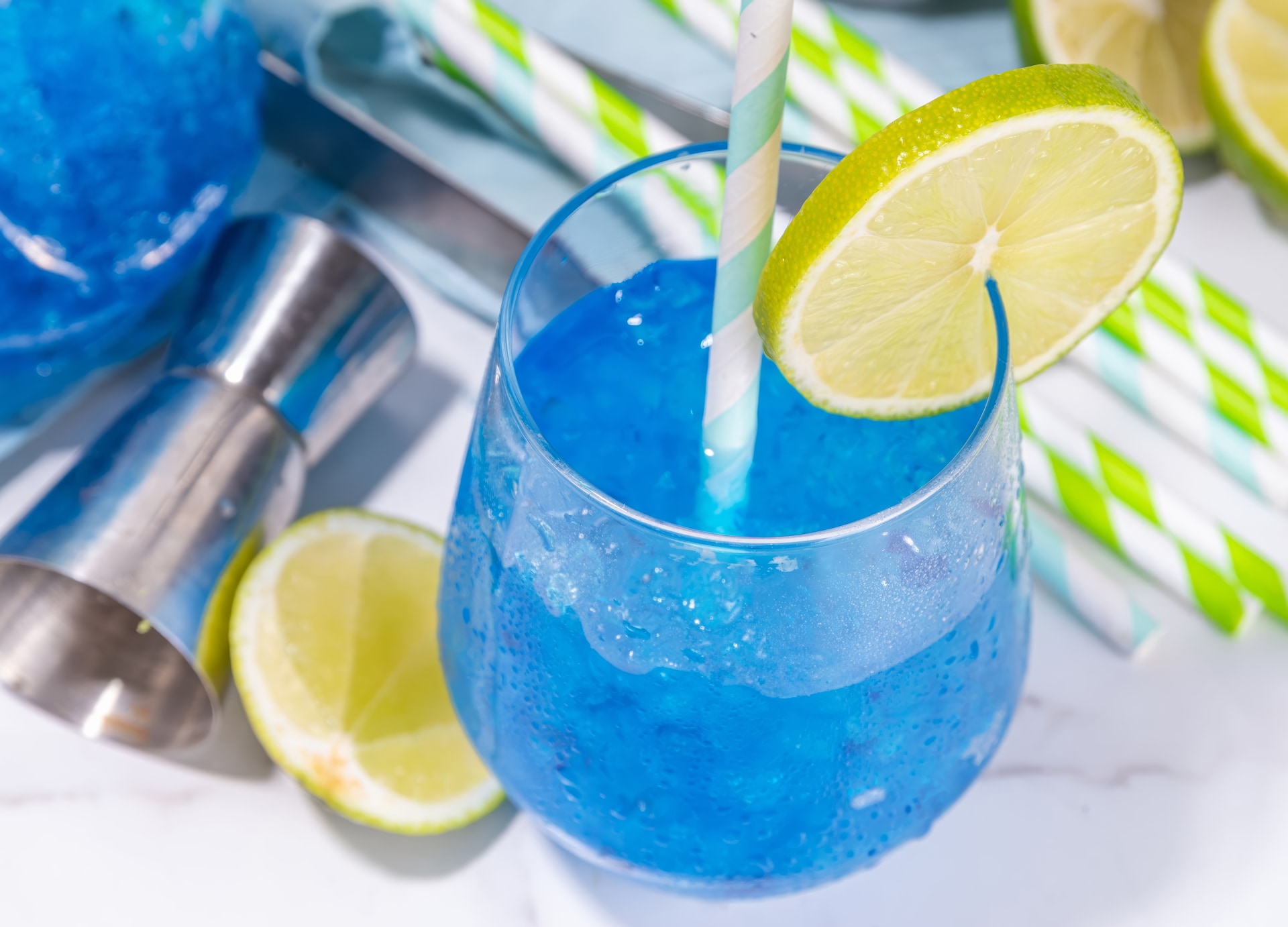
Blue Curaçao is a sweet, orange-flavored liqueur with added blue coloring. Its name connects it to the Caribbean island of Curaçao, where local producer Senior & Co. makes its version using dried peels from the bitter Laraha orange. The flavor is citrusy, even though its bright color might suggest something entirely different.
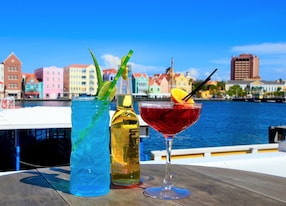
You may recognize it from a blue tropical cocktail. On a visit to Curaçao, you can discover the story behind the bottle, from the island’s fragrant orange peels to the distillery at Landhuis Chobolobo. It’s a flavorful way to get to know another side of your Caribbean destination.
What Does Blue Curaçao Taste Like?
Blue Curaçao tastes sweet and citrusy, with orange-peel bitterness balancing the sweetness. Some versions have a rich, candied-orange flavor, while others taste brighter and tangier. The exact balance depends on the producer.
During a tasting, notice the aroma before taking a small sip. Look for the difference between the sweet orange flavor and the slightly bitter finish. Trying the liqueur on its own can help you recognize what it adds to a mixed drink.
Why Is Blue Curaçao Blue?
Blue Curaçao gets its color from added coloring. The orange peel provides flavor, while the coloring gives the finished liqueur its blue appearance. At Senior & Co., the liqueur is clear before coloring is added.
The exact history of who first made Curaçao liqueur blue is less certain. Senior & Co. acknowledges that the color’s origins remain unclear. Its resemblance to a tropical sea makes a memorable association, but that isn’t a confirmed explanation for its invention.
What Is the Connection Between Curaçao & Laraha Oranges?
The Laraha is a bitter citrus fruit associated with Curaçao. Its dried peel contains aromatic oils that give locally made Curaçao liqueur its distinctive orange character.
According to Senior & Co.’s account, Spanish settlers introduced sweet oranges to the island, where the dry climate and growing conditions helped shape the bitter fruit that became known as Laraha. Although the fruit was unappealing to eat, its fragrant peel found a new use in liqueur-making.
That’s what makes the island connection so interesting. An ingredient valued for its peel became part of a drink now recognized far beyond the Caribbean.
How Is Blue Curaçao Made?
Methods vary by producer. At Curaçao’s Senior & Co. distillery, the process begins with locally grown Laraha oranges and ends with sweetened, colored liqueur.
The main steps include:
- Harvest and peel: The oranges are picked while green, and their peels are cut into sections.
- Dry the peels: Sun-drying prepares the aromatic peel for production.
- Combine and distill: The peels and spices are used with alcohol in a copper still.
- Sweeten and filter: Sugar and water are added, and the liqueur is filtered.
- Add color and bottle: Coloring creates the familiar blue version.
A distillery visit helps bring these steps to life. Learning that the flavor begins with dried orange peel gives you something new to notice during a tasting.
What Is the History of Curaçao Liqueur on the Island?
Senior & Co.’s history dates to 1896, when founders Haim Mendes Chumaceiro and Edgar Senior operated a drugstore on Curaçao. Chumaceiro began producing a drink from a family recipe, initially sold as Senior’s Curaçao Tonic before becoming Senior’s Curaçao Liqueur.
The founders’ Jewish heritage is also part of the company’s story, connecting the business to the island’s long-established Jewish community.
Today, visitors can explore the company’s distillery at Landhuis Chobolobo, a 19th-century country mansion. The setting brings the history of the drink together with a look at how it’s produced.
Is Blue Curaçao the Same as Triple Sec?
Blue Curaçao and triple sec are both orange liqueurs, so they can play similar roles in cocktails. Blue Curaçao adds blue coloring, as well as citrus flavor. Sweetness, alcohol content and orange character vary between brands.
In some recipes, blue Curaçao can replace triple sec, although it will change the drink’s appearance and may affect its balance. Think of them as related ingredients with differences worth tasting.
Visiting the Curaçao Liqueur Distillery
Landhuis Chobolobo is home to the Senior & Co. distillery. Visitors can learn about the liqueur’s history and production, explore the historic setting and sample its flavors.
The property also has a courtyard and souvenir shop, making it a pleasant stop for travelers interested in local products and island traditions. Specific tours offer different inclusions, so choose an experience based on what you’d most like to discover.
Discover Blue Curaçao on a Willemstad Shore Excursion
Royal Caribbean offers several ways to connect Curaçao’s liqueur tradition with your day ashore. You can pair a distillery stop with beach time, sightseeing or an underwater viewing experience.
Distillery Visits & Island Sightseeing
These excursions include a distillery or liqueur-factory visit in their descriptions:
- Curacao Highlights & Mambo Beach: Visit Landhuis Chobolobo for a taste of the island’s famous liqueur, then continue to Mambo Beach for time by the sea.
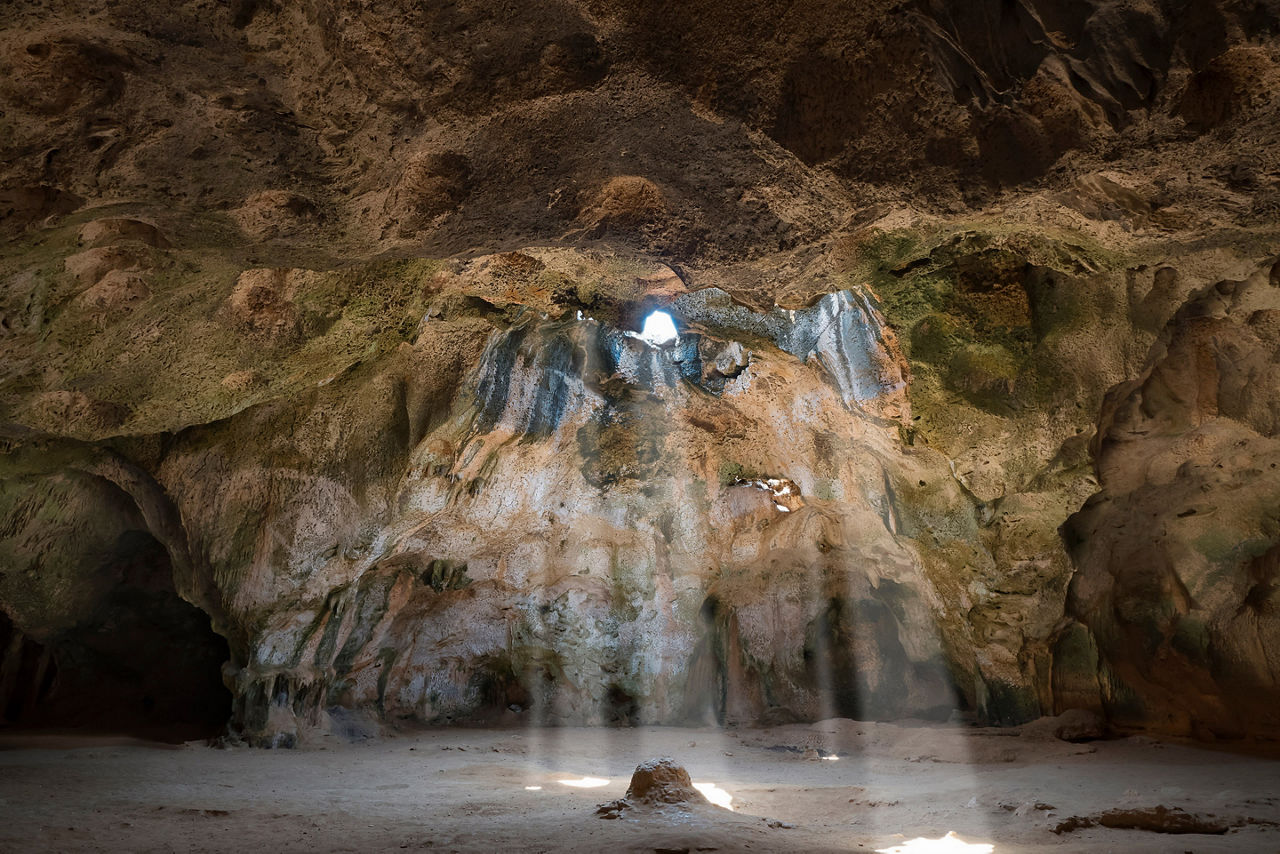
- Discover Curacao: Combine the Curaçao Museum, Hato Caves and a sample of the local signature spirit at the Blue Curaçao distillery.
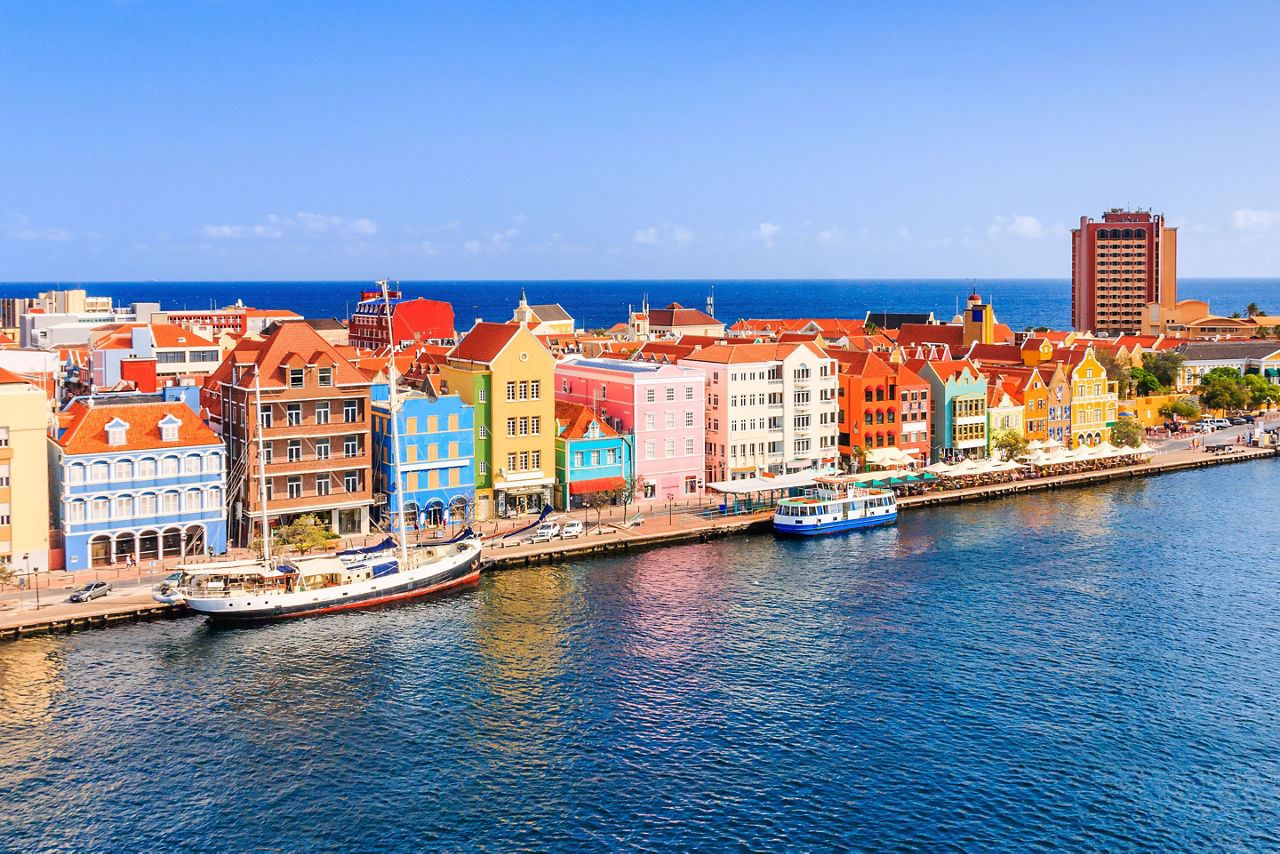
- Fascinating Curacao: Explore Willemstad’s sights, visit Chobolobo Liqueur Factory and learn about local plants at Dinah Veeris Herb Garden.
- Sea and See Island Tour: Enjoy underwater views from the Seaworld Explorer, then visit Chobolobo to learn about liqueur-making and sample the product.
- Panoramic Curacao Island Tour: Take a narrated sightseeing drive, browse local handicrafts and taste the island’s signature spirit at a historic distillery.
Food, Cocktails & Local Flavors
Two more options connect blue Curaçao with a broader island experience:
- Curacao Culture, Cocktails and Bites: Begin with a welcome shot of blue Curaçao, then enjoy cultural sightseeing, cocktails and small bites at stops around the island.
- Accessible Curacao - Flavors, History, and Scenic Wonders: Explore an itinerary that highlights blue Curaçao, aloe vera, coastal scenery and historic city views.
Choose the outing that fits the rest of your ideal day, whether that means relaxing on a beach or discovering Willemstad’s streets. Review the excursion for your sailing for current availability, tasting inclusions, age requirements and accessibility details.
Discover Curaçao Through Its Local Flavors
Learning about blue Curaçao gives a familiar cocktail ingredient a much richer story. Behind the color are aromatic orange peels, a historic island business and a craft you can explore during your visit.
Discover cruises to Willemstad, Curaçao and pair your island adventure with a taste of one of its best-known traditions.
Frequently Asked Questions About Blue Curaçao
-
Does blue Curaçao contain alcohol?
Blue Curaçao liqueur contains alcohol. Nonalcoholic blue Curaçao syrups are also available for mocktails, so check whether a product is labeled as a liqueur or syrup.
-
How much alcohol is in blue Curaçao?
The alcohol content of blue Curaçao varies by brand. For example, Bols lists its version at 21% alcohol by volume, while Senior & Co. lists its blue Curaçao at 31%. Check the bottle’s label for the exact strength.
-
Does blue Curaçao taste like blueberries?
Blue Curaçao tastes like orange, with sweetness and a bitter citrus-peel note. Its blue color comes from added coloring and does not indicate a blueberry flavor.
-
Can you drink blue Curaçao by itself?
Blue Curaçao can be enjoyed on its own, although it's also commonly used in cocktails. A small tasting lets you notice its orange aroma, sweetness and bitter-peel character before trying it in a mixed drink.
-
Is all blue Curaçao made on the island?
Blue Curaçao is produced by different brands and isn’t always made on Curaçao. Senior & Co. produces and bottles its version on the island using Laraha orange peels. Check the label if you’re looking for a locally made bottle.
-
Can you visit a blue Curaçao distillery on a cruise excursion?
Yes. Several Royal Caribbean excursions from Willemstad include a liqueur-distillery visit, including Curacao Highlights & Mambo Beach, Discover Curacao, Fascinating Curacao and Sea and See Island Tour. The sightseeing stops and tasting inclusions differ by excursion.
Planning a Trip to Curaçao?
Want to learn more about Curaçao? Check out these guides to plan your next trip:
- Willemstad, Curaçao Shore Excursions - Explore island sightseeing, local flavors and adventures for your day ashore.
- What Is Curaçao Known For? - Discover the island’s colorful architecture, beaches and cultural traditions.
- What To Buy in Curaçao - Find locally inspired souvenirs, from Curaçao liqueur to art and handcrafted gifts.
- Cultural Excursions in Willemstad - Explore experiences that introduce the island’s history and local heritage.