By Chantae Reden | Published on November 13, 2025
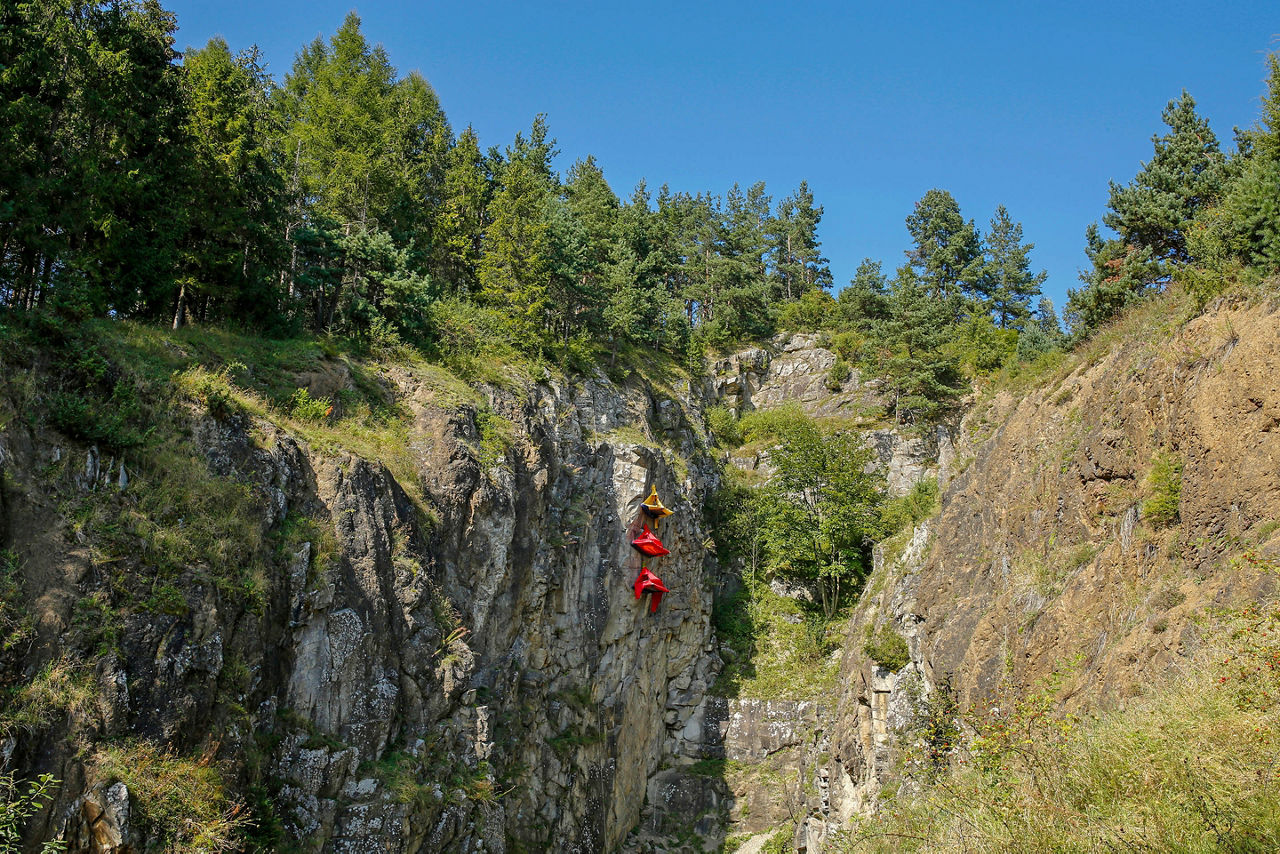
Extreme hikers have long been cliff camping and pitching their tents on sections of rock with just enough space to accommodate them for the night. In fact, relying on natural ledges for tenting on a cliff (or stringing a hammock in between a crevice) was how some of the first-generation elite climbers, like Warren Harding, climbed iconic walls like El Capitan in Yosemite in the late 1950s.
Key Takeaways: Cliff Camping
- ● Cliff camping, essentially sleeping rock climbing, is an adventurous way to get close to nature.
- ● Great spots for cliff camping include Colorado, Washington, Australia and Wales.
- ● Essential cliff camping gear includes a portaledge, ropes, carabiners, a helmet and more.
- ● While on a cruise, you can take part in adventurous side expeditions to go cliff camping.
The History of Cliffside Camping
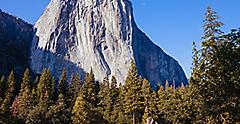
While the 1950s saw the early days of cliffside camping strategies, climbers like the Lowe brothers stepped in a few decades later and began to fashion makeshift ledges from other camping equipment, like repurposed sleeping mats and steel taken from bed frames. These allowed climbers to set up camp against a sheer cliff face — they no longer needed to rely on finding a natural ledge.
Around the 1970s, portable ledges — known as portaledges — started to seep into elite climbers' camping arsenals. Today, the portaledge designs have come a long way. Lightweight and stable, these are handy, multi-purpose devices that not only work as a bed, they can even be used for a storm shelter by rock climbers during harsh weather conditions.
What Is Cliff Camping Like?
Cliff camping is undoubtedly one of the most exciting adventures an extreme hiker can have. On a clear night, you'll count shooting stars instead of sheep and are in a prime position to admire the sky's constellations. A cozy sleeping bag keeps you warm, and a harness ensures even the most restless sleepers are secure. When you wake up, you'll watch the sun illuminate the landscape below from a unique perspective — maybe even with a coffee in hand.
And while it's exhilarating, there's something serene about the experience, too. So far removed from everyday life, sleeping on a cliff creates a feeling of being embedded in nature. There's nothing like extreme hiking and looking up to see rock climbers sleeping on the side of a mountain.
And the best part? You can experience it for yourself when you cruise around the world, from the mountains of Argentina to the wild landscape of Australia. Just follow this handy guide for the do's and don'ts of camping on the side of a cliff.
Do: Gain Experience First
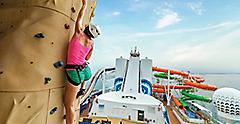
The vision of spending an evening perched high above clouds from the comforts of your own cliff camp occurs to many adventurers long before they gain the skills to do it alone. If you plan to cliff camp without a guide someday, start by learning the basics of hiking, climbing and camping.
How do you train for cliff camping on a cruise or before you set sail? You have options, all of which take effort, but which will pay off in skill and confidence.
Join a rock-climbing gym or check out Royal Caribbean's onboard Rock Climbing Wall to master proper climbing techniques and skills like:
- ● Belaying.
- ● Jumaring.
- ● Knot tying.
- ● Route setting.
- ● Anchoring.
- ● Rappelling.
Many of these skills will be needed to reach your cliffside campsite, haul up your gear and set up camp.
If you're not sure where to gain outdoor training, climbing gyms and clubs often run group trips, where you'll swap manmade climbing holds for natural rock crags. It'll also help you adapt to climbing and hiking in the hot or cold temperatures, which could be quite the change from the air-conditioned comforts of an indoor gym.
For your first few camping experiences, camp at traditional campsites on terra firma and spend your days climbing and exploring trails on foot. This will condition your body for the athletic aspects of climbing and extreme hiking.
Once you're comfortable with camping outdoors, go on a guided climbing trip where you'll be under the watchful eye of climbing professionals as you set up camp. This is also an easy way to befriend other climbers and hikers who could be potential camping partners once you're ready to climb and camp without a guide.
Do: Take Part in Professional-Led Excursions
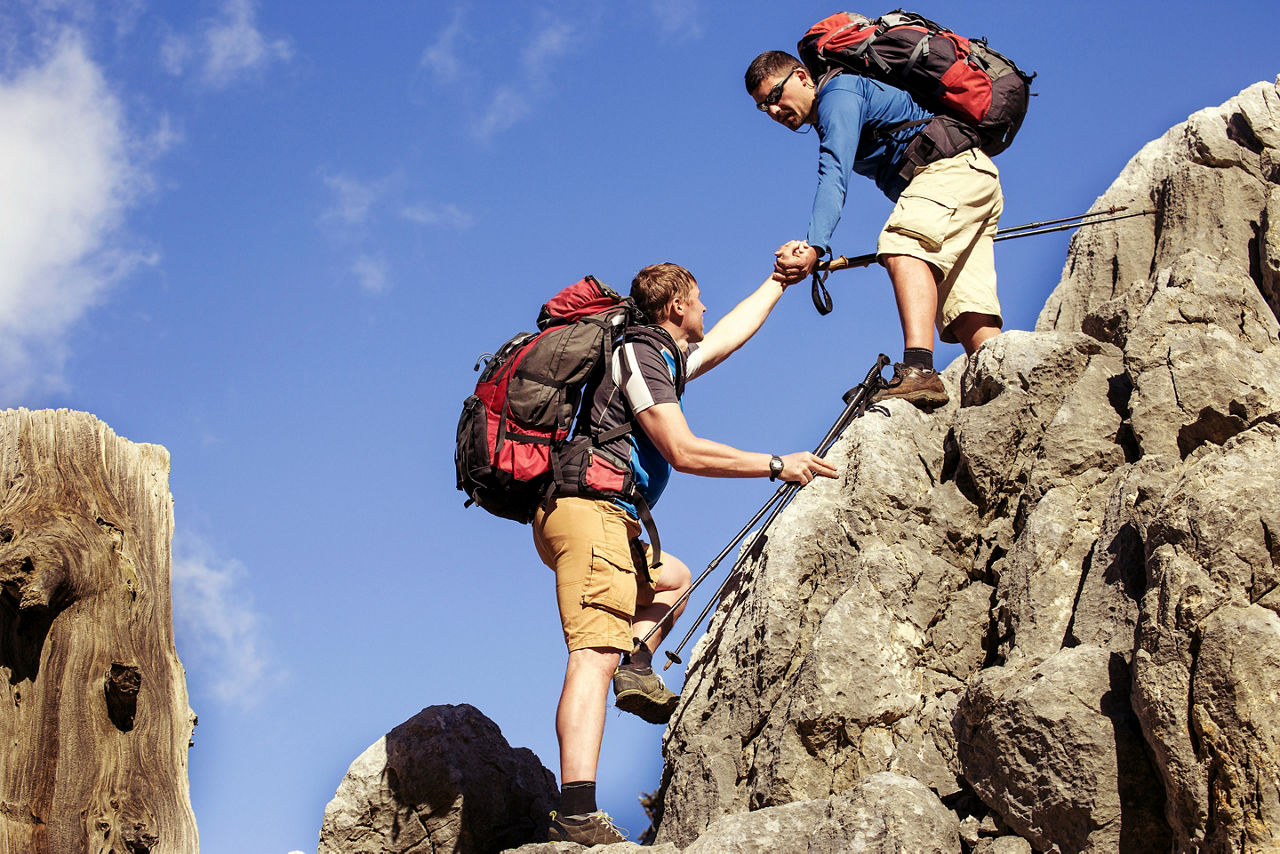
If you don't have the skills or materials to set up a cliff campsite or portaledge yourself, make a vacation out of it and book a night with a climbing agency to have them set up your campsite for you. Under the guidance of a professional, you'll experience the joys of sleeping suspended under the stars with little risk.
A lot of these experiences are available as side activities when you're enjoying a cruise itinerary. These are optional adventures that let thrill-seeking cruise guests, maybe including you, indulge in unforgettable cliff camping experiences.
So, where can you go cliff camping when traveling the world on a Royal Caribbean cruise?
Kent Mountain Adventure Center in Estes Park, Colorado, hosts night tenting on a cliff overlooking the Rocky Mountains. Hikers can trek to the top of the cliff and rappel from the summit into the campsite, enjoy a hearty dinner above the treetops and then rappel down to the ground in the morning. Keen climbers can climb in lieu of rappelling. Indigo Alpine Guides offers a similar cliff camping excursion in Index, Washington.
If you want to sleep high when you travel down under, Beyond the Edge in Mount Buffalo National Park, Australia, hosts guests in a portaledge over Mount Buffalo Gorge. As you wake up, listen for the roar of a nearby waterfall, come eye to eye with soaring birds and admire as the treetops below are illuminated by the rising sun.
For blue ocean views on your world vacation, head to the Climbing Company in Pembrokeshire, Wales. Watch the sunset burn bright red over the horizon, hear the chirp of seabirds, and let the waves of the Atlantic Ocean lull you to sleep from the comforts of your seaside cliff campsite.
Do: Invest In The Right Gear
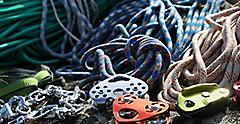
When it comes to your climbing, camping and hiking equipment, it's wise to invest in the items you'll be relying on for comfort and safety, even if it means paying a bit more. So, what gear do you need for cliff camping? Your kit should include:
- ● A portaledge.
- ● Climbing rope.
- ● Cords.
- ● Carabiners.
- ● Personal protective gear, including a helmet.
Brands like Black Diamond and Metolius test their portaledges in varying terrains, regularly updating their materials and design to withstand harsh weather. Ropes, cords, harnesses, carabiners and helmets are also worth spending a bit more money on for better quality.
Note that your portaledge won't be your primary safety device, that'll be your harness and climbing rope, so purchase or upgrade those items before investing in anything else. If you're planning to cliff camp as your cruise is docked at a port, many climbing companies have gear you can rent.
Do: Read the Weather Forecast
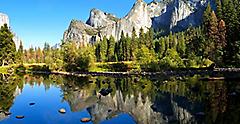
Even the most extreme hikers learn to respect weather forecasts. Strong winds, lightning storms, heatwaves and heavy rains aren't just uncomfortable to camp in; they're also dangerous. Before your camping trip, check the weather report for any sign of inclement weather.
If you're camping in a national or state park, their websites will often tell you about any upcoming weather alerts or notices you should be aware of, like trail disruptions or wildfires. For optimal cliff camping conditions, you'll want clear skies and low winds.
Even if the weather forecast looks clear for your planned trip, prepare for unexpected changes. Many legendary climbers have stories of trips recounting the time they set off on a climbing trip under sunny skies, only to have a snowstorm roll in later that day.
John Middendorf was inspired to improve the portaledge camping design of the time in the late 1980s after being caught in an unexpected blizzard while cliff camping on Half Dome in Yosemite National Park, California. Though the blizzard was forecasted to last one day, John and two other climbers were stranded in harsh snow conditions for nearly a week. Because of this, modern portaledge designs are made with waterproof, sturdy materials and are much more stable than their predecessors.
Don't: Go Unprepared
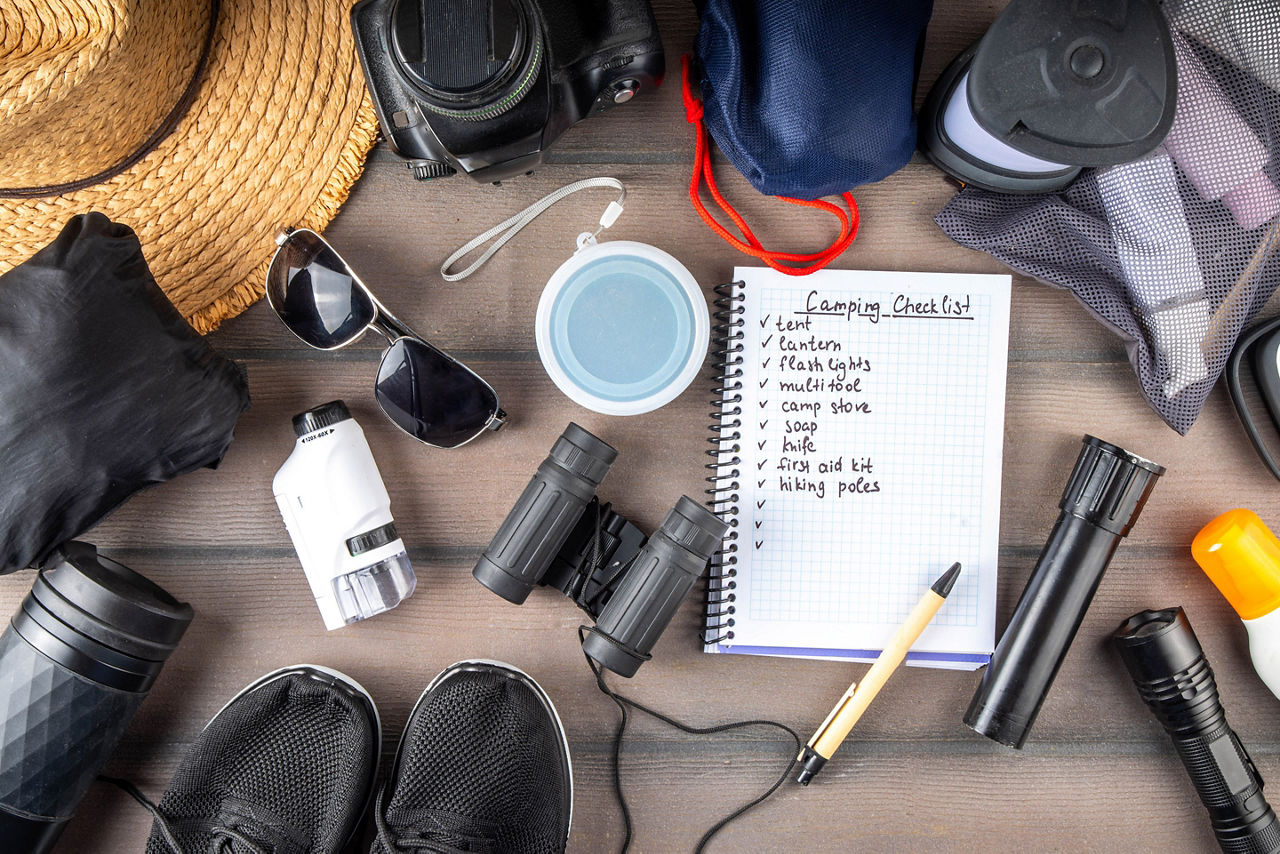
If it's your first time setting up your camping equipment or portaledge, practice assembling it at home before you hit the trail. Because you'll be limited to a small space and potentially a short amount of time when setting up camp outdoors, it's wise to fine-tune the process in an area you're comfortable with, like your backyard or living room.
Some prep steps worth following include:
- ● Check for missing, bent, rusted or broken parts, and read through the manufacturer's instructions to ensure you've set up your campsite in the proper way.
- ● Comb through your ropes and replace any that are worn down or frayed.
- ● Pack your portaledge and camping gear away neatly so when you're ready to take it out into the wilderness, you won't have a jumbled mess of ropes and fabric to untangle.
When it's time to venture out, pack:
- ● Sun protection.
- ● First aid equipment.
- ● Plenty of water.
- ● Cold weather protection.
- ● A headlamp or flashlight.
- ● A communication device like a Garmin inReach for places with unreliable phone service.
You'll want to be prepared for unexpected weather changes or injuries during your trip. Pack layers to adjust to the ambient temperature. Without the protection of thick canvas or tree cover, sleeping on a cliff or camping on the side of a mountain exposes you to elements like wind, direct sunlight and rain.
Don't: Venture Alone
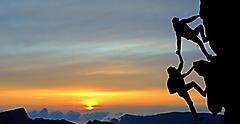
Extreme hikes and climbing trips are safer when you have a partner to share the experience with, and it's usually more fun to venture with a fellow thrill-seeker, too. A good adventure partner boosts morale with encouraging words, helps set up equipment, administers first aid if it's needed and carries extra gear just in case yours fails.
Some of the world's greatest climbing feats have been done as a duo, like Tommy Caldwell and Kevin Jorgeson's 19-day climb up the Dawn Wall in Yosemite National Park. This climb was deemed impossible by the climbing community for decades and was largely overcome due to the moral support the two climbers gave one another before tucking into their portaledge for the night.
The only minor consideration? Choosing who will sleep next to the wall and the fall. If you've been tapped as the sleeper closer to the drop, fear not. You'll be strapped into a harness that connects to the tent and to the wall the entire night. There are solo portaledges, but many climbers prefer to share a double portaledge to simplify the setup and minimize the amount of equipment they'll need to take up.
Set Sail for a High-Altitude Adventure
Get Royal Deals, Sign Up Today

Getting There
Explore Our Most Affordable Itineraries
Reach new heights in the world's most adventure-worthy destinations on the Ultimate World Cruise.