Jamaican Culture: Food, Music, Traditions & Customs
Experience Jamaican Culture Up Close
By Emily Iris Degn | Published: September 9, 2025 | Updated: May 20, 2026
When you think of Jamaican culture, you probably picture the bright colors of beautiful traditional garments or hear the distinct Patois language being spoken or sung. This island is full of adventure and educational experiences for those ready to say yes to the vacation of a lifetime.
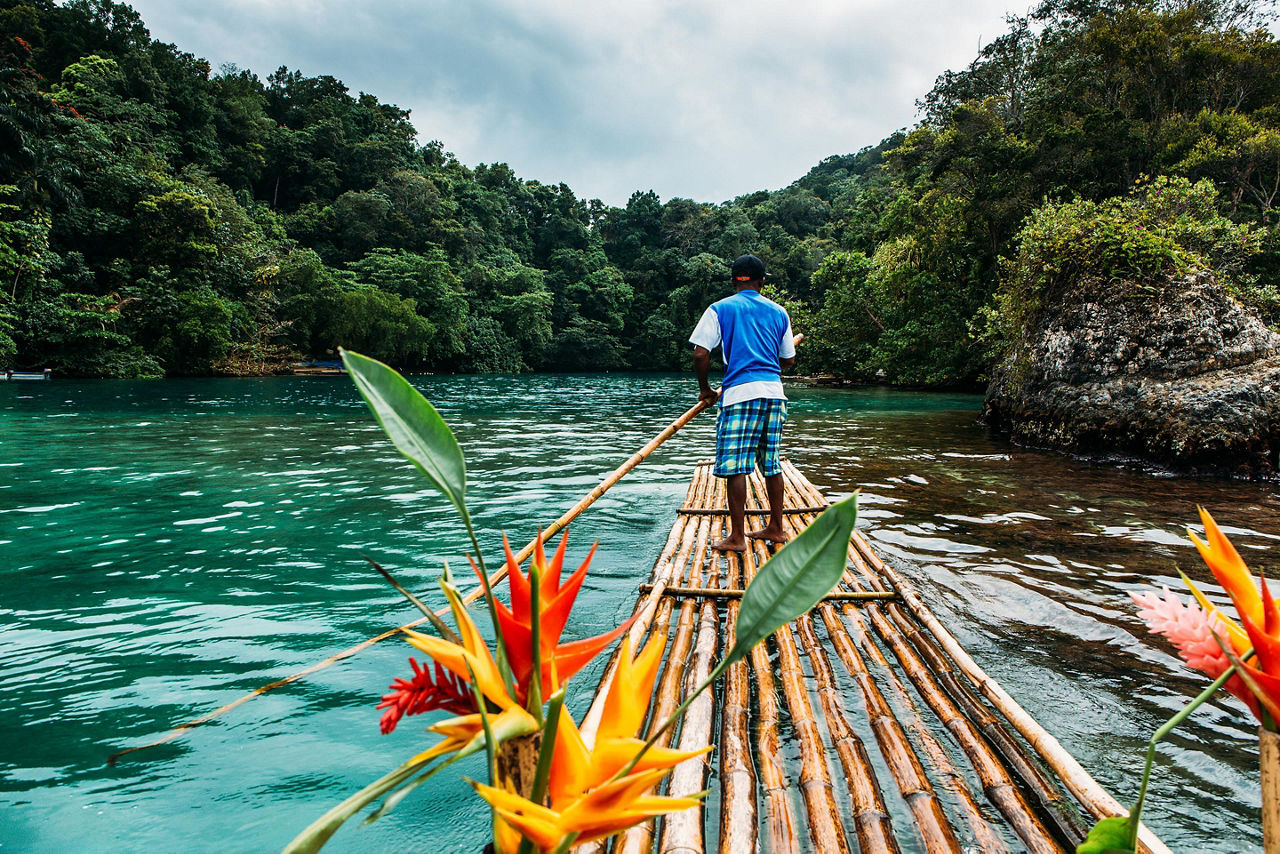
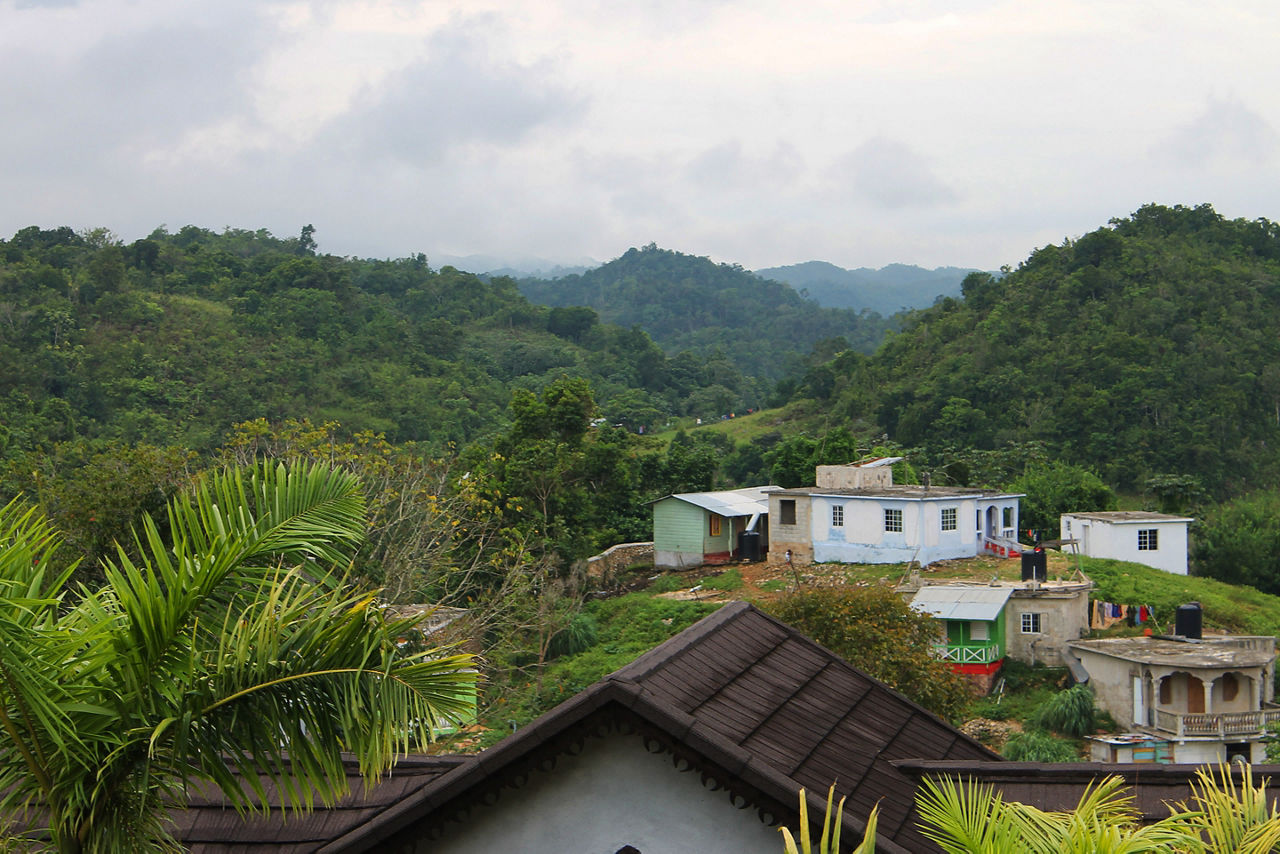
The fusion culture of African, British, Spanish, German, Irish, Indian, Chinese and Indigenous traditions is the foundation of Jamaican heritage and its diverse historic tapestry. Built on this coming together, the country’s modern landscape is complex and friendly. With English as the official language, lively festivals, reggae’s party vibe and beautiful tropical scenery, Jamaica is a favorite destination for travelers. And, with a name like Xamayca, or the “Land of Wood and Water,” you can bet you’re in for some stunning scenery.
Jamaica and all of its rhythms, flavors and celebrations are just a Royal Caribbean cruise away. But before you book your Caribbean vacation, here’s a guide to Jamaican culture and traditions.
Key Takeaways
- ● Jamaican culture is a vibrant blend of African, European, Indian and Chinese influences shaped by centuries of migration and history.
- ● Music is central to Jamaican identity, with globally influential genres like reggae and dancehall rooted in storytelling and social commentary.
- ● Jamaican food reflects the island’s diversity, combining bold spices, slow-cooked techniques and fresh, local ingredients.
- ● Language and expression thrive through Jamaican Patois, adding rhythm and personality to everyday communication.
- ● Festivals, fashion and traditions highlight national pride, resilience and creativity across generations.
- ● Explore cruises to Jamaica to get a firsthand glimpse of the island’s culture and beauty.
Jamaican Music: Reggae, Dancehall And Island Rhythms
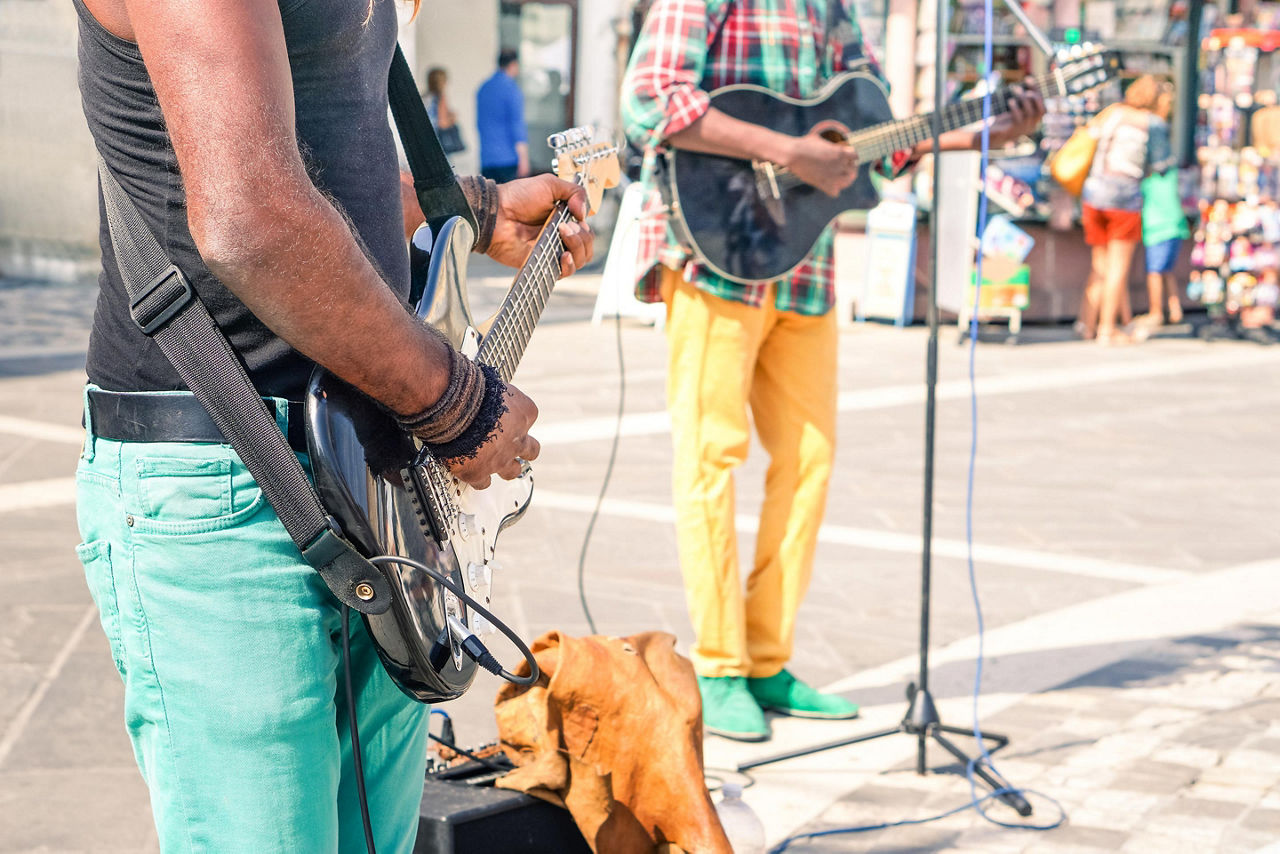
Jamaica is known for many things, but its music might just be the most famous of the Jamaican traditions beloved by the world. With six individual genres invented right here, including mento, dancehall, ska, reggae, rocksteady and dub, Jamaica wows with its artistic chops. And thanks to the country’s successful musicians, the pull of these island beats has hit the mainstream.
Music in Jamaican culture goes far beyond entertainment: it’s a form of storytelling, resistance and identity. From the days of slavery to modern independence, music has served as a voice for the people, often addressing themes like freedom, unity, love and social justice. Sound systems, like mobile DJ setups, played a major role in shaping Jamaican music culture, turning streets into dance floors and launching new artists.
As a travel writer, granddaughter of a ragtime piano player and great-granddaughter of a jazz musician, I always sample the music of destinations I visit. It’s a key part of a community’s identity, as the arts express what other bits of culture and communication can’t. It’s also a great way to learn the language — when I lived in Brazil, I learned so many idioms, slang words and phrases that only locals know through street music. It’s an immersive and fun way for those seeking a Caribbean vacation to delve into Jamaican culture as well.
So, make sure to take a dip in the various music genres while you’re there, whether that’s through shopping for vinyls, prioritizing eateries that feature live music performances or attending a festival.
Reggae And Its Global Impact
Among the most iconic bits of Jamaican travel and culture, reggae and sites dedicated to it, like the Bob Marley Museum, have long captured the attention of adventurous music-listeners. Born in the 1960s, reggae called for social justice through the power of music. Known for its drum beats and lyrical themes of independence, it’s perhaps the most recognizable form of Jamaican music due in large part to the efforts of artists like Bob Marley.
Across the island nation, loads of venues play his music alongside modern reggae artists. This makes for a quintessential experience rooted in Jamaican history, philosophy and hope.
Reggae is deeply connected to the Rastafarian movement, a spiritual and cultural force that emphasizes peace, unity and a connection to Africa. The genre’s signature offbeat rhythm and bass-heavy sound have influenced countless global styles, from hip-hop to pop and even punk rock. Today, Reggae remains a powerful symbol of Jamaican culture worldwide.
Dancehall, Mento And Modern Sound
Two other Jamaican music genres to keep an eye (or ear) on are dancehall and mento.
- ● Dancehall (1970s): A high-energy evolution of reggae with electronic beats and global influence.
- ● Mento (1940s-50s): A folk style blending African and European elements, often heard in rural areas.
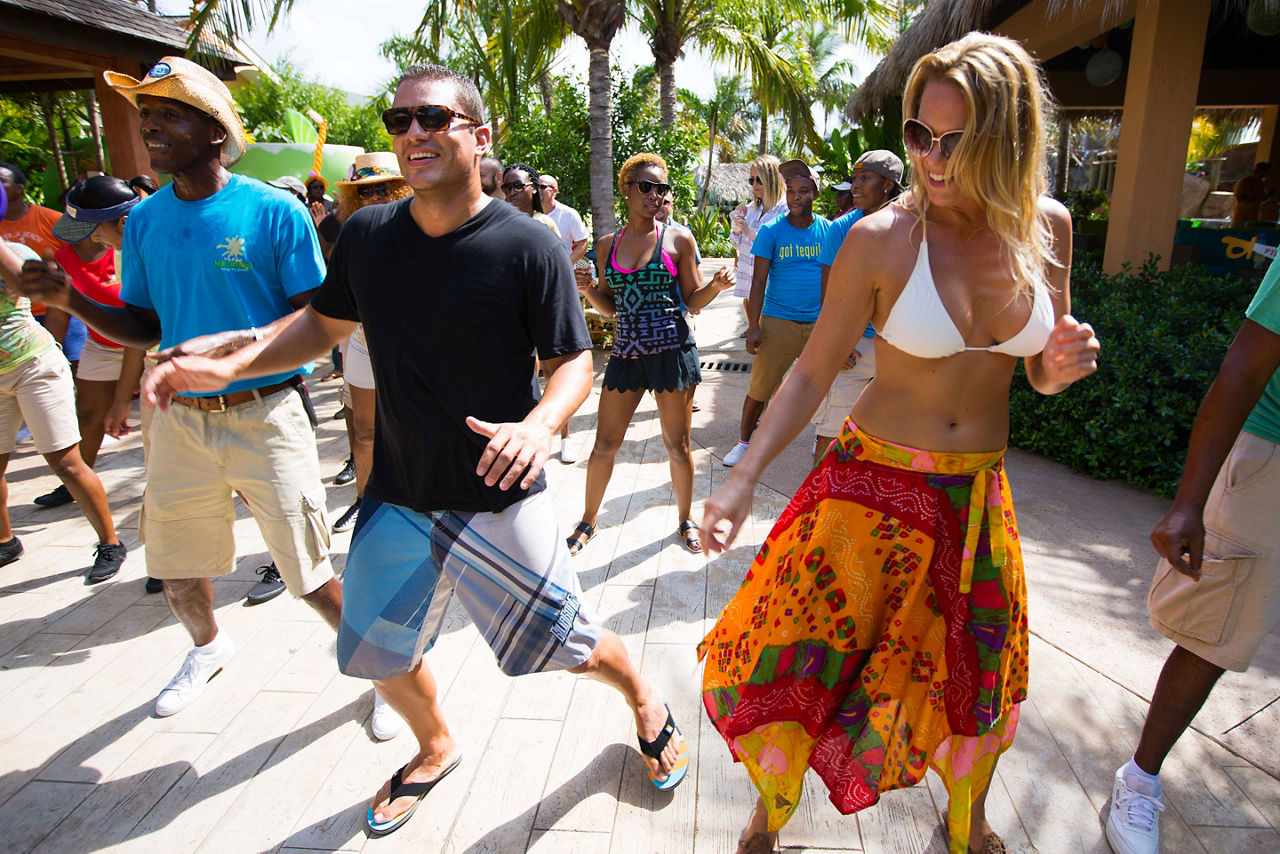
The former originated in the 1970s, bringing to life an electronic-reggae-hip-hop fusion with lively beats. Thanks to the high-energy nature of dancehall, it’s super popular at parties. Dancehall culture also includes its own fashion, dance styles and slang, making a full cultural movement. It has heavily influenced global pop culture, with its beats and rhythms appearing in international hits.
The latter, mento, came about even earlier in the 1940s and 1950s. Influenced by the musical traditions of African slaves and European folk singers, this genre blends acoustic instruments and an air of playfulness. It would later go on to inspire reggae in many ways, and today, you can hear it across rural communities. Mento offers a glimpse into traditional Jamaican culture, often featuring instruments like the banjo, hand drums and the rhumba box.
Jamaican Cuisine: Rice, Spice And Everything Nice
I’m an ex-chef, trained culinary artist and long-time travel writer, so food-focused tourism is a passion of mine. I consider authentic fare just as valuable culture-wise as the arts, as it can tell you a lot about an area’s history, landscape and priorities. Food is like a language, granting clues into the way of life of those who eat it.
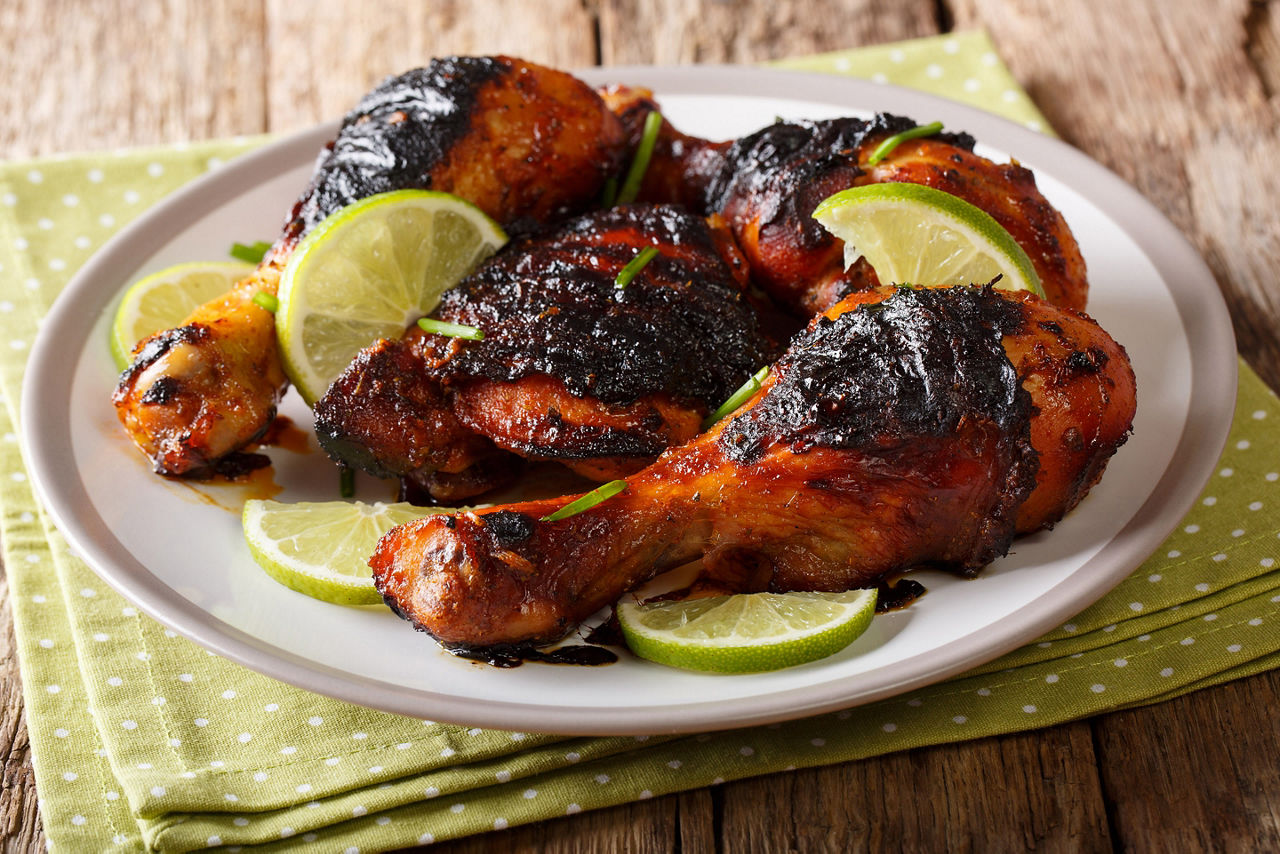
Jamaican food is known for its bold seasoning, often built around spice blends like jerk seasoning, which combines Scotch bonnet peppers, allspice, thyme and garlic. Cooking methods are just as important as ingredients, creating depth and layering flavors. Generally, food is slow-cooked and open-fire grilled.
A Blend Of Cultures On Every Plate
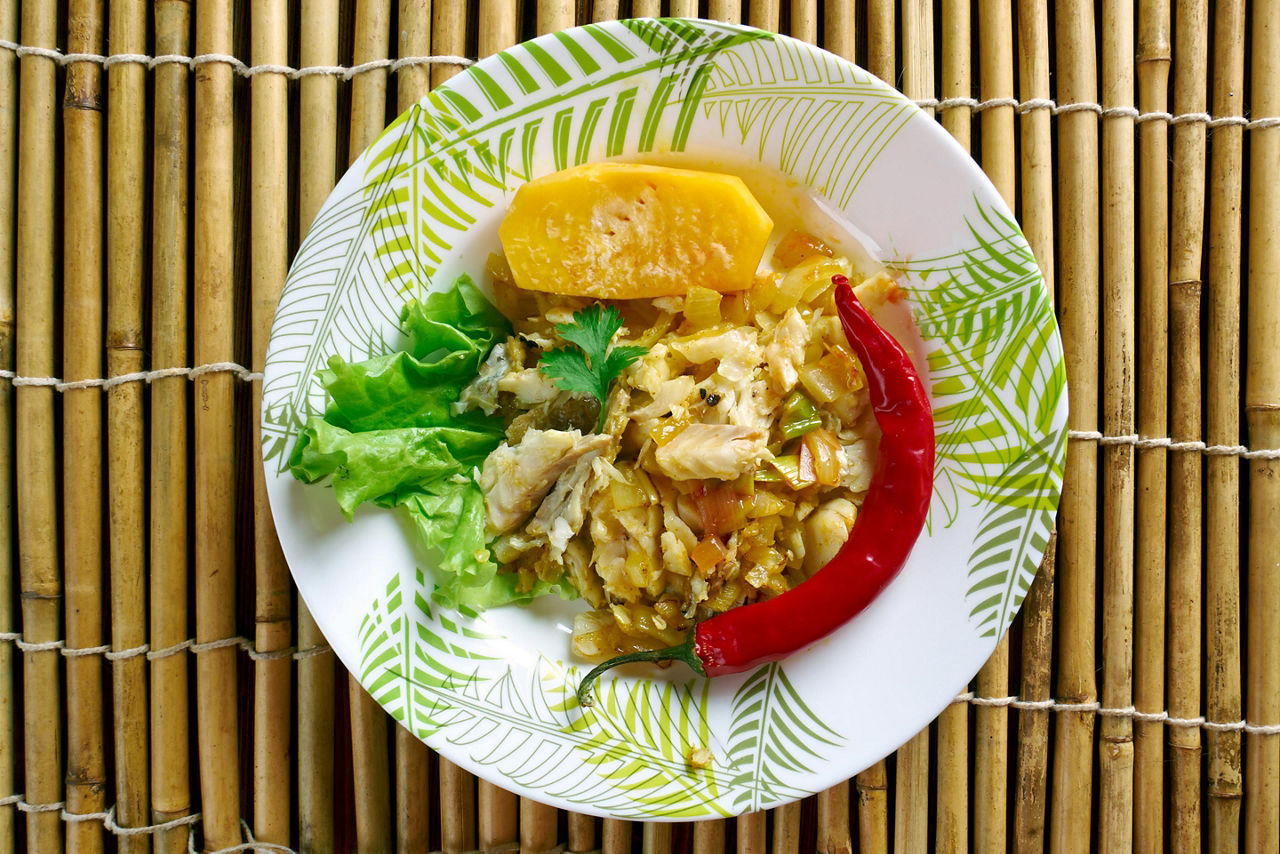
Jamaican cuisine is heavily influenced by African and European cuisines, as well as some Chinese, Indian and Indigenous traditions. The result is a true fusion that includes bright spices, stick-to-your-ribs stews and curries, tropical produce, seafood and rice with everything. As you might have guessed, this nods to the people who settled the region and the landscapes they love, making the fare a reflection of Jamaican culture and traditions. And it’s a gorgeous foodway indeed, especially for those who, like myself, enjoy spicy food and fresh fruit more than just about anything.
African influences appear in dishes like callaloo and one-pot stews, while Indian indentured laborers introduced curries that are now staples. Chinese migrants contributed stir-fry techniques and British colonial history brought salted fish and baking traditions. This cultural blend is what makes Jamaican cuisine one of the most memorable in the Caribbean.
Must-Try Jamaican Dishes

Here are 10 popular Jamaican dishes that you have to try while you’re in the country:
- ● Rice and peas: A staple side made with coconut milk and kidney beans.
- ● Callaloo: Leafy greens sautéed with herbs and spices.
- ● Curry goat: A rich, slow-cooked dish with Indian-inspired spices.
- ● “Escovitch” fish: Fried fish topped with a tangy, pickled vegetable sauce.
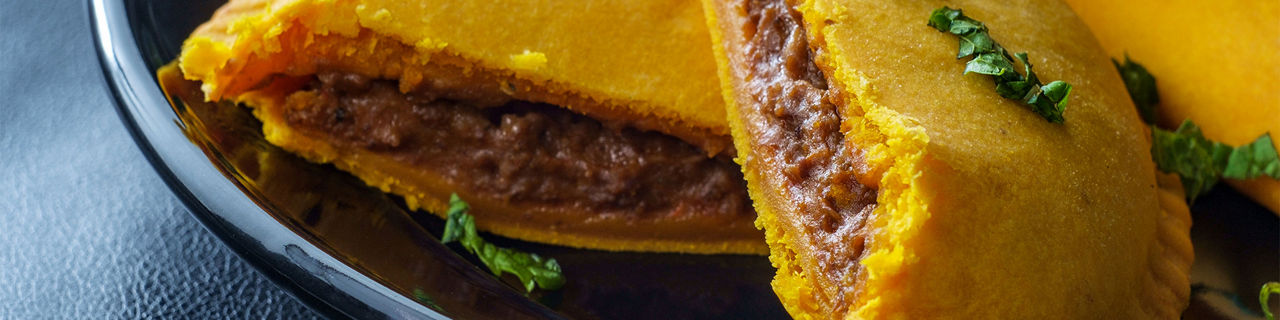
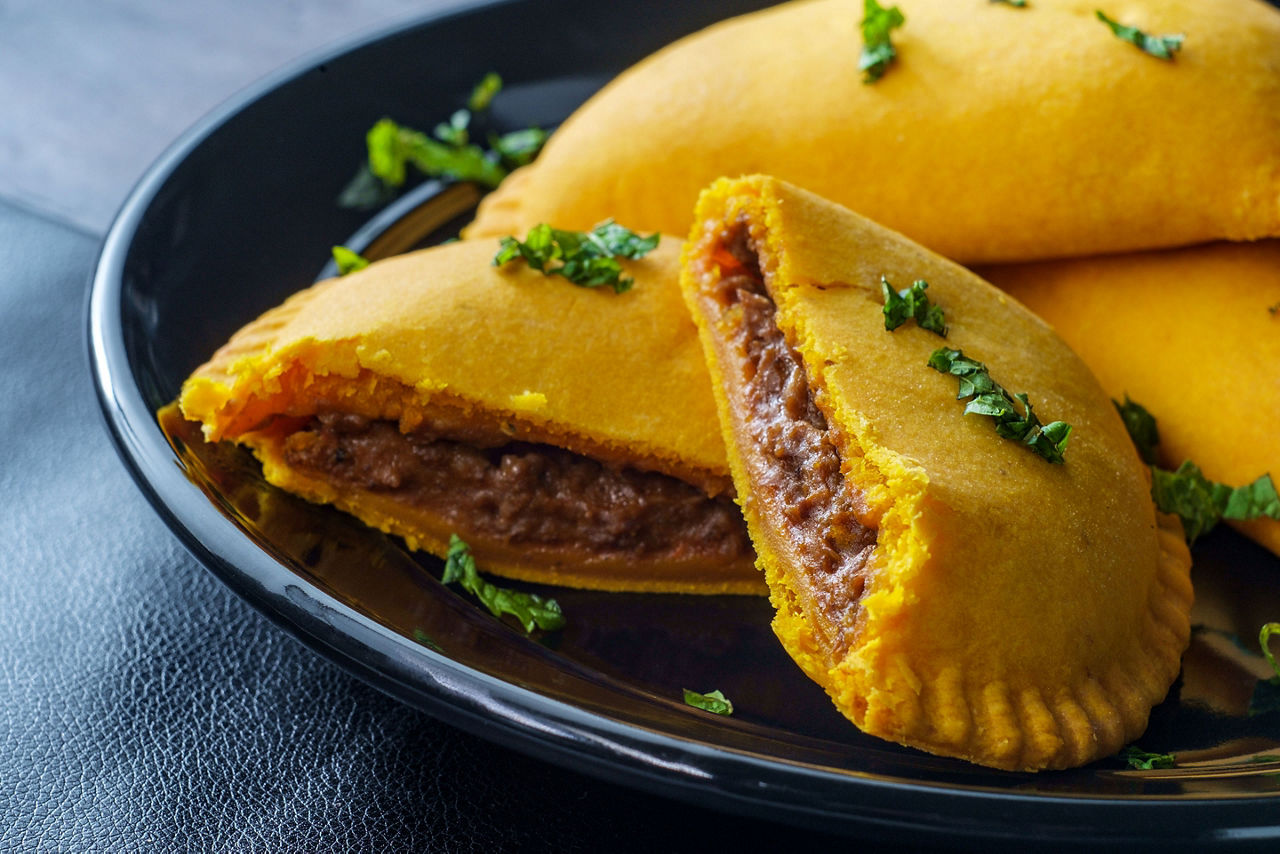
- ● Jamaican patty: A flaky pastry filled with spiced meat or vegetables.
- ● Bammy: Cassava flatbread with Indigenous roots.
- ● Oxtail: Braised until tender in a savory gravy, often served with rice and peas.
- ● Coco bread: Soft bread often used for sandwich patties.
- ● Ackee and saltfish: Jamaica’s national dish, featuring buttery ackee fruit sautéed with salted cod, onions and peppers.
- ● Jerk chicken: Spicy, smoky grilled chicken marinated in jerk seasoning.
Talk The Talk: The Power Of Patois
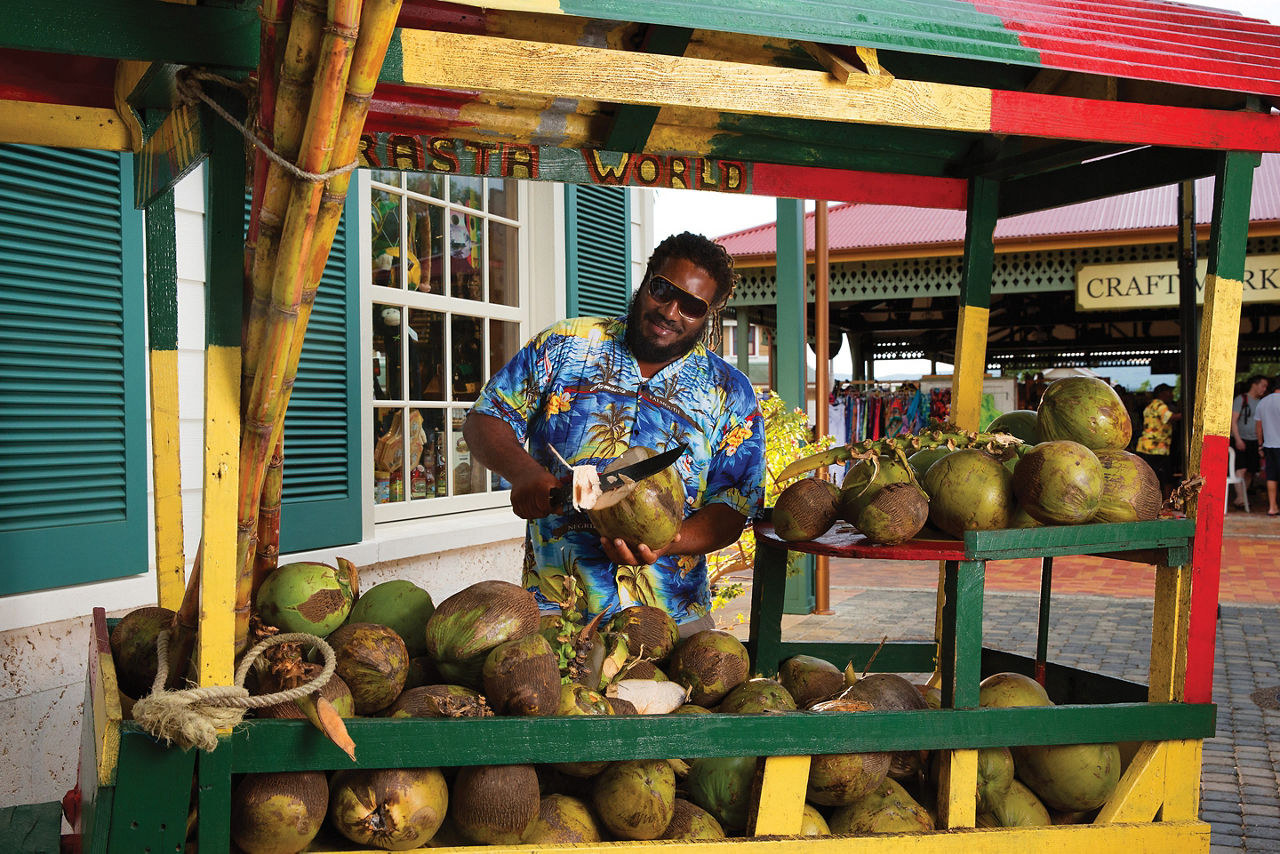
Though English is Jamaica’s official language, Patois, a Creole dialect, is a major part of Jamaican traditions. Pronounced “Patwa,” this tongue is influenced by many languages, including African, Portuguese, Spanish, French and colonial English. I can really hear the influences here as a speaker of most of these languages, and together, they create such a sing-song quality.
It’s not just a way of communicating; it’s also an expression of Jamaican identity and creativity. You’ll hear it in music, comedy, storytelling and everyday conversations. Its rhythm and tone often reflect the musical nature of Jamaican culture itself, making it an essential part of the island’s cultural landscape.
If you don’t speak Patois, don’t let that deter you from interacting with locals who do. You can always ask them to slow down to make it easier to understand. They’ll probably also teach you a few fun phrases! That’s always my biggest tip for those going abroad who either want to learn a language or get an authentic experience: Don’t shy away from engaging with the local dialect. And, if you take a seven-night, week-long cruise to Jamaica, you’ll have plenty of time to practice.
Here are five Patois phrases to get the ball rolling:
- ● Wah gwaan: What’s up, how are you?
- ● Nuff respect: I appreciate it, thank you!
- ● Walk Good: Good-bye, safe travels!
- ● Rhaatid!: Wow! (can also be used to intensify something, like “very”)
- ● Irie: All is well, it’s all good
Customs And Celebrations In Jamaica

Jamaican heritage is all about celebration, and the festivities here are plentiful and lively. I highly recommend planning your cruise around these events, as they make for a festive trip. Some of my favorite trips have revolved around celebrations, and remain some of my most memorable vacations. Celebrations make it feel entirely new, and are therefore an important piece of Jamaican travel and culture.
Among the many well-known Jamaican traditions are Carnival, Emancipation Day and Reggae Sumfest observances. Carnival, perhaps the most famous of these, is held the week after Easter Sunday. Visitors can expect flamboyant displays of traditional dance, glittering costumes and gatherings. Between the date and the practices, I love that this celebration brings to life both the African and European portions of Jamaican history. If you don’t mind crowds and can only pick one holiday in the country, come for Carnival.
Here are the main celebrations in Jamaica:
- ● Carnival: One week after Easter Sunday.
- ● Reggae Sumfest: Mid-July.
- ● Emancipation Day: Aug. 1.
- ● Independence Day: Aug. 6.
- ● National Heroes’ Day: Third Monday in October.
- ● Boxing Day: Dec. 26.
Jamaican Cultural Wear: Style, Identity And Expression
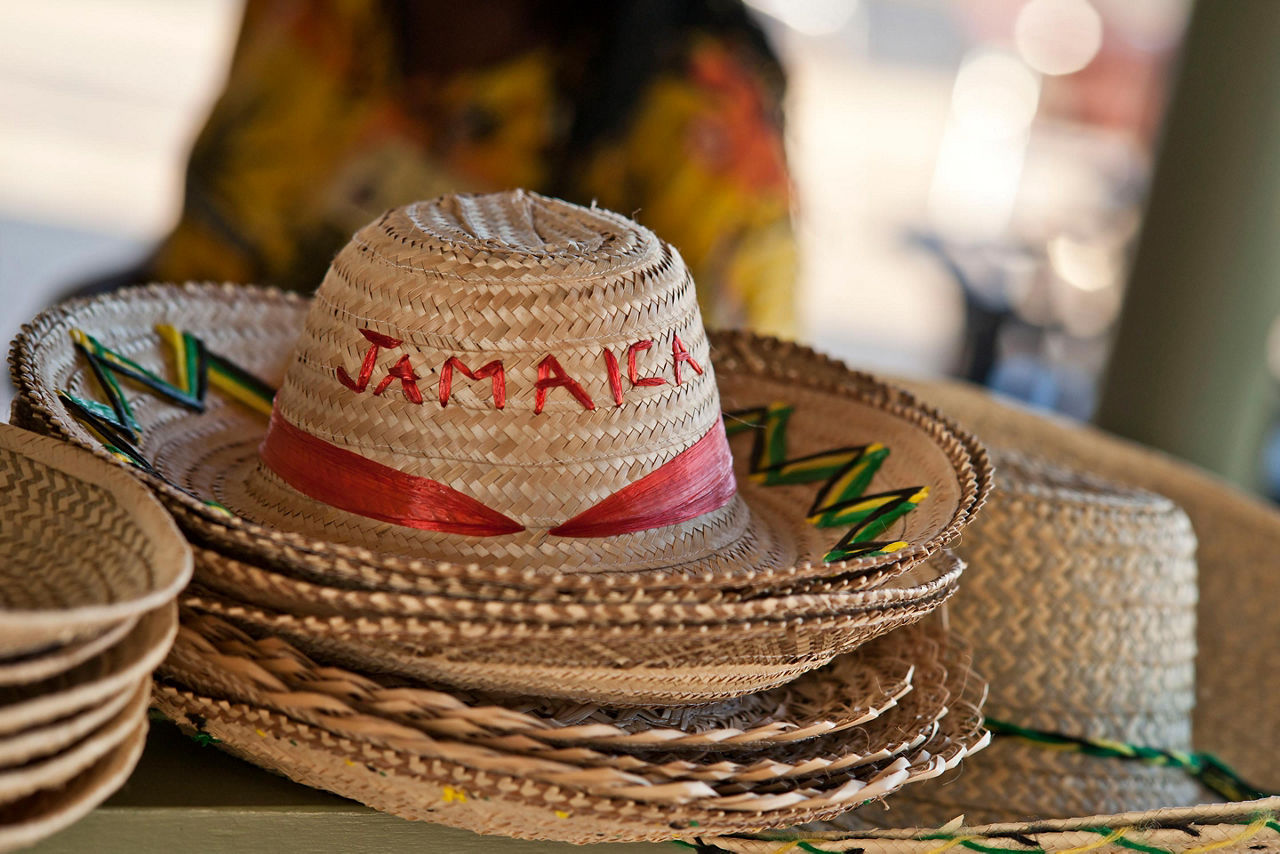
Jamaican cultural wear reflects the island’s rich history, climate and vibrant spirit. Traditional Jamaican clothing is often lightweight and colorful, designed to help people stay cool in the tropical heat, all while showcasing bold patterns and cultural pride.
Women may wear flowing dresses with bright prints, while men often opt for relaxed shirts and linen pants. In more traditional settings, you might see garments influenced by African heritage, including headwraps and handmade textiles.
Culture Cruise: Experience Jamaican Culture While At Sea
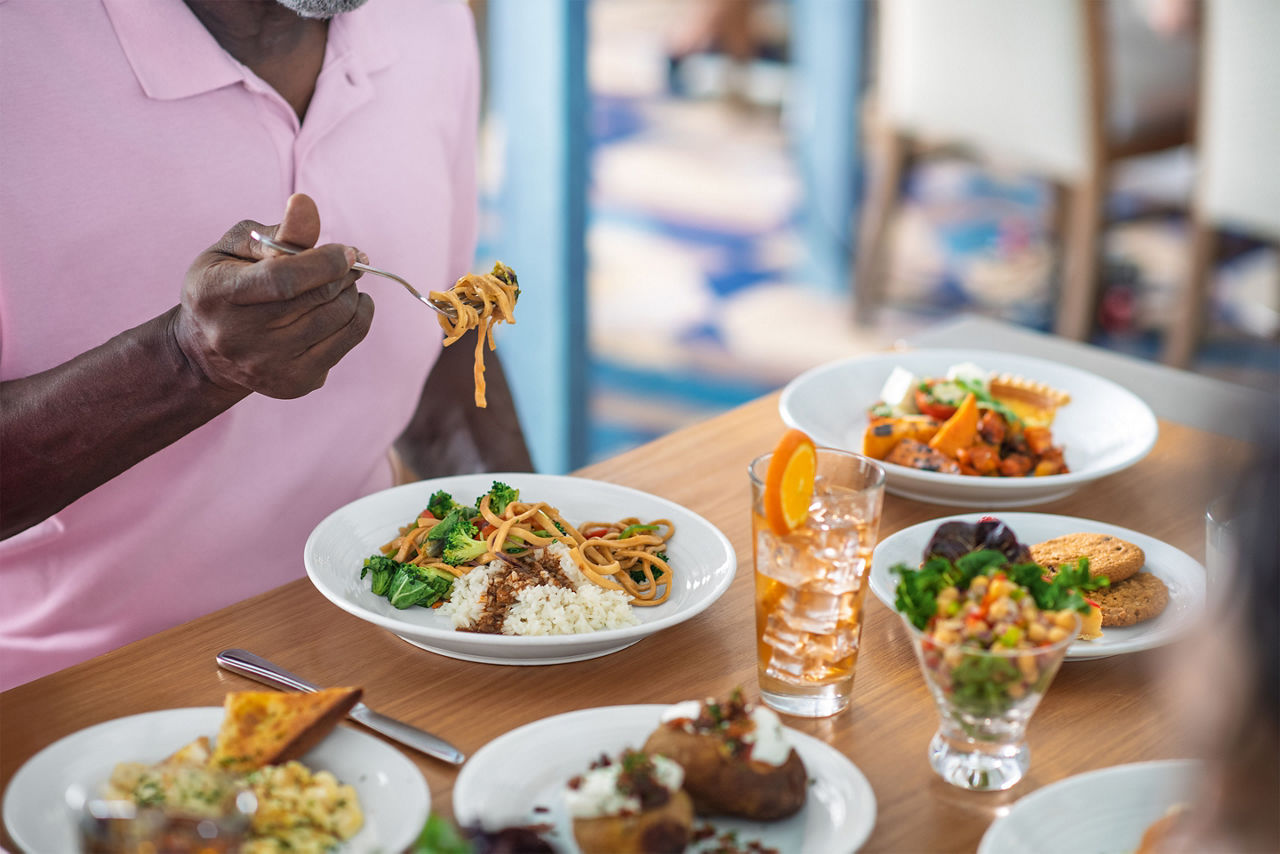
I grew up on the sea and led whale watching cruise tours as an adult, so I know just how valuable ocean-based tourism is. It allows travelers to get up close to communities and wildlife that would otherwise be hard to access (plus, you can’t beat the views). And there are so many ways to experience Jamaican culture on a cruise. For instance, you can download some reggae tunes before you go so you can listen to traditional music while at sea. Or try your hand at a few Patois phrases with the Windjammer staff before feasting on the buffet’s Jamaican beef patties and freshly stewed oxtail.
Otherwise, whether you’re planning your first cruise or your hundredth, here are five ways for you to experience Jamaican culture and traditions when you get there:
- ● Shop for local, artisan goods.
- ● Try authentic Jamaican food.
- ● Enjoy reggae on the beach or at a club.
- ● Use Patois greetings.
- ● Visit a local museum or historic site that provides education on Jamaican heritage.