Disability Cruises: A Guide to Royal Caribbean Disability Services
What To Know About Accessible Cruises
By Zachary Laks | Published: June 3, 2025 | Updated: February 16, 2026
Few joys can match the thrill of travel. You're off on an adventure to somewhere new, experiencing the world's wonders firsthand. Whether delighting in the best pizza you've ever had, marveling at ancient historical landmarks or connecting with new friends, travel experiences make the best memories.
For those traveling with disabilities, each trip comes with a unique set of considerations. Many aspects must be planned and coordinated to ensure a smooth and enjoyable journey, whether navigating air travel, transfers, cruise options or accommodations.
Key Takeaways: Royal Caribbean Disability Services
- ● Cruises are one of the most accessible ways to see the world, with a suite of options available on board.
- ● Royal Caribbean disability services include mobility assistance, sensory assistance, cognitive assistance and other helpful services.
- ● Planning ahead is always best when preparing for a cruise, both in terms of requesting accessible services from Royal Caribbean and checking with airlines, accommodations and other providers.
- ● Inspecting the full suite of accessibility options can set your mind at ease before deciding to book a vacation.
Here's a list of six tips for travelers with disabilities and their companions, covering everything from planning and booking your travel to arranging on-the-ground transportation and accommodations.
1. Confirm Accessibility Before You Book
Before booking your trip and heading out on your adventure, it's crucial to confirm the accessibility features for all your travel arrangements. If your trip involves a flight, for example, contact the airline ahead of time to discuss special accommodations you might need, such as wheelchair assistance and specific seating arrangements you might need to make space for any medical equipment you need to bring.
If you're staying in a hotel on your trip, verify that your accommodations offer disability-friendly features like ramps, elevators, accessible bathrooms and sufficient space for mobility devices. This information won't necessarily be listed online, especially when traveling internationally. You'll also want to ensure that transfers to and from your destination (think taxis, shuttles or rental cars) are equipped to handle your specific needs. There are services available that offer specialized vehicles along with popular ride-hailing apps that provide you the option to order specific wheelchair-accessible vehicles.
2. Explore Mobility, Cognitive and Sensory Assistance on Accessible Cruises
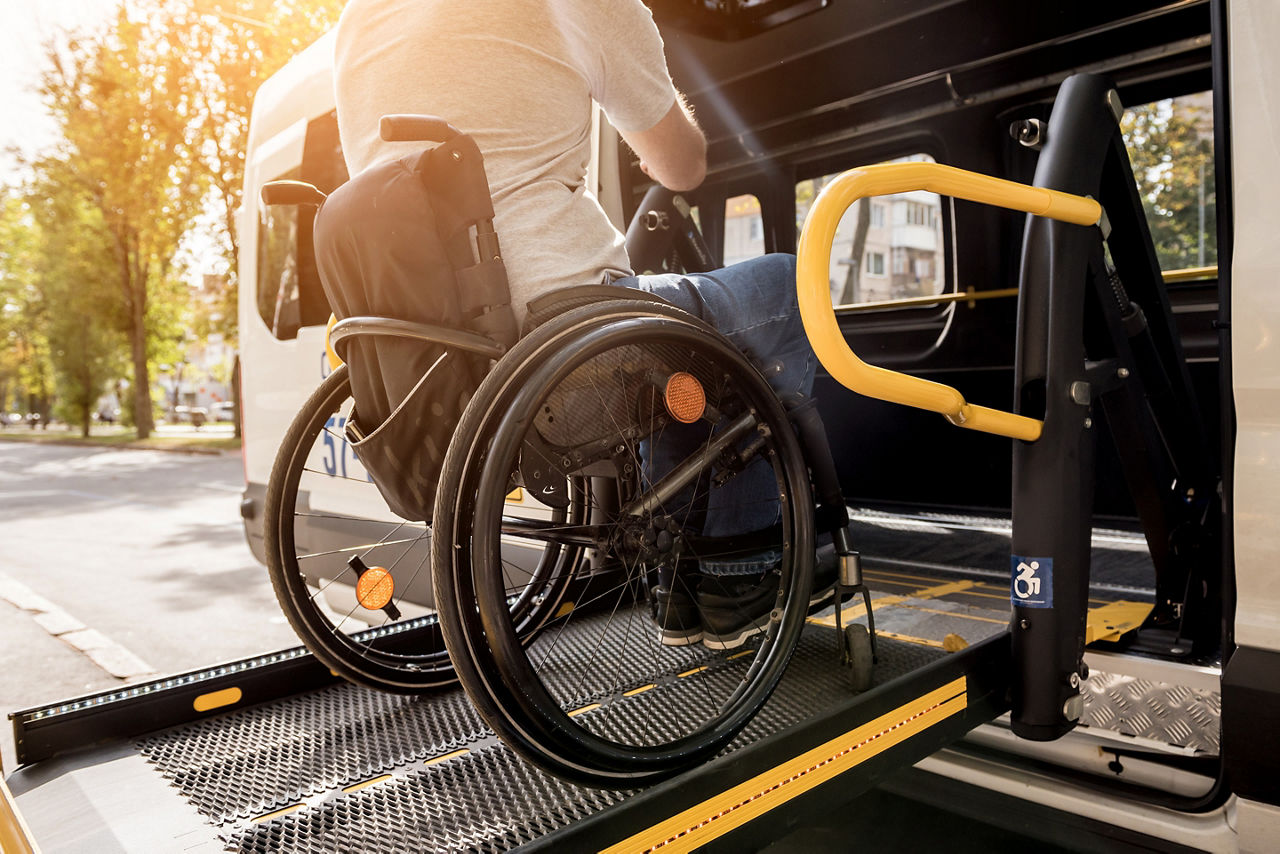
The benefits of cruising go far beyond fun, food and entertainment — especially if you're traveling with disabilities. Cruises are among the most convenient and accessible ways to travel, and the ships come with a variety of accommodations to make vacations on board as comfortable as possible. When sailing with Royal Caribbean, you can take comfort in knowing there's an expert team committed to ensuring your needs and preferences are accommodated for the entirety of your itinerary.
Customizing accommodations to meet these needs in advance is easy. You simply need to fill out a Royal Caribbean Special Needs Form. Requesting these services is simplest if you do so when you book your cruise. Advance notice of 60 days is standard if you require sign language interpreting, 30 days for other special equipment or services.
Mobility Assistance
Royal Caribbean offers many services for accessible cruises, including early boarding, boarding and departure assistance, cruise transfers utilizing a specialized bus or van with a lift or ramp, lifts for one pool and one whirlpool on each ship in the fleet, accessible blackjack tables in Casino Royale, an accessible guest relations desk and accessible seating in entertainment venues.
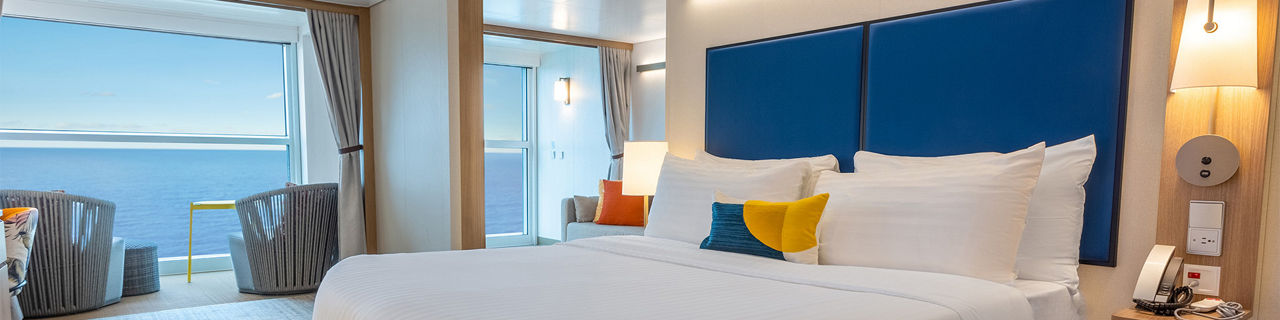
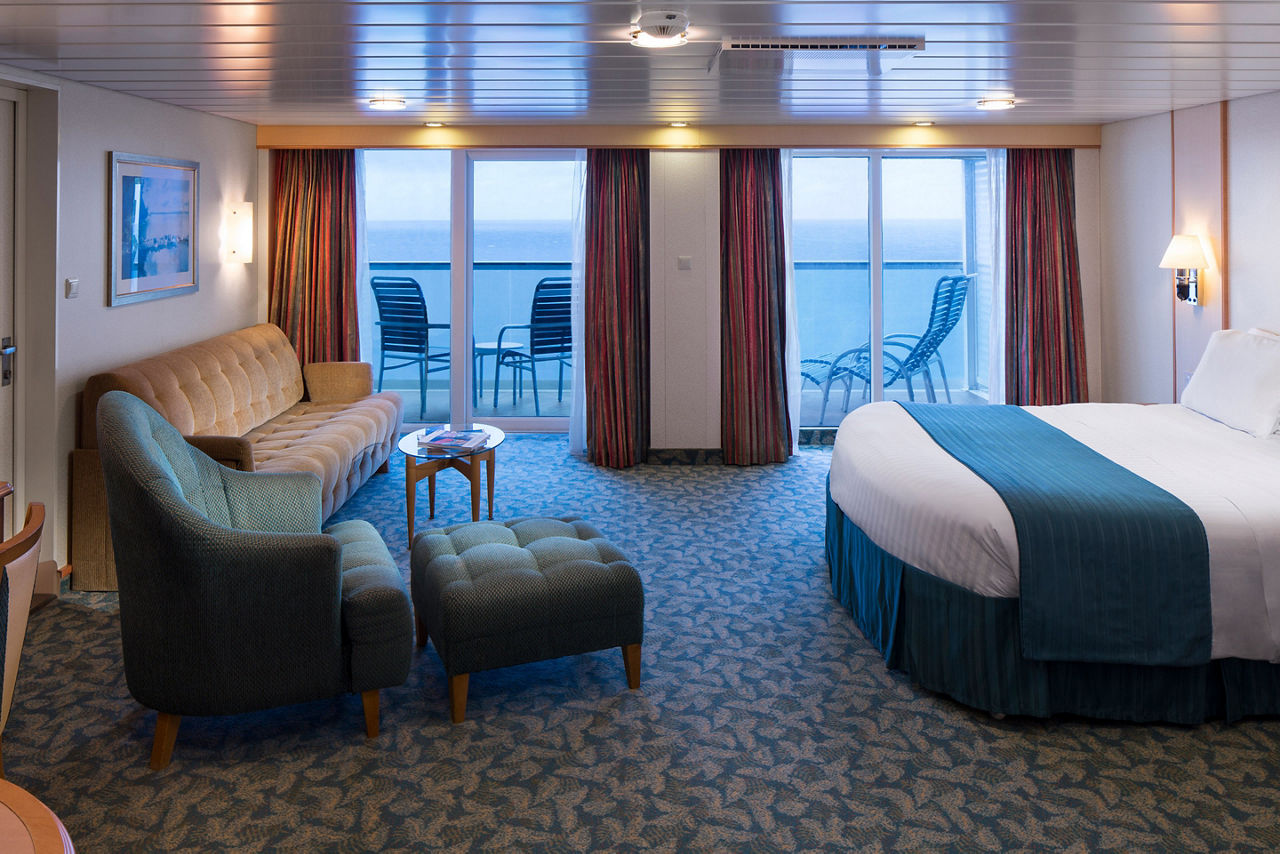
All ships in the Royal Caribbean fleet feature accessible staterooms, which ensure easy maneuverability and comfort for you while you're at sea. The fleet has been built and renovated to offer wheelchair accessible cruises, and the ships are equipped with ramps, elevators and restaurants with accessible seating. All ships have spacious corridors to accommodate 180-degree turns for wheelchairs, and most decks are accessible through elevators and automatic doors. Plus, all public rooms feature entrances with gradual inclines.
Mobility scooters and other assistive devices are permitted onboard, as long as they are stored and recharged in guests' staterooms to keep corridors clear. Devices should be able to fit through a 23-inch door for use in standard staterooms. Accessible staterooms have 32-inch doors to accommodate larger mobility devices. For devices wider than 32 inches, contact the Access Department to make arrangements.
Sensory Assistance
There are a variety of services designed to make the cruise experience pleasant and smooth for guests with visual or hearing disabilities. Some of these are technological in nature, while others involve service from expert crew members.
If you're deaf or hard of hearing, useful accommodations include visual-tactile room kits available on request that alert you to knocks on the door, as well as ringing phones, alarm clocks and smoke detectors. TTY machines, also available by request, allow you to reach the Guest Relations Desk by typing.
Sign language interpreters are available for all passengers who request one at least 60 days before sailing, and select crew members on each ship are trained as qualified readers to read written material such as the daily Cruise Compass and shore excursion information.
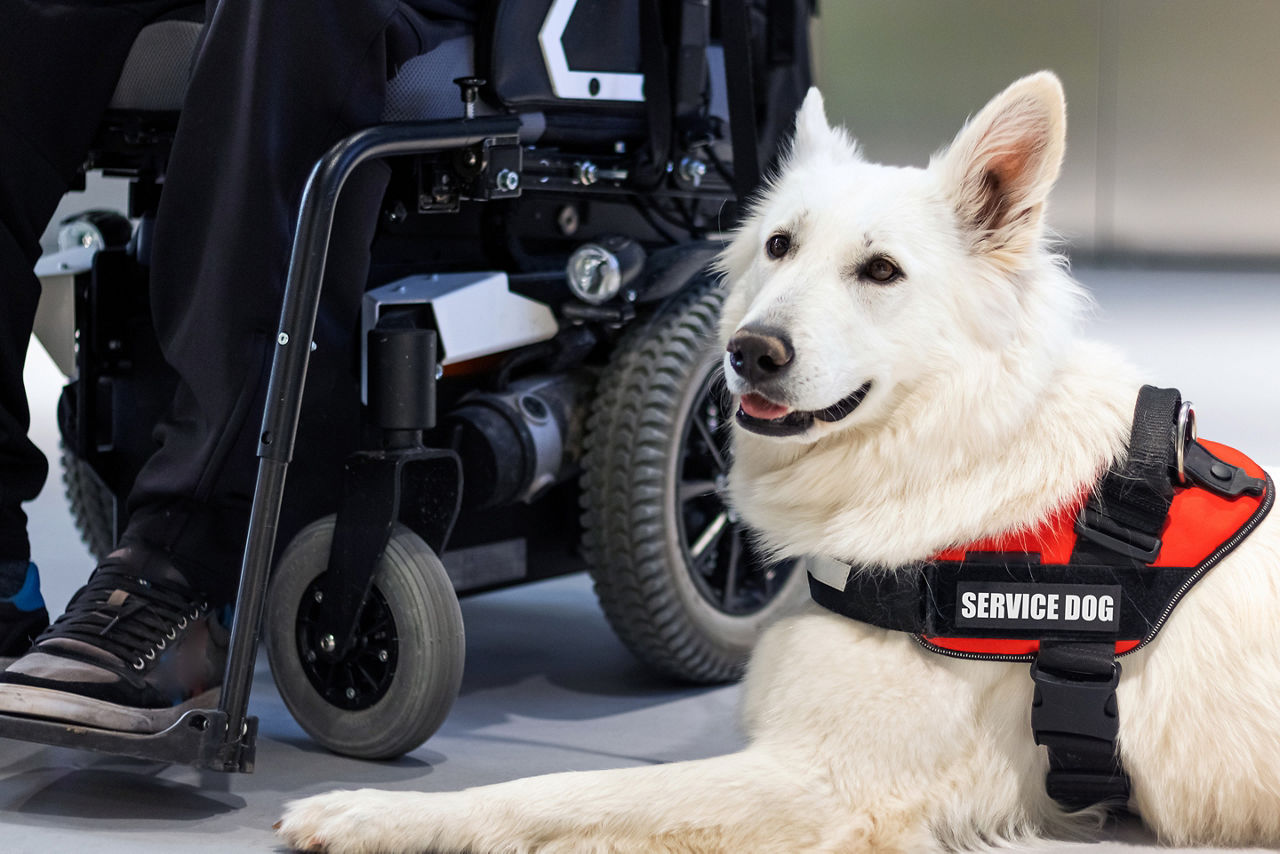
Royal Caribbean ships also accommodate guests who are blind or have low vision. Public areas and elevators onboard are equipped with Braille signage and buttons. There are also Qualified Readers available to provide information, as well as large-print menus and Cruise Compasses. Service animals are welcome on board, and orientation tours are available to familiarize guests with the ship layout.
Cognitive Assistance
Services and accommodations are available onboard to meet the needs of guests who have cognitive, intellectual or developmental disabilities. This encompasses autism, cerebral palsy, Down syndrome and Alzheimer's disease, among others.
To make sure guests are comfortable and receive an experience that suits their needs, those who require aid can request early boarding, boarding and departure assistance, early disembarkation and special dietary needs. The Access Department is in charge of offering these services and ensuring everyone has an ideal experience on board.
3. Stay Flexible and Prepare for Contingencies

Flexibility is an essential element of travel these days. Things can go awry, plans can shift and weather is always a factor. Having a backup plan is necessary when traveling with disabilities. If you're planning air travel, for example, consider booking a fare that allows for no-fee schedule changes. Allow extra time for transfers and any unexpected delays, including additional time for security screening and boarding the plane.
You'll also want to carry a list of local emergency contacts and medical facilities at your destination, including hospitals, pharmacies and local disability support services in case you need medical attention during your vacation. Also, consider adding comprehensive travel insurance covering medical needs and travel disruptions. Travel insurance can range from 4%-16% of your trip cost, though it's priceless when needed.
4. Plan Around Medical and Health Considerations
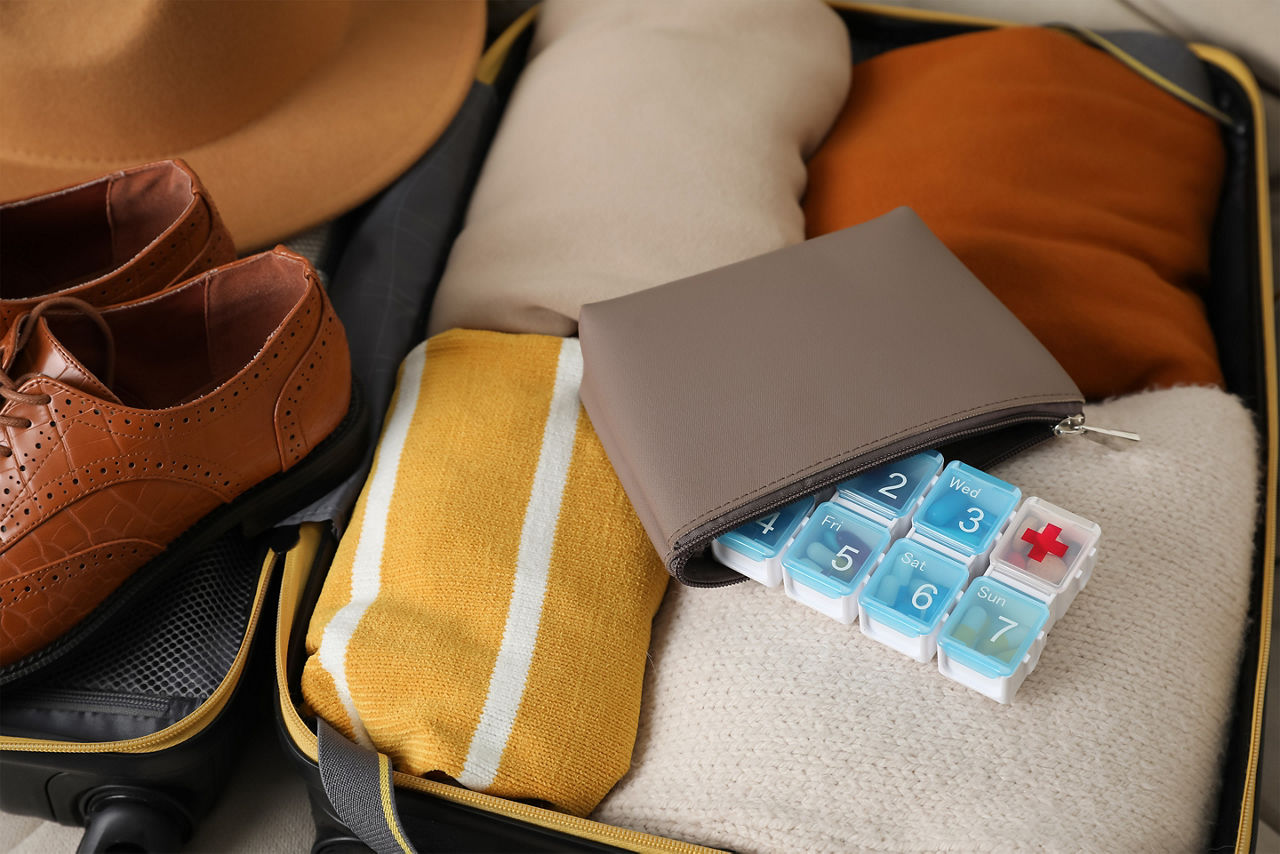
While you're on vacation, you'll be away from the comfort and familiarity of your home, so planning a few steps ahead can go a long way. When managing medical and health needs while traveling, always ensure you bring enough medication for the duration of your trip — plus a few days. That way, if you experience any unexpected delays with your travel plans, you won't be without your medication during your trip.
If you're flying, bring all your medications in your carry-on bags, carry a copy of your prescriptions and keep medicines in their original packaging. If you use medical equipment at home (e.g., CPAP machines and oxygen), talk with your medical provider about portable medical machines. Review the FAA medical travel requirements to ensure you comply with all guidelines, and check with the airline to arrange special accommodations. Carry a summary of your medical history and a list of any allergies or conditions you have, just in case of an emergency.
5. Communicate Your Needs Clearly
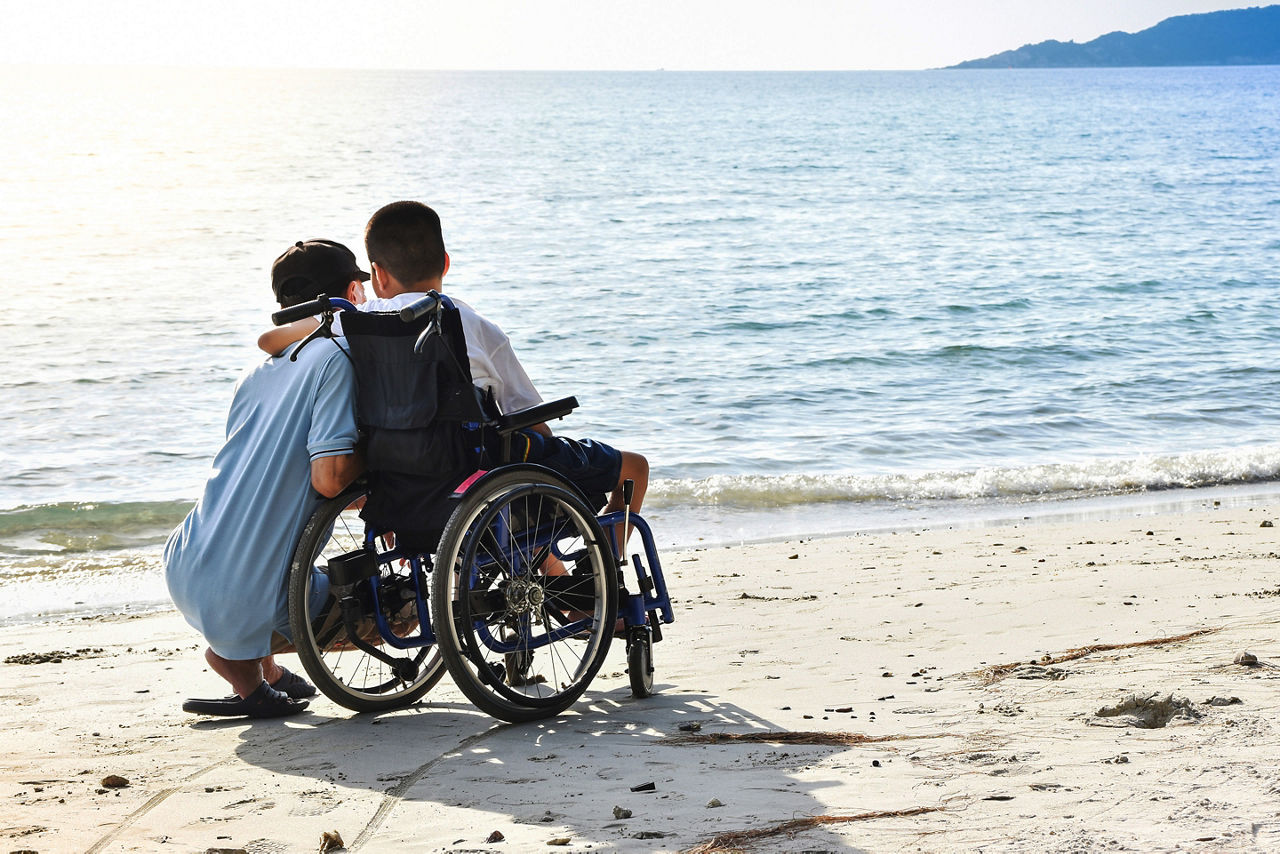
Your vacation should be as relaxing as possible, so don't be afraid to communicate exactly what you need to ensure you have what you need on your getaway. If your vacation takes you to a new country, you'll be out of your comfort zone, so effective communication is crucial for a smooth travel experience. Plan to communicate your needs with airlines, hotels, the cruise line and other service providers when booking.
The Royal Caribbean Access Department helps with planning your getaway to ensure everything is smooth sailing. Be sure to follow up as your travel date approaches, reconfirming arrangements. If you're traveling with a companion, ensure that you've communicated the itinerary to them, and that they know your needs and preferences. That way, everyone is on the same page before you embark on an unforgettable vacation.
6. Utilize Technology And Apps

Technology has dramatically enhanced the experience of people traveling with disabilities, opening the world with resources and support. Navigation apps have been designed to assist travelers with exploring the world and locating accessible restrooms and route planners. Ride-hailing apps like Uber and Lyft add convenience to your travels with options for accessible vehicle specifications. There are also communication apps for those with hearing or speech impairments that help bridge the gaps in effectively interacting with others.
The smartphone has unleashed a world of accessibility information that's available on the go, further empowering those with disabilities to travel. While advance planning is your best bet, the ability to stay connected while traveling is valuable and worthwhile.