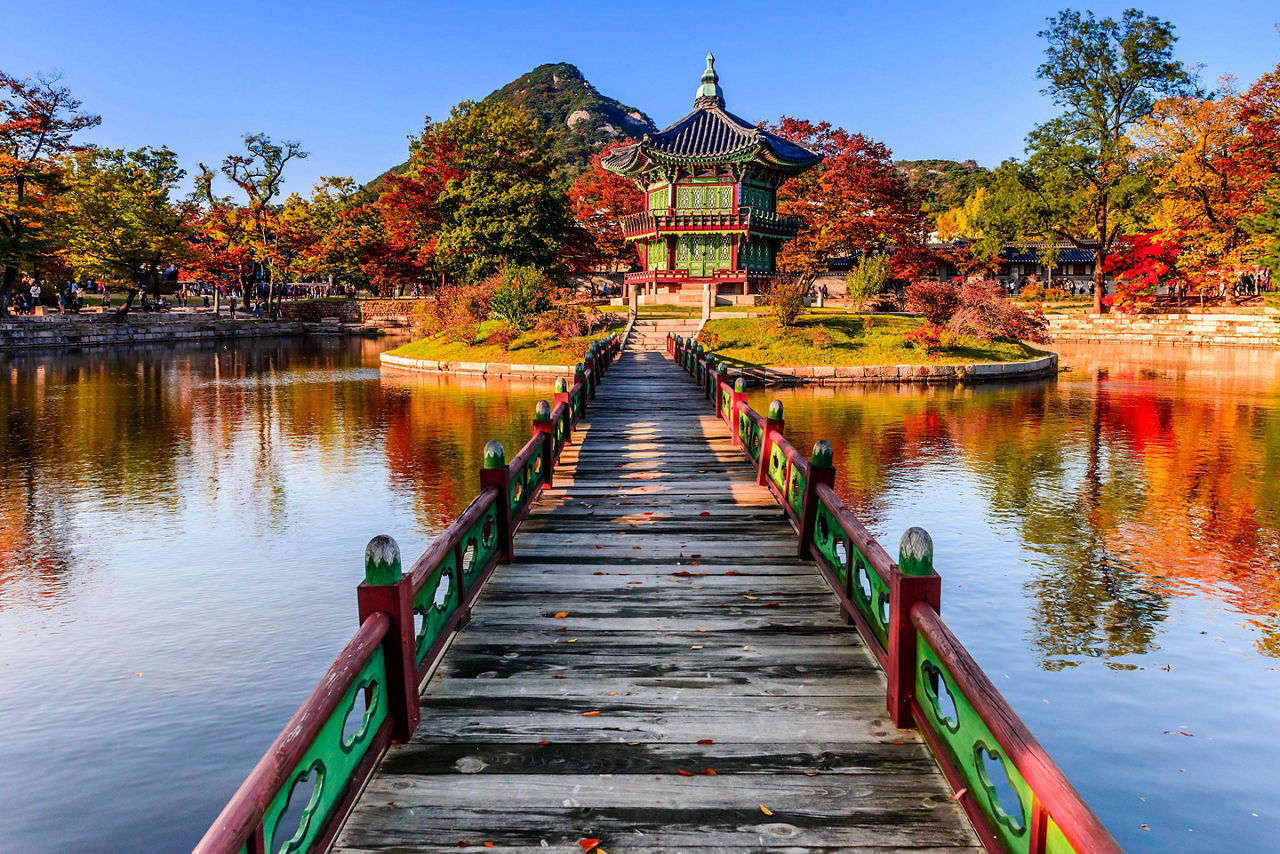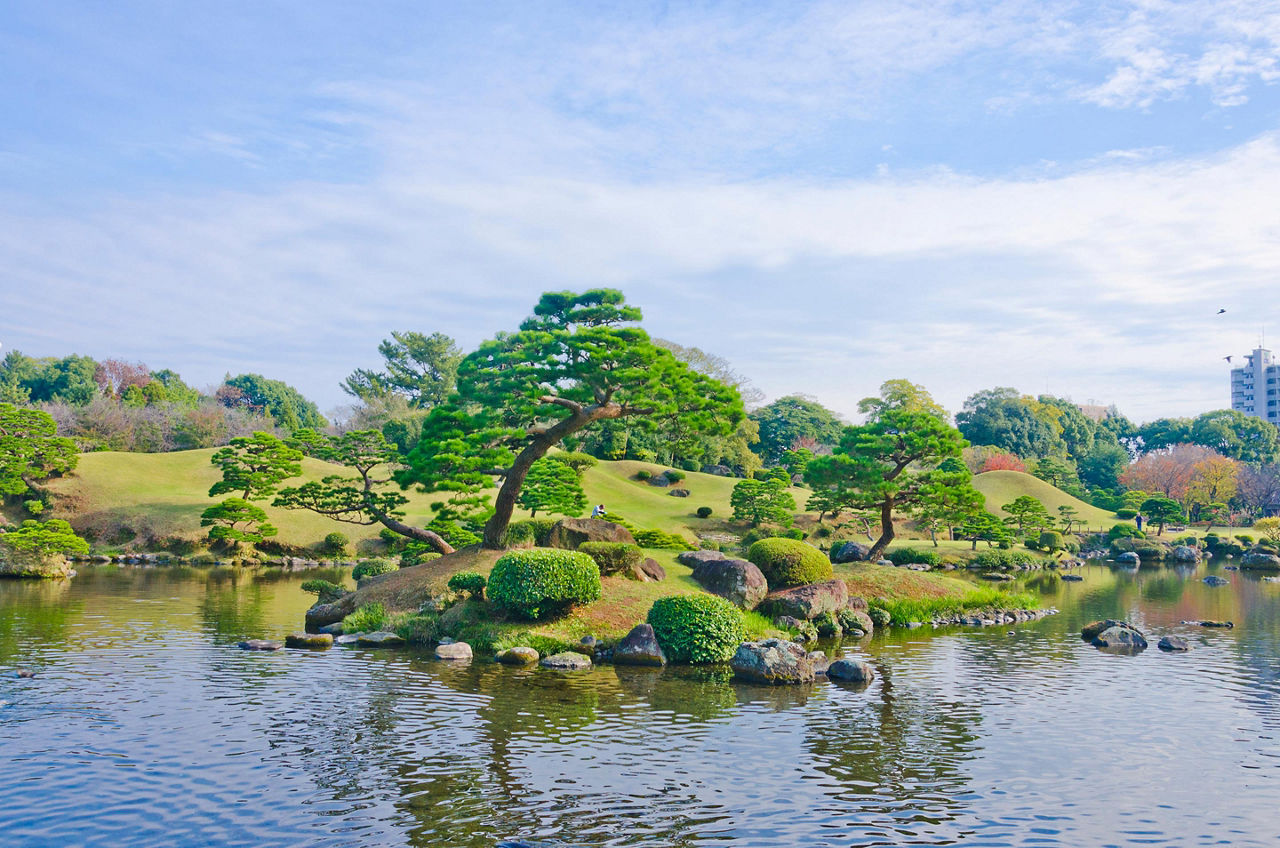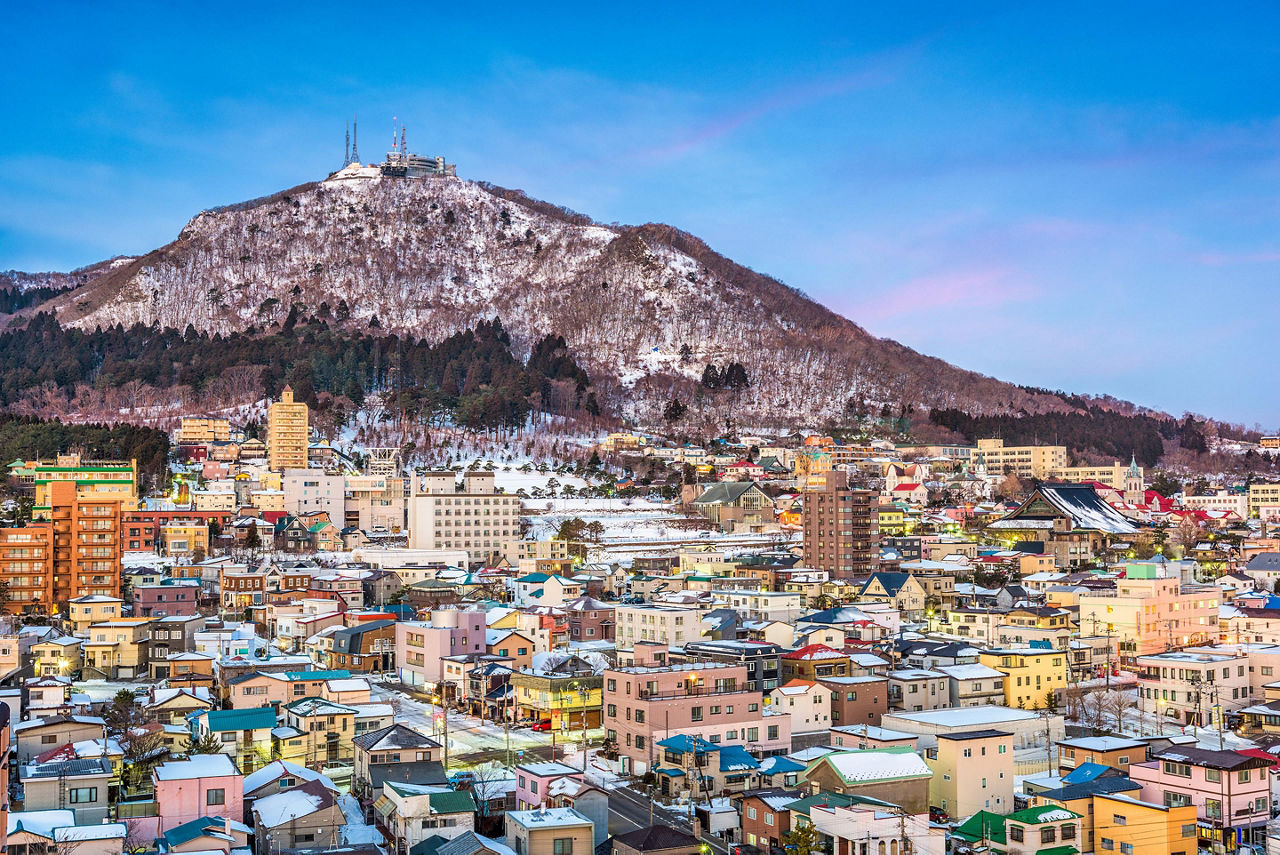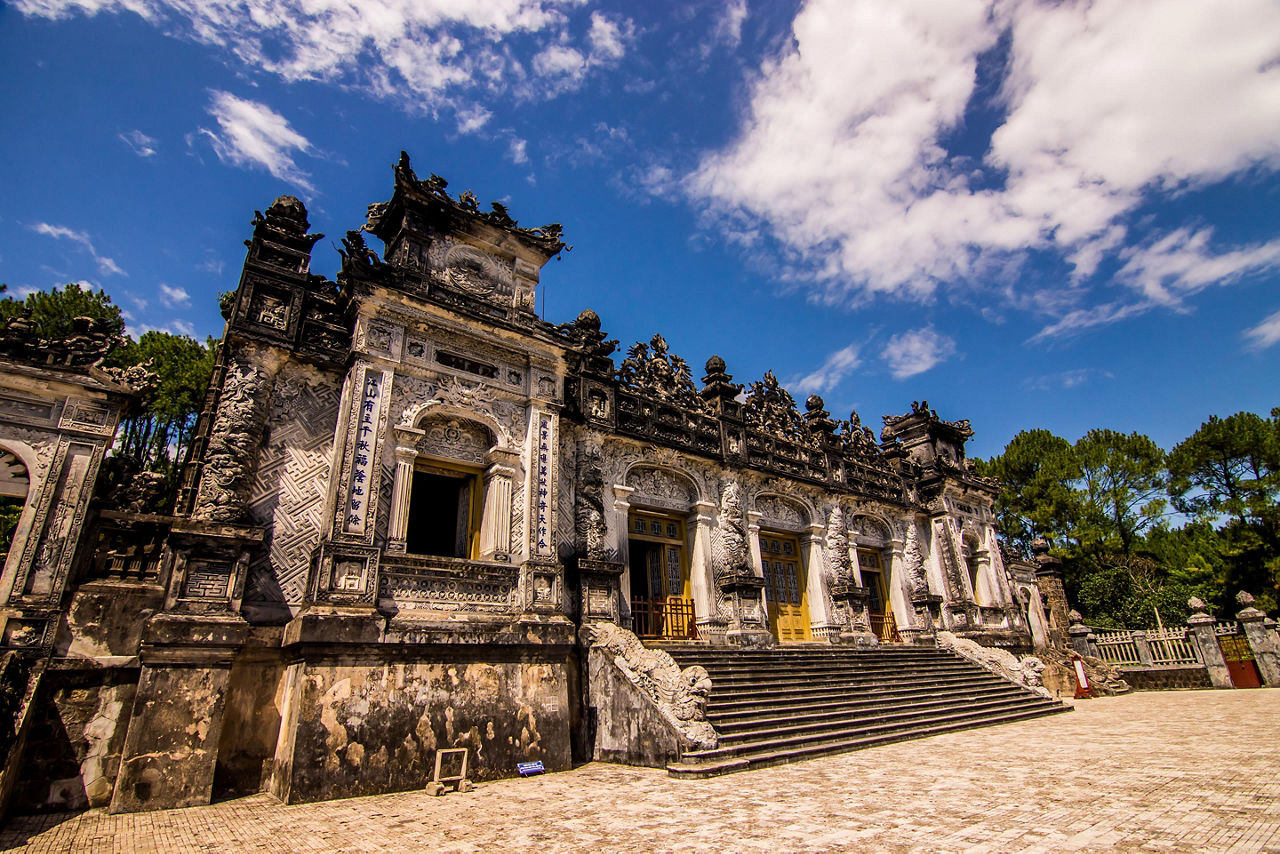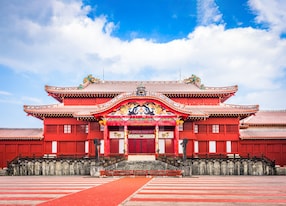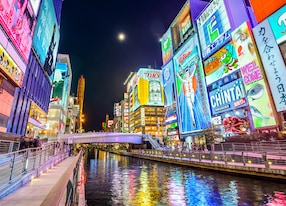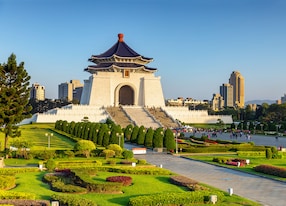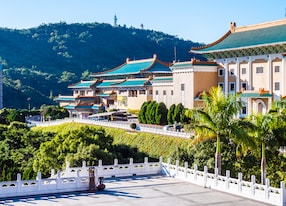
Some of the most famous landmarks in Asia include the Great Wall of China, Japan’s Mount Fuji, the Taj Mahal in India and Cambodia’s Angkor Wat. Bangkok’s Grand Palace, Singapore’s Supertrees and the Petronas Twin Towers in Kuala Lumpur reveal another side of the continent through royal architecture and modern design.
Here are 20 landmarks focusing on East and Southeast Asia’s cruise destinations, with a few inland highlights worth adding to a longer journey. Use the visiting tips and country guides below to choose the sights that fit your vacation.
Famous Landmarks in East Asia
East Asia brings imperial palaces, sacred mountains and waterfront skylines into the same travel wish list. City landmarks often fit into a day ashore, while Beijing and Kyoto reward more time for the journey inland.
1. The Great Wall of China
The Great Wall is a network of fortifications built and rebuilt across northern China over many centuries. Near Beijing, restored sections follow mountain ridges, with watchtowers marking the route as it rises and falls. Walking even a short stretch reveals steep stairways and views far beyond the walls themselves.
- Visiting Tip: An extended Beijing stay before or after a Tianjin sailing gives you time for the wall and other famous landmarks in China.
2. The Forbidden City
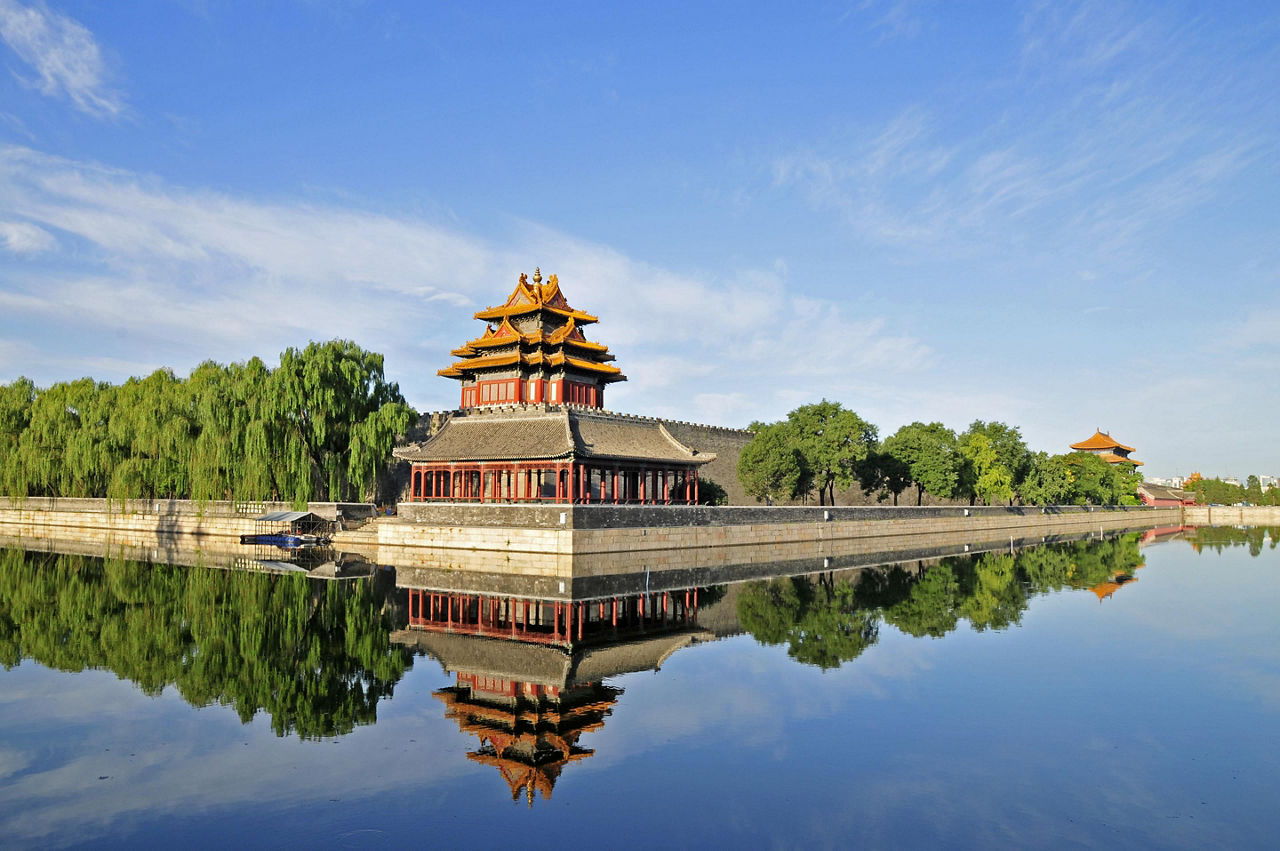
The Forbidden City is Beijing’s vast former imperial palace, where Chinese emperors ruled during the Ming and Qing dynasties. Red walls, golden roof tiles and ceremonial courtyards create a sense of scale as you pass from one gateway to the next. Smaller spaces reveal a more intimate side of palace life beyond the grand halls.
- Visiting Tip: Give the palace a substantial part of a Beijing day. A guide can help you understand the buildings’ different roles, and a longer city stay leaves room for both the palace and a separate Great Wall outing.
3. The Bund
The Bund is Shanghai’s historic waterfront along the Huangpu River, lined with imposing buildings that reflect the city’s past as an international trading center. Across the water, Pudong’s modern towers create a striking contrast. A walk along the promenade brings both sides of Shanghai’s skyline into view without needing to enter an observation deck.
- Visiting Tip: Include the Bund during a Shanghai stay or city excursion. Allow time for the transfer from your cruise terminal and leave ample time to enjoy the riverfront.
4. Victoria Peak
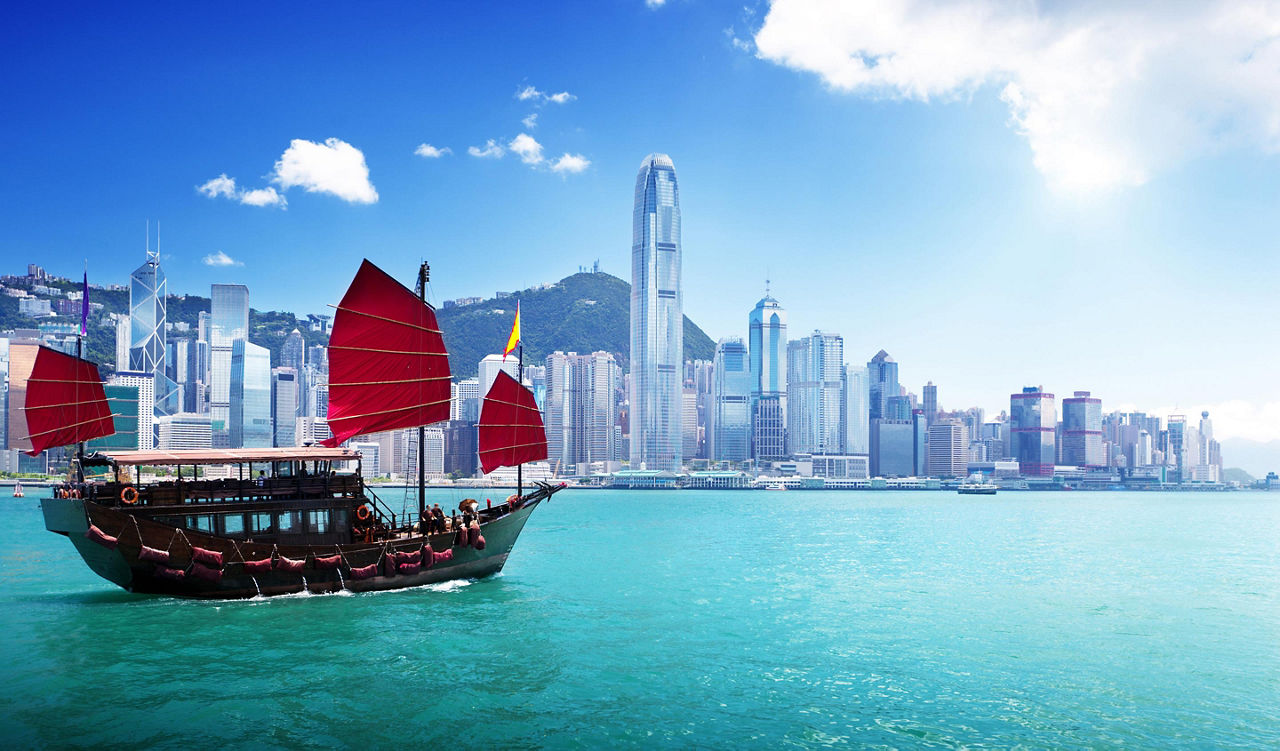
Victoria Peak is Hong Kong Island’s best-known lookout area, offering views across dense rows of towers to Victoria Harbour and Kowloon. The setting shows how closely the city’s hills, buildings and waterways sit together. The Peak Tram adds another perspective as it climbs away from the streets below.
- Visiting Tip: Choose a clear part of the day for the widest views. Allow time for the journey uphill and a walk around the lookout area, especially if you’re combining the Peak with waterfront sightseeing.
5. Mount Fuji
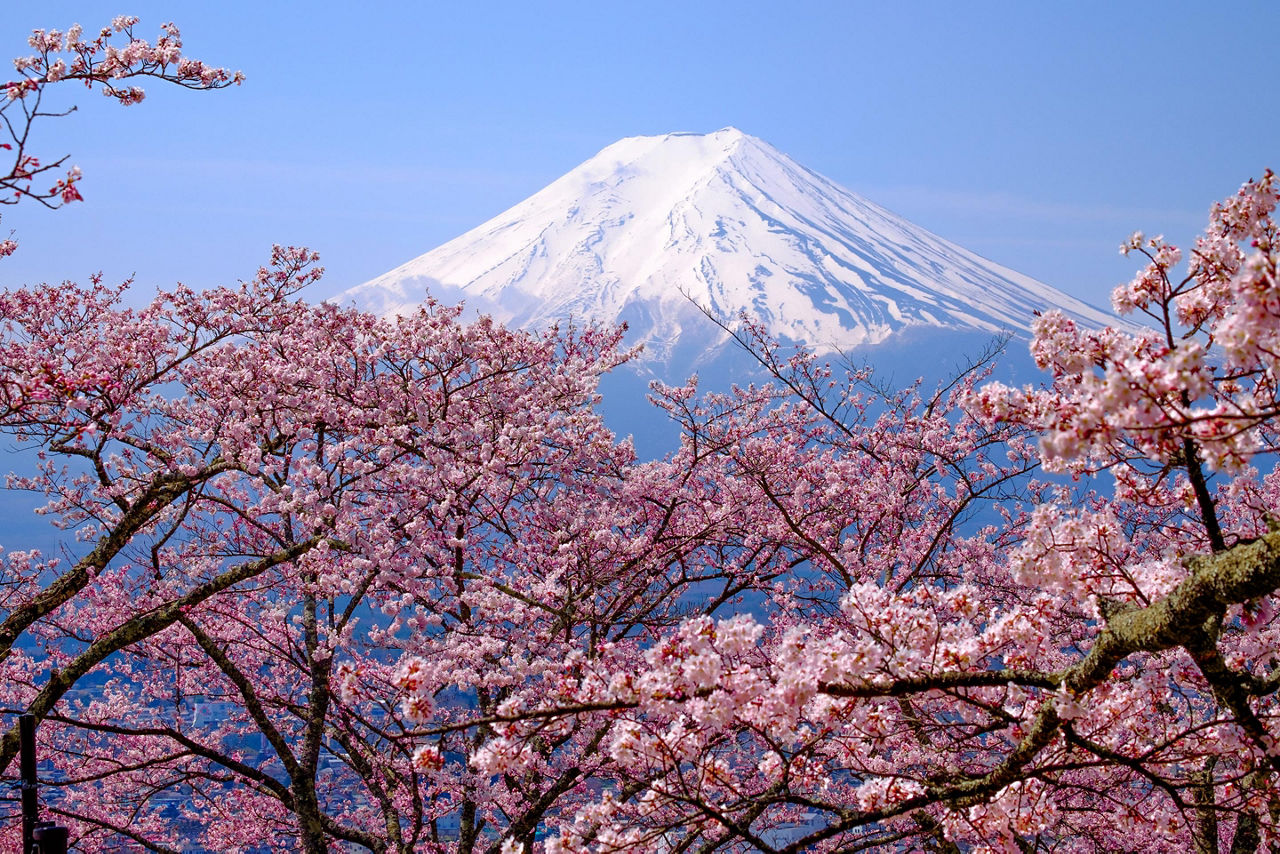
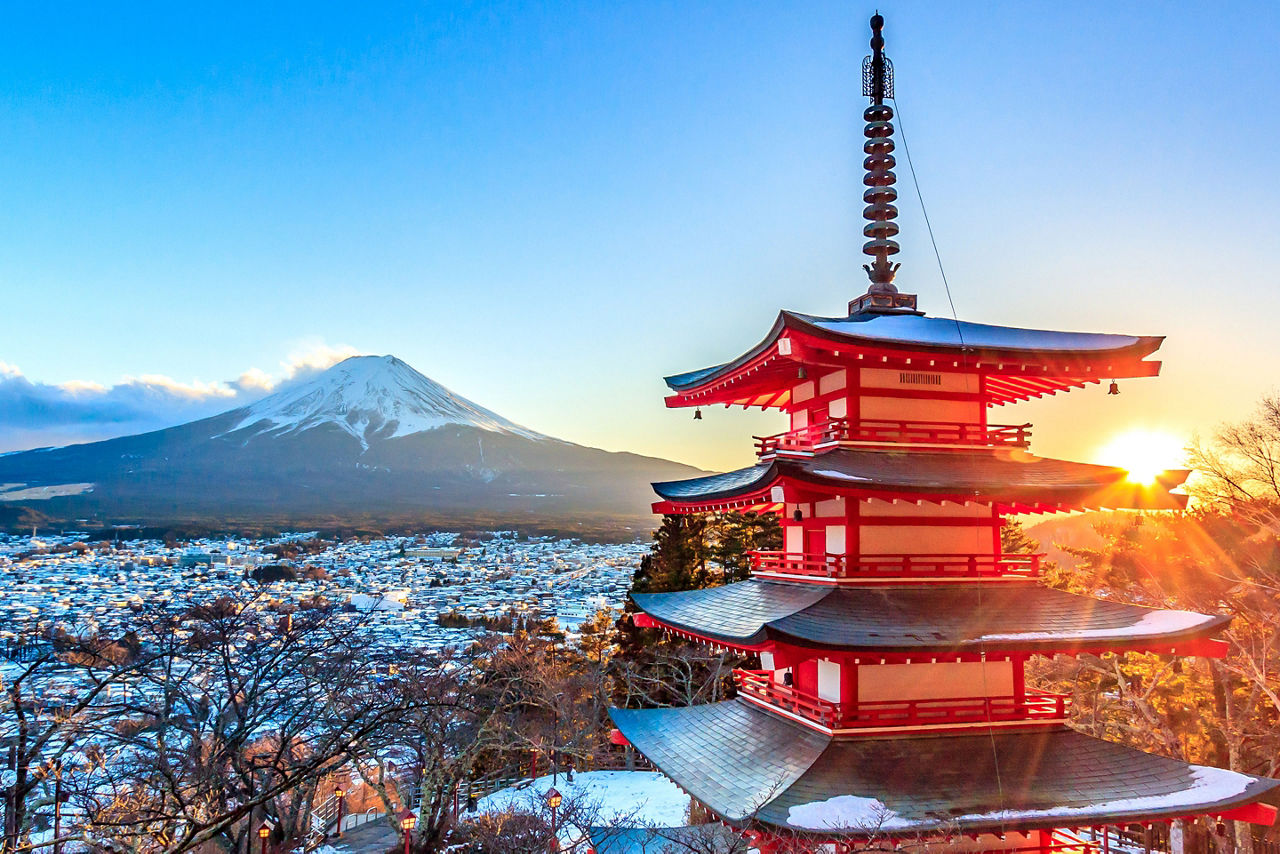
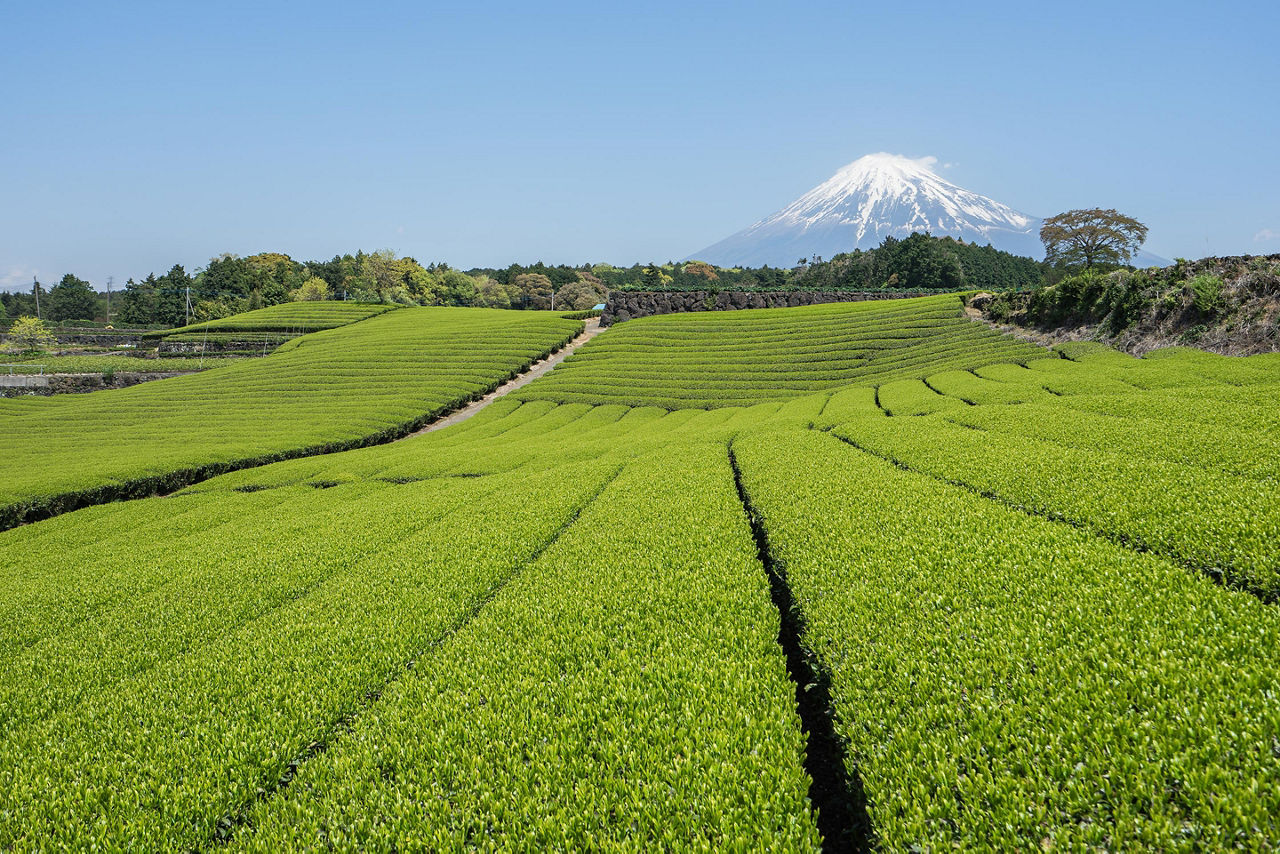
Mount Fuji is Japan’s highest mountain, an active volcano and a sacred cultural landmark. Its nearly symmetrical cone has appeared in art for centuries, but the setting changes with your viewpoint: Pine-lined shores, tea-growing hills and nearby communities all offer different perspectives. Clear weather makes the difference between a mountain view and a peak hidden behind clouds.
- Visiting Tip: Shimizu is a gateway for scenic outings around the mountain. Our Japan landmarks guide offers more ideas for combining natural scenery with temples, castles and city sights.
6. Fushimi Inari Taisha
Fushimi Inari Taisha is a Shinto shrine in Kyoto known for the closely spaced vermilion torii gates lining its mountain paths. Dedicated to Inari and associated with harvests and business prosperity, the shrine also features fox statues representing divine messengers. Walking beneath the gates reveals changing patterns of light, shade and bright-painted wood.
- Visiting Tip: Kyoto requires inland travel from Osaka or Kobe. You can explore the lower shrine paths without completing the mountain route, making it easier to balance the visit with other Kyoto sights.
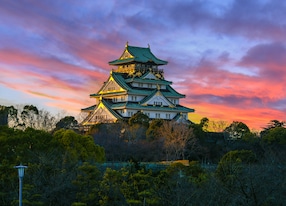
7. Osaka Castle
Osaka Castle is a landmark associated with Toyotomi Hideyoshi, who began building the original castle in the 16th century. The present main tower is a reconstruction, rising above enormous stone defenses and moats. Its layered roofs and surrounding park make it an appealing stop for both history and a walk through the city’s green space.
- Visiting Tip: An Osaka-focused day leaves more time for the castle than an itinerary that also travels to Kyoto. Decide whether you want to enter the museum or spend your visit exploring the grounds and exterior views.
8. Sensō-ji
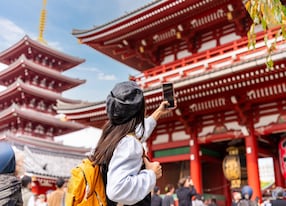
Sensō-ji is a Buddhist temple in Tokyo’s Asakusa district, approached through the Kaminarimon gate and its enormous red lantern. Nakamise shopping street leads toward the temple, with stalls selling snacks and souvenirs along the way. The main hall, incense burner and five-story pagoda bring worship and neighborhood life into the same lively setting.
- Visiting Tip: Make Asakusa part of a Tokyo stay before or after sailing from Yokohama. Leave time for the streets around the temple, as well as the main approach, where shops and small restaurants extend the visit.
Famous Landmarks in Southeast Asia
Southeast Asia’s landmarks include riverside temples, modern towers and natural landscapes best explored from the water. Check the port behind each city name: Bangkok and Kuala Lumpur involve inland transfers, while Vietnam’s major sightseeing areas are spread along a long coastline.
9. The Merlion
The Merlion is Singapore’s waterfront statue with the head of a lion and the body of a fish. Its design connects the city’s lion symbolism with its origins as a fishing settlement. Spouting water toward Marina Bay, the statue has become a familiar meeting point between Singapore’s history and its modern skyline.
- Visiting Tip: Pair Merlion Park with a walk beside Marina Bay during a Singapore stay. It works well as a short stop within a wider waterfront outing, leaving time for nearby neighborhoods and a meal.
10. Gardens by the Bay’s Supertrees
The Supertrees are towering vertical-garden structures at Singapore’s Gardens by the Bay. Plants climb their trunks beneath branching canopies, creating a distinctive blend of landscape design and architecture. From below, their scale is immediately apparent; the elevated OCBC Skyway offers another perspective between selected trees.
- Visiting Tip: Choose which parts of the gardens you want to explore before arriving. A walk through the outdoor grounds, a conservatory visit and the elevated walkway are all different experiences.
11. The Petronas Twin Towers
The Petronas Twin Towers are Kuala Lumpur’s paired 88-story skyscrapers, joined by a skybridge high above the city. Their steel-and-glass façades use geometric patterns inspired by Islamic design. The towers’ matching forms make them easy to recognize from a distance, while the surrounding park provides space to appreciate their height from below.
- Visiting Tip: Allow a full-day city outing from Port Klang. Explore our Malaysia landmarks guide to choose nearby sights, and select a tour with tower admission if you want to go inside.
12. Batu Caves
Batu Caves is a Hindu religious site within limestone caves just north of Kuala Lumpur. A large, golden statue of Lord Murugan stands beside a brightly painted staircase leading to the main temple cave. Above the 272 steps, the cavern opens around shrines beneath a high, natural ceiling.
- Visiting Tip: Plan for a substantial stair climb if you want to enter the main cave. The caves are outside central Kuala Lumpur, so account for the additional drive when combining them with city sightseeing from Port Klang.
13. Kek Lok Si Temple
Kek Lok Si is a Buddhist temple complex on a hillside in Air Itam on Malaysia’s Penang island. Prayer halls, terraces and a prominent pagoda create a layered setting above the surrounding neighborhoods. Its buildings and devotional spaces make it a different experience from George Town’s streets and waterfront heritage.
- Visiting Tip: Set aside time for the journey inland from Penang’s cruise waterfront. Pair the temple with a focused George Town walk rather than filling the day with stops across the island.
14. The Grand Palace
The Grand Palace is Bangkok’s royal complex, established in 1782, and filled with ceremonial halls, decorated roofs and ornate courtyards. Within its grounds, Wat Phra Kaew houses the revered Emerald Buddha. Painted murals and intricate architectural details reward a slower walk through a site that can feel overwhelming at first glance.
- Visiting Tip: Bangkok is a substantial transfer from Laem Chabang, so plan a full-day outing. Our Thailand landmarks guide can help you decide which other city sights to prioritize.
15. Wat Arun
Wat Arun is a Buddhist temple beside Bangkok’s Chao Phraya River, known for its tall central prang, or tower. Decorative ceramic fragments cover its surfaces, adding color and texture to a silhouette often seen from the water. The temple’s riverside setting makes it an important part of Bangkok’s landscape, as well as a place of worship.
- Visiting Tip: A river outing offers a view of the temple, while a stop ashore lets you examine the decoration up close. Choose an excursion that specifies a visit if exploring the grounds matters to you.
16. Phang Nga Bay
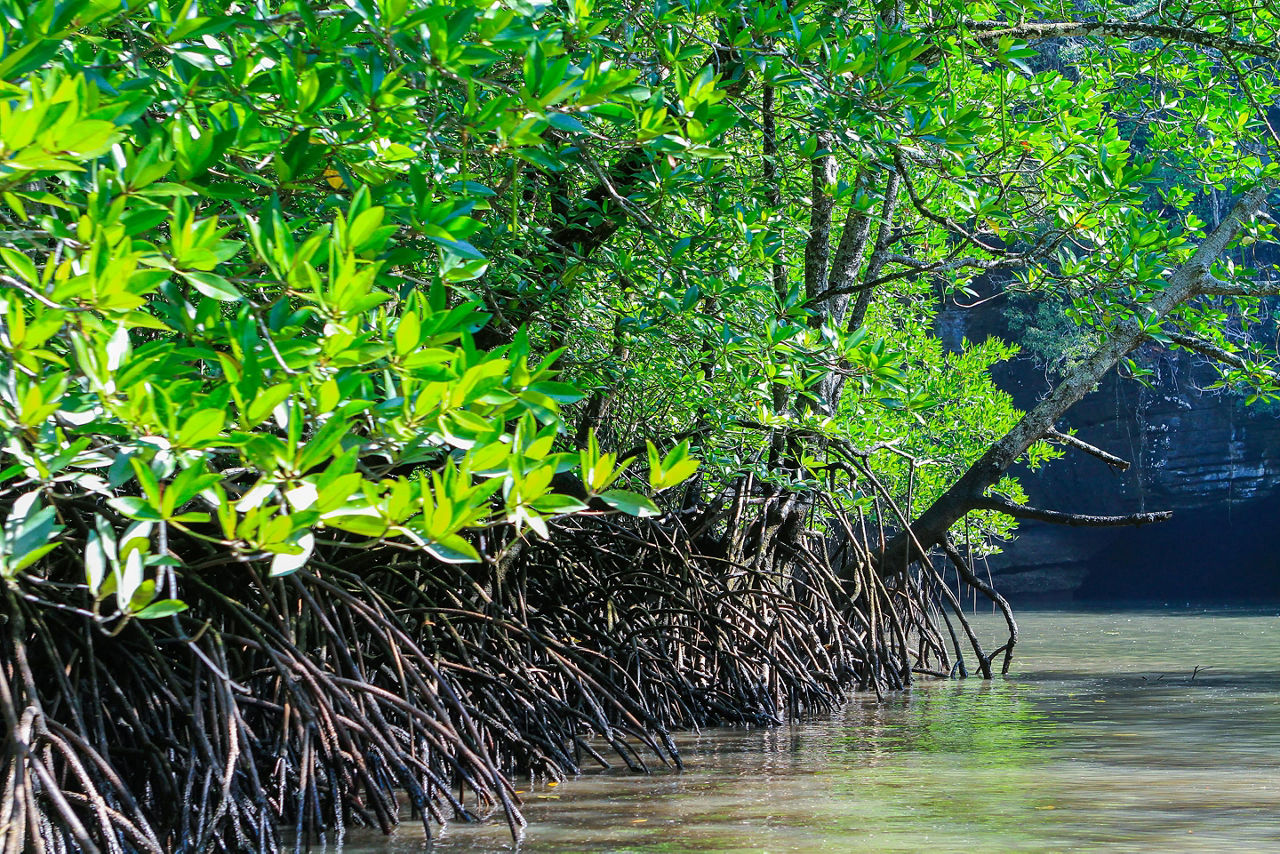
Phang Nga Bay is a coastal landscape in southern Thailand where limestone formations rise above sheltered water and mangrove-lined shores. Its best-known sights include the narrow rock pillar Ko Tapu, which is associated with James Bond Island. Boat journeys reveal the larger setting, with cliffs and passages extending well beyond that single landmark.
- Visiting Tip: Choose a Phang Nga Bay excursion from Phuket and check whether it focuses on boat sightseeing, island stops or kayaking.
17. Ha Long Bay
Ha Long Bay is a northern Vietnamese seascape of limestone islands and pillars rising from the water. Traveling among them changes the view constantly as narrow gaps open into wider stretches of bay. Some outings include caves or kayaking, while others focus on enjoying the formations from a boat.
- Visiting Tip: Choose an itinerary calling at Ha Long for this part of Vietnam. Our Vietnam landmarks guide also covers sights reached through other ports farther south.
18. Hoi An Ancient Town
Hoi An Ancient Town is a historic trading port in central Vietnam, known for yellow-walled buildings, wooden shopfronts and assembly halls. Its streets reflect centuries of cultural exchange, while the covered Japanese Bridge remains one of its signature sights. Walking through the town reveals courtyards, small businesses and river views between the better-known stops.
- Visiting Tip: Hoi An is a longer inland outing from Chan May. Choose an excursion centered on the town if you want time to walk and explore; a multi-stop tour leaves less time in its historic streets.
19. Angkor Wat
Angkor Wat is a vast temple complex near Siem Reap in Cambodia, known for its moat, carved galleries and towers shaped like lotus buds. Built under the Khmer Empire, it forms part of the wider Angkor archaeological landscape. The scale of the approach is impressive, but the carved scenes along its galleries are just as rewarding.
- Visiting Tip: Plan Angkor Wat as a separate land stay with time in Siem Reap. Since it's far inland and does not fit a standard coastal port day, several days allow you to explore additional Angkor temples.
A Famous Landmark in South Asia
A longer Asian journey can also take you to India’s Mughal architecture. The Taj Mahal is one of the continent’s defining sights, but its inland location calls for dedicated land travel.
20. The Taj Mahal
The Taj Mahal is a white-marble mausoleum in Agra, commissioned by the Mughal emperor Shah Jahan in memory of his wife, Mumtaz Mahal. Its dome, minarets and reflecting pools create a remarkably balanced setting. Closer views reveal carved marble and decorative inlay that add fine detail to the building’s familiar outline.
- Visiting Tip: Include Agra in a dedicated India itinerary with time for travel between cities. The Taj Mahal is far from the coast, so plan a separate land extension for this site.
Choosing an Asian Cruise for Landmark Sightseeing
Start with the landmarks you most want to see, then compare the ports and time ashore on each sailing:
- Japan cruises: Look for Shimizu for Mount Fuji scenery, Osaka or Kobe for the Kansai region and Yokohama for time in Tokyo. An extended city stay helps when you want to explore several neighborhoods or travel inland.
- China and Hong Kong cruises: Shanghai and Hong Kong suit city sightseeing, while the Great Wall and Forbidden City work especially well with an extended Beijing stay around a Tianjin sailing.
- Singapore cruises and Southeast Asia getaways: Singapore offers waterfront sights before or after your sailing. Penang, Port Klang, Phuket and Laem Chabang open up different combinations of temples, towers and coastal scenery.
- Vietnam cruises: Match the landmark to the port. Ha Long Bay is in the north, while Hoi An is in central Vietnam.
Landmark Shore Excursions in Asia
A guided outing can connect a famous sight with more of the culture around it. Consider these options when planning your time ashore:
- Mt. Fuji, Tea Tasting & Art Museum (Shimizu Shore Excursions): Combine iconic mountain views with traditional Japanese tea culture and regional art on this popular excursion from Shimizu.
- The Grand Palace & Tuk Tuk Ride (Bangkok Shore Excursions): Visit the ornate royal complex and Emerald Buddha temple in Bangkok, followed by an exhilarating ride through city streets on a traditional tuk-tuk.
- Ha Long Bay Cruise & Cave Exploration (Ha Long Bay): Sail among dramatic limestone karsts on a traditional junk boat and explore spectacular natural sea caves along the bay.
- Gardens by the Bay & Marina Bay Sands SkyPark (Singapore Shore Excursions): Discover Singapore's iconic Supertree Grove, futuristic glass conservatories and panoramic city views from the high-altitude SkyPark observation deck.
- Batu Caves & Kuala Lumpur Highlights (Port Klang, Malaysia): Climb the colorful staircase to the sacred cave shrines before visiting the towering Petronas Twin Towers in central Kuala Lumpur.
- Victoria Peak & Skyline Views (Hong Kong Shore Excursions): Take the historic Peak Tram to the top for sweeping panoramic views of Victoria Harbour and the city skyline.
Explore our shore excursions to find outings for your itinerary. Availability and inclusions vary by sailing.
FAQs About Famous Landmarks in Asia
-
Can you see famous landmarks in Asia on a cruise?
Yes, taking an Asian cruise allows you to visit multiple iconic landmarks across several countries in a single itinerary. Major ports such as Yokohama, Shimizu, Port Klang, Laem Chabang and Ha Long Bay offer convenient access to world-famous sites like Mount Fuji, the Petronas Twin Towers, the Grand Palace and Ha Long Bay, either directly along the coast or via organized shore excursions inland.
-
How do I book Royal Caribbean shore excursions for Asian landmark tours?
You can easily browse and book shore excursions in advance through the Royal Caribbean app or online via MyRoyal Cruise prior to your sailing. Booking early is recommended to secure your preferred excursion and time slot, as popular Asian landmark tours frequently sell out before departure.
-
Will the cruise ship wait if my landmark shore excursion in Asia is delayed?
When you book an official Royal Caribbean shore excursion, the ship guarantees it will wait for your return if the tour is delayed. In the rare event that your excursion is significantly delayed and the ship must depart, Royal Caribbean will arrange and cover the cost of transport to meet the ship at the next port of call.
-
What is the dress code when visiting temples and religious landmarks in Asia?
Most religious sites and temples in Asia — such as the Grand Palace in Bangkok, Sensō-ji in Tokyo or Batu Caves in Malaysia — require modest attire. Shoulders and knees must be covered for both men and women, and shoes often need to be removed before entering sacred areas. Wearing breathable clothing and slip-on shoes makes day trips comfortable and respectful.
Plan Your Asian Landmark Adventure
A landmark can be the starting point for discovering a whole destination. Leave time for the streets around a temple, the food stalls near a waterfront or the changing views on the journey back.
Explore Asia cruises and start planning the places you’ll see next.