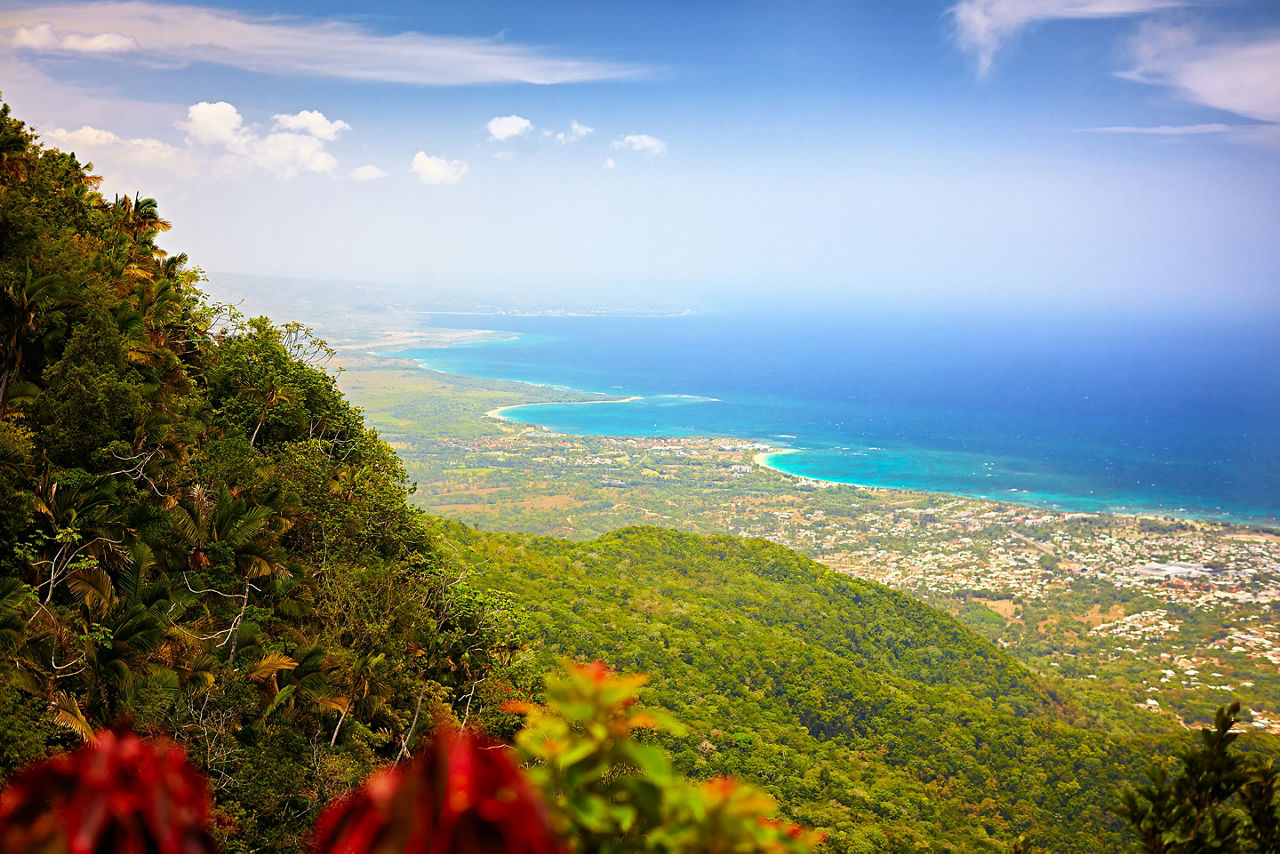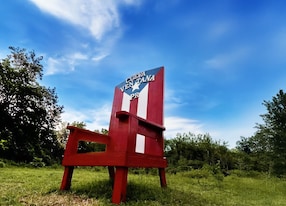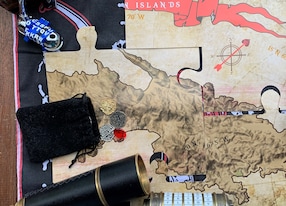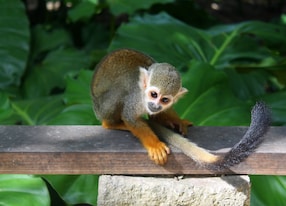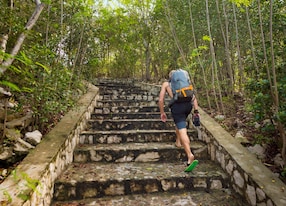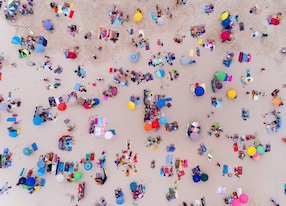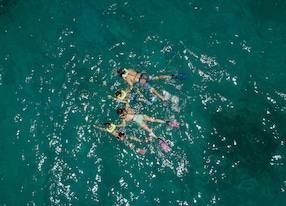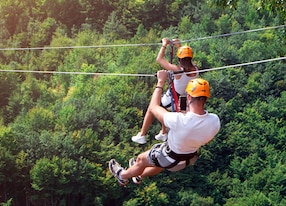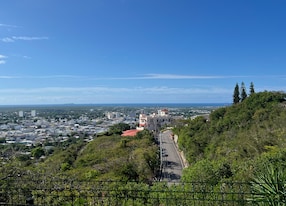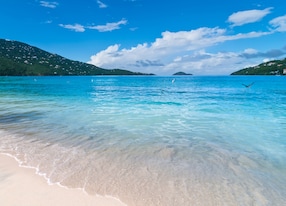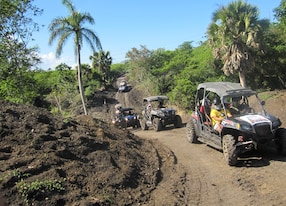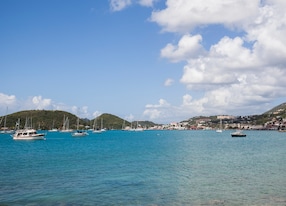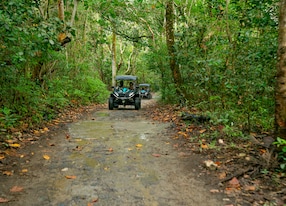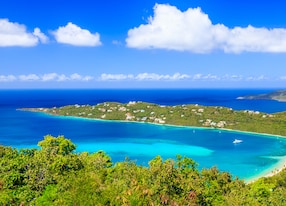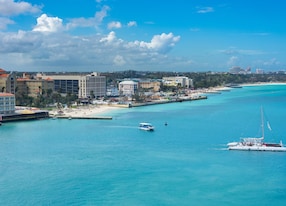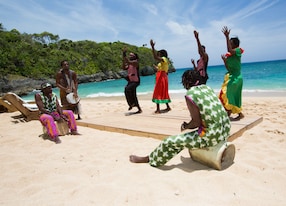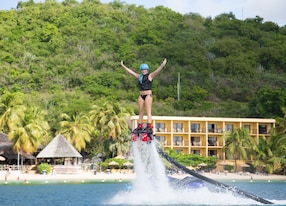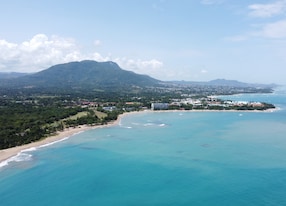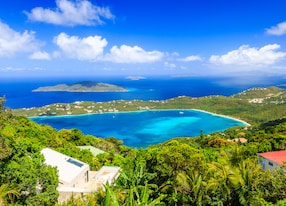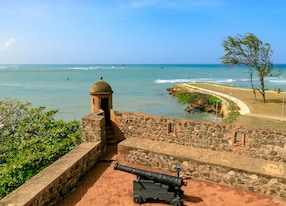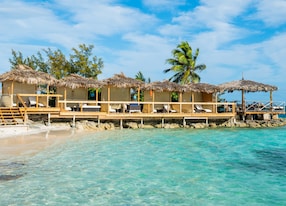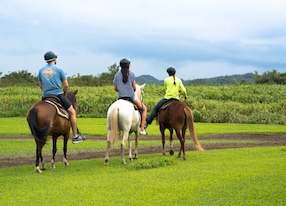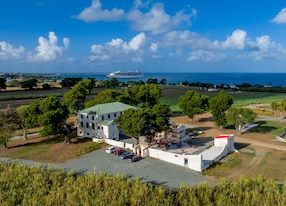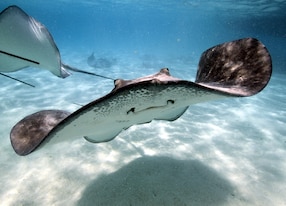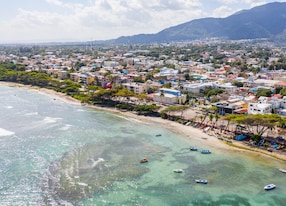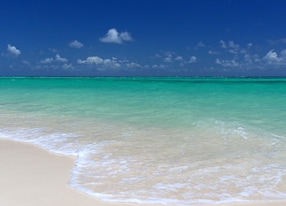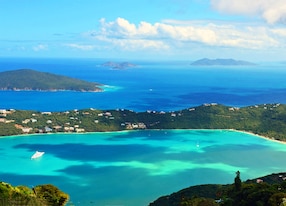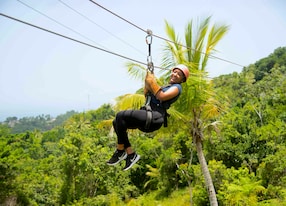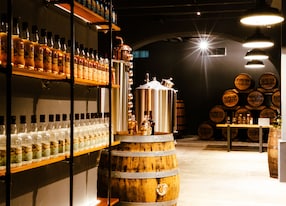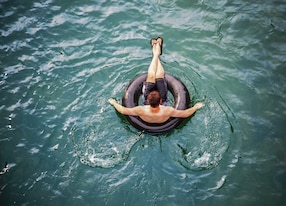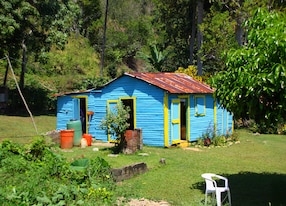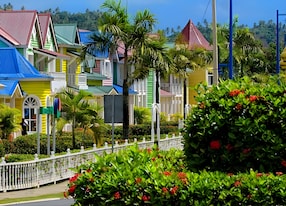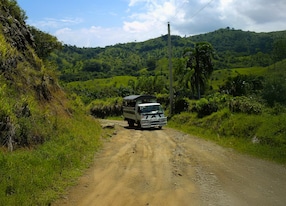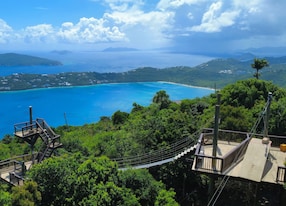
Samaná is known for its lush rainforests, remote beaches and the annual arrival of thousands of humpback whales in its turquoise bay. Tucked along the northeastern coast of the Dominican Republic, this palm-fringed peninsula feels like the Caribbean’s best-kept secret. It’s a place where horses still walk forest trails, waterfalls tumble through jungle ravines and small fishing villages stretch along white-sand coves.
What Samaná Is Famous For: 12 Signature Experiences
While much of the Dominican Republic is defined by high-rise resorts and built-up beach towns, Samaná remains untamed. It’s a destination for travelers who crave both natural wonder and cultural depth. From the thrill of spotting breaching whales to the quiet beauty of a hammock swinging between two coconut palms, here are 12 unforgettable things Samaná is known for.
1. Whale Watching in Samaná Bay
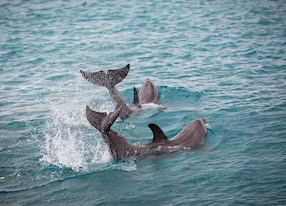
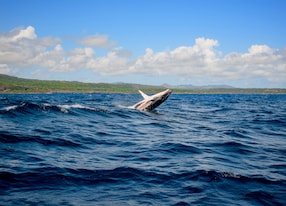
Every winter, more than 1,500 humpback whales arrive in Samaná Bay to mate, give birth and nurse their calves. The bay becomes one of the world’s top whale-watching destinations from mid-January through late March, drawing marine biologists and nature lovers alike. Tours depart daily from the harbor, offering close-up views of breaching whales and playful mothers with calves.
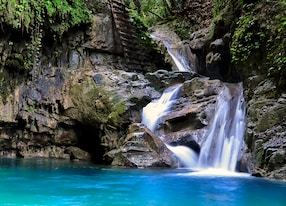
2. El Limón Waterfall
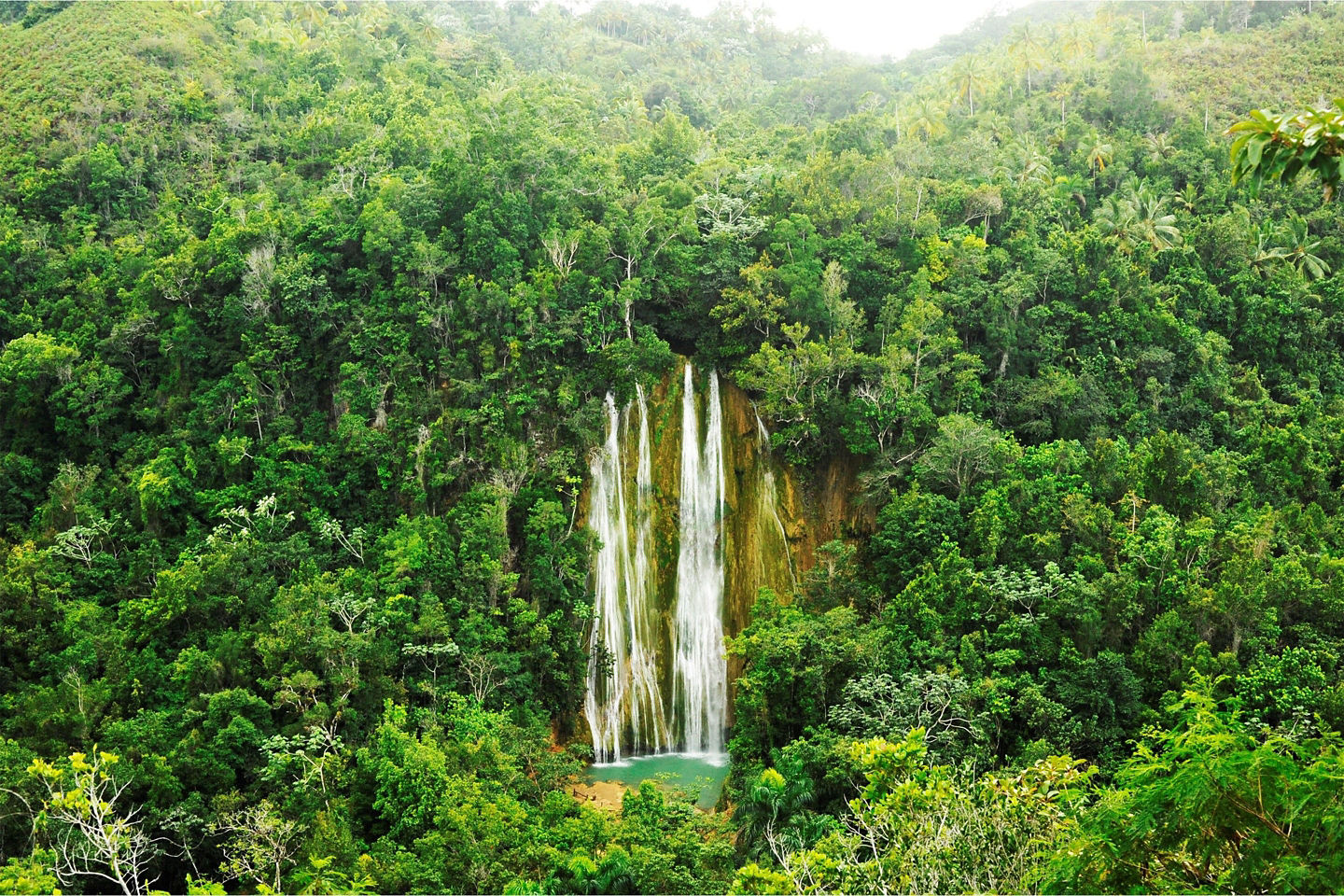
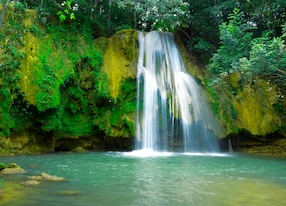
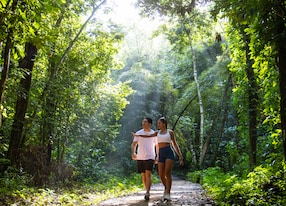
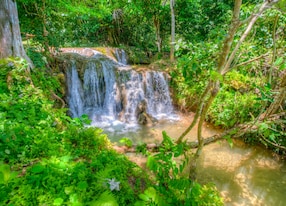
One of the most iconic natural landmarks in Samaná is El Limón Waterfall, a 130-foot cascade hidden deep within the rainforest. Reaching it involves a scenic horseback ride or guided hike through coconut groves and jungle trails. The reward is a cool swim in the emerald pool at the base of the falls, making it one of the most memorable adventures in the region.
3. Los Haitises National Park
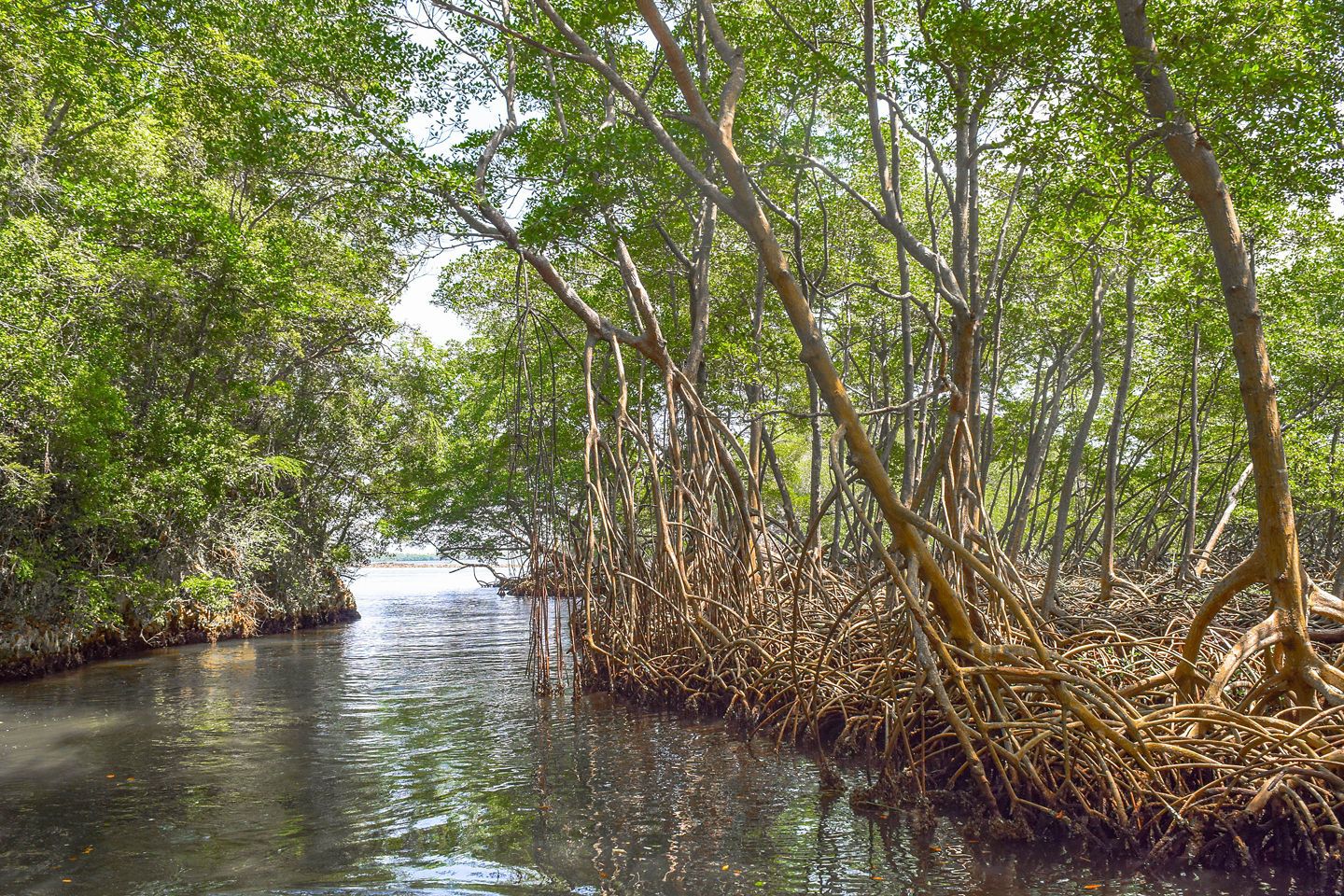
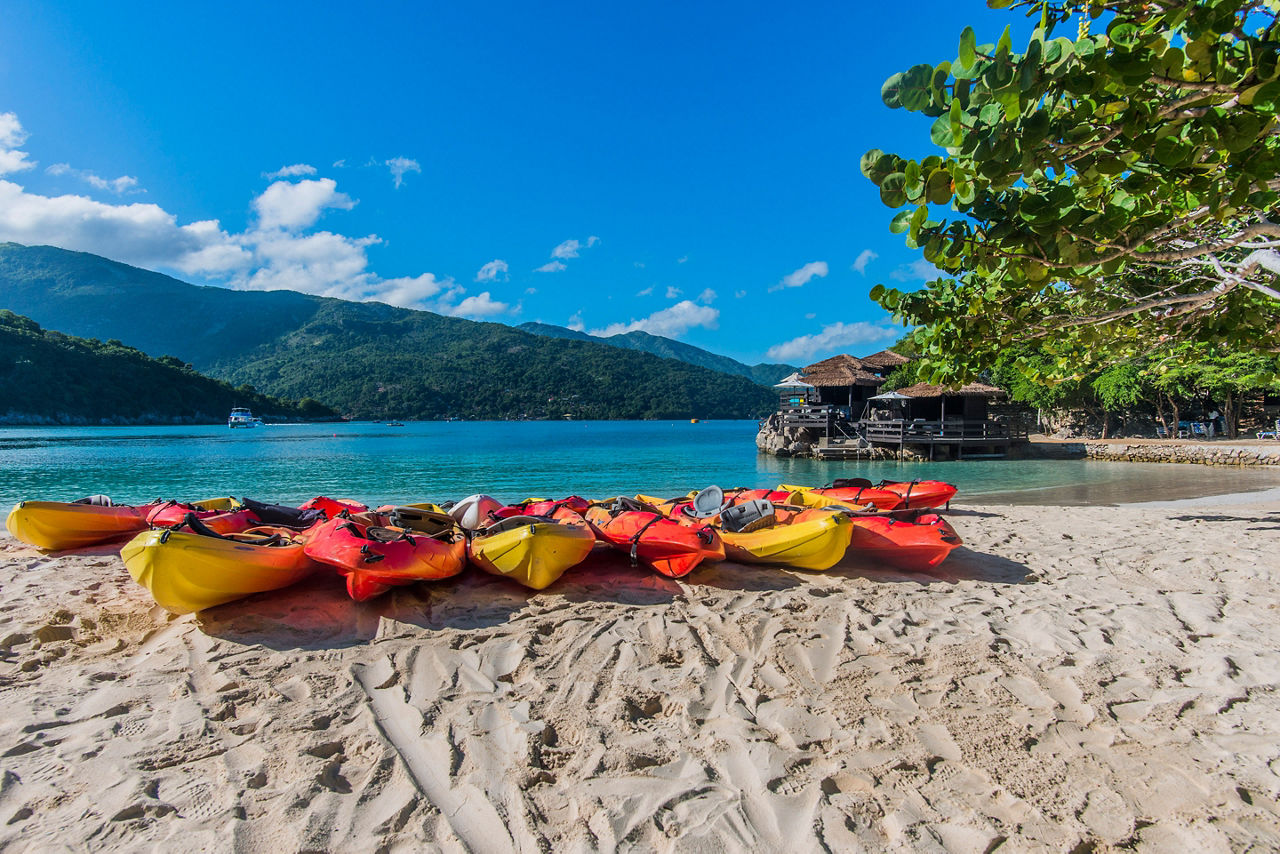
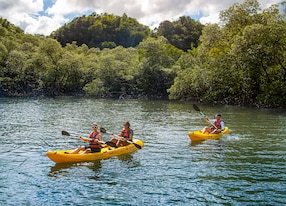
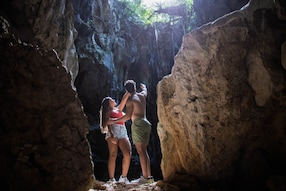
Just across Samaná Bay lies Los Haitises, a protected national park known for its mangrove forests, hidden caves and dramatic limestone cliffs. It’s a top destination for kayaking, birdwatching and exploring ancient Taino cave art. Boat tours weave through narrow channels lined with wild orchids, pelicans and coastal rock formations.
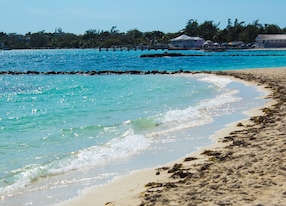
4. Untouched Beaches
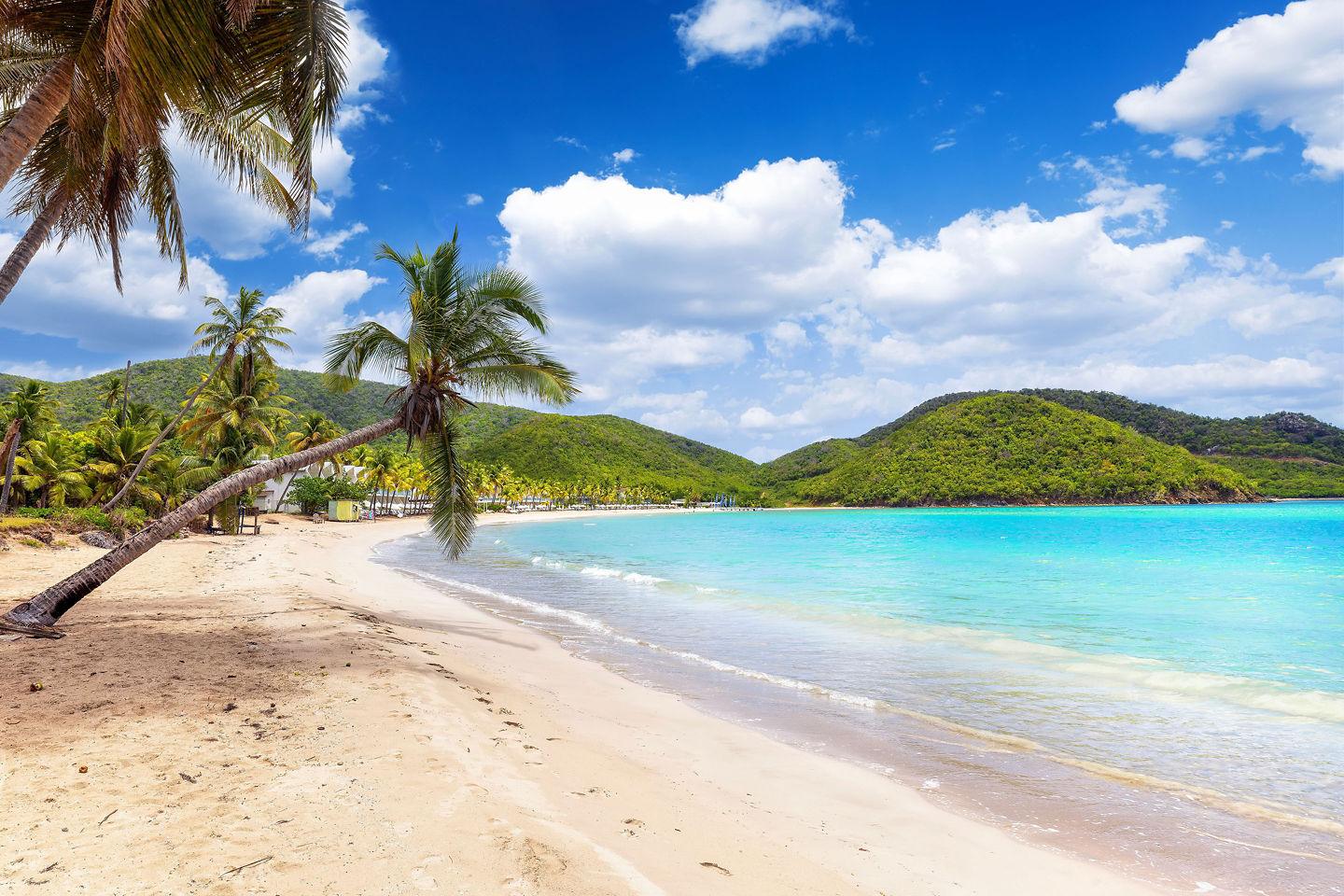
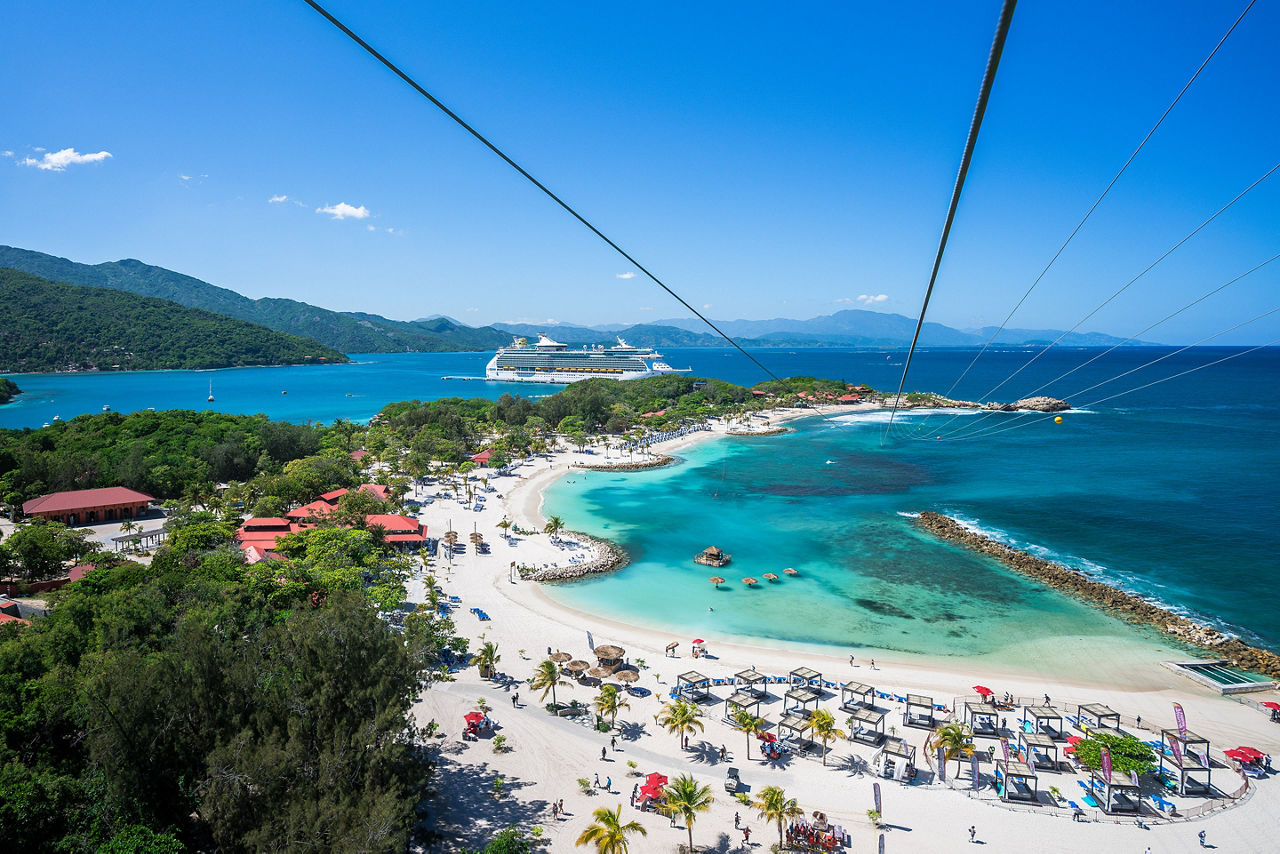
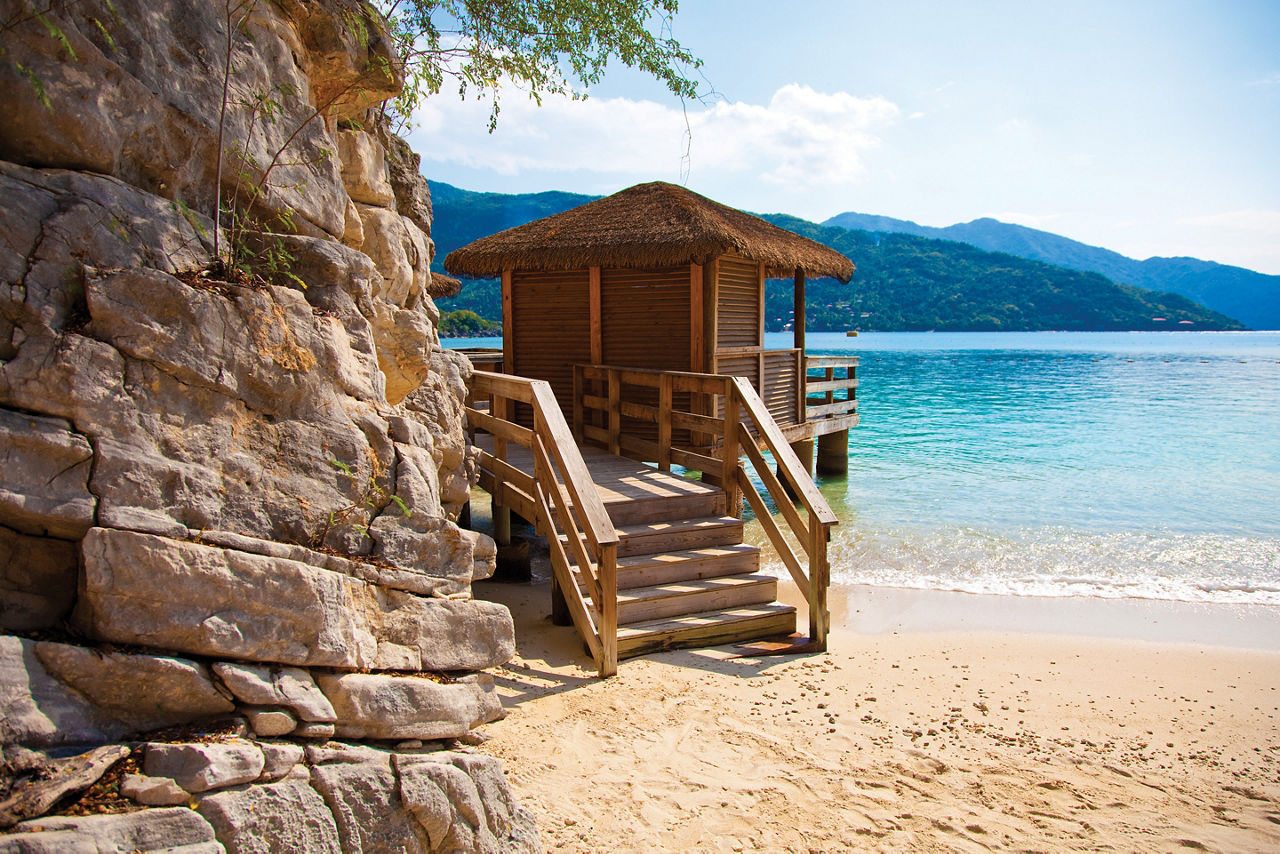
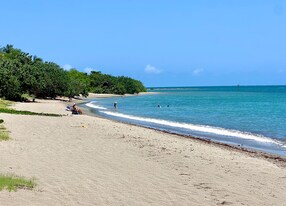
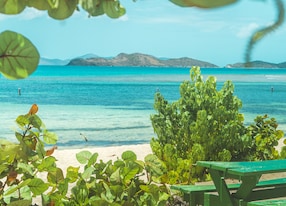
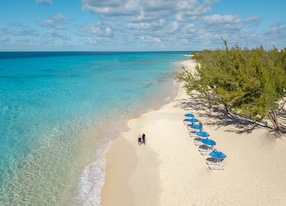
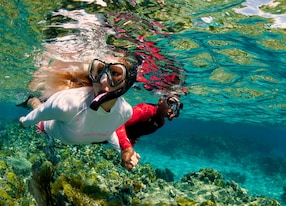
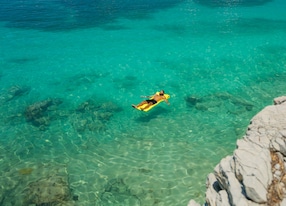
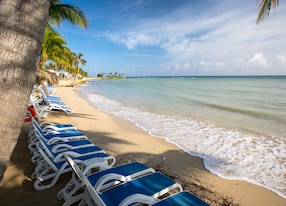
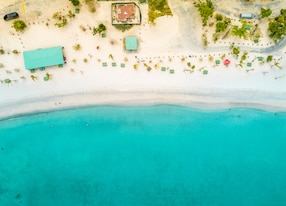
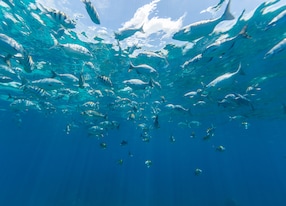
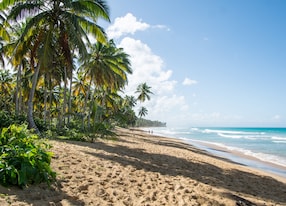
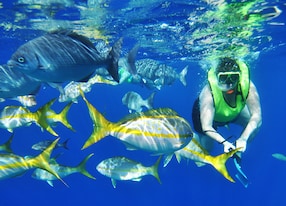
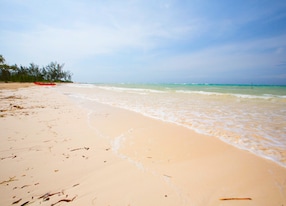
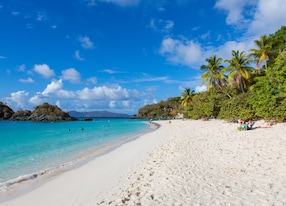
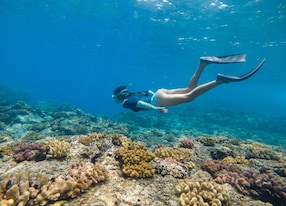
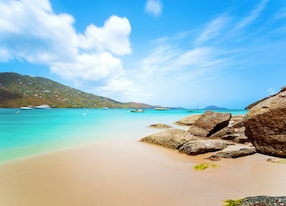
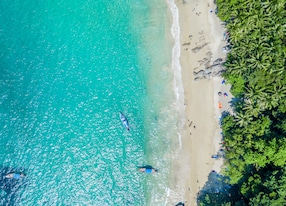
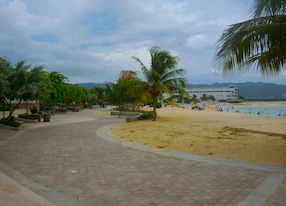
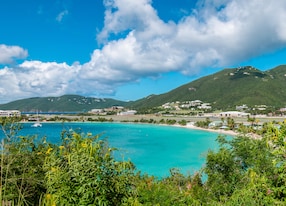
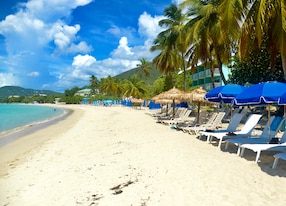
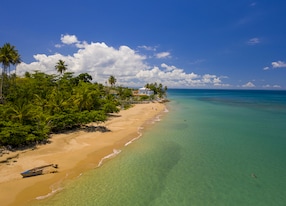
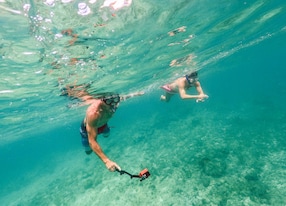
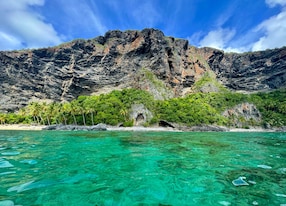
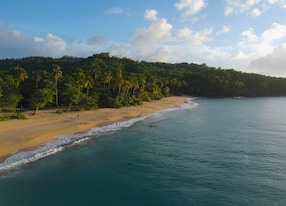
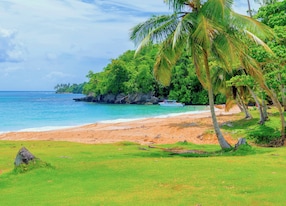
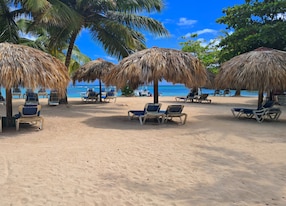
Samaná is famous for its wild, uncrowded beaches, many of which remain completely undeveloped. Playa Rincón is often ranked among the most beautiful beaches in the Caribbean, stretching nearly two miles along a protected bay. Playa Frontón, only accessible by boat or hiking trail, offers soft white sand and crystal-clear snorkeling waters.
5. Las Terrenas

This laid-back beach town on Samaná’s northern coast blends bohemian charm with French-Caribbean style. Las Terrenas is known for its boutique hotels, open-air restaurants and long, walkable beaches like Playa Bonita. It’s also a hub for kite surfing, horseback riding and day trips to hidden waterfalls.
6. Cayo Levantado (nicknamed "Bacardí Island")
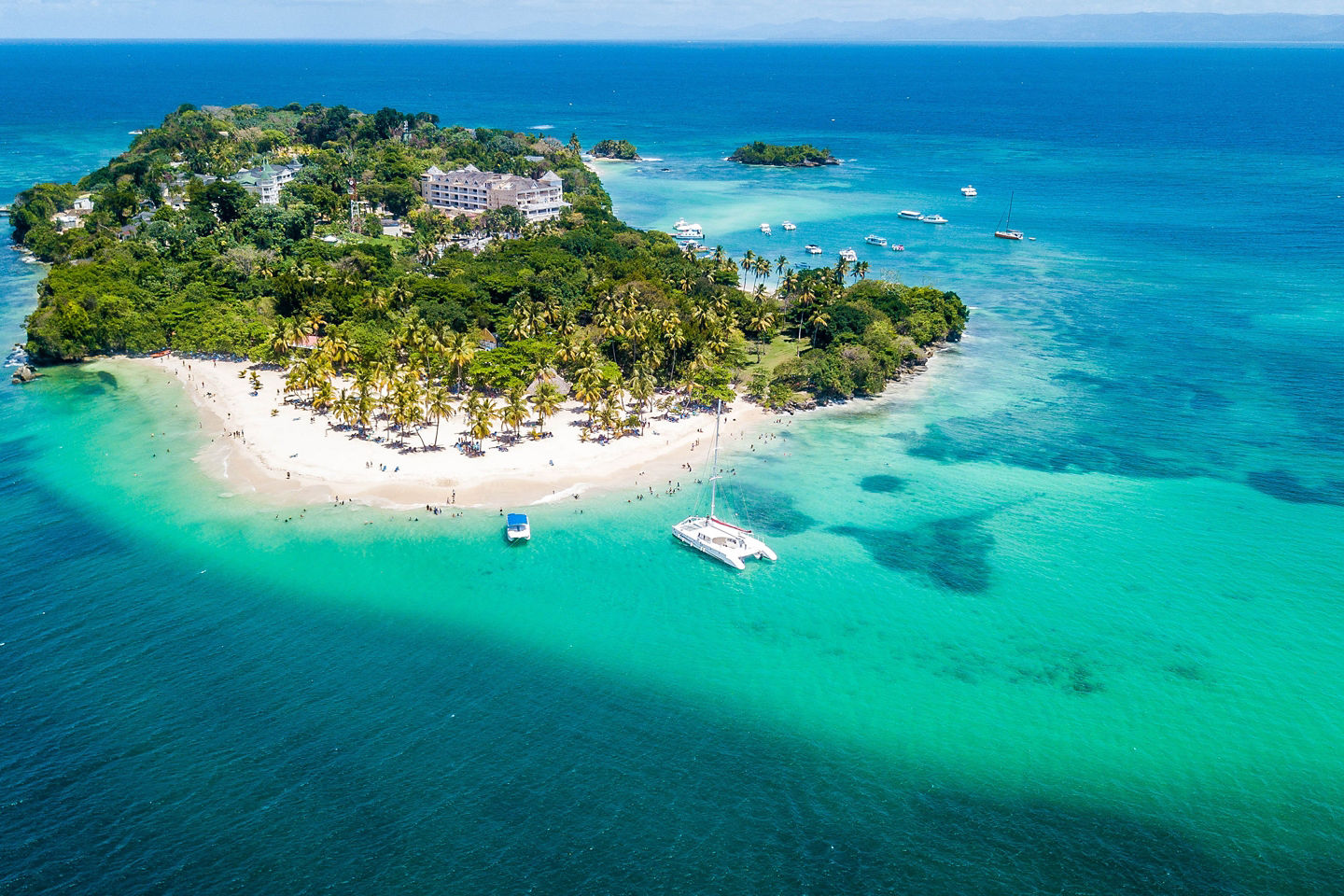
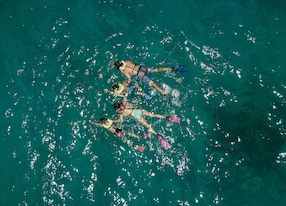
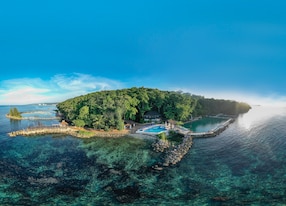
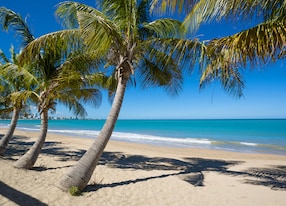
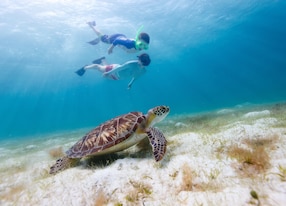
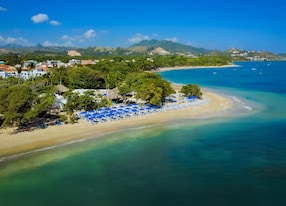
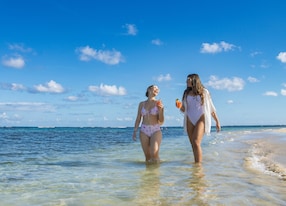
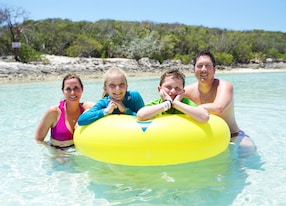
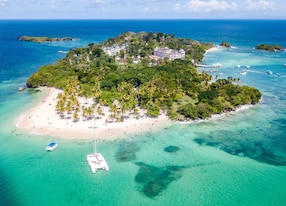
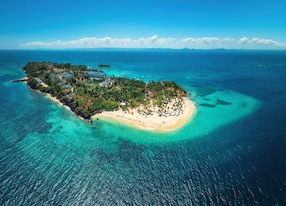
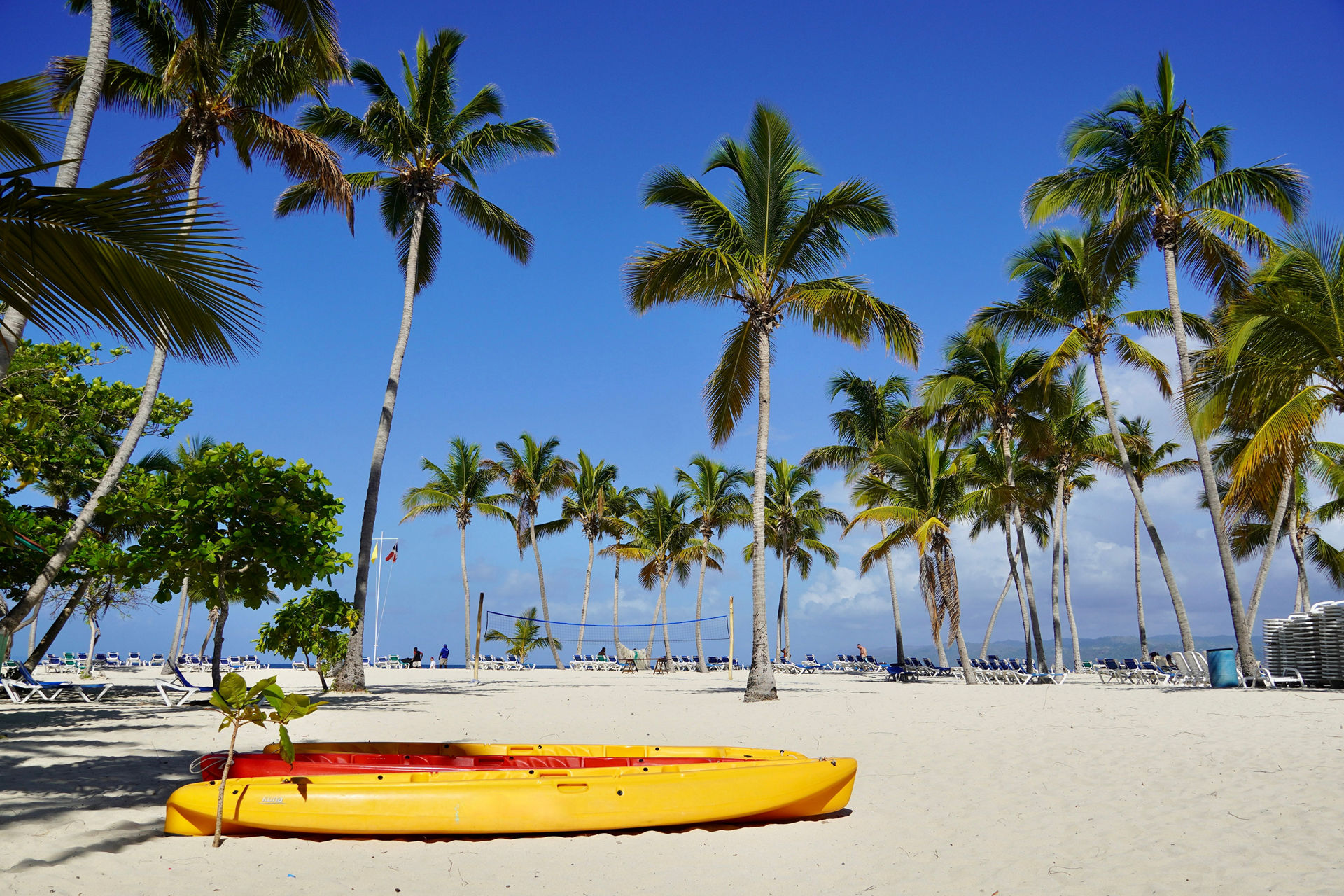
Also known as Bacardí Island, this small offshore cay is known for its postcard-perfect beach and shallow turquoise waters. Day trips to Cayo Levantado often include snorkeling, seafood lunches and free time to relax beneath coconut palms. It’s one of the most photographed places in the Dominican Republic.
7. Rainforest Horseback Adventures
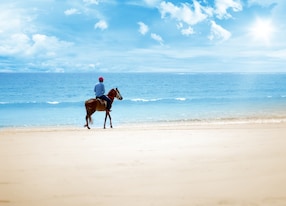
Unlike many coastal destinations, Samaná invites travelers inland. Horseback riding through the rainforest is a signature experience here, leading to waterfalls, river crossings and lookout points tucked in the hills. It’s one of the most immersive ways to see the region’s natural beauty.
8. Taino Heritage
Samaná is home to caves that feature petroglyphs and pictographs left by the Taino people, the island’s original inhabitants. In places like Los Haitises and Cueva de la Arena, travelers can explore caves with ancient artwork and hear stories passed down through generations. These sites connect the present with the island’s deep cultural past.
9. Dominican Coffee and Cacao
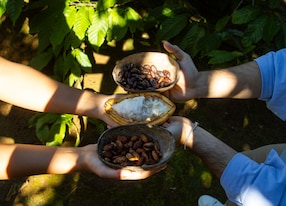
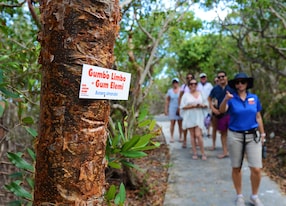
The interior hills of Samaná are lined with small coffee and cacao farms. Guided tours to these fincas often include tasting fresh cacao from the pod, learning how Dominican coffee is roasted and seeing how locals make traditional chocolate and drinks. It’s a flavorful way to connect with the land and the people who cultivate it.
10. Coconut Palms Everywhere
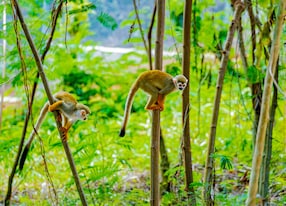
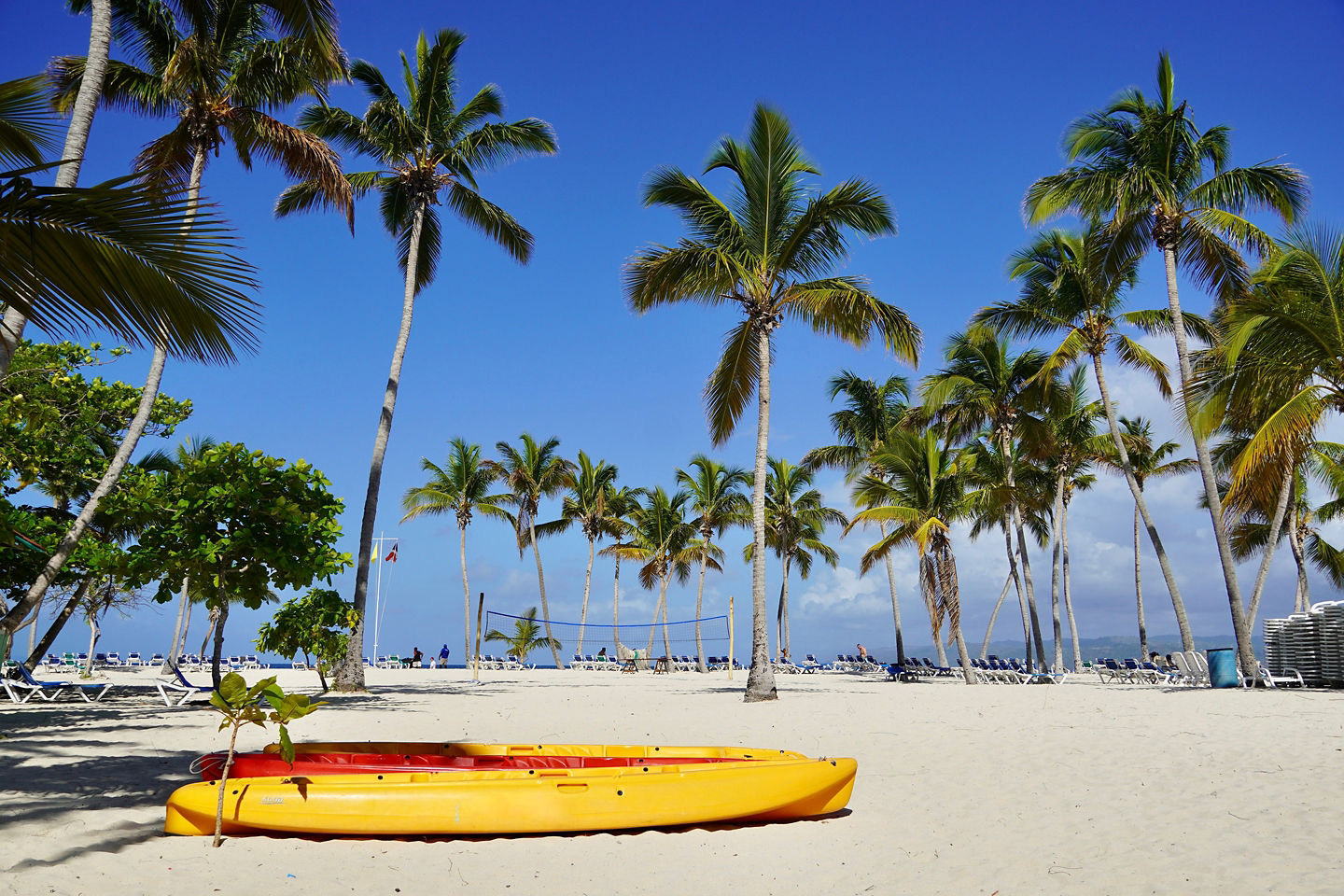
Samaná is home to one of the highest concentrations of coconut palms in the Caribbean. The scenery is famously green and vibrant, with palms growing along every hillside, beach and village road. Coconut water, coconut oil and coconut bread are all staples of the local diet and a symbol of the region’s abundance.
11. Boating and Catamaran Tours
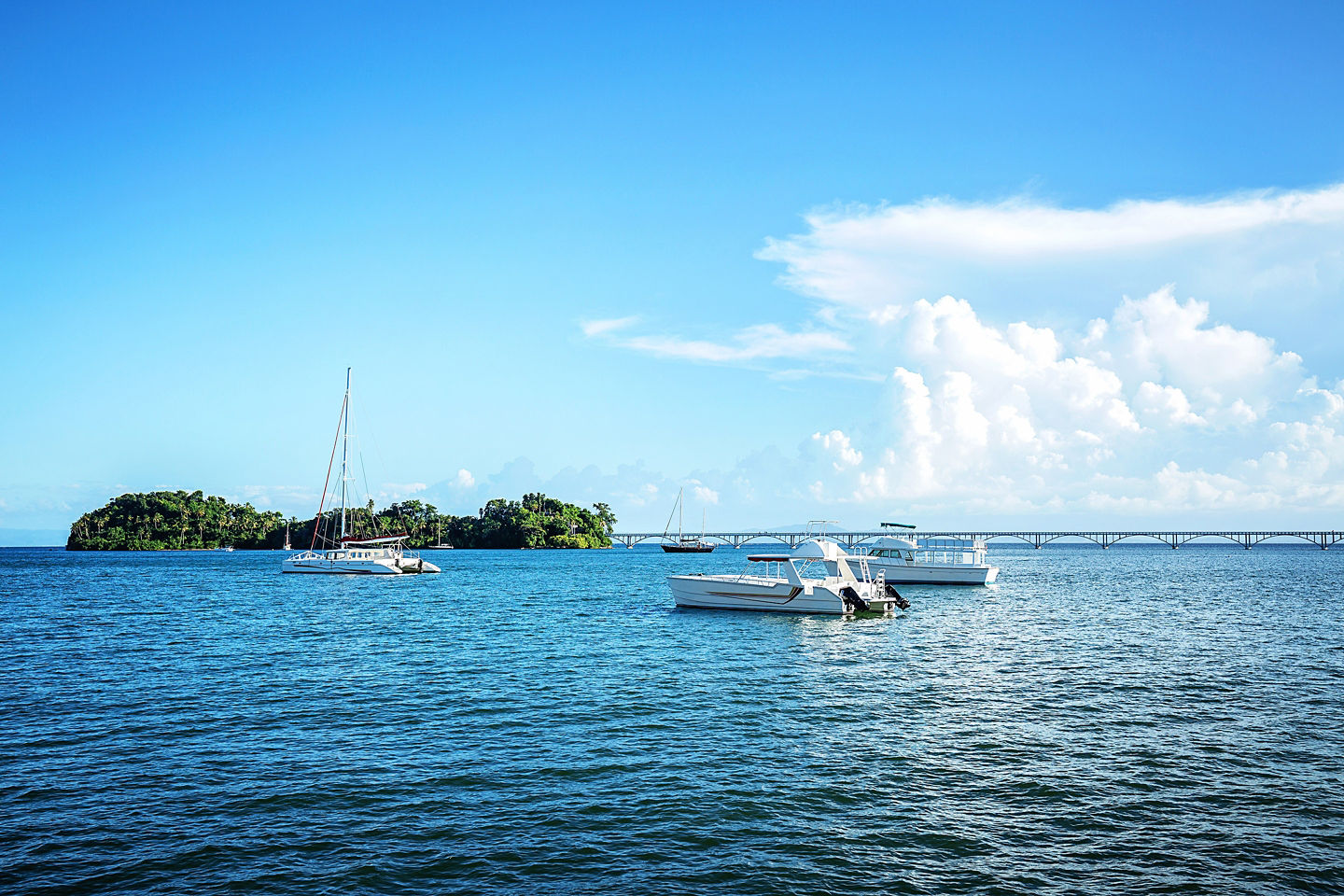
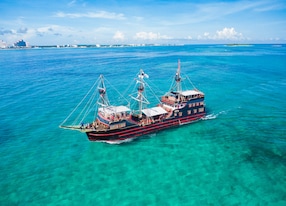
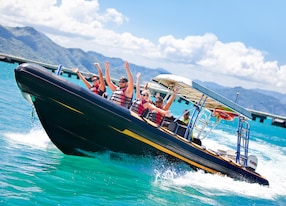
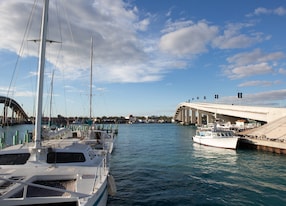
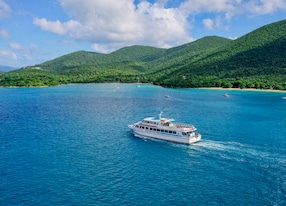
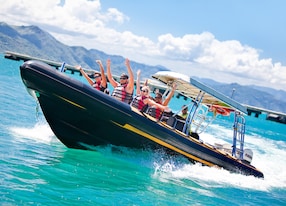
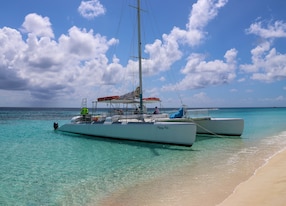
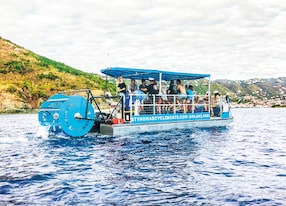
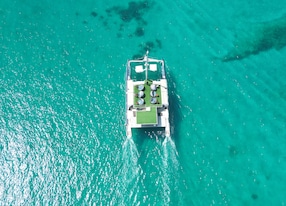
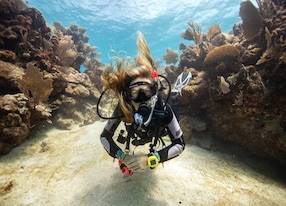
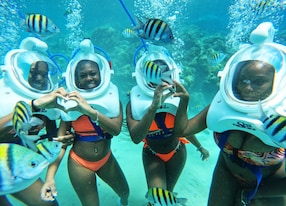
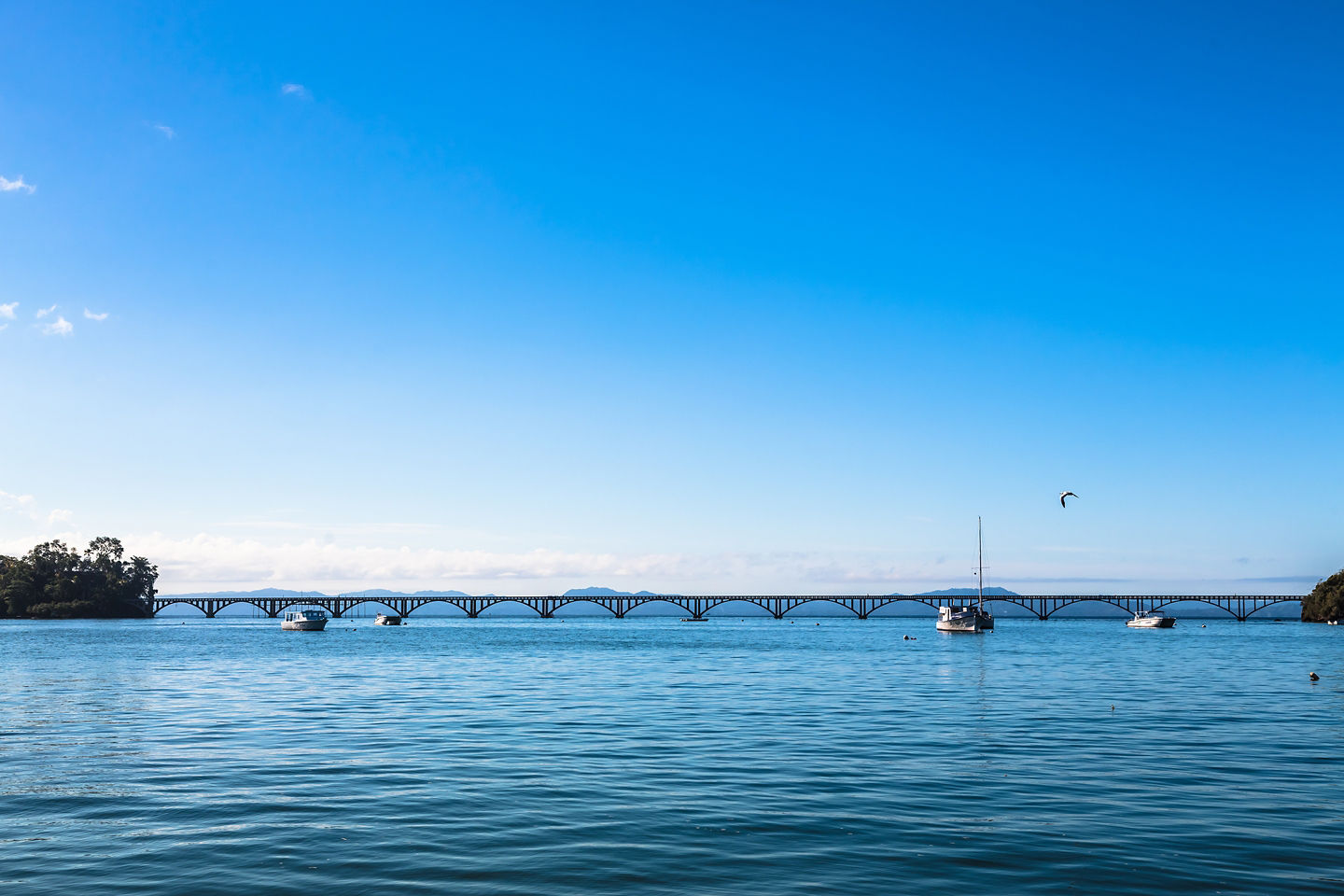
Many visitors explore Samaná by sea, cruising along its coastline on small boats or catamarans. These tours often include stops at snorkeling spots, beach landings or hidden coves. During whale season, catamaran cruises offer the chance to spot humpbacks in their natural habitat, just offshore.
12. Warm, Tropical Weather
Samaná enjoys warm temperatures year-round, with daytime highs between 82°F and 88°F and nighttime lows in the low 70s. The dry season from December to April is the most popular time to visit, with clear skies and cooler breezes. The wet season from May to November brings more rain and humidity but also lush, green scenery.
What Is Samaná Known For?
Samaná is known for humpback whale watching, tropical waterfalls, pristine beaches and lush rainforests, along with its relaxed atmosphere and rich Dominican culture. It is one of the most naturally beautiful regions in the Dominican Republic, offering a mix of adventure, wildlife and cultural heritage. Samaná is especially famous for its whale migration season, El Limón Waterfall and remote beaches like Playa Rincón and Playa Frontón.
Keep Exploring the Dominican Republic
Want to learn more about this getaway gem? Check out these guides to plan your next trip:
- When Is the Best Time to Visit Samaná? - Plan the best time for your perfect getaway to Samaná.
- What Are the Top Things to Do in the Dominican Republic? - Discover Dominican Republic adventures, including waterfalls, beaches, culture, and history.
- Why You Should Travel to the Dominican Republic in 2026 - Uncover Dominican beaches, resorts, and tropical adventures making it a top 2026 vacation getaway.
- Famous Landmarks in the Dominican Republic: Historic & Natural Wonders - Explore Dominican Republic forts, cathedrals, villages, and natural wonders.
- The Ultimate Guide to the Best Beaches in the Dominican Republic - Beaches range from resort favorites to remote, pristine coastal escapes.
- Best Snorkeling in the Dominican Republic - Dominican Republic snorkeling offers clear waters, coral reefs, colorful fish, and beginner-friendly spots.
- Best Places to Visit in the Dominican Republic - Discover Dominican beaches, mountains, colonial cities, whale watching, and cultural experiences.