The Ultimate Guide to the Best National Parks in Alaska
Grab Your Binoculars, We’re Hitting The Last Frontier
By Melanie Hamilton | Published on July 27, 2026
Spread across some 40 million acres of pure wilderness made up of steep fjords, wind-ruffled dunes, volcanic plains, jagged mountains and turquoise rivers, Alaska’s eight national parks showcase some of the country’s most awe-inspiring scenery. And like most of life’s best experiences, The Great Land is best enjoyed slowly and savored.
This guide wanders through each of Alaska’s national parks, from Denali’s wildlife-rich tundra and Kenai Fjords’ icy coastlines to Katmai’s bear-crowded rivers and the Kobuk Valley, with practical tips along the way.
Exploring Alaska’s National Parks
Denali National Park

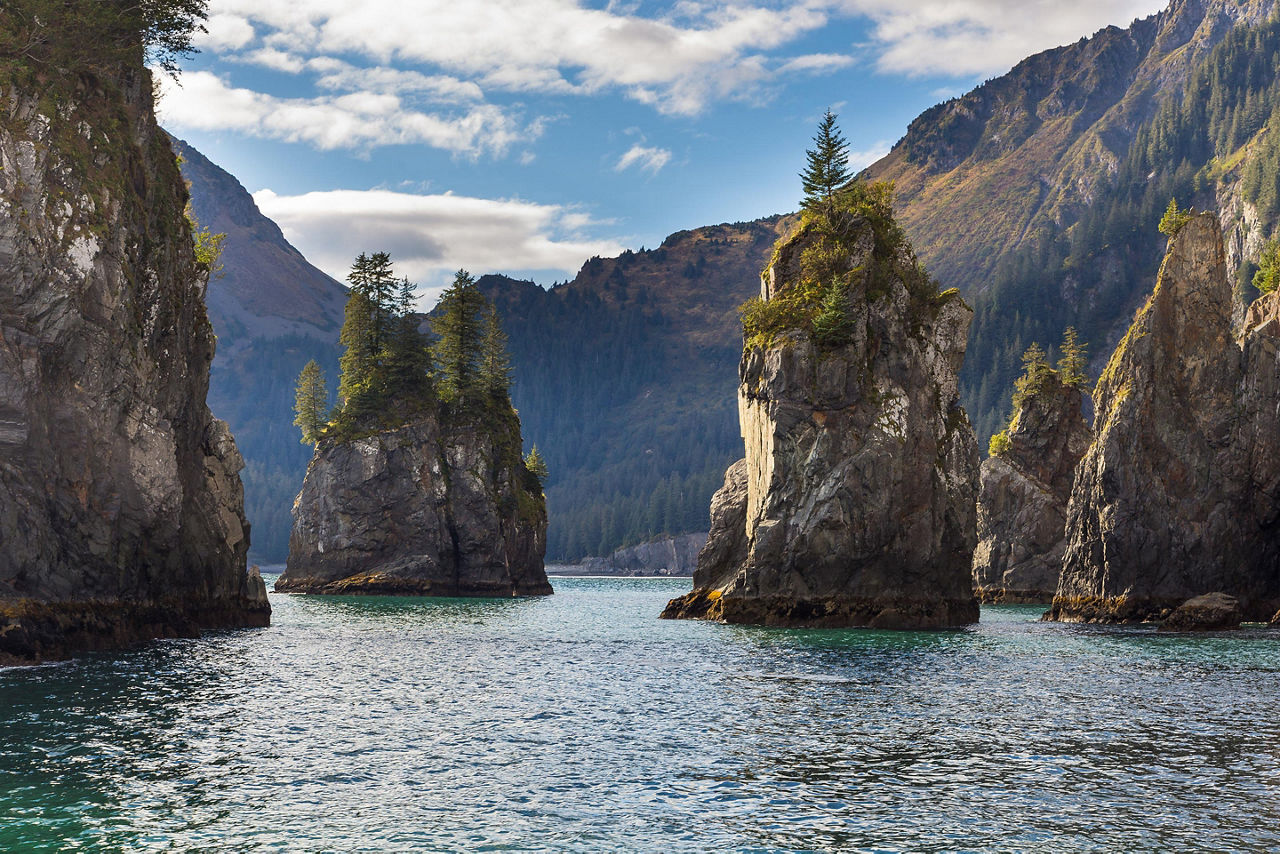
For many travelers, Denali is the Alaska they’ve always pictured: a lone, elusive white summit rising over wide, brushy valleys threaded with rivers and caribou trails. Summer brings buses along the Denali Park Road, opening up tundra ridgelines, wildlife viewing — such as the fluffy Dall sheep for which the park was established — and ranger‑led hikes through the boreal forest. Late August and early September add flaming fall color and a better shot at clear mountain views. The park is also one of the few that can be accessed by both road and rail, making it easy to fold into a Royal Caribbean Cruisetour from Anchorage or Fairbanks.
Kenai Fjords National Park
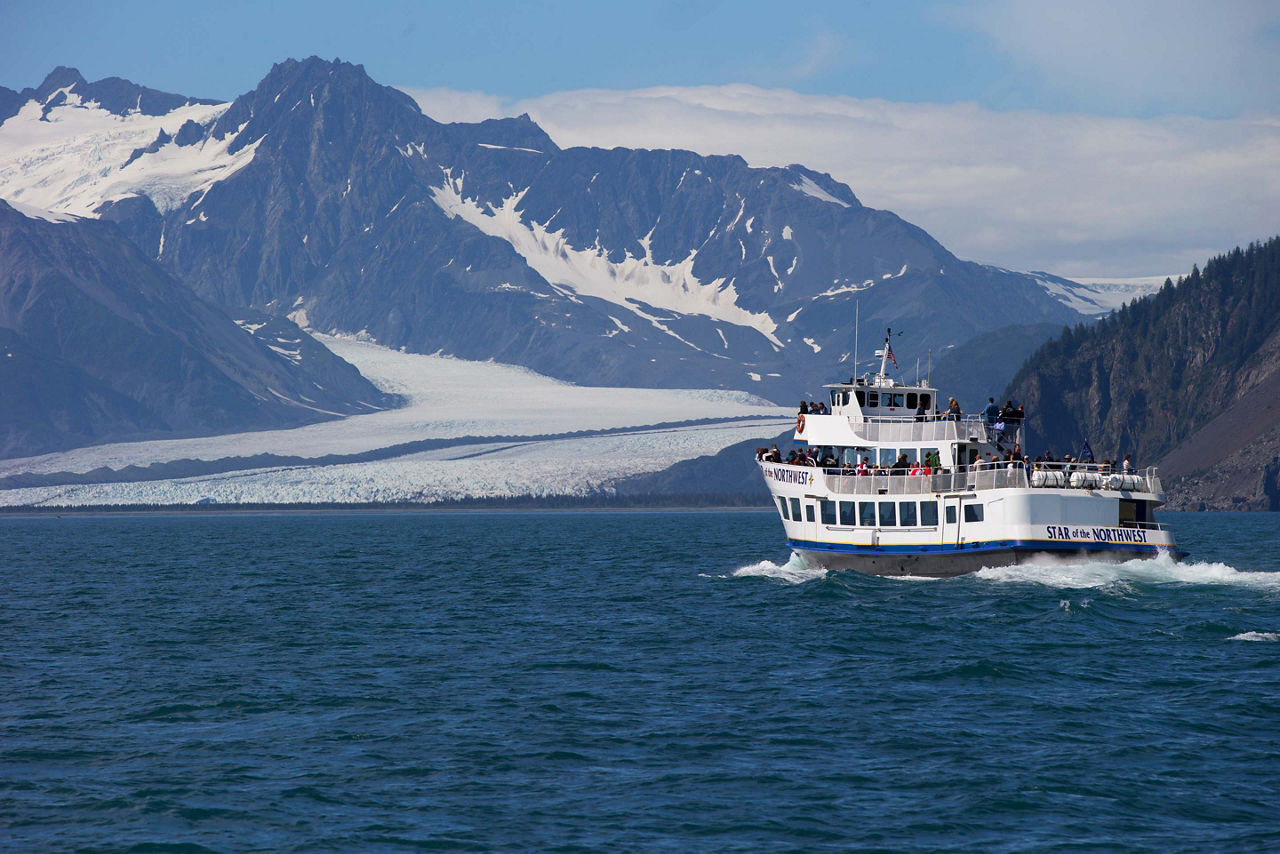
Situated off the rugged southeast edge of the Kenai Peninsula, known for its sprawling Harding Icefield, Kenai Fjords is otherworldly with its sheer rock walls and tidewater glaciers sloughing ice into cold, steel‑blue water. You may even spot lively whales, otters and puffins.
The main season runs from late May through early September, when day cruises fan out from Seward into Resurrection Bay and beyond, and trails toward Exit Glacier and the Harding Icefield open for long, panoramic hikes. The park is road‑accessible and easy to fold into an itinerary before or after an Alaska cruise that begins or ends in Seward, but conditions on deck can be raw even in midsummer — think choppy seas, fog and glacier‑cooled air.
Wrangell-St. Elias National Park
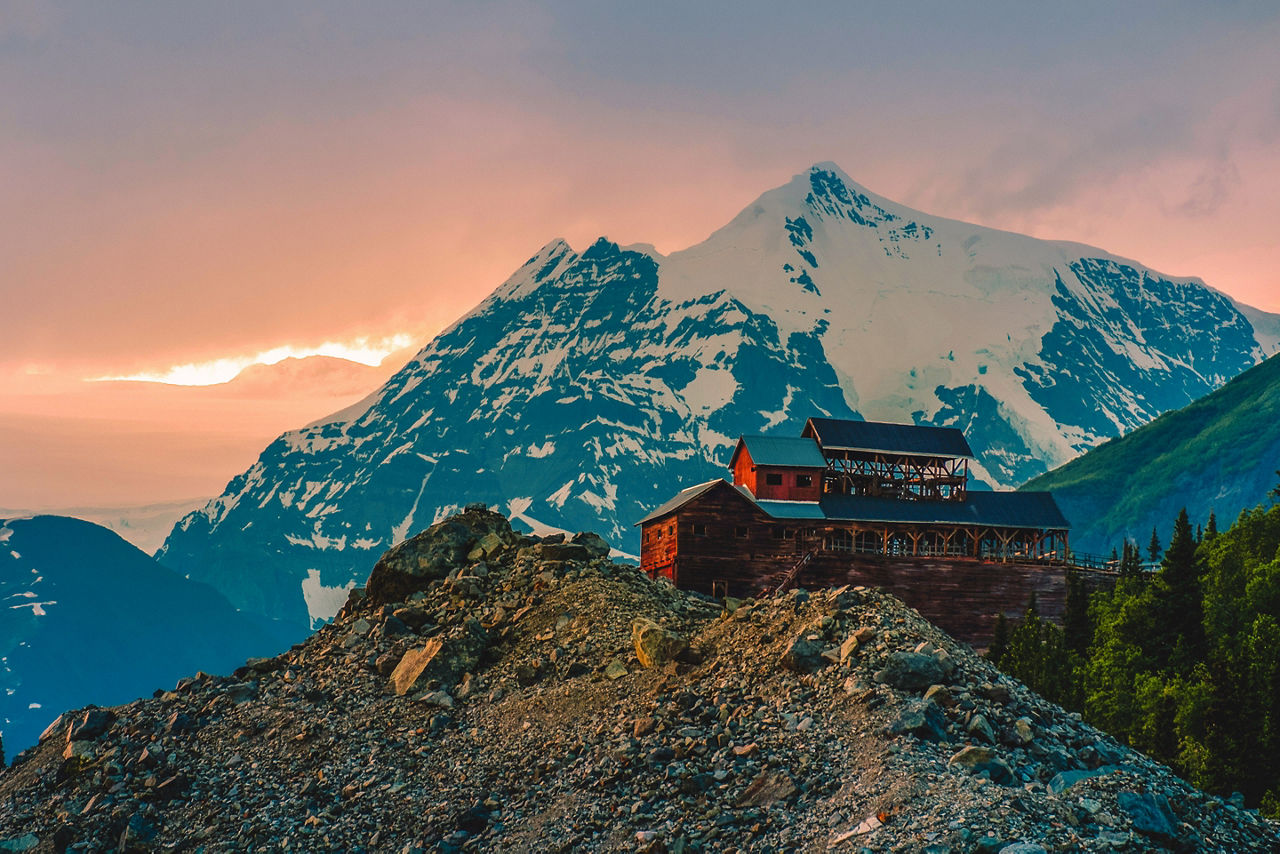
Wrangell-St. Elias is a broad sweep of glaciated peaks, braided rivers and old copper‑mining ruins spread across a jumbo 13.2 million acres. At six times the size of Yellowstone, it’s the largest national park in the country.
Summer, from late June through early September, is the sweet spot for flightseeing, river rafting, glacier hikes and exploring the historic Kennecott Mines and ghost town, when gravel roads are open and services in tiny gateway towns are actually running. Drive the famed McCarthy Road, hit the Root Glacier trail or go salmon-netting from Chitina to really take it all in.
Parts of the park are road‑accessible via the Edgerton Highway and McCarthy Road, and Royal Caribbean guests can reach the region from Valdez on certain itineraries by tacking on a dedicated excursion. Prepare to be gleefully off-grid with long drives on rough roads, limited cell service and rapidly changing weather. If Alaska waterfall‑chasing is high on your list, there are plenty of cascades you can pair with time here and at nearby Valdez and Chitina.
Katmai National Park
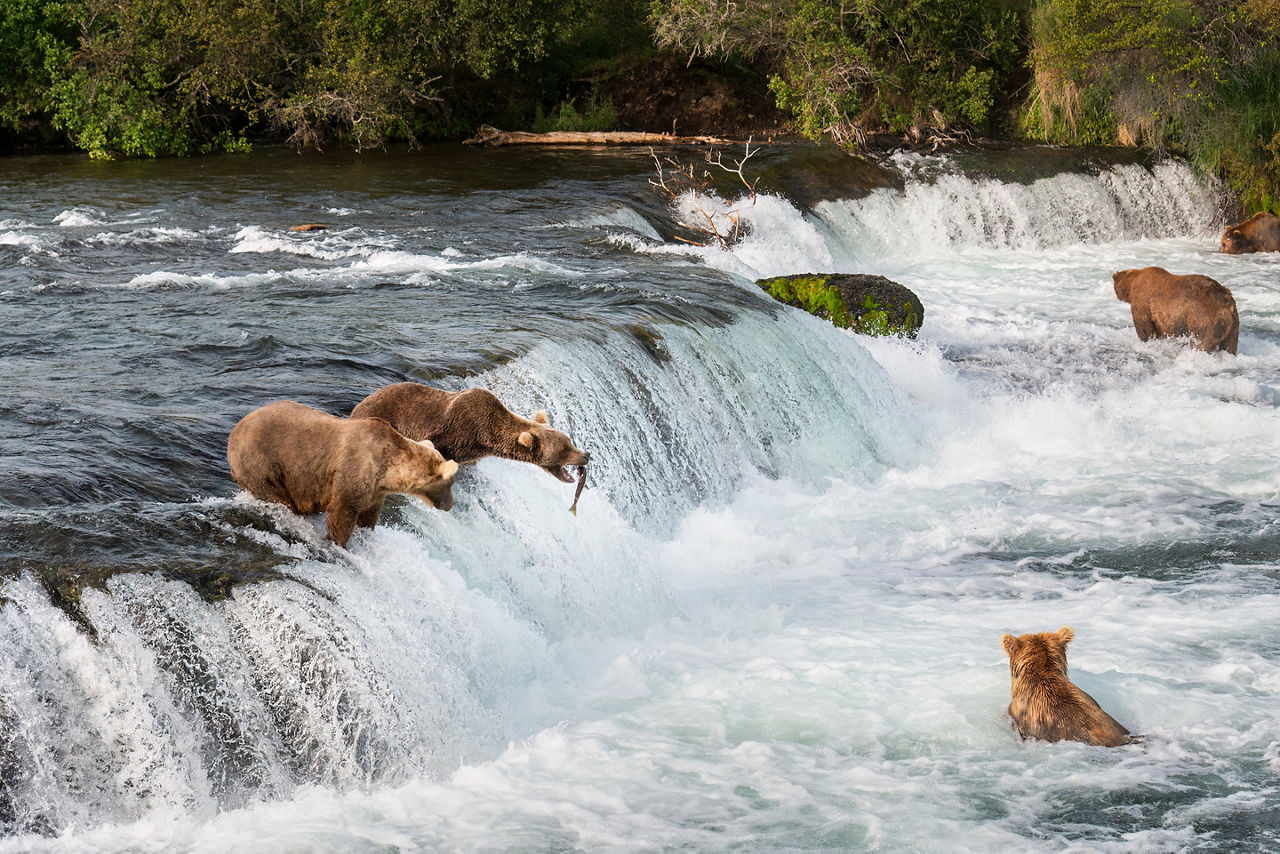
Established to preserve the “Valley of Ten Thousand Smokes,” a title earned following the largest volcanic eruption of the 20th century, Katmai is dotted with more than a dozen active volcanoes across its gigantic, lunar-like ash field. The park is filled with epic hiking trails that climb through alpine meadows and boreal forests to sweeping summits like that of Dumpling Mountain.
Among plenty of other wildlife is an abundance of adorable brown bears. In summer, they gather at Brooks Falls to swipe salmon mid‑leap, turning the river into a living wildlife documentary viewed from elevated platforms and boardwalks. Heads (and wheels!) up, you can only reach Katmai by floatplane or air taxi from hubs like King Salmon or Homer, and visits are highly seasonal, with peak bear viewing from roughly June through early September.
Glacier Bay National Park

Aptly named Glacier Bay is classic Alaska by water: a drowned, glacier‑carved landscape of deep inlets, tidewater ice and forested slopes where harbor seals nap on bergy bits and humpbacks play peek-a-boo in the distance. The primary way in is by ship, and many visitors experience the park by cruise. Keep binoculars at the ready to ooh and ahh at the more than 270 species of birds that fly overhead floating seals and bears patrolling the shores.
Then there are the glaciers. The bay is under tightly managed National Park Service quotas, with only certain ships and itineraries permitted to enter on specific days. Independent travelers can still fly or ferry into Bartlett Cove for kayaking and camping, but weather, tides and strict regulations determine what’s possible, so it’s worth planning early.
Lake Clark National Park
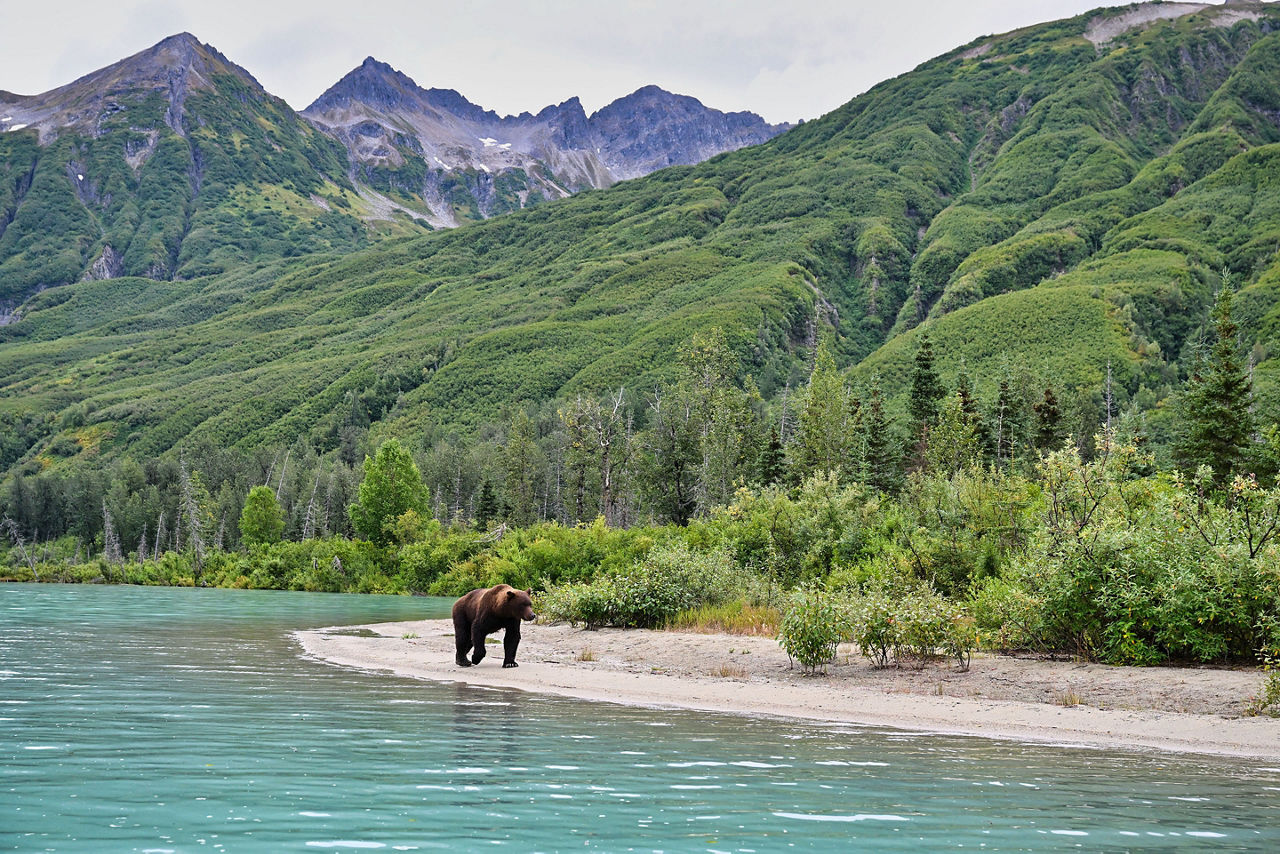
Lake Clark is an abbreviated version of coastal Alaska with its salmon‑rich rivers, turquoise lakes ringed by sharp peaks and brown bears moving through sedge meadows and tidal flats. Reached only by small or floatplanes from places like Anchorage, Homer or Kenai, most visitors come in summer to search for coastal brown bears foraging clams, spectacular kayaking at Twin Lakes, and fly fishing.
Speaking of flying, Lake Clark is also a prime flight seeing destination. Remoteness is part of the draw but also the trade‑off — there are no roads, very few established facilities and weather can ground flights without much warning. Trips here demand flexible timing and a willingness to truly unplug.
Gates of the Arctic National Park
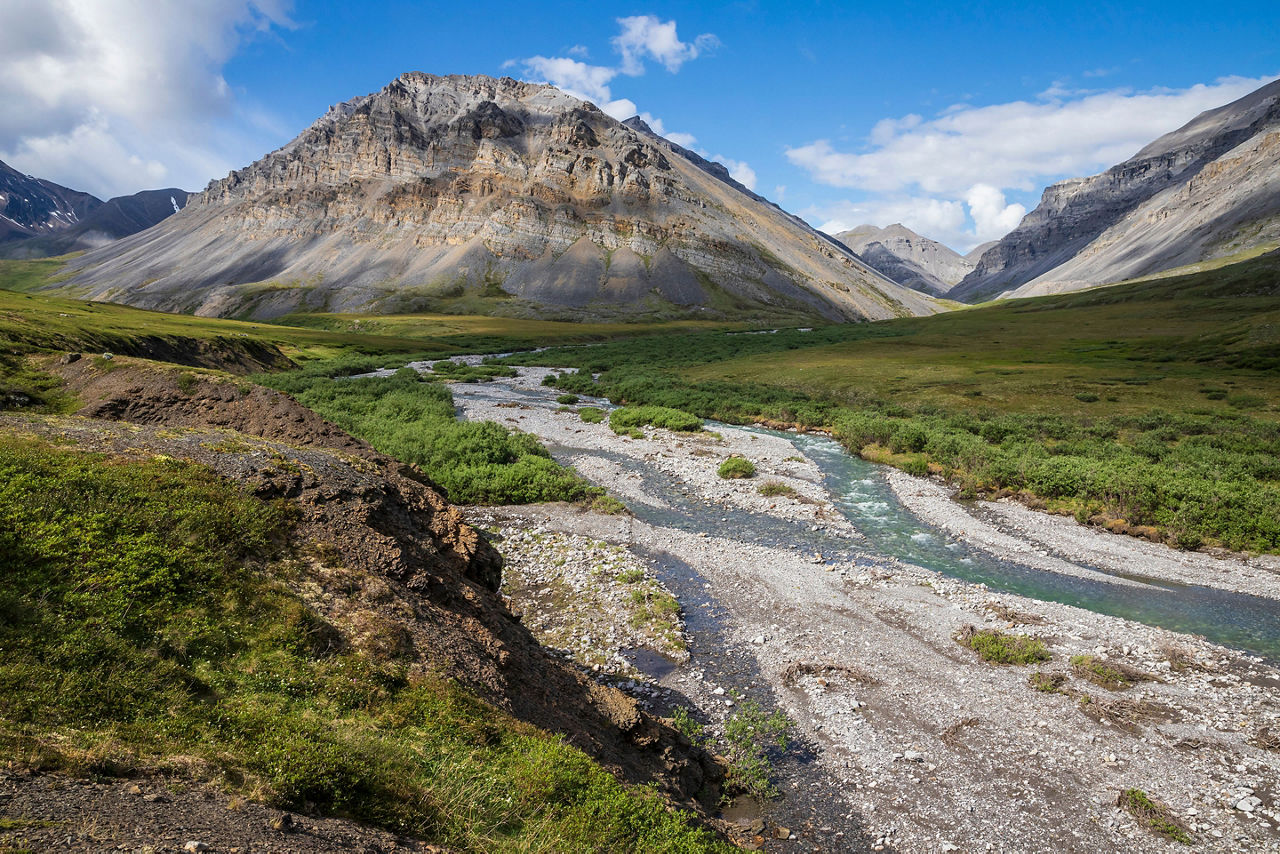
Far above the tree line and entirely north of the Arctic Circle, Gates of the Arctic protects a sweep of the Brooks Range mountains, glacial valleys and caribou migration routes with almost no built infrastructure to soften the edges. There are no roads or maintained trails inside the park; most travelers arrive by small aircraft from Arctic villages or charter operators, timing visits for the short, light‑filled window of late June through August when river crossings and tundra travel are feasible. Equally untamed, isolated and vast, it's a favorite for intrepid backpackers and paddlers who can navigate without way-finding signs, manage encounters with wildlife and pack for self‑sufficiency in a place where rescue can be days, not hours, away.
Kobuk Valley National Park
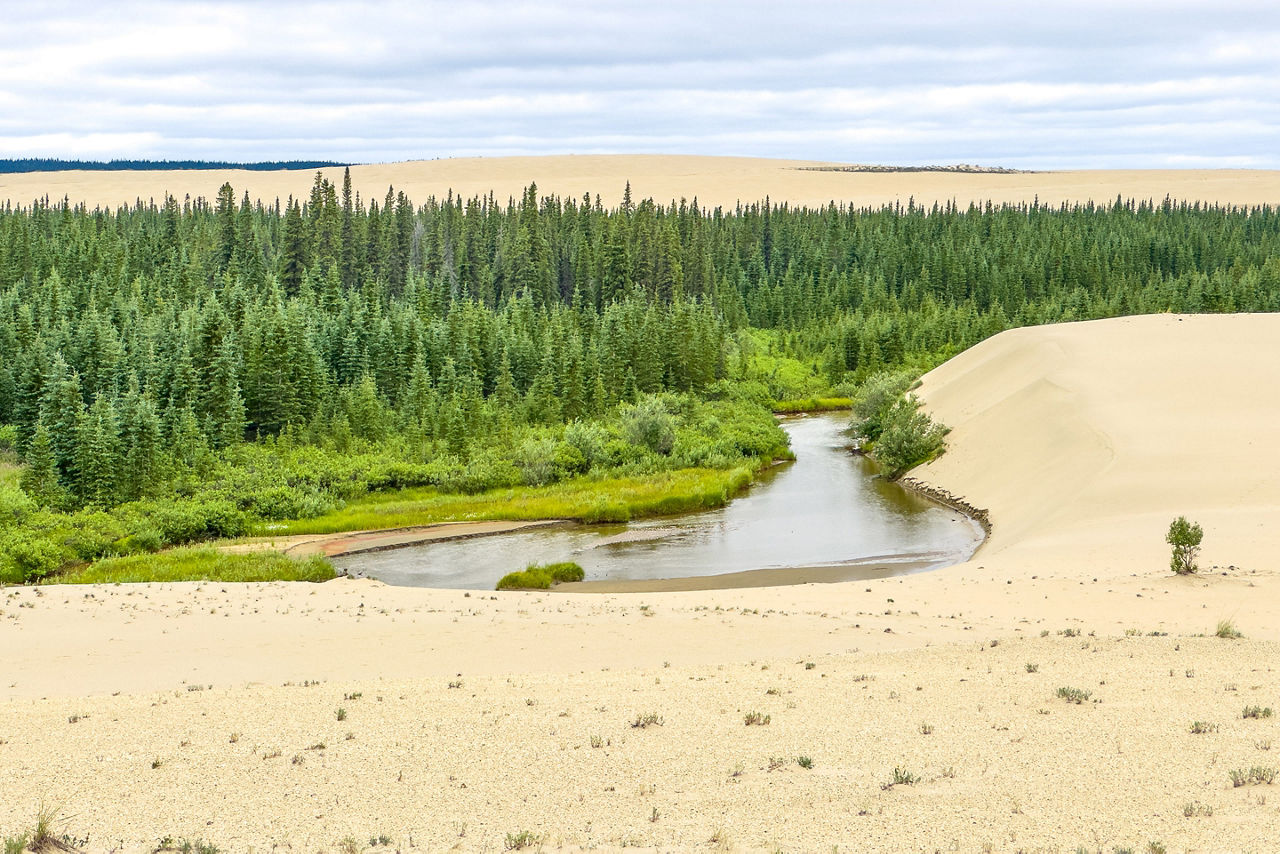
Kobuk Valley is all about contrast: a broad, green river corridor framed by thick spruce forest and, rising unexpectedly from the Arctic landscape, the Great Kobuk Sand Dunes — a shifting field of pale, windswept sand as tall as city buildings. Like Gates of the Arctic, it’s fly‑in only, with visitors typically arriving by small plane from communities such as Bettles or Kotzebue in midsummer when river travel, hiking and camping conditions are at their gentlest. There are no roads, lodges or marked trails here — just dunes, wetlands and caribou enroute to their next calving grounds — so trips require careful planning with local outfitters or pilots.
How to Plan a One-Week Alaskan National Parks Itinerary
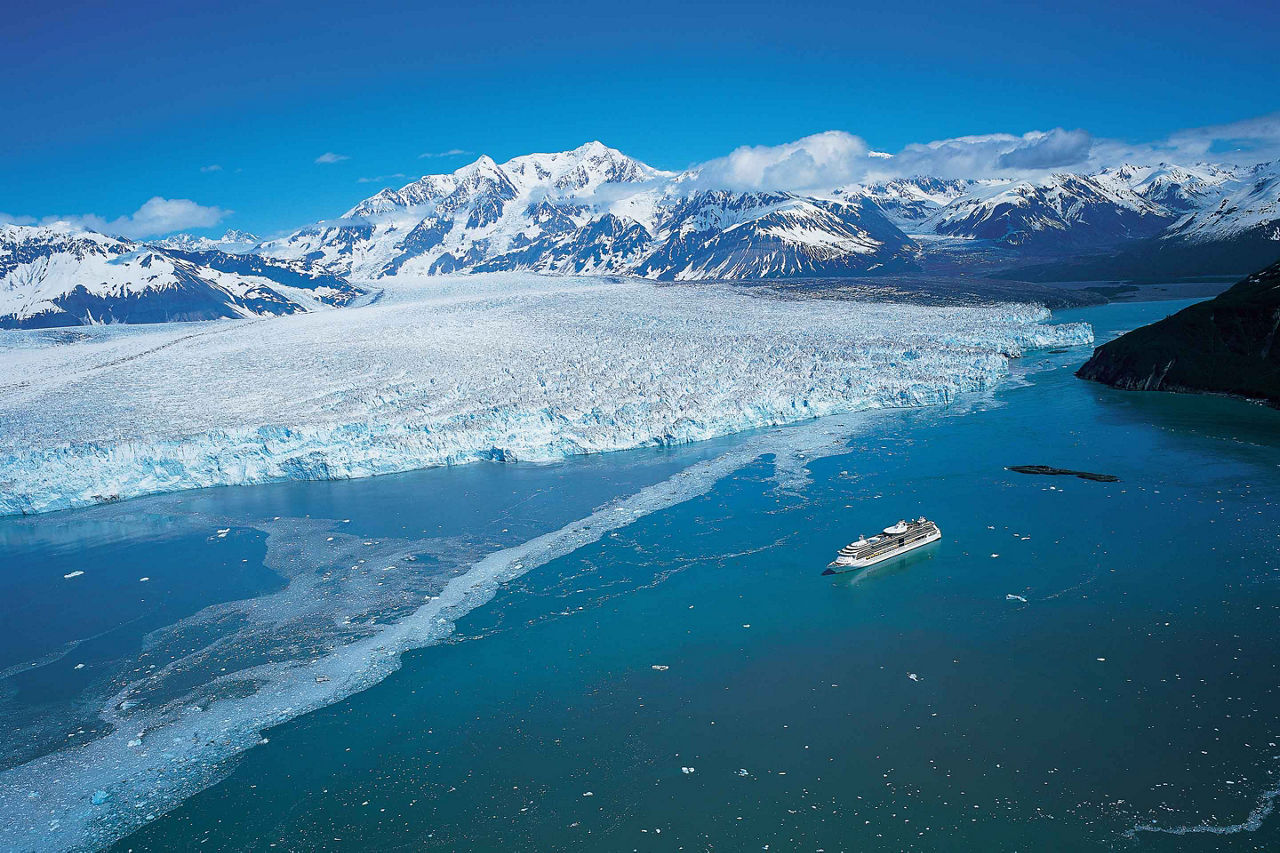
For an epic adventure through Alaska’s national parks, cruising keeps the logistics light and the scenery big. A Royal Caribbean Cruisetour pairs coastal cruising with land adventures, so you can drift by the Last Frontier slowly one day and explore inland by rail or trail the next.
If you’re still deciding which combination of parks and ports to prioritize, anAlaska cruise vacation bucket list can help you narrow the field to a handful of dream stops, while choosing must-see landmarks can help you map out more that you want to see. Prioritize the ports and towns that match your wish list, whether that means Indigenous culture, Gold Rush history, local seafood — don’t miss the buttery halibut — or wild landscapes.
Proper packing will set the tone of your comfort, so pack layers, waterproof outerwear, sturdy shoes, binoculars for changing weather and wildlife sightings. Book must-do excursions early and be sure to balance boots-on-the-ground adventures with the wide-angle views you can only get from the deck.
Set Sail on an Alaskan National Parks Vacation
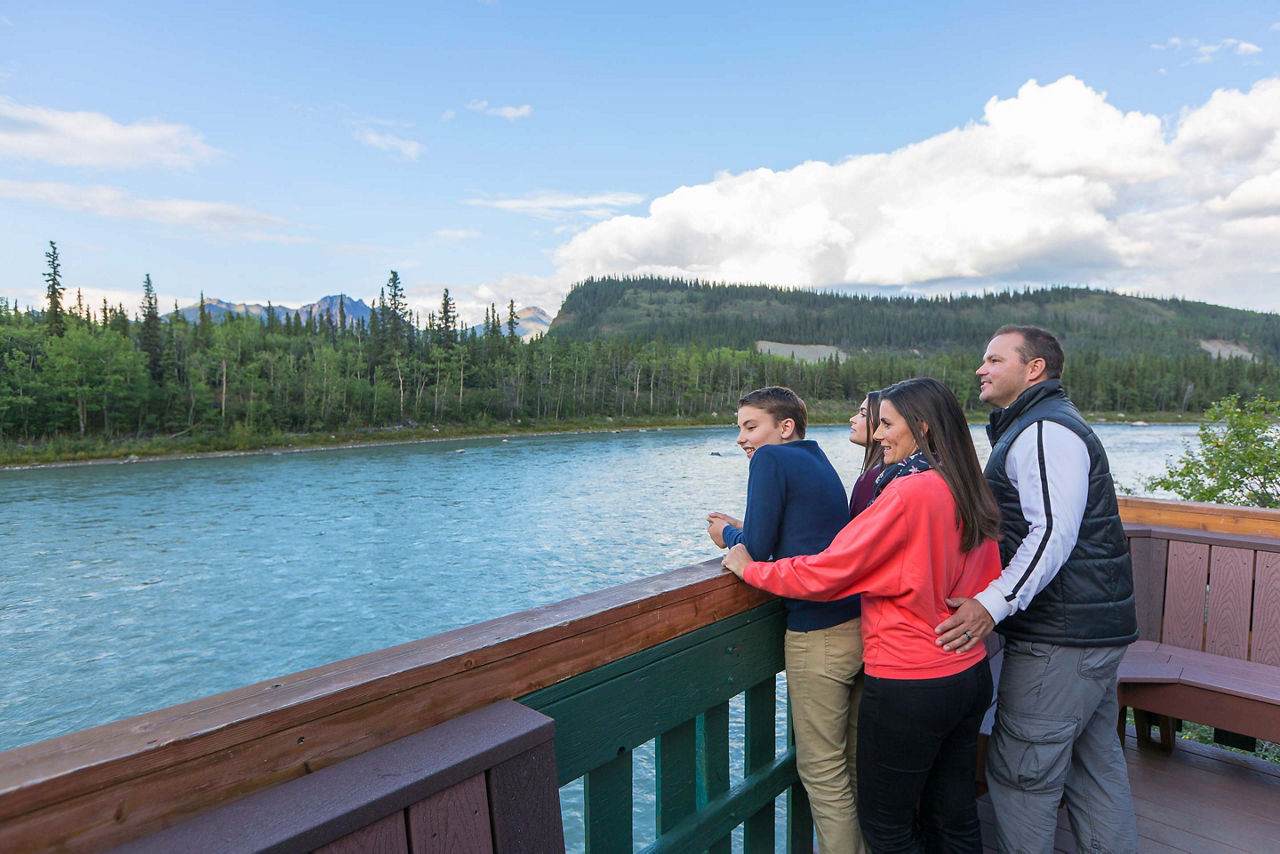
The thrill of setting off on a trail, the wonder of witnessing a grazing moose or breaching whale, the calm bliss of an Arctic sunrise and slow sail through misty channels — exploring Alaska is as much about getting your feet on the ground as it is taking a step back and viewing it from afar.
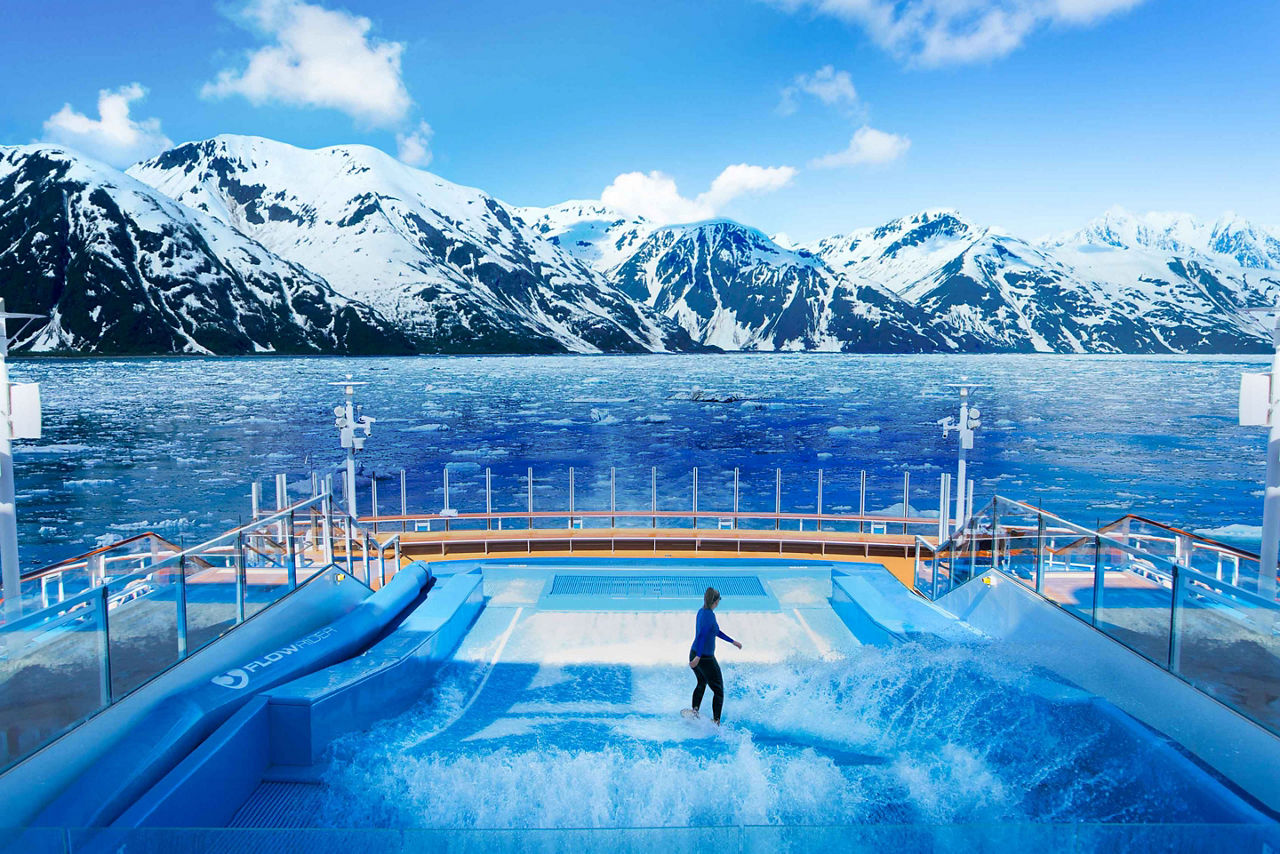
Embarking on a cruise lets you do both, so you can experience the most stunning Alaskan national parks by water, land and sky, with time to spare.
Related Articles
Alaska Cruise Weather by Month: What to Expect Before You Sail
READ MORE
12 Best Family Vacation Ideas in Seward, Alaska
READ MORE
Alaska Cruise Comparison: Which Alaskan Cruise is Right for You?
READ MORE