South Korea's beloved island getaway holds a rare UNESCO triple crown as a World Natural Heritage Site. Its Biosphere Reserve and Global Geopark, beaches, waterfalls and stone grandfather statues give it a character all its own. Here are the top 10 things Jeju is known for, and the experiences you won't want to miss.
1. Hallasan Mountain
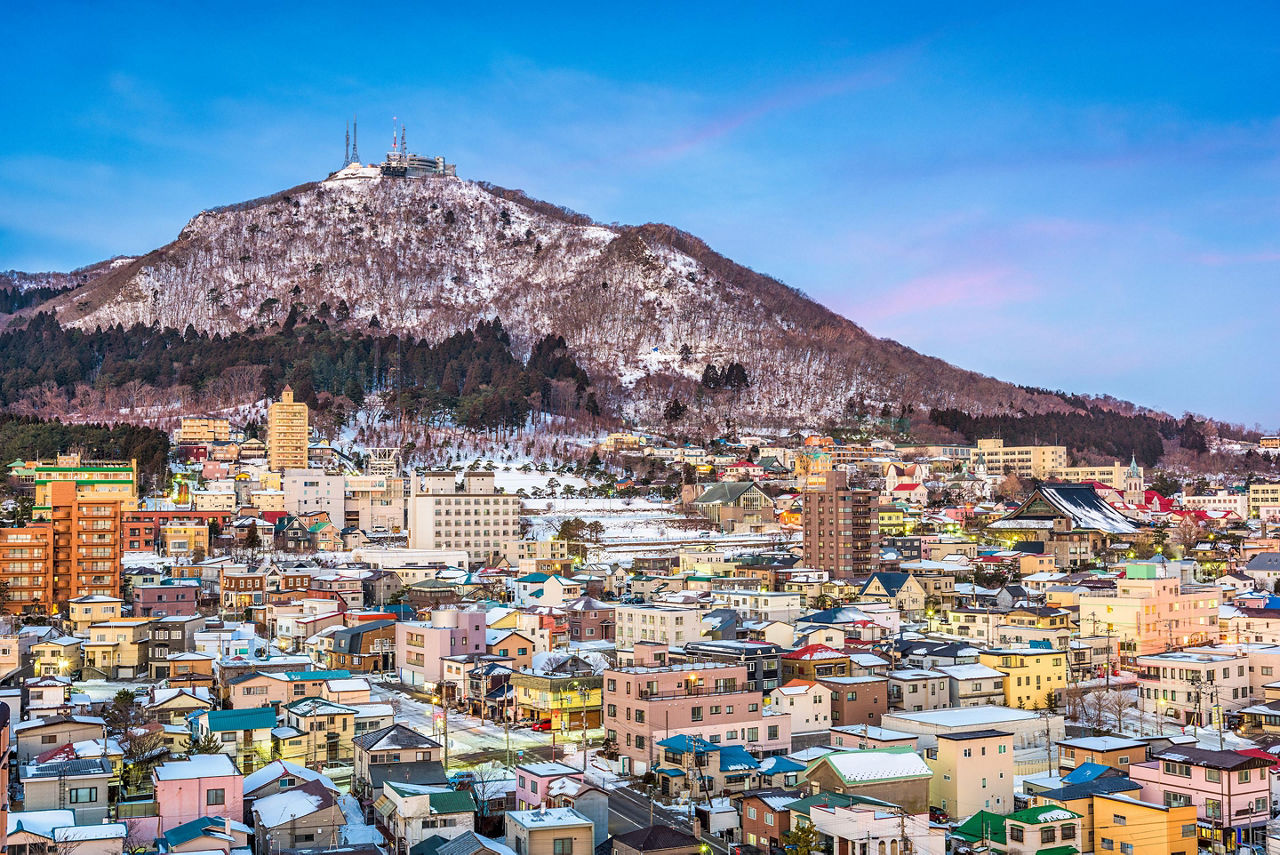
Jeju is known for Hallasan, the dormant volcano that rises 6,388 feet at the very center of the island and ranks as the highest peak in South Korea. Hiking trails wind through fields of wildflowers and ancient forests to a crater lake at the summit. The mountain seems to follow you everywhere, visible from nearly every corner of Jeju. In winter, its snowy slopes glow pink at sunrise, and in spring, the lower trails blaze with azaleas.
2. The Haenyeo Diving Women
Jeju is famous for its haenyeo, the legendary free-diving women who plunge into the sea without oxygen tanks to harvest abalone, sea urchin and octopus. Recognized by UNESCO as Intangible Cultural Heritage, many haenyeo continue diving well into their 70s and 80s. Watch them work along the coast near Seongsan, visit the Haenyeo Museum or sample their fresh catch at seaside stalls for a taste of Jeju's most remarkable living tradition.
3. Seongsan Ilchulbong

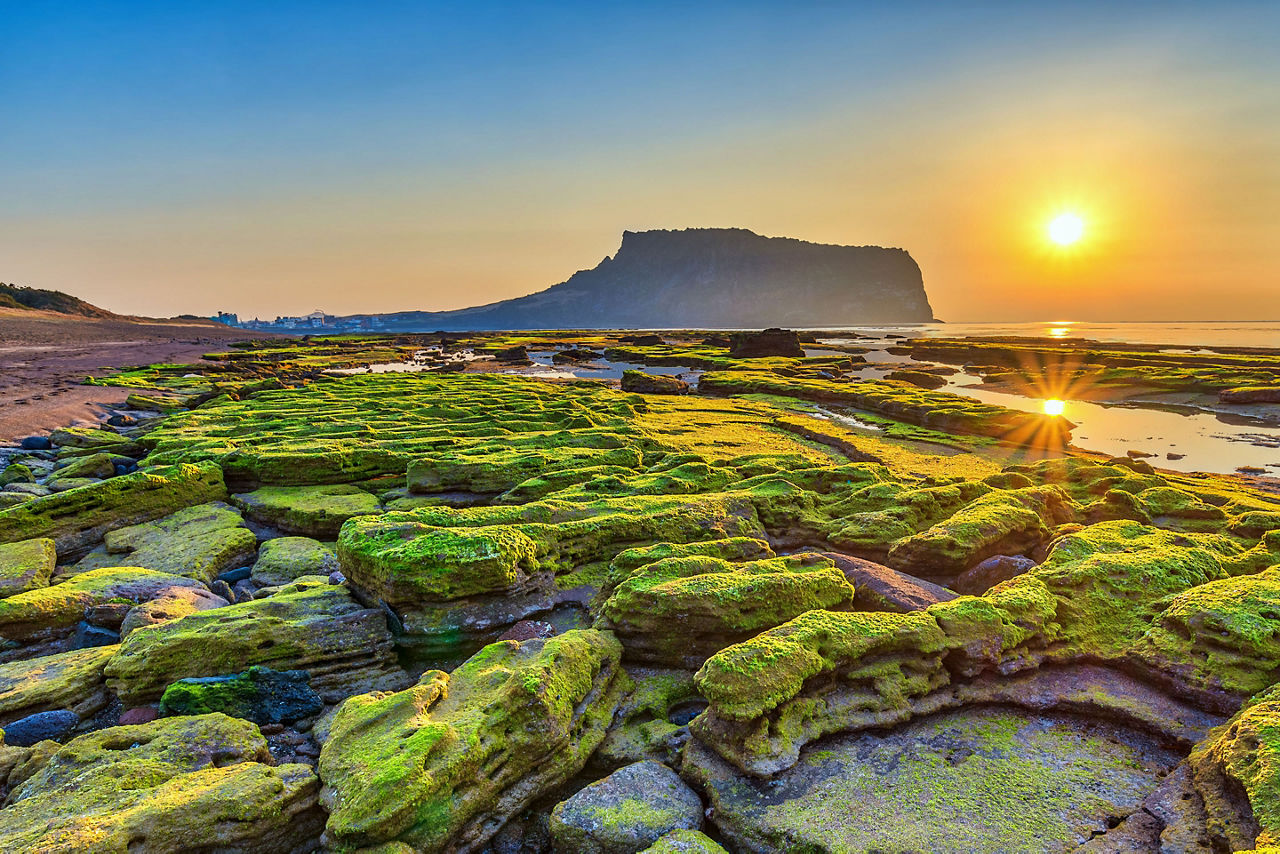
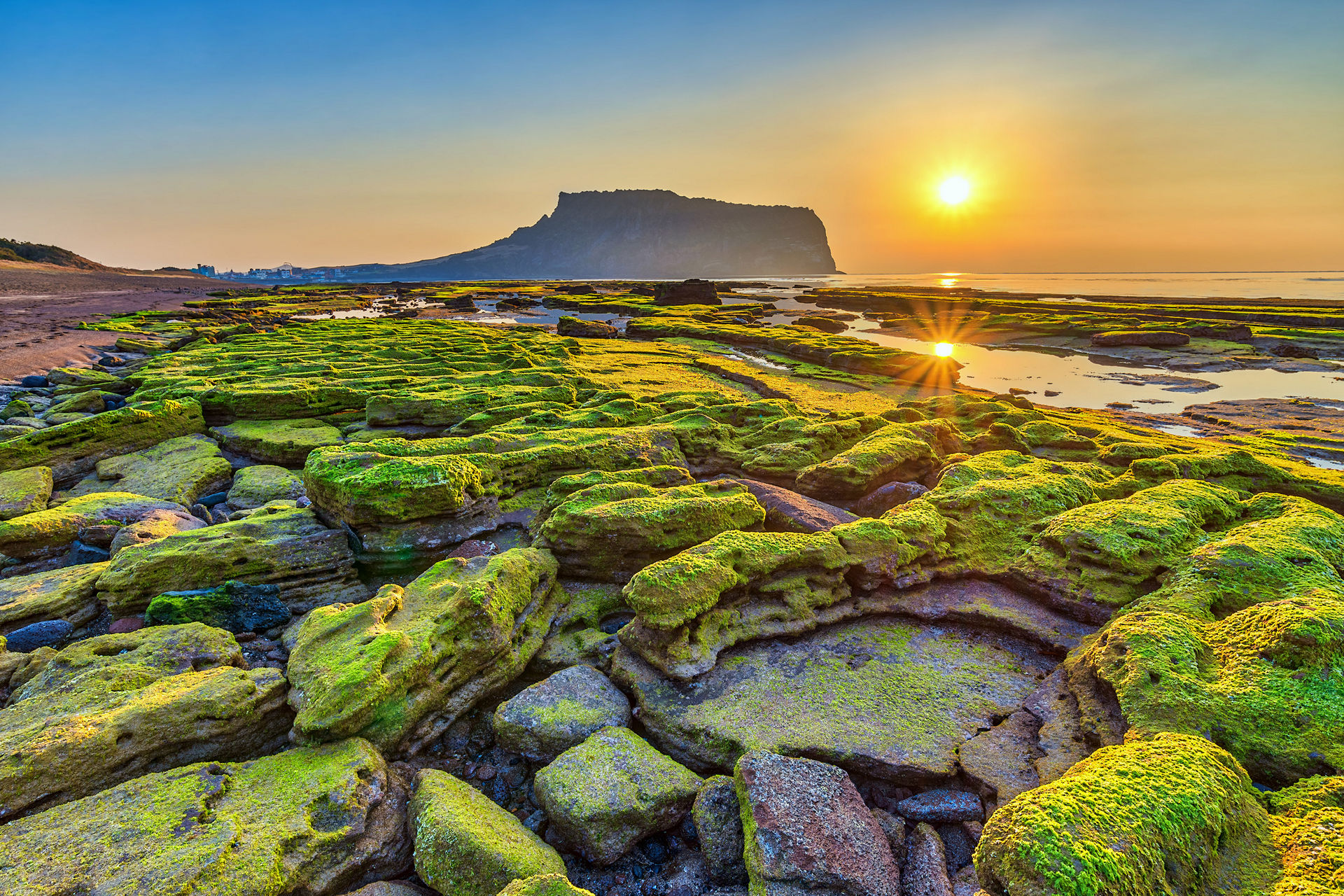
Rising dramatically from the eastern coast, Seongsan Ilchulbong is known as Sunrise Peak, a volcanic tuff cone crowned by a vast grassy crater. The climb to the top takes about 30 minutes, and watching the sun rise over the Pacific from its rim is one of Korea's most celebrated experiences. The peak is a UNESCO World Heritage Site, and the emerald fields and fishing villages below make the descent just as beautiful.
4. Hallabong Citrus
Jeju is famous for hallabong, the large, sweet citrus fruit with a distinctive bump on top, named after Hallasan itself. Tangerine orchards blanket the island, and in winter, the trees hang heavy with bright orange fruit. Pick your own at a local orchard, sip fresh hallabong juice at a seaside cafe and bring home chocolates, teas and candies flavored with Jeju's signature fruit. Gift boxes of hallabong are prized across Korea.
5. Jeju Black Pork
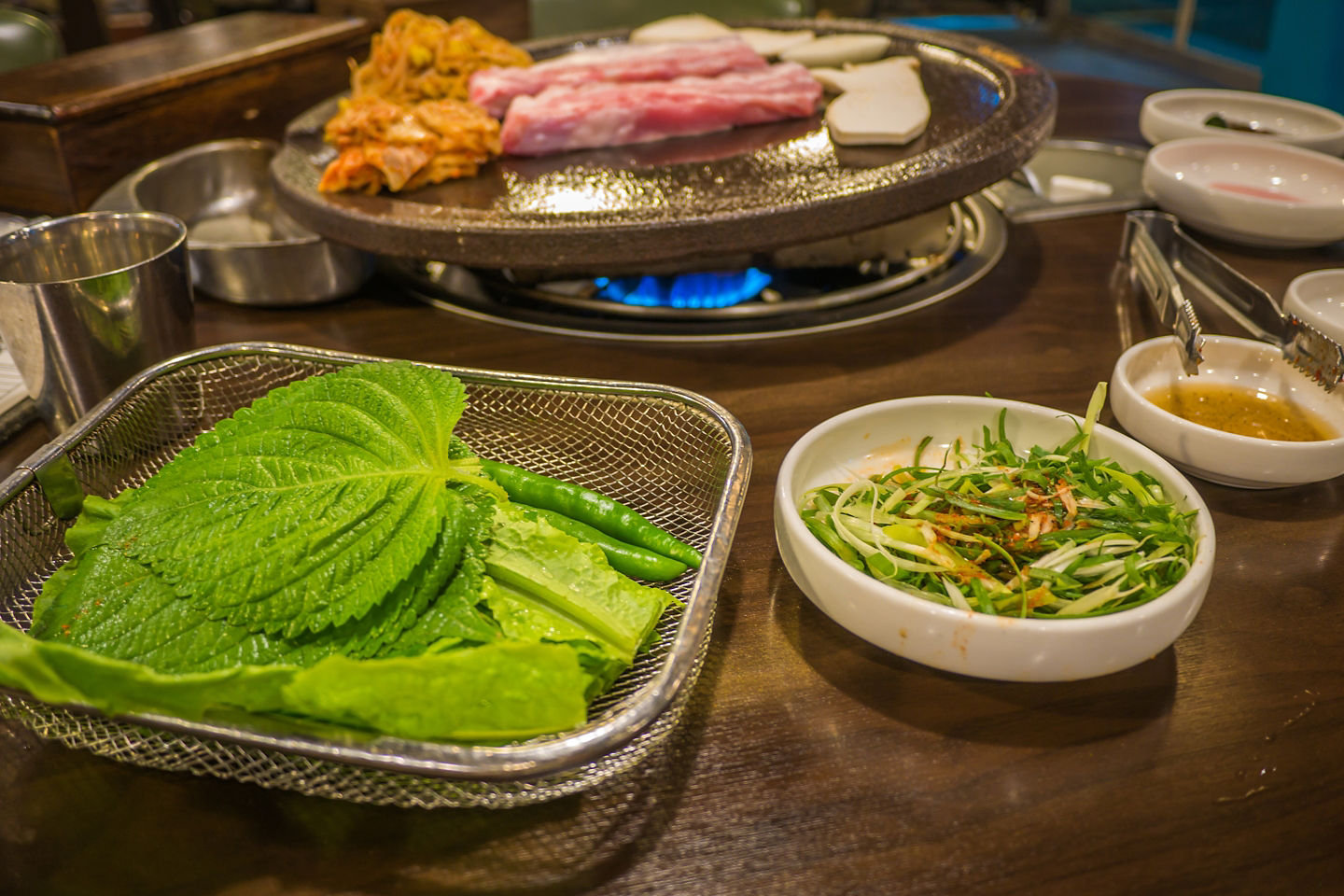
In terms of food, Jeju is known for black pork, a native breed prized for its rich flavor and served grilled over charcoal at restaurants across the island. Head to Black Pork Street in Jeju City, where smoky grill houses serve thick cuts with lettuce wraps, garlic and dipping sauces. Pair it with the island's fresh seafood and a glass of local Hallasan soju for the full Jeju feast.
6. Manjanggul Lava Tube
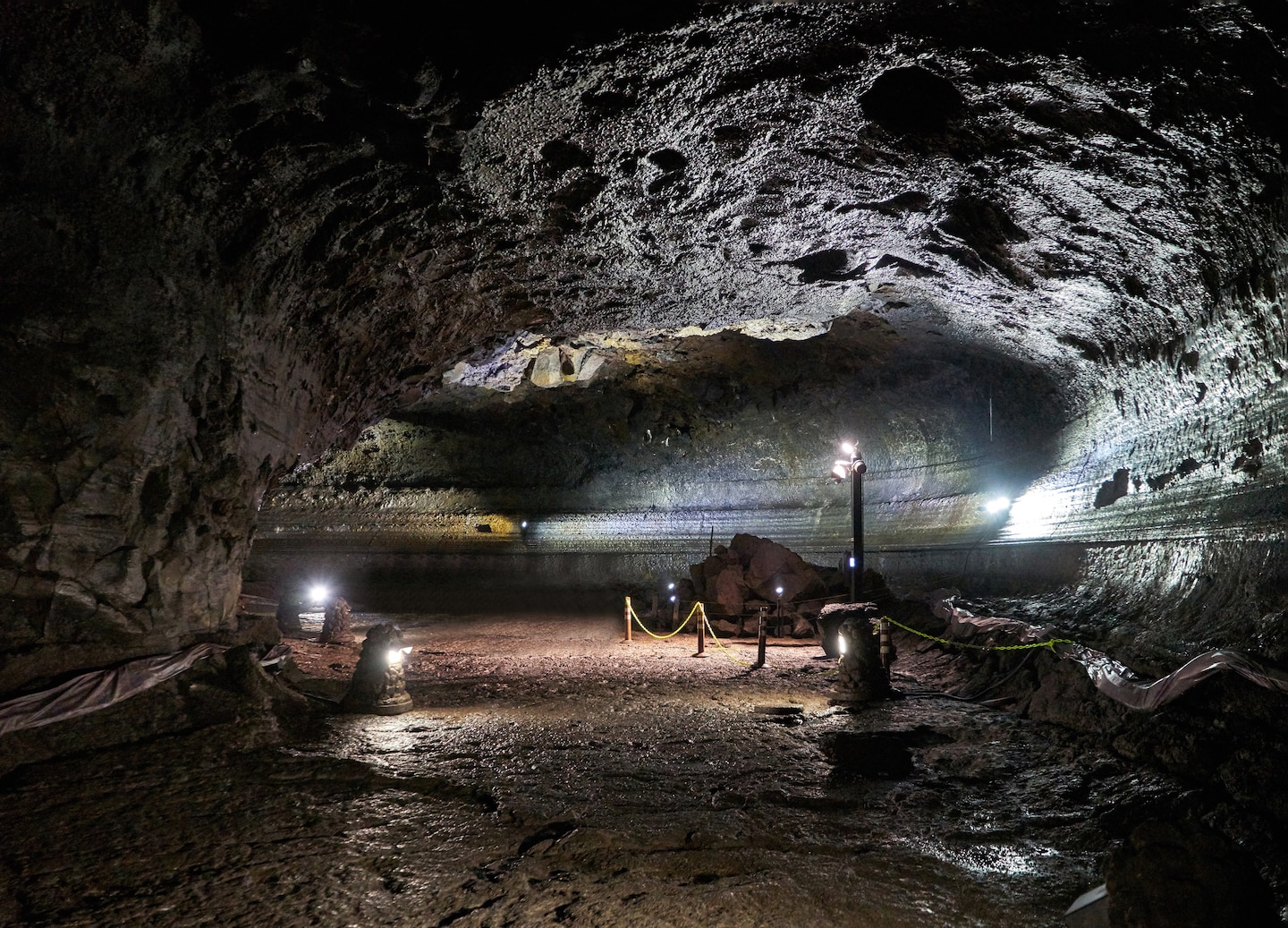
Jeju is known for its volcanic origins, and nowhere shows them off like Manjanggul, one of the longest lava tubes on Earth. A kilometer of this UNESCO-listed cave is open to visitors, ending at a 25-foot lava column that ranks among the tallest in the world. Walking the cool, dim passage beneath ceilings sculpted by ancient lava flows feels like exploring another planet.
7. Hyeopjae Beach
Of all the island's beaches, Hyeopjae Beach is the showstopper, famous for powdery white sand and shallow turquoise water with the islet of Biyangdo floating on the horizon. The gentle slope makes it perfect for families, and the sunsets here are among the best on the island. Neighboring Hallim Park adds botanical gardens and caves for an easy full day on Jeju's northwest coast.
8. Cheonjiyeon Waterfall
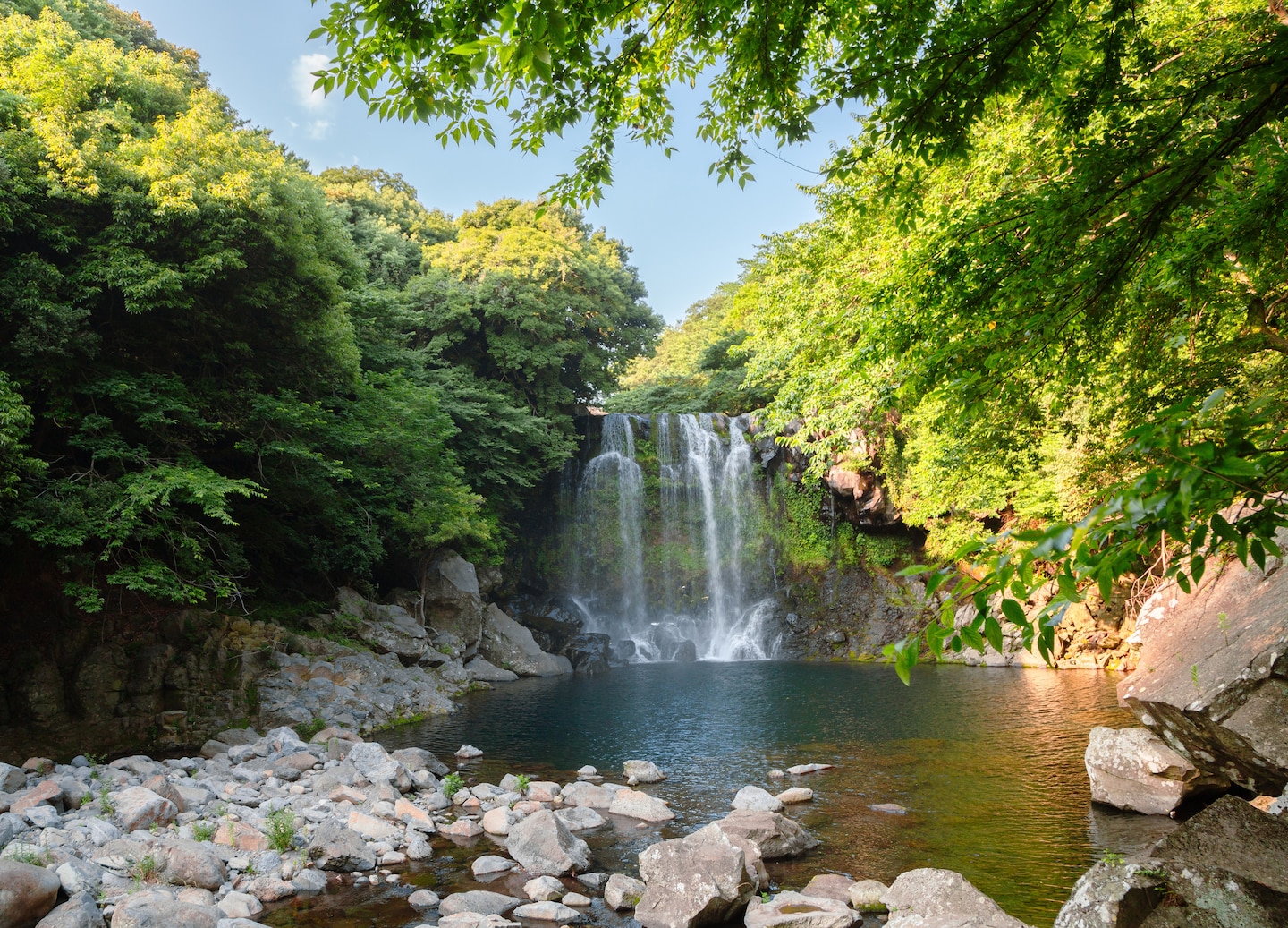
Jeju is also known for its waterfalls, and Cheonjiyeon is the most beloved — its name meaning a pond where the sky meets the land. A short walk through a subtropical ravine leads to the 72-foot cascade pouring into a jade pool. Visit in the evening, when the falls are illuminated and the path glows with soft light, for one of Seogwipo's most romantic scenes.
9. Udo Island
A 15-minute ferry from Seongsan port, Udo Island is famous for white coral sand beaches, turquoise coves and a laid-back pace that feels a world away. Rent a bike or electric scooter and circle the island's coastal loop, stopping for Udo's famous peanut ice cream and views back toward Seongsan Ilchulbong. It's Jeju in miniature, and many visitors call it the highlight of their trip.
10. Osulloc Tea Fields
On Jeju's western side, emerald rows of green tea stretch to the horizon at the Seogwang tea fields, home of the Osulloc Tea Museum. Korea's largest tea brand grows its leaves in Jeju's volcanic soil, and the museum pours everything — from delicate green teas to legendary green tea ice cream and cakes. Wander the photogenic fields, then warm up with a tasting in the sleek tea house.
What Is Jeju Known For?
Jeju is known for Hallasan Mountain, the haenyeo diving women, Seongsan Ilchulbong, hallabong citrus, black pork and volcanic treasures like the Manjanggul lava tube. From the white sands of Hyeopjae Beach to the green tea fields of Osulloc, this island packs an astonishing variety of nature, culture and flavor into one destination. And with cruise ships calling at Jeju, Korea's island paradise of volcanoes and diving legends is ready to welcome you ashore.
Planning a Trip to Jeju?
Want to learn more about this South Korean gem? Check out these guides to plan your next trip:
- Jeju (Seogwipo), South Korea Shore Excursions - Discover Jeongbang Waterfall, Seongsan Ilchulbong Peak, and scenic coastal trails.