Whether you're an adventure traveler, history enthusiast or someone seeking relaxation, Panama offers a unique blend of experiences. From its world-renowned canal to its stunning beaches and rainforests, here are 10 things Panama is known for that make it a must-visit destination.
1. The Panama Canal

Without a doubt, one of the most iconic things Panama is known for is the Panama Canal. This engineering marvel connects the Atlantic and Pacific Oceans, dramatically shortening maritime travel time. A visit to the Miraflores Locks is a must for anyone coming to Panama. The visitor center offers exhibits on the history and construction of the canal, as well as viewing platforms where you can watch massive ships pass through the locks. It’s a true testament to human ingenuity and a highlight for travelers interested in engineering and history.
2. Biodiversity & Rainforests

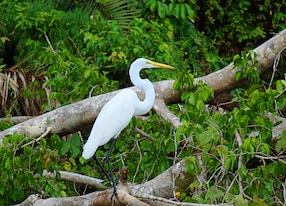
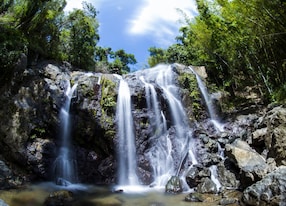
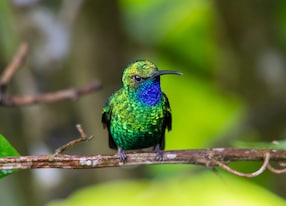
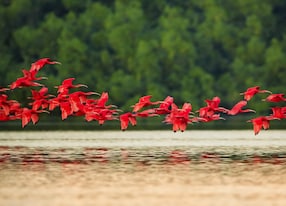
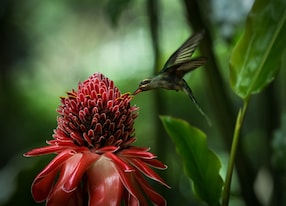
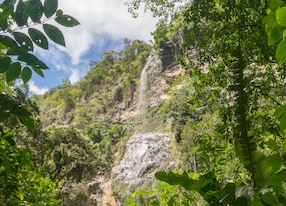
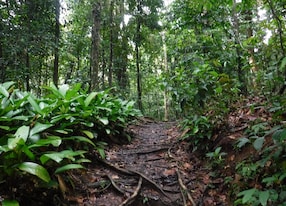
Panama is known for its rich biodiversity, boasting some of the most impressive rainforests and wildlife in the world. Soberanía National Park, located just outside Panama City, is a nature lover’s paradise offering hiking trails through lush rainforests where you can spot sloths, monkeys and hundreds of bird species, including the rare Harpy Eagle. Guided tours are available for those who want to explore the flora and fauna up close. For a unique experience, visit the Metropolitan Natural Park, one of the only wildlife refuges located in a major city.
3. Casco Viejo
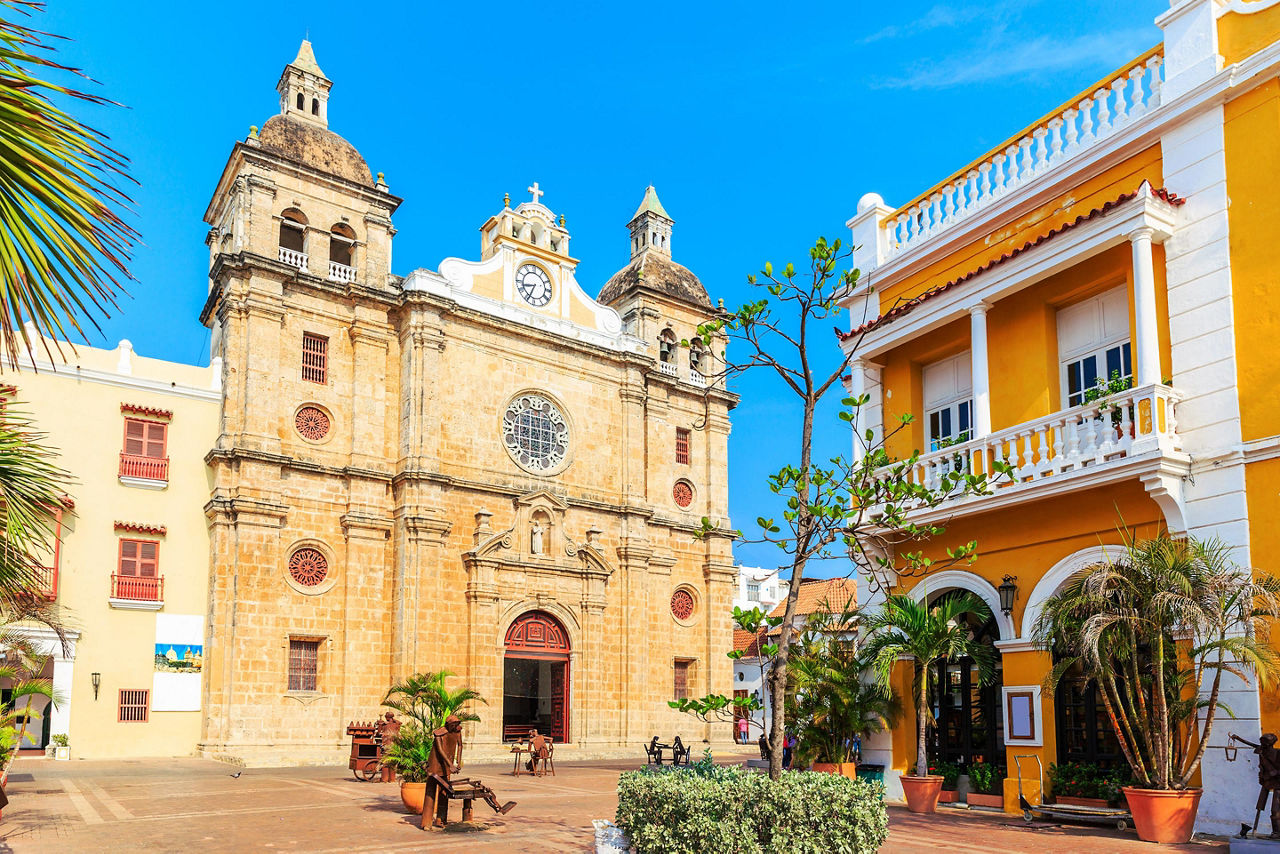
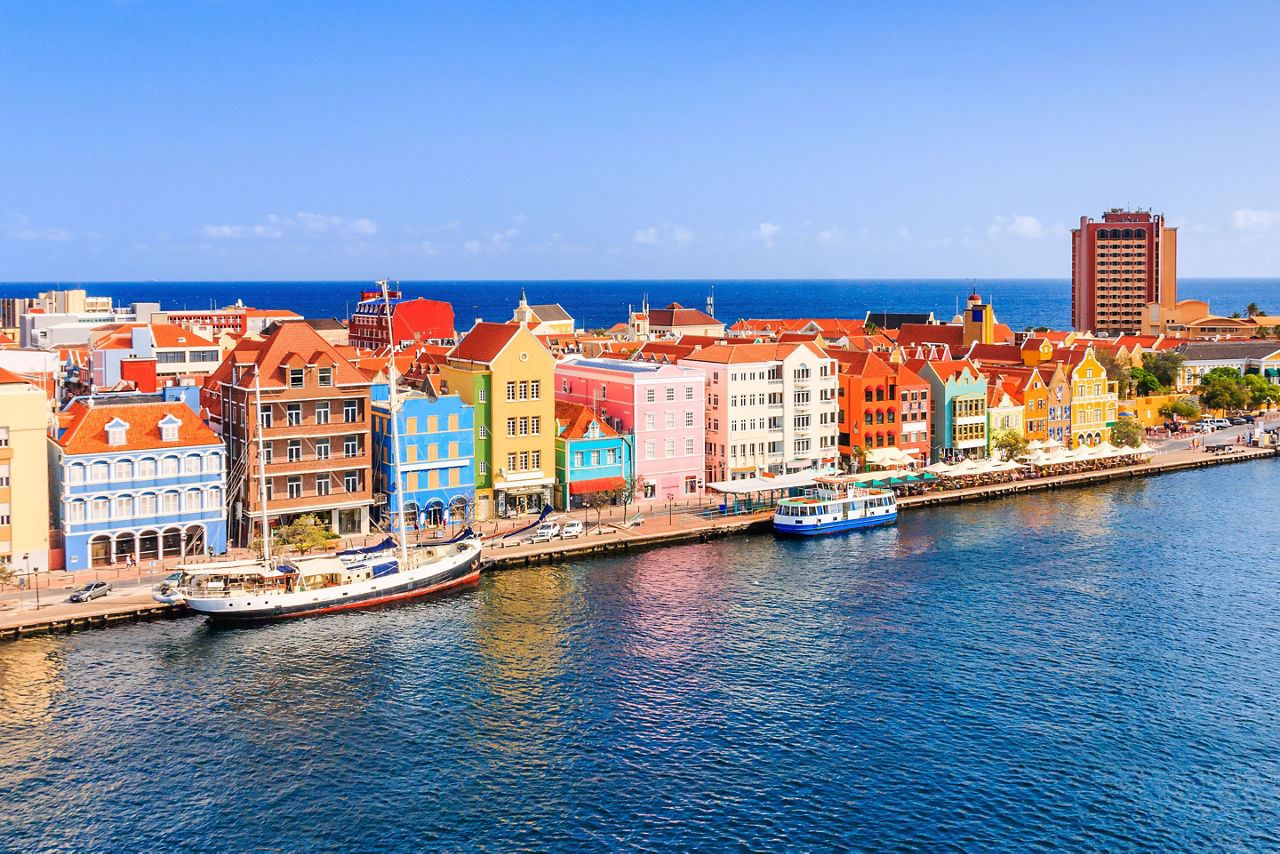
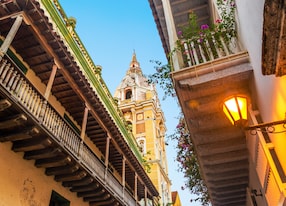
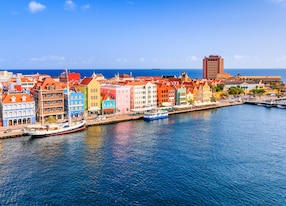
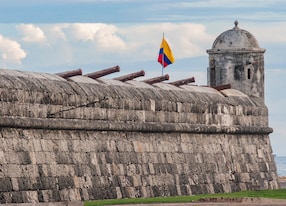
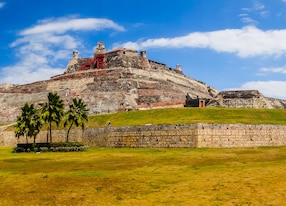
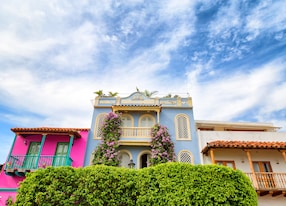
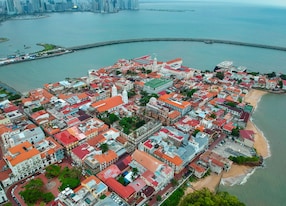
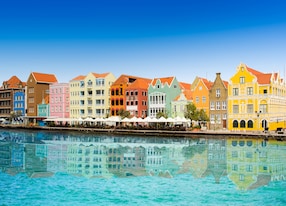
Panama’s historic district, Casco Viejo (Old Quarter), is a UNESCO World Heritage site and a cultural gem. Known for its charming colonial architecture, colorful buildings and cobblestone streets, Casco Viejo is a blend of history and modernity. You can explore historic landmarks like the San Jose Church with its famous golden altar, visit art galleries and enjoy rooftop bars with stunning views of the city skyline. Casco Viejo’s lively atmosphere makes it a popular spot for both tourists and locals alike.
4. Islands & Beaches
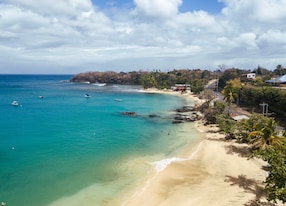
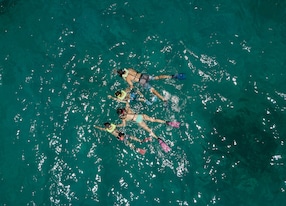
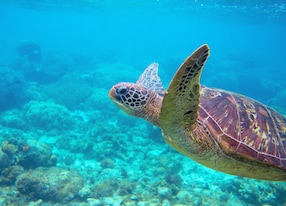
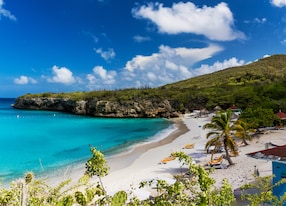
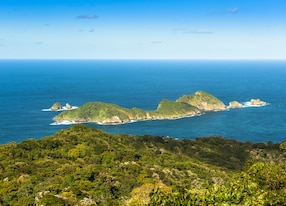
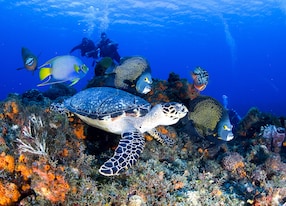
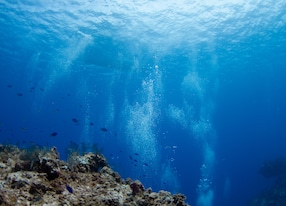
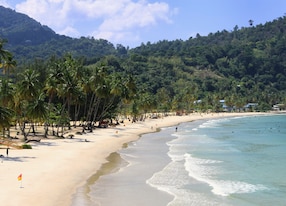
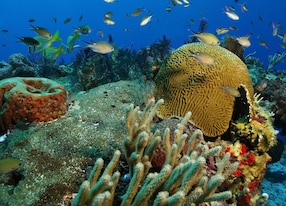
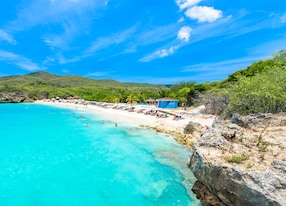
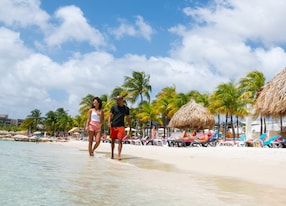
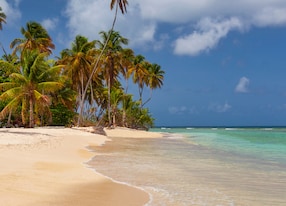
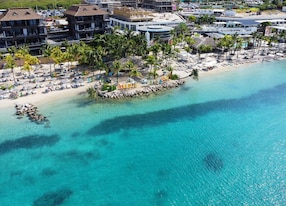
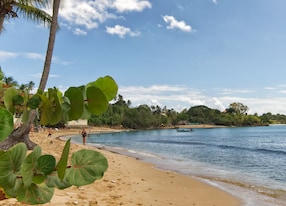
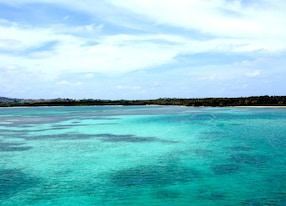
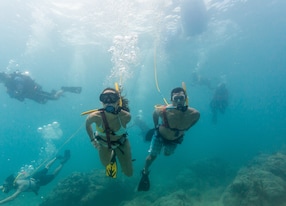
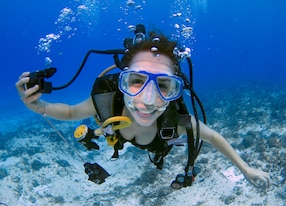
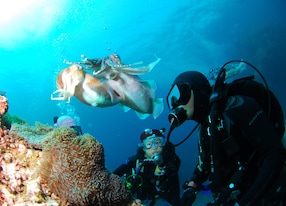
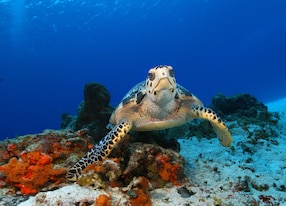
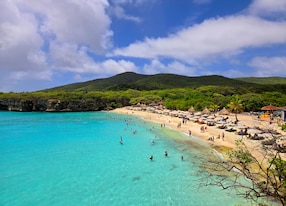
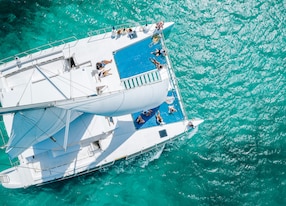
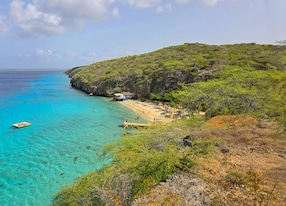
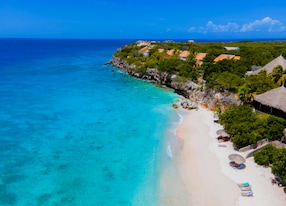
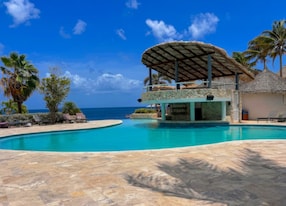
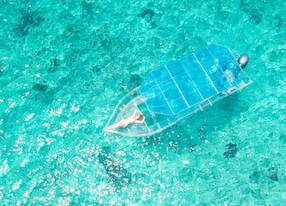
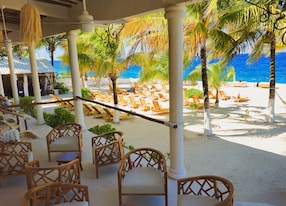
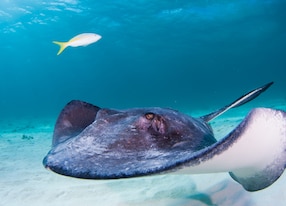
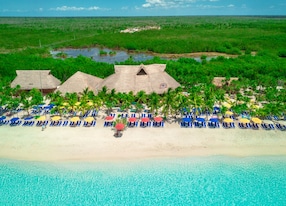
Panama is home to a stunning array of islands and beaches, perfect for those seeking relaxation or water sports. The San Blas Islands, an archipelago of nearly 400 islands, is one of the most pristine and culturally significant regions. Managed by the Guna Yala indigenous people, these islands offer crystal-clear waters, white-sand beaches and a chance to experience traditional Guna culture. On the Pacific side, Bocas del Toro is known for its vibrant marine life, great for snorkeling and diving.
5. The Amador Causeway
The Amador Causeway is a scenic stretch of road connecting Panama City to a series of islands in the Pacific Ocean. Known for its beautiful views of the city skyline and the Panama Canal entrance, this area is popular for leisurely walks, cycling and enjoying waterfront dining. The Biomuseo, a biodiversity museum designed by Frank Gehry, is located here and offers interactive exhibits on Panama’s natural history. Visitors can also take boat tours from the Causeway to nearby islands like Taboga, known as the “Island of Flowers.”
6. Boquete & Coffee Farms
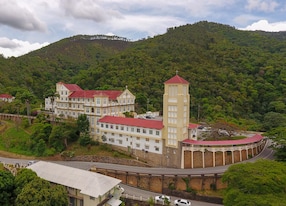
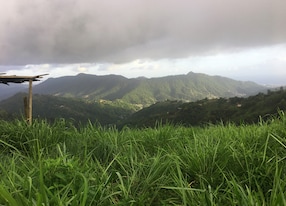
Located in the highlands of western Panama, Boquete is known for its cool climate, lush landscapes and world-class coffee farms. Coffee lovers can tour local coffee plantations to learn about the cultivation and harvesting process of some of the finest coffee beans in the world. Boquete’s natural beauty also makes it a haven for outdoor enthusiasts, offering activities such as hiking, bird-watching and river rafting. The famous hike up Volcán Barú, the highest point in Panama, provides stunning views of both the Pacific Ocean and Caribbean Sea.
7. Cultural Diversity
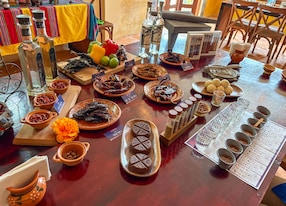
Panama is a melting pot of cultures and this diversity is reflected in the country’s festivals, food and everyday life. From the Afro-Caribbean influences in the province of Colón to the indigenous traditions of the Guna, Embera and Ngäbe-Buglé peoples, Panama is a rich tapestry of cultures. Visitors can experience traditional dances, music and festivals. One of the most popular festivals is Carnival, which is celebrated with parades, costumes and lively music. A visit to the local markets also allows travelers to sample authentic Panamanian dishes, such as sancocho (a hearty chicken soup) and arroz con pollo (rice with chicken).
8. Adventure Sports
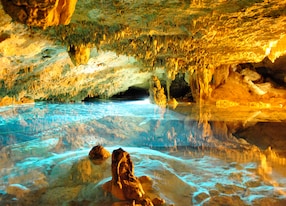
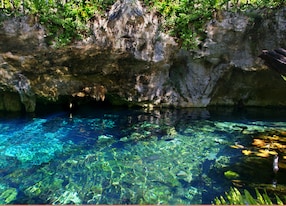
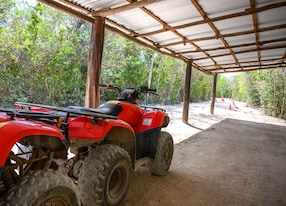
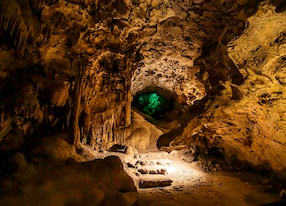
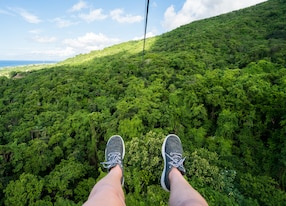
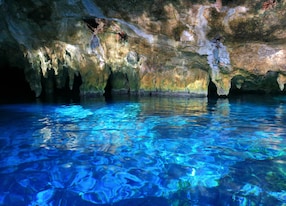
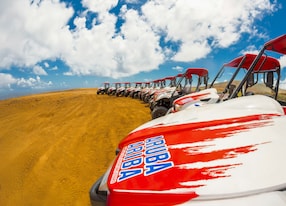
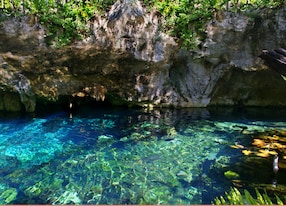
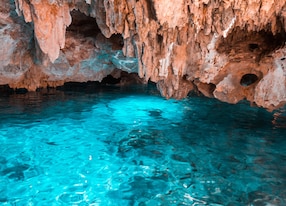
Panama’s varied terrain makes it a fantastic destination for adventure sports. In the highlands of Boquete, you can zip-line through cloud forests, hike through rugged trails and go whitewater rafting on the Chiriquí River. On the coastlines, water sports such as surfing, kayaking and snorkeling are popular. For those seeking a more unique adventure, Panama offers cave exploration in places like Bayano Lake, where you can traverse through underground rivers and explore spectacular limestone formations.
9. Indigenous Cultures
Panama is home to several indigenous groups, each with its own unique traditions, art and way of life. A visit to an Embera village is a chance to step back in time and experience the traditional way of life of Panama’s indigenous people. Located along the Chagres River, these villages offer cultural tours where visitors can learn about the Embera’s customs, enjoy a traditional meal and purchase handmade crafts. For those interested in a more remote cultural experience, the Guna Yala region offers a fascinating insight into the Guna people, known for their vibrant molas (textile art).
10. Panama City’s Skyline

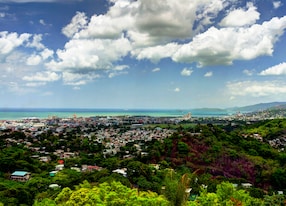
Panama City’s skyline is one of the most impressive in Latin America. The city is a blend of modern skyscrapers and historic architecture, with neighborhoods like Punta Paitilla and Avenida Balboa offering luxurious high-rises that overlook the ocean. Visitors can explore Panama City’s modern side, with world-class restaurants, shopping malls and entertainment options. The contrast between the old-world charm of Casco Viejo and the sleek skyscrapers of the financial district makes the city such an interesting place to visit.
What is Panama Known For?

Panama is known for the Panama Canal, its rich biodiversity and diverse cultural heritage. Visitors can explore the iconic Casco Viejo, relax on the stunning beaches of the San Blas Islands and enjoy adventure sports in places like Boquete. With its mix of modern cityscapes and natural beauty, Panama offers travelers a unique blend of history, culture and adventure.
FAQs:
1. Is Panama worth visiting?
Yes, Panama is worth visiting for travelers who want a mix of history, nature, beaches, culture and city experiences. You can explore Casco Viejo in Panama City, visit the Panama Canal, hike through rainforests, relax on islands like San Blas or Bocas del Toro and experience coffee country in Boquete.
2. What are the best things to do in Panama?
The best things to do in Panama include visiting the Panama Canal, exploring Casco Viejo, walking or biking along the Amador Causeway, touring coffee farms in Boquete and visiting the country’s beaches and islands. Nature lovers can also explore Soberanía National Park, Metropolitan Natural Park or the rainforests around Panama City.
3. Does Panama have good beaches?
Yes, Panama has beautiful beaches on both its Caribbean and Pacific coasts. The San Blas Islands are popular for white sand, clear water and Guna culture, while Bocas del Toro is loved for snorkeling, diving, beaches and colorful island towns. Panama’s coastline offers options for both relaxation and adventure.
4. What food is Panama known for?
Panama is known for dishes that reflect its cultural diversity, including sancocho, arroz con pollo, ceviche, fried fish, patacones and tropical fruits. Coastal areas often feature fresh seafood, while local markets and traditional restaurants are great places to try Panamanian flavors.
5. How many days do you need in Panama?
Five to seven days is a good amount of time for a first trip to Panama. With that amount of time, you can explore Panama City, visit the Panama Canal, spend time in Casco Viejo and add a beach, rainforest or mountain destination such as San Blas, Bocas del Toro or Boquete.
6. What makes Panama unique?
Panama is unique because it connects Central and South America while also linking the Atlantic and Pacific Oceans through the Panama Canal. Its mix of modern city life, rainforest biodiversity, indigenous traditions, Caribbean islands, Pacific beaches and historic landmarks gives travelers a wide range of experiences in one country.
7. Is Panama good for nature lovers?
Yes, Panama is an excellent destination for nature lovers because it has rainforests, national parks, tropical islands, beaches and abundant wildlife. Visitors can look for sloths, monkeys and birds in places like Soberanía National Park or Metropolitan Natural Park, then explore coastal areas like San Blas or Bocas del Toro for snorkeling and island scenery.
8. What language do they speak in Panama?
Spanish is the official language of Panama, but English is spoken in many tourist areas, hotels, restaurants and tour settings. Visitors can usually get by in major travel destinations, though learning a few basic Spanish phrases can be helpful when exploring local markets, smaller towns or rural areas.