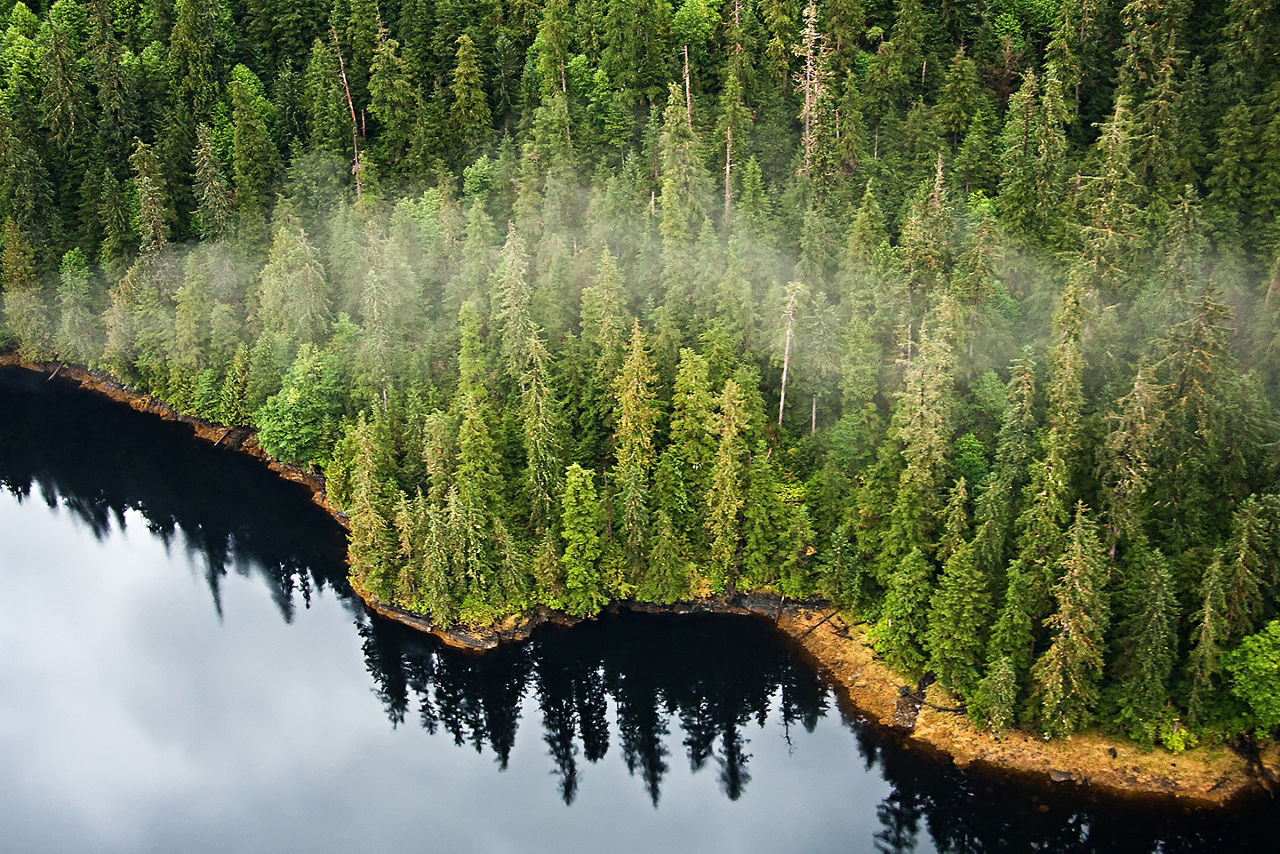
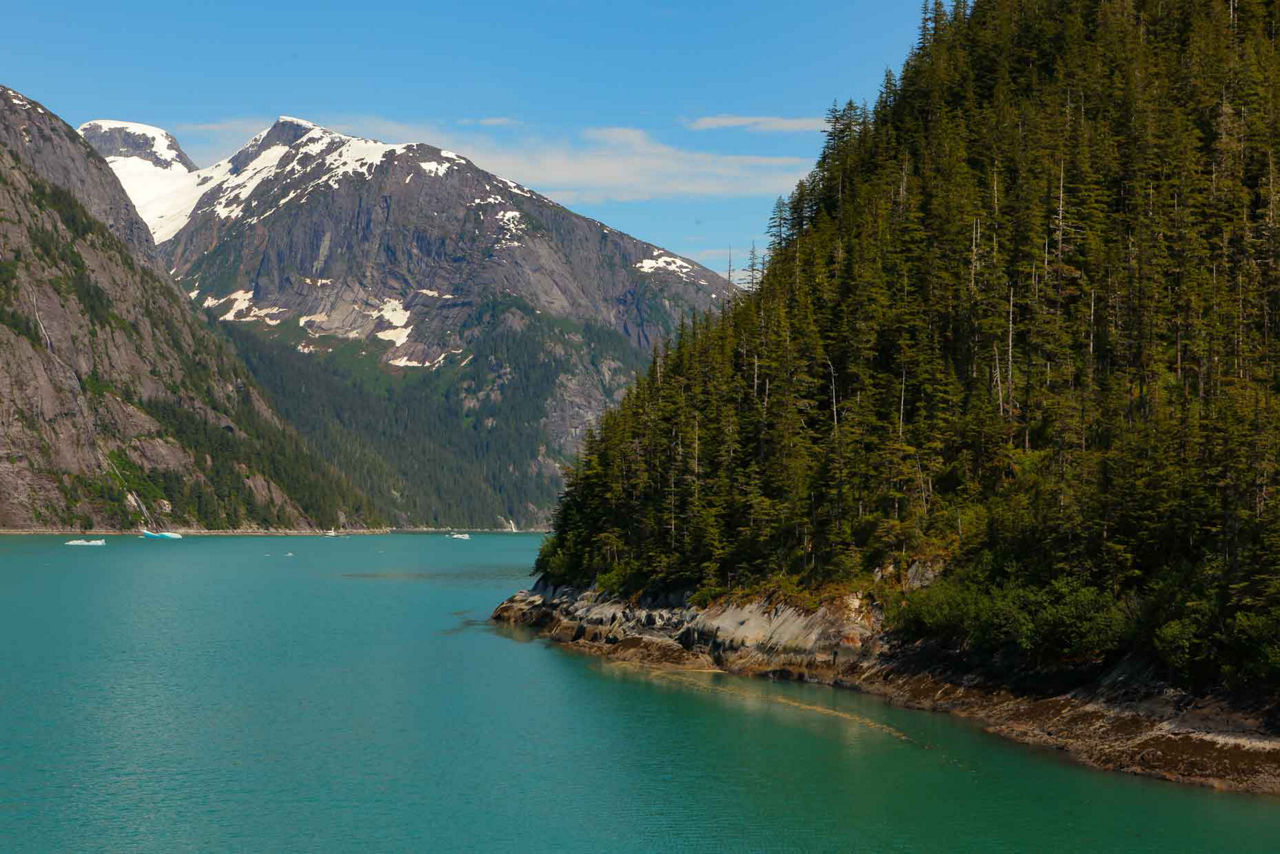
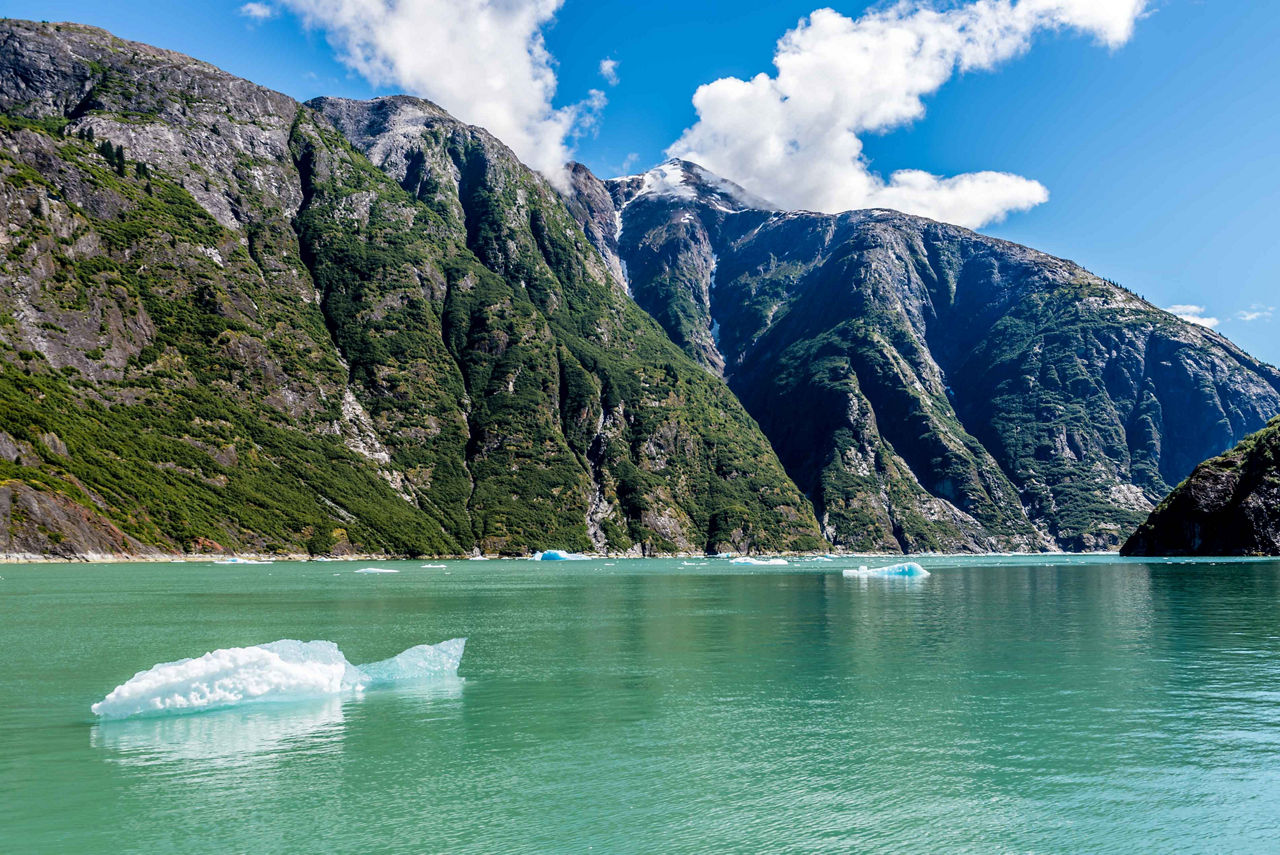
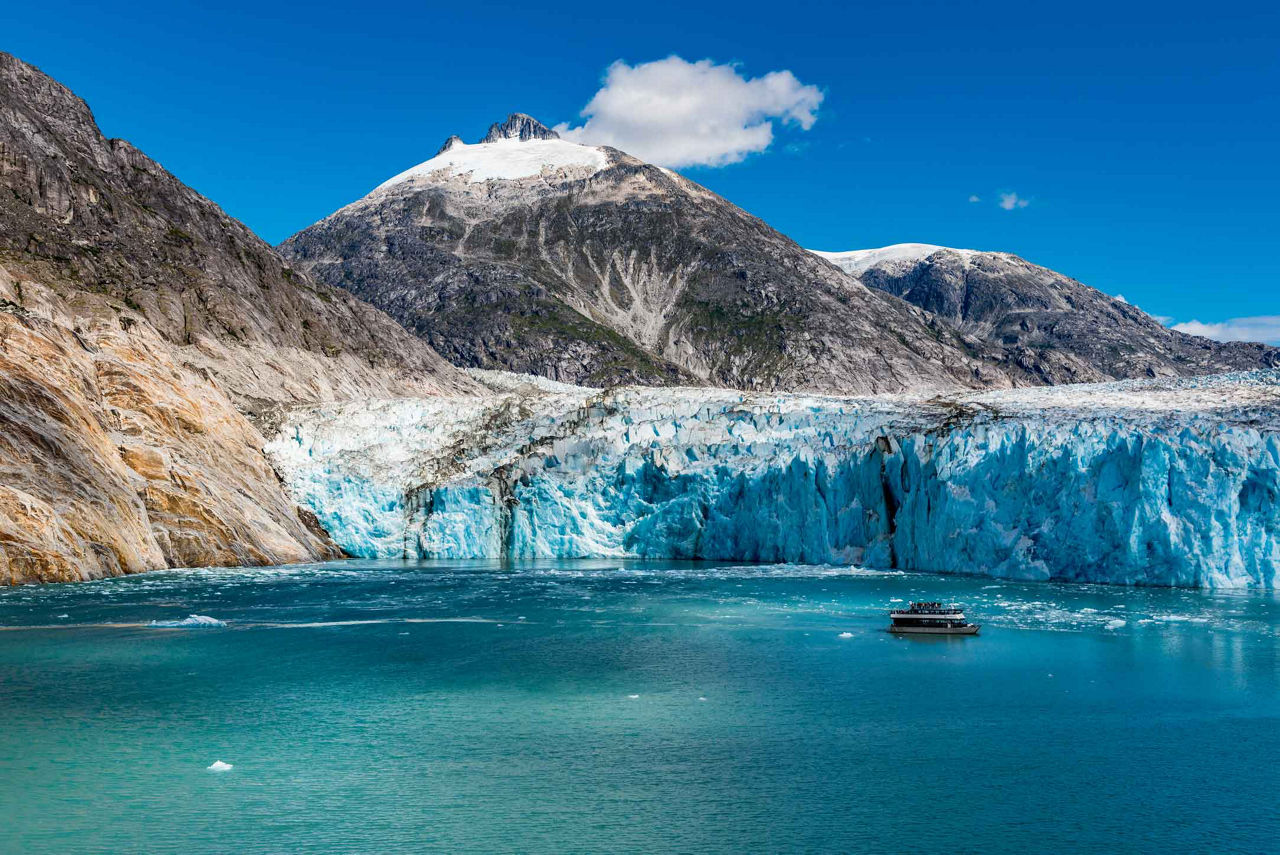
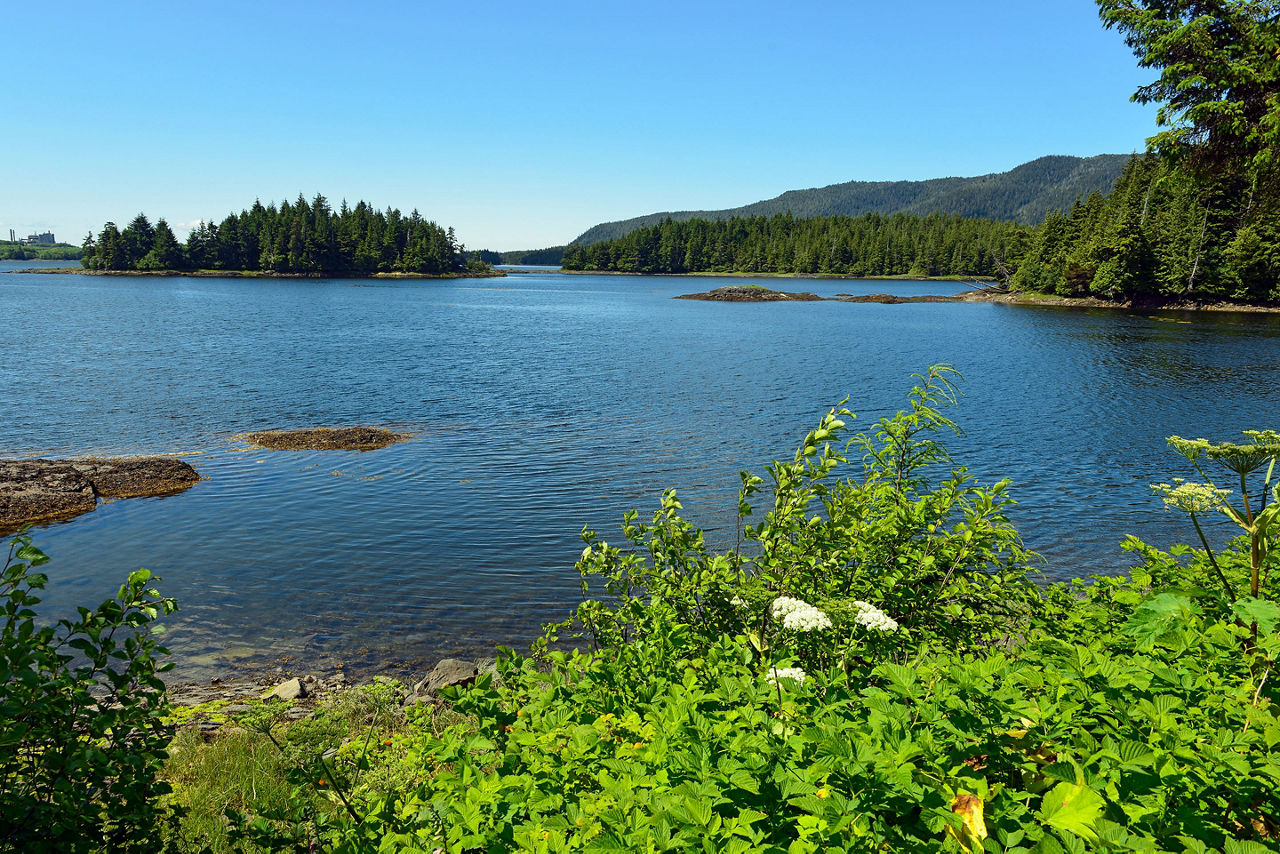
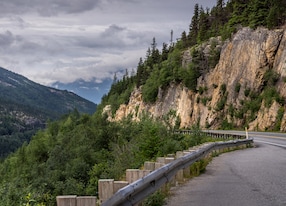
The best time to visit Alaska is from June through August, when warmer temperatures, long daylight hours and widespread tour availability create ideal conditions for cruising, wildlife viewing and outdoor adventures. May and September are excellent alternatives for travelers seeking fewer crowds and potentially lower prices.
Alaska’s weather varies significantly by region. Southeast Alaska has a cool and rainy coastal climate, while the Interior experiences warmer summers and much colder winters. Conditions in the Arctic can remain cold even during summer.
Your ideal timing depends on whether you want to cruise the Inside Passage, hike through national parks, see the northern lights or explore snowy winter landscapes. This guide to famous landmarks in Alaska can help you choose which regions and attractions to prioritize.
Best Time to Visit Alaska by Season
Spring: March to May
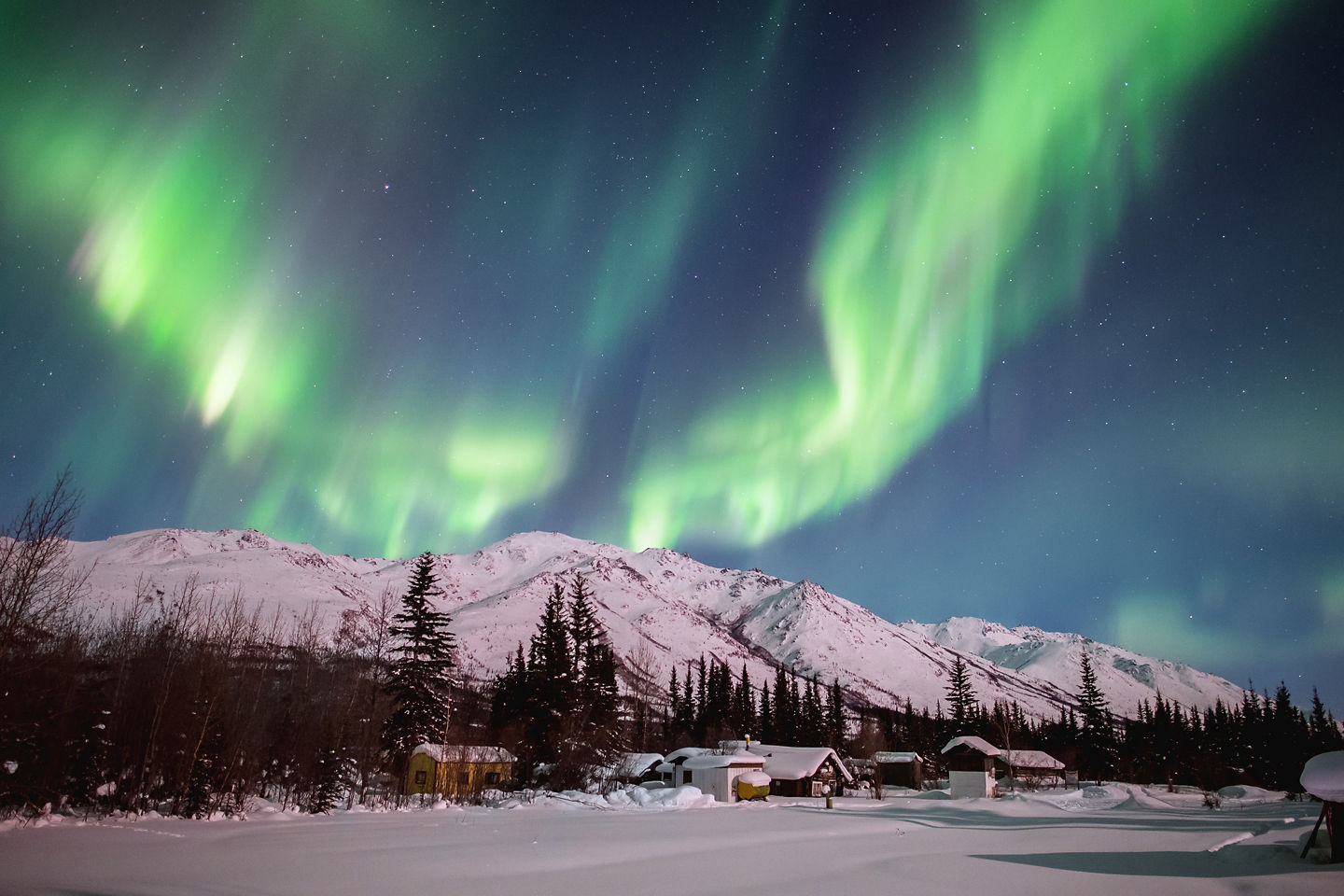
Best for: Fewer Crowds and Seasonal Transitions
Spring brings rapidly increasing daylight and gradually warming temperatures. March remains snowy in much of the state, while April and May mark the transition into Alaska’s summer travel season.
May is particularly appealing for visitors who want access to cruise ports, glacier tours and wildlife experiences before the busiest summer months. Some seasonal businesses and park services may operate on limited schedules early in spring.
Key Events and Activities:
- Northern Lights: Look for the aurora through April while nights remain dark enough for viewing.
- Iditarod Trail Sled Dog Race: Experience the excitement surrounding Alaska’s famous long-distance race in March.
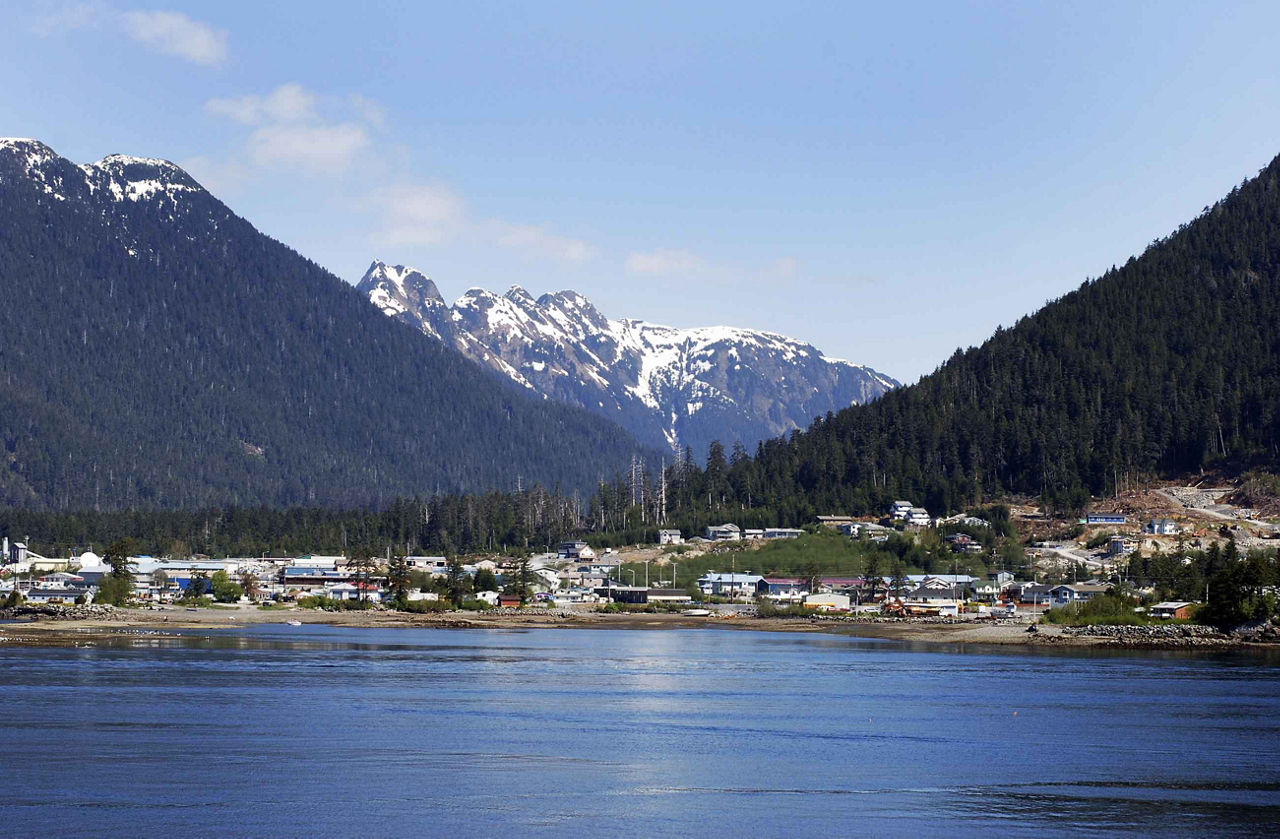
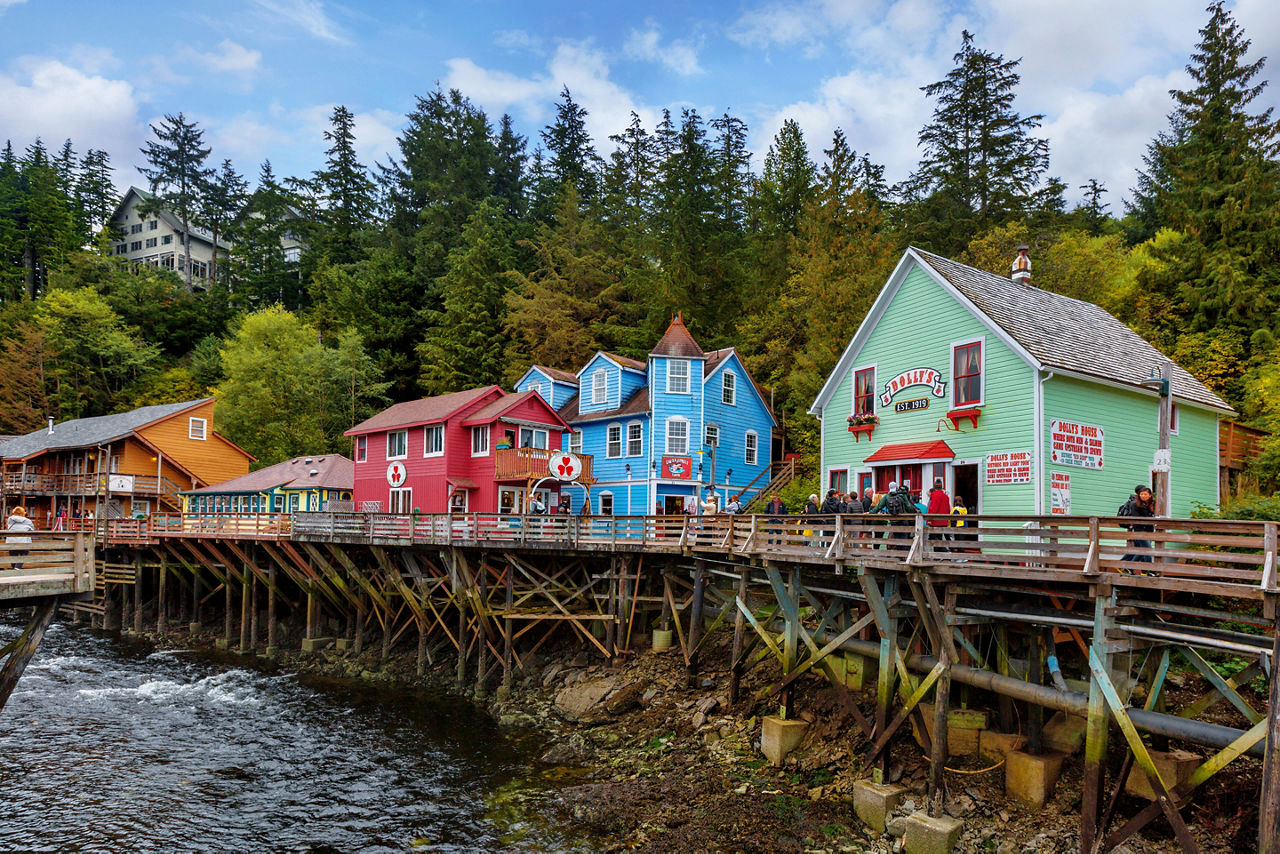
- Early Cruise Season: Visit ports like Juneau, Ketchikan and Skagway as sailings begin returning in May.
Summer: June to August
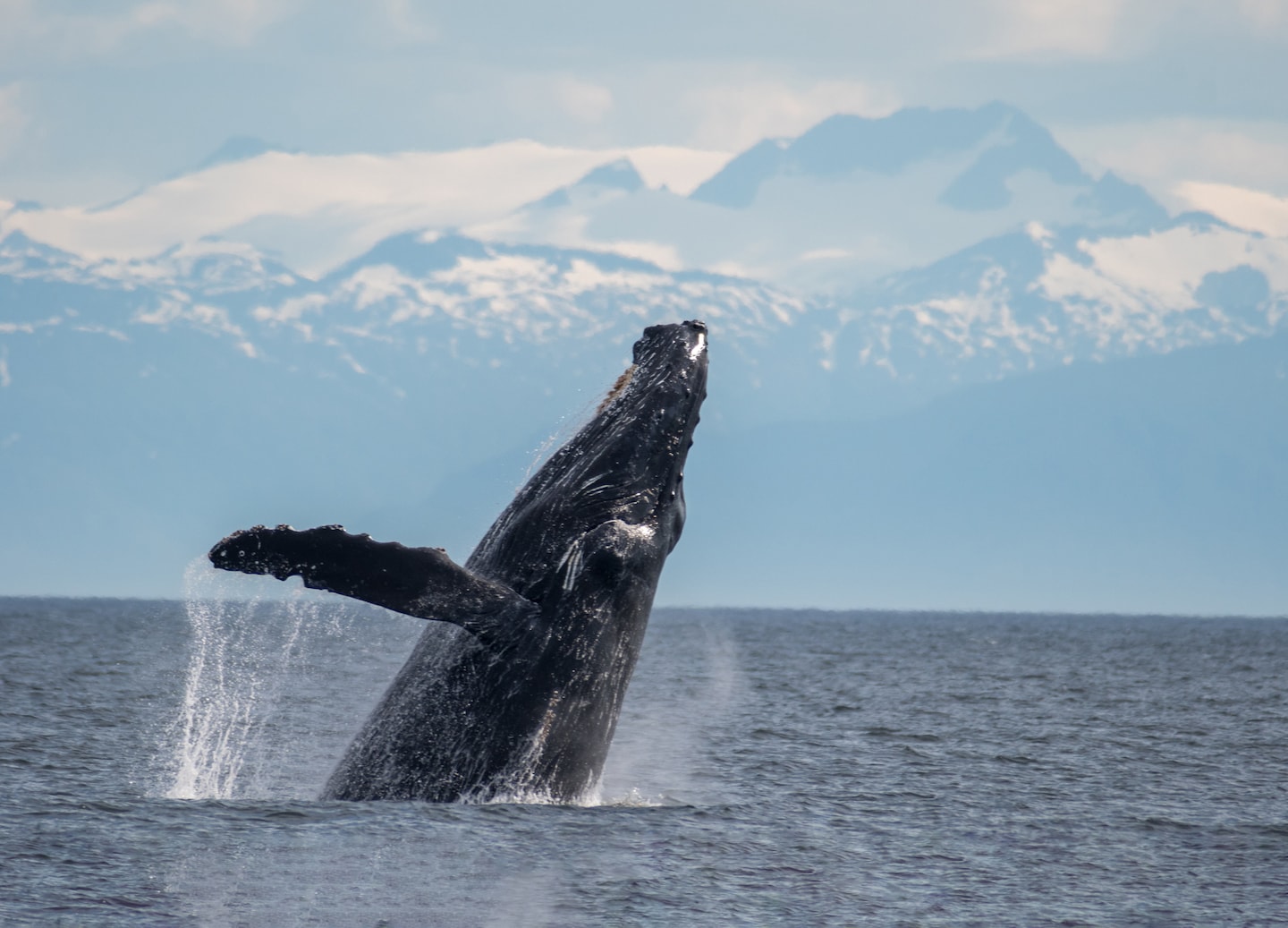
Best for: Cruises, Wildlife and Outdoor Adventures
Summer is the most popular time to visit Alaska. Temperatures are at their warmest, daylight lasts well into the evening and the greatest selection of cruises, tours and accommodations is available.
June offers the longest days of the year, while July often brings Alaska’s warmest weather. August remains active but becomes rainier in parts of the state as fall approaches.
Key Events and Activities:
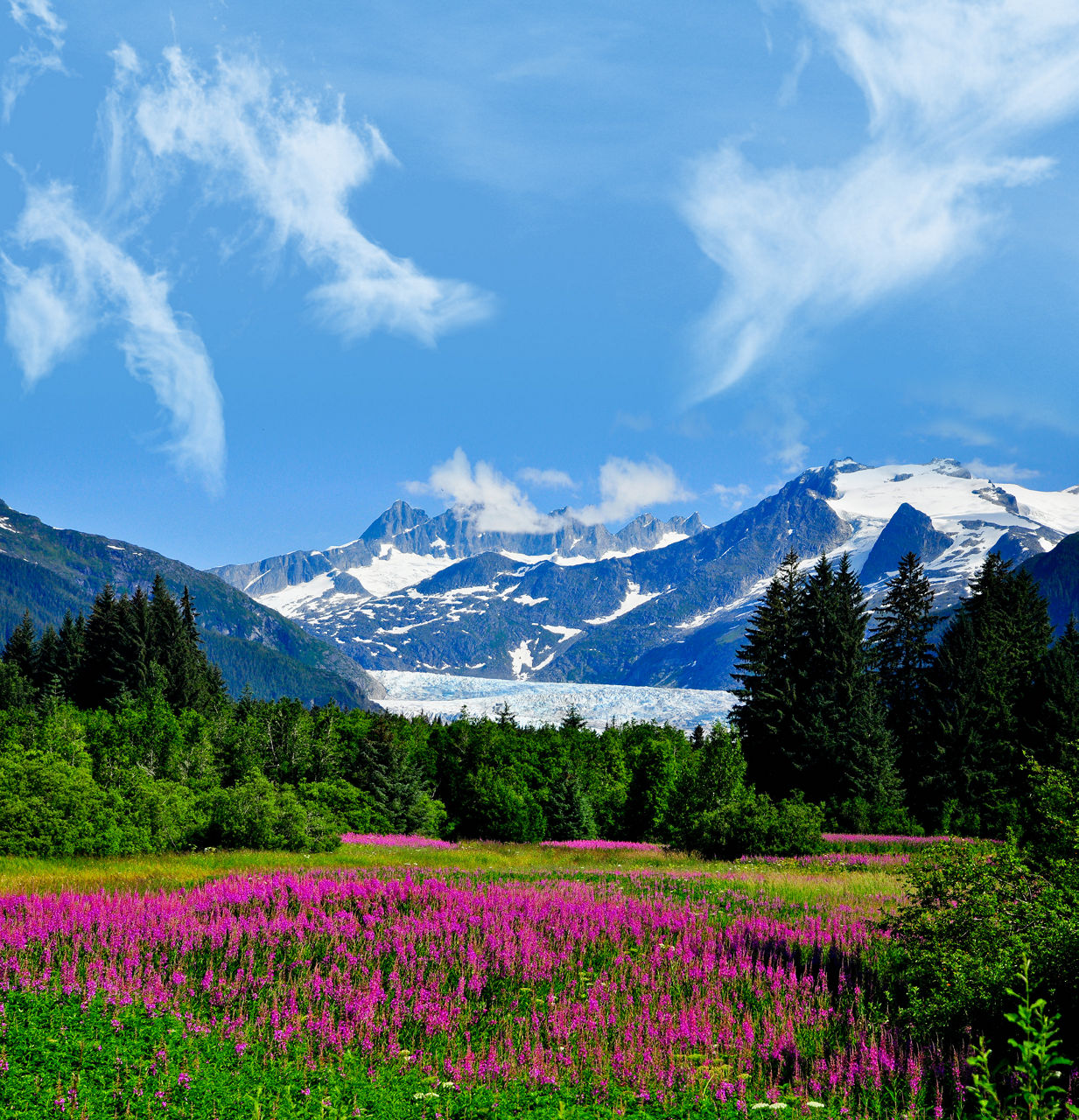
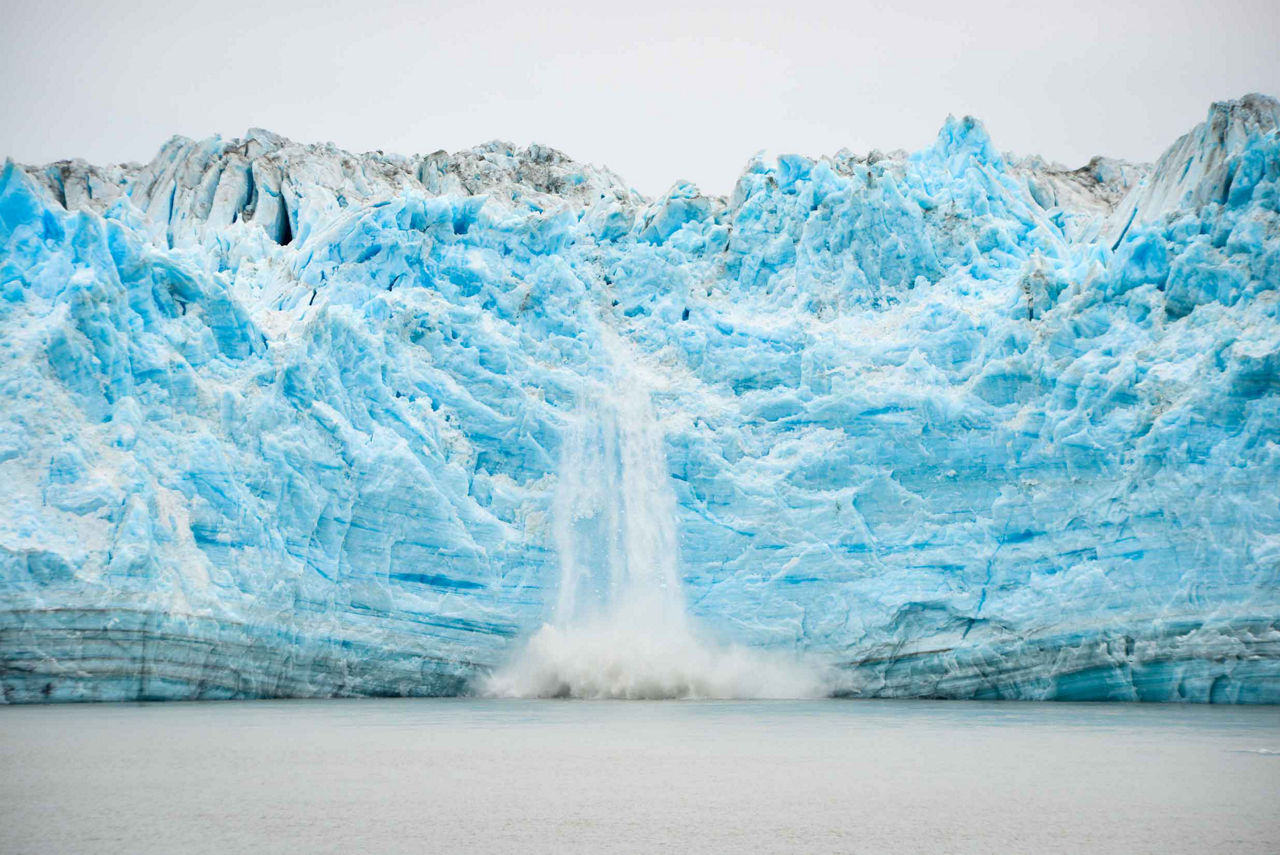
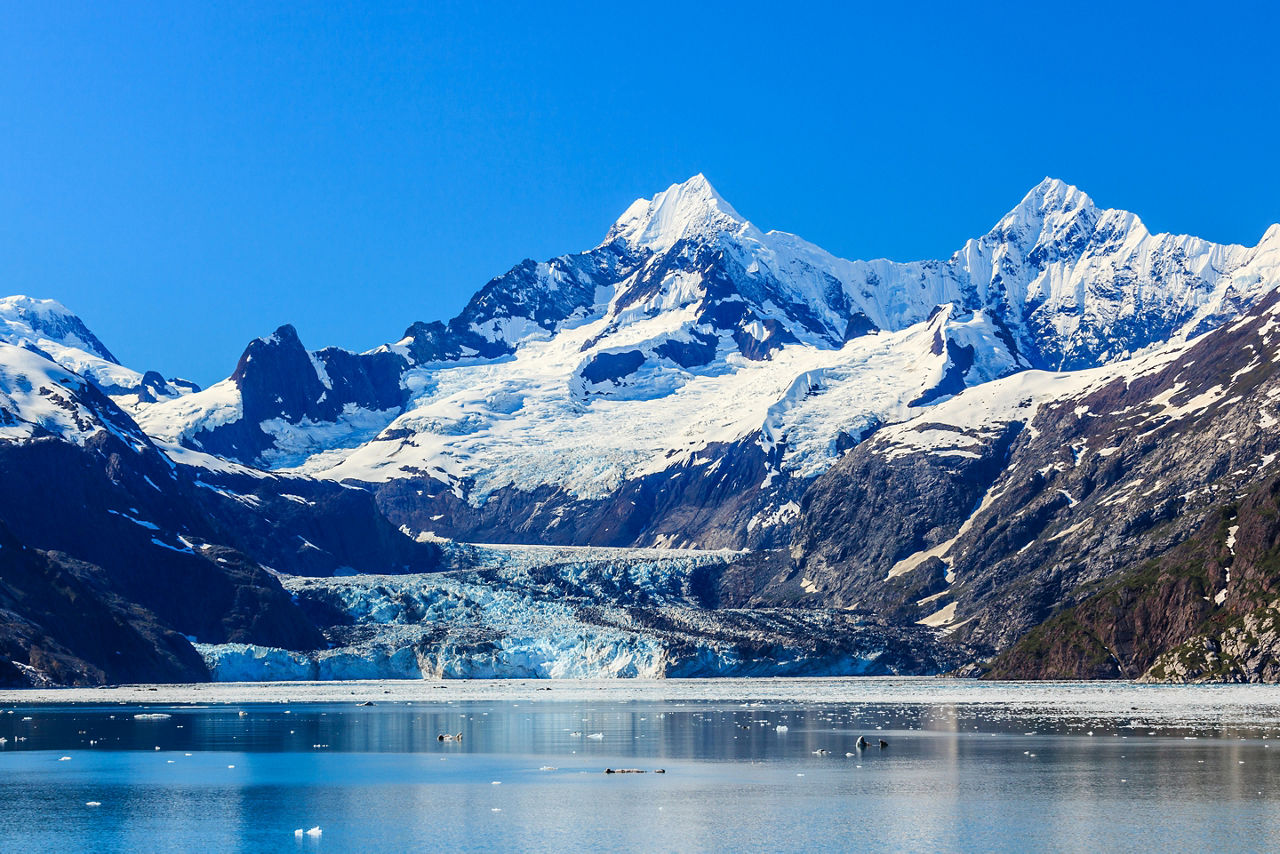
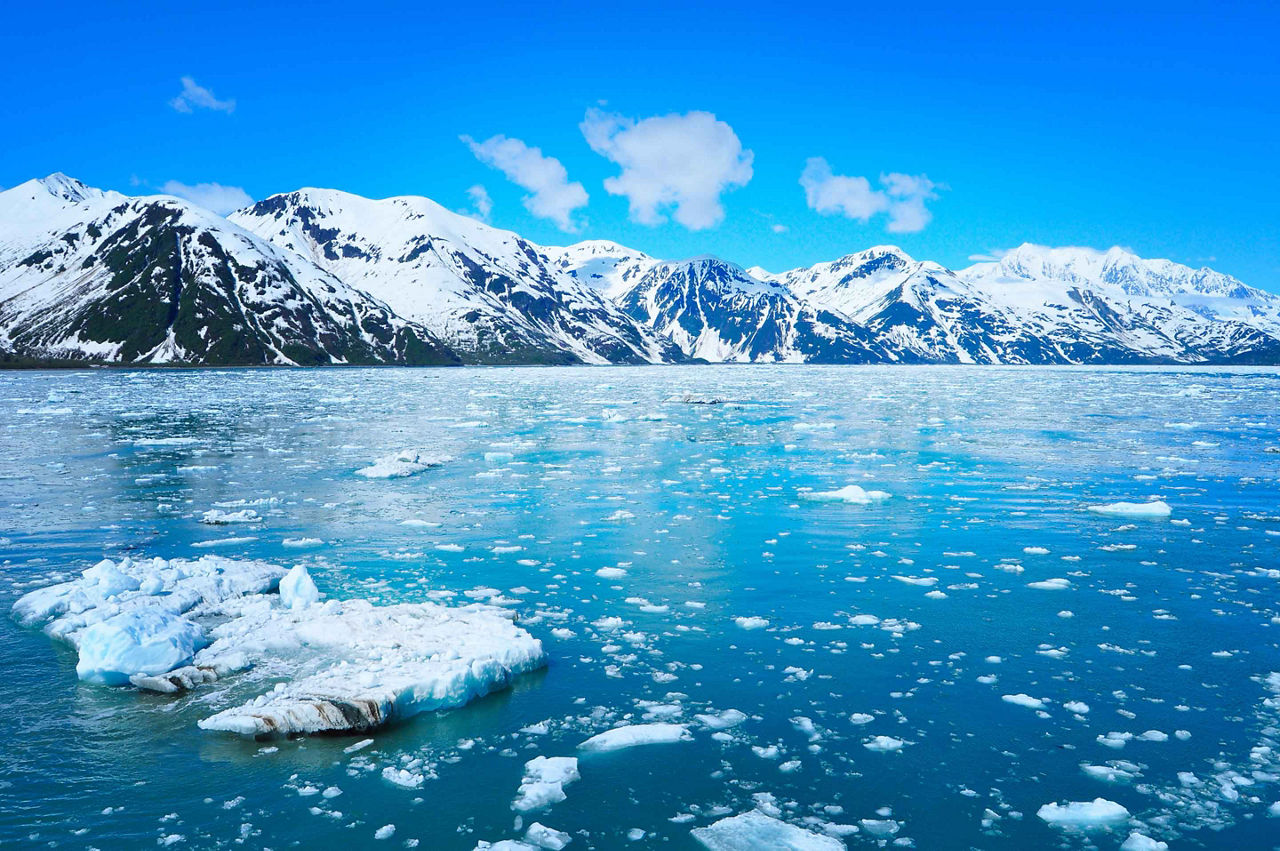
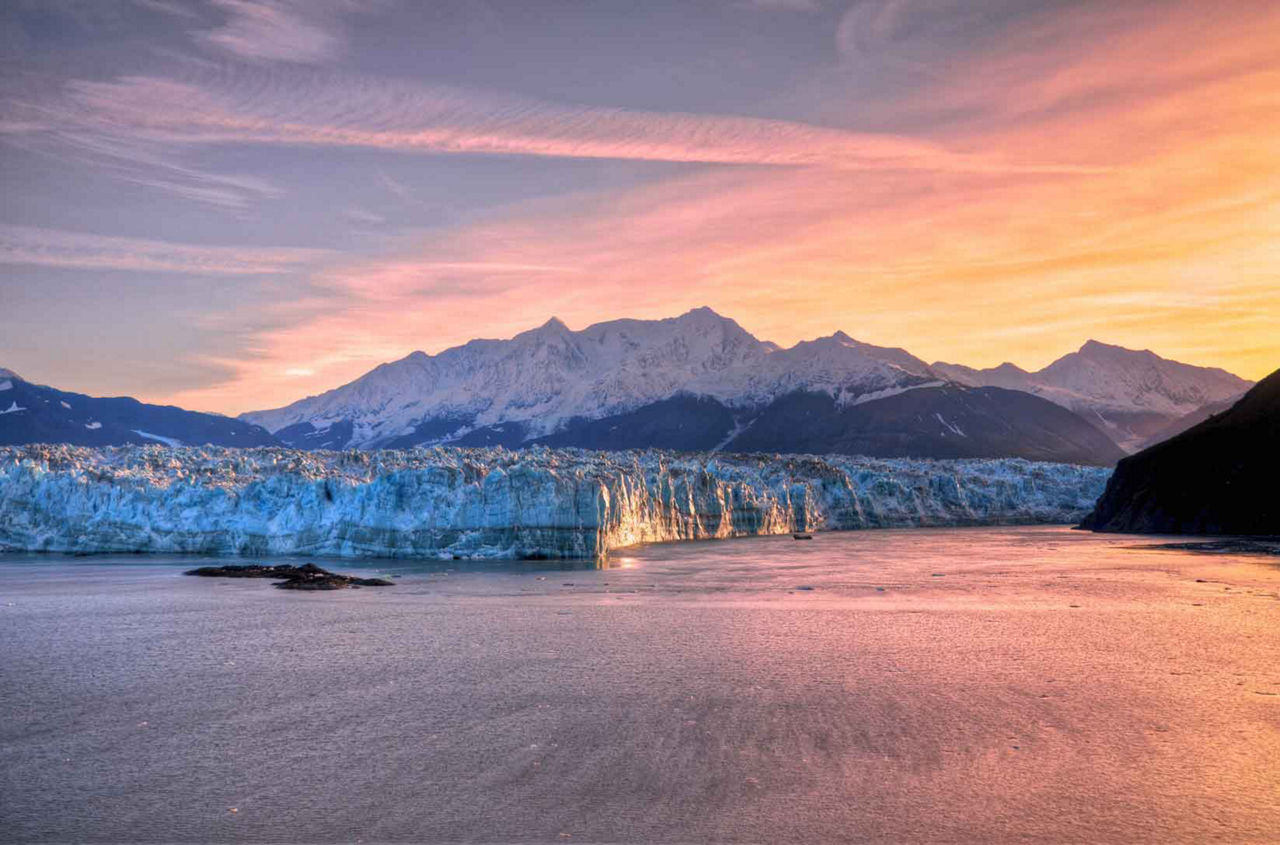
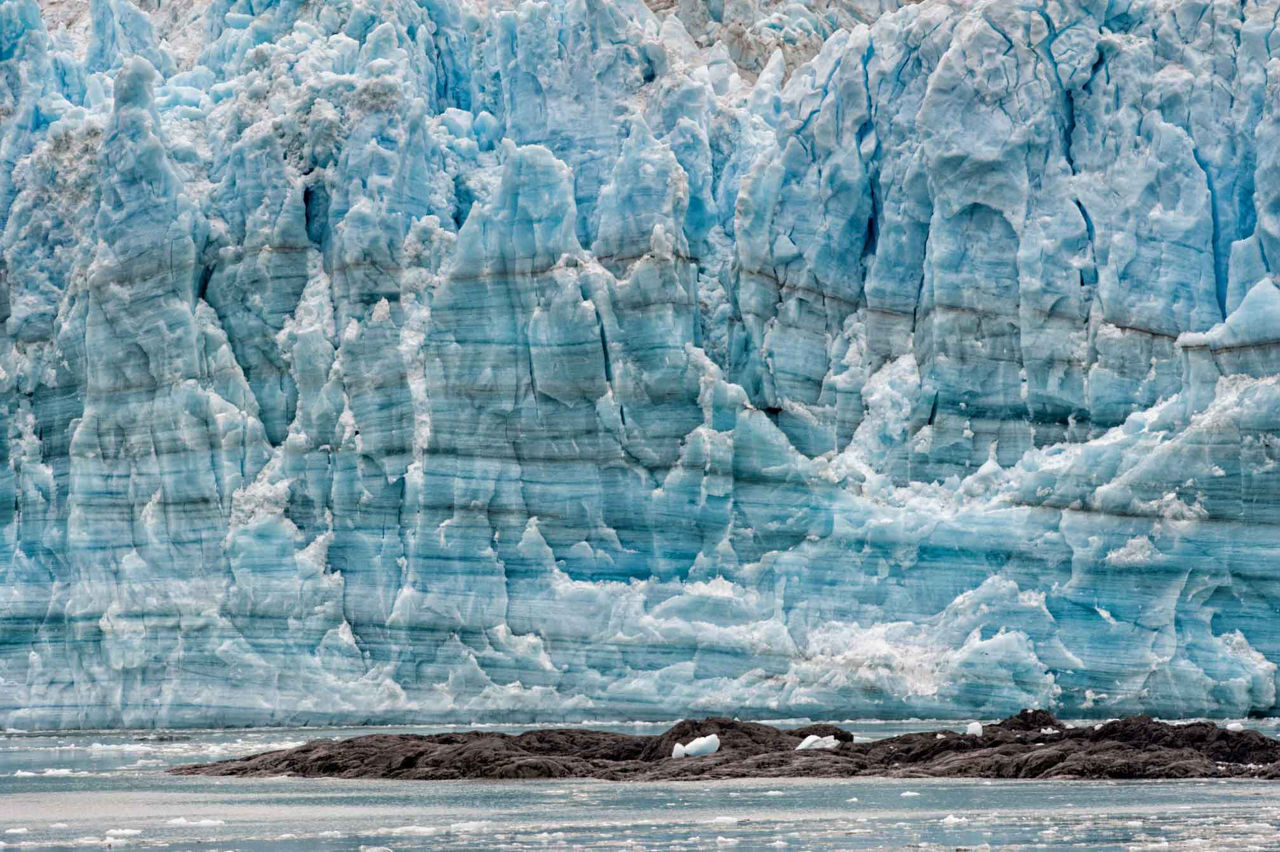
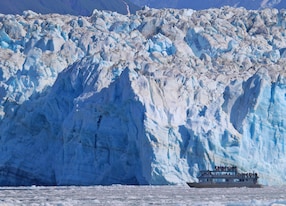
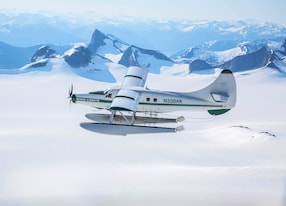
- Glacier Adventures: Cruise through glacier-carved fjords, take a flightseeing tour or hike near accessible glaciers.
- Wildlife Viewing: Look for whales, bears, moose, caribou, sea otters and bald eagles across Alaska’s varied landscapes.
- Summer Festivals: Attend events such as Fairbanks’ Midnight Sun Festival or Seward’s Mount Marathon Race.
Summer is also the busiest and most expensive season, so cruises, accommodations and popular tours should be reserved early.
Fall: September to November
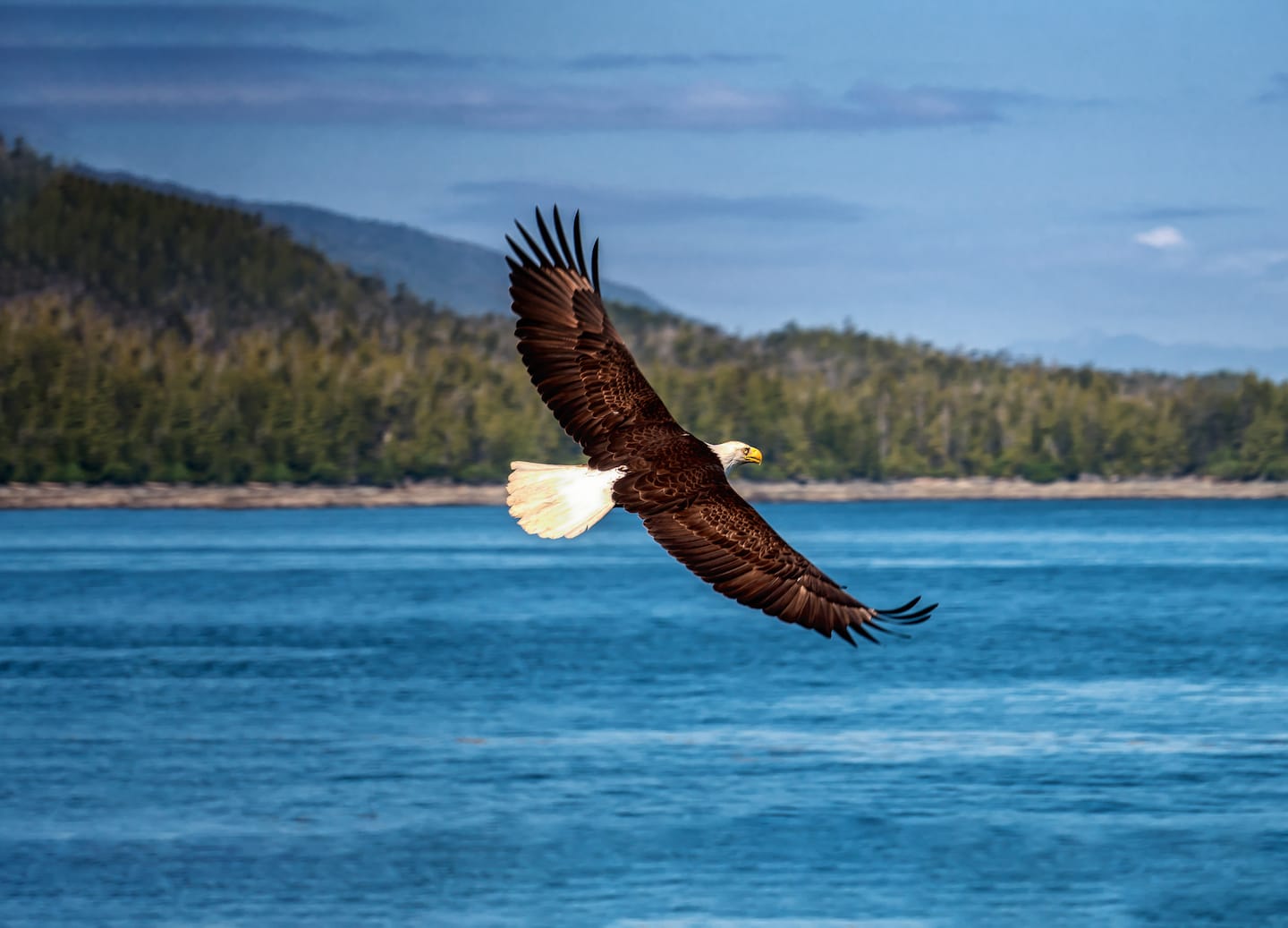
Best for: Fall Colors, Northern Lights and Fewer Crowds
Fall arrives early in Alaska. September brings colorful tundra and forests, cooler temperatures and decreasing crowds. By October and November, snow and winter conditions return to many regions.
Early September can still provide access to cruises, wildlife tours and hiking trails. However, seasonal businesses begin closing and transportation schedules become more limited as the month progresses.
Key Events and Activities:
- Fall Foliage: See golden landscapes in Denali, the Interior and Southcentral Alaska during early September.
- Northern Lights: Take advantage of darker nights from late August onward, especially around Fairbanks.
- Bald Eagle Viewing: Visit Haines in November for eagle-watching opportunities and the Alaska Bald Eagle Festival.
Winter: December to February
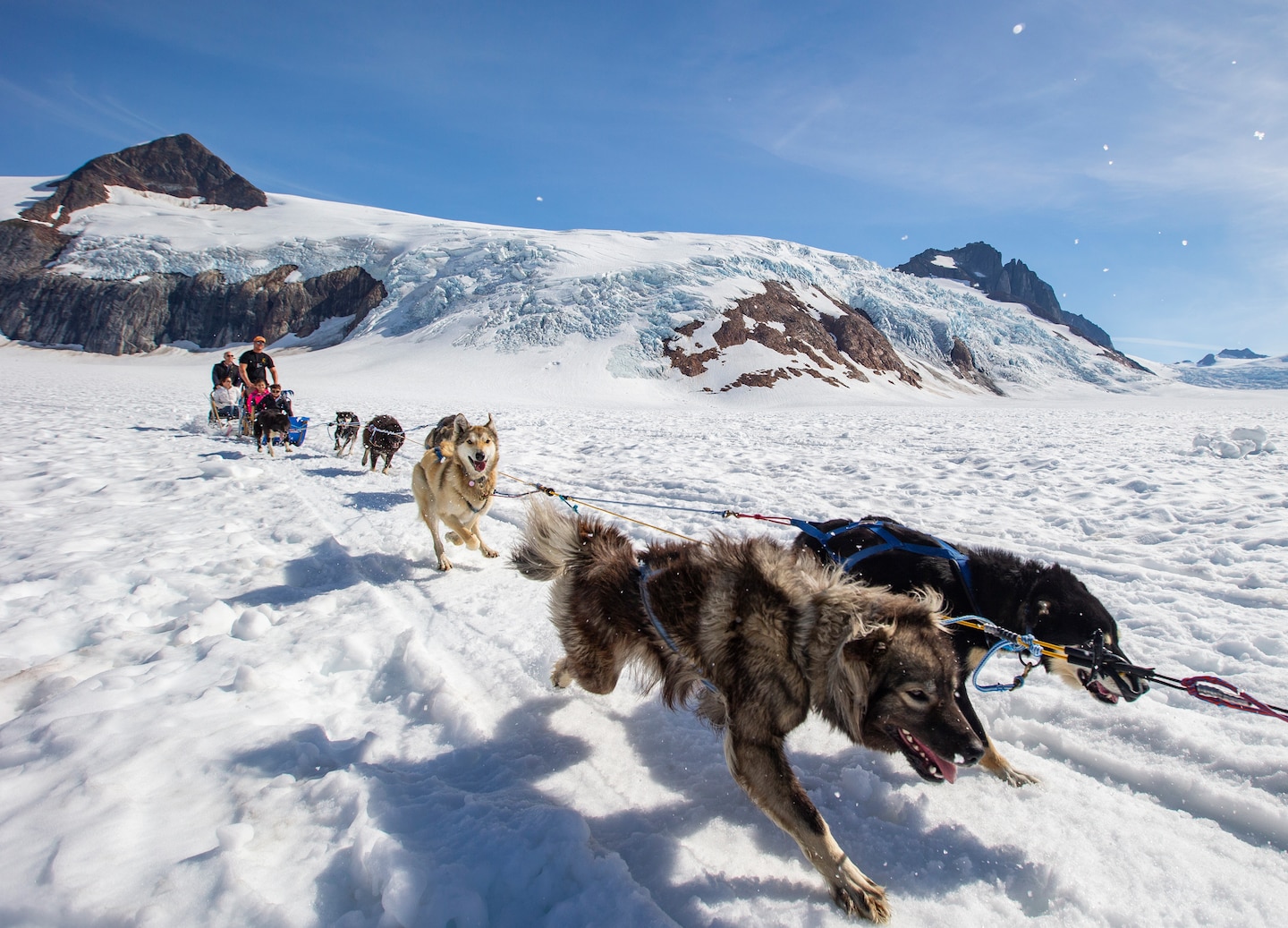
Best for: Northern Lights and Snow Adventures
Winter brings cold temperatures, deep snow and limited daylight. Conditions are most extreme in the Interior and Arctic, while Southeast Alaska generally experiences milder but wetter weather.
This season is best for travelers specifically interested in aurora viewing, dog sledding and winter recreation. Many summer attractions and coastal tours are unavailable, so winter trips require more specialized planning.
Key Events and Activities:
- Aurora Viewing: Travel to Fairbanks or another Interior destination for dark skies and frequent northern lights tours.
- Winter Sports: Try cross-country skiing, snowmobiling, snowshoeing or fat-tire biking.
- Dog Sledding: Experience Alaska’s mushing culture on a guided sled ride or kennel visit.
Best Time to Visit Alaska on a Cruise
The best time to cruise Alaska is from June through August, when daylight is longest and the greatest range of excursions is available. These months are ideal for glacier viewing, whale watching and exploring ports such as Juneau, Ketchikan and Skagway.
May and September offer quieter alternatives. May typically brings longer days and less rainfall in some Southeast Alaska destinations, while September delivers fall colors and a possible chance of seeing the northern lights late in the season.
Shoulder-season cruises may provide lower prices, but weather can be cooler and some tours may have reduced availability.
Best Time to Visit Alaska for Wildlife
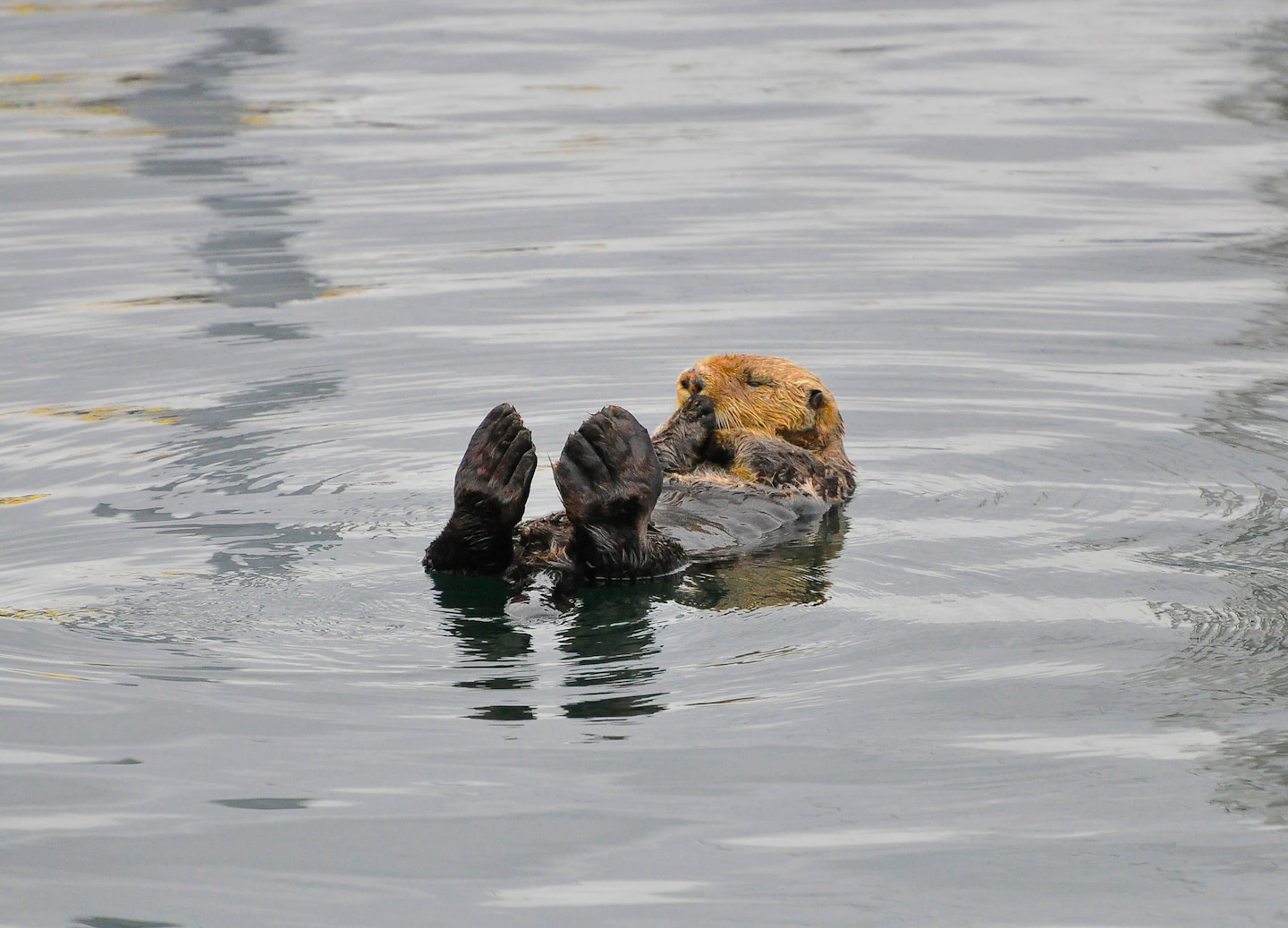
The best time to visit Alaska for wildlife is from May through September. Summer brings active bears, migrating whales, nesting birds and salmon runs that attract animals to rivers and coastal areas.
Humpback whales are commonly seen in Southeast Alaska during the cruise season. Bears become more visible around salmon streams during summer, though exact run timing varies by location and species.
Wildlife sightings are never guaranteed. Guided tours can improve your chances while helping you observe animals from a safe and responsible distance.
Best Time to Visit Alaska for the Northern Lights
The best time to visit Alaska for the northern lights is from late August through late April, when nights are dark enough for the aurora to be visible. Fairbanks and Alaska’s Interior generally provide some of the strongest viewing opportunities.
September and March offer a good balance of darkness and less extreme temperatures. Travelers visiting from mid-August through early October may be able to combine daytime hiking or wildlife activities with nighttime aurora viewing.
Northern lights appearances depend on solar activity, cloud cover and darkness, so sightings cannot be guaranteed.
Best Time to Visit Alaska for Hiking
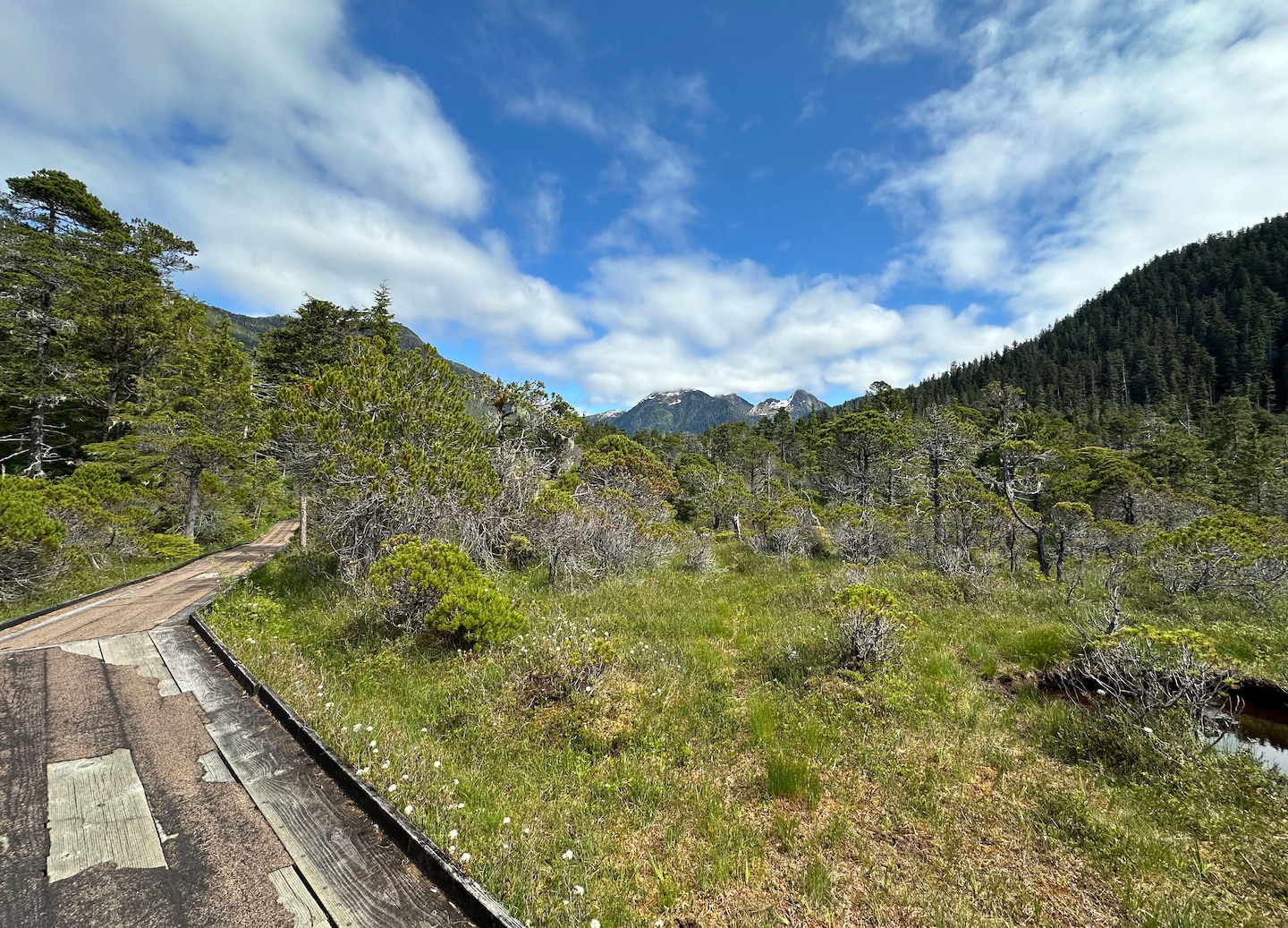
The best time to hike in Alaska is from June through August. Trails are generally more accessible, daylight hours are long and visitor services are operating throughout major parks.
June can bring wet or muddy conditions to trails at higher elevations. July often offers the warmest hiking weather, while August introduces fall colors to northern and alpine landscapes.
Hikers should prepare for rapidly changing weather, carry rain protection and follow local wildlife guidance.
Best Time to Visit Alaska for Fewer Crowds
The best time to visit Alaska for fewer crowds is during May or September. These shoulder months provide access to many summer experiences without the peak visitor numbers of June, July and August.
May is a strong choice for longer days, active wildlife and early-season cruises. September offers autumn colors, cooler temperatures and darkening skies that create opportunities for northern lights viewing.
April and October are even quieter, but travelers will encounter fewer tours, reduced transportation schedules and more unpredictable conditions.
Best Time to Visit Alaska on a Budget
The best time to visit Alaska on a budget is generally during May or September. Cruise fares and accommodations may cost less than they do during the peak summer months, particularly at the beginning or end of the cruise season.
Winter can also bring lower prices in some destinations, but reduced transportation and tour availability may offset the savings. Visitors traveling specifically for the northern lights may find seasonal packages around Fairbanks.
Booking early, comparing shoulder-season departures and traveling outside major holidays can help control costs.
When Is the Best Time to Visit Alaska?
The best time to visit Alaska is from June through August for warm weather, long days and the widest selection of cruises and outdoor activities. June is ideal for maximum daylight, while July generally offers the warmest temperatures.
Choose May or September for fewer crowds and potential savings. Visit between late August and late April for the northern lights or plan a winter trip for dog sledding and snow-covered scenery.
Alaska rewards travelers in every season, but summer provides the easiest access to its glaciers, national parks, wildlife and coastal communities.
FAQs About the Best Time to Visit Alaska
What is the best month for an Alaska cruise?
June and July are two of the best months for an Alaska cruise. Both offer long daylight hours, active wildlife and a wide selection of shore activities.
What is the warmest month in Alaska?
July is generally the warmest month in Alaska. Temperatures vary considerably between coastal, Interior and Arctic regions.
When is the rainy season in Alaska?
Rainfall varies by region, but Southeast Alaska often becomes rainier during August and September. Travelers should pack waterproof layers during any month.
Is May a good time to visit Alaska?
Yes, May is a good time to visit Alaska for fewer crowds, increasing daylight and the beginning of the cruise season. Some attractions may still have limited early-season schedules.
Is September a good time to visit Alaska?
Yes, September offers fewer crowds, fall colors and possible northern lights. However, temperatures are cooler and some tours or seasonal businesses begin closing.
Can you see the northern lights on an Alaska cruise?
It is possible to see the northern lights on a late August or September Alaska cruise, but sightings are not guaranteed. Cloud cover and limited darkness can affect visibility in Southeast Alaska.
Keep Exploring Alaska
- Famous Landmarks in Alaska - Discover Denali, Mendenhall Glacier, Glacier Bay and other defining Alaska attractions.
- What Is Juneau Known For? - Explore Juneau’s glaciers, wildlife, museums and mountain scenery.
- What Is Ketchikan Known For? - Learn about Ketchikan’s totem poles, salmon, rainforest and Misty Fjords.