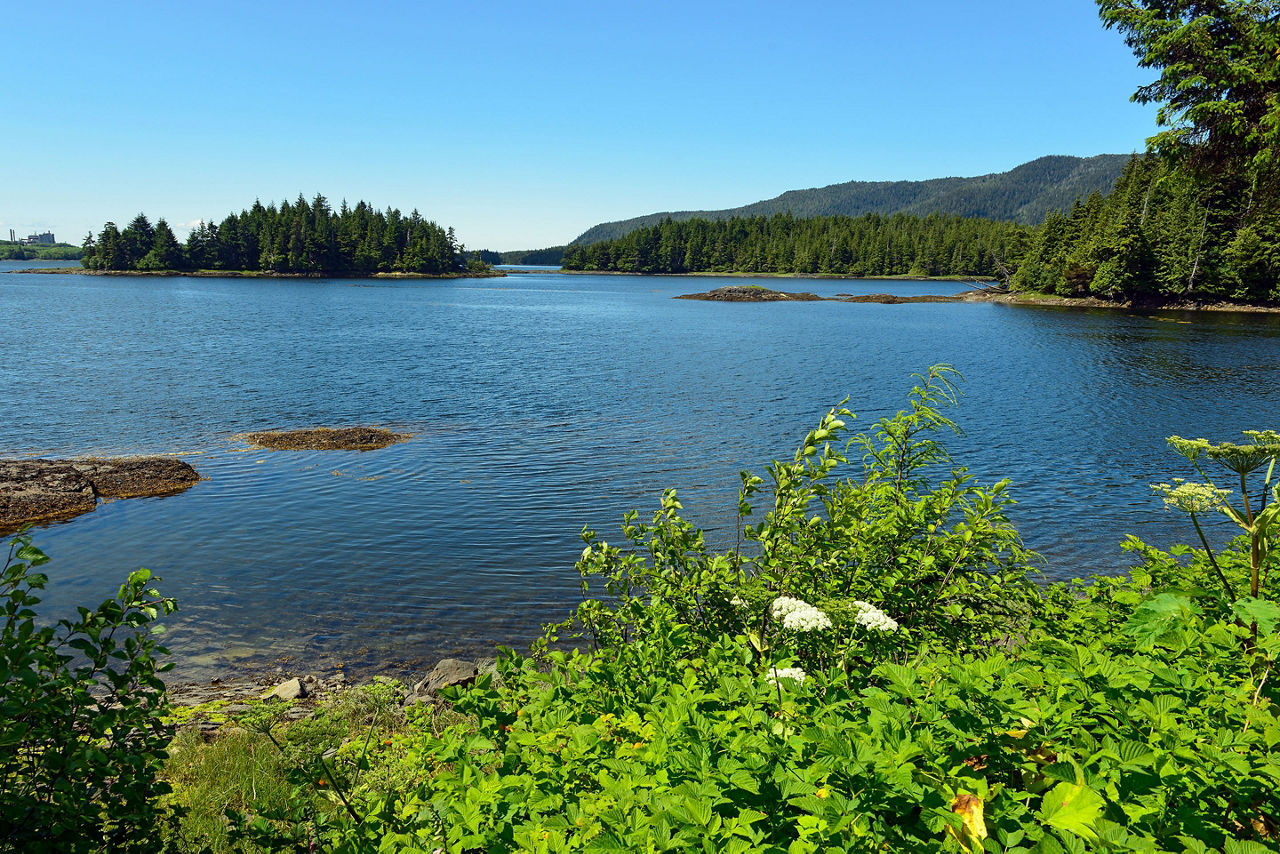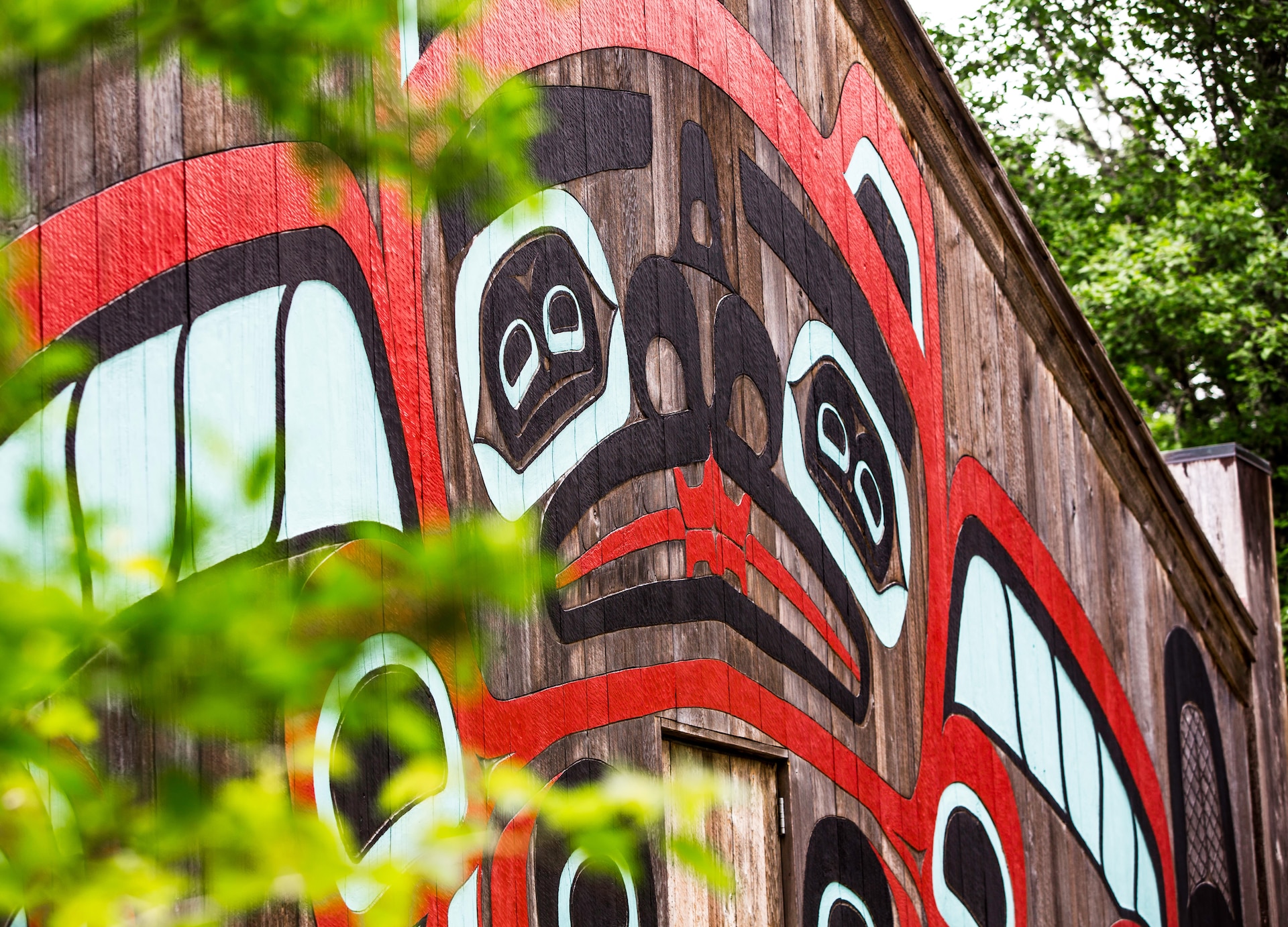
The Tlingit people are Indigenous people of the Pacific Northwest Coast whose ancestral homeland includes Southeast Alaska. Their culture has deep connections to coastal waters, forests and family, with traditions expressed through language, storytelling, art, song and dance.
In Alaska’s coastal towns, you’ll find opportunities to learn about that culture through the people who carry it forward. A carved house screen, a woven robe or a song shared during a performance can introduce you to histories that have been passed between generations. Tlingit artists, teachers and community members continue to share and develop these traditions today.
Explore Alaska cruises and make time ashore for the stories behind the places you visit.
Where Can You Learn About Tlingit Culture in Alaska?
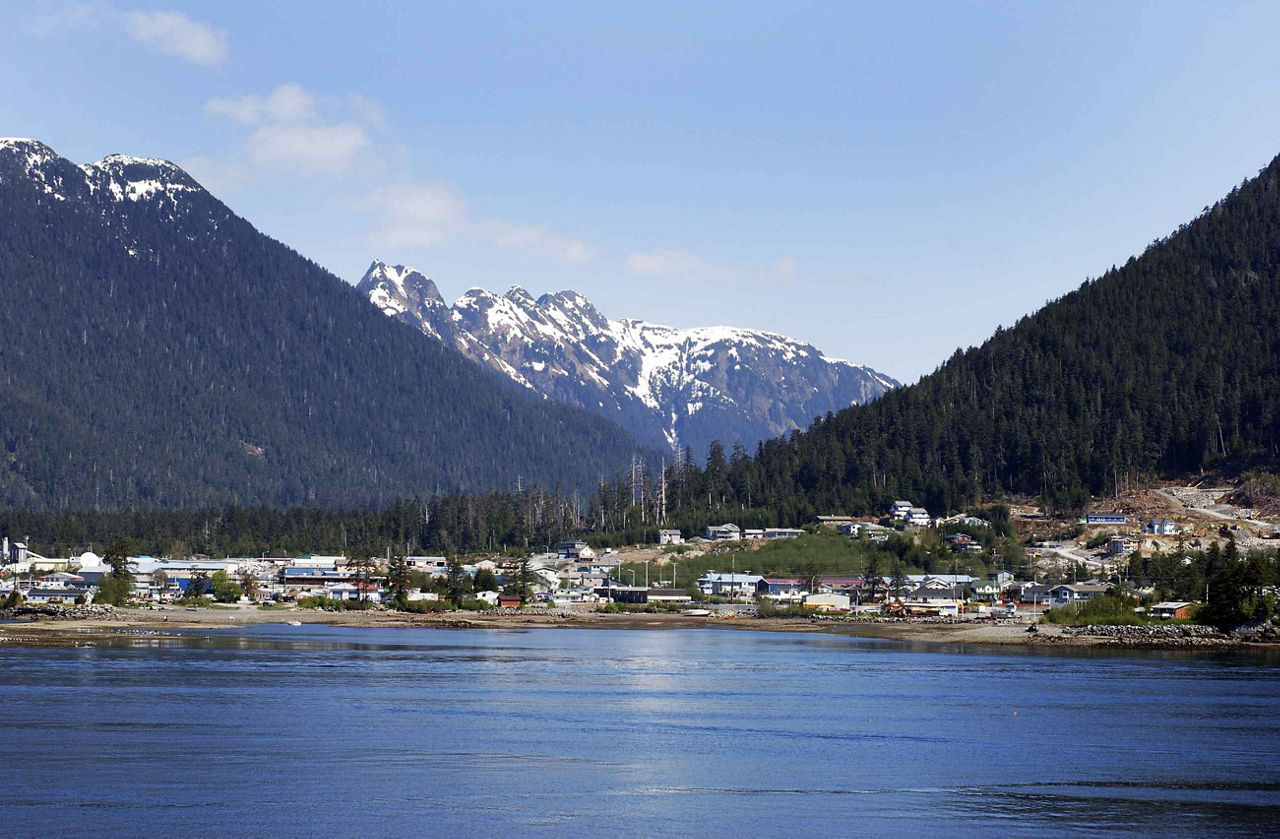
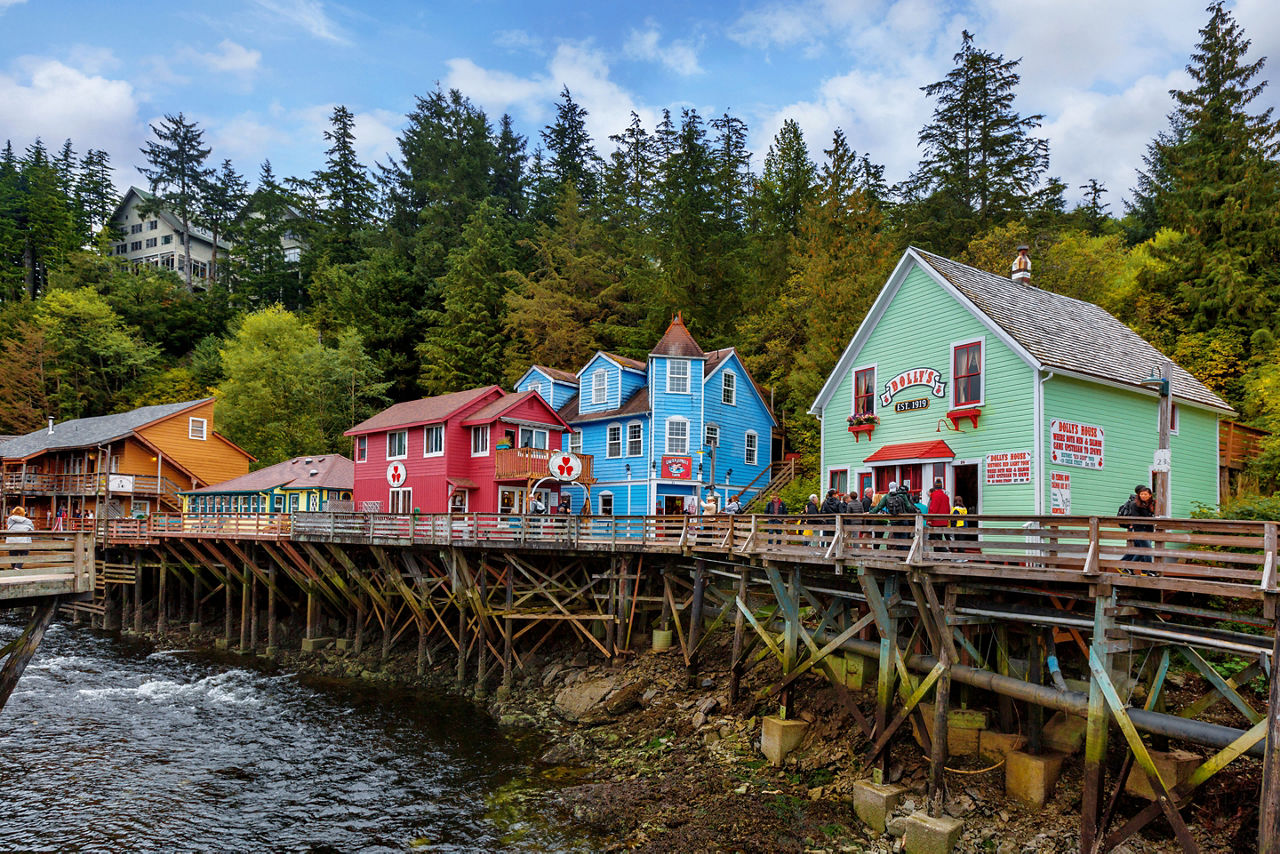
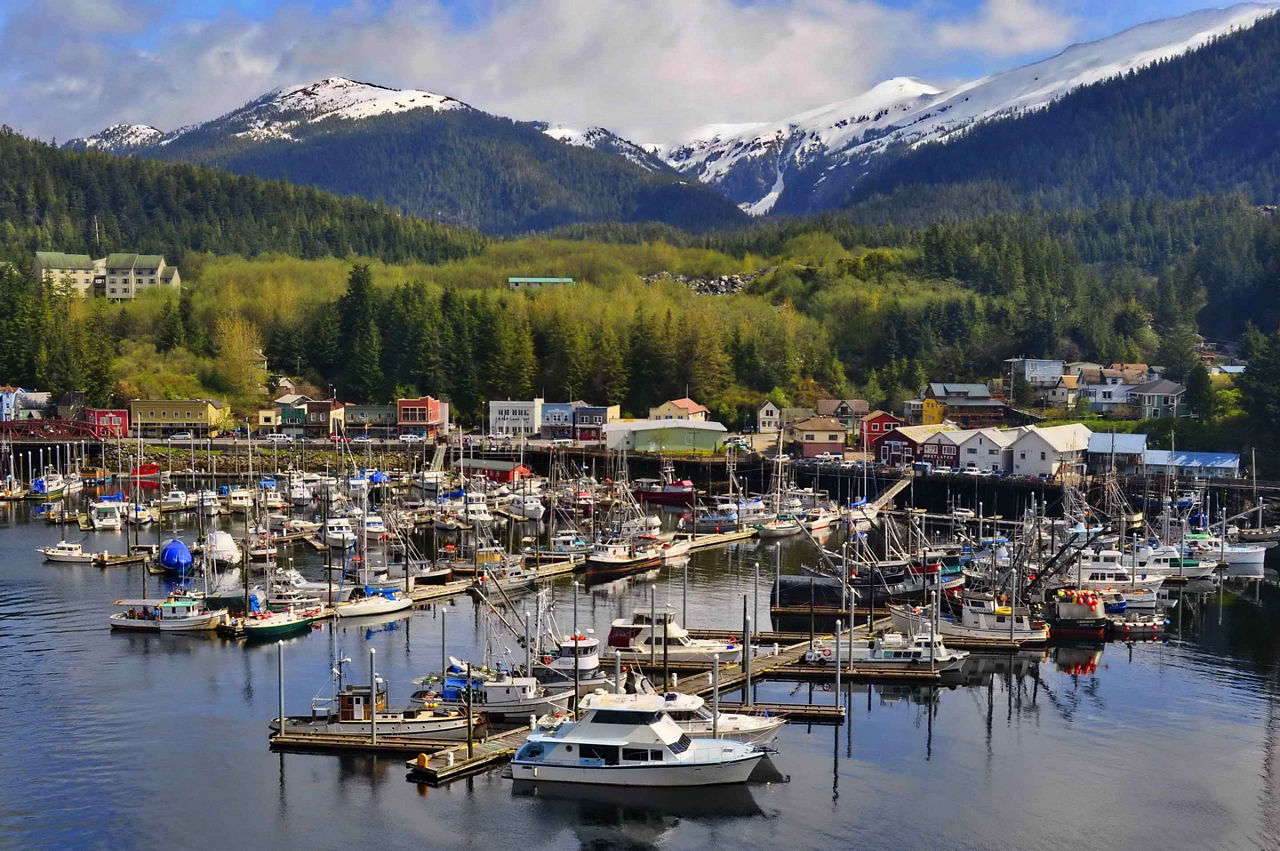
Southeast Alaska offers several places to learn about Tlingit culture, including Sitka, Juneau, Ketchikan and Hoonah, the community near Icy Strait Point.
Each place offers a different introduction. In Sitka, cultural experiences can include a performance in a clan house. Hoonah excursions introduce local history and Huna Tlingit storytelling, while Ketchikan outings feature carving traditions and cultural visits.
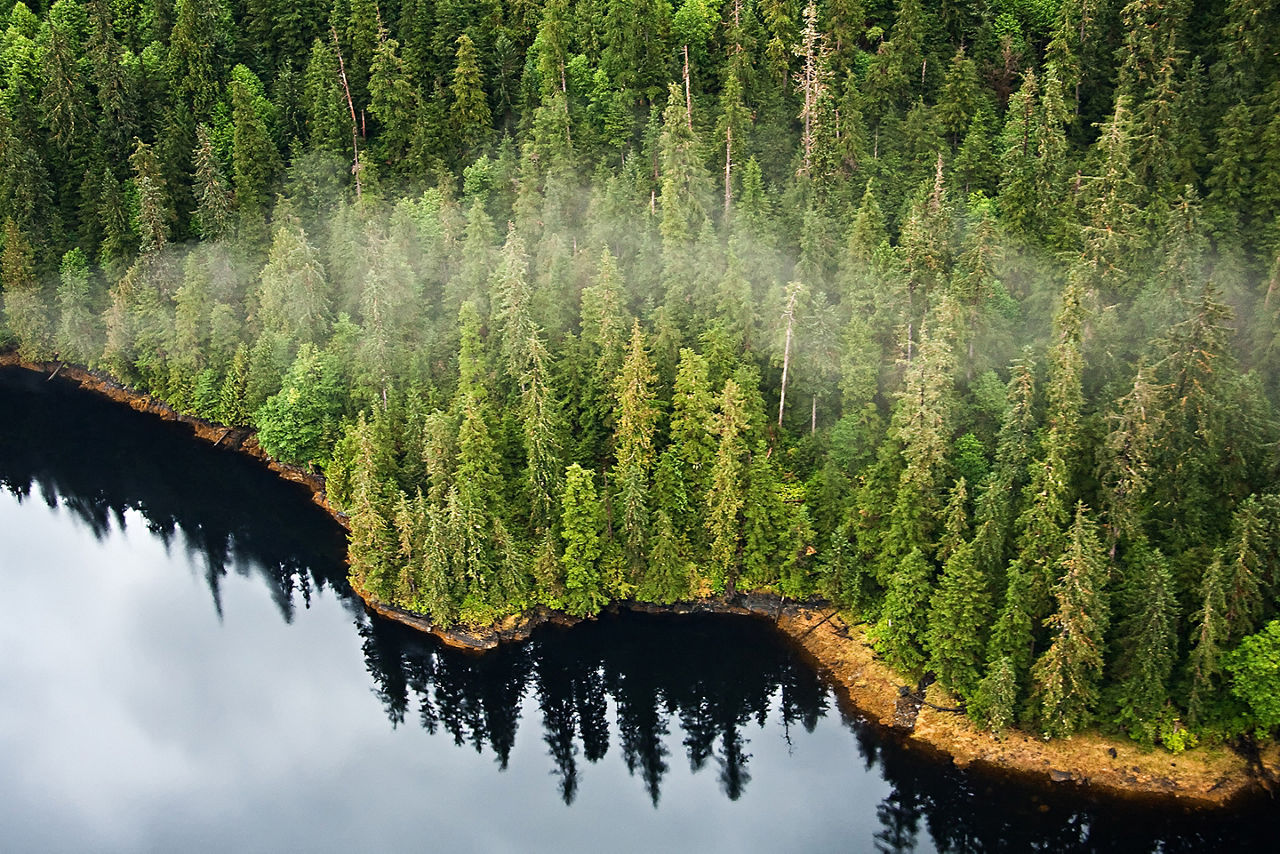
These experiences add another layer to the scenery. Alongside the mountains and waterfronts, you begin to understand the families, communities and histories connected to them.
Why Are Clans Important in Tlingit Culture?
Clans are extended family groups that connect Tlingit people to their ancestors, histories and cultural responsibilities. Clan membership traditionally follows the mother’s side of the family.
Most Tlingit clans belong to one of two larger groups, commonly called Raven and Eagle. These groups are known as moieties, meaning two halves. Relationships between them help support balance and cooperation within the community.
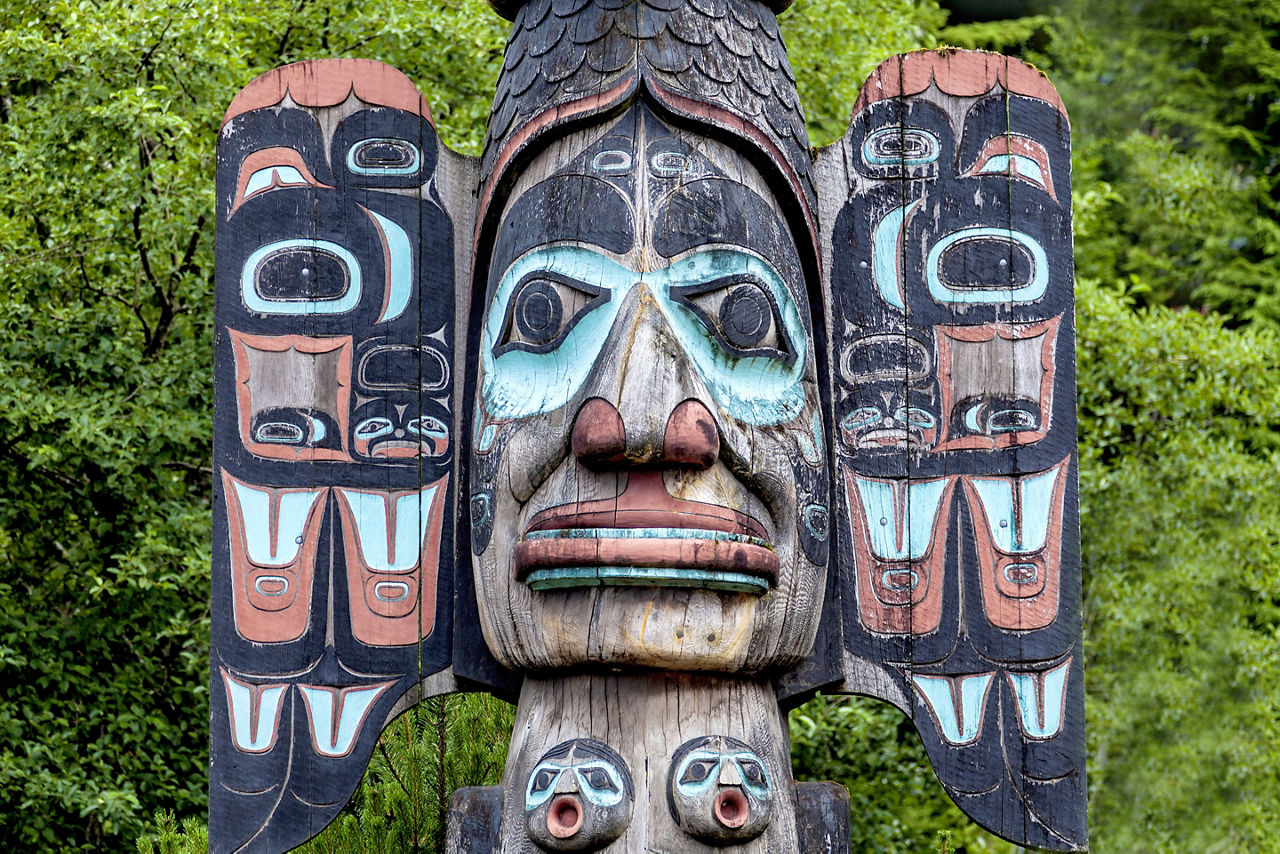
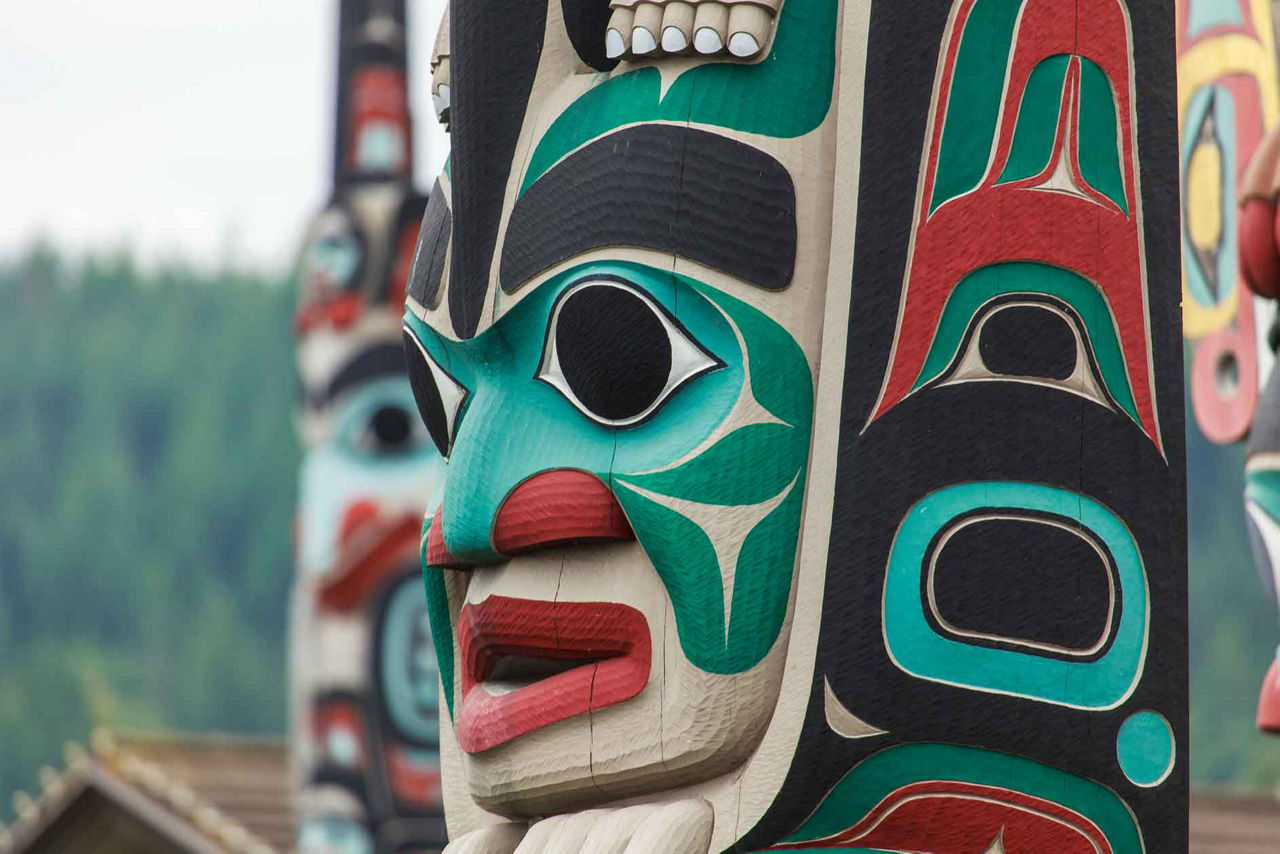
Clans also have crests, such as animal figures, that express their identity and history. You might see these designs on clothing, jewelry or carved objects during your travels.
Knowing this makes the artwork more meaningful. A crest can tell you something about family and belonging, as well as the skill of the person who created it.
What Is Tlingit Art Known For?
Tlingit art includes carving, weaving and other traditions that connect beauty with cultural meaning. Some works record family histories, while others are worn or used during important gatherings.
A few details are especially interesting to look for:
- Formline designs: Curving lines and shapes, including ovoids and U-shapes, fit together to create balanced images. This style is shared across several Northwest Coast cultures.
- Carved house screens and poles: Large works can display clan crests and histories through carefully arranged figures.
- Chilkat and Ravenstail weaving: These traditions produce intricate robes and other woven pieces, requiring great skill and patience.
- Bentwood boxes: Craftspeople shape the sides from a single plank of wood that is steamed and bent at the corners.
Seeing these pieces up close gives you a chance to appreciate the details. Follow the curves in a painted design or look at how a woven pattern holds together. There’s often much more to discover than a first glance reveals.
How Do Stories & Songs Carry Tlingit History?
Tlingit oral traditions pass knowledge through spoken stories, speeches and songs. They help connect people with ancestors, places and events, while clan-owned stories and songs carry particular histories and responsibilities.
A cultural performance can bring several of these traditions together. You might hear a drum, watch dancers wearing regalia and listen as a host explains the meaning of what is being shared.
That explanation is part of the experience. Hearing who a song belongs to or what a design represents helps you understand its place in the community.
What Foods Are Important in Tlingit Culture?
Salmon, halibut, shellfish, berries and other locally gathered foods have long been important in Tlingit life. Harvesting, preparing and sharing food connect families with the land and water around them.
Knowledge passes between generations through everyday activities, such as fishing, gathering berries and preserving a catch. Sharing food with elders, neighbors and guests is also an important part of community life.
For travelers, learning about these traditions adds meaning to familiar Alaska flavors. Salmon becomes more than a dish on a menu when you understand its place in family life and local knowledge.
Experience Tlingit Culture on an Alaska Shore Excursion
Royal Caribbean offers cultural excursions across several Southeast Alaska ports. Some focus on performances and storytelling, while others combine cultural visits with sightseeing.
Icy Strait Point: Hoonah History & Performances

Hoonah Sightseeing and Tribal Performance introduces the nearby community through local history and a performance by Huna Tlingit participants. It’s an opportunity to connect the town you’re exploring with its stories and traditions.
Another option, Seafood Feast & Tribal Performance, pairs a cultural showcase with shrimp and seasonal crab. The performance explores Huna Tlingit connections to the surrounding land and sea.
Sitka: Song, Dance & a Clan House Visit

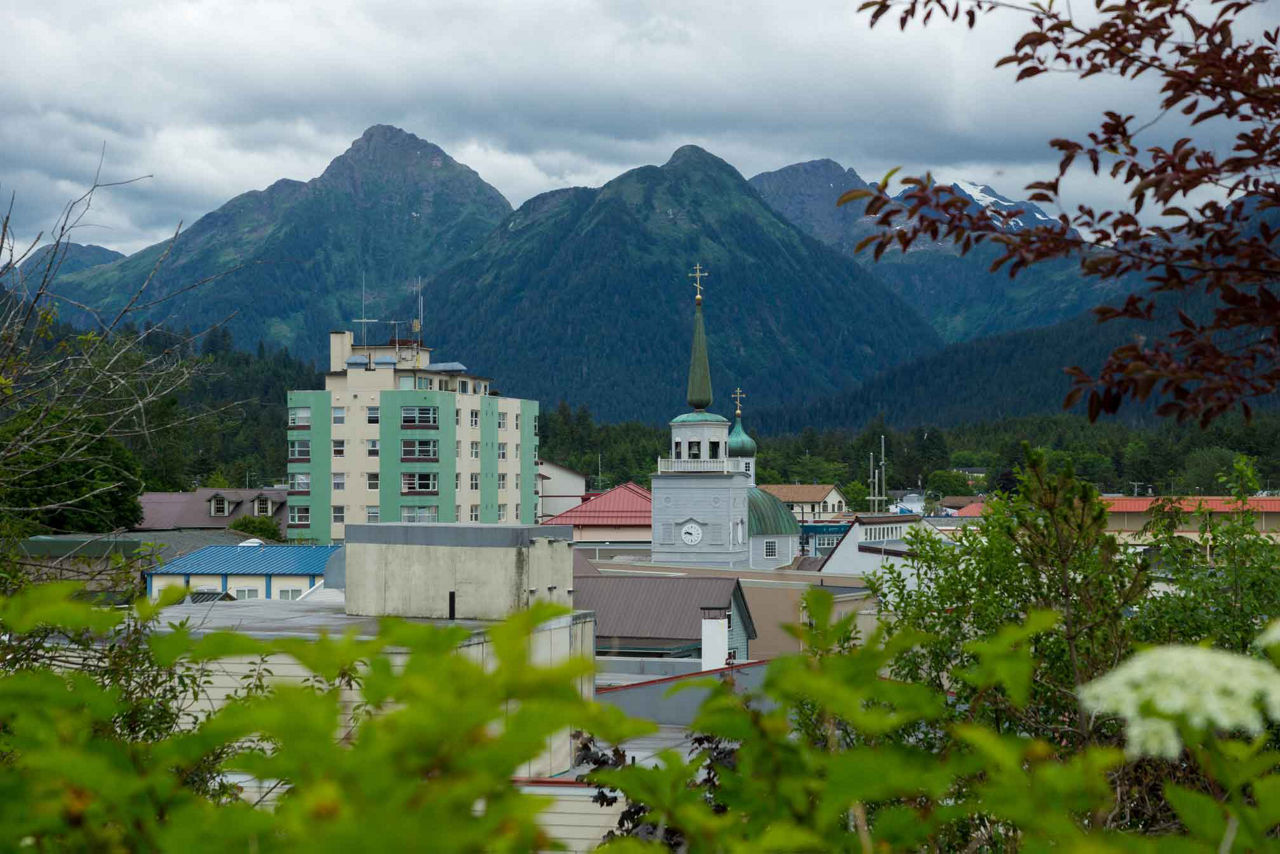
The Native Cultural & Historical Tour combines Sitka National Historical Park with a performance at Sheet’ka Kwaan Naa Kahidi Tribal Community House.
Inside, songs, regalia and the sound of a box drum bring the experience to life. The carved house screen provides another striking example of how art and cultural identity come together.
Sitka National Historical Park and Alaska Raptor Center also includes a clan house performance, pairing cultural learning with wildlife.
Ketchikan: Saxman Village & Local History
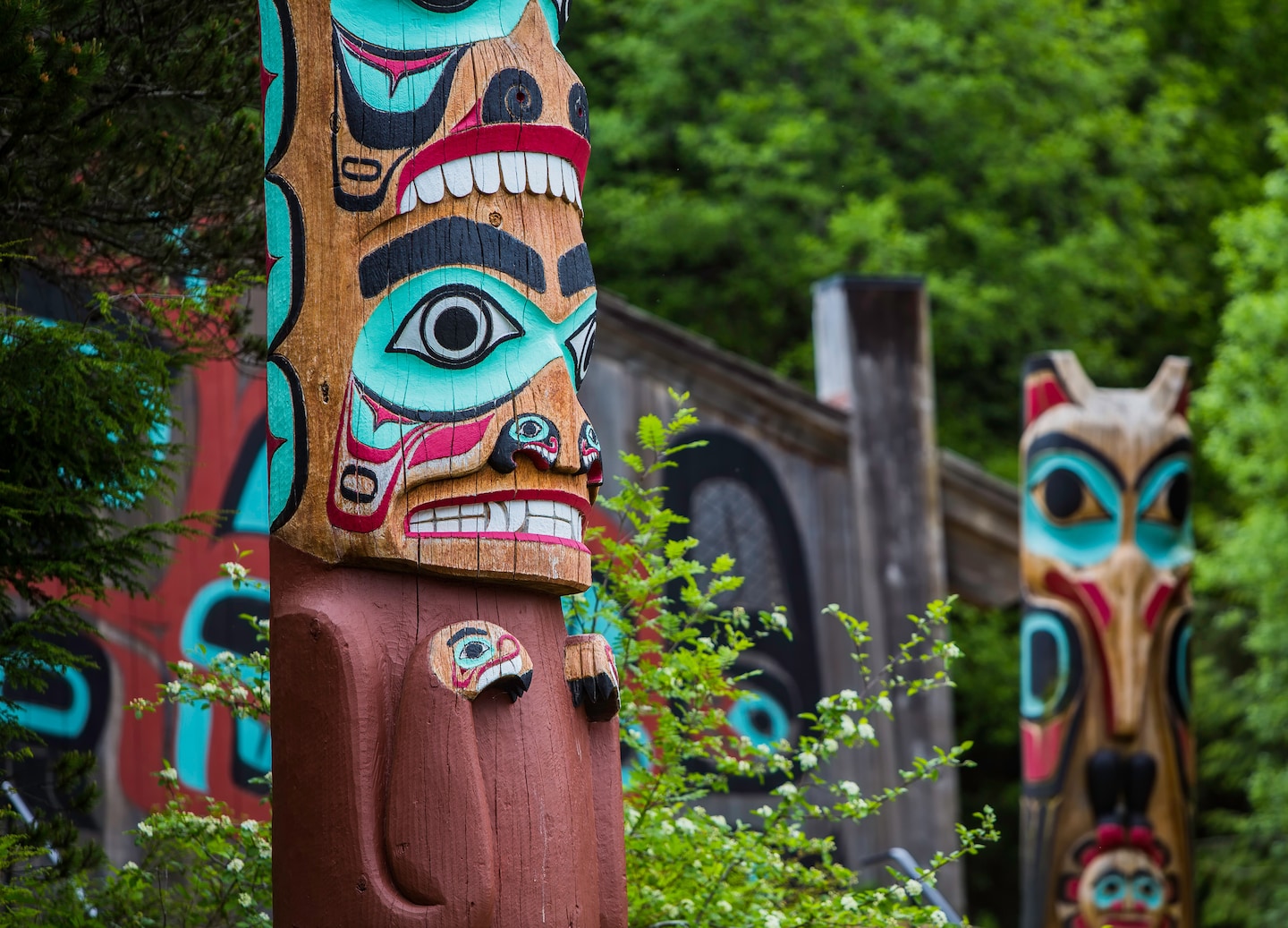
Saxman Native Totem Village includes a traditional welcome, dances and heritage stories shared by local hosts. The visit provides context for the carvings and the people connected to them.
For a broader introduction to the city, the Ketchikan Historic Walking Tour explores local landmarks alongside Tlingit heritage.
Juneau: Mountain Views & Cultural Learning

The Goldbelt Tram travels to a mountaintop complex overlooking Juneau’s harbor and surrounding mountains. Along with the scenery, the outing includes access to a film about Tlingit culture and opportunities to browse Alaska Native wares.
Frequently Asked Questions About Tlingit Culture
-
How do you pronounce Tlingit?
A common English approximation of Tlingit is “KLING-it.” The original Tlingit pronunciation includes sounds that English spelling does not capture exactly, so listening to a speaker is a helpful way to learn it.
-
Are Tlingit and Haida the same people?
Tlingit and Haida are distinct Indigenous peoples with their own languages, histories and identities. They share some Northwest Coast artistic and cultural traditions, but each has its own heritage.
-
Is the Tlingit language still spoken?
Yes. Tlingit, also written as Lingít, is spoken today. Community programs, teachers and organizations such as Sealaska Heritage Institute support language learning through classes, educational materials and programs for younger generations.
-
What is Tlingit regalia?
Tlingit regalia is clothing and adornment worn for cultural occasions, often displaying clan crests and identity. Pieces may include woven robes and other items with deep family or ceremonial significance.
Planning a Trip to Alaska?
Want to learn more about Alaska? Check out these guides to plan your next trip:
- What Is a Totem Pole? - Discover the meanings, histories and carving traditions behind these remarkable works.
- Cultural Excursions in Icy Strait Point - Explore experiences that introduce Hoonah and local Tlingit heritage.
- Historical Excursions in Sitka - Discover cultural performances, historic sites and stories from Sitka’s past.
- Cultural Excursions in Ketchikan - Learn about carving traditions and cultural experiences around the city.