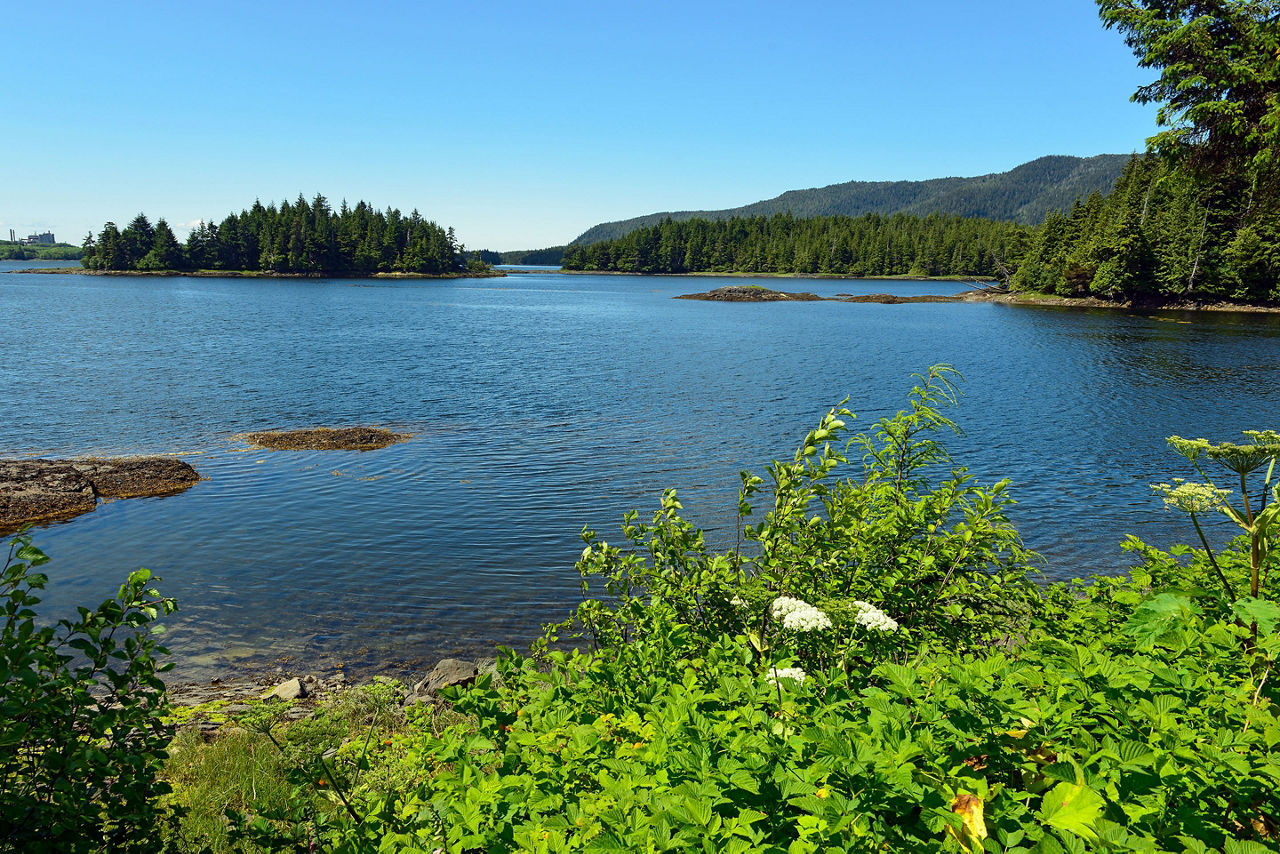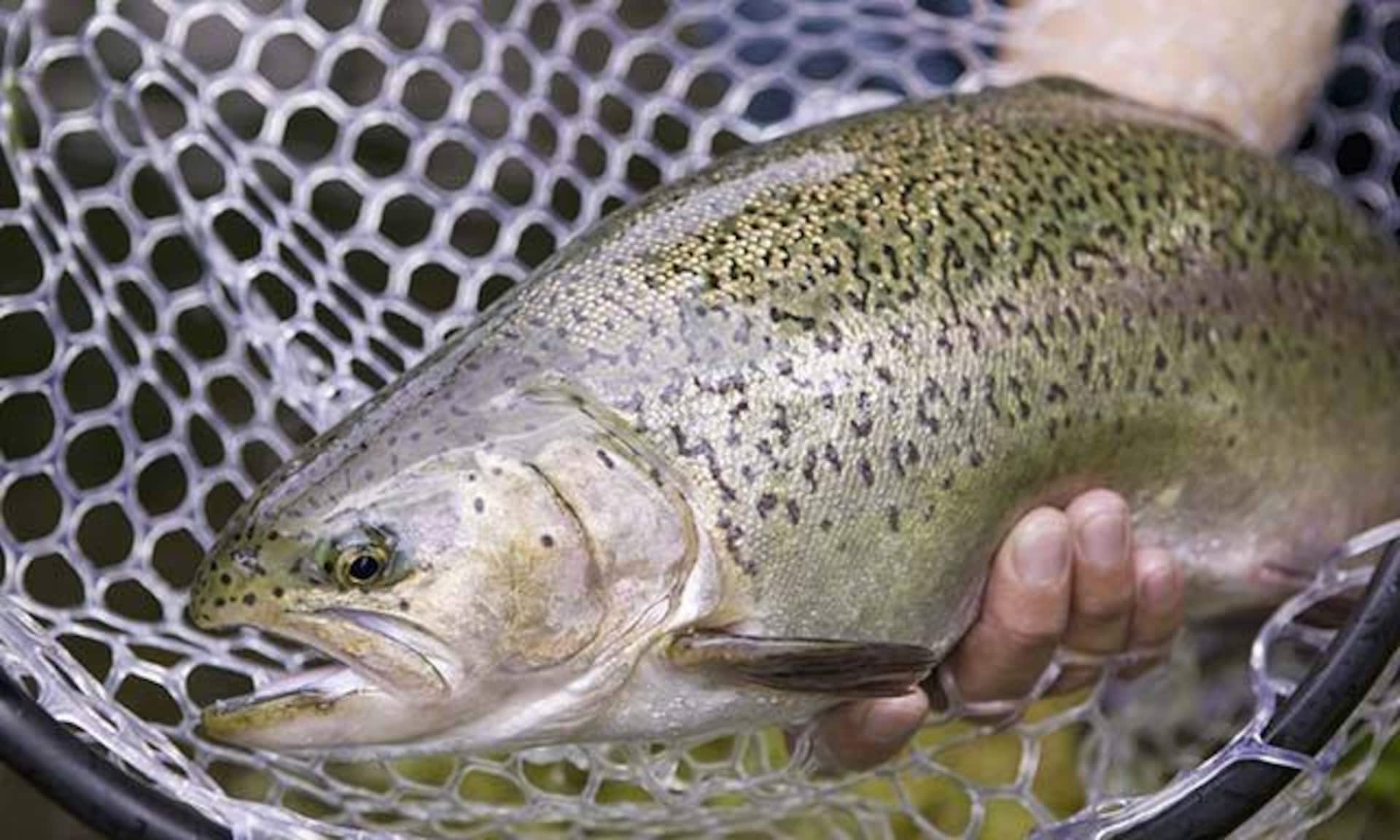
A salmon run is the seasonal migration of adult salmon from the ocean into freshwater rivers and streams to reproduce. In Alaska, returning salmon fill waterways throughout the summer and into fall, attracting bears, bald eagles and travelers eager to watch the journey upstream.
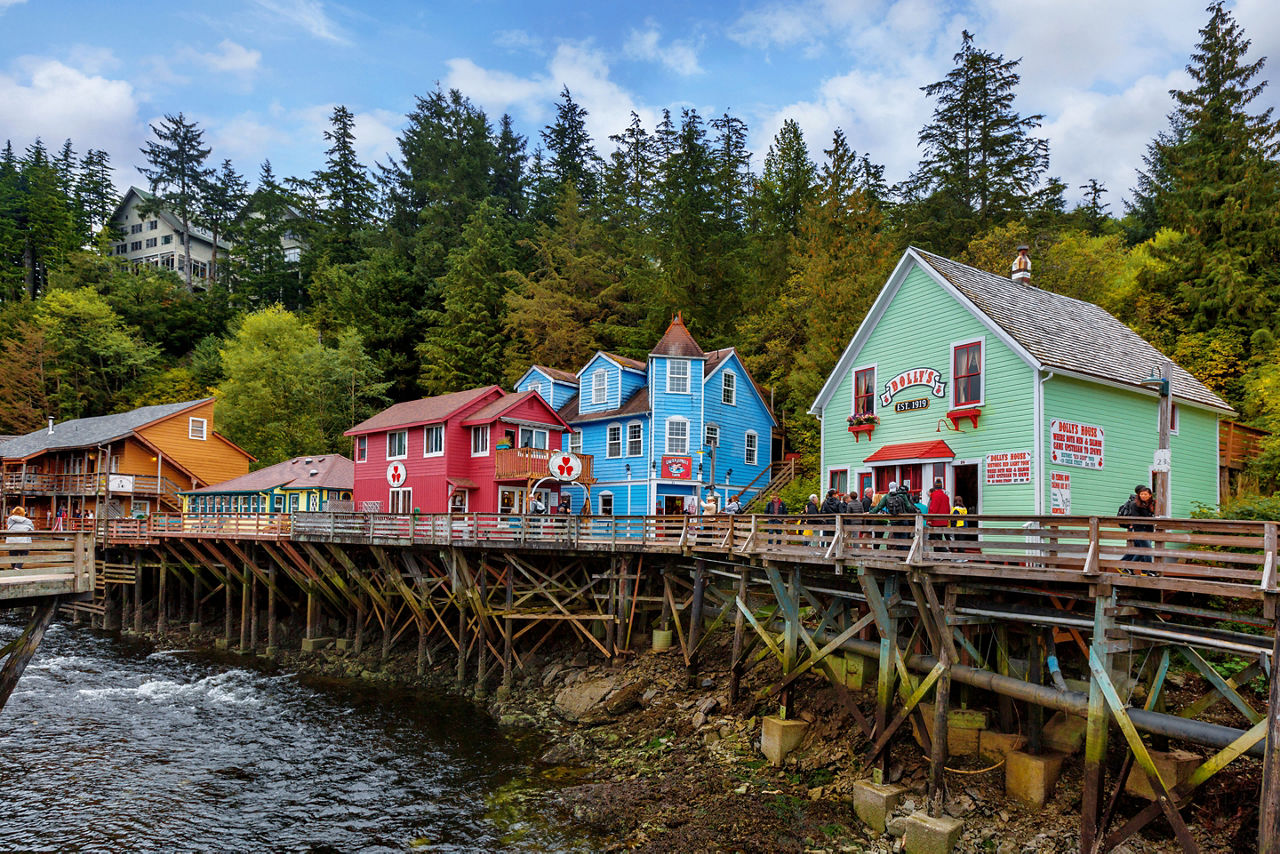
You can see parts of this journey while exploring Alaska’s coastal towns. In Ketchikan, salmon swim through the creek beside historic Creek Street. In Sitka, they gather in the Indian River beneath the forest canopy. Juneau’s salmon hatchery offers a closer look at their life cycle, including how young fish grow before heading out to sea.
If you’re planning an Alaska cruise, learning where and when salmon return can help you make the most of your time ashore. Here’s what to know about the run, why it matters and where to see it.
Why Do Salmon Swim Upstream?
Salmon swim upstream to reach freshwater spawning grounds, where females lay eggs in gravel nests. Many return to the river or stream where they hatched, completing a journey that connects their ocean life with their freshwater beginnings.
Their life cycle follows several stages:
- Eggs develop in gravel: The riverbed shelters the eggs as the young fish grow.
- Young salmon hatch: They begin life with an attached yolk sac that provides food.
- Juveniles grow and head toward the sea: Time spent in freshwater varies by species.
- Adults return to reproduce: After feeding and growing in the ocean, salmon make their way back to freshwater.
The fish you see moving upstream are nearing the end of that journey. Some have spent years at sea before returning to these familiar waters.
What Types of Salmon Run in Alaska?
Alaska has five native species of Pacific salmon: king, sockeye, coho, pink and chum. You’ll often hear their alternative names on tours, restaurant menus and waterfront walks.
- King, or Chinook: The largest of Alaska’s salmon species.
- Sockeye, or red: Known for the vivid red bodies and greenish heads they develop during spawning.
- Coho, or silver: Often among the later salmon to return to freshwater.
- Pink, or humpy: Males develop a noticeable hump during spawning.
- Chum, or dog salmon: Develop colorful bands along their sides.
Those changing colors and shapes are part of what makes a spawning run interesting to watch. Salmon can look quite different from the silvery fish you might picture at sea.
When Is the Best Time To See a Salmon Run in Alaska?
For travelers visiting Southeast Alaska, July through September is a good time for planning salmon viewing, although timing depends on the species and waterway.
Ketchikan Creek offers seasonal viewing during the summer, while Sitka’s Indian River sees salmon returning from around mid-July through September. The National Park Service notes that the Indian River’s pink salmon run typically peaks in mid-August.
There isn’t one statewide date when every river fills with fish. Choosing a summer sailing and looking at the waterways included in your excursions will help you connect your trip with the local season.
Where Can You See Salmon Runs on an Alaska Cruise?
Ketchikan: Salmon Near the Heart of Town
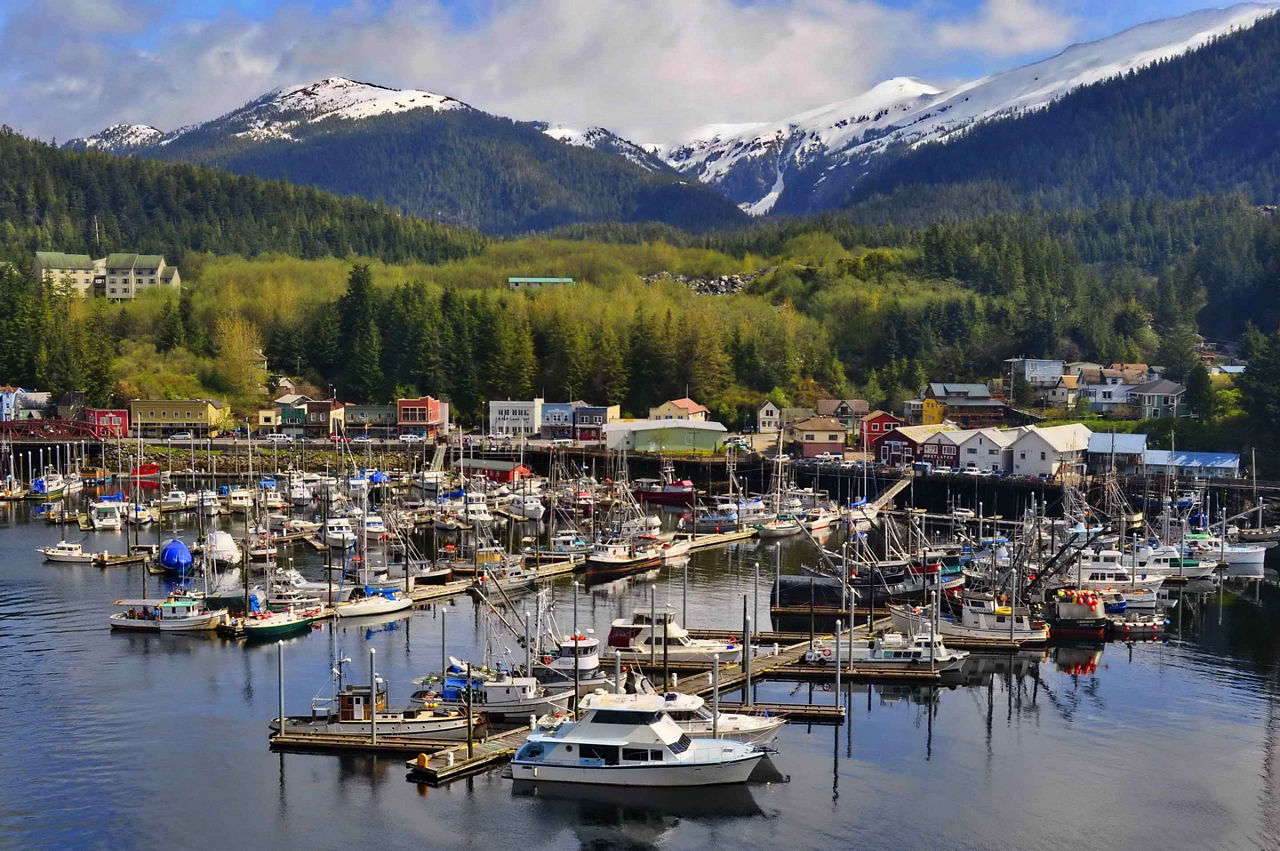
Ketchikan Creek brings the salmon story close to the city’s historic streets. During the run, fish move through the creek and its salmon ladder, giving travelers a chance to watch their progress while exploring town.
Herring Cove offers a different setting. Here, salmon return near the rainforest, where their arrival draws other wildlife to the water. It’s a good place to understand how a salmon stream supports much more than fish.
Juneau: A Closer Look at the Salmon Life Cycle
Juneau’s Macaulay Salmon Hatchery introduces visitors to salmon through exhibits, rearing facilities and seasonal views of returning adults.
A hatchery visit adds context to what you see in the wild. You can learn how young salmon develop and how hatchery operations work, while aquariums and touch tanks introduce other local marine life.
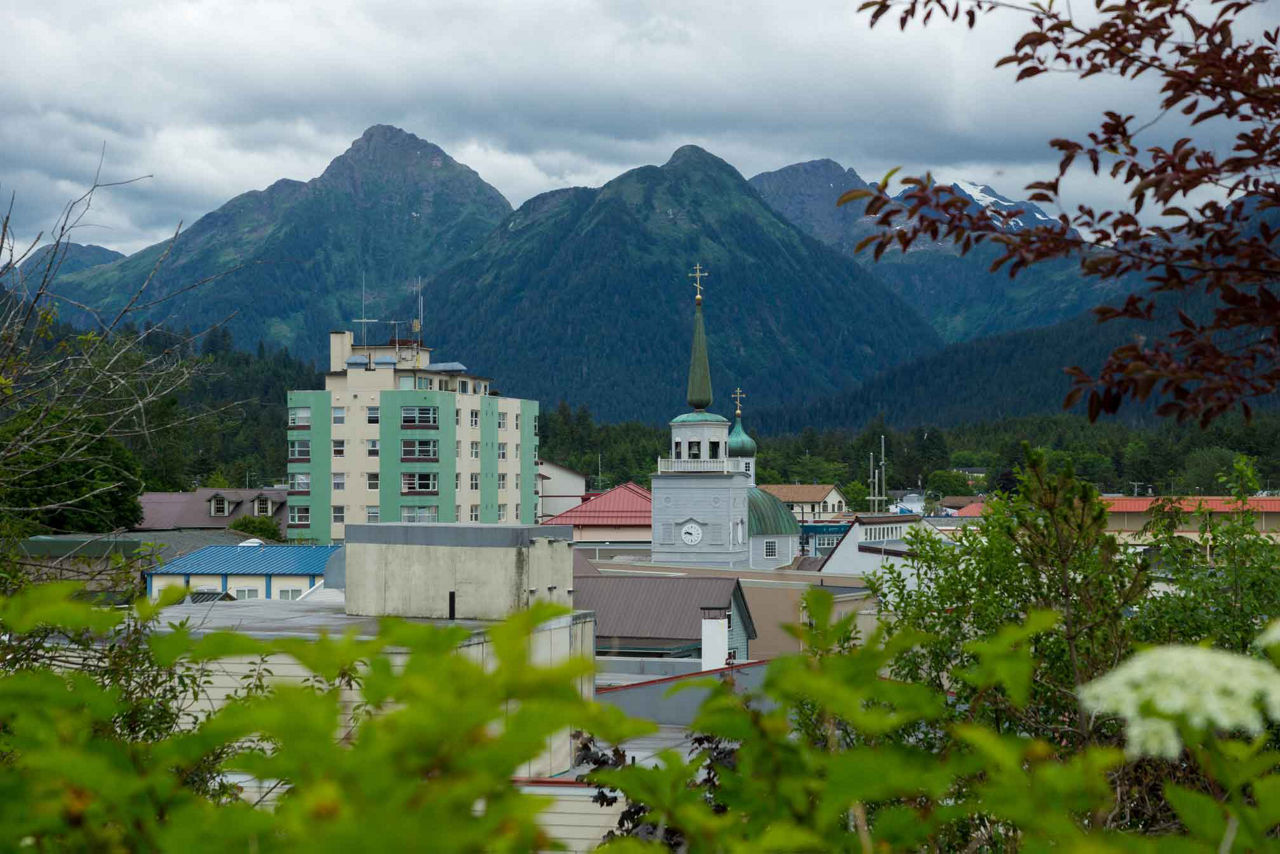
Sitka: Salmon Along the Indian River
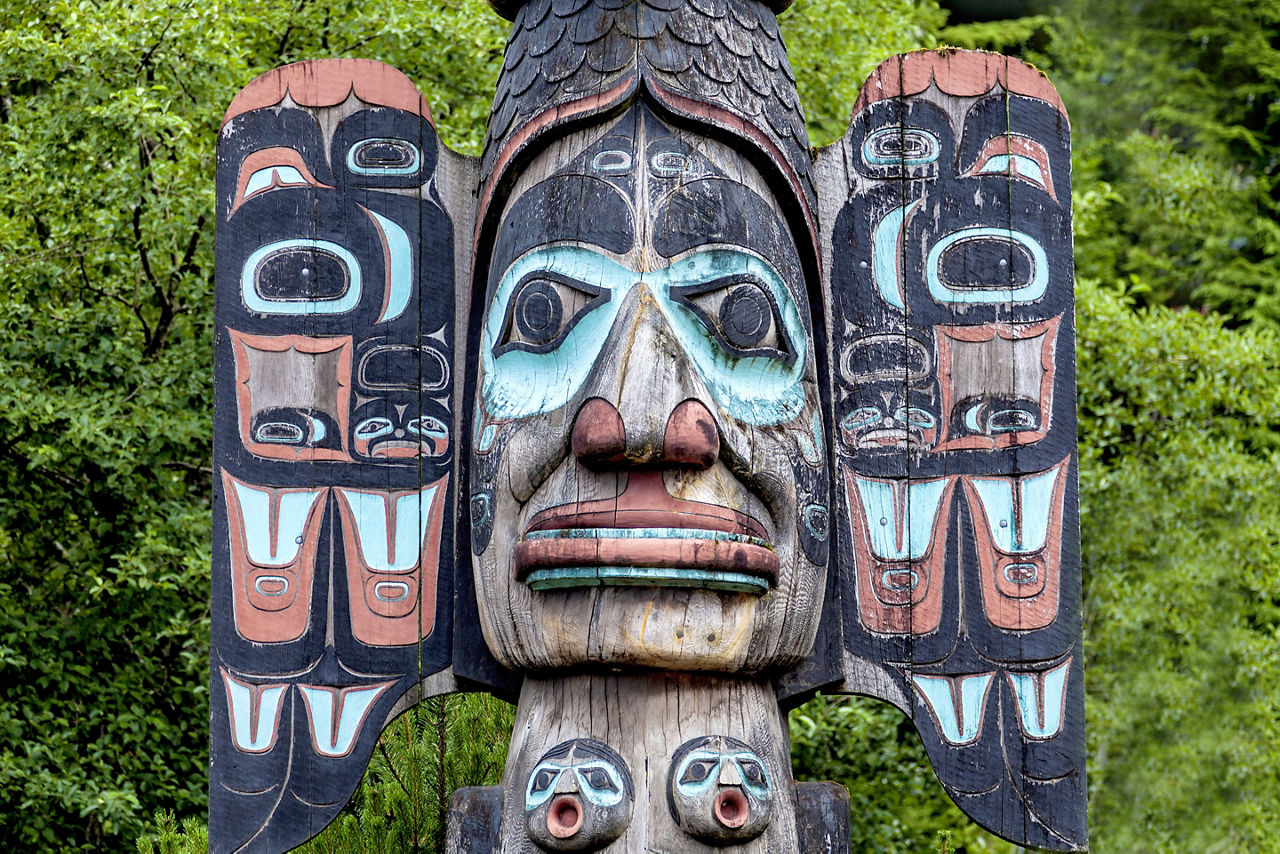
At Sitka National Historical Park, the Indian River runs through a forested setting close to trails and totem poles. During spawning season, salmon gather in the river, adding another reason to pause along your walk.
The combination is especially appealing if you enjoy both nature and history. You can explore the park’s cultural stories and spend time beside a waterway that remains an important part of its ecosystem.
Why Are Salmon Runs Important to Alaska’s Wildlife?
Salmon runs provide food for bears, eagles and other animals. Eggs feed fish in the streams, while the bodies of salmon that die after spawning return nutrients to the water and surrounding land.
That connection reaches into the forest. Nutrients carried inland by salmon help nourish the habitat around their spawning streams, supporting the next generation of life.
Seeing an eagle beside a salmon creek becomes more interesting when you understand what brought it there. The fish are part of a much larger seasonal gathering.
Explore Alaska’s Salmon Story on a Shore Excursion

Several Royal Caribbean excursions connect salmon viewing with sightseeing, wildlife or time in the rainforest:
- Ketchikan Duck Tour: Combines a land-and-water outing with views of Ketchikan Creek, its salmon ladder and seasonal spawning activity.
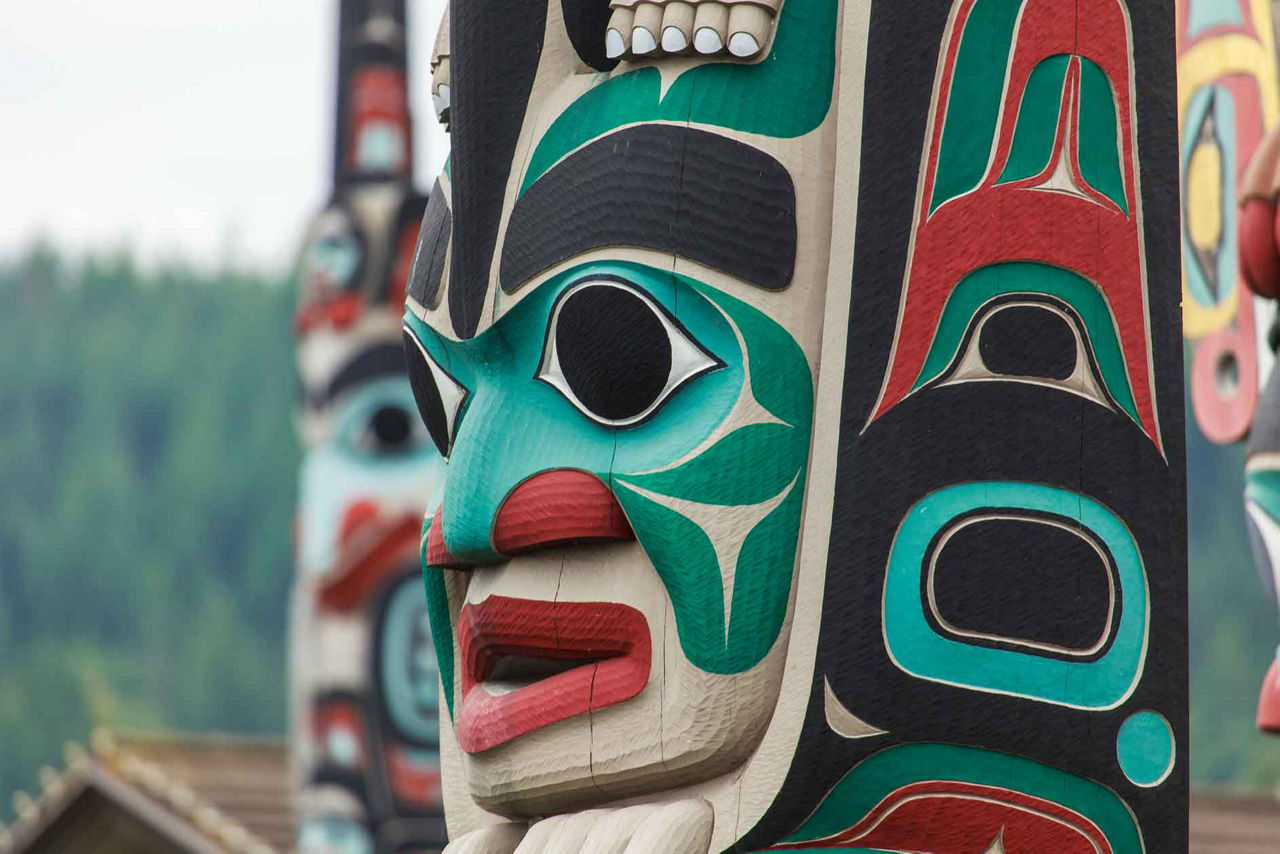
- Ketchikan Historic Walking Tour: Introduces the city’s history, totems and salmon runs during a guided walk.
- Rainforest Wildlife Sanctuary, Eagles & Totems: Explores Herring Cove, where the estuary attracts wildlife during salmon spawning season.
- Mendenhall Glacier and Salmon Hatchery: Pairs Juneau’s hatchery experience with a visit to the glacier.
- Whale Watching and Salmon Hatchery: Combines a Macaulay Salmon Hatchery visit with a wildlife-watching cruise.
- Discover Sitka National Historical Park: Includes time to explore the park independently, with seasonal salmon viewing from the Indian River bridge.
For a more active outing, Sitka Bike & Hike and Ketchikan’s Rainforest Canopy & Zipline Expedition also include habitats where spawning salmon can be seen seasonally. Alaska Bear Adventure by Floatplane connects a remote bear-viewing experience with salmon-filled waters.
Salmon activity and wildlife sightings depend on the season, and excursion availability varies by sailing.
See Alaska’s Salmon Story for Yourself
You don’t need to be an angler to find a salmon run fascinating. Watching fish work their way upstream gives you a closer look at a natural event that helps shape life in Alaska.
Explore Alaska cruises and make time for the rivers, rainforest trails and local experiences that bring this journey into view.
Frequently Asked Questions About Alaska Salmon Runs
-
How do salmon find their home river?
Salmon use their sense of smell to help recognize their home river. As young fish, they learn the water’s distinctive odors. Those memories help guide them back as adults returning to spawn.
-
Do all salmon die after spawning?
All five Pacific salmon species native to Alaska die after spawning. Atlantic salmon are different: some survive and return to spawn again.
-
Do salmon eat while swimming upstream?
Alaska’s adult Pacific salmon generally stop feeding after entering freshwater for their spawning migration. They rely on energy stored during their time in the ocean to travel upstream and reproduce.
-
Do you need to go fishing to see a salmon run?
You can watch a salmon run without fishing. Creekside walks, bridges, hatchery viewing areas and guided nature outings offer ways to see returning fish. In Alaska cruise ports, salmon viewing can fit into a day of sightseeing.
Planning a Trip to Alaska?
Want to learn more about Alaska? Check out these guides to plan your next trip:
- Ketchikan, Alaska Shore Excursions - Explore rainforest outings, local history and wildlife experiences.
- Sitka Shore Excursions - Discover coastal wildlife, forest trails and cultural landmarks.
- The Best Time To Visit Ketchikan - Compare seasons for sightseeing and outdoor adventures.
- The Best Time To Visit Alaska - Find the right season for the experiences you’d most like to enjoy.